Low-Copper Diets for a Doberman
It’s a truly heartbreaking reality when you find out your beloved Doberman might be battling a silent enemy within – their liver. Many Doberman owners are completely unaware of the breed's particular vulnerability to conditions like copper storage hepatopathy, which necessitates a carefully managed, low-copper diet. This comprehensive guide is here to shed light on why these diets are so critical, what foods you need to be mindful of, and how you can effectively support your Doberman's liver health through proper nutrition.
The Hidden Danger of Copper for Dobermans
The Doberman Pinscher is a magnificent breed, known for its loyalty, intelligence, and striking appearance. However, beneath that sleek coat and powerful physique, many Dobermans harbor a genetic predisposition to certain health conditions, and one of the most insidious is related to copper metabolism.
Understanding Copper Storage Disease in Dobermans
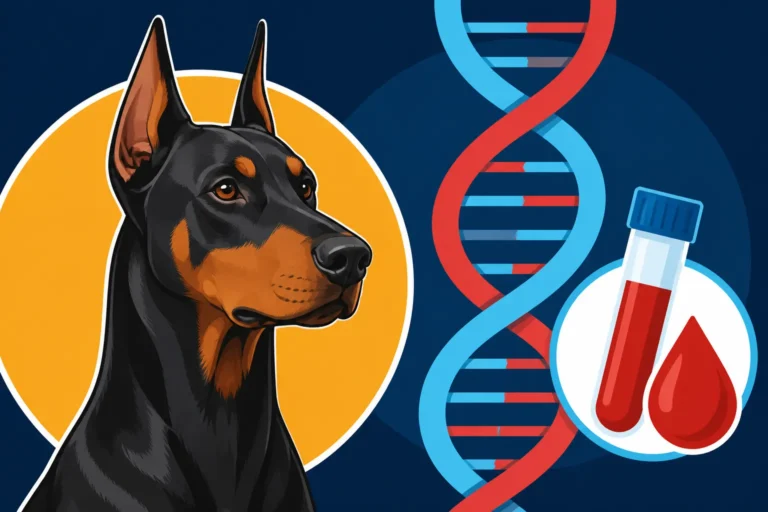
Unlike other breeds, Dobermans can have a genetic mutation that causes their livers to accumulate copper rather than excrete it efficiently. This leads to a condition known as copper storage hepatopathy, or chronic hepatitis. Think of it like a slow, toxic build-up over years, gradually damaging the liver tissue. It's not a quick process, and often, by the time clinical signs become obvious, significant liver damage has already occurred. This silent progression is why early intervention, particularly through diet, is so critical for Dobermans. It's a cruel irony that something as essential as copper, a trace mineral vital for many bodily functions, can become a deadly toxin when unregulated. We've seen far too many cases where the condition is only discovered when the dog is already seriously ill. You can learn more about why Doberman livers store copper and the specifics of this disease.
This genetic susceptibility means that even Dobermans on a "normal" dog food diet might be slowly poisoning themselves. The standard levels of copper found in most commercial dog foods, which are perfectly fine for other breeds, can be detrimental for a Doberman with this predisposition. It's estimated that a significant number of Dobermans may have silent liver disease, making vigilance and proactive care paramount. This isn't just a random occurrence; it's a breed-specific concern that every Doberman owner needs to be aware of and take seriously.
Recognizing the Subtle Signs of Liver Issues
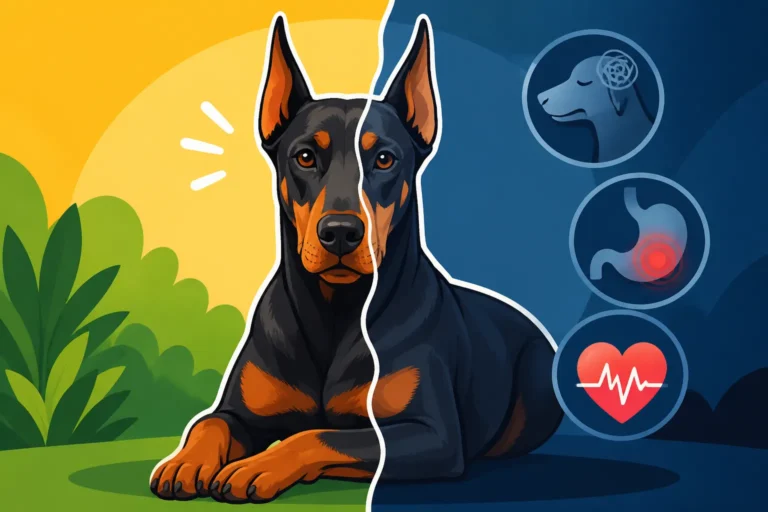
One of the biggest frustrations for Doberman owners facing copper storage disease is the insidious nature of its symptoms. It's not like a broken leg where the problem is immediately obvious. In the early stages, signs are often vague, easily dismissed, or attributed to other issues. You might notice a slight decrease in energy, a subtle loss of appetite, or just an overall "off" feeling in your dog. These are easily missed, especially in an otherwise active and seemingly healthy Doberman.
As the disease progresses, more noticeable symptoms can emerge, such as vomiting, diarrhea, increased thirst and urination, and weight loss. In later stages, you might see jaundice (yellowing of the skin and whites of the eyes), ascites (fluid build-up in the abdomen causing a pot-bellied appearance), or even neurological signs like disorientation or seizures due to hepatic encephalopathy, where toxins accumulate in the bloodstream and affect the brain. The problem is that by the time these more severe symptoms appear, the liver is often extensively damaged. This emphasizes the critical importance of regular veterinary check-ups and specific blood tests, which can reveal elevated liver enzyme results in a Doberman long before any outward signs are apparent. Early detection is truly the best defense against this silent killer.
Crafting a Low-Copper Diet: What to Avoid and What to Embrace
Navigating the world of dog food labels can feel like deciphering a secret code, especially when you're trying to manage a specific health condition like copper storage disease in your Doberman. The goal is to minimize copper intake without sacrificing other essential nutrients.
Identifying High-Copper Ingredients in Commercial Foods
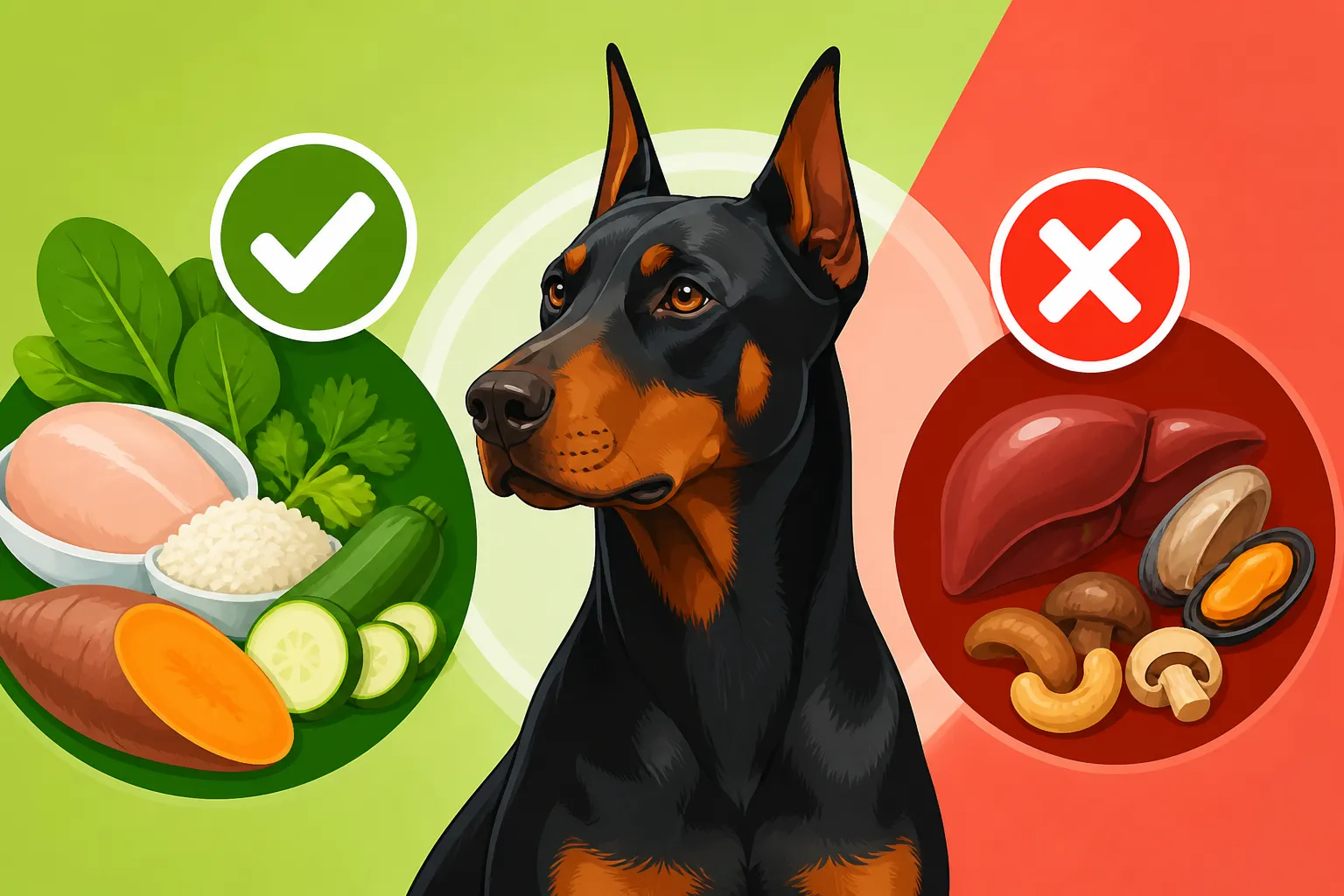
Many common dog food ingredients, while perfectly healthy for most dogs, are surprisingly high in copper. Organ meats, especially liver, are a prime culprit. While liver is a nutrient powerhouse, it’s a copper bomb for a susceptible Doberman. Shellfish, certain nuts, and some grains can also contribute significantly to copper levels. Even ingredients like mushrooms and some legumes can be problematic. The tricky part is that copper isn't always listed prominently on dog food labels, and the overall copper content can vary wildly even within brands.
This means you need to be a diligent label reader and, ideally, work closely with your veterinarian or a board-certified veterinary nutritionist. They can help you identify specific commercial diets that are formulated to be low in copper or guide you in preparing a homemade diet if that's the chosen route. Don't assume that a "premium" or "natural" dog food will automatically be low in copper. In fact, some boutique diets focusing on novel proteins or high organ meat content might be precisely what you need to avoid. For a deeper dive, it helps to understand which foods are highest in copper for a Doberman and why they pose a risk.
Selecting and Preparing Liver-Friendly Foods
The cornerstone of a low-copper diet for your Doberman involves selecting ingredients that are naturally low in this mineral. Lean protein sources like chicken breast, turkey, or certain types of fish (such as cod or tilapia) are often good choices. White rice, potatoes, and certain vegetables like green beans, carrots, and sweet potatoes can form the carbohydrate and fiber base. Avoid dark leafy greens like spinach, which can be surprisingly high in copper.
For many owners, the most practical solution is a prescription diet formulated specifically for liver support. Brands like Hill's Prescription Diet l/d (hepatic health) or Royal Canin Veterinary Diet Hepatic are designed to have restricted copper levels, along with other liver-supporting nutrients. These diets have undergone rigorous testing and are balanced to meet all nutritional needs while minimizing the copper load. While the initial investment might seem higher, the long-term benefits for your Doberman's health are invaluable. Be mindful, however, that the prescription diet costs for a Doberman liver condition can add up, so factor that into your budget.
If you choose a homemade diet, it is absolutely essential to work with a veterinary nutritionist to ensure it is complete and balanced. Simply cooking chicken and rice at home without proper supplementation can lead to other nutritional deficiencies, which can be just as harmful as excess copper. A well-formulated homemade diet can be incredibly effective, but it requires expert guidance and meticulous preparation.
Balancing Essential Nutrients in a Restricted Diet
Creating a low-copper diet isn't just about removing copper; it's about maintaining overall nutritional balance. Your Doberman still needs adequate protein for muscle maintenance, healthy fats for energy and skin health, and a full spectrum of vitamins and minerals. The challenge lies in achieving this without inadvertently introducing too much copper or creating other deficiencies.
One of the most important minerals to consider is zinc. Zinc is a fantastic ally in the fight against copper accumulation because it actually interferes with copper absorption in the gut. By increasing dietary zinc, you can help reduce the amount of copper that makes its way into your Doberman's system. However, like all supplements, zinc needs to be administered under veterinary guidance to ensure proper dosage and prevent potential side effects. There's a delicate dance to be played in achieving the right zinc and copper balance in a Doberman bowl, and your vet will be crucial in guiding this. Furthermore, antioxidants like Vitamin E and C can also be beneficial in supporting liver cell health. It's a holistic approach that focuses on minimizing the harmful element while bolstering the body's natural defenses and repair mechanisms.
Implementing and Monitoring Your Doberman's Low-Copper Plan
Once you have a low-copper diet plan in place, the real work of implementation begins. This isn't a temporary fix; it's a long-term commitment that requires consistency, careful monitoring, and a strong partnership with your veterinary team.
Transitioning Your Doberman to a New Diet
Switching your Doberman to a new food, especially a prescription diet, needs to be done gradually. A sudden change can upset their digestive system, leading to diarrhea or vomiting, which is the last thing you want when trying to support their health. Over 7 to 10 days, slowly mix increasing amounts of the new food with decreasing amounts of the old food. Start with about 25% new food to 75% old food for a few days, then move to 50/50, then 75/25, until they are fully on the new diet.
During this transition, keep a close eye on your Doberman's appetite, stool consistency, and energy levels. Some dogs are picky eaters, and a prescription diet might not be as palatable as their old food. If your Doberman is hesitant, discuss strategies with your vet, such as warming the food slightly or adding a tiny amount of low-sodium broth (ensuring it's also low in copper). Consistency is absolutely key here; once they're on the low-copper diet, sticking to it rigorously is paramount to managing their liver health effectively.
The Role of Supplements and Medications
Beyond diet, many Dobermans with copper storage disease will also require specific medications and supplements. As mentioned, zinc is often prescribed to block copper absorption. There are also powerful chelating agents, such as D-penicillamine or trientine, which work to bind existing copper in the body and help excrete it. These drugs are usually reserved for Dobermans with active copper accumulation or significant liver damage, and they come with their own set of potential side effects that your vet will monitor closely. Understanding copper chelation for a Doberman liver is vital for anyone whose dog has been diagnosed with this condition.
Additionally, liver protectants and antioxidants like S-Adenosylmethionine (SAMe) and silybin (milk thistle extract) are commonly used to help protect liver cells from further damage and promote regeneration. These aren't cures, but they are crucial supportive therapies that work hand-in-hand with the dietary changes. Your veterinary team, particularly a specialist in internal medicine or a veterinary cardiologist, will guide you through the precise medication for a Doberman with hepatitis. It's not a one-size-fits-all approach; the exact protocol will depend on the severity of your Doberman's condition and how they respond to treatment.
Ongoing Veterinary Care and Monitoring
Managing copper storage disease is a lifelong commitment, and regular veterinary monitoring is non-negotiable. Your Doberman will need routine blood tests to check liver enzyme levels, copper levels, and other vital indicators. These blood tests, often done every few months initially, help your vet assess the effectiveness of the diet and medication protocol and make any necessary adjustments. Monitoring bloodwork for a Doberman liver issue can be a significant part of your routine.
In some cases, repeat liver biopsies might be recommended to directly assess the amount of copper stored in the liver tissue and gauge the progression or regression of the disease. Ultrasounds of the abdomen can also help visualize the liver and detect any changes in its size or texture. These diagnostic procedures, while sometimes costly, provide invaluable information that guides treatment decisions. It's during these times that having reliable pet insurance, like a plan from Healthy Paws, can make a huge difference in making these crucial diagnostic and treatment decisions affordable. The earlier this disease is caught, the better the prognosis, which is why your vigilance in screening and follow-up is the most important tool you have.
Real-World Challenges and Solutions for Doberman Owners
Living with a Doberman on a specialized diet brings its own set of daily challenges, but with a bit of creativity and strict adherence, you can successfully manage their health.
Dealing with Picky Eaters and Training Treats
Let's be honest, some Dobermans can be incredibly particular about their food. A prescription low-copper diet, while nutritionally sound, might not be as enticing as their previous kibble. If your Doberman is turning up their nose, don't despair. Try warming the food slightly to enhance its aroma. You can also mix in a tiny amount of low-sodium chicken or beef broth (check ingredients to ensure it's low in copper). Some owners find success with sprinkling a small amount of liver-friendly herbs, like parsley, or adding a spoonful of pure pumpkin puree (again, checking for additives).
Training treats also require careful consideration. Most commercial treats are not formulated with low-copper requirements in mind. Stick to small pieces of cooked chicken breast (no skin or bones), plain cooked sweet potato, or specially formulated low-copper treats if your vet recommends any. It's crucial that "cheat" treats are completely eliminated, as even small amounts of high-copper foods can set back progress. Remember, for a Doberman with this predisposition, every bite counts.
Managing Multi-Pet Households and Accidental Ingestion
One of the biggest hurdles in a multi-pet household is preventing your Doberman from getting into other pets' food or treats, and vice-versa. If you have other dogs or cats, their food might be high in copper and could be dangerous for your Doberman. The simplest solution is to feed pets separately, ideally in different rooms or crates, and remove any uneaten food immediately.
Be hyper-vigilant about food left on counters, dropped crumbs, or accessible trash cans. Dobermans are intelligent and resourceful, and a sneaky snack could have serious consequences. Childproofing cabinets where food is stored can also be a good idea. Educate everyone in the household, including children and guests, about your Doberman's special dietary needs. It only takes one accidental ingestion to cause a setback, so strict management is paramount. Knowing how long a Doberman lives with liver disease often depends on how diligently these dietary protocols are followed.
Pet Insurance Considerations for Liver Disease
When facing a chronic condition like copper storage disease, the financial burden can be substantial. From specialized prescription diets and medications to frequent blood tests, ultrasounds, and potentially even repeat biopsies, the costs can quickly accumulate. This is where pet insurance becomes an invaluable tool for Doberman owners.
Ideally, you want to enroll your Doberman in a comprehensive pet insurance plan before any symptoms of liver disease emerge or a diagnosis is made. Once a condition is documented in their veterinary records, it's typically considered "pre-existing," and subsequent claims for that condition may not be covered. This is a common industry standard, and understanding it upfront is crucial. A provider like Healthy Paws, for example, offers plans that can help with unexpected accidents and illnesses, but pre-existing conditions are usually excluded. Therefore, proactive enrollment is always the best strategy to ensure you have financial support for conditions that might arise later. Catching Doberman liver disease early, possibly through routine screening, and having insurance in place can provide immense peace of mind and allow you to pursue the best possible care without added financial stress.
Disclaimer
The information provided in this article is for educational purposes only and is not intended to be a substitute for professional veterinary advice, diagnosis, or treatment. Always seek the advice of your veterinarian or other qualified animal health provider with any questions you may have regarding a medical condition. Never disregard professional veterinary advice or delay in seeking it because of something you have read here.