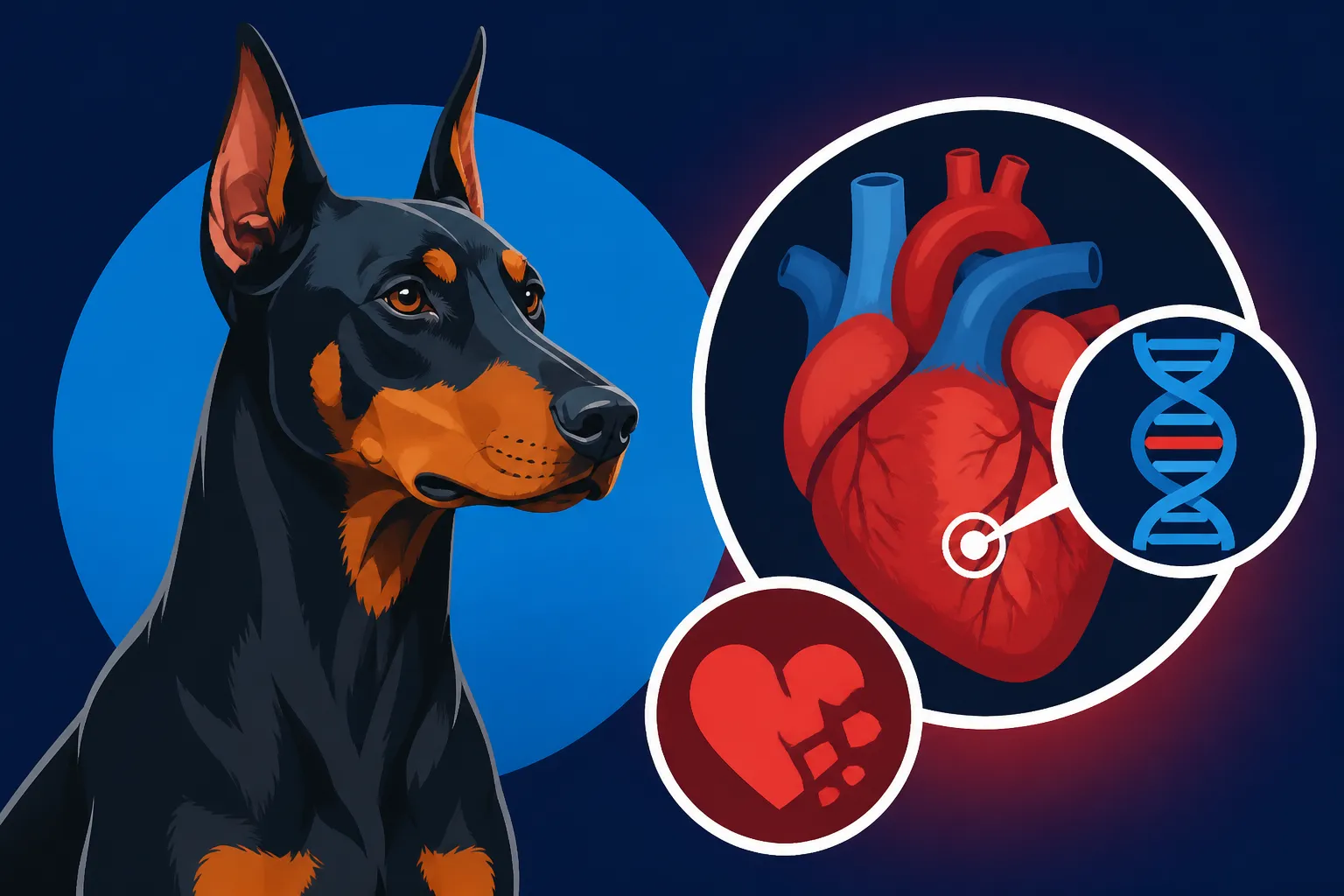
What the Doberman DCM1 Deletion Does
For Doberman owners, few diagnoses strike as much fear as Dilated Cardiomyopathy, or DCM, an insidious heart disease that often shows no outward signs until it's tragically advanced. The emergence of genetic testing promised a clearer path forward, but the discovery of specific gene deletions, like the one known as DCM1, has often led to more questions than answers, leaving many wondering exactly what this genetic marker means for their beloved companion's future. This guide will meticulously break down the DCM1 deletion, its scientific implications, how to interpret test results, and what steps you can take to manage your Doberman's health with this knowledge in hand.
Understanding Dilated Cardiomyopathy in Dobermans
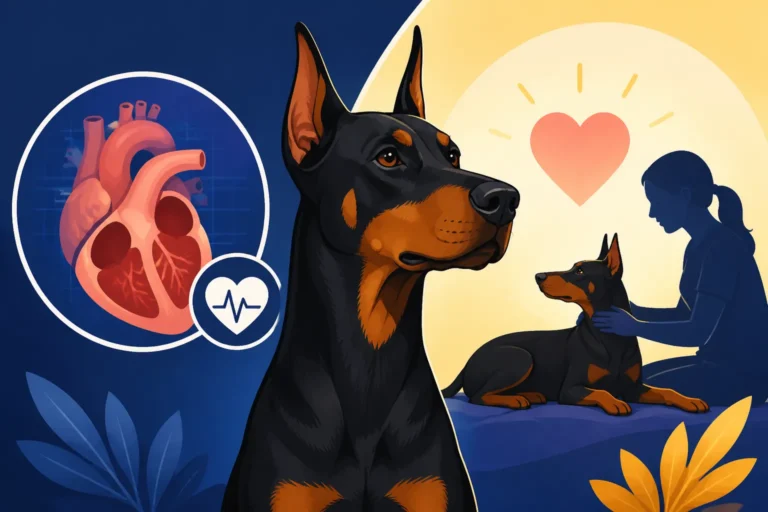
Dilated Cardiomyopathy is a devastating condition that affects a significant number of Dobermans, making it the most common cause of heart failure and sudden death in the breed. Unlike some other heart conditions, DCM is characterized by a thinning of the heart muscle walls and an enlargement of the heart's chambers, particularly the left ventricle. This structural change severely impairs the heart's ability to pump blood effectively to the rest of the body. Imagine your heart as a powerful pump; with DCM, the muscle becomes weak and floppy, like a stretched-out rubber band, reducing its pumping efficiency.
The progression of DCM in Dobermans is particularly heartbreaking because it often unfolds in a "silent" phase, known as the occult or preclinical stage. During this time, your dog might appear completely healthy, full of energy, and show no outward symptoms of disease. However, subtle changes are already occurring within the heart. This silent period can last for years, making it incredibly difficult to detect without specialized cardiac screening. Many owners are blindsided when their seemingly healthy Doberman suddenly collapses or shows acute signs of heart failure.
Eventually, the disease progresses to the overt stage, where the heart's function is so compromised that clinical signs become evident. These can include coughing, difficulty breathing, lethargy, reduced exercise tolerance, fainting spells (syncope), and a distended abdomen due to fluid buildup. At this point, the Doberman is often in congestive heart failure, and while medication can help manage the symptoms and improve quality of life for a time, the prognosis is often grave. This is why understanding the genetic predispositions, such as the DCM1 deletion, is so crucial for early intervention.
The Heart Disease That Reaches Most Dobermans
When we talk about the Doberman's health, DCM almost always comes up. It's a hallmark of the breed, an unfortunate genetic legacy that impacts a substantial portion of the Doberman population worldwide. While estimates vary slightly, it's widely accepted that a significant percentage of Dobermans will develop DCM in their lifetime, with some studies suggesting up to 50% or even higher in certain lines. This high prevalence is what makes genetic testing and regular cardiac screening absolutely non-negotiable for anyone who owns or plans to own a Doberman. The thought of your vibrant, energetic Doberman suddenly falling ill with this condition is a heavy burden, and it’s why so many of us are constantly seeking ways to stay ahead of it.
The exact mechanisms behind why Dobermans are so susceptible to DCM are still being extensively researched, but it’s clear that genetics play a primary role. It's not just one gene, however, but likely a combination of multiple genes and environmental factors that contribute to the disease's development. This complex interplay is part of what makes DCM so challenging to predict and manage, even with the best intentions and proactive care. The search for clear answers led researchers to specific genetic markers, starting with what we now call the DCM1 deletion.
The Role of the DCM1 Gene Deletion
The DCM1 gene deletion is one of the most significant genetic markers identified for Dilated Cardiomyopathy in Doberman Pinschers. Scientifically, this deletion is located in the PDK4 gene, which stands for Pyruvate Dehydrogenase Kinase 4. This might sound like a mouthful of jargon, but the PDK4 gene plays a critical role in how the heart muscle cells produce and utilize energy. Think of it like a tiny power plant within each heart cell; the PDK4 gene helps regulate which fuel source the heart uses.
Specifically, PDK4 is involved in metabolic pathways, particularly in regulating glucose and fatty acid metabolism. The heart muscle, like any other muscle, requires a constant and efficient supply of energy to function properly. When the PDK4 gene has this specific deletion, it's believed to disrupt this delicate energy balance within the Doberman's heart cells. This disruption can lead to a less efficient energy production, making the heart muscle more vulnerable to damage and stress over time. Essentially, the "power plant" within the heart cells isn't running as smoothly as it should, making the muscle weaker and more prone to the changes seen in DCM.
It's important to understand that the DCM1 deletion is considered a major risk factor, but it's not a sole determinant. A Doberman carrying this deletion has a significantly increased predisposition to developing DCM. However, it's not a 100% guarantee that the dog will get the disease, nor does a dog without this deletion mean it's completely immune. The DCM1 deletion essentially loads the dice, making the Doberman more likely to develop the condition, and often at an earlier age compared to Dobermans without this specific genetic marker. It's a piece of the puzzle, but not the entire picture. This is one reason why some Dobermans that test clear and still get DCM, highlighting the complex nature of the disease.
The DCM1 Gene Test Explained for Doberman Owners
When you submit a sample for a DCM1 gene test, usually a cheek swab, the lab analyzes your Doberman's DNA for the presence or absence of this specific PDK4 gene deletion. The results typically come back in one of three categories, and understanding these is key:
- Clear (N/N): This means your Doberman does not carry the DCM1 deletion. This is excellent news, as it indicates a lower genetic predisposition related to this specific marker. However, remember this doesn't mean your dog is completely risk-free for DCM, as other genetic factors and environmental influences can still play a role.
- Carrier (N/P or N/DCM1): This means your Doberman has one copy of the normal PDK4 gene and one copy with the DCM1 deletion. Carriers have an increased risk of developing DCM, though perhaps slightly less than those who are homozygous positive. More importantly, carriers can pass this deletion on to their offspring if bred.
- Affected/Positive (P/P or DCM1/DCM1): This indicates your Doberman has two copies of the DCM1 deletion, meaning both parents contributed a copy of the deleted gene. Dobermans with two copies of the deletion have the highest genetic predisposition to developing DCM associated with this specific marker. These dogs are at a substantially elevated risk, and often show clinical signs of DCM at a younger age.
Knowing your dog's status allows you to make informed decisions about their care, breeding choices (if applicable), and proactive health monitoring. Many owners feel a wave of relief with a clear result, but it’s vital to temper that with the understanding that this is only one piece of the puzzle. For those with a carrier or affected result, it’s a call to vigilance.
Testing for the DCM1 Deletion and Interpreting Results
Getting your Doberman tested for the DCM1 deletion is a straightforward process, typically done through a simple cheek swab or blood sample. Several reputable genetic testing laboratories offer this test, often as part of a broader Doberman genetic health panel that might also include testing for other conditions like Von Willebrand Disease or the DCM2 Titin variant. Popular labs include VetGen, Canine HealthCheck, and Embark, among others. The cost of a Doberman DNA panel can vary, but it's a worthwhile investment for the peace of mind and actionable information it provides.
Once you receive the results, the interpretation isn't always as simple as "positive" equals "doom" or "clear" equals "no worries." As we discussed, a "positive" result (P/P or DCM1/DCM1) means your Doberman has two copies of the deletion and a very high genetic predisposition to developing DCM. This doesn't mean they will get it, but their risk is significantly higher. A "carrier" result (N/P) means they have one copy, indicating an increased risk, and they can pass it on. A "clear" result (N/N) means they don't have this particular deletion, but critically, it does not mean they are immune to DCM. There are other genetic factors and environmental components at play.
This nuance is crucial. Many Dobermans with the DCM1 deletion live long, full lives without ever developing overt symptoms, while some Dobermans who test clear for both known DCM genes still develop the disease. This highlights that DCM is a complex, polygenic disease. The DCM1 test is a powerful tool for risk assessment, but it doesn't replace regular cardiac screenings.
What a Positive DCM1 Result Means for Your Doberman
If your Doberman tests positive for the DCM1 deletion, it means you need to be exceptionally proactive about their cardiac health. This isn't a sentence of immediate illness, but rather a strong signal to implement diligent monitoring. Think of it as knowing you have a higher risk for a certain health condition yourself; it encourages you to get regular check-ups and make lifestyle adjustments.
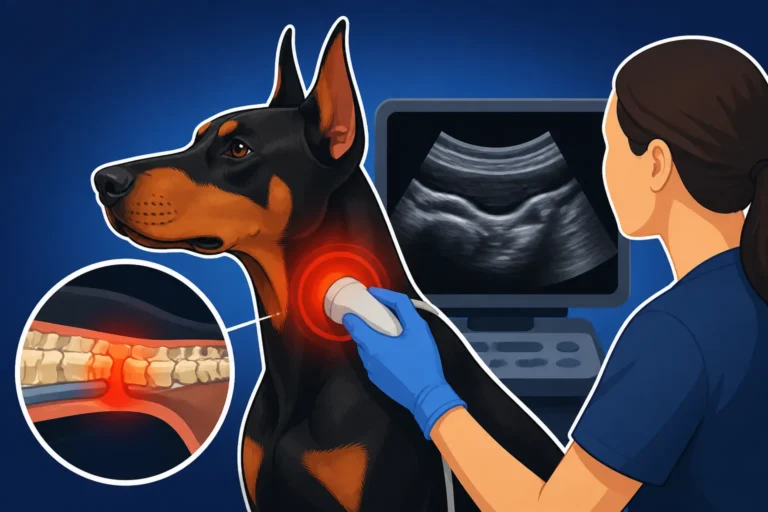
For your Doberman, a positive DCM1 result primarily means two things: heightened vigilance and consistent communication with a veterinary cardiologist. This is not the time to panic, but to formulate a plan. You should begin annual cardiac screenings, even if your Doberman is young and seems perfectly healthy. This typically includes an echocardiogram (an ultrasound of the heart) and a 24-hour Holter monitor (a wearable ECG device that records heart rhythm over an extended period). These tests are designed to catch the subtle changes of DCM in its preclinical phase, long before any outward symptoms appear.
Early detection, even in asymptomatic Dobermans with a genetic predisposition, can make a significant difference. Medications like pimobendan have shown promise in delaying the onset of clinical signs and extending the lifespan of Dobermans with preclinical DCM. If your Doberman has a positive DCM1 result, discussing these proactive measures with your vet and a cardiologist becomes paramount. It also underscores the importance of having robust pet insurance, such as a plan from Healthy Paws, which can help mitigate the substantial costs associated with ongoing cardiac monitoring and potential lifetime medication.
| DCM1 Genotype | Interpretation | Risk of Developing DCM (PDK4-related) | Implications for Breeding (if applicable) | Recommended Action for Pet Owners |
|---|---|---|---|---|
| N/N (Clear) | No copies of the DCM1 deletion. | Lower | Can be bred to any mate. | Continue routine preventative care. Consider annual cardiac screening for overall DCM risk. |
| N/P (Carrier) | One copy of the DCM1 deletion. | Increased | Should ideally be bred only to N/N (Clear) mates to avoid producing affected offspring. | Start annual cardiac screening earlier. Consult with a veterinary cardiologist. |
| P/P (Affected) | Two copies of the DCM1 deletion. | High | Should not be bred. | Start annual cardiac screening immediately. Work closely with a veterinary cardiologist for early intervention strategies. |
This table provides a concise overview of what each result category means and the necessary steps to consider. It's a roadmap to responsible Doberman ownership when dealing with this complex genetic factor.
Managing Risk and Looking Beyond DCM1
While the DCM1 gene deletion provides invaluable insight into a Doberman's predisposition to heart disease, it's just one piece of a much larger and more intricate puzzle. The reality is that DCM is a complex condition, influenced by multiple genetic factors and environmental elements that we are still working to fully understand. This means that managing the risk for your Doberman requires a multi-faceted approach that extends beyond a single genetic test.
The discovery of the DCM2 Titin variant in Dobermans further emphasized this complexity. DCM2, while distinct from DCM1, also contributes to the breed's susceptibility to the disease, particularly affecting the heart's electrical system and often leading to arrhythmias. It’s not uncommon for Dobermans to carry one or both of these variants, or even none at all and still develop DCM. This is why a Doberman that tests clear and still gets DCM is a frustrating reality for many owners and breeders. The scientific community is actively searching for DCM3 and DCM4 Doberman variants from Europe and other regions, further highlighting the ongoing nature of this research.
Therefore, for responsible Doberman ownership, the DCM1 test should be viewed as a powerful screening tool, but never as the sole determinant of your dog's heart health. It informs risk, but doesn't define destiny.
The Importance of Comprehensive Cardiac Screening
Regardless of your Doberman's DCM1 genetic test results, comprehensive cardiac screening remains the gold standard for monitoring their heart health. This typically involves regular appointments with a board-certified veterinary cardiologist, often starting as early as two to three years of age for Dobermans, especially those with a known genetic predisposition or from lines with a history of early-onset DCM.
The cornerstone of this screening regimen includes:
- Echocardiogram (Echo): This is an ultrasound of the heart that allows the cardiologist to visualize the heart's structure, measure chamber sizes, assess wall thickness, and evaluate the efficiency of blood flow. It's how early changes in heart muscle thinning and chamber enlargement are identified. An annual echo is generally recommended for at-risk Dobermans.
- 24-hour Holter Monitor: This is a small, portable ECG device that your Doberman wears for a full day. It records every heartbeat, allowing the cardiologist to detect irregular heart rhythms (arrhythmias), which are often one of the earliest signs of DCM in Dobermans. Reading a Doberman's Holter result involves counting the number of abnormal beats and assessing their complexity. Many Doberman owners find that getting a full 24 hours of Holter on a Doberman can be a bit of a challenge, but it's a critical diagnostic tool.
These screenings are invaluable, as they can detect the subtle, preclinical signs of DCM long before your Doberman exhibits any symptoms. Catching the disease in this "occult phase" allows for the initiation of medication, such as pimobendan, which has been shown to extend the period before clinical signs develop and even increase overall survival time. This proactive approach is the single most effective way to improve the prognosis for Dobermans affected by DCM.
Lifestyle and Environmental Considerations
Beyond genetics and regular screening, considering lifestyle and environmental factors can also play a supportive role in your Doberman's overall health, though their direct impact on DCM progression is still a subject of ongoing research.
Diet: While there was a scare concerning grain-free diets and their potential link to DCM in some breeds, the connection in Dobermans and their genetically predisposed DCM is still being studied. However, ensuring your Doberman receives a high-quality, balanced diet appropriate for their age and activity level is always crucial. Some cardiologists might recommend taurine and carnitine for a Doberman heart, especially if dietary deficiencies are suspected or if certain boutique diets are being fed. Always consult with your vet or a veterinary nutritionist regarding your Doberman's specific dietary needs.
Exercise and Stress: Maintaining a healthy weight and providing appropriate exercise is beneficial for any dog. For Dobermans at risk of DCM, moderate, regular exercise is generally encouraged, but avoid overexertion, especially during very hot or cold weather. Stress management is also important, as sudden adrenaline surges can sometimes trigger arrhythmias in predisposed individuals. A calm, consistent routine and a loving home environment contribute to overall well-being.
Regular Veterinary Care: Beyond cardiac specifics, ensuring your Doberman receives routine veterinary care, including vaccinations, parasite control, and dental hygiene, contributes to their overall health. Addressing any other health issues promptly helps ensure their body isn't under undue stress, which could indirectly impact heart health. Partnering with a comprehensive pet insurance provider like Healthy Paws can give you peace of mind that you'll be able to afford the best care, from routine check-ups to specialized cardiac consultations, should the need arise. It's about being prepared for the journey of Doberman ownership, which unfortunately often includes navigating these health challenges.
Disclaimer
The information provided in this article is for educational purposes only and is not intended to be a substitute for professional veterinary advice, diagnosis, or treatment. Always seek the advice of your veterinarian or other qualified health provider with any questions you may have regarding a medical condition.