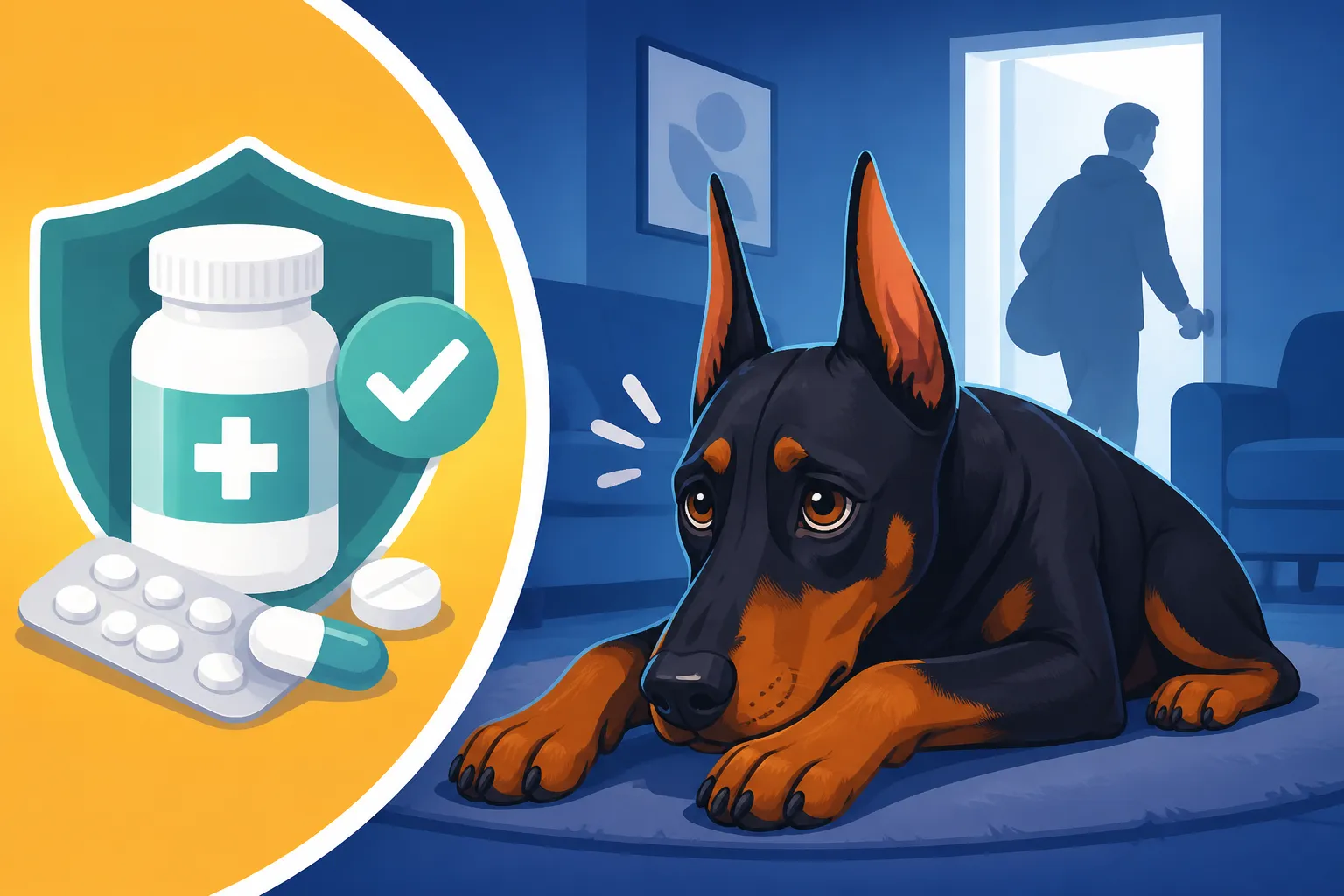
Medication for a Doberman With Separation Distress
It’s absolutely heartbreaking to see your Doberman fall apart the moment you walk out the door. The frantic barking, the destructive chewing, the accidents on the floor – it’s not just inconvenient, it’s a clear sign of deep distress, and it feels like a punch to the gut knowing your beloved companion is suffering. This guide aims to shed light on when medication might become a crucial, supportive tool in managing separation distress in your Doberman, alongside a comprehensive training plan.
Understanding Doberman Separation Distress
Separation distress, often mistakenly called "separation anxiety," is a deeply challenging behavioral issue where a Doberman experiences intense stress and panic when left alone or separated from their primary attachment figure. It's more than just being a little bored or mischievous; it's a genuine panic attack for your dog.
Why Dobermans Are Prone to Separation Distress
Dobermans, by their very nature, are what many lovingly call "Velcro dogs." They form incredibly strong bonds with their human families and thrive on companionship. This intense loyalty and desire to be close to their people is a beautiful trait, but it also makes them particularly susceptible to separation distress. Imagine feeling completely lost and vulnerable the moment your anchor in life disappears – that’s often what a Doberman with separation distress experiences. Their protective instincts, combined with their intelligence and sensitivity, can amplify their anxiety when they perceive themselves as being left to "guard" an empty house. For some Dobermans, this manifests in howling and pacing, for others, it's destructive chewing of doorframes, or even self-harm through excessive licking.
Common Signs and Symptoms
Recognizing separation distress is the first step toward helping your Doberman. The signs usually manifest within minutes of you leaving the house and almost always when the dog is completely alone.
- Excessive Vocalization: This is probably the most common complaint from neighbors. Your Doberman might bark, howl, or whine incessantly from the moment you leave until you return. This isn't just a few barks; it's often a sustained, desperate plea.
- Destructive Chewing: Many Dobermans will target exit points – doors, windows, crates – in an attempt to get to you. They might also chew on personal items that smell like you, or on furniture, driven by an overwhelming urge to cope with their stress. It's not about malice; it's about panic.
- House Soiling: A Doberman who is perfectly house-trained might urinate or defecate indoors only when left alone. This isn't out of spite; it’s an involuntary physiological response to extreme stress, much like a human might wet themselves during a severe panic attack.
- Pacing and Restlessness: You might see this on a dog camera – endless pacing, circling, or panting, indicating a Doberman unable to settle or relax.
- Escape Attempts: This can be incredibly dangerous. Dobermans may injure themselves trying to dig under fences, chew through crates, or jump through windows, all in a desperate attempt to reunite with you.
- Excessive Salivation: Some Dobermans will drool excessively, leaving wet puddles or streaks, another physical manifestation of their intense anxiety.
It’s crucial to understand that these behaviors are not naughty acts; they are symptoms of extreme emotional pain. Punishing them will only exacerbate the problem and damage the bond you share. If you suspect your Doberman is struggling, it’s time to seek professional guidance. You might find some helpful tips in A Doberman That Cannot Cope When You Go Out.
When Medication Becomes a Consideration for Your Doberman
It's natural to want to avoid medication for your furry family member if possible. Most owners, myself included, would rather try every training technique, every puzzle toy, and every calming spray before resorting to pharmaceuticals. However, there are times when medication isn't just a last resort, but a vital component to a successful treatment plan, offering your Doberman relief and making training possible.
When Behavioral Modification Alone Isn't Enough
Imagine trying to learn a new skill while having a full-blown panic attack. It's impossible, right? The same applies to a Doberman with severe separation distress. When the anxiety is so intense that the dog is unable to respond to traditional behavioral modification techniques – like desensitization to departure cues, counter-conditioning, or gradual increases in alone time – medication can act as a crucial crutch. It doesn't "cure" the problem, but it helps to lower their overall anxiety level, essentially taking the edge off their panic, so they can actually learn from the training.
If you’ve been diligently following a positive reinforcement training plan, working with a certified professional dog trainer or veterinary behaviorist, and your Doberman is still showing extreme distress, destroying property, injuring themselves, or is simply not making any progress, it’s a strong indicator that medication should be discussed with your veterinarian. This might involve looking at things like Building a Doberman's Alone Time From Minutes and realizing that even minute-long separations are too much.
The Role of a Veterinarian or Veterinary Behaviorist
This isn't a DIY project. Self-diagnosing and self-medicating your Doberman is dangerous and could have serious health consequences. A qualified veterinarian is your first point of contact. They can rule out any underlying medical conditions that might be contributing to or mimicking separation distress symptoms. For instance, sometimes incontinence or destructive behavior can be linked to other health issues.
Ideally, your vet might refer you to a board-certified veterinary behaviorist. These specialists have advanced training in both veterinary medicine and animal behavior, making them uniquely equipped to diagnose and manage complex behavioral disorders like severe separation distress. They can prescribe appropriate medications, monitor for side effects, and develop a comprehensive treatment plan that integrates pharmaceutical intervention with targeted behavior modification. They understand the nuances of Medication for a Doberman With Separation Distress far better than a general practitioner, especially for a breed like the Doberman.
Types of Medication for Doberman Separation Distress
When we talk about medication for separation distress, we're not just looking for something to "knock them out." The goal is to modulate brain chemistry to reduce anxiety, making your Doberman more receptive to learning new, calm behaviors when alone. These medications are almost always used in conjunction with a robust behavioral modification plan, never as a standalone solution.
Long-Term Anxiolytics and Antidepressants
These are the medications most commonly prescribed for ongoing, severe anxiety issues. They work by altering neurotransmitter levels in the brain over time, helping to stabilize mood and reduce baseline anxiety.
- Selective Serotonin Reuptake Inhibitors (SSRIs): These medications increase the amount of serotonin available in the brain, which plays a key role in mood, sleep, and anxiety. They are often prescribed daily and take several weeks (typically 4-8) to reach full effect. Common examples in human medicine include fluoxetine (Prozac), paroxetine, and sertraline, and similar compounds are used in veterinary behavioral medicine. They aim to gradually reduce the intensity and frequency of panic responses.
- Tricyclic Antidepressants (TCAs): Like SSRIs, TCAs also affect neurotransmitter levels, particularly serotonin and norepinephrine, and take time to build up in the system. Clomipramine (Clomicalm) is a well-known TCA specifically approved for separation anxiety in dogs. These can be very effective in reducing the chronic anxiety that underpins separation distress.
For both SSRIs and TCAs, the initial period can sometimes see an increase in anxiety before improvement, which is why close veterinary monitoring is essential. These aren't quick fixes, but rather tools to help rewire your Doberman's anxious brain over time.
Situational and Short-Acting Anxiolytics
These medications are used for immediate, acute relief in specific stressful situations, or to help through the initial weeks while long-term medications are taking effect. They are typically not meant for daily, indefinite use for separation distress as a primary treatment.
- Benzodiazepines: Drugs like alprazolam (Xanax) or diazepam (Valium) fall into this category. They act quickly to reduce anxiety and induce relaxation. They are most useful for short, planned absences where the Doberman experiences severe panic, or to help during the early stages of training before a long-term medication kicks in. However, they can sometimes cause sedation and may interfere with the learning process, so they are used judiciously and under strict veterinary guidance. They address the panic but don't teach new coping mechanisms.
- Sileo (dexmedetomidine oromucosal gel): This is a relatively newer medication specifically formulated for noise aversion, but it can be used off-label for situational anxiety, including short periods of separation distress. It's given orally, absorbed through the gums, and provides calming effects without heavy sedation. It’s useful for those moments when you absolutely must leave your Doberman alone for a brief period and need to prevent a full-blown panic attack.
Complementary Therapies and Nutraceuticals
Beyond prescription drugs, there are other products that can support an anxious Doberman, sometimes used in conjunction with medication or as a mild first step.
- Pheromones: Dog appeasing pheromone (DAP) diffusers, collars, or sprays mimic the natural pheromones a mother dog releases to calm her puppies. While not a strong medication, for some Dobermans, it can create a subtly more reassuring environment.
- Nutraceuticals/Supplements: These are non-pharmaceutical products that often contain ingredients like L-Theanine, Tryptophan, or various herbal extracts aimed at promoting calmness. While generally safe, their efficacy varies widely, and it's important to discuss any supplements with your vet, especially if your Doberman is on other medications. Brands like VetriScience Laboratories and Zesty Paws offer a range of calming supplements, often available on platforms like Amazon.
- CBD: The use of CBD products for pet anxiety is gaining traction. However, the research is still developing, and quality control of products can vary. If considering CBD, always consult your veterinarian to ensure it's safe for your Doberman and won't interact negatively with other medications.
Here's a quick overview of approaches:
| Approach | Primary Goal | Speed of Effect | Best Used When | Key Consideration |
|---|---|---|---|---|
| Behavior Modification (BM) | Teach new coping skills, change emotional response | Gradual | Mild to moderate anxiety; foundational for all cases | Requires consistent effort, patience, and professional guidance |
| Long-Term Medication (SSRIs/TCAs) | Reduce baseline anxiety, stabilize mood | Weeks | Moderate to severe anxiety; when BM alone is insufficient | Needs veterinary oversight, titration, and continued BM alongside |
| Situational Medication | Provide immediate, acute relief | Minutes/Hours | Short, unavoidable absences; during initial stages of long-term meds | Not a standalone solution; temporary; can have sedative effects |
| Pheromones/Nutraceuticals | Provide subtle calming support | Variable | Mild anxiety; adjunct to BM and medication | Efficacy varies; consult vet about supplements; not for severe cases |
Integrating Medication with Training and Management
It's crucial to understand that medication is rarely, if ever, a "magic bullet" for separation distress. It's a tool designed to support and enhance a comprehensive behavioral modification plan. Without addressing the underlying learned behaviors and fear responses through training, medication alone will likely only provide temporary relief, and the distress will return once the medication is stopped.
The Foundation of Behavior Modification
The core of treating separation distress lies in gradually teaching your Doberman that being alone isn't scary. This involves several key components:
- Desensitization to Departure Cues: Dobermans are incredibly smart and pick up on every little cue that signals your impending departure – grabbing keys, putting on shoes, picking up your bag. The goal is to perform these actions randomly throughout the day without actually leaving, so they lose their predictive power. This helps to reduce anticipatory anxiety.
- Graduated Departures: This is where you slowly, systematically increase the amount of time your Doberman is left alone, starting with seconds and building up. The key is to always stay below your Doberman's anxiety threshold. If they start to show signs of distress, you've gone too far, too fast. This requires immense patience and often means you might not be able to leave your Doberman alone for significant periods initially. For a detailed approach, read Building a Doberman's Alone Time From Minutes.
- Counter-Conditioning: This involves associating your departure with something positive and calming. For example, giving a long-lasting, high-value chew toy (like a Kong stuffed with frozen peanut butter or cream cheese) only as you walk out the door. The goal is to change their emotional response from panic to positive anticipation or calm engagement. Many Dobermans enjoy puzzle feeders, which you can find on Amazon, to keep their minds engaged.
Environmental Enrichment and Safe Spaces
Creating a calming, enriching environment is vital.
- Comfortable Den: Provide a comfortable, safe space where your Doberman can relax, such as a crate (if they are crate trained and don't associate it with panic) or a dog bed in a quiet room. Covering the crate can make it feel more den-like.
- Calming Aids: Consider using white noise machines, calming music specifically designed for dogs, or essential oil diffusers (ensure they are pet-safe and approved by your vet) to create a tranquil atmosphere.
- Security Cameras: Investing in a pet camera allows you to monitor your Doberman's behavior while you're away. This provides invaluable feedback on whether your training is working and if your Doberman is truly calm or still struggling. Many such cameras are readily available through Amazon.
- Exercise and Mental Stimulation: A tired Doberman is a calmer Doberman. Ensure your dog gets adequate physical exercise and mental stimulation before you leave. A vigorous walk, a game of fetch, or a training session can help burn off excess energy and make them more likely to rest when you're gone. Puzzle toys and enrichment activities can also help them Keep a Doberman Mentally Tired.
Monitoring and Adjusting
Treatment for separation distress is a dynamic process. It requires constant monitoring of your Doberman's progress and willingness to adjust the plan as needed. This is where working closely with your vet and a professional behaviorist truly pays off. They can help you identify subtle signs of improvement or relapse, and make informed decisions about medication dosages or changes to the training protocol. Remember, the journey can be long, but every small step forward is a victory for your Doberman's well-being.
Working with Your Vet and a Certified Behaviorist
Embarking on the journey to help your Doberman with separation distress requires a strong partnership with veterinary professionals. This isn't just about getting a prescription; it's about a holistic approach that ensures safety, efficacy, and ultimately, your Doberman's long-term emotional health.
Initial Consultation and Diagnosis
Your first step should always be a visit to your primary care veterinarian. Explain all the behaviors you're observing, when they occur, and how long they last. Be honest about the severity and impact on your Doberman's quality of life and your household. Your vet will perform a thorough physical examination and may recommend blood work or other diagnostics to rule out any underlying medical conditions that could be causing or exacerbating the symptoms. For example, thyroid issues can sometimes manifest as behavioral changes, and certain pain conditions can make a dog less tolerant of being alone. This initial diagnostic step is critical before any behavioral medication is considered.
If your vet suspects separation distress, they might refer you to a board-certified veterinary behaviorist. These specialists have extensive knowledge in both medicine and behavior, offering the most comprehensive approach to such complex issues. They can conduct a detailed behavioral assessment, often involving questionnaires and video analysis, to confirm the diagnosis and develop a tailored treatment plan. They are skilled at interpreting behavioral cues, something you might also learn about in Spotting the Moment a Doberman Is Uncomfortable.
Understanding Dosage, Administration, and Potential Side Effects
Once a medication is prescribed, your vet or veterinary behaviorist will discuss the specific dosage, how to administer it, and what to expect.
- Dosage: Medication dosages for animals are carefully calculated based on weight and individual response. It's incredibly important to follow these instructions precisely. Never adjust the dosage on your own.
- Administration: Most behavioral medications are given orally, often mixed with food or a treat. Ensure your Doberman is actually ingesting the medication.
- Side Effects: All medications have potential side effects. Your vet will explain what to watch for, which might include lethargy, gastrointestinal upset (vomiting or diarrhea), increased anxiety (especially in the initial stages of some antidepressants), or changes in appetite. Report any concerning side effects to your vet immediately. It might require adjusting the dose or switching to a different medication.
- Drug Interactions: If your Doberman is on any other medications or supplements, be sure your vet is aware of them to prevent potential negative drug interactions.
Remember, the goal isn't to sedate your Doberman into submission, but to reduce their anxiety enough so they can learn and function more calmly. The right dose will achieve this without making them excessively drowsy or unresponsive.
Long-Term Monitoring and Adjustments
Treating separation distress with medication is rarely a one-time prescription. It requires ongoing monitoring and adjustments.
- Follow-Up Appointments: Expect regular follow-up appointments with your vet or veterinary behaviorist to assess your Doberman's response to the medication and the training plan. These check-ins are vital for gauging progress, addressing concerns, and making necessary tweaks.
- Behavioral Logs: Keeping a detailed log of your Doberman's behavior when you're away (using a pet camera can be incredibly helpful here) will provide objective data for your vet. Note things like the duration of barking, destructive acts, pacing, and house-soiling incidents. This helps everyone evaluate the medication's effectiveness and the training's impact.
- Weaning Off Medication: If your Doberman shows significant and sustained improvement over several months, your vet might discuss gradually reducing the medication dose. This must be done slowly and carefully, under veterinary supervision, as abrupt discontinuation can lead to relapse or withdrawal symptoms. The aim is always to use the minimum effective dose for the shortest necessary period, but for some Dobermans, long-term medication might be necessary to maintain their quality of life.
Working with a certified professional dog trainer, especially one experienced with Dobermans and separation distress, can also be invaluable. Many online training programs, like those offered by BAXTER & Bella, can provide structured support for implementing behavior modification techniques at home, complementing the veterinary approach to medication. Seeking out Finding a Trainer Who Has Worked With Dobermans is always a wise choice.
Disclaimer
This article is for general informational purposes only and does not constitute professional advice. Laws, prices and regulations vary by location and change over time. Consult a qualified professional for guidance on your specific situation.