Finding a Trainer Who Has Worked With Dobermans
Bringing a Doberman into your life is an incredible experience, but let's be honest, it also comes with a unique set of challenges. These dogs are fiercely intelligent, incredibly loyal, and possess an energy and drive that can leave even seasoned dog owners scratching their heads. Many people feel overwhelmed trying to find a trainer who truly understands the Doberman psyche, someone who can guide them without resorting to outdated or harsh methods. This comprehensive guide is here to walk you through the process, helping you identify and choose the perfect trainer to unlock your Doberman's full potential and build a harmonious relationship.
Why Dobermans Need a Specialized Training Approach
It’s easy to think "a dog is a dog," and assume any general trainer will do, but Dobermans aren't just "any dog." Their history, their build, and their innate drives demand a nuanced approach that many general obedience classes simply don't provide. You need someone who understands the breed, not just dog training in general.
Understanding the Doberman Temperament and Drive
Dobermans were originally bred by Karl Friedrich Louis Dobermann for protection, which means they come pre-wired with specific instincts. They are incredibly intelligent, often ranking high in canine intelligence surveys, which sounds great on paper, but can actually make them more challenging to train. A smart dog can learn quickly, yes, but a bored or misunderstood smart dog can also learn undesirable behaviors with lightning speed! They'll often try to outsmart you, testing boundaries and exploring loopholes in your commands.
Their loyalty is unparalleled, often earning them the nickname "Velcro Doberman" because they tend to stick by their chosen person's side. While endearing, this intense bond can sometimes manifest as separation anxiety if not managed carefully from a young age. They possess a high prey drive, an incredible work ethic, and a protective instinct that, if not properly channeled and socialized, can easily tip over into reactivity or unwarranted suspicion. You’re not just training a pet; you’re guiding a powerful, thinking animal with a job in its genes. Generic "sit-stay" classes might cover the basics, but they rarely address the deeper aspects of managing a Doberman's inherent drives. Where the Velcro Doberman Nickname Comes From touches on this intense bond.
Common Doberman Behavioral Challenges
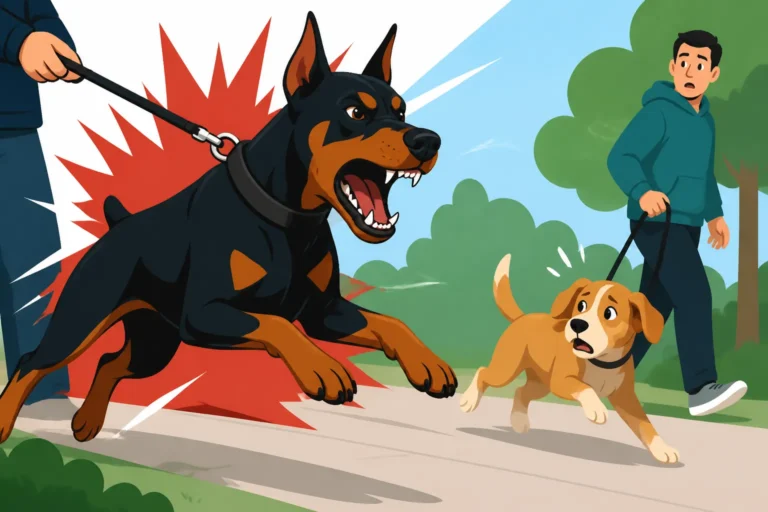
Because of their unique makeup, Dobermans often present specific behavioral challenges that trainers need to be well-versed in. For instance, leash reactivity – where your Doberman might lunge, bark, or growl at other dogs, people, or even inanimate objects while on a walk – is a common frustration. It's often misunderstood as aggression when it can stem from over-excitement, fear, or a protective instinct kicking in. A trainer without Doberman experience might misinterpret this, leading to ineffective or even damaging training methods.
Resource guarding, where a dog protects its food, toys, bed, or even its human from others, is another issue that can be particularly intense with Dobermans due to their natural guarding tendencies. This isn't a flaw, but an instinct that needs careful, consistent management and positive training to prevent it from becoming dangerous. Other challenges can include excessive demand barking, jumping on guests, being overly pushy for attention, or struggling with impulse control. These aren't signs of a "bad" Doberman, but rather indicators that their innate drives need expert guidance to be channeled positively. Without a trainer who understands these nuances, owners often feel frustrated, and the Doberman can become confused or even shut down. Doberman Guarding Instinct and Where It Tips Over explores this further.
What to Look For in a Doberman Trainer
When you're searching for someone to help you navigate the wonderful, wild world of Doberman ownership, it’s not just about finding a trainer. It's about finding the right trainer. This means looking for very specific qualities and approaches.
Experience with Guardian Breeds and Dobermans Specifically
This is non-negotiable. You wouldn't take a high-performance sports car to a mechanic who only works on sedans, right? The same logic applies to Dobermans. A trainer with extensive experience with guardian breeds like German Shepherds, Rottweilers, or particularly Dobermans, understands the core drives, sensitivities, and physical capabilities of these dogs. They know that a Doberman's "stubbornness" is often a sign of intelligence or confusion, not defiance. They’ll understand the delicate balance between giving clear direction and avoiding heavy-handed tactics that can shut down such a sensitive breed.
An experienced Doberman trainer can recognize subtle cues of stress, anxiety, or burgeoning reactivity that a less experienced trainer might miss. They know how to build a Doberman puppy that is Building a Doberman Puppy That Is Confident, Not Sharp rather than fearful or overly aggressive. They will also be familiar with how a Doberman's physical presence and intense stare can be perceived by others, and how to train your dog to be a calm, confident member of society rather than one that elicits fear. This specific breed insight allows them to tailor training plans that truly work, rather than applying generic methods that might be effective for other breeds but fail with a Doberman.
Training Philosophies and Methods
The world of dog training is vast, with many different philosophies. When it comes to Dobermans, the how of training is just as important as the what.
- Positive Reinforcement: This method focuses on rewarding desired behaviors, making it more likely your dog will repeat them. For an intelligent and sensitive Doberman, positive reinforcement builds trust, motivation, and a strong bond with their owner. They thrive on clear communication and positive feedback. Treats, praise, toys, and play are all used to reinforce good choices. This approach encourages the dog to think and choose the right behavior.
- Balanced Training: This approach incorporates both positive reinforcement and mild aversive techniques (like leash corrections or verbal reprimands) to discourage unwanted behaviors. A balanced trainer working with Dobermans must be highly skilled and experienced to know when and how to apply corrections without causing fear, anxiety, or damaging the dog's trust. The emphasis should still be heavily on positive reinforcement, with corrections used minimally and precisely, always aimed at guiding rather than punishing.
- Aversive-Only or Dominance-Based Training: This is a huge red flag, especially for Dobermans. Methods based on force, intimidation, or "alpha" theory are not only outdated but can be incredibly detrimental to a Doberman's temperament. These dogs are intelligent and sensitive; harsh corrections or fear-based training can lead to fear-aggression, anxiety, learned helplessness, or simply shutting down. It’s crucial to avoid trainers who rely solely on prong collars, e-collars, or other tools that inflict pain or severe discomfort without proper, nuanced application and a clear understanding of the dog's emotional state. Remember, Why Heavy Corrections Backfire on a Doberman is a real concern for this breed.
A good trainer will be able to clearly articulate their philosophy and justify their methods. They should focus on teaching you, the owner, how to communicate effectively with your Doberman.
Certifications, Continuing Education, and Professional Affiliations
Just like in any profession, certifications and ongoing learning speak volumes about a trainer's commitment and expertise. Look for trainers who hold certifications from reputable organizations. These often require rigorous testing, adherence to ethical guidelines, and continuing education credits.
Some well-regarded certifications include:
- CPDT-KA (Certified Professional Dog Trainer – Knowledge Assessed): This certifies a trainer's knowledge in canine learning theory, dog behavior, and training techniques.
- KPA-CTP (Karen Pryor Academy Certified Training Partner): This signifies a trainer is proficient in force-free, positive reinforcement training methods.
- IAABC (International Association of Animal Behavior Consultants): This organization offers certifications for animal behavior consultants, often working with more complex behavioral issues.
Beyond certifications, ask about their continuing education. Do they attend seminars, workshops, or conferences? Are they up-to-date on the latest scientific research in dog behavior? A trainer who is always learning is more likely to offer you the most effective and humane solutions. Professional affiliations with organizations like the Association of Professional Dog Trainers (APDT) also indicate a commitment to ethical practice and professional development. While not having a specific certification isn't an automatic disqualifier, a trainer who invests in their education is typically a safer bet, especially for a complex breed like the Doberman.
The Interview Process: Asking the Right Questions
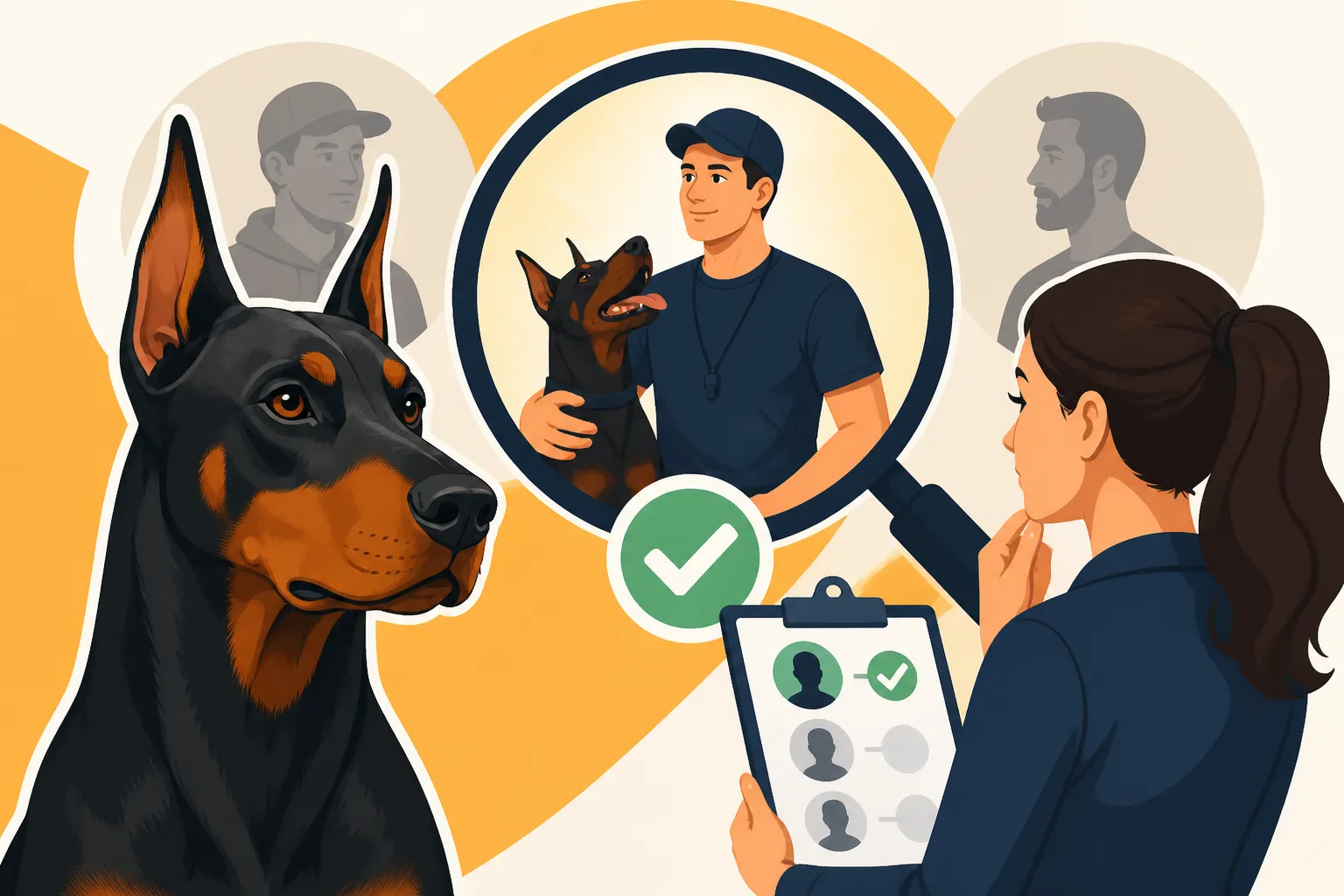
You’re essentially hiring a professional to guide you and your Doberman. Don't be shy about interviewing prospective trainers. This isn't just about their resume; it's about finding a personality and approach that aligns with you and your dog.
Initial Contact and Screening Questions
Your first conversation, often over the phone or email, is your chance to quickly filter candidates. Here are some essential questions to ask:
- "Do you have experience training Dobermans specifically, or other guardian breeds?" This immediately tells you if they have the breed-specific insight. A generic "yes, I train all breeds" might not be sufficient. Ask for examples of Dobermans they've worked with and what issues they addressed.
- "What is your primary training philosophy and what methods do you use?" Listen for keywords like "positive reinforcement," "force-free," or "balanced." If they immediately jump to discussing harsh corrections or tools like "shock collars" without any context of positive methods, that's a red flag.
- "How do you handle specific Doberman challenges like leash reactivity or guarding?" Their answer should demonstrate a nuanced understanding of these behaviors and an approach focused on teaching alternatives and managing the environment, rather than just suppressing the behavior through punishment. For example, for A Doberman That Reacts to Every Dog It Sees, they should discuss counter-conditioning and desensitization, not just yanking on the leash.
- "What are your qualifications and certifications?" This is where they can list their CPDT-KA, KPA-CTP, or other relevant credentials. Don't be afraid to ask where they received their education.
- "Can you provide references from other Doberman owners?" Speaking to past clients can offer invaluable insight into a trainer's effectiveness and approach.
Pay attention to how they answer. Do they sound knowledgeable and confident, or vague and defensive? A good trainer will be happy to explain their methods and philosophy in detail.
During the Consultation: Observing and Inquiring
Once you've done your initial screening, the next step is usually an in-person consultation or the first training session. This is your chance to observe the trainer in action and dig a little deeper.
- Observe Interaction with Your Doberman: How does the trainer approach your dog? Do they read your Doberman's body language? Are they patient, calm, and confident, or do they seem hesitant or overly aggressive? A good trainer will connect with your Doberman first, building rapport before jumping into commands. They should be looking for signs of comfort or stress in your dog, and adjusting their approach accordingly.
- Clarity of Explanation: Does the trainer clearly explain why they are doing something? Do they demonstrate techniques effectively and then guide you through them? You should leave feeling more knowledgeable and empowered, not confused or intimidated. They should be teaching you how to train your Doberman, not just training your Doberman for you.
- Focus on the Human-Dog Team: A truly effective trainer works with both ends of the leash. They should be coaching you on your timing, body language, and consistency, as much as they are working with your Doberman. They understand that Training a Doberman That Is Smarter Than You Expect means that you, the owner, need to be just as smart and consistent.
- Questions about Your Goals: A good trainer will ask about your specific goals and concerns for your Doberman. Are you aiming for basic obedience, addressing reactivity, or preparing for a specific sport? This helps them tailor the training plan.
Don't hesitate to ask follow-up questions during this time. Ask about their plan for your Doberman, how progress will be measured, and what kind of homework you'll be expected to do between sessions.
Discussing Goals, Expectations, and Communication
Before committing to a full training package, have an open discussion about what you hope to achieve, what they expect from you, and how communication will flow.
- Realistic Goals: A good trainer will help you set realistic, achievable goals for your Doberman. They won't promise instant fixes or guarantee perfection, especially with complex behavioral issues. They'll explain the process, the time commitment, and the potential challenges involved in reaching your goals. For instance, if you want perfect Leash Manners for an Eighty-Pound Doberman, they'll outline a step-by-step plan.
- Your Role and Commitment: Training is a partnership. The trainer is there to guide you, but you are the one who lives with and trains your Doberman daily. Expect homework and a commitment to consistency. The trainer should clearly outline your responsibilities and the level of engagement they expect from you.
- Communication Style and Support: How will you communicate between sessions? Will they be available for questions via phone or email? What kind of follow-up support do they offer once the initial training package is complete? Some trainers offer group classes, online resources, or discounted follow-up sessions. Understanding their communication style and availability is crucial for effective learning. Companies like BAXTER & Bella, while offering online puppy training, often emphasize the owner's role in consistent application of the methods, which is a key takeaway regardless of the trainer you choose.
Where to Find Qualified Doberman Trainers
Okay, so you know what to look for. Now, where do you actually find these wonderful Doberman-savvy trainers? It requires a bit of detective work, but the effort is absolutely worth it.
Breed-Specific Clubs and Communities
This is often your best first stop. The Doberman Pinscher Club of America (DPCA) is the national parent club and a phenomenal resource. They often have lists of recommended breeders and trainers who understand the breed inside and out. Local Doberman breed clubs or regional chapters are also excellent. These communities are filled with experienced Doberman owners who know the trainers in your area who truly "get" the breed.
Don't underestimate the power of word-of-mouth recommendations within these circles. Doberman owners tend to stick together, and they've likely been through the same struggles you're facing. Ask around at local dog shows, obedience trials, or Doberman meet-ups. People who participate in working sports like Schutzhund, IGP, or competitive obedience with their Dobermans are often connected to highly skilled trainers. These trainers understand the high drive and mental stamina of Dobermans and how to channel it productively. You might even find recommendations for specialized training groups that focus on The Working Sports a Doberman Was Built For.
Veterinary Referrals and Professional Networks
Your veterinarian, especially one who works with a lot of Dobermans, can be a great source of referrals. Vets see a wide range of dogs and behavioral issues, and they often know local trainers with a good reputation and ethical approach. If your vet doesn't have a specific recommendation, ask if they know any veterinary behaviorists in the area. These specialists often work closely with trainers for specific behavior modification plans and can point you toward someone highly qualified.
Networking with other dog professionals, such as groomers who handle Dobermans, or owners of local pet supply stores that cater to working breeds, can also yield excellent leads. These individuals often interact with many different dog owners and trainers and can provide insights into who might be a good fit for your Doberman.
Online Directories and Virtual Training Options
The internet offers a vast array of resources, but approach online directories with caution. Websites like the Association of Professional Dog Trainers (APDT) or the Certification Council for Professional Dog Trainers (CCPDT) have "find a trainer" tools where you can search by location and filter by certification. However, you'll still need to follow up with your specific questions about Doberman experience.
For certain foundational training, especially for puppies or for addressing specific issues that don't require in-person correction, virtual training programs can be incredibly useful. Services like BAXTER & Bella offer online puppy training programs with live support, which can be an excellent way to get started, particularly if you're in a rural area or struggling to find an in-person trainer with Doberman expertise. These programs can teach you critical skills like Exposing a Doberman Puppy to Strangers in a safe, controlled environment. While they might not replace hands-on work for complex reactivity, they can provide a solid foundation and support system. Additionally, you can find a wealth of books and training guides on platforms like Amazon that are specific to Dobermans or guardian breeds, which can supplement your in-person training.
| Trainer Interview Checklist | Yes/No/N/A | Notes |
|---|---|---|
| Experience with Dobermans/Guardian Breeds | How many? What issues? | |
| Training Philosophy & Methods Explained | Positive reinforcement focus? Balanced? Ethical? | |
| Certifications (CPDT-KA, KPA-CTP, IAABC) | ||
| Continues Education | Attends seminars, workshops? | |
| Clear Communication Style | Explains "why" and "how"? | |
| Dog's Body Language Read Well | How do they interact with my Doberman? | |
| Focus on Owner Education | Are they teaching me to train? | |
| Realistic Goal Setting | No "guarantees" of instant fixes. | |
| References Available | From other Doberman owners. | |
| Clear Pricing & Package Options | No hidden fees. | |
| Follow-Up Support Provided | Available for questions after sessions? | |
| Gut Feeling Is Positive | Does it feel right for me and my Doberman? |
Red Flags and Avoiding Pitfalls
Finding the right trainer is about knowing what to look for, but also what to avoid. Some red flags can signal that a trainer isn't the right fit for your Doberman, or worse, could actually harm your relationship with your dog.
"Guaranteed" Results and Aversive Methods
Be incredibly wary of any trainer who offers "guaranteed" results. Dog training is an art and a science, and it involves living, breathing animals with their own personalities, drives, and past experiences. There are too many variables (your consistency, your dog's genetics, previous traumas, environmental factors) for anyone to legitimately guarantee specific outcomes. A trainer who offers such a promise is either inexperienced, trying to make a quick sale, or plans to achieve those results through harsh, suppressive methods that might "work" by shutting down your dog, rather than teaching it.
This often ties into trainers who rely heavily on aversive tools and methods, such as constant leash jerks, electric shock collars (e-collars) at high settings, prong collars as the primary training tool, or "alpha rolls" and other dominance-theory tactics. While some balanced trainers may use tools like e-collars very sparingly and expertly for specific purposes, a trainer whose first and main approach involves such tools, or whose website and social media are filled with images of dogs in distress, is a huge red flag. Dobermans, being sensitive, can quickly become fearful, anxious, or even aggressive when exposed to these methods without extreme care and a positive foundation. Suppressing a behavior with force doesn't address the underlying cause and can lead to new, more severe behavioral problems down the line. Whether an E-Collar Belongs on a Doberman is a question with a lot of nuance.
Lack of Transparency or Poor Communication
A good trainer should be an open book. If a trainer is vague about their methods, refuses to answer direct questions, or tells you to "just trust them" without explaining why they're doing something, it's a significant cause for concern. You need to understand the process so you can continue the training effectively at home. If they don't clearly explain why Keeping a Doberman Mentally Tired with puzzle toys or specific exercises is crucial, they're not adequately educating you.
Poor communication extends to how they interact with you as a client. Are they difficult to reach? Do they cancel appointments last minute without explanation? Do they make you feel silly or incompetent for asking questions? Effective training is a partnership, and that requires clear, consistent, and respectful communication from both sides. You should feel empowered and supported, not dismissed or belittled.
Overlooking Your Gut Feeling
Finally, and perhaps most importantly, trust your gut. You know your Doberman better than anyone. If something about a trainer or their approach just doesn't feel right – if your dog seems stressed, fearful, or withdrawn after a session, or if you feel uncomfortable with the methods being used – it's okay to walk away. Even if a trainer comes highly recommended and has all the right certifications, if the chemistry isn't there, or if your intuition tells you something is off, it’s probably not the right fit.
Your Doberman's emotional well-being and your relationship with them are paramount. Don't let fear of offending someone prevent you from finding the best possible help for your dog. A good trainer will respect your concerns and work to alleviate them; a bad one will dismiss them. Rebuilding Trust With a Harshly Handled Doberman is a much harder journey than finding the right trainer from the start.
Integrating Training into Your Doberman's Life
Finding the right trainer is a huge step, but it’s just the beginning. The real magic happens when you integrate their teachings into your Doberman's everyday life, understanding that training is an ongoing conversation, not a one-time class.
Consistency and Continuing Education for Owners
One of the biggest misconceptions about dog training is that you drop your dog off, they get "fixed," and you pick up a perfectly behaved animal. That couldn't be further from the truth, especially with a Doberman. Your trainer is essentially teaching you how to communicate with your Doberman, how to apply the techniques, and how to understand their behavior. This means that your consistency at home is absolutely critical to success.
Every interaction you have with your Doberman is a training opportunity. From waking up in the morning to the evening potty break, you're either reinforcing desired behaviors or inadvertently allowing undesirable ones to grow. A Doberman thrives on routine and clear expectations. If you learn how to handle Doberman Puppy Biting and Adolescent Mouthing in a training session, you must apply those same rules every single time at home. Inconsistency will only confuse your smart Doberman and undermine the progress you've made. Think of your trainer as your coach, and you are the player who needs to practice daily. Investing in your own continuing education, through books, webinars, or even just consistent practice, will reinforce the bond and structure your Doberman craves.
Mental and Physical Exercise as Training Tools
Formal training sessions are vital, but they are most effective when your Doberman's fundamental needs for exercise and mental stimulation are met. A Doberman that isn't adequately exercised, both physically and mentally, is a Doberman that will likely create its own "job" – and that job often involves behaviors you don't appreciate, like destructive chewing, excessive barking, or pushing boundaries.
These dogs are athletes, and they need daily outlets for their energy. Long walks, runs, secure off-leash play, or even structured play sessions in the yard can help burn off physical steam. But don't forget their incredible minds. Dobermans need mental work just as much as physical. Puzzle toys, scent work, trick training, or engaging in a dog sport like agility or obedience can provide the mental fatigue that helps them settle down at home. A mentally stimulated Doberman is a much more receptive and calmer student during training sessions.
Consider incorporating short, fun training bursts throughout the day as part of their exercise routine. Five to ten minutes of practicing known cues, learning a new trick, or doing a bit of nose work can be incredibly tiring for them. Remember, a Doberman puppy's early weeks and The Sixteen Weeks That Set a Doberman Up are crucial for building a strong foundation of appropriate outlets for their energy and intelligence. By consistently meeting these needs, you’re not just keeping them busy; you’re setting them up for success in their formal training and enriching their lives, creating a well-adjusted, happy Doberman companion.
Disclaimer
This article is for general informational purposes only and does not constitute professional advice. Laws, prices and regulations vary by location and change over time. Consult a qualified professional for guidance on your specific situation.