Whether Puppy Class Is Enough for a Doberman
Bringing home a Doberman puppy is an absolute whirlwind of joy and, let's be honest, a healthy dose of chaos. Many new Doberman owners, quite rightly, enroll their energetic pups in a local puppy class, thinking that's the golden ticket to a well-behaved adult dog. While puppy class is an invaluable first step, it's rarely enough to shape a Doberman into the confident, reliable companion you envision. This guide will delve into why puppy class is just the beginning of a lifelong training journey for your Doberman, and what crucial next steps you need to take.
The Foundation That Puppy Class Provides
Puppy class is truly a non-negotiable step for any Doberman owner. It lays down essential groundwork that impacts your dog's future behavior, offering a controlled environment for crucial early experiences. Think of it as kindergarten for your canine companion – it teaches the very first lessons, but certainly not everything they'll ever need to know.
Early Socialization Beyond the Home
One of the biggest benefits of puppy class is supervised socialization. Your Doberman puppy gets to meet other puppies of various breeds, sizes, and temperaments, all while under the watchful eye of a professional trainer. This isn't just about playing; it's about learning appropriate social cues, understanding boundaries, and developing resilience to novel experiences. Without this early exposure, Dobermans, known for their protective instincts, can become fearful or reactive to unfamiliar dogs later in life. A good puppy class helps them learn that other dogs can be fun and non-threatening, setting a positive precedent for future interactions. This initial period, roughly The Sixteen Weeks That Set a Doberman Up, is absolutely critical for forming positive associations.
Beyond canine interactions, puppy class also introduces your Doberman to new people. Different voices, different gaits, different smells – all of these help your puppy build a broader understanding of the human world. It's a fantastic opportunity for them to learn that not every stranger is a threat, but rather a potential source of treats or gentle pets. This early, positive exposure can be invaluable in tempering their natural wariness and helping them grow into a more confident, well-adjusted adult who doesn't see every new face as a potential intruder.
Basic Manners and Communication
Puppy class is where you and your Doberman puppy start to learn a common language. You'll typically cover foundational commands like sit, stay, down, and coming when called. More importantly, the class teaches you how to effectively communicate with your Doberman. Trainers will show you how to use clear cues, proper timing for rewards, and consistent handling techniques. This isn't just about your dog learning the commands; it's about you learning how to teach them.
Furthermore, these classes often address common puppy issues that drive new owners a little crazy. Nipping, jumping, house-training woes, and even crate training advice are standard topics. Learning how to redirect puppy biting or manage an overly enthusiastic jumper can save you a lot of headaches and prevent these behaviors from escalating into more serious problems as your Doberman grows. It's about establishing good habits from the start, which is much easier than trying to break bad ones later.
Why a Doberman Needs More Than the Basics
While puppy class is a brilliant start, stopping there would be a disservice to your Doberman and yourself. Dobermans are not your average house pet; they possess unique traits that demand ongoing, specialized training far beyond basic puppy manners. Their intelligence, drive, and protective nature mean that a "good enough" approach to training often falls short.
The Doberman's Unique Temperament and Intelligence
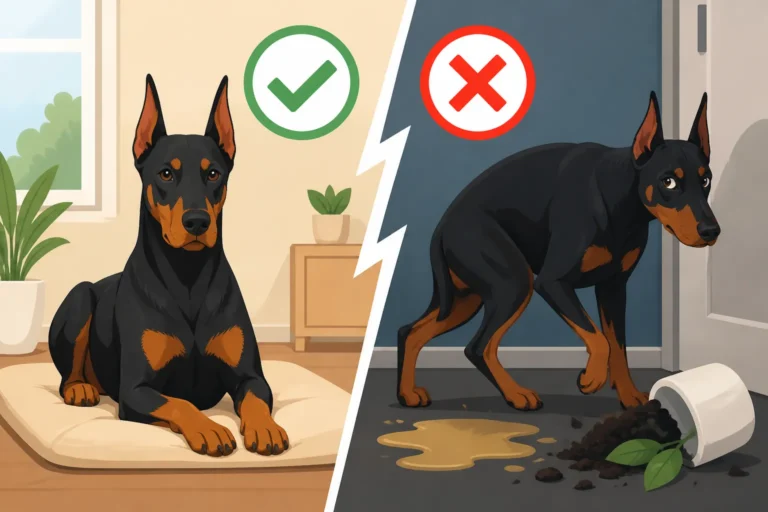
Dobermans are renowned for their intelligence. They are often ranked among the smartest dog breeds, capable of learning new commands with remarkable speed. This quick wit, however, comes with a caveat: Why a Clever Doberman Is Harder to Train. A smart dog can also be a clever problem-solver, sometimes figuring out how to get what they want in ways you didn't anticipate. They thrive on mental stimulation, and if they don't get enough productive outlets for their brains, they'll invent their own entertainment – which often isn't aligned with your household rules.
Their inherent drive and protective instincts also mean they need careful guidance. A Doberman wasn't bred to be a couch potato; they were bred to work, to guard, and to be highly attuned to their environment and their human family. This strong bond often earns them the nickname "Velcro Doberman," as they love to be close to their people. But this intensity, if not channeled correctly, can manifest as excessive barking at strangers, resource guarding, or an inability to relax in new situations. Puppy class might touch on these traits, but it certainly won't fully address the nuanced needs of a maturing Doberman's temperament. Engaging in activities like The Working Sports a Doberman Was Built For can be a fantastic way to satisfy their natural drives.
Adolescent Challenges and Advanced Obedience
Just like human teenagers, Doberman adolescents go through a phase where they test boundaries, seemingly forget everything they ever learned, and develop a newfound independence. This period, usually between 6 months and 2 years of age, can be incredibly frustrating. Commands that were once solid might suddenly fall apart in distracting environments, and new behavioral quirks can emerge. Many owners find themselves thinking, "My Doberman was so good in puppy class, what happened?!" This is precisely why continued, more advanced training is crucial. It’s during this stage that some owners feel like A Ten-Month Doberman That Forgets Its Training, and it's a completely normal part of Doberman development.
Advanced obedience isn't just about learning more complex tricks; it's about proofing those basic commands under increasingly difficult conditions. It's about building reliability so that "come" means come, regardless of squirrels, other dogs, or new people. This level of reliability is essential for a large, powerful breed like the Doberman, both for their safety and the safety of others. It also deepens the bond between you and your dog, as you work through challenges together and establish yourself as a consistent, trustworthy leader. Without this continued practice, the good habits formed in puppy class can quickly erode.
Essential Next Steps Beyond Puppy Class
Once your Doberman has aced puppy class, it's time to think about what comes next. This isn't just about preventing problems; it's about unlocking your Doberman's full potential and enjoying a truly harmonious life together. There's a whole world of training opportunities out there designed to keep their intelligent minds engaged and their bodies active.
Continuing Education and Specialized Training
After puppy class, enrolling in a basic obedience course is a logical next step. These classes often focus on refining commands, introducing longer durations and distances, and practicing in more distracting environments. From there, you can explore intermediate and advanced obedience. These aren't just for show dogs; they build confidence, focus, and an incredibly strong working relationship between you and your Doberman. The more you teach your Doberman, the more responsive and engaged they become, and the more joy you'll find in your daily interactions.
Beyond general obedience, consider tapping into your Doberman's natural drives with specialized training. Nose work or scent detection is fantastic for their keen sense of smell and provides immense mental enrichment without being physically demanding. Agility can be great for their athleticism, as long as it's introduced carefully to protect their joints. Competitive obedience offers a structured way to continue honing their skills. Even dabbling in protection sports, if you find a reputable trainer who prioritizes control and temperament, can be a fulfilling outlet for their guarding instincts. When looking for a professional, it's vital to seek out Finding a Trainer Who Has Worked With Dobermans specifically, as their approach can be quite different from general trainers. Look into local clubs offering Competitive Obedience and the Doberman Temperament classes; these environments are often structured perfectly for a Doberman's needs.
If local classes aren't an option or you prefer a flexible schedule, online platforms offer excellent resources. Programs like BAXTER & Bella provide comprehensive online courses that guide you through everything from puppyhood to advanced skills, allowing you to learn at your own pace from home. Many owners find these a valuable complement to in-person training or a primary resource if geographic limitations exist.
Long-Term Socialization and Exposure
Socialization isn't a one-and-done event that ends with puppy class. For a Doberman, it's a lifelong process. Continuing to expose your adult Doberman to a variety of environments, people, and well-behaved dogs is crucial for maintaining their calm and confident demeanor. This means regular trips to dog-friendly stores, quiet parks, and even just walks in different neighborhoods. The goal is to normalize the world around them, so unexpected sights, sounds, or smells don't trigger an alarm response.
It's also about managing public perception. Dobermans, unfortunately, still carry a stigma for some people, and it's our responsibility as owners to ensure our dogs are good ambassadors for the breed. A well-socialized, well-mannered Doberman who ignores distractions and walks politely on a leash does wonders to dispel myths. Practicing polite greetings with strangers (only if your dog is comfortable and the person is willing) and teaching them to "leave it" when encountering interesting smells or objects on walks are all part of this ongoing socialization process. This continuous effort is key to Handling a Doberman in Public Without Alarming People effectively and confidently.
Integrating Training into Daily Life
Training shouldn't be confined to a classroom or a structured session; it needs to be woven into the fabric of your Doberman's everyday life. This constant reinforcement and application are what truly solidify learned behaviors and build a strong, trusting relationship. It's about making good choices easy and rewarding for your Doberman, every single day.
Consistency and Management at Home
The rules you set in training class need to be consistently enforced at home, by everyone in the household. If "sit" means sit for you, but your partner lets your Doberman jump for attention, you're sending mixed signals that will only confuse your dog and undermine your efforts. Consistency is the bedrock of effective Doberman training. Decide on your household rules, and make sure everyone is on the same page. This might involve family meetings to ensure everyone knows the cues and expectations.
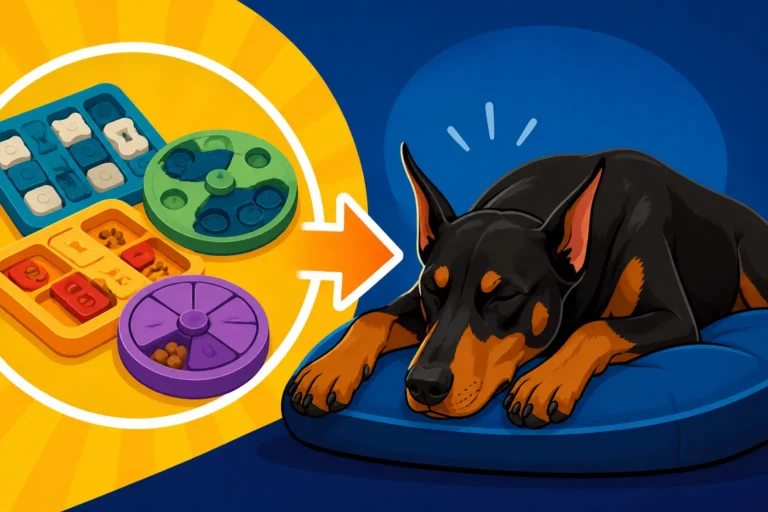
Furthermore, thoughtful management of your home environment can prevent many behavioral issues before they start. If your Doberman counter-surfs, don't leave tempting food out. If they chew inappropriate items, ensure they have plenty of appropriate chew toys. Providing ample mental and physical enrichment is also key. Puzzle feeders, chew toys, and interactive games can help satisfy their need for engagement. You can find a huge variety of these on platforms like Amazon, from simple treat-dispensing balls to more complex sniff mats, all designed to offer Puzzle Work That Actually Tires a Doberman. Remember, a tired Doberman, both physically and mentally, is usually a well-behaved Doberman. They often thrive on routine, and whether a Doberman learns your routine too well can actually be an advantage in managing their day-to-day behavior.
Building a Lifelong Partnership
Ultimately, training a Doberman is not just about teaching commands; it's about building a profound, lifelong partnership. It's an ongoing dialogue, a continuous process of learning and understanding each other. Every training session, every walk, every interaction is an opportunity to strengthen that bond and deepen your mutual respect. Your Doberman looks to you for guidance, structure, and companionship, and consistent training provides all of these things.
The effort you put in during those early years and beyond will pay dividends throughout your Doberman's life. A well-trained Doberman is a joy to live with – a confident, reliable, and engaged companion who can accompany you almost anywhere. They will be a true partner, capable of incredible feats of intelligence and loyalty. Embracing training as a continuous journey, rather than a destination, will allow you to fully appreciate the unique and wonderful qualities of your Doberman, confirming that A Doberman That Is Smarter Than You Expect is a lifelong project of love and learning.
| Training Stage | Primary Goal | Key Focus Areas | Expected Outcome |
|---|---|---|---|
| Puppy Class | Foundational socialization and basic manners | Positive interactions with puppies/people, sit, stay, leash intro, house-training | Confident, less fearful puppy; basic household obedience |
| Basic Obedience | Refining commands and building reliability | Distraction proofing, recall, polite leash walking, impulse control | Reliable commands in low-distraction environments |
| Advanced Obedience | Mastery of commands and off-leash control | Complex command chains, public manners, off-leash reliability, advanced stays | Well-mannered, reliable dog in varied public settings |
| Specialized Training | Mental stimulation and breed fulfillment | Nose work, agility, competitive obedience, protection sports | Engaged, fulfilled Doberman; strong working bond |
Disclaimer
This article is for general informational purposes only and does not constitute professional advice. Laws, prices and regulations vary by location and change over time. Consult a qualified professional for guidance on your specific situation.