Why a Neutered Doberman Starts Gaining
Neutering a Doberman alters hormones and metabolism, lowering energy burn and causing unexpected post-surgery weight gain.
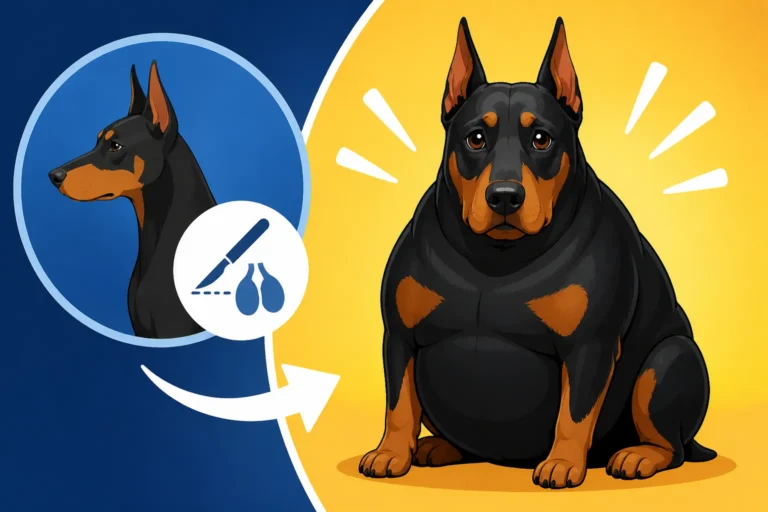
Neutering a Doberman alters hormones and metabolism, lowering energy burn and causing unexpected post-surgery weight gain.
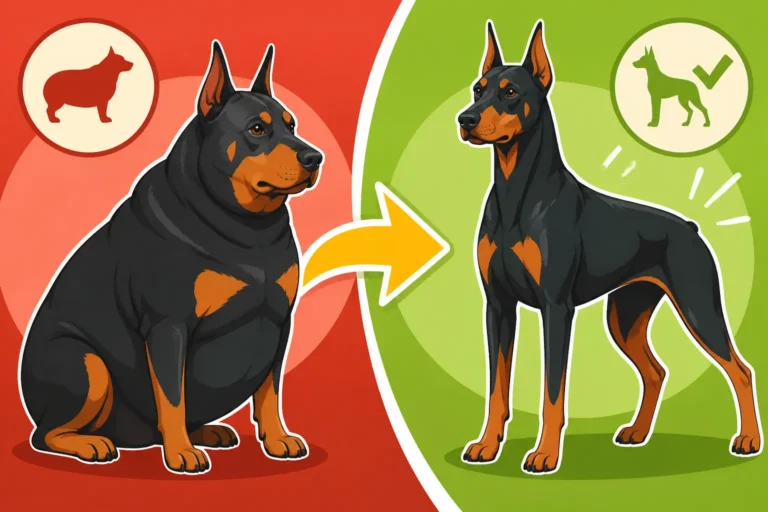
Safe diet adjustments, increased activity, and calorie control help an 80 or 90 pound thickened Doberman return to a healthy weight.
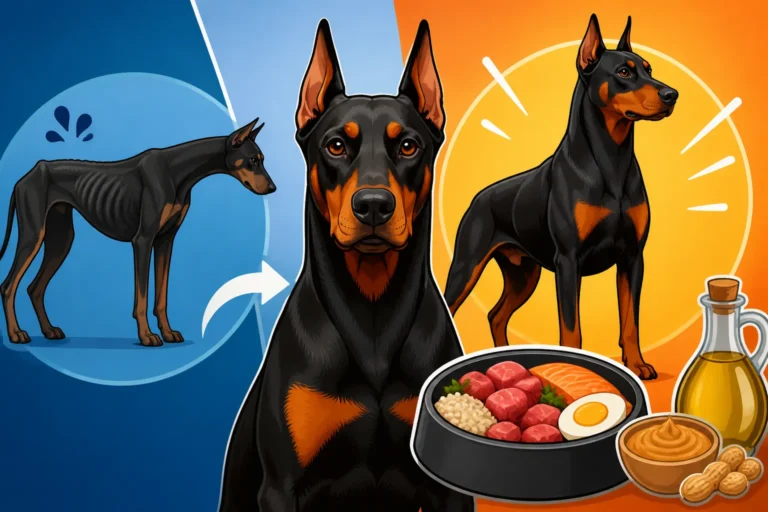
Doberman metabolism insights and strategic feeding approaches explain how to help lean athletic dogs achieve a healthy weight.
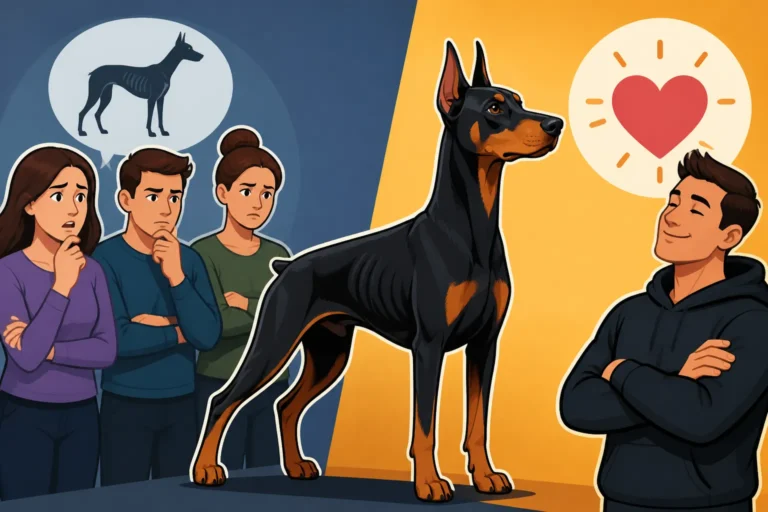
Doberman natural athleticism and high metabolism explain why strangers mistakenly think these lean, muscular dogs are starved.
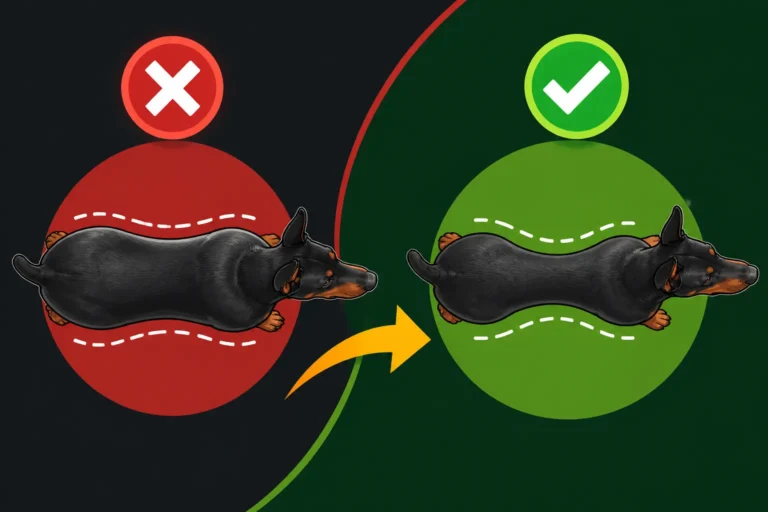
Doberman body condition assessment helps owners check their dog for a healthy waist, preventing joint strain and heart disease risks.
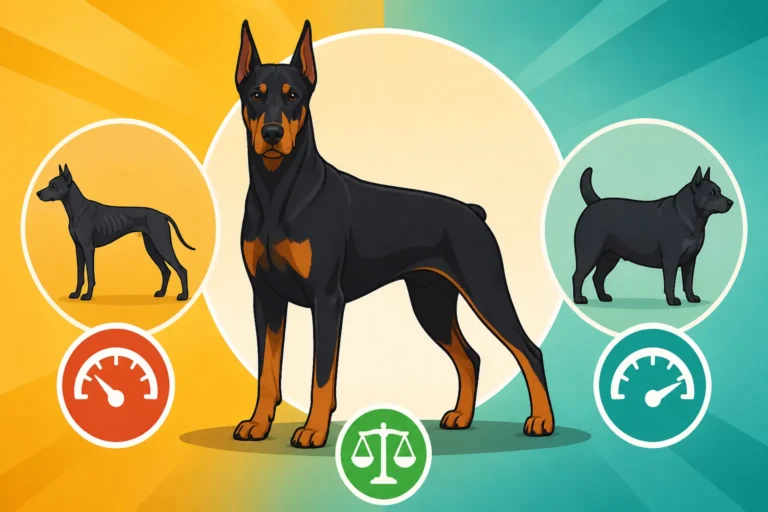
Healthy adult male Dobermans weigh 75 to 100 pounds, and their lean, athletic build requires easily felt ribs and a distinct waist.
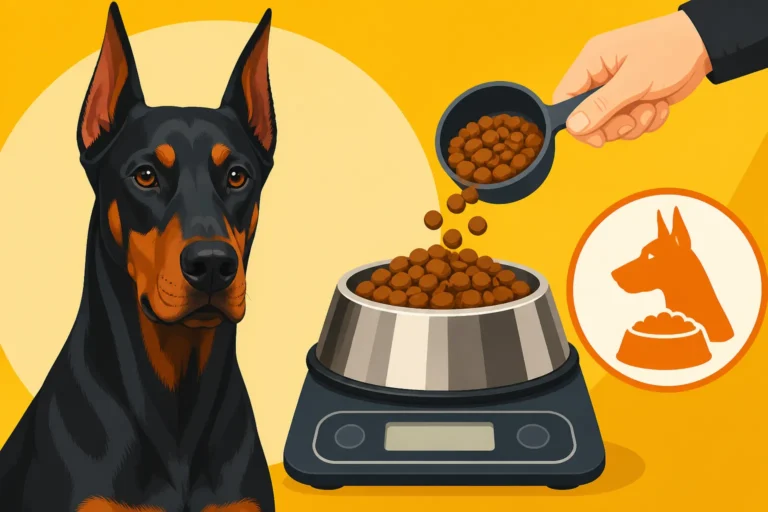
Daily weighing of Doberman food rations maintains ideal body condition, prevents weight fluctuations, and mitigates health risks.
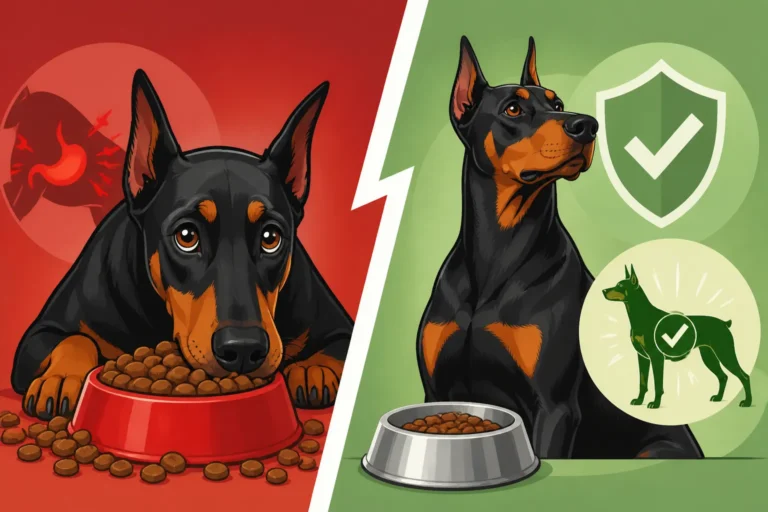
Free-feeding Dobermans increases the risk of bloat and weight gain. Scheduled meals help manage health and prevent dangerous stomach twisting.
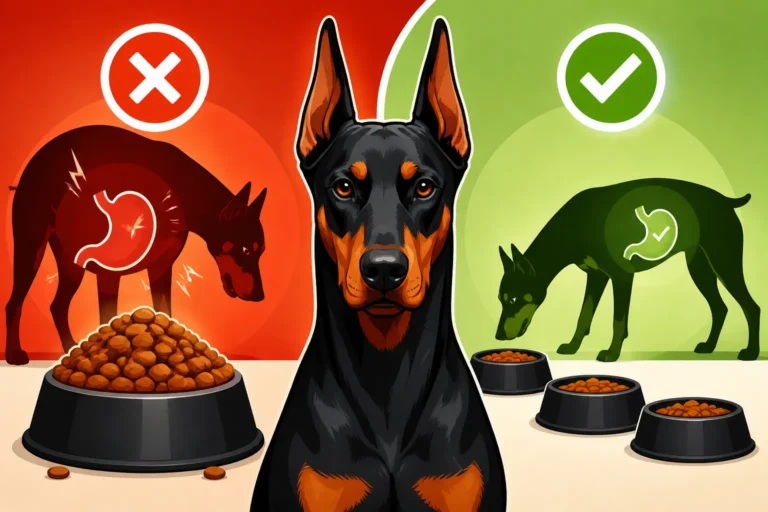
Doberman gastric dilatation-volvulus risk explains why feeding one large meal daily causes life-threatening stomach twists.
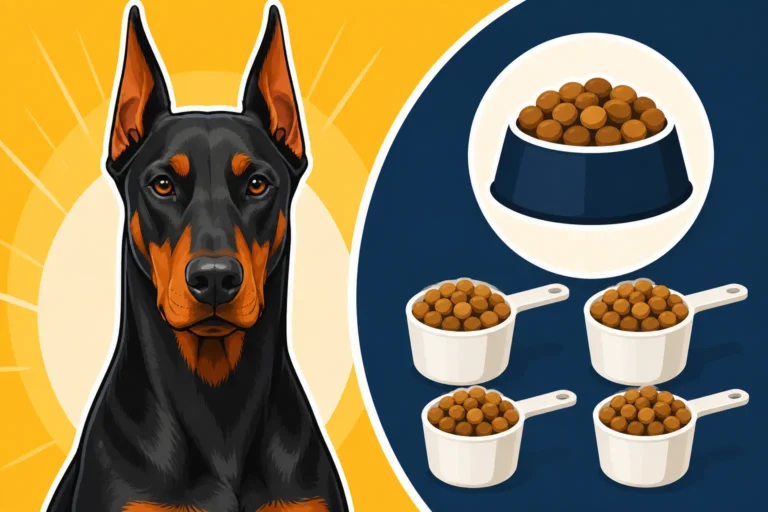
Commercial dog food feeding charts fail to show exact daily cups for an adult Doberman because individual metabolisms and activity levels vary.