How Many Cups an Adult Doberman Eats
It's incredibly common to stare at a bag of dog food, then at your magnificent Doberman, and feel utterly baffled. The bag gives you a range, usually in cups, based on weight, but it feels so generic, doesn't it? You know your Doberman isn't "just a dog"—they're a lean, energetic, often high-strung athlete, and their nutritional needs are far from one-size-fits-all. This guide will walk you through how to truly figure out how many cups an adult Doberman eats, moving beyond the simple chart on the back of the bag to tailor their diet to their unique self.
The Myth of the "Standard" Doberman Feeding Amount
When you bring home an adult Doberman, whether they're a rescue or a rehomed family member, one of the first things you grapple with is how much to feed them. The feeding guidelines on commercial dog food bags are a decent starting point, absolutely, but they are just that: a start. The idea that a single number of cups applies universally to every Doberman of a certain weight is a dangerous oversimplification, and it can lead to frustrating battles with weight fluctuations and energy imbalances.
Why a Single Number is a Dangerous Guideline
Every Doberman, despite their breed characteristics, is an individual with their own unique metabolism, activity level, and underlying health. One Doberman might burn through calories like a furnace, while another, perhaps older or less active, needs significantly less fuel. Blindly sticking to the middle of a feeding chart can leave an active dog feeling perpetually hungry and losing condition, or a less active dog slowly but surely putting on unhealthy pounds. We often find ourselves asking about Daily Calories for an Adult Doberman, and the answer is rarely static.
Dobermans are built differently from many other breeds. They're typically very lean, possessing a deep chest and a tucked-up abdomen, with well-defined musculature. This athletic build means that even a slight deviation from their ideal weight can have a noticeable impact on their mobility and overall health. They aren't meant to carry excess fat, and their high metabolism means they often require more calories per pound of body weight than chunkier breeds. Therefore, just because the bag says "3-4 cups for a 70lb dog" doesn't mean your 70lb Doberman is perfectly covered by that range.
The consequences of misjudging your Doberman's food intake can range from mild annoyance to serious health concerns. An underweight Doberman might lack the energy for daily activities, have a dull coat, or even become more susceptible to illness. On the flip side, an overweight Doberman, even slightly, puts undue strain on their joints (which are already under stress from their large, active frame) and can exacerbate other health issues like heart conditions. It's a fine line to walk, and it requires careful observation rather than strict adherence to a generic guide.
Factors That Wildly Vary Calorie Needs
So, what are these mysterious factors that make every Doberman's caloric needs so unique? It’s not just about their size, but the entire picture of their daily life and internal workings. Understanding these elements is crucial for correctly determining how many cups an adult Doberman eats.
Firstly, age and life stage play a huge role. While we're focusing on adult Dobermans, there's a world of difference between a rambunctious two-year-old Doberman who still acts like a giant puppy, and a calm, dignified eight-year-old senior. The younger dog might be burning through calories constantly, even when seemingly relaxed, due to a faster metabolism and higher baseline activity. As Dobermans age, their metabolism often slows down, and their activity levels naturally decrease, meaning their caloric needs will typically reduce. What worked for them at four years old might be far too much when they're Feeding and Grooming a Doberman Past Eight.
Secondly, and perhaps most obviously, is their activity level. This is where the biggest discrepancies often arise. A Doberman who spends an hour every day doing high-intensity protection sport training, running miles, or herding livestock will require significantly more calories than one whose primary exercise involves leash walks around the block and lounging on the couch. Even within the "active" category, there's a spectrum. A Doberman who's a weekend warrior at agility might have different needs than one who's a consistent competitor. It's vital to be honest about your Doberman's true energy output, not just what you wish it was.
Finally, metabolism and genetics are powerful, often unseen, forces. Just like humans, some Dobermans are naturally "hard keepers"—they burn calories quickly and struggle to maintain weight, even on a generous diet. Others are "easy keepers," seeming to put on weight with minimal effort. This metabolic difference can be inherited, and it’s something you learn about your specific dog over time. Underlying health conditions, even subtle ones like a mild thyroid imbalance (something Dobermans can be prone to), can also impact metabolism and how efficiently they process nutrients, directly affecting how many cups an adult Doberman eats to maintain a healthy weight.
Decoding Your Doberman's Body Condition
Since a fixed number of cups is out the window, how do we actually know if we’re feeding our Doberman correctly? The answer lies in consistently assessing their body condition. This isn't just about stepping on a scale; it's about using your eyes and your hands to understand what your Doberman's body is telling you. This feedback loop is your most powerful tool in determining how many cups an adult Doberman eats.
The Visual and Tactile Assessment
Learning to assess your Doberman's body condition is a skill every owner should develop. It empowers you to make informed adjustments to their diet without needing to constantly consult a vet for minor tweaks. We're looking for a balance: not too thin, not too heavy, but perfectly poised in that athletic sweet spot. You'll want to get hands-on with your dog – they probably won't mind the extra petting!
First, the visual check: Stand above your Doberman and look down at their back. You should see a distinct "waist" where the abdomen tucks in behind the rib cage. It shouldn't be a straight line from their chest to their hips, nor should it be an exaggerated hourglass shape indicating extreme thinness. Next, look at them from the side. Their abdomen should tuck up noticeably from the bottom of the chest to the hind legs. They shouldn't have a "barrel chest" look, nor should their belly hang low. This is exactly what we look for when we discuss The Waist a Doberman Should Show From Above.
Now, the tactile check: Gently run your hands along their sides. You should be able to easily feel their ribs with just a light touch, similar to feeling the back of your hand. You shouldn't see the ribs protruding sharply, but you definitely shouldn't have to press hard to feel them, either. Then, feel along their spine and hip bones. You should be able to feel these bones, but they should be covered by a thin layer of muscle and fat, not sticking out sharply. This hands-on assessment is crucial for Reading Ribs and Hip Points on a Doberman. Many Doberman owners worry their dog looks "too thin" because they are naturally sleek and muscular, especially compared to breeds with heavier coats or more body fat. It's important to remember that their lean appearance is a breed characteristic, not necessarily a sign of malnourishment.
Recognizing Underweight vs. Overweight Signs
Being able to differentiate between a healthy, athletic Doberman and one that is genuinely underweight or overweight is critical for their long-term health. The adjustments you make to how many cups an adult Doberman eats hinge on this assessment.
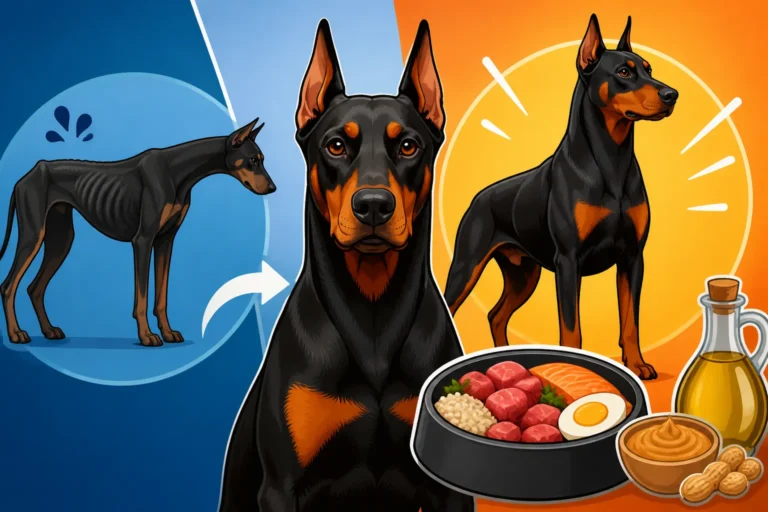
If your Doberman is underweight, their ribs, hip bones, and vertebrae will be very prominent and easily visible even from a distance, with little to no fat cover. Their waist will be extremely tucked, almost concave, and they might lack overall muscle mass. You might notice their energy levels dipping, a dull coat, or even issues with proper temperature regulation. While the first instinct might be to simply pour more food into their bowl, it's essential to consider why they might be underweight. Is it insufficient calories for their activity level, a poor quality food, or an underlying health issue preventing nutrient absorption? A sudden, unexplained weight loss always warrants a vet visit.
Conversely, an overweight Doberman will have ribs that are difficult or impossible to feel without significant pressure. They'll likely have little to no discernible waist, and their abdomen might not tuck up, appearing more like a straight line from chest to tail. You might notice fat deposits over their hips or at the base of their tail. Even a few extra pounds can be detrimental to a Doberman's health. It puts extra stress on their joints, which are already susceptible to issues like hip dysplasia, and can worsen their prognosis if they develop conditions like Dilated Cardiomyopathy (DCM). This is why keeping within a healthy Weight Range a Doberman Should Hold is so vital. Being overweight can lead to lethargy, reduced exercise tolerance, and a higher risk of other health complications, shortening their already potentially brief lifespan.
Practical Strategies for Portion Control and Meal Planning
Once you understand your Doberman's body condition and the factors influencing their caloric needs, it's time to put that knowledge into action. This involves selecting appropriate food, using accurate measuring techniques, and adapting your feeding regimen as your Doberman's life changes. It’s an ongoing process, not a one-time calculation for how many cups an adult Doberman eats.
Selecting the Right Food and Measuring Accurately
The type of food you choose plays a massive role in how many cups your Doberman will eat. A high-quality kibble designed for active, large breeds will typically be more nutrient-dense, meaning your Doberman might eat fewer cups compared to a lower-quality, filler-heavy food. Look for foods with real meat as the first ingredient and a good balance of protein and fat, which are crucial for maintaining a Doberman's lean muscle mass and energy levels. For more on this, check out Protein and Fat for a Lean Working Doberman. You can find excellent options on platforms like Chewy or Amazon, where reviews often provide insights into how other Doberman owners feel about particular brands.
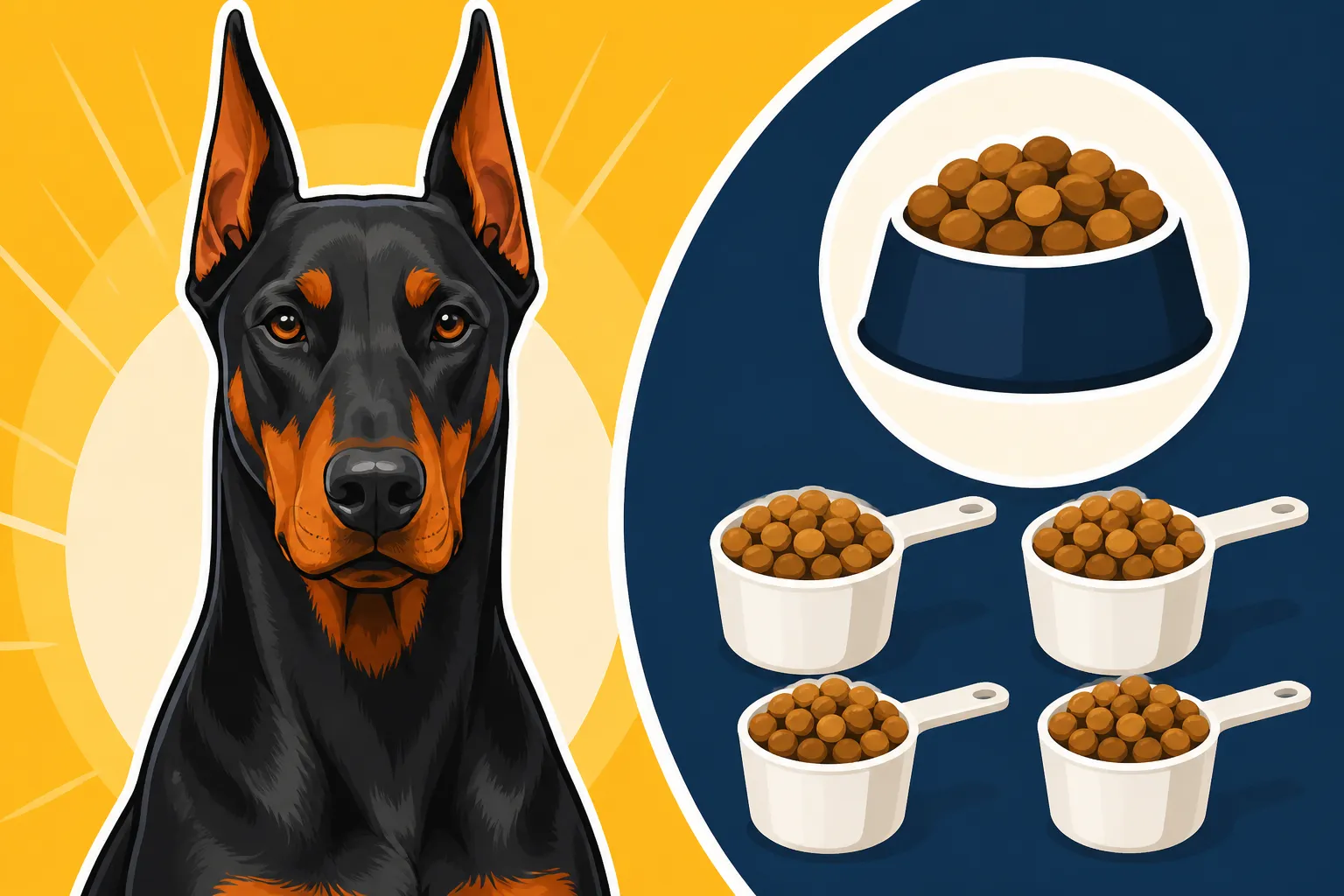
When you're trying to figure out how many cups an adult Doberman eats, consistency in measurement is key. Forget the random coffee mug or scoop that came with the last bag of food. Invest in a proper, standardized dry measuring cup, the kind you'd use for baking. This seems like a small detail, but the difference between a slightly overfilled mug and an accurate cup can add up to hundreds of calories over a week, leading to gradual weight gain or loss. Remember that the calorie density of food varies greatly. One cup of a high-energy kibble might have 400 calories, while another brand's cup might only have 300. This is why following "cups" without knowing the calorie content per cup can be misleading.
If you're considering wet food, fresh food, or raw diets, the "cups" measurement becomes even more fluid. These diets often have a higher moisture content and different caloric densities per volume compared to dry kibble. For example, fresh food diets, like those offered by companies such as Ollie, might look like more volume but contain fewer calories per cup than a dense kibble. If you're exploring these options, read their specific feeding guidelines carefully, as they'll be tailored to their product's unique composition. For more insight into these alternative feeding approaches, you might find Whether Fresh Food Suits an Eighty-Pound Doberman helpful.
The Power of Multiple Meals and Slow Feeding
For Dobermans, with their characteristic deep and narrow chest, how you feed is almost as important as how much you feed. Splitting their daily ration into multiple smaller meals is a widely recommended practice, primarily to mitigate the risk of bloat (gastric dilatation-volvulus or GDV), a life-threatening condition where the stomach twists. Instead of giving your Doberman one massive meal, which can stretch the stomach and increase risk, aim for two or even three smaller meals spread throughout the day. This reduces the sheer volume of food in their stomach at any one time and promotes more consistent digestion. This is why we often say Why a Doberman Is Never Fed One Big Meal.
Beyond multiple meals, slow feeding techniques are invaluable. Dobermans, especially those who are highly food motivated or have competition for resources (even perceived competition), can be incredibly fast eaters. Gulping down food too quickly can also increase the risk of bloat. This is also a strong reason Why a Doberman Should Not Be Free Fed. Slow feeder bowls, puzzle feeders, or even simply spreading their kibble out on a baking sheet can significantly slow down their eating pace, encouraging them to chew more thoroughly and consume air more slowly. Consider exploring Bowls That Stop a Doberman Swallowing Its Dinner to find the best solution for your Doberman. If your Doberman is engaging in intense exercise or training, it’s also wise to consider Splitting a Doberman's Meals Around Exercise to optimize their energy and recovery.
Adjusting Over Time: Your Doberman's Personal Trainer
Feeding your Doberman isn't a static calculation you do once and then forget. It's a dynamic process that requires ongoing observation and adjustment. Your Doberman's needs will change throughout their adult life, perhaps subtly from season to season, or more dramatically due to changes in activity, age, or health. You are, in essence, their personal nutritionist, constantly monitoring and fine-tuning.
Start with the recommended amount on your chosen food bag, then make small, incremental adjustments based on your Doberman's body condition and energy levels. If you notice they're looking a bit too lean after a few weeks, add a quarter-cup more per day. If they're starting to get a little soft around the middle, reduce it by a quarter-cup. Give each adjustment a week or two to see its effect before making another change. It's not a sprint; it's a marathon of observation and subtle tweaks.
Remember to account for everything that goes into their mouth. Treats for training, dental chews, and even scraps from your plate (though ideally, keep those to a minimum or avoid them) all contribute to their daily caloric intake. If you're doing a lot of training with high-value treats, you might need to slightly reduce their meal portions for the day to avoid overfeeding. This continuous monitoring and gradual modification are key. For example, if you're Changing a Doberman's Food Slowly due to a new diet, you'll be making gradual adjustments not just to the type, but potentially the overall quantity as well.
Beyond the Bowl: Other Nutritional Considerations
While how many cups an adult Doberman eats is a primary concern, a holistic approach to their nutrition means looking beyond just the kibble in their bowl. Other elements, from hydration to the strategic use of supplements, play a vital role in their overall well-being.
Hydration is Key
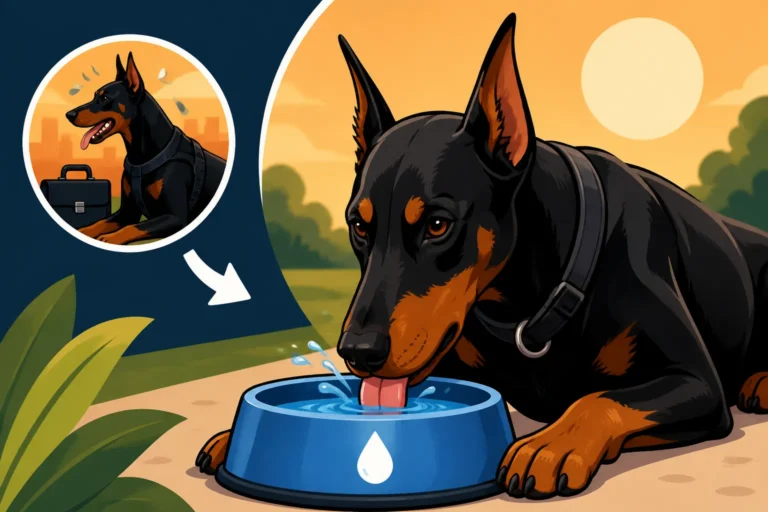
Water, often overlooked, is arguably the most critical nutrient for your Doberman. Adequate hydration is essential for every bodily function, from digestion and nutrient absorption to temperature regulation and joint lubrication. An active Doberman, especially one engaging in vigorous exercise or living in a warm climate, will need significantly more water than a sedentary dog. Always ensure your Doberman has access to fresh, clean water at all times.
Keep multiple water bowls around the house and outside, particularly if they spend time playing in the yard. If you take them on walks or to the park, always bring water with you. Pay attention to how much your Doberman drinks. An increase in thirst can sometimes be an early indicator of a health issue, such as kidney disease or diabetes, just as a decrease might indicate discomfort or illness. So, while you're meticulously measuring how many cups an adult Doberman eats, don't forget the equally important liquid component of their diet.
The Role of Supplements (or Lack Thereof)
The world of canine supplements is vast and often confusing, with countless products promising everything from shinier coats to stronger joints. For a Doberman, given their predispositions to certain health conditions, supplements are often a topic of discussion among owners. However, it's crucial to approach supplements with caution and always under veterinary guidance. A high-quality, balanced commercial dog food is designed to provide all the necessary nutrients for a healthy adult Doberman. Adding random supplements without a specific need can sometimes do more harm than good, creating nutrient imbalances or interfering with other medications.
There are specific instances where a vet might recommend supplements. For instance, omega-3 fatty acids (fish oil) can be beneficial for skin, coat, and joint health. Joint supplements containing glucosamine and chondroitin might be recommended for older Dobermans or those with early signs of arthritis. In the context of cardiac health, for a breed highly prone to Dilated Cardiomyopathy (DCM), some cardiologists might recommend certain supplements like L-carnitine or taurine. However, these are highly specific and should only be given under the direct advice of a veterinary cardiologist, as their efficacy and appropriate dosage can vary. If you're thinking about Whether Taurine Supplements Help a Doberman, your vet is the best resource. Be wary of "boutique" diets or trends that promise to fix all ailments; always prioritize scientifically backed advice. While you can find many reputable supplements on Chewy or Amazon, their use should be guided by a professional.
When to Seek Professional Guidance
Even with all the knowledge in the world about how many cups an adult Doberman eats, there will be times when you need to call in the experts. If you're consistently struggling to maintain your Doberman's ideal weight—either they're gaining too much despite careful feeding, or they're stubbornly underweight—it's time for a vet visit. Unexplained changes in appetite, sudden weight loss or gain, or any signs of digestive upset (vomiting, diarrhea) warrant professional attention immediately.
A veterinarian or a board-certified veterinary nutritionist can provide invaluable tailored advice. They can help rule out underlying medical conditions that might be affecting your Doberman's weight or appetite. They can also help formulate a precise diet plan, calculate exact caloric needs, and recommend specific foods or prescription diets if necessary. Don't hesitate to reach out to them; they are partners in your Doberman's health journey. Getting professional advice means you're giving your Doberman the best possible chance at a long, healthy, and vibrant life.
Here's a quick summary table to help keep these factors in mind:
| Factor | Impact on Food Needs | Signs to Look For | Action to Take |
|---|---|---|---|
| Activity Level | High activity = more calories; Low activity = fewer | Energy levels, exercise duration, training regimen | Adjust portions by 1/4 cup daily; Monitor body condition |
| Age | Young adults > Seniors | Slowing down, increased sleeping, muscle loss (seniors) | Gradually decrease calories for seniors; Ensure nutrient-dense food |
| Metabolism | Fast metabolism = more calories; Slow = fewer | "Hard keeper" vs. "Easy keeper" tendencies, consistent weight | Consistent body condition scoring; Vet consultation for extremes |
| Body Condition | Ideal = ribs easily felt, waist present | Visible ribs/spine (underweight); No waist, fat deposits (overweight) | Increase/decrease food by 1/4 cup daily; Consult vet for concerns |
| Food Type/Density | High calorie density = fewer cups; Low density = more cups | Calories per cup listed on bag; Ingredient quality | Read food labels; Measure accurately with proper tools |
| Health Status | Illness can increase/decrease needs; Medication impacts | Changes in appetite, energy, digestion, unexplained weight loss | Consult vet immediately; Follow specific dietary recommendations |
Disclaimer
This article is for general informational purposes only and does not constitute professional advice. Laws, prices and regulations vary by location and change over time. Consult a qualified professional for guidance on your specific situation.