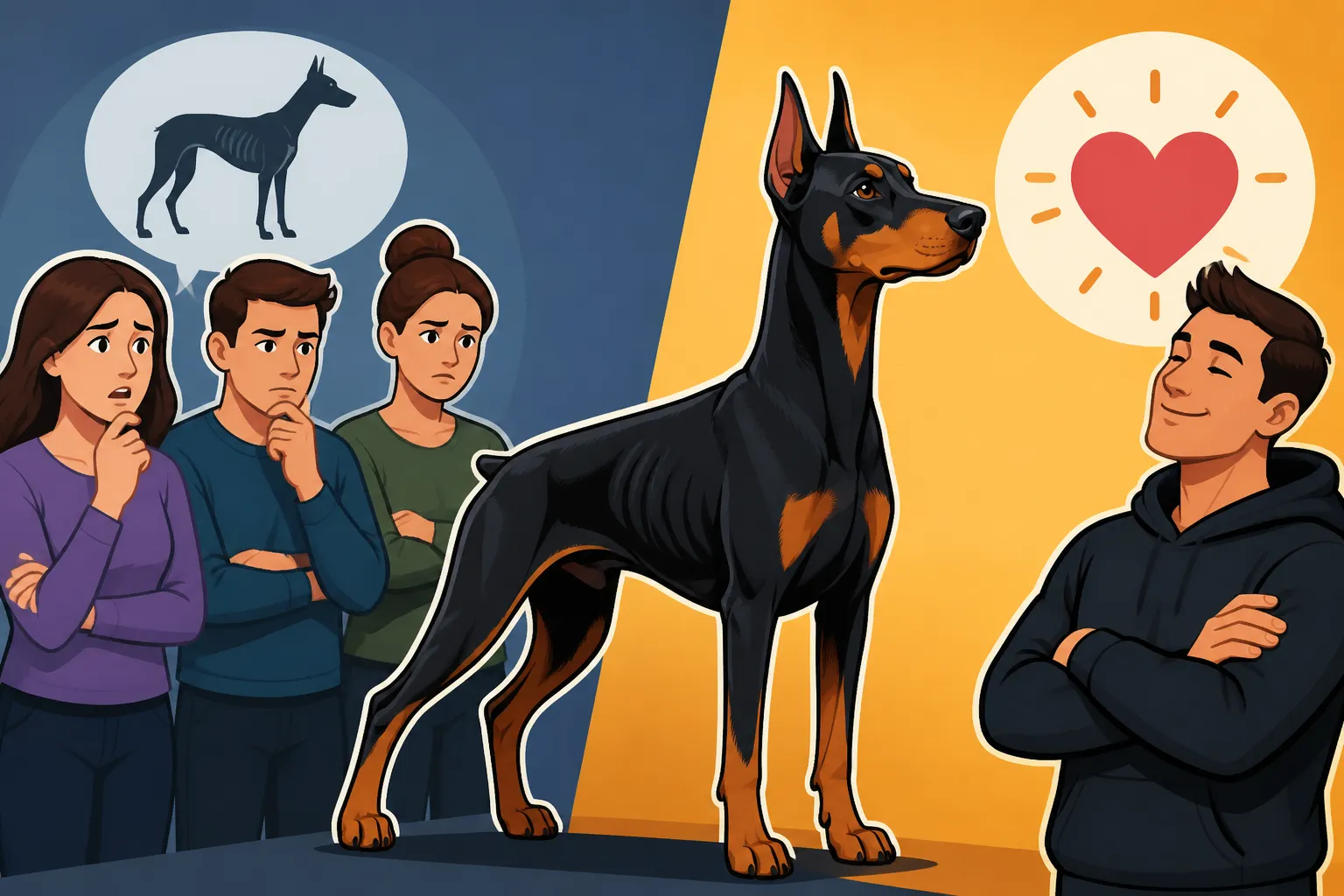
Whether Strangers Think Your Doberman Is Starved
It’s a scenario many Doberman owners know all too well: you’re out for a walk with your beautiful, sleek Doberman, enjoying the fresh air, when a well-meaning stranger stops you. Their eyes widen, maybe they cluck their tongue, and then comes the inevitable question, often phrased with concern: "Is that dog eating enough? It looks so thin!" It’s frustrating, and often, frankly, quite rude, but it comes from a place of misunderstanding about the Doberman's naturally athletic and lean build. This guide is here to help you understand why your Doberman looks the way it does and how to confidently navigate those awkward encounters.
Understanding the Doberman's Natural Physique
Dobermans are magnificent creatures, but their appearance often sparks unwarranted concern from those unfamiliar with the breed standard. They aren't built like a stocky bulldog or a fluffy Golden Retriever; they possess a distinct, elegant, and powerful athleticism that dictates their physical form. It’s their heritage, a blueprint for speed, agility, and endurance, not for carrying extra padding.
Built for Speed and Agility
Think about the Doberman's original purpose: a formidable guardian and companion, bred by Karl Dobermann, a tax collector who needed a protective dog to accompany him on his rounds. This role demanded quick reflexes, bursts of speed, and the ability to move with incredible grace. To achieve this, the breed was selectively developed to be lean, with long legs, a deep chest, and a compact body. Every aspect of their build is designed for efficient movement, not for bulk. They are runners, jumpers, and agile protectors, and a thick, heavy frame would hinder that natural athleticism. When you look at a Doberman in motion, you see the poetry of their design—each muscle working in harmony, unburdened by excess weight. This inherent leanness is what makes them so striking, yet it's often mistaken for malnourishment by the untrained eye.
High Metabolism and Energy Demands
Beyond their physical structure, Dobermans also boast an incredibly high metabolism. These are not couch potatoes by nature; they are dogs with a zest for life and an endless capacity for activity. Whether they're engaged in protection sports, competitive obedience, or simply romping in the yard, their bodies are constantly burning calories. This means they require a significant amount of fuel to maintain their energy levels and muscle mass. Many Doberman owners find themselves feeding their dogs more food than they might expect for their size, simply to keep up with their metabolic demands. If you have an active Doberman, you know that keeping weight on them can sometimes be a challenge, even with a robust feeding plan. It’s just how they are wired – built to run hot and keep moving. This fast metabolism contributes directly to their lean appearance, making it even less likely for them to ever appear "chunky" or heavily built.
Lean Muscle Mass, Not Chunky Fat
A healthy Doberman is all muscle. They should have a well-defined musculature that ripples under their short, sleek coat. What might appear as a "thin" dog to a stranger is, in reality, a finely tuned athlete with low body fat. You should be able to see the outline of their ribs, feel their hip bones without digging, and observe a distinct waistline. This is not a sign of starvation but of peak physical condition for the breed. If your Doberman has been properly exercised and fed a high-quality diet, that lean, muscular look is exactly what you want to see. It indicates health, fitness, and readiness for action. We often talk about Reading Ribs and Hip Points on a Doberman as a crucial skill for owners. They aren't meant to be padded; they're meant to be efficient, powerful, and agile.
Distinguishing a Healthy Doberman from an Underweight One
While a Doberman's natural build is lean, it’s important for owners to differentiate between a healthy, athletic physique and genuine underweight issues. There's a fine line, and knowing the difference ensures you can confidently assert your dog's health and spot any real problems early. Understanding The Weight Range a Doberman Should Hold is a great starting point, but it's also about visual and tactile assessment.
Ribs: Visible, But Not Protruding
One of the most common points of contention for strangers is the visibility of a Doberman's ribs. In a healthy Doberman, you should be able to see the last two or three ribs faintly, especially when they move or stretch. When you run your hand along their side, you should be able to feel all their ribs easily, but they shouldn't feel like sharp, prominent ridges jutting out. There should still be a thin layer of muscle and skin covering them. If you can see all the ribs clearly and they look like a washboard, or if the spaces between the ribs are sunken, then it's time to consult your vet. This can be a tricky balance, as show standards often lean towards a very conditioned, lean look. The key is balance – visible but not stark.
Prominent Hip Bones and Spine: A Normal Trait
Just like with the ribs, it's completely normal for a Doberman to have somewhat prominent hip bones and a visible topline of the spine, especially towards the tail. When you view them from above, you should see The Waist a Doberman Should Show From Above – a distinct tuck just behind the ribs. Running your hand down their back, you should be able to feel the individual vertebrae without them feeling like sharp points. If the hip bones are excessively angular and bony, or if the spine appears sharply ridged with deep hollows on either side, this might indicate that your Doberman is too thin. Again, the visual cues must be combined with the tactile ones. A healthy Doberman will have these points present, but still covered by healthy muscle.
Energy Levels and Coat Condition as Indicators
Beyond just seeing or feeling bones, paying attention to your Doberman’s overall vitality is crucial. An underweight Doberman might also exhibit other signs of poor health:
- Low Energy: While Dobermans are energetic, a genuinely underweight dog might seem lethargic, tire easily, or show a marked decrease in their usual enthusiasm for play or walks. A healthy Doberman should be vibrant and active.
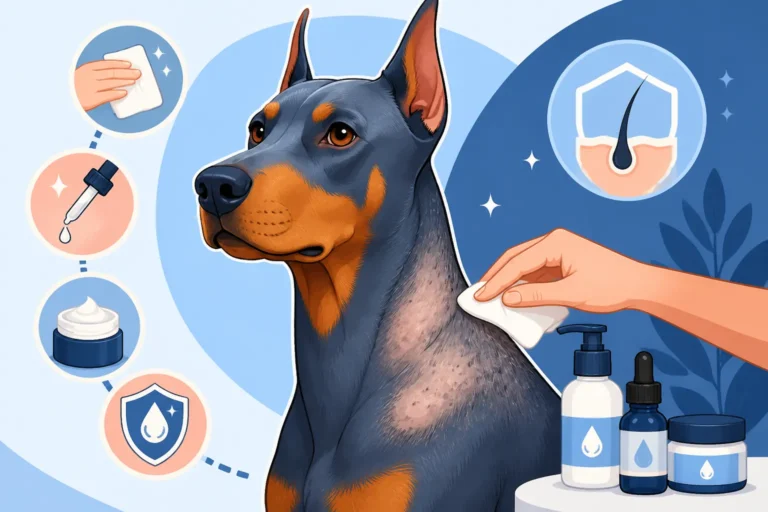
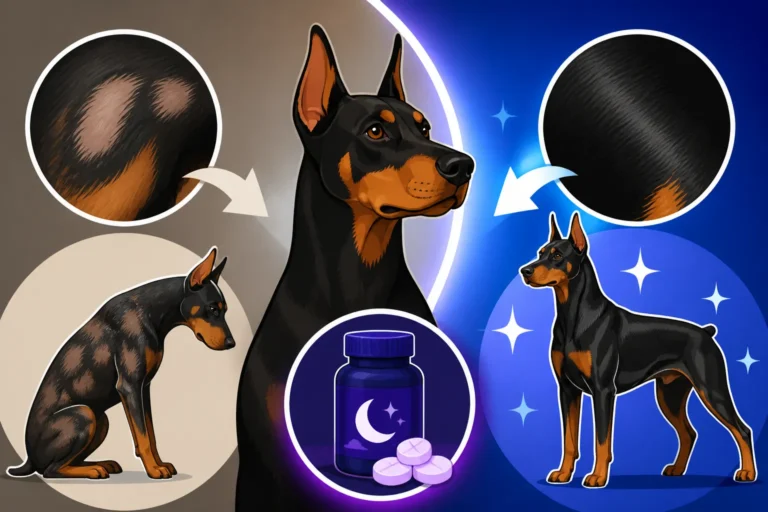
- Dull Coat: A Doberman's coat should be sleek, shiny, and tight to the body. If it appears dull, dry, brittle, or sparse (beyond what might be expected for Hair Loss on a Blue Doberman or fawn Dobermans), it could be a sign of nutritional deficiencies.
- Poor Muscle Mass: While they are lean, a healthy Doberman should have evident muscle definition. If their muscles appear wasted or soft, this is a red flag.
- Poor Appetite: A healthy Doberman generally has a robust appetite. If your dog is consistently turning down food or eating very little, and losing weight, it's a concern.
These combined signs paint a more accurate picture than just a quick glance at their ribs. If you observe any of these symptoms alongside a very lean appearance, a vet visit is definitely in order to rule out underlying health issues, like parasites or malabsorption problems.
Managing Public Perception and Addressing Concerns
It's natural to feel protective of your Doberman, especially when someone implies you're not caring for them properly. Dealing with public comments can be frustrating, but with a bit of knowledge and a calm approach, you can turn these encounters into educational moments.
The "Velcro Dog" Effect and Public Misunderstanding
Dobermans are famously known as "Velcro dogs" because of their intense bond with their owners and tendency to stick close by. This strong attachment, combined with their imposing appearance and often misunderstood lean physique, can create a perfect storm for public misjudgment. People see a powerful, alert dog that looks "too thin" and might jump to conclusions about its care or temperament. They often don't understand that a Doberman's alertness isn't aggression, and their leanness isn't neglect. They're just being true to their breed. It’s also important to remember that many people are used to seeing dogs who are actually overweight, which has become the "new normal" in many parts of the world. Compared to an obese dog, your healthy Doberman might look downright scrawny! Knowing that your dog’s appearance is simply inherent to the breed can help you manage your own reaction to these comments.
Educating vs. Reacting: How to Handle Comments
When a stranger approaches with a comment about your Doberman's weight, your first instinct might be defensiveness. However, a calm, informative response is usually more effective. You can politely explain:
- "Dobermans are a very athletic breed with a high metabolism, and this is a healthy weight for him/her. They're built for speed and agility, not bulk."
- "Thank you for your concern, but my vet assures me he's in perfect condition. We monitor his weight closely."
- "Many people are used to seeing overweight dogs, but Dobermans are naturally lean and muscular."
Keep it brief, friendly, and firm. You don't owe anyone a detailed explanation of your dog's diet or vet visits. The goal is to educate, not to engage in an argument. Sometimes, a simple smile and a confident statement are all it takes to diffuse the situation. For instance, you could mention that your Doberman's health is thoroughly checked, including Annual Echo and Holter Screening for a Doberman, which implies a high level of care.
Knowing Your Dog is Healthy
Ultimately, your confidence in your Doberman's health comes from your own knowledge and your veterinarian's professional assessment. Regular vet check-ups, monitoring their body condition score, and ensuring they receive appropriate nutrition and exercise are paramount. If your vet confirms your Doberman is at a healthy weight, then you have all the reassurance you need. Don't let uninformed opinions undermine your confidence in your excellent care. You know your Doberman best, and their happy, energetic demeanor is often the best proof of their well-being. Focus on maintaining Feeding an Eighty-Pound Doberman Well and ensuring they have a good quality of life, and the opinions of others will matter less.
Feeding for Optimal Health, Not Just Weight
Ensuring your Doberman maintains that ideal, lean physique requires a careful approach to nutrition and exercise. It's not about stuffing them full of calories, but about providing high-quality fuel that supports their active lifestyle and unique metabolism.
Balanced Diet for Active Dobermans
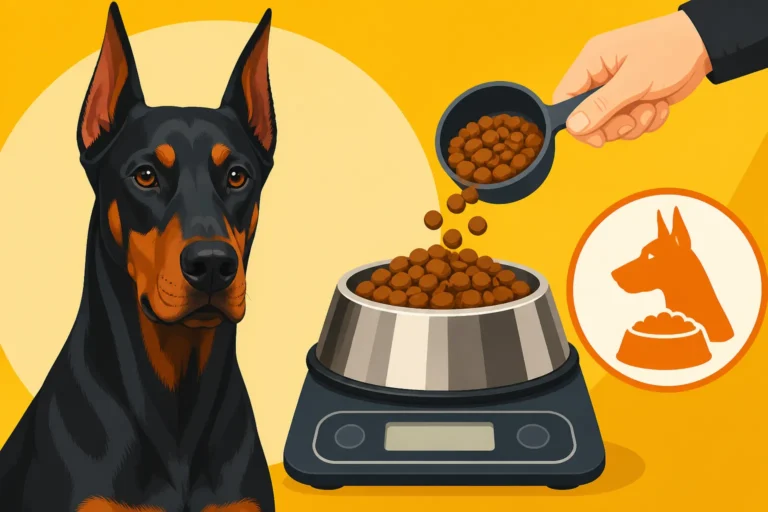
Active Dobermans need a diet rich in high-quality protein and appropriate fats to support their muscle mass and energy levels. Look for dog foods that list a named meat source (like chicken, beef, or lamb) as the first ingredient. The caloric needs of a Doberman can vary significantly based on their age, activity level, and individual metabolism. It’s not uncommon for an adult Doberman to consume anywhere from 3 to 6 cups of high-quality kibble per day, split into at least two meals to prevent bloat. We often recommend breaking up How Many Cups an Adult Doberman Eats into smaller, more frequent portions. You might find a good selection of performance-oriented foods on platforms like Chewy, which often have detailed nutritional information. Some owners opt for fresh food diets from companies like Ollie, believing it provides optimal nutrition for their active companions, though these options typically come at a higher cost.
Monitoring Weight and Body Condition Score
Regularly assessing your Doberman’s body condition is more important than just looking at the number on the scale. While knowing their ideal weight range is helpful, two Dobermans of the same height and weight can look very different due to variations in bone structure and muscle mass. A Body Condition Score (BCS) chart, often found at your vet's office or online, uses a scale (usually 1-9) to help you visually and tactilely assess your dog's fat reserves. A score of 4 or 5 out of 9 is generally considered ideal for Dobermans, meaning ribs are easily felt and faintly visible, a waist is evident, and an abdominal tuck is present. Regularly checking your dog's BCS allows you to make minor adjustments to their diet or exercise routine as needed, keeping them in prime condition.
Supplements and Specialized Diets
For some Dobermans, especially those with specific health needs or very high activity levels, supplements might be beneficial. For example, some Doberman owners discuss Taurine and Carnitine for a Doberman Heart as these amino acids are sometimes recommended for cardiac health, particularly given the breed's predisposition to certain heart conditions. Before adding any supplements, always consult your veterinarian to ensure they are appropriate and won't interact negatively with your dog's current diet or any medications. Similarly, if your Doberman has other health concerns, such as copper storage disease, your vet might recommend a specialized low-copper diet. You can find many such prescription diets and supplements through veterinary clinics or online retailers like Amazon, but always under professional guidance. Remember, Whether Grain-Free Food Adds to Doberman DCM is a complex topic that should also be discussed with your vet, as some diets have been linked to dilated cardiomyopathy in certain breeds.
Keeping Your Doberman Comfortable and Protected
Beyond nutrition and exercise, a Doberman's short coat and lean build mean they feel the cold much more intensely than other breeds. This is another aspect of their care that might surprise strangers, but it’s essential for their well-being.
Why a Doberman Feels the Cold
Dobermans, with their sleek, short coats and minimal body fat, simply don't have the natural insulation that many other breeds possess. They lack an insulating undercoat, which means they are highly susceptible to cold temperatures. What feels like a crisp autumn day to you might feel quite chilly to your Doberman, making them shiver and seek warmth. The Temperature a Doberman Needs a Coat is often higher than many people realize; even temperatures in the 40s or low 50s Fahrenheit might warrant a coat for comfort, especially if they aren't actively running. This isn't a sign of being "delicate," but rather a biological reality of their breed. Owners must be mindful of this, both indoors and out.
Essential Cold Weather Gear for Your Lean Friend
Investing in appropriate cold-weather gear is not a luxury but a necessity for most Dobermans living in temperate or cold climates.
- Winter Coats: A well-fitting winter coat is crucial for walks on chilly days. Look for coats that cover their chest and belly, providing maximum warmth. Platforms like Amazon offer a wide variety of Winter Coats Sized for a Doberman, ensuring you can find one that fits their deep chest and lean frame.
- Indoor Comfort: Even indoors, a Doberman might appreciate a cozy spot. Orthopedic beds, especially those with raised sides, can provide extra warmth and support for their bony joints. In particularly cold homes, heated dog beds can be a godsend.
- Limited Exposure: Be mindful of How Long a Doberman Can Be Out at Thirty-Five Degrees or colder. Their tolerance for cold is often much lower than other breeds, so short, brisk walks are better than prolonged outdoor exposure. If you live in an area with harsh winters, this is an absolutely critical consideration for your Doberman's health and comfort.
By understanding and addressing their susceptibility to cold, you're not just being a good owner; you're actively supporting their health and ensuring they remain comfortable year-round, which contributes to their overall vitality and, yes, their healthy appearance.
| Appearance Trait | Healthy Doberman | Genuinely Underweight Doberman |
|---|---|---|
| Ribs | Last 2-3 faintly visible; easily felt, not sharp. | All ribs clearly visible, sharp, and protruding. |
| Hip Bones/Spine | Easily felt; hip bones visible but not stark; distinct waist. | Hip bones very prominent/angular; spine sharply ridged with hollows. |
| Muscle Definition | Lean, well-defined muscle mass. | Muscle wasting; soft or absent muscle definition. |
| Energy Level | High, active, enthusiastic. | Lethargic, tires quickly, lack of enthusiasm. |
| Coat Condition | Sleek, shiny, tight to the body. | Dull, dry, brittle, sparse, often flaky. |
| Appetite | Robust and consistent. | Poor, inconsistent, or refusing meals. |
| Overall Demeanor | Alert, confident, happy. | Potentially withdrawn, anxious, or showing signs of discomfort. |
Disclaimer
This article is for general informational purposes only and does not constitute professional advice. Laws, prices and regulations vary by location and change over time. Consult a qualified professional for guidance on your specific situation.