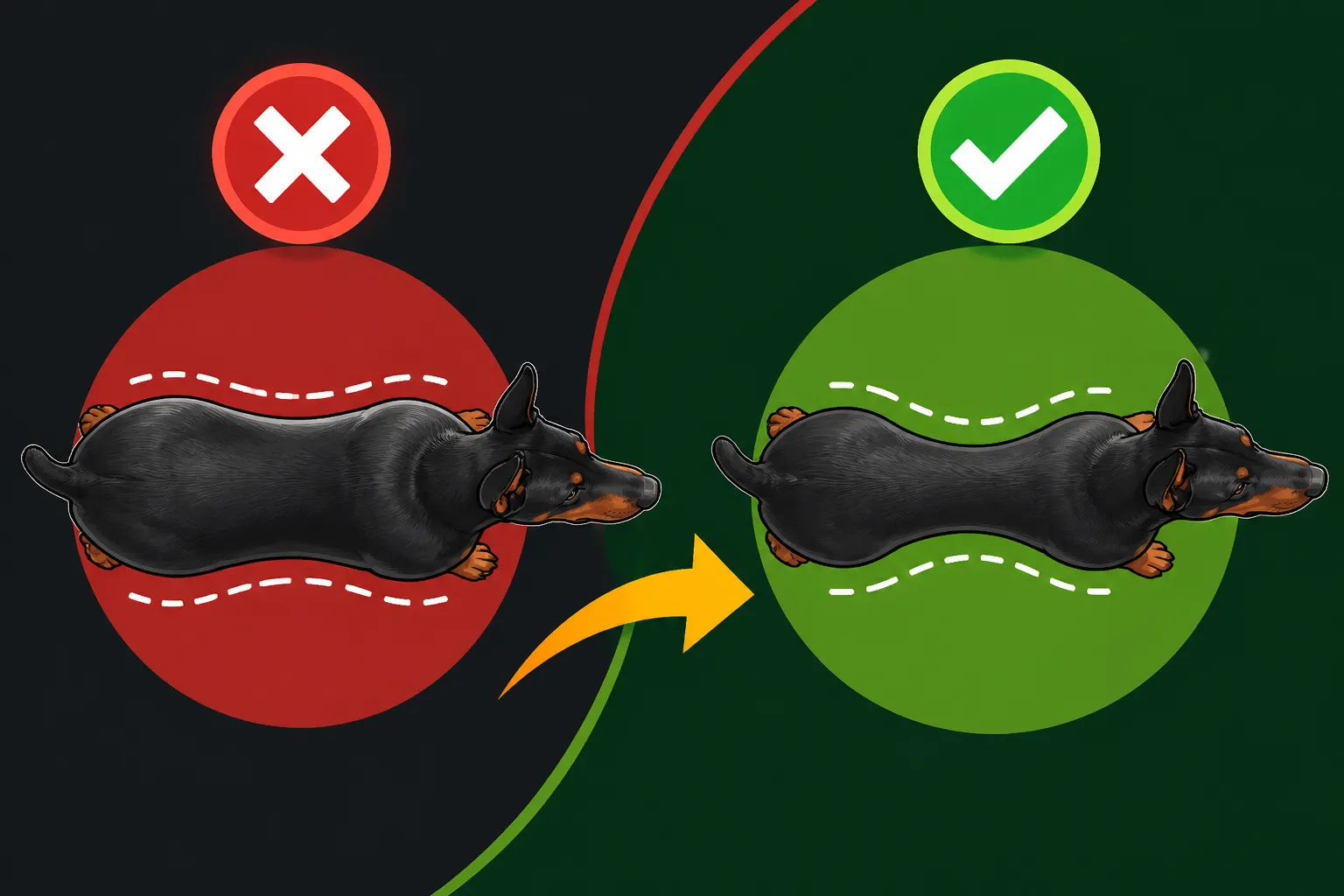
The Waist a Doberman Should Show From Above
It’s a common scenario: you look at your sleek Doberman, perfectly proportioned, and someone inevitably comments, "Oh, he looks a little thin, doesn't he?" This can make you second-guess yourself, wondering if you're feeding your beloved companion enough. But the truth is, a Doberman should look lean, even athletic, and understanding what a healthy waistline truly means for this breed is crucial for their long-term well-being. This guide will walk you through exactly how to assess your Doberman's body condition, focusing on that all-important waist.
Why a Lean Build is Non-Negotiable for Your Doberman
The Doberman Pinscher was originally bred for protection, requiring a dog that was fast, agile, and incredibly athletic. This isn't a breed meant to carry extra padding, and a lean physique is absolutely essential for their health, performance, and indeed, their lifespan. When we talk about their ideal shape, we're really discussing a finely tuned athlete, not a chunky companion.
Understanding the Doberman's Athletic Physique
Think about the original purpose of the Doberman: they were watchdogs, companions to a tax collector who needed a dog that could keep up with him and deter threats. This meant they needed to be quick on their feet, able to turn on a dime, and possess immense stamina. Their body is inherently designed for this kind of movement. This translates to a deep chest, powerful hindquarters, and a relatively thin coat that doesn't hide much.
Many people are used to seeing dogs with a bit more "cushion," but for a Doberman, that cushion is often excess fat. What you want to see and feel is solid muscle definition, not a layer of jiggly fat. A truly fit Doberman will have visible muscle contours, especially over the thighs and shoulders, and their overall frame should appear "tight" and powerful. If you're wondering Whether a Doberman Is Meant to Look Thin, the answer is unequivocally yes, within healthy parameters. They are not built like a Rottweiler or a Labrador.
The Hidden Dangers of an Overweight Doberman
Carrying even a few extra pounds might not seem like a big deal, but for a Doberman, it can have profound and detrimental effects on their health. Their joints, already under strain from their long limbs and powerful build, suffer immensely under additional weight. This can exacerbate conditions like hip dysplasia or even cruciate ligament injuries, turning a spry dog into one with chronic pain and limited mobility far too early. Imagine adding a heavy backpack to yourself every time you walk or run; that’s what excess weight feels like for your dog.
Perhaps even more critically for Dobermans, extra weight puts a significant strain on their cardiovascular system. Dobermans are tragically predisposed to Dilated Cardiomyopathy (DCM), a devastating heart disease where the heart muscle thins and struggles to pump blood efficiently. An overweight Doberman forces an already potentially compromised heart to work harder, accelerating the progression of this disease. This is why maintaining a lean body condition isn't just about aesthetics; it's a critical preventative measure for their heart health. An overweight Doberman may find themselves A Doberman That Tires Faster Than It Used To, showing early signs of struggling. Furthermore, carrying excess fat can lead to complications during anesthesia for routine procedures or even emergencies, as well as increasing the risk of diabetes and certain types of cancer. The Heart Disease That Reaches Most Dobermans is already a huge concern, and managing weight is one of the few things owners can directly control.
How to Visually Assess Your Doberman's Waistline
Assessing your Doberman's body condition is something you should do regularly, not just rely on your annual vet visit. It involves both looking at them from different angles and getting your hands on them. The visual assessment provides quick, daily clues about their weight.
The Overhead View: Spotting the Ideal Tuck
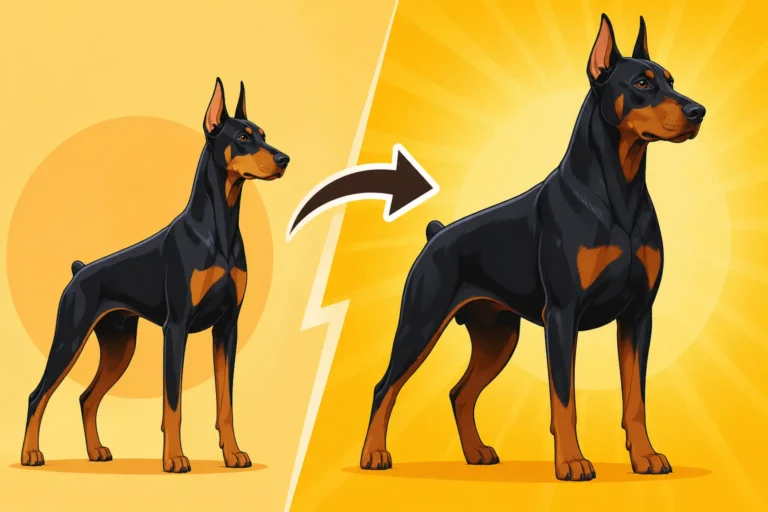
This is where the "waist" really comes into play. Stand directly above your Doberman as they are standing squarely on all fours. Look down at their body. What you want to see is a distinct hourglass shape. Their body should be widest at the ribs, then taper inward towards the waist, and then broaden slightly again over the hips. This indentation, or "tuck," behind the last rib is their waist.
If, from this overhead view, your Doberman's sides look more like a straight line from their ribs to their hips, or worse, bulge outwards, then they are likely carrying too much weight. A truly obese Doberman will appear almost barrel-shaped from above, with no discernible waist at all. This lack of a clear waistline is one of the clearest indicators that they need to shed some pounds. Think of it like a perfectly tailored suit; it should follow the contours of the body, not hang loosely or be stretched tight.
The Side View: Abdominal Tuck and Rib Definition
Now, stand to the side of your Doberman. The first thing to observe is the abdominal tuck. This is the upward slope of the belly from the end of the rib cage towards the hind legs. A healthy Doberman should have a noticeable tuck – their belly shouldn't hang low or be parallel to the ground like a straight line. It should curve upwards gracefully. If their belly hangs, or if there's very little distinction between the chest and the abdomen, that's another sign of excess fat accumulation.
Next, let's talk about ribs. This is often where owners get nervous, thinking that seeing ribs means their dog is starving. For a Doberman, it's actually quite normal, and often desirable, to see the last one or two ribs when they are moving, stretching, or turning. When they are standing still, you might not see them, but you should easily be able to feel them. If you cannot see any ribs even with movement, and their side profile looks smooth and rounded, it's a strong indication they are overweight. It's a delicate balance, but a Doberman should always appear lean and athletic, not plump. Remember, a Doberman has very little body fat and no undercoat, so their silhouette is naturally very defined. This also means Why a Doberman Feels the Cold Before Other Dogs, as they lack that insulation.
The Hands-On Check: Beyond Just Looking
While visual cues are incredibly helpful, nothing beats a hands-on assessment to truly understand your Doberman's body condition. What you feel can sometimes tell you more than what you see, especially if your dog has a denser coat (though Dobermans are typically short-haired) or if their body posture makes visual assessment tricky.
Palpating the Ribs, Spine, and Hip Bones
This is a simple but essential technique. Gently run your open palms over your Doberman's sides, specifically over their rib cage. You should be able to easily feel each individual rib without having to press hard. It should feel similar to feeling the knuckles on your hand when your palm is flat, rather than the back of your hand where bones are less distinct. If you have to dig your fingers in to locate the ribs, your Doberman is carrying too much fat. Conversely, if the ribs feel sharp and prominent, almost like they have no covering, your Doberman might be too thin. This is a vital check, and something you should practice regularly to get a good baseline for your own dog. For a more detailed guide, see Reading Ribs and Hip Points on a Doberman.
Next, run your hands along their spine. You should be able to feel the bumps of the vertebrae, but they shouldn't protrude sharply. There should be a slight layer of muscle and skin over them, but the spinal column should still be easily detectable. Similarly, feel over their hip bones. They should be easily palpable but not angular or sticking out conspicuously. If the hip bones are poking out sharply, or if the spine feels like a ridge with no flesh, it could indicate being underweight. On the other hand, if you can't feel the spine or hip bones at all, they're definitely overweight.
Utilizing a Body Condition Score (BCS) Chart
To remove some of the guesswork, many veterinarians and reputable animal welfare organizations use a Body Condition Score (BCS) chart. This is a standardized system, typically on a scale of 1 to 5 or 1 to 9, that helps classify a dog's body fat percentage. For a Doberman, you're generally aiming for a score around 3 out of 5, or 4-5 out of 9. This means they are lean, with easily palpable ribs and a distinct waist, but not emaciated.
Here's a simplified look at what these scores generally mean, with a Doberman's ideal typically falling into the "lean" category:
| BCS (out of 9) | Description | Doberman Application |
|---|---|---|
| 1-2 (Underweight) | Ribs, spine, hip bones very prominent, no fat, severe abdominal tuck. | Severely underweight, possibly unhealthy. Ribs, spine, hip bones stick out sharply. |
| 3-4 (Lean/Ideal) | Ribs easily palpable, waist obvious, abdominal tuck present. | Ideal for Dobermans. Ribs felt easily, last one or two sometimes visible. Clear waist and tuck. |
| 5 (Moderate) | Ribs palpable with slight fat cover, minimal waist. | Acceptable, but leaning towards overweight for a Doberman. Waist less distinct. |
| 6-7 (Overweight) | Ribs hard to feel, no waist, abdominal fat visible. | Clearly overweight. No waist, abdomen rounded. Significant health risks. |
| 8-9 (Obese) | Ribs not palpable, heavy fat deposits, distended abdomen. | Dangerously obese. Severe health risks. |
Regularly using a BCS chart, perhaps one you print out and keep handy, can help you maintain an objective perspective on your Doberman's condition. It takes the emotion out of it and provides a clear guide.
Maintaining That Perfect Doberman Physique
Achieving and maintaining a healthy weight for your Doberman isn't a one-time fix; it's an ongoing commitment that involves careful feeding, consistent exercise, and regular monitoring. It's a partnership between you and your Doberman, ensuring they live their best, healthiest life.
Calorie Management and Quality Nutrition
The cornerstone of a healthy weight is, without a doubt, what and how much you feed your Doberman. Free-feeding, where food is left out all day, is almost a guarantee for an overweight Doberman. Instead, precise portion control is crucial. You need to know your Doberman's ideal weight and their activity level to calculate their Daily Calories for an Adult Doberman. It's not a static number; it changes with age, activity, and even the weather. Always measure their food using a proper measuring cup, rather than just "eyeballing" it.
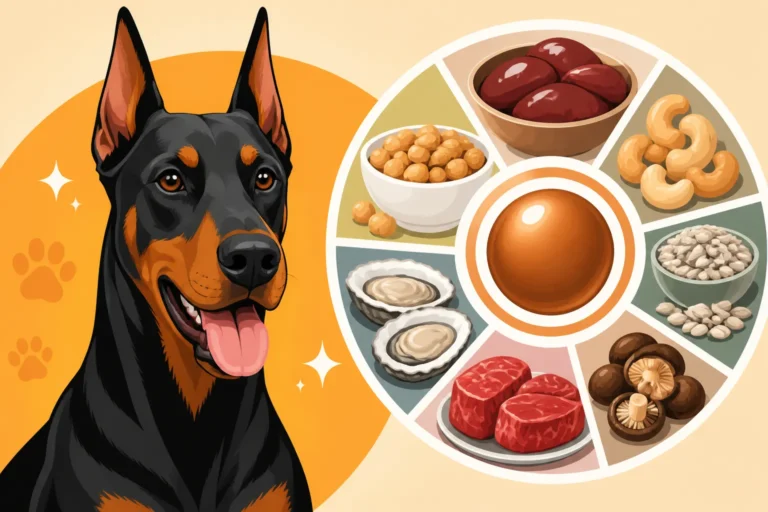
Opt for high-quality dog food with appropriate Protein and Fat for a Lean Working Doberman. Look for foods where meat is the first ingredient, and avoid excessive fillers. Brands like Chewy offer a vast selection of premium dog foods, making it easy to find options that align with your Doberman's dietary needs. Some owners even turn to fresh food options, which can be highly beneficial for precise calorie control and nutrient intake. Services like Ollie provide pre-portioned, human-grade meals, which can be a fantastic way to ensure your Doberman is getting exactly what they need without overfeeding.
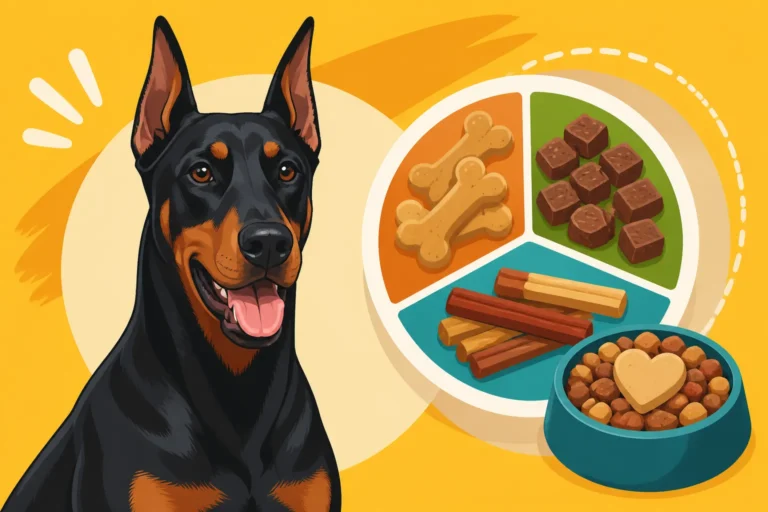
Remember that treats are not "free calories." Every treat, chew, or table scrap adds to their daily caloric intake. If you use treats for training (and you should, because Dobermans are incredibly smart and thrive on positive reinforcement), factor them into the daily food allowance. Break larger treats into smaller pieces, or use low-calorie options like plain cooked green beans or small pieces of carrot.
Consistent Exercise Tailored to the Breed
A Doberman is not a breed that thrives on short, leisurely strolls around the block. They need vigorous, consistent exercise to maintain their powerful musculature and burn off energy. Without it, they're not only more likely to gain weight but also to develop behavioral issues born out of boredom and pent-up energy.
Think about incorporating activities like brisk jogging, long hikes, intense games of fetch, or even structured dog sports like agility or Schutzhund. Two good, long walks or runs per day, totaling at least an hour or more of active movement, is often a good starting point for an adult Doberman. Puppies will need shorter, more frequent bursts of activity to protect their growing joints. When you think about Feeding an Eighty-Pound Doberman Well, remember that their high metabolism and muscular build demand a good caloric intake, but only if that energy is being expended.
A Doberman needs to move to stay fit and healthy. Their mental well-being is also intrinsically linked to their physical activity. A tired Doberman is often a well-behaved Doberman. If you have a Doberman who is Why a Clever Doberman Is Harder to Train, exercise, especially that which involves mental stimulation, can be a great way to channel their intelligence and energy productively.
Regular Weigh-Ins and Vet Check-ups
While visual and hands-on assessments are excellent for daily monitoring, don't underestimate the power of regular weigh-ins. Most veterinary clinics are happy for you to pop in and use their scales for free, even if you don't have an appointment. Weighing your Doberman once a month can help you catch small weight fluctuations before they become significant problems. This is especially important as they age and their metabolism naturally slows down.
Your veterinarian is your best resource for maintaining your Doberman's ideal weight. During annual check-ups, they will assess your dog's body condition and can offer tailored advice on diet and exercise. If you notice a sudden weight gain or loss, or if you're struggling to get your Doberman to their ideal condition, a vet visit is essential. They can rule out underlying medical conditions (like thyroid issues) that might be affecting their metabolism. They can also provide specific brand recommendations or even help you fine-tune the portion sizes. Remember, keeping your Doberman at a healthy weight is an investment in their health, and can help reduce The Vet Bills a Doberman Runs Up Outside Screening in the long run. Looking after their waistline is truly looking after their heart and joints.
Disclaimer
This article is for general informational purposes only and does not constitute professional advice. Laws, prices and regulations vary by location and change over time. Consult a qualified professional for guidance on your specific situation.