Cognitive Change in an Old Doberman
Cognitive decline in senior Dobermans causes social changes, disorientation, and altered sleep-wake cycles requiring management.
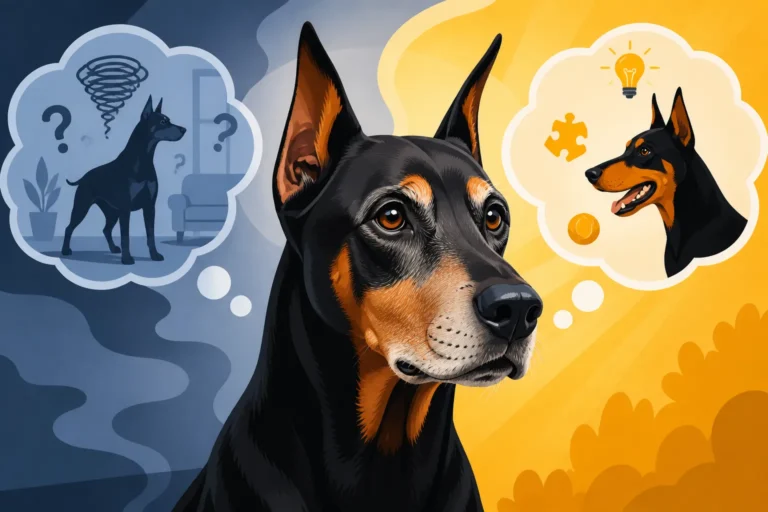
Cognitive decline in senior Dobermans causes social changes, disorientation, and altered sleep-wake cycles requiring management.
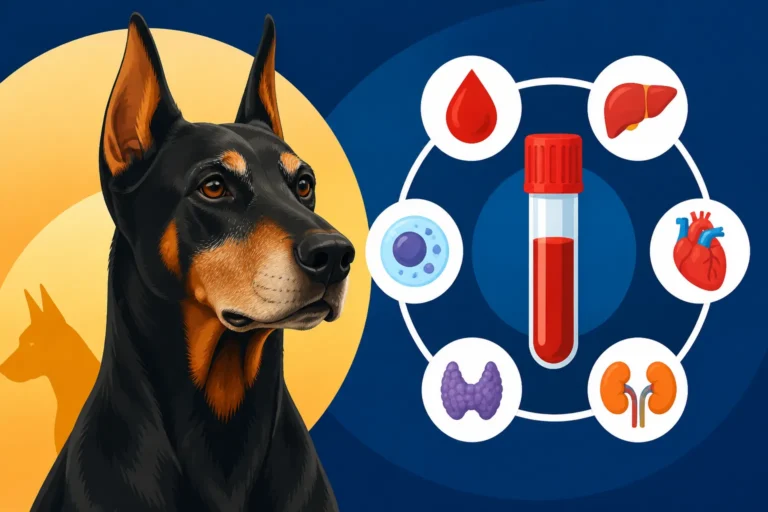
Senior Doberman blood panels reveal silent age-related illnesses, kidney problems, liver conditions, and genetic health issues early.
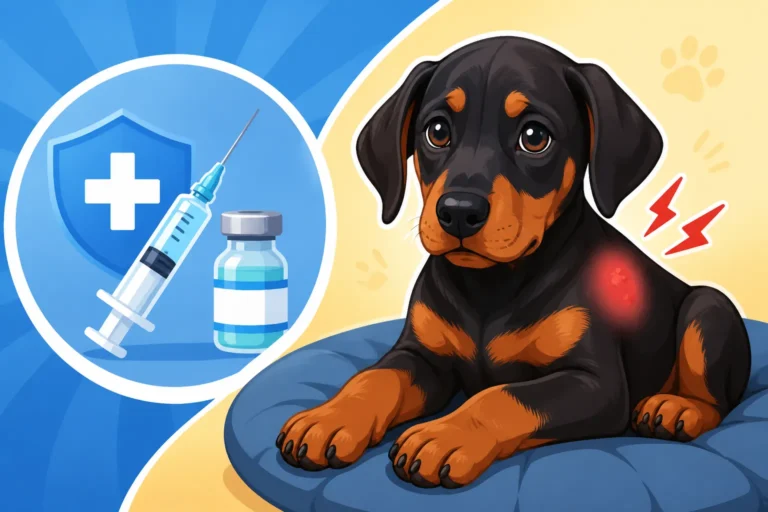
Doberman puppy vaccine reactions, identifying adverse events, core schedules from six to sixteen weeks, and knowing what steps to take after shots.
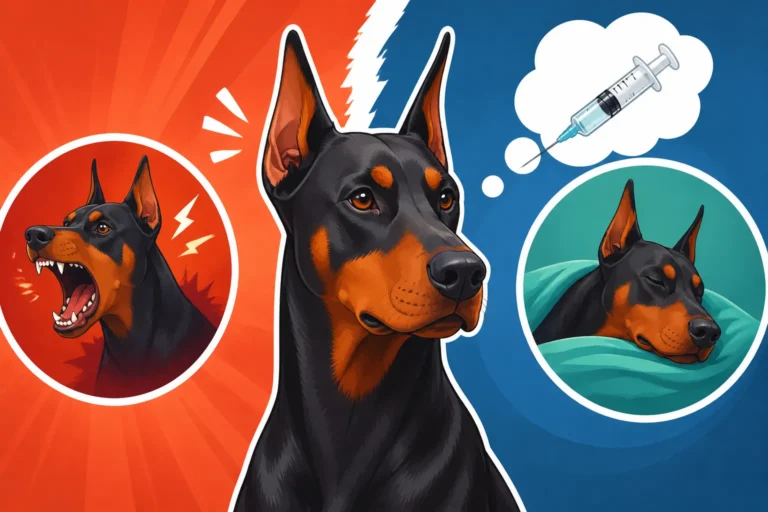
Doberman sedation risks, including dilated cardiomyopathy and hidden health issues, explained for owners preparing for veterinary procedures.
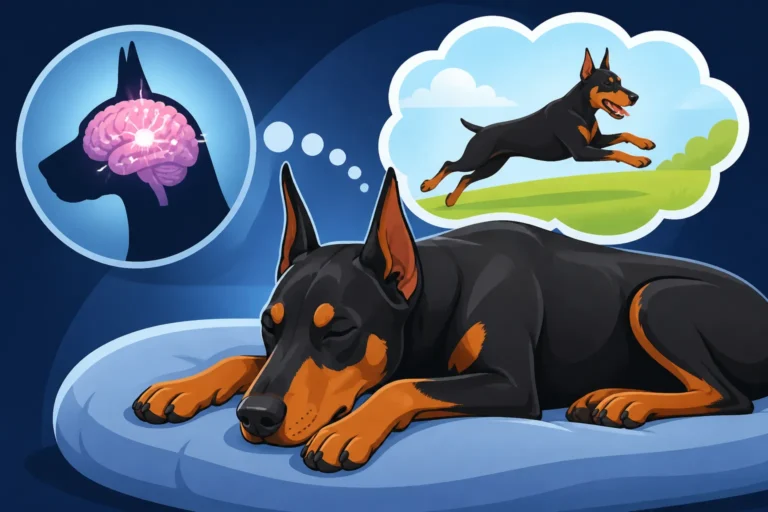
Narcolepsy in Dobermans is a neurological disorder causing sudden sleep attacks and muscle paralysis triggered by strong emotions.

Albino Doberman registration details, the recessive gene causing white coats, pink noses, and the lack of melanin pigment production.
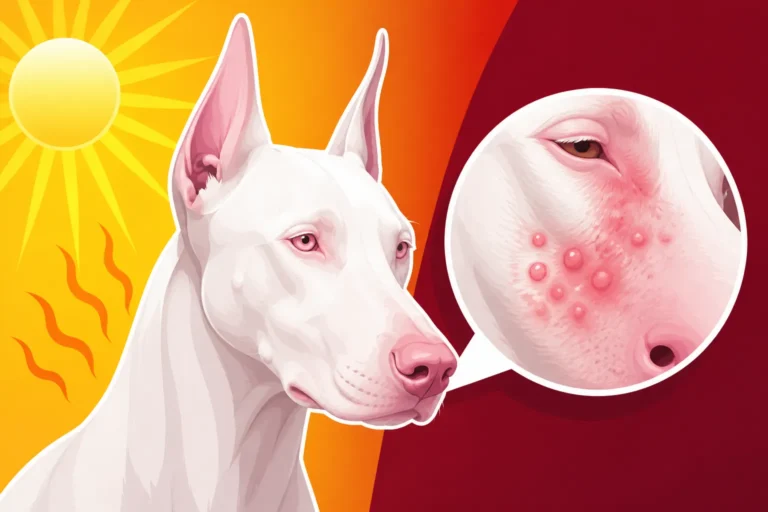
Albino Doberman dogs lack protective melanin, leading to painful skin blistering and high risks of squamous cell carcinoma.
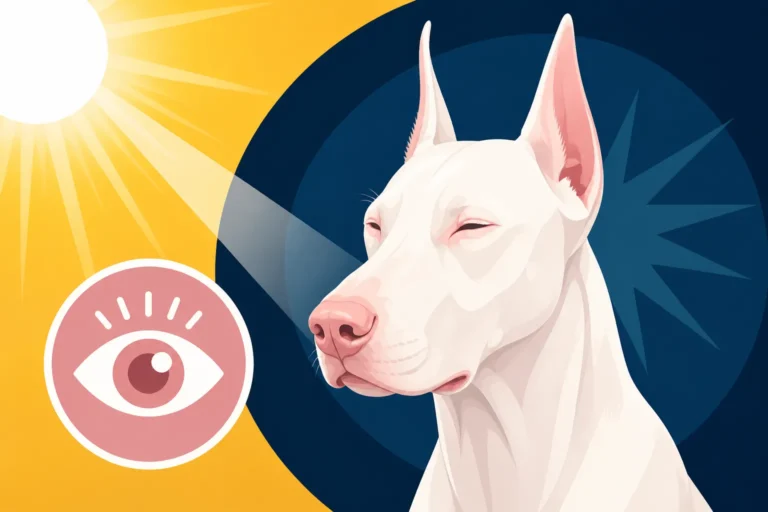
Albino Doberman light sensitivity occurs because a genetic tyrosinase gene mutation stops melanin production, causing eye pain.

Pre-breeding eye testing prevents inherited ocular diseases and reduces the risk of producing affected Doberman puppies.
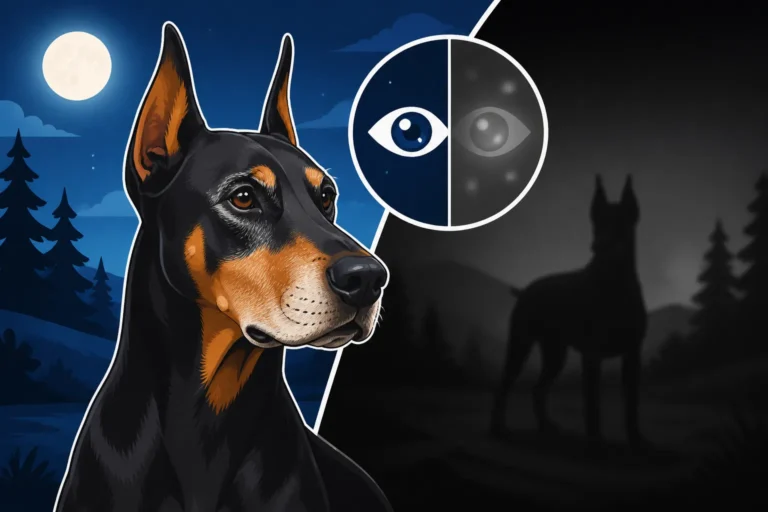
Progressive retinal atrophy and cataracts cause night vision loss in older Dobermans, leading to low-light hesitation and blindness.