Narcolepsy in a Doberman
It’s truly alarming when your usually vibrant Doberman, full of boundless energy, suddenly collapses or drifts into an inexplicable, deep sleep at the most unusual moments. You might worry it's a seizure, a heart issue, or something even more dire. But sometimes, these perplexing episodes can point to narcolepsy, a complex neurological disorder that specifically affects our beloved Dobermans and requires a thoughtful, informed approach. This guide is here to unravel the mysteries of narcolepsy, helping you understand its signs, navigate the diagnostic process, and ensure your Doberman lives the happiest, most comfortable life possible.
Demystifying Narcolepsy and Cataplexy in Your Doberman
Narcolepsy isn't just about being excessively sleepy; it’s a profound disruption of the brain's ability to regulate normal sleep-wake cycles. Think of it less as simple fatigue and more as a faulty switch, causing your Doberman to abruptly transition into sleep, often with a complete loss of muscle tone, even when they’re wide awake and engaged. It's a condition that can be incredibly frustrating and frightening for owners who witness it, especially when your otherwise healthy Doberman collapses without warning.
Understanding the Neurological Basis
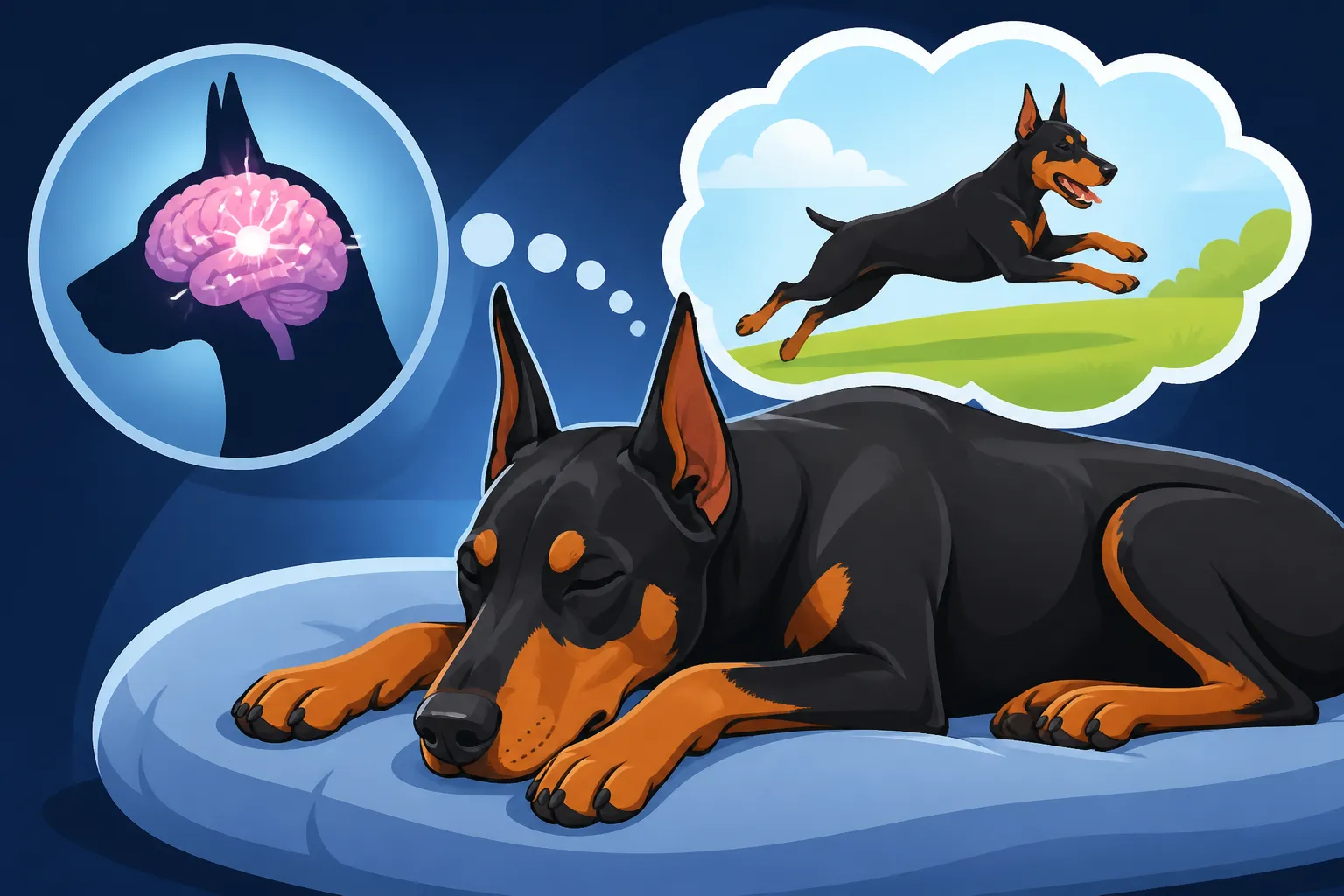
At its core, narcolepsy is a neurological disorder characterized by an inability to maintain normal sleep-wake cycles. In Dobermans, this often involves a deficiency or dysfunction in a specific neurotransmitter system in the brain, typically related to hypocretin (also known as orexin). Hypocretin plays a crucial role in regulating wakefulness, appetite, and other physiological functions. When this system isn't working correctly, your dog's brain struggles to keep them awake, leading to sudden, uncontrollable sleep attacks and, perhaps more dramatically, episodes of cataplexy.
Cataplexy is the hallmark of narcolepsy, particularly in Dobermans. It’s a sudden, brief loss of muscle tone that is triggered by strong emotions like excitement, joy, fear, or even the anticipation of food. During a cataplectic episode, your Doberman might completely collapse, go limp, and appear paralyzed, but here's the crucial part: they remain fully conscious. Their eyes might dart around, and they might even try to respond to you, but their body simply won't obey. Imagine wanting to run and play but your legs just give out – that’s essentially what they’re experiencing. These episodes usually last from a few seconds to several minutes, and then, as suddenly as they began, your Doberman will spring back up as if nothing happened. This unique combination of consciousness and muscle paralysis is what truly sets cataplexy apart from other collapse disorders.
The Genetic Link in Dobermans
It’s heartbreaking to learn, but narcolepsy in Dobermans is often inherited. Research has identified a specific genetic mutation in the hypocretin (orexin) receptor 2 gene (HCRTR2) that is strongly linked to narcolepsy in this breed. This means that if a Doberman carries this gene, they are predisposed to developing the condition. This genetic component is why certain breeds, like our Dobermans, Labrador Retrievers, and Dachshunds, show a higher incidence compared to the general canine population.
Understanding this genetic predisposition is vital for responsible breeding practices. While most reputable breeders strive to avoid passing on known genetic health issues, it underscores the importance of transparent health testing. If you're considering a Doberman puppy, asking about the health history of the parents and any known instances of narcolepsy in the lineage can provide some peace of mind, though a definitive genetic test for your specific Doberman is the only way to know for sure. The age when symptoms typically begin, often between 6 weeks and 6 months, but sometimes later, up to two years, can fall right into The Doberman Years When Everything Shows Up, making those early observations incredibly important for diagnosis.
Spotting the Subtle (and Not-So-Subtle) Symptoms
Recognizing narcolepsy can be tricky because some of its symptoms can mimic other conditions. It's not always a dramatic collapse; sometimes it starts with more subtle signs that might be easily dismissed. But once you know what to look for, the pieces often fall into place.
The Sudden Collapse: Cataplectic Episodes
This is arguably the most striking and worrying symptom for owners. Your Doberman is playing fetch, wagging their tail excitedly as you reach for the ball, and then suddenly, they crumple to the ground, limp and unable to move. They might look like they've fainted or had a seizure, but their eyes are open, tracking you, and they might even whimper softly. This is a classic cataplectic attack.
These episodes are almost always triggered by strong emotions. Picture this: you come home after a long day, and your Doberman is beside themselves with joy, wiggling and bouncing. Then, mid-wiggle, they drop to the floor, often face down, completely flaccid. The excitement of a meal, the anticipation of a walk, or even a sudden fright can bring on these episodes. They might last only a few seconds, or they could extend for several minutes, with your Doberman appearing to cycle in and out of consciousness, though they are technically conscious throughout. It's important to remember that these aren't painful, but they can be disorienting and potentially lead to injury if they collapse in an unsafe area. This is a very different scenario from A Doberman That Faints on a Walk, where a cardiac issue might be the culprit, and consciousness is usually lost.
Beyond Just Tired: Excessive Daytime Sleepiness
While cataplexy is the most dramatic symptom, excessive daytime sleepiness (EDS) is also a significant indicator. Your Doberman might seem to fall asleep far too easily and at inappropriate times. Are they snoozing profoundly after just a few minutes of play, or dozing off mid-chew on a favorite toy? Do they struggle to stay awake during activities that should keep them alert? This isn't just normal puppy napping or an older dog settling into retirement; it's a persistent, overwhelming urge to sleep that interferes with their normal waking life.
You might notice them taking frequent, short naps throughout the day, often waking up disoriented before quickly falling back asleep. They might seem sluggish or less engaged than usual, even if they've had a full night's rest. This constant battle with sleepiness can make them seem less energetic than other Dobermans, impacting their ability to train or participate in activities they once enjoyed. Don’t confuse this with the general slowdown that might indicate The Thyroid Numbers That Slow a Doberman Down; while both cause lethargy, the specific patterns of sleep and collapse differentiate narcolepsy.
Other Behaviors and Onset Age
Beyond the core symptoms, some Dobermans with narcolepsy might exhibit other behaviors associated with sleep disorders, such as vivid dreaming or sleep paralysis, though these are harder to observe and confirm in dogs. They might move their paws or vocalize during sleep more intensely than average, suggesting heightened dream activity.
As mentioned, symptoms typically begin quite early in Dobermans, often between six weeks and six months of age. Occasionally, a milder form might not be noticed until they are closer to two years old. This early onset is a key factor in distinguishing it from acquired neurological conditions that usually manifest later in life. If you notice any of these unusual sleep patterns or sudden collapses, it's crucial to consult your veterinarian promptly to begin the diagnostic process. Ignoring symptoms or dismissing them as "quirks" could prolong a proper diagnosis and delay effective management. It's easy to dismiss Whether Pain Explains a Doberman's Behavior Change, but unusual physical symptoms like these warrant a full vet check.
Navigating the Diagnosis Process
Getting a definitive diagnosis for narcolepsy in your Doberman can feel like a journey, partly because the condition isn't widely known among general practitioners, and partly because its symptoms can overlap with other serious health issues. Patience and persistence are key, working closely with your vet.
Your Initial Vet Visit: Ruling Out the Obvious
The first step is always a thorough veterinary examination. When you describe the episodes of sudden collapse or excessive sleepiness, your vet will likely want to rule out more common, and potentially life-threatening, conditions first. This might include:
- Cardiac issues: Conditions like syncope (fainting) due to heart problems can cause sudden collapse, just like a Doberman might experience with certain forms of The Heart Disease That Reaches Most Dobermans. Your vet might recommend an electrocardiogram (ECG) or even an echocardiogram to assess heart function.
- Seizure disorders: Epilepsy can manifest with collapse and loss of consciousness, but typically involves involuntary motor activity (paddling, chomping) and a post-ictal phase of disorientation. With cataplexy, consciousness is generally maintained, and there's no frantic motor activity.
- Metabolic disorders: Low blood sugar (hypoglycemia) or electrolyte imbalances can cause weakness, collapse, and lethargy. Blood tests will be crucial here to check organ function and metabolic panels.
- Musculoskeletal problems: Severe pain or weakness from joint issues could cause a dog to give out, though usually not with the same suddenness and complete limpness of cataplexy.
Your detailed observations are invaluable during this stage. Keeping a log of when episodes occur, what triggers them, how long they last, and what your Doberman looks like during the episode (eyes open/closed, awareness of surroundings) will significantly aid your vet in narrowing down the possibilities.
Specialized Neurological Evaluation and Testing
If initial tests rule out common causes, your general practitioner may recommend a referral to a veterinary neurologist. These specialists have advanced training and equipment to diagnose complex conditions affecting the brain and nervous system.
The neurologist will perform a comprehensive neurological examination. A key diagnostic tool for suspected narcolepsy is often a food-elicited cataplexy test. This involves observing your Doberman's response to food. Because excitement and anticipation of food are strong triggers, a dog with narcolepsy may exhibit classic cataplectic collapse as they are offered or begin to eat a highly palatable treat. This observation, combined with the history you provide, can be very indicative.
For a definitive diagnosis, sleep studies may be recommended, though these are less common in general practice and more typically performed in specialized veterinary university settings. These might include:
- Polysomnography: This involves monitoring various physiological parameters during sleep, such as brain waves (EEG), muscle activity, heart rate, and eye movements. Dobermans with narcolepsy will often show abnormal and premature entry into REM sleep during these studies.
- Multiple Sleep Latency Tests (MSLT): This measures how quickly a dog falls asleep in a quiet environment. Dogs with narcolepsy tend to fall asleep much faster than normal.
Additionally, since a specific genetic mutation is linked to narcolepsy in Dobermans, genetic testing is available. A simple cheek swab or blood sample can be sent to a specialized lab to test for the HCRTR2 mutation. A positive result, especially in a dog exhibiting clinical signs, provides strong confirmation of the diagnosis. Labs like OptiGen or VetGen often offer such tests. While genetic panels are increasingly common, they don’t always replace clinical screening, as A Doberman That Tests Clear and Still Gets DCM can happen with other complex conditions. For narcolepsy, however, the genetic link is quite direct.
Managing Narcolepsy and Enhancing Your Doberman's Quality of Life
Receiving a diagnosis of narcolepsy for your Doberman can feel overwhelming, but the good news is that while there's no cure, the condition is manageable. The goal of treatment is to reduce the frequency and severity of symptoms, allowing your Doberman to enjoy a good quality of life.
Treatment Options: Medications and Lifestyle Adjustments
Management typically involves a combination of medication and strategic lifestyle adjustments.
Medication:
Veterinarians usually prescribe medications to help regulate sleep cycles and reduce cataplectic episodes. These can include:
- Stimulants: Drugs like methylphenidate (Ritalin) or modafinil may be prescribed to promote wakefulness during the day, helping to reduce excessive daytime sleepiness.
- Antidepressants: Certain tricyclic antidepressants (TCAs) such as imipramine, or selective serotonin reuptake inhibitors (SSRIs) like fluoxetine, can be effective in reducing cataplexy by altering neurotransmitter levels that influence muscle tone during emotional responses.
It's crucial to work closely with your veterinary neurologist or general practitioner to find the right medication and dosage for your Doberman. This often involves a period of trial and error, monitoring their response and adjusting as needed. Never administer human medications to your dog without explicit veterinary guidance. Like Medication for a Doberman in the Occult Phase of heart disease, these medications are potent and require careful titration.
Lifestyle Adjustments:
Beyond medication, making thoughtful changes to your Doberman's daily routine can significantly help.
- Scheduled naps: Incorporate short, scheduled naps into their day. This can help them manage their sleep debt and reduce the likelihood of sudden, unwanted sleep attacks.
- Consistent routine: A predictable schedule for feeding, exercise, and sleep can help regulate their internal clock.
- Smaller, more frequent meals: If eating is a trigger for cataplexy, splitting their daily food into several smaller meals can lessen the intensity of the excitement and reduce the risk of an episode.
- Moderate exercise: Regular, moderate exercise is important for overall health, but avoid overexertion, which could lead to exhaustion and more severe sleep attacks.
- Calm transitions: Try to keep greetings and exciting events as calm as possible to minimize strong emotional triggers.
Creating a Safe and Supportive Environment
Ensuring your Doberman's environment is safe is paramount, especially given the risk of sudden collapse.
- Soft bedding: Provide plenty of soft, comfortable bedding in various areas of the home to cushion falls and encourage safe napping.
- Clear pathways: Keep pathways clear of obstacles or sharp objects that could cause injury during a cataplectic episode. Consider gates to block access to stairs or dangerous areas if collapses are frequent.
- Supervision: While you can’t supervise them 24/7, try to be present during known trigger times, like feeding or exciting play sessions.
- Comforting presence: During an episode, your Doberman is conscious and aware. Speak to them calmly, gently pet them, and let them know they are safe. Avoid startling them or trying to force them up, which could prolong the episode.
Living with a Doberman with narcolepsy means being hyper-aware of their triggers and creating a world that minimizes stress and maximizes safety.
Long-Term Outlook and Financial Considerations
The long-term prognosis for Dobermans with narcolepsy is generally good with proper management. While the condition can't be cured, many dogs live full, happy lives with their symptoms well-controlled by medication and environmental adjustments. The biggest risk factors are secondary injuries from falling, which can usually be mitigated with careful planning.
Financially, managing a chronic condition like narcolepsy can add up. The costs of specialist visits, diagnostic tests, and ongoing medication can become significant. This is where pet insurance can be a true lifesaver. Companies like Healthy Paws offer robust coverage that can help offset these expenses. It's often recommended to enroll in pet insurance when your Doberman is young, before any signs of illness appear, as pre-existing conditions are typically not covered. The Vet Bills a Doberman Runs Up Outside Screening can be substantial, so having a good policy in place early on, perhaps even considering Insuring a Doberman Before the Heart Turns which is another major Doberman health concern, can provide immense peace of mind. Discussing financial planning with your vet, including options for generic medications or payment plans, can also be helpful. Don't hesitate to ask your vet if Whether a Doberman Needs a Specialist for Its Echo is the next step or if a referral to a neurologist would be beneficial.
| Symptom Category | Narcolepsy/Cataplexy | Seizure Disorder | Cardiac Syncope |
|---|---|---|---|
| Consciousness | Generally conscious, eyes open, may track you | Unconscious | Unconscious |
| Muscle Tone | Sudden, complete loss of muscle tone (flaccid) | Rigid, then uncontrolled paddling/convulsions | Limp or stiff, but often recovers quickly |
| Triggers | Strong emotions (excitement, food, play, fear) | Often no obvious trigger, can occur during sleep | Exertion, stress, excitement (heart unable to cope) |
| Duration | Seconds to several minutes | Seconds to a few minutes | Very brief, seconds |
| Recovery | Abrupt, dog often immediately alert and active | Disoriented, dazed, tired (post-ictal phase) | Rapid and complete |
| Vocalization | May whimper, soft sounds | Foaming at mouth, growling, yelping | Usually silent |
| Involuntary Actions | None (though can look like falling asleep mid-action) | Urination, defecation, salivation | None, possibly slight tremor |
| Age of Onset | Often young (puppy to 2 years) | Variable, can be young or adult | Variable, depending on underlying heart condition |
Disclaimer
The information provided in this article is for educational purposes only and is not a substitute for professional veterinary advice. Always consult with a qualified veterinarian or veterinary neurologist for any health concerns or before making any decisions about your Doberman's care.