Softer Meals for a Senior Doberman
Dobermans, with their sleek builds and boundless energy, can make you forget they age. But eventually, even our magnificent companions start to slow down, and one of the first places you might notice this is at mealtime. If your beloved senior Doberman is turning their nose up at their usual kibble, eating slower, or even struggling to chew, it’s a clear sign that their dietary needs are shifting. This guide will walk you through understanding why softer meals become crucial for older Dobermans and how to make that transition smoothly, ensuring they continue to enjoy their food and get the nutrition they need.
Why Your Senior Doberman Might Need Softer Meals
As Dobermans enter their golden years, typically around eight years old, their bodies undergo a lot of changes that can affect their appetite and ability to process food. It’s not just about a picky eater; often, there are very real physical reasons behind their reluctance to eat harder kibble. Recognising these signs early means you can adjust their diet to keep them comfortable and well-nourished.
Dental Challenges in Aging Dobermans
One of the most common culprits behind an older Doberman's difficulty eating is dental pain. Think about it: years of chewing hard kibble, toys, and maybe the occasional rogue stick can take a toll. Senior Dobermans are prone to a range of dental issues, from plaque and tartar buildup to gum disease, broken teeth, or even abscesses lurking beneath the gum line. Imagine trying to crunch a dry, hard biscuit when you have a toothache or sensitive gums – it’s just not pleasant.
You might notice your Doberman chewing on one side of their mouth, dropping pieces of food, or completely avoiding certain harder treats they once loved. They might show increased drooling or shy away when you try to touch their mouth. Sometimes, the pain isn't obvious until it's quite advanced. Regular dental check-ups are vital for senior dogs, but even with the best care, some issues are inevitable. Switching to a softer diet can significantly reduce their discomfort and encourage them to eat, ensuring they get the necessary calories and nutrients without the agony of chewing. This isn't just about comfort; good nutrition impacts everything, from their energy levels to their immune system.
Digestive Changes and Nutrient Absorption
Beyond dental health, a senior Doberman’s digestive system isn’t quite as robust as it once was. Their metabolism slows down, and their gut motility can become less efficient. This means that food might not move through their system as quickly, and they might not be absorbing nutrients as effectively. Hard, dry kibble can be tougher for an aging digestive system to break down, leading to indigestion, constipation, or just a general feeling of fullness and discomfort.
When food is softer, it’s often easier to digest. There’s less work for the stomach and intestines to do, allowing for better absorption of essential vitamins and minerals. This is particularly important for Dobermans, who are prone to certain health conditions as they age, making optimal nutrient uptake even more critical. You might notice less gas, more regular bowel movements, and a general improvement in their coat and energy levels once their digestion is less strained. It’s all interconnected, and a healthy gut contributes to overall well-being.
Decreased Appetite and Hydration Needs
It’s not uncommon for senior Dobermans to experience a general decline in appetite. This can be due to a combination of factors, including reduced sense of smell and taste, pain from arthritis or other conditions, or even just a lower energy requirement. However, a consistent drop in food intake can quickly lead to weight loss and nutritional deficiencies, which can further exacerbate existing health problems.
Softer meals often have a stronger aroma and a more palatable texture, which can be much more appealing to a Doberman whose senses aren't as sharp as they once were. Think of it like a comforting, easy-to-eat meal for us when we're feeling under the weather. Furthermore, many softer food options, especially wet foods, have a much higher moisture content than kibble. This is a huge benefit for senior Dobermans, as adequate hydration is crucial for kidney function, joint health, and preventing constipation. It’s a gentle way to sneak in extra fluids, which can be particularly helpful if your Doberman isn’t drinking as much water as they should or if they have conditions like Cognitive Change in an Old Doberman that might make them forget to drink.
Types of Softer Meal Options for Senior Dobermans
When it comes to providing softer meals for your senior Doberman, you've got a few excellent routes to explore. The best choice often depends on your Doberman's specific needs, your budget, and what's readily available. Remember, the goal is to make mealtime enjoyable and nutritious again.
Quality Wet Dog Food Options
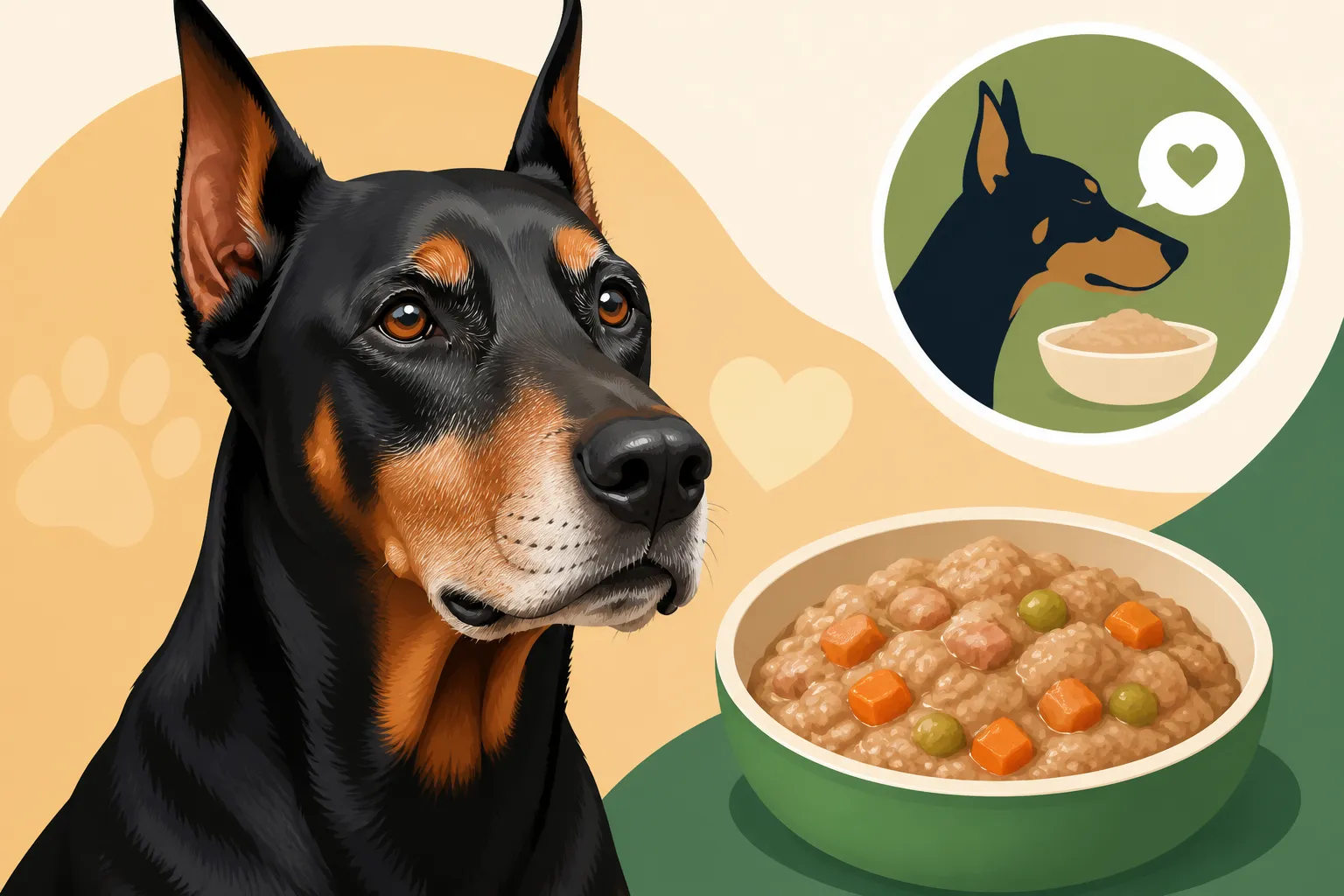
Canned or wet dog food is often the first thing people think of when "softer meals" come up, and for good reason! It's inherently soft, easy to chew, and typically very palatable. Most senior Dobermans adore the texture and aroma of wet food. When choosing, look for high-quality brands that list a real meat source as the first ingredient and avoid excessive fillers.
There's a vast array of wet food out there, from pâtés to stews with chunks. Some brands specifically formulate for senior dogs, including ingredients that support joint health and cognitive function, which are often concerns for an aging Doberman. You can find a wide selection of these on sites like Chewy or even through your local pet supply store, with detailed ingredient lists to help you make informed choices. Offering a variety of protein sources can also keep things interesting for your Doberman and ensure a broad spectrum of nutrients. Just be mindful of the calorie count, as wet food can sometimes be more calorie-dense or less so, depending on the specific product, and adjust portions accordingly based on your Doberman's ideal weight and activity level.
Rehydrated Kibble and Meal Toppers
If you're not ready to completely switch from kibble, or if your Doberman still enjoys some crunch but struggles with dryness, rehydrating their current kibble can be a fantastic interim solution. This is incredibly simple: just add warm water or low-sodium chicken or beef broth to their regular kibble and let it sit for 10-15 minutes until it softens. The kibble will swell, becoming much easier to chew and digest. This also adds valuable moisture to their diet.
Another approach is using meal toppers. These can be anything from a dollop of canned food mixed in, a spoonful of plain yogurt (if your Doberman tolerates dairy), pureed cooked vegetables, or even specific senior meal toppers designed to add flavor and nutrients. Many Dobermans, as they age, become less enthusiastic about their food. A flavorful topper can entice them to eat more readily. You can find various healthy toppers on Amazon or at your local pet store, many of which also offer targeted nutritional benefits like probiotics for gut health or glucosamine for joints. This method allows you to slowly transition without a drastic dietary change, making it less stressful for your Doberman's digestive system.
Fresh Food and Homemade Diets
For owners committed to providing the freshest possible meals, fresh food delivery services or carefully prepared homemade diets are excellent choices. Companies like Ollie deliver fresh, human-grade food right to your door, often tailored to your dog's specific needs, including age and weight. These meals are typically soft, easily digestible, and highly palatable, making them ideal for senior Dobermans with dental issues or finicky appetites. The convenience of a pre-portioned, balanced meal can be a huge benefit for busy owners.
If you prefer to cook at home, a homemade diet can give you complete control over ingredients. However, it’s crucial that any homemade diet for a senior Doberman is nutritionally balanced. Simply feeding boiled chicken and rice isn’t enough for long-term health. Consult with your veterinarian or a veterinary nutritionist to create a balanced recipe that meets all your Doberman's specific nutrient requirements, including appropriate levels of protein, fats, carbohydrates, vitamins, and minerals. They can help you factor in conditions like Copper Liver Disease in Doberman Females or Why Doberman Livers Store Copper if applicable, ensuring the diet supports their overall health without causing deficiencies or exacerbating existing conditions.
Here's a quick comparison of popular softer meal options:
| Meal Type | Pros | Cons | Best For |
|---|---|---|---|
| Wet Canned Food | Highly palatable, high moisture, easy to chew | Can be expensive, higher calorie density in some brands, can spoil quickly | Dobermans with severe dental pain, low appetite, or needing hydration |
| Rehydrated Kibble | Economical, gradual transition, uses existing food, adds moisture | May not be soft enough for severe dental issues, takes time to soften | Mild dental issues, improving palatability, increasing hydration |
| Meal Toppers | Boosts palatability, adds targeted nutrients, flexible | Can unbalance diet if overused, only a supplement to core food | Picky eaters, adding specific supplements, minor palatability issues |
| Fresh/Homemade | Highest palatability, human-grade ingredients, customizable | Most expensive (fresh), requires careful balancing (homemade), prep time | Dobermans with allergies, sensitive stomachs, specific health needs, severe dental issues |
Transitioning to Softer Foods and Monitoring Health
Making a dietary change for any dog, especially a senior Doberman, requires a thoughtful approach. A sudden switch can upset their delicate digestive system, leading to discomfort or further food aversion. Patience and close observation are key to a successful transition.
Gradual Introduction and Observation
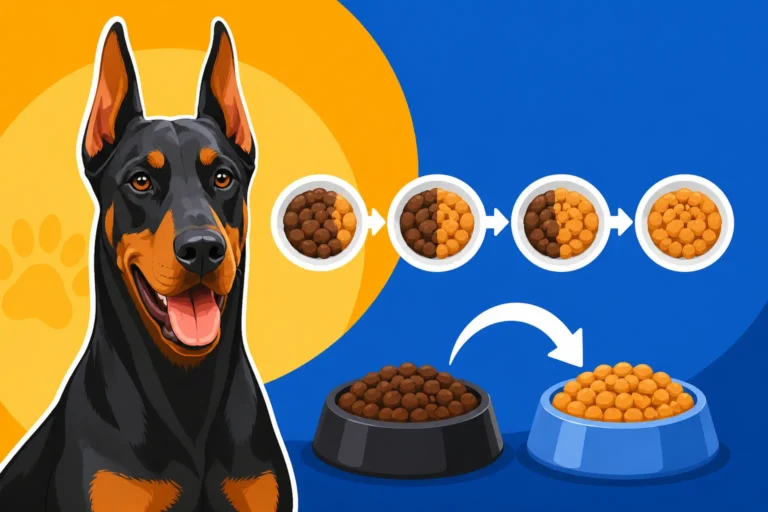
The golden rule for any dietary change is to do it gradually. Start by mixing a small amount of the new, softer food with their current diet. For instance, if you're introducing wet food, begin with about 10-25% new food and 75-90% old food for a few days. If your Doberman is eating well and shows no signs of digestive upset (like diarrhea, vomiting, or excessive gas), you can slowly increase the proportion of the new food over the next 7-10 days, until they are entirely on the softer diet.
During this transition period, keep a close eye on your Doberman's stool quality, energy levels, and overall demeanor. Are they more enthusiastic at meal times? Are they eating all their food? Any signs of digestive upset mean you should slow down the transition or even revert to the previous mix for a few days before trying again. Some Dobermans are more sensitive than others, and a slow, patient approach is always best. This slow change allows their digestive enzymes to adapt to the new ingredients.
Signs of Improvement and Continued Monitoring
Once your Doberman has fully transitioned to softer meals, you should ideally start seeing some positive changes. Look for a renewed interest in food, an easier time chewing, and a cleaner bowl after meals. You might also notice improvements in their coat quality, energy levels (within the context of being a senior dog, of course), and more consistent, healthy bowel movements. These are all indicators that the softer diet is a good fit and is meeting their nutritional needs.
However, monitoring doesn't stop once they've transitioned. Senior Dobermans have evolving needs, so regular check-ups with your veterinarian are still paramount. Continue to observe their weight; you don't want them getting too thin, nor do you want them to become overweight, which can put strain on their joints. Pay attention to any changes in their eating habits, hydration, or general health. Even with a perfect diet, other senior-related health issues can arise, making ongoing vet visits and adjustments to their care plan, including diet, essential. This is part of the commitment we make when caring for our aging Dobermans.
Addressing Specific Senior Doberman Nutritional Needs
Beyond just the texture of their food, a senior Doberman often has specific nutritional requirements that differ from their younger counterparts. Tailoring their diet to these needs can make a significant difference in their quality of life as they age.
Calorie Adjustment and Weight Management
As Dobermans age, their metabolism naturally slows down, and their activity levels typically decrease. This means they often require fewer calories to maintain a healthy weight. Continuing to feed them the same amount of food as when they were younger and more active can quickly lead to weight gain, which puts undue stress on their joints and can exacerbate conditions like Doberman Hip Dysplasia or arthritis.
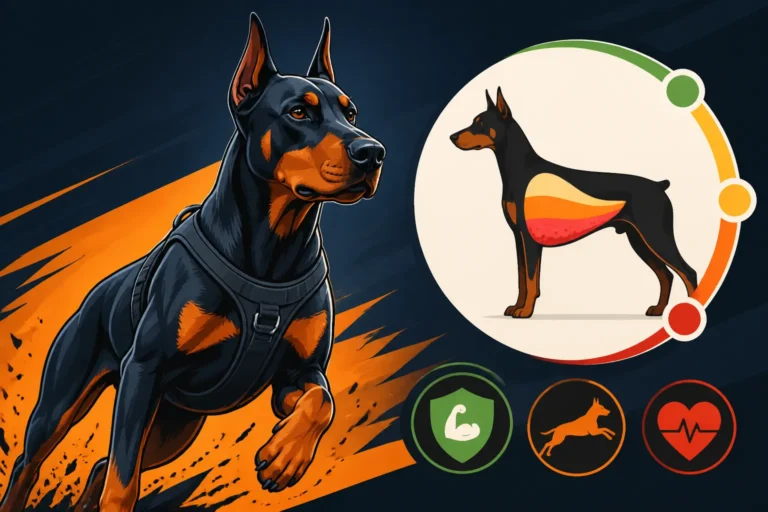
On the flip side, some senior Dobermans might experience muscle wasting or a significant drop in appetite, leading to unintended weight loss. It’s a delicate balance. Your veterinarian can help you determine the ideal calorie intake for your senior Doberman based on their current weight, body condition score, and overall health. Many senior-specific dog foods (both wet and kibble) are formulated with slightly lower calorie counts and higher fiber to help manage weight while keeping them feeling full. Regular weighing at home or at vet visits can help you stay on top of their weight, allowing you to make small adjustments to their food portions as needed.
Joint and Cognitive Support
Dobermans are active dogs, and years of running and jumping can take a toll on their joints. As they age, many develop arthritis or other musculoskeletal issues. A senior Doberman's diet should ideally include ingredients that support joint health. Look for foods or supplements rich in glucosamine, chondroitin, and Omega-3 fatty acids (like EPA and DHA). These can help reduce inflammation, support cartilage health, and improve joint mobility. You can often find these incorporated into senior-specific commercial diets, or you might add them as separate supplements purchased from reputable sources on Chewy or Amazon.
Beyond physical comfort, cognitive decline is another concern for some older Dobermans. Nutrients like antioxidants, B vitamins, and medium-chain triglycerides (MCTs, often found in coconut oil) are believed to support brain health and can help mitigate some signs of cognitive dysfunction. Discuss with your vet if supplements like Taurine and Carnitine for a Doberman Heart are appropriate, not just for heart health, but for general senior wellness. Ensuring a rich nutrient profile in their softer meals can support both their physical agility and their mental sharpness as they enjoy their senior years. Screening an Older Doberman More Often becomes even more important as these issues can creep up.
Water Intake and Hydration
We’ve touched on it, but it bears repeating: hydration is absolutely critical for senior Dobermans. Their kidneys may not be as efficient, and they might not drink as much water as they used to for various reasons, including reduced thirst sensation or difficulty getting to their water bowl. Dehydration can worsen kidney problems, exacerbate constipation, and impact overall organ function.
Choosing wet foods or consistently rehydrating kibble is an excellent way to boost their daily water intake. Always ensure multiple fresh water bowls are available in easily accessible locations around your home, perhaps even elevated if your Doberman has neck or back pain. Consider adding a few drops of low-sodium broth to their water to encourage drinking. In some cases, your vet might even recommend adding supplemental fluids if your Doberman is chronically dehydrated due to a medical condition. Staying on top of hydration is one of the simplest, yet most impactful, things you can do for your senior Doberman’s health. Keeping a Failing Doberman Comfortable at Home includes ensuring their hydration.
Making Mealtime a Positive Experience
The way you present food to your senior Doberman can be just as important as what's in the bowl. As they get older, every aspect of their routine, including mealtime, should be designed for comfort and ease.
Ergonomic Feeding and Environment
Think about your Doberman's physical comfort when they're eating. If they have arthritis in their neck, back, or elbows, bending down to a floor-level bowl can be painful. Elevated food and water bowls can make a huge difference, allowing them to eat in a more natural and comfortable standing position. Look for sturdy, non-tip bowls that are easy to clean and are at an appropriate height for your Doberman’s stature. You can find many options designed for larger breeds on Amazon or Chewy.
Consider the feeding environment as well. A quiet, calm space away from household hustle and bustle can reduce stress and encourage eating, especially if your Doberman is easily distracted or has A Doberman That Pushes Between People at mealtime. If they have vision or hearing loss, maintaining a consistent feeding routine and location can provide reassurance and predictability. Ensuring they have comfortable Bedding for an Old Doberman's Elbows and other joints for resting after their meal is also a thoughtful touch.
Encouraging Appetite and Enjoyment
If your senior Doberman is still showing a reduced appetite even with softer food, there are a few tricks you can try to tempt them. Warming wet food slightly (to body temperature, never hot!) can enhance its aroma and make it more appealing. Mixing in a small amount of low-sodium chicken broth, plain cooked pumpkin (excellent for digestion), or even a little bit of cooked, shredded lean meat can often do the trick.
Sometimes, a change of scenery or hand-feeding a few bites can stimulate their appetite. For Dobermans who were always food motivated but are now struggling, making mealtime a special, quiet ritual can help. Remember, your goal is to make eating a positive, stress-free experience. If your Doberman continues to refuse food or experiences significant weight loss, it's always time for a visit to the vet, as an underlying medical issue could be at play. Early detection and intervention are crucial for many Doberman health concerns. It's often not just about the food itself, but how it's offered, that makes all the difference for our aging companions. A Doberman That Suddenly Stops Eating is always a cause for concern.
Disclaimer
This article is for general informational purposes only and does not constitute professional advice. Laws, prices and regulations vary by location and change over time. Consult a qualified professional for guidance on your specific situation.