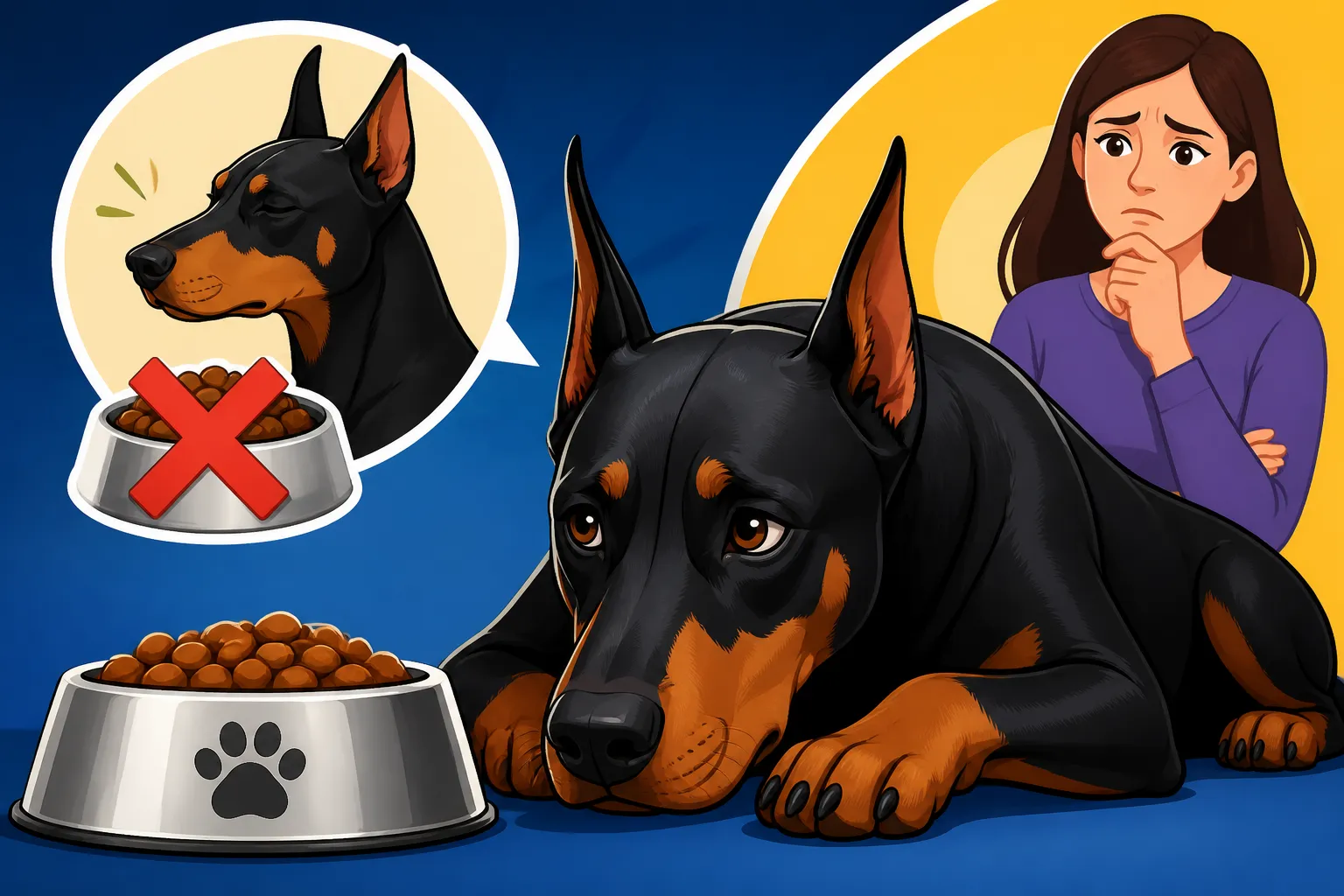
A Doberman That Suddenly Stops Eating
There's nothing quite as gut-wrenching as watching your beloved Doberman, usually so eager for mealtime, suddenly turn their nose up at their food. It can send a wave of panic through you, especially when they're typically such enthusiastic eaters. When a Doberman that’s usually a chowhound suddenly stops eating, it’s not just a minor inconvenience; it’s a blaring alarm bell that something might be seriously wrong. This guide is here to walk you through the various reasons your Doberman might suddenly lose their appetite, from the minor to the life-threatening, and crucially, what you need to do next.
Immediate Steps When Your Doberman Refuses Food
When your Doberman first snubs their bowl, it’s easy to jump to the worst conclusions. But taking a moment to observe and gather information calmly can make a huge difference in how quickly and effectively you address the issue.
Observe, Don't Panic
First and foremost, take a deep breath. While a sudden refusal to eat is serious, your Doberman can often go a short period without food, especially if they are otherwise acting normally. The key is careful observation. Is this a complete refusal of all food, or are they just being picky with their regular kibble? Have they eaten any treats? Are they still drinking water? Hydration is often more critical in the short term than food.
Beyond just food, you need to check for other accompanying symptoms. Is your Doberman lethargic, sleeping more than usual, or uninterested in walks or playtime? Are they vomiting, either with or without food? Is there diarrhea, or have their bowel movements changed? Are they showing any signs of pain, perhaps hunched over, guarding their abdomen, or reluctant to move? Even subtle changes in their normal demeanor can be important clues. Jot down when they last ate, when they last had a bowel movement, and any other symptoms you observe. This detailed history will be invaluable information for your veterinarian.
Tempting Their Palate Temporarily
While you're observing, you might try offering something a little different to see if you can spark their appetite. This isn't a long-term solution, but it can help you gauge if the issue is really a lack of appetite or simply an aversion to their usual food. Many Dobermans will perk up at the smell of bland, cooked human food.
Consider offering a small amount of boiled, plain chicken breast (no skin, no bones, no seasoning) or plain white rice. You could also try warming their regular kibble slightly or adding a little low-sodium chicken or beef broth. Some Dobermans might even respond to a small amount of canned pumpkin (pure pumpkin, not pie filling) which can also aid digestion. The goal here is just to see if they'll eat anything. If they eagerly gobble down the chicken but refuse their kibble, it might point more towards pickiness or a mild upset. However, if they refuse even these high-value items, it’s a much stronger signal that something more serious is at play and a vet visit is becoming more urgent. Remember, these are temporary measures; a Doberman needs a balanced diet, and prolonged feeding of unbalanced meals is not healthy.
Common Medical Reasons for Appetite Loss
A Doberman suddenly stopping eating often has a medical root cause. Their stoic nature means they can hide discomfort well, so a noticeable change in appetite is rarely something to ignore.
Gastrointestinal Issues
The digestive system is a common culprit when food is suddenly refused. Dobermans, with their deep, narrow chests, are unfortunately predisposed to Gastric Dilatation-Volvulus (GDV), commonly known as bloat, which is a life-threatening emergency. If your Doberman is not only refusing food but also pacing, attempting to vomit without success, drooling excessively, and their abdomen appears distended, you need to get them to an emergency vet immediately. This condition can be fatal within hours. For more on this critical issue, read Recognizing a Doberman Stomach Twist in Time.
Beyond bloat, there are other gastrointestinal problems that can cause a Doberman to stop eating. An upset stomach, gastritis (inflammation of the stomach lining), or pancreatitis (inflammation of the pancreas) can make eating painful or unappealing. These conditions can result from eating something they shouldn't have, a sudden diet change, or underlying health issues. Sometimes, a Doberman might have ingested a foreign body – a toy, a sock, or even part of a stick – that's now causing an obstruction or irritation in their digestive tract, leading to nausea and refusal of food. Vomiting, diarrhea, or straining to defecate often accompany these issues.
Dental Pain and Oral Problems
Imagine trying to eat your favorite meal with a throbbing toothache or a sore in your mouth. Your Doberman experiences the same discomfort. Dental problems are a surprisingly common reason for a sudden loss of appetite. They might want to eat, but the pain makes it impossible or excruciating.
Issues like a broken tooth, severe gum disease, an abscess, or even an oral lesion or tumor can cause significant pain. Sometimes, a piece of bone or a splinter can get lodged in their gums or between their teeth, causing acute discomfort. You might notice them dropping food, chewing on one side of their mouth, pawing at their face, or excessive drooling. Gently checking your Doberman's mouth can be tricky, especially if they are in pain, but if you can safely lift their lips to inspect their gums and teeth, you might spot an obvious problem. Even if you don't see anything, microscopic fractures or deep-seated infections can be the source of their agony.
Systemic Illnesses
When a Doberman feels generally unwell, their appetite is often the first thing to go. Many systemic illnesses can lead to anorexia. Kidney disease, for example, can cause a buildup of toxins in the blood, leading to nausea and a metallic taste in their mouth. Liver disease, a particular concern for Dobermans with conditions like Copper Liver Disease in Doberman Females, can also cause a profound loss of appetite, as the liver plays a crucial role in metabolism and detoxification.
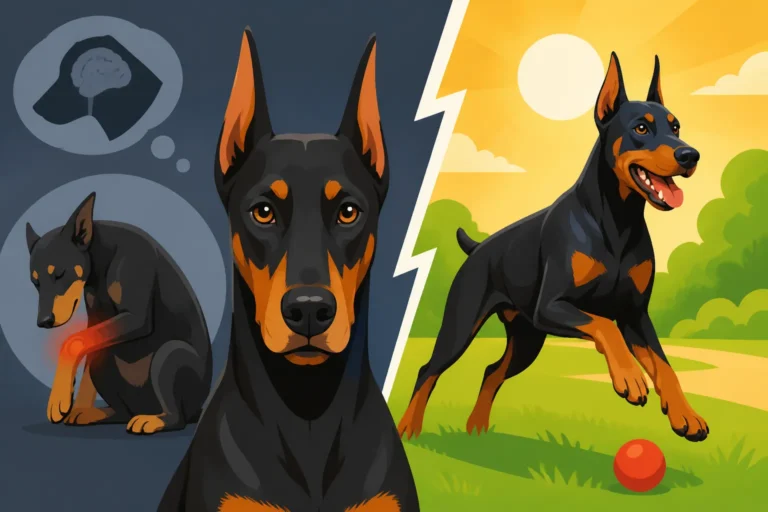
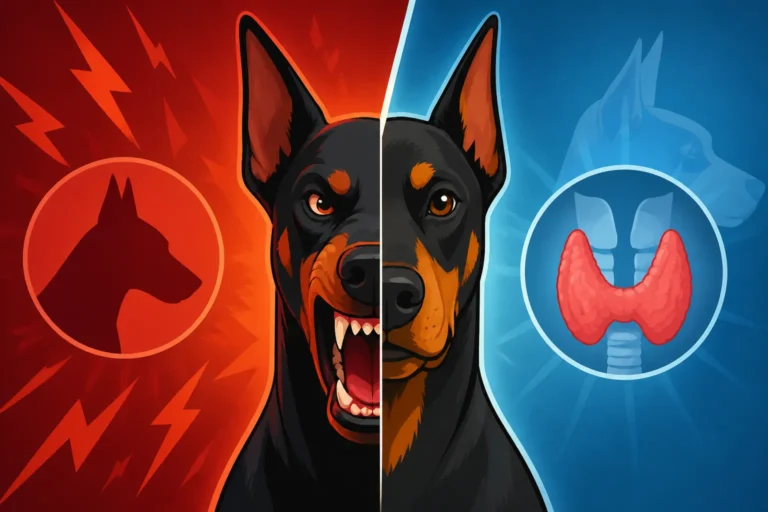
Infections, whether bacterial, viral, or fungal, can make your Doberman feel miserable and lose interest in food. Common culprits include urinary tract infections (UTIs), respiratory infections, or even tick-borne diseases. Any illness causing a fever will typically suppress appetite. Less obvious issues like early-stage arthritis or an internal injury can cause enough discomfort that eating becomes secondary to their pain. Even hormonal imbalances, such as an underactive thyroid, which you can learn more about in The Thyroid Numbers That Slow a Doberman Down, can subtly impact a Doberman's overall energy and appetite over time. Sometimes, it’s a symptom of a more insidious problem, and as many Doberman owners know, Why a Doberman Can Look Fine and Be Ill until it's too late.
Medication Side Effects and Vaccinations
Think about the last time you took a new medication and felt a bit queasy. Our Dobermans can experience the same thing. Many medications, especially antibiotics, non-steroidal anti-inflammatory drugs (NSAIDs), or even certain heart medications, can have side effects that include nausea, vomiting, or a general reduction in appetite. If your Doberman recently started a new prescription or had a dosage change, this could be the cause.
Similarly, recent vaccinations, particularly in puppies, can sometimes lead to a temporary dip in appetite as part of a mild immune response. While usually not severe, some Doberman puppies can experience Vaccine Reactions in a Doberman Puppy, including lethargy and a temporary loss of appetite. If you’ve administered any new medications or your Doberman had recent shots, make sure to mention this to your vet, as it provides important context for their diagnosis.
Non-Medical and Behavioral Factors Affecting Eating
Sometimes, the reason your Doberman has stopped eating isn't a direct medical crisis but rather a behavioral or environmental one. These reasons are often less severe but can still be concerning and require your attention.
Stress and Anxiety
Dobermans are highly intelligent and sensitive dogs, often forming strong bonds with their families, sometimes to the point of being "Velcro dogs." This means they can be particularly susceptible to stress and anxiety, which can manifest as a refusal to eat. Changes in routine, such as you working longer hours, a new family member (human or pet), moving to a new house, or even loud, unfamiliar noises (like construction outside or fireworks) can all trigger stress.
A Doberman might also stop eating if they are experiencing separation anxiety. If they typically only refuse food when you're away or immediately after you leave, and seem fine otherwise, it might be a sign they are struggling to cope alone. For deeper insights into this common Doberman trait, consider reading A Doberman That Cannot Cope When You Go Out. Travel can also be a significant stressor for some Dobermans, leading to car sickness and a subsequent loss of appetite. Observing when and where they refuse food can provide critical clues. If their appetite returns once the stressful situation resolves, it’s a strong indicator of an anxiety-driven issue.
Pickiness or "Food Strikes"
Let's be honest, Dobermans can be notoriously smart, and sometimes that intelligence extends to manipulating their humans. If your Doberman has been regularly receiving a lot of high-value treats, table scraps, or having their food frequently changed, they might decide to go on a "food strike" in hopes of getting something better. They know what they like, and if they're holding out for a piece of steak instead of their regular kibble, they will.
This isn't to say they're not genuinely feeling something, but sometimes it's less about illness and more about preference. A sudden aversion to their regular kibble could also indicate the food has gone stale, has a bad batch, or has simply lost its appeal. Perhaps you recently switched brands, and they simply don't like the new taste or texture. Learning to Feeding an Eighty-Pound Doberman Well involves understanding their nutritional needs while also managing their preferences. This is where consistent feeding routines and not giving in to every whim become important, especially if medical issues have been ruled out.
Environmental Changes
Beyond just the psychological stress of environmental changes, physical changes in their feeding environment can also impact a Doberman's willingness to eat. A new food bowl, especially if it's a different material or makes a strange noise, could make them wary. Moving their feeding station to a new, unfamiliar, or high-traffic area might make them feel insecure while eating.
Even the weather can play a role. During very hot weather, dogs, just like humans, can have a reduced appetite. Their bodies are working harder to stay cool, and a heavy meal might not feel appealing. Conversely, some Dobermans, with their short coats and low body fat, can feel the cold intensely. If their feeding area is too cold, or they are generally shivering, their focus might be on staying warm rather than eating. While these factors are usually minor, they are worth considering as simple solutions if more serious causes are ruled out.
Age-Related Changes
As Dobermans enter their senior years, their bodies and routines naturally change, and this can include their appetite. An older Doberman's metabolism often slows down, meaning they might simply need fewer calories to maintain a healthy weight. Their activity levels typically decrease, and they may not burn as much energy as they once did.
Beyond metabolic changes, older Dobermans can experience a gradual decline in their senses, including their sense of smell and taste. Food that once smelled enticing might now seem bland. They might also develop more subtle underlying health issues that contribute to a decreased appetite, even if they don't seem overtly sick. It's especially important to be vigilant with older Dobermans, as they are more prone to hidden ailments. For guidance on appropriate care, consider Screening an Older Doberman More Often and understanding how Cognitive Change in an Old Doberman can affect their daily habits. These age-related shifts are normal, but a sudden and significant drop in food intake should still prompt a veterinary check-up to rule out treatable conditions.
When to Seek Veterinary Attention and What to Expect
Knowing when to call the vet is crucial. While a day of pickiness might be manageable, certain symptoms or prolonged refusal to eat demand immediate professional attention.
Red Flag Symptoms and Immediate Vet Visit
If your Doberman has completely stopped eating for 24 hours, or even less if they are a puppy or very old, it's time to call your veterinarian. However, some symptoms warrant an immediate, emergency vet visit, no matter how long they've been off food.
These "red flag" symptoms include:
- Persistent vomiting or diarrhea: Especially if blood is present.
- Lethargy or severe weakness: If your Doberman can't get up, is stumbling, or is completely unresponsive.
- Abdominal distension or pain: A hard, swollen belly, or if they cry out when their abdomen is touched. This could indicate bloat.
- Repeated, unproductive retching: Trying to vomit but nothing comes up. Another strong indicator of bloat.
- Pale gums.
- Collapse or fainting: A sudden loss of consciousness is always an emergency. If your Doberman faints on a walk, it's crucial. We all hope to avoid the dreaded Emergency Vet Fees for a Collapsing Doberman, but recognizing these signs quickly can be life-saving.
Don't wait if you see any of these signs. Get to an emergency veterinary clinic right away. These symptoms can indicate severe conditions that require immediate intervention.
What the Vet Will Do
When you bring your Doberman to the vet for appetite loss, expect a thorough investigation. The veterinarian will start with a comprehensive physical examination, checking everything from their eyes and ears to feeling their abdomen, listening to their heart and lungs, and taking their temperature. They'll also perform an oral examination to check for any dental issues or lesions.
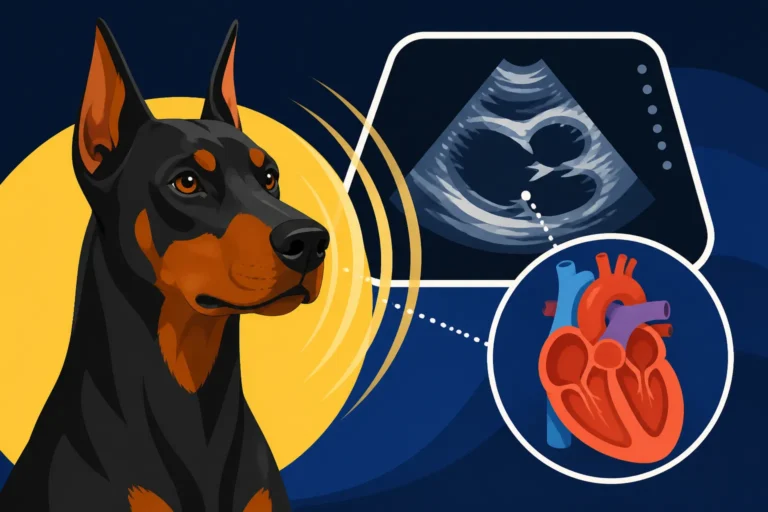
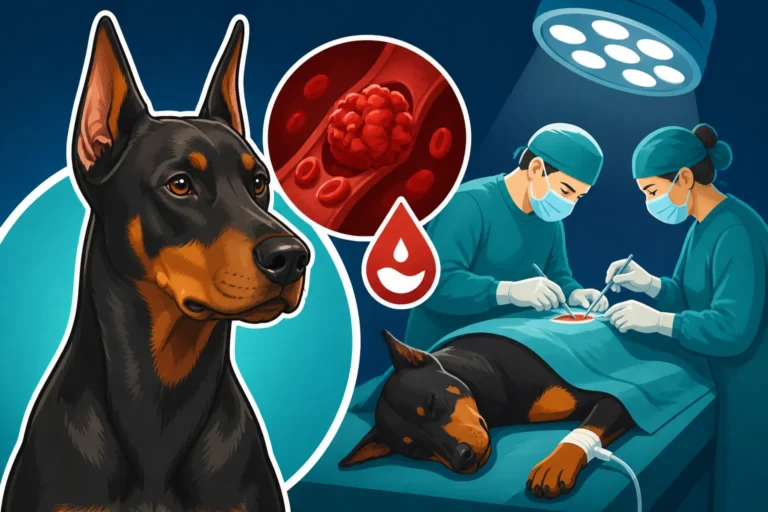
Based on their findings and your detailed history, they'll likely recommend further diagnostics. This commonly includes blood work, such as a complete blood count (CBC) to check for infection or anemia, and a chemistry panel to assess organ function (kidneys, liver, pancreas). For an older Doberman, a full Blood Panels Worth Running on an Old Doberman is often a standard procedure. A urinalysis might be performed to check for kidney issues or urinary tract infections. A fecal exam can identify intestinal parasites or other digestive problems. If an obstruction or organ enlargement is suspected, X-rays or an ultrasound of the abdomen might be necessary. It's vital to be completely honest about everything your Doberman has eaten, their routine, and any recent changes, as this information is key to guiding the diagnostic process.
Managing Recovery at Home
Once your veterinarian has diagnosed the issue and prescribed a treatment plan, your role in managing your Doberman's recovery at home is critical. This might involve administering prescribed medications, such as anti-nausea drugs, antibiotics, or pain relievers. Follow the dosing instructions precisely, and don't stop medication early, even if your Doberman seems to be feeling better.
Dietary management is often a huge part of recovery. Your vet might recommend a bland, easily digestible diet for a few days, often a prescription gastrointestinal food or a homemade diet of boiled chicken and rice. Reintroduce their regular food gradually, mixing small amounts of kibble into the bland diet over several days. Ensure your Doberman has constant access to fresh, clean water, and encourage drinking. If they're still not drinking enough, your vet might suggest ice cubes or a little low-sodium broth to entice them.
Dealing with an unexpected veterinary emergency can be incredibly stressful, both emotionally and financially. This is where pet insurance, like Healthy Paws, can be an absolute lifesaver. Having a plan in place can alleviate some of the financial burden, allowing you to focus on your Doberman's health rather than worrying about the cost of tests, medications, or even potential emergency surgery. It’s a good idea to consider these options before issues arise, as getting coverage for a pre-existing condition is often not possible. Planning ahead financially, especially when considering the lifetime costs, helps prevent owners from facing difficult choices when their Doberman suddenly falls ill, as explored in articles like Whether a Doberman Suits a Tight Budget.
Understanding Doberman Appetite Loss: A Quick Guide
| Symptom Cluster | Potential Causes (Non-Exhaustive) | Urgency Level | What to Observe |
|---|---|---|---|
| No food + normal energy | Pickiness, mild stress, food aversion | Low | Is drinking water? No other symptoms? Try bland food or warmed kibble. Monitor for 24 hours. |
| No food + mild lethargy | Early illness, mild GI upset, medication side effects | Medium | Is drinking water? Any vomiting/diarrhea? Last vet visit? Check gums (pink?). Call vet within 12-24 hours if no improvement or if lethargy worsens. |
| No food + vomiting/diarrhea | GI infection, pancreatitis, foreign body, systemic illness | High | Amount/frequency of vomiting/diarrhea? Blood present? Is drinking water? Any abdominal pain? Call vet immediately, especially if multiple episodes or severe. |
| No food + severe lethargy/pain | Severe illness, injury, organ failure, bloat (GDV) | Emergency | Abdomen distended/hard? Unproductive retching? Pale gums? Collapse? Difficulty breathing? Go to emergency vet immediately. Time is critical. |
| No food + dental issues | Broken tooth, gum disease, oral lesion | Medium | Dropping food? Pawing at mouth? Excess drooling? Visible injury in mouth? Schedule vet visit soon to address oral pain, which can lead to other issues if left untreated. |
| No food + recent changes | Stress, anxiety (new pet, move, routine change) | Low-Medium | When did they stop eating relative to the change? Are other anxiety signs present (pacing, whining)? Try to minimize stress, offer quiet feeding space. If prolonged, discuss with vet or behaviorist, and consider a check-up to rule out physical causes. |
Disclaimer
This article is intended for informational purposes only and does not constitute professional veterinary advice. Always consult with a qualified veterinarian for any health concerns or before making any decisions about your Doberman's care. Never disregard professional veterinary advice or delay in seeking it because of something you have read here.