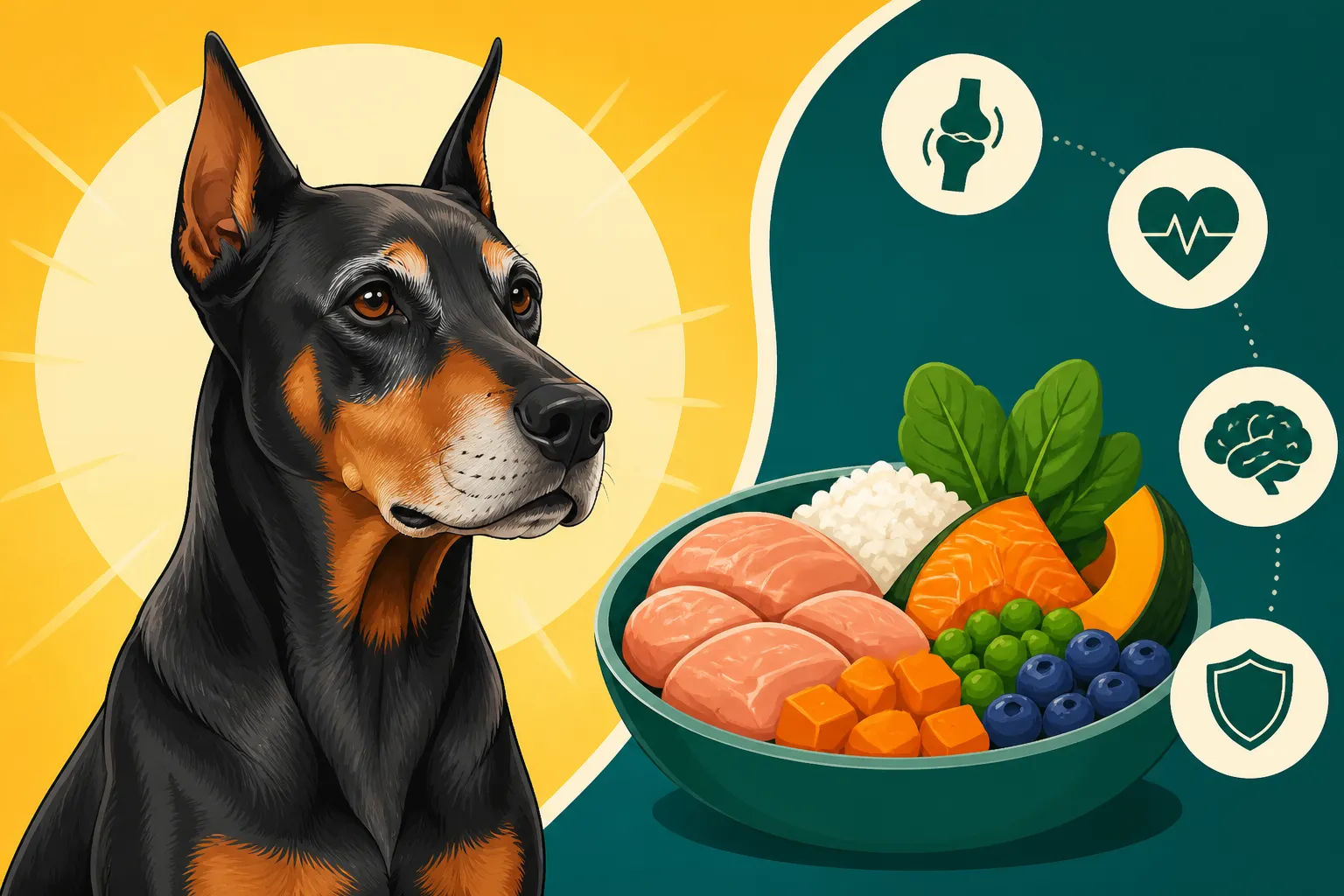
What an Old Doberman Should Eat Differently
It’s a bittersweet reality for every Doberman owner: the day you notice your magnificent, powerful companion starting to slow down. Their once boundless energy might now be replaced with longer naps, their gait a little less springy, and suddenly, the food bowl that always seemed to disappear in seconds might get a more leisurely approach. As our Dobermans gracefully (or sometimes grudgingly!) enter their senior years, their bodies undergo significant changes, and what they eat needs to change right along with them. This guide will walk you through the essential dietary adjustments to help your aging Doberman thrive, maintaining comfort, health, and that beautiful Doberman sparkle for as long as possible.
The Shifting Nutritional Landscape for Senior Dobermans
Just like us, a Doberman's nutritional needs don't stay static throughout their life. What fueled a boisterous puppy or a prime-aged working dog isn't necessarily what an older Doberman requires. Ignoring these shifts can lead to a host of health problems, from unexplained weight gain to muscle wasting and digestive upset. It's truly a critical time to re-evaluate their dinner plate.
Metabolism Slowdown and Caloric Needs
One of the most immediate and impactful changes in a senior Doberman is a noticeable slowdown in their metabolism. That high-octane energy they once burned through effortlessly begins to wane. They might not run as hard or play as long, spending more time lounging on their favorite bed. This reduced activity level directly translates to lower caloric needs. If you continue to feed them the same amount of food they ate in their younger years, you're almost guaranteed to see weight creep on. And trust me, extra weight is not a friend to an aging Doberman's joints, heart, or overall quality of life.
It's a common frustration to see your Doberman getting heavier even when you feel like you haven't changed much. The truth is, even subtle decreases in activity can tip the scales. Many senior Dobermans need about 20-30% fewer calories than their adult counterparts. The challenge is to reduce calories without sacrificing essential nutrients. This isn't just about feeding less; it's about feeding smarter. You'll want to look for foods that are nutrient-dense but perhaps lower in fat or have a balanced calorie profile specifically designed for less active seniors. Weight Gain and Low Energy in a Doberman often go hand-in-hand with this metabolic shift, making thoughtful dietary changes even more important.
Muscle Loss and Protein Requirements
While caloric needs generally decrease, the need for high-quality protein often remains just as important, if not more so. As Dobermans age, they can experience sarcopenia, which is age-related muscle loss. This isn't just about looking less muscular; it impacts their strength, mobility, and even their ability to recover from illness. We've all seen an older Doberman with a bit of a sway in their back or thinning over their hips, and a lot of that can be attributed to muscle wasting.
To combat this, senior Dobermans benefit from diets with easily digestible, high-quality protein sources. While some older advice suggested reducing protein for aging kidneys, modern veterinary nutrition emphasizes that for healthy senior dogs without pre-existing kidney disease, adequate protein is crucial for maintaining muscle mass. Proteins like chicken, turkey, fish, and eggs are excellent choices. Aim for a diet where protein makes up a significant portion of the caloric intake, helping to preserve that lean muscle. This helps support their mobility and keeps them feeling strong, which is so important as they get into The Doberman Years When Everything Shows Up.
Digestive Changes and Fiber Needs
An aging digestive system can be a real pain point for older Dobermans and their owners. You might notice more frequent loose stools, constipation, or just a general increase in tummy upsets. Their gut microbiome can change, and their ability to absorb nutrients might become less efficient. This is where fiber steps in as a quiet hero.
Adequate fiber supports healthy digestion by promoting regular bowel movements and nourishing beneficial gut bacteria. Too little fiber can lead to constipation, which is uncomfortable for any dog, let alone an older one who might already have joint pain making straining difficult. Too much of the wrong kind of fiber, however, can reduce nutrient absorption or cause gas. Look for a balanced blend of soluble and insoluble fibers in their diet. Sources like beet pulp, pumpkin, sweet potato, and oats can be beneficial. These ingredients help keep things moving smoothly and contribute to overall gut health, ensuring your Doberman is absorbing the goodness from their food.
Addressing Common Health Concerns Through Diet
The unfortunate truth is that as Dobermans age, they become more susceptible to certain health conditions. While diet isn't a cure-all, it plays a monumental role in managing and even delaying the progression of many age-related issues. Thoughtful dietary choices can significantly enhance their quality of life.
Joint Support and Anti-Inflammatory Foods
One of the most prevalent complaints among owners of older Dobermans is joint stiffness and pain. Years of running, jumping, and being the athletic marvels they are can take a toll, leading to conditions like arthritis or aggravating existing issues like hip or elbow dysplasia. Seeing your once graceful Doberman struggle to get up from a nap or limp after a walk is truly heartbreaking. Stiffness in a Doberman That Used to Sprint is a stark reminder of this reality.
Diet can offer substantial support here. Look for foods enriched with joint-supporting ingredients such as glucosamine and chondroitin. These compounds are the building blocks of cartilage and can help maintain joint health and elasticity. Furthermore, omega-3 fatty acids, particularly EPA and DHA found in fish oil, are powerful natural anti-inflammatories. Including sources like salmon, sardines, or a high-quality fish oil supplement can help reduce inflammation and alleviate joint discomfort. Many premium senior dog foods, available on platforms like Chewy, will specifically highlight these inclusions. Adding fresh, anti-inflammatory whole foods like blueberries or turmeric (in moderation and after vet consultation) can also be beneficial.
Kidney and Heart Health Considerations
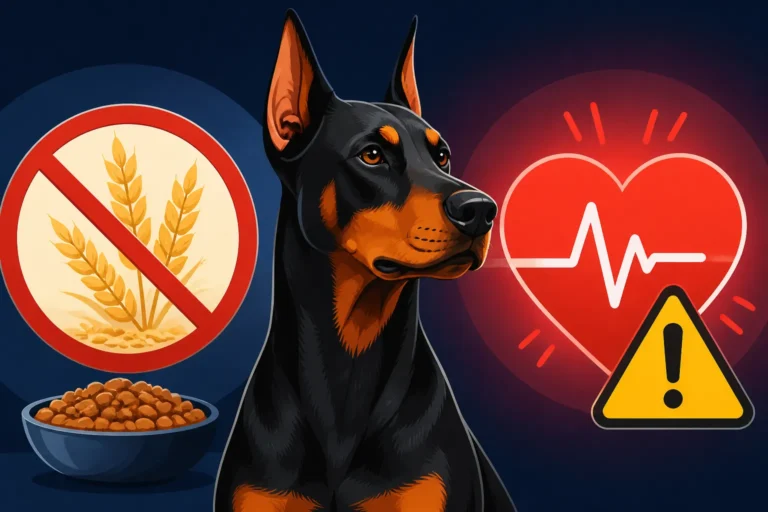
Dobermans, unfortunately, are known for their predisposition to certain heart conditions, particularly Dilated Cardiomyopathy (DCM). While a senior diet won't reverse existing heart disease, it can play a supportive role in managing it, or help prevent additional strain. Similarly, kidney function can decline with age, and dietary adjustments become crucial.
For heart health, a diet with controlled sodium levels is often recommended, especially if your Doberman has been diagnosed with heart disease. Excess sodium can lead to fluid retention, putting more strain on the heart. Some cardiologists also recommend specific amino acid supplements like taurine and L-carnitine, which are vital for heart muscle function. You can learn more about this in Taurine and Carnitine for a Doberman Heart. For kidney health, diets that are lower in phosphorus and controlled in protein are typically prescribed, but only under veterinary guidance once kidney issues are confirmed. It's critical not to unnecessarily restrict protein in a healthy senior Doberman, as this can lead to muscle wasting. Regular vet check-ups are essential to monitor organ function, especially in dogs The Nine to Twelve Year Doberman Lifespan.
Cognitive Decline and Brain-Boosting Nutrients
It's hard to admit, but cognitive decline, sometimes referred to as canine cognitive dysfunction (CCD), can affect older Dobermans. You might notice them getting confused in familiar surroundings, staring blankly at walls, or changes in their sleep-wake cycles. It's a frustrating and sad aspect of aging.
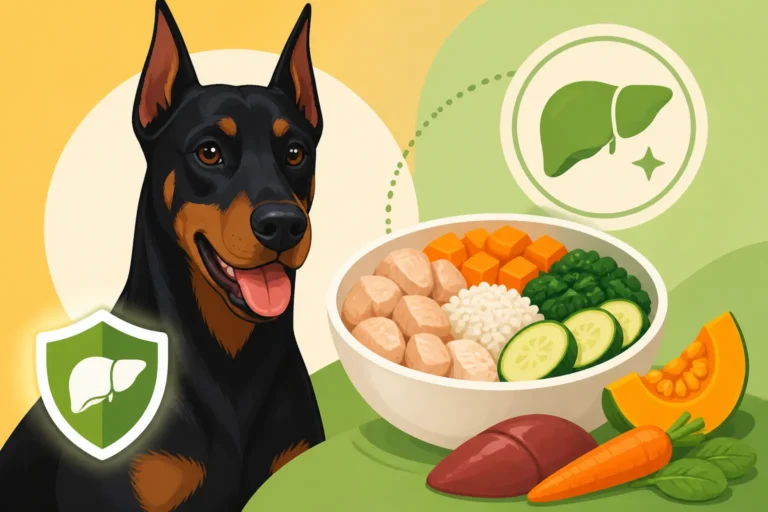
While we can't stop time, diet can help support brain health. Foods rich in antioxidants can combat oxidative stress in the brain, which is thought to contribute to cognitive decline. Ingredients like blueberries, spinach, and other colorful fruits and vegetables are packed with antioxidants. Medium-chain triglycerides (MCTs), found in coconut oil, can also provide an alternative energy source for the brain. Some specialized senior diets include these ingredients specifically for cognitive support. Omega-3 fatty acids, particularly DHA, are also crucial for brain function. Discussing these options with your vet can help you choose the best approach for your Doberman's individual needs and potentially help manage Cognitive Change in an Old Doberman.
Choosing the Right Senior Dog Food
Stepping into the pet food aisle (or browsing online at Chewy or Amazon) can feel overwhelming with the sheer number of options available. When it comes to senior Dobermans, it's not just about picking a bag that says "senior formula." You need to understand what those labels mean and how they translate to your dog's specific needs.
Understanding Labels: "Senior," "Reduced Calorie," and "Weight Management"
These terms are often used interchangeably, but they can have subtle yet important differences. A food labeled "senior" is generally formulated with the broader needs of an older dog in mind: often slightly lower in calories, with added joint support ingredients, and perhaps more digestible protein. However, the caloric content can still vary widely, so always check the guaranteed analysis.
"Reduced calorie" or "light" formulas are, as the name suggests, lower in calories, often achieved by reducing fat content and increasing fiber. These are ideal for senior Dobermans who are prone to weight gain or who are already overweight. "Weight management" foods are similar but might also contain ingredients to help with satiety, making your Doberman feel fuller on fewer calories. The key is to look beyond the marketing terms and dive into the actual nutritional breakdown. Compare the protein, fat, and fiber percentages, and pay close attention to the calorie count per cup or can. Remember, your Doberman's ideal weight and body condition are the best indicators of whether the food is suitable. If they are already lean, a "reduced calorie" food might strip too much weight from them.
Wet vs. Dry Food: Texture and Palatability
As Dobermans age, dental issues can become more common. Tartar buildup, gum disease, or even missing teeth can make crunching hard kibble a painful experience. This is where the texture of their food becomes incredibly important.
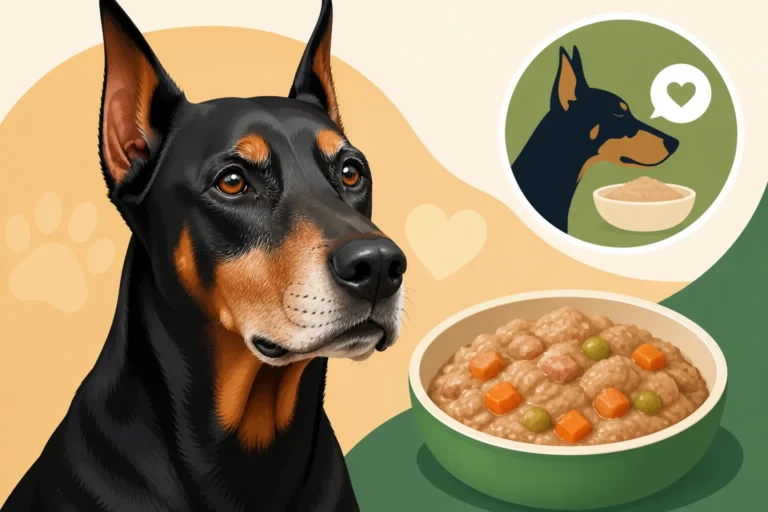
Wet food or moistened kibble can be a game-changer for senior Dobermans. Wet food is often much easier to chew and swallow, which can encourage appetite in picky eaters. The higher moisture content also contributes to hydration, which is vital for older dogs. If you prefer to stick with dry kibble, consider adding warm water or a low-sodium broth to soften it before serving. This can make it much more palatable and comfortable for them to eat. Some Dobermans simply lose interest in their food as they age, and a more enticing texture can make all the difference. Softer Meals for a Senior Doberman can significantly improve their mealtime experience. Even if your Doberman's teeth seem fine, switching to a softer diet can preemptively help avoid future discomfort and make eating a joy, not a chore.
Commercial vs. Fresh-Prepared Diets
The market for dog food has expanded dramatically, offering everything from traditional kibble to fresh-prepared meal services. For senior Dobermans, both have their pros and cons. Commercial kibble, especially high-quality senior formulations, offers convenience and is typically more budget-friendly. They are often precisely balanced to meet specific nutritional profiles. Leading brands often have excellent senior options available through retailers like Chewy or Amazon.
However, some owners gravitate towards fresh-prepared diets, either homemade (with veterinary nutritionist guidance) or through subscription services like Ollie. These diets can offer highly palatable, easily digestible ingredients, and you often have more control over the specific nutrient content if you're cooking it yourself. They can be particularly beneficial for Dobermans with sensitive stomachs or those who have become very picky eaters. The downside is the cost and the time commitment for homemade options, ensuring they are truly nutritionally complete. If considering a homemade diet, consulting a board-certified veterinary nutritionist is paramount to avoid deficiencies or excesses that could harm your aging Doberman. It’s a significant commitment but can be wonderfully tailored to their individual needs.
Supplements and Hydration for the Aging Doberman
Beyond their regular diet, certain supplements can provide targeted support for the unique challenges of aging. And perhaps most overlooked, but critically important, is maintaining optimal hydration.
Essential Supplements: Glucosamine, Chondroitin, Omega-3s
We touched on these briefly under joint health, but they deserve a deeper dive as foundational supplements for many senior Dobermans. Glucosamine and chondroitin are often given together, as they work synergistically to support cartilage health. Glucosamine helps repair and build new cartilage, while chondroitin helps maintain its elasticity and block enzymes that break it down.
Omega-3 fatty acids, particularly EPA and DHA, are potent anti-inflammatory agents. They can significantly reduce joint pain and stiffness, improve coat quality, and support heart and brain health. When choosing an omega-3 supplement, look for one derived from fish oil (salmon, sardine, anchovy) and ensure it specifies the amounts of EPA and DHA, as these are the active components. Some Doberman owners also explore coenzyme Q10 for its antioxidant properties and potential cardiovascular benefits, especially given the breed's heart predispositions. Always discuss any new supplements with your veterinarian to ensure they are appropriate and don't interact with any medications your Doberman might be taking. Many reputable brands of these supplements are available on Amazon.
Antioxidants and Immune Support
As dogs age, their immune systems can become less efficient, making them more susceptible to infections and illnesses. Oxidative stress, caused by free radicals, also increases with age and can contribute to cellular damage and inflammation. Antioxidants are the body's defense against this stress.
Supplements containing antioxidants like Vitamin E, Vitamin C, selenium, and certain carotenoids can help bolster the immune system and protect against cellular damage. Many fruits and vegetables, such as blueberries, kale, and carrots, are natural sources of antioxidants and can be added as healthy, low-calorie treats (in moderation). Probiotics can also be beneficial for immune health, as a healthy gut microbiome is closely linked to a strong immune system. A healthy gut means better nutrient absorption and a more robust defense against pathogens. A robust immune system helps your Doberman fight off common ailments and stay healthy as they navigate The Doberman Years When Everything Shows Up.
The Critical Role of Water Intake
This might seem obvious, but proper hydration is paramount for senior Dobermans and is often overlooked. Older dogs can be less inclined to drink as much, or they might have conditions that increase their need for water, such as kidney disease or certain medications. Dehydration can exacerbate existing health issues, put strain on organs, and lead to lethargy and constipation.
Always ensure your Doberman has constant access to fresh, clean water. Consider placing multiple water bowls around the house, especially if mobility is an issue. Using elevated bowls can make drinking more comfortable for those with neck or joint pain. Adding water, low-sodium broth, or even some ice cubes to their food can increase their daily fluid intake. If you're feeding primarily dry kibble, definitely consider moistening it. Monitor their water intake closely; if you notice a significant decrease or increase, it's worth a trip to the vet, as it could signal an underlying health problem.
Practical Feeding Strategies for Senior Dobermans
Beyond what you feed them, how you feed your aging Doberman can make a significant difference in their comfort, digestion, and overall enjoyment of mealtime. These strategies can help address common challenges like reduced appetite, joint pain, and digestive sensitivities.
Meal Frequency and Portion Control
While many adult Dobermans do well with two meals a day, splitting their daily ration into smaller, more frequent meals can be beneficial for seniors. This approach can be gentler on their digestive system, prevent feelings of excessive fullness, and help stabilize blood sugar levels. Instead of two large meals, consider three or even four smaller meals throughout the day.
Portion control becomes even more critical with a slower metabolism. It’s easy to accidentally overfeed, leading to weight gain, which is detrimental to an aging Doberman's joints and heart. Use a measuring cup for consistency, and don't just eyeball it. Regularly assess your Doberman's body condition – you should be able to feel their ribs easily without seeing them sharply defined, and they should have a discernible waist when viewed from above. If you notice unwanted weight gain, gently reduce the portion size, or consider switching to a slightly lower-calorie food, always monitoring their energy levels and stool quality. Feeding an Eighty-Pound Doberman Well highlights the importance of precise feeding throughout their life.
Encouraging Appetite in Picky Eaters
It’s truly disheartening when your once food-motivated Doberman suddenly turns up their nose at mealtime. Loss of appetite can stem from many factors in older dogs, including dental pain, reduced sense of smell, underlying illness, or simply a slower metabolism. Don't assume pickiness without ruling out health issues with your vet first.
Once health concerns are addressed, there are several tricks to encourage a picky senior Doberman. Warming their food slightly can enhance its aroma, making it more appealing. Adding a little low-sodium chicken or beef broth, a spoonful of canned pumpkin, or even some plain cooked chicken or boiled egg can entice them. Offering a variety of protein sources (if their stomach can handle it) can also keep things interesting. Feeding in a quiet, low-stress environment can help, and ensuring their bowls are at a comfortable height – using an elevated feeder – can make eating easier for those with Stiffness in a Doberman That Used to Sprint or neck pain. Patience is key, as is celebrating every bite they take!
Monitoring Weight and Body Condition
Regularly monitoring your Doberman's weight and overall body condition is arguably the most important practical feeding strategy. This isn't just about stepping on the scale, though regular weigh-ins are crucial. It's about a hands-on assessment of their body.
You should be able to easily feel your Doberman's ribs, spine, and hip bones without them protruding sharply. They should have a defined waist when viewed from above and a tucked-up abdomen from the side. If you're struggling to feel their ribs, or they've lost their waistline, it's time to reduce their food intake or increase their activity (if appropriate for their age and health). Conversely, if their bones are too prominent, you might need to increase calories or switch to a more nutrient-dense food. Take a good look at your Doberman during Feeding and Grooming a Doberman Past Eight to spot any changes. Keep a journal of their weight and body condition score, and share this information with your vet at their regular check-ups. This ongoing vigilance ensures you're adjusting their diet proactively, helping them maintain an ideal weight and remain comfortable throughout their golden years.
| Aspect | Young/Adult Doberman (1-6 years) | Senior Doberman (7+ years) |
|---|---|---|
| Metabolic Rate | Higher, burns calories quickly | Slower, prone to weight gain |
| Caloric Needs | Higher, to fuel activity | Lower, 20-30% reduction often needed |
| Protein Needs | High, for muscle maintenance & repair | High, for muscle mass preservation (sarcopenia) |
| Fat Content | Moderate to high, for energy | Moderate to low, to control calories |
| Fiber Needs | Adequate, for healthy digestion | Often higher, to aid digestion & prevent constipation |
| Joint Support | Maintenance level usually sufficient | Increased glucosamine, chondroitin, omega-3s needed |
| Dental Health | Generally robust, can handle kibble | Prone to issues, may need softer or moistened food |
| Hydration Focus | Important for overall health | Critical, increased risk of dehydration |
| Appetite | Usually robust, eager eater | Can decrease, may need enticing strategies |
| Common Health Focus | General well-being, growth, performance | Joints, heart, kidneys, cognition, muscle mass |
Disclaimer
This article is for general informational purposes only and does not constitute professional advice. Laws, prices and regulations vary by location and change over time. Consult a qualified professional for guidance on your specific situation.