Whether a Doberman’s Weight Should Drop in Summer
It's a common worry for Doberman owners when summer rolls around: you notice your sleek, powerful companion seems a little leaner, perhaps a rib or two more prominent than usual. Is this a natural response to the heat and changes in activity, or is it a silent signal that something more serious is going on? This guide is here to walk you through what's normal when it comes to your Doberman's weight in the warmer months, how to tell the difference, and how to keep them healthy and happy through the heat.
Understanding Your Doberman's Metabolism and Summer Heat
Our Dobermans are incredible athletes, built for speed and endurance, and their bodies reflect that. They're naturally lean, often bordering on what some might consider "thin" compared to many other breeds. This inherent physique plays a huge role in how they manage heat and how their weight might fluctuate seasonally.
The Doberman's Lean Physique and Activity Levels
If you've spent any time around Dobermans, you know they're not built to carry excess weight. The breed standard calls for a lean, athletic physique, and a Doberman that looks "chunky" is often an unhealthy Doberman. Their metabolism tends to be high, burning through calories efficiently to fuel their energetic lifestyle. This means they don't have a lot of fat reserves, which can impact how they handle temperature changes. For a Doberman, being truly fit often means you can easily feel their ribs, but not see them sharply protruding, and they should have a distinct waist tuck. It’s a fine line, and often a source of discussion among owners. You might wonder Whether a Doberman Is Meant to Look Thin as you eye your dog's sleek outline.
Their naturally low body fat percentage means they regulate heat differently. They don't have that insulating layer that some breeds do, which is why you often see Dobermans shivering when other dogs are perfectly comfortable. In summer, this can be a blessing, as they don't hold onto heat as much. However, it also means their energy expenditure and hydration needs can shift significantly. When the mercury rises, their bodies are working harder just to stay cool, and this internal effort can influence their appetite and how many calories they need, or feel like consuming.
How Heat Affects Appetite and Energy Output
Think about yourself on a sweltering summer day. Are you craving a heavy, rich meal, or something lighter and refreshing? It’s often the latter, right? The same principle applies to our Dobermans. When temperatures soar, their bodies prioritize cooling mechanisms over digestion. Energy is diverted to panting, regulating blood flow, and generally trying to keep core temperatures down. This can naturally lead to a decreased appetite. They might pick at their food, skip a meal, or simply eat less than their usual portions. This isn't necessarily a cause for alarm if it's a slight, temporary change.
Furthermore, our Dobermans' activity levels often (and should) decrease during the hottest parts of the summer. Those long, vigorous afternoon walks might be replaced by shorter, early morning or late evening strolls, or even indoor playtime if the heat is too intense. When their physical activity naturally lessens to prevent overheating, their caloric needs also decline. If your Doberman isn't burning as many calories running zoomies in the park or training in the yard, it stands to reason they might require less food. Forcing a Doberman to exercise intensely in high heat isn't just uncomfortable; it's genuinely dangerous and can lead to heatstroke. Instead, smart owners adapt their routine, which in turn affects their dog's energy expenditure.
Is a Summer Weight Drop Normal, or a Warning Sign?
Navigating your Doberman's weight can feel like walking a tightrope. They need to be lean and athletic, but not underweight. During the summer, this balance can be even trickier to maintain, and it's essential to understand the difference between normal seasonal fluctuations and signs that warrant a trip to the vet.
Normal Fluctuations vs. Concerning Weight Loss
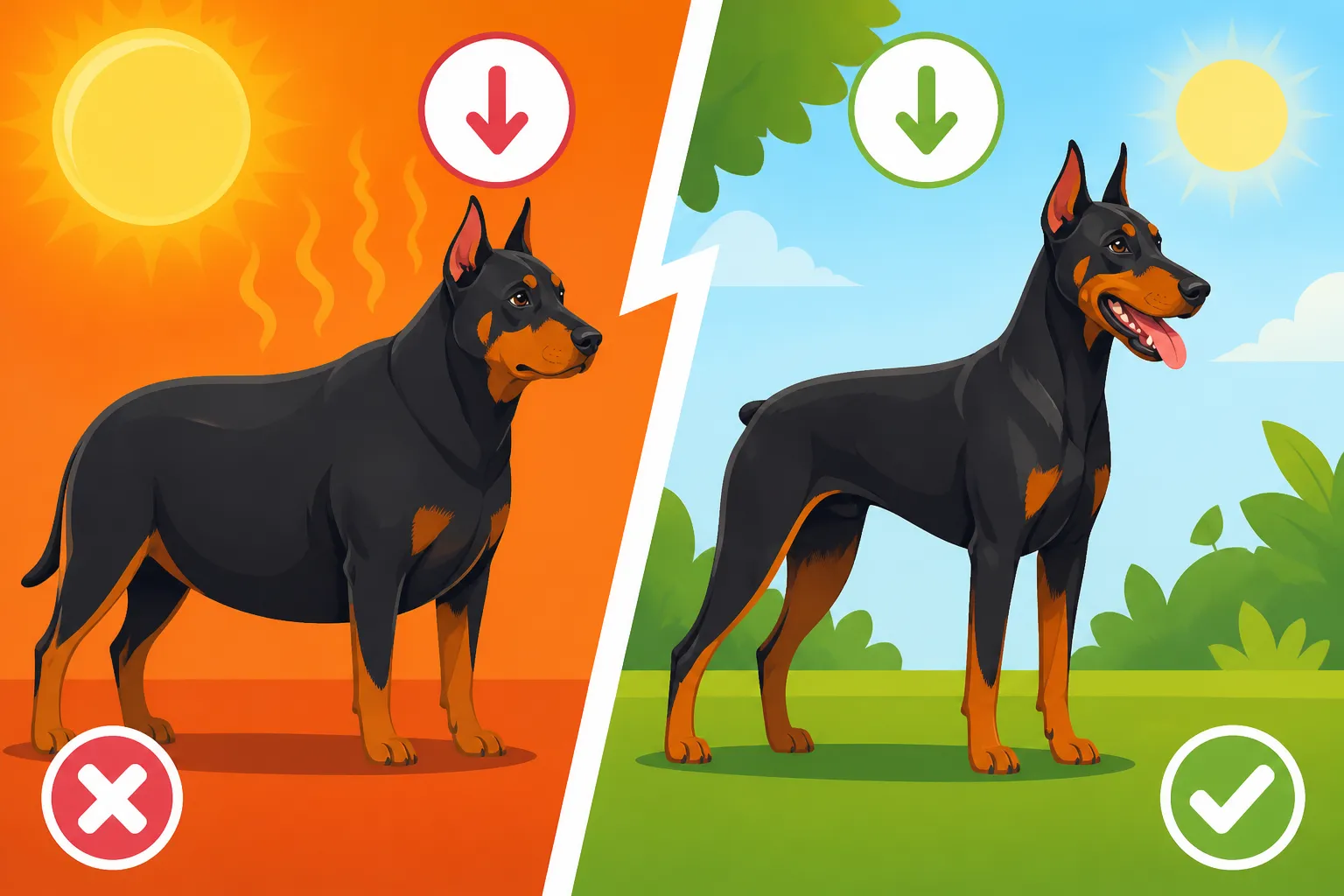
A slight, gradual weight drop over the summer months can be perfectly normal for a Doberman. We're talking maybe a pound or two, or perhaps their waist tuck looks a little more defined, and you can feel their ribs a bit more distinctly, but they're still well-covered. Their energy levels should remain good, they should still be eager to participate in activities during cooler times of the day, and their coat should look healthy and shiny. This subtle change often reflects decreased appetite due to heat and potentially reduced strenuous exercise. It’s about tracking trends rather than panicking over a single weigh-in. A healthy Doberman should have a visible waist and a definite tuck-up from the side. Being able to see the last two or three ribs, or just barely, is generally considered ideal for an athletic breed like the Doberman. If you’re unsure, our guide on Reading Ribs and Hip Points on a Doberman offers excellent visual cues.
However, there's a clear line between normal fluctuations and concerning weight loss. If your Doberman suddenly and rapidly drops several pounds, if their ribs, hip bones, and spine are clearly visible and protruding without effort, or if they appear gaunt, this is a red flag. Accompanying symptoms like lethargy, a dull coat, chronic diarrhea, vomiting, or a persistent lack of appetite (more than just picking at a meal) are definite reasons to worry. Muscle mass loss, where their powerful legs and back start to look thin and wasted, is also a serious indicator. This isn't just a "summer slump" anymore; it's a sign that something is medically amiss, and you should reach out to your veterinarian immediately. It’s always better to be safe than sorry when it comes to your Doberman’s health.
Other Factors Contributing to Weight Changes
While summer heat is a common culprit for appetite changes, it's crucial not to dismiss other potential underlying issues. Sometimes, what seems like a simple response to the weather could be masking a more serious health problem. For instance, dental pain from a cracked tooth or severe gum disease can make eating uncomfortable, leading to reduced food intake and subsequent weight loss. Imagine trying to eat your favorite meal with a throbbing toothache – it's just not appealing. Regular dental checks are vital, especially as Dobermans age.
Beyond dental woes, internal parasites can siphon off nutrients, causing your Doberman to lose weight despite eating normally, or even if their appetite dips slightly. Routine deworming, as advised by your vet, is key. Metabolic conditions like thyroid issues, while often associated with weight gain, can sometimes manifest with other symptoms that affect overall health and appetite, indirectly leading to weight loss. For example, Weight Gain and Low Energy in a Doberman is a classic sign of hypothyroidism, but the associated lethargy might reduce activity enough to affect overall intake versus output. Any persistent, unexplained weight loss, particularly if it's accompanied by other symptoms like increased thirst, changes in urination, or digestive upset, warrants a thorough veterinary examination. Don't just chalk it up to summer; play detective with your vet to ensure nothing serious is lurking beneath the surface.
Practical Tips for Managing Your Doberman's Weight in Summer
Keeping your Doberman at a healthy weight during the summer involves a careful balance of diet adjustments, hydration strategies, and smart exercise planning. It's all about adapting their routine to the changing climate and ensuring their well-being comes first.
Adjusting Their Diet for Warmer Weather
Hydration is paramount in the summer, especially for active Dobermans. One simple way to boost their fluid intake, beyond always having fresh water available, is to add water to their dry kibble. You can even make a sort of "soup" by adding some low-sodium chicken or beef broth. Some owners find that switching to a wet food diet, or incorporating it as a topper, increases their dog's interest in food and provides extra moisture. Brands like Ollie offer fresh, human-grade food options that many dogs find highly palatable, which can be a lifesaver if your Doberman is being particularly finicky with their regular kibble. You can find a wide variety of wet food brands and toppers on sites like Chewy or Amazon.
Consider breaking your Doberman's daily food ration into smaller, more frequent meals. Instead of two large meals, perhaps three smaller ones, especially if their appetite is suppressed. Many Dobermans find eating during the cooler parts of the day more comfortable. This might mean feeding them very early in the morning, or holding off on their last meal until late evening, even overnight, when temperatures have dropped. If your Doberman's activity level genuinely drops significantly due to the heat, a slight reduction in overall calories might be appropriate to prevent unwanted weight gain, even if they aren't losing weight. However, this is a delicate balance, and it’s always best to discuss any caloric adjustments with your veterinarian to ensure they are still getting all the necessary nutrients. Our guide on Daily Calories for an Adult Doberman can help you calculate a baseline, but summer changes might require slight tweaks.
Encouraging Hydration and Cooler Exercise
Making sure your Doberman stays hydrated is non-negotiable in the summer heat. Place multiple water bowls around your house and yard, ensuring they are always full and clean. Adding ice cubes to their water bowl can make it more appealing and help keep the water cool. Frozen treats, such as Kongs stuffed with peanut butter or yogurt and frozen, or even plain ice cubes, can be a great way to provide both hydration and mental stimulation. These are excellent, low-calorie ways to keep them cool and entertained.
Shifting your Doberman's exercise schedule is crucial. Those midday walks under the scorching sun are simply too dangerous. Opt for very early morning excursions, before the sun really heats up, and late evening strolls after it has set. For hot days, focus on indoor games that provide mental stimulation without excessive physical exertion. Puzzle toys, training sessions that focus on obedience or trick training, and even just quiet cuddle time can fulfill their need for engagement. Remember that pavement can get incredibly hot, burning their paw pads, so even if the air feels cooler, check the ground temperature. Think about how we prepare for winter with our thin-skinned friends, as outlined in Winter Walks With a Thin-Coated Doberman—the principles of adapting to extreme temperatures are similar. Don’t force them to exert themselves in the heat; prioritize their comfort and safety.
Monitoring and When to Consult Your Vet
Consistent monitoring is your best tool for managing your Doberman's weight, especially during seasonal changes. Make a habit of weighing your Doberman weekly or bi-weekly on a reliable scale (your vet's office might let you pop in for quick weigh-ins). Beyond the numbers, regular visual and tactile checks of their body condition are vital. Feel for their ribs, spine, and hip bones. You should be able to feel them easily, but they shouldn't protrude sharply. Keep a simple log of their weight, appetite, and energy levels; sometimes, patterns emerge that are easier to spot when documented.
| Indicator | Normal Summer Change | Concerning Change (Consult Vet) |
|---|---|---|
| Weight Loss | Slight (1-2 lbs), gradual, stable after initial dip | Rapid, significant (several lbs), continuous downward trend |
| Ribs/Hips | Easily felt, last 2-3 ribs just visible | Clearly protruding, sharp, easily visible |
| Energy | Good, playful during cooler times; rests more in heat | Lethargic, depressed, unusually inactive |
| Appetite | Slightly reduced, picks at food; eats well in cooler hours | Persistent refusal to eat, skips multiple meals |
| Muscle Mass | Maintained, lean and athletic | Noticeable loss of muscle, especially in hindquarters |
| Other Symptoms | None | Vomiting, diarrhea, excessive thirst, coughing, panting, behavioral changes |
When do you need to call the vet? If you notice rapid weight loss (more than a pound or two over a week, or if they appear significantly thinner suddenly), a persistent lack of appetite that lasts more than a day or two, or if your Doberman is also showing other symptoms such as unusual lethargy, vomiting, diarrhea, increased thirst, or any changes in their normal behavior. These are not typically "normal" responses to summer and could indicate underlying health issues. Catching these problems early can make a huge difference in treatment success and your Doberman's long-term health. Don't hesitate; the peace of mind is worth the visit, and addressing potential issues early can save you significant worry and expense down the line, as documented in articles like The Vet Bills a Doberman Runs Up Outside Screening. It’s always better to be overly cautious when it comes to the health of our beloved companions.
Disclaimer
This article is for general informational purposes only and does not constitute professional advice. Laws, prices and regulations vary by location and change over time. Consult a qualified professional for guidance on your specific situation.