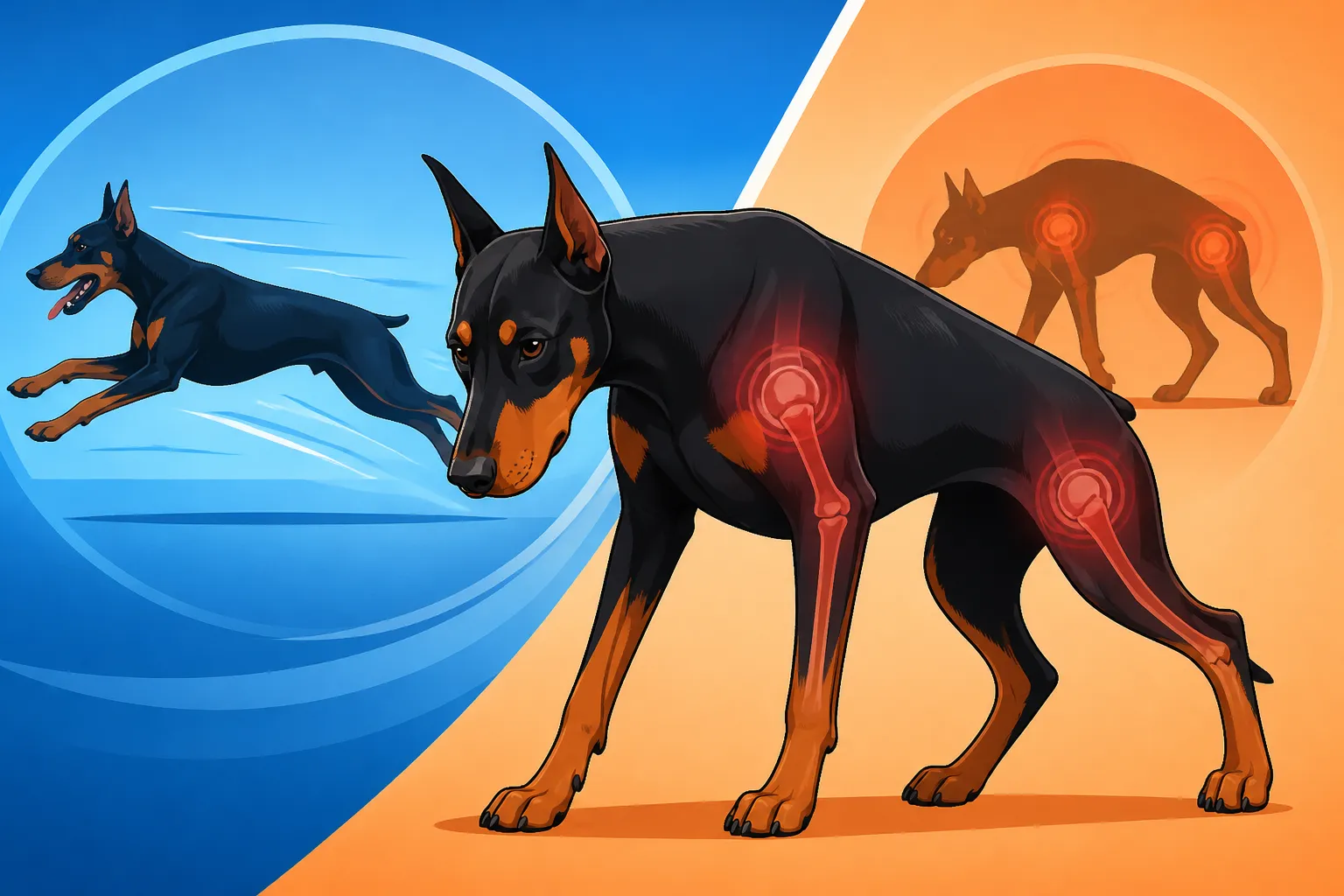
Stiffness in a Doberman That Used to Sprint
It's incredibly disheartening when your athletic Doberman, who once tore across the yard like a rocket, suddenly starts showing signs of stiffness, reluctance to move, or outright lameness. This guide is here to walk you through the common reasons why a Doberman that used to sprint might be slowing down, helping you understand the potential causes, what to look for, and how to work with your vet to get your beloved companion back to feeling their best.
Why Your Formerly Sprinting Doberman Might Be Stiff
When your Doberman, known for their powerful build and incredible speed, starts moving with a new stiffness, it’s natural to feel a knot of worry. These aren't dogs that just "slow down" without a reason; their athletic nature often means something underlying is causing the discomfort. The causes can range from simple muscle strains to more complex orthopedic or neurological issues. Understanding these potential culprits is the first step toward getting an accurate diagnosis and treatment plan.
Soft Tissue Injuries: The Common Sprains and Strains
Just like human athletes, Dobermans can suffer from soft tissue injuries, especially given their high-energy, sprinting lifestyles. A sudden stop, a sharp turn, or an awkward landing during a spirited run can easily lead to a muscle strain, a ligament sprain, or even a minor tear. You might notice your Doberman limping slightly after intense play, favoring a leg, or simply being less enthusiastic about jumping onto the couch. These injuries can be frustrating because they often don't show up on X-rays, making diagnosis more reliant on physical examination and observation. They might improve with rest but can easily recur if the underlying weakness or activity level isn't managed. Sometimes, what seems like a simple pull can mask something more significant if the dog continues to compensate.
The Onset of Joint Disease: Osteoarthritis and Hip Dysplasia
As Dobermans age, or even in younger dogs with predisposing factors, joint degeneration is a significant concern. Osteoarthritis, often simply called arthritis, occurs when the cartilage cushioning the joints wears down, leading to bone-on-bone friction, inflammation, and pain. This can affect any joint but is commonly seen in the hips, elbows, and knees. If your Doberman used to sprint but now seems reluctant to get up, struggles with stairs, or shows stiffness, especially after rest or in cold weather, arthritis might be playing a role. It’s a progressive condition, meaning it often gets worse over time, but early intervention can significantly improve their quality of life. For Dobermans, who are generally well-muscled and can hide pain, these signs might be subtle initially. Conditions like Doberman Hip Dysplasia], though less common than in some other large breeds, can also contribute to early onset arthritis if the hip joint doesn't form correctly, leading to instability and wear.
Spinal and Neurological Issues: Wobblers and IVDD
One of the most concerning causes of stiffness and gait changes in Dobermans is spinal disease, particularly Wobbler Syndrome. Formally known as cervical spondylomyelopathy (CSM), Wobbler Syndrome in the Doberman is a condition where compression of the spinal cord in the neck leads to a characteristic wobbly gait, weakness, and stiffness, especially in the hind limbs, but can affect all four. You might notice A Doberman That Wobbles on Its Back Legs], struggles to stand, or seems to walk with their head down, almost as if they're looking for their footing. This compression can be due to various issues, including malformed vertebrae, thickened ligaments, or disc protrusions. Understanding Why Doberman Neck Vertebrae Compress the Cord] is crucial for effective treatment. Intervertebral Disc Disease (IVDD) can also occur, though less frequently in Dobermans than in some other breeds, where the discs between the vertebrae bulge or rupture, putting pressure on the spinal cord and causing pain, weakness, or paralysis. These conditions can progress from subtle stiffness to severe neurological deficits, making early recognition vital.
Less Common but Serious Conditions: Cancer and Immune Disorders
While less frequent, it's important not to overlook more serious causes of stiffness and lameness. Bone cancer, specifically osteosarcoma, can manifest as lameness and pain, often in a limb, and can progress quickly. Although it tends to affect older, larger breeds, it can appear in Dobermans. If you’re seeing persistent or worsening lameness without a clear injury, especially in an older Doberman, your vet might recommend further diagnostics to rule out something like Osteosarcoma in a Doberman Leg]. Another potential, albeit rarer, cause is immune-mediated polyarthritis, where the immune system attacks the joints, leading to widespread inflammation, stiffness, and fever. Metabolic conditions like hypothyroidism, which can cause The Thyroid Numbers That Slow a Doberman Down], might also lead to lethargy and general stiffness, though usually not specific lameness. These are serious conditions that require prompt and thorough veterinary investigation.
Recognizing the Signs and Knowing When to Seek Veterinary Help
It's easy to dismiss early signs of stiffness as "just getting old" or "overdoing it," especially with such an active breed. However, Dobermans are famously stoic, often hiding their discomfort until it becomes significant. Being attuned to subtle changes in their behavior and movement is key to catching problems early and ensuring your Doberman receives the care they need.
From Subtle Changes to Overt Lameness
The signs that your Doberman isn't moving as freely as they once did can start subtly. You might notice they're a little slower to get up in the morning, or perhaps they hesitate before jumping into the car or onto the bed. Maybe they're not engaging in play as enthusiastically, or they seem to lag a bit on walks that they used to sprint through. Look for changes in their gait – a slight head bob, a shorter stride in one leg, or even an uneven placement of their paws. Over time, these subtle cues can escalate to more obvious limping, an inability to bear weight on a limb, or a pronounced "wobbly" walk. Keep a journal of these observations, noting when you see them, which leg seems affected, and if there are any patterns related to exercise or rest. These details will be invaluable to your veterinarian.
What You Can Observe at Home Versus the Need for Professional Diagnosis
While you know your Doberman best, diagnosing the exact cause of stiffness and lameness requires professional expertise. At home, you can gently palpate their legs, joints, and back, feeling for heat, swelling, or obvious pain points. Watch how they move from a distance, both walking and trotting, to identify which limb or area seems most affected. Observe their posture when standing and lying down. However, it's crucial not to try to self-diagnose or administer medications without veterinary guidance. Many human pain relievers are toxic to dogs, and even canine-specific medications need precise dosing.
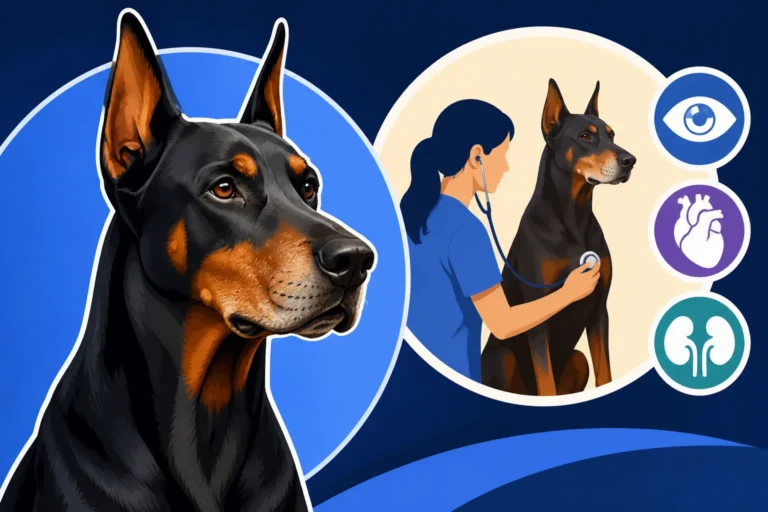
A professional diagnosis begins with a thorough physical examination by your veterinarian. They’ll assess your Doberman's gait, range of motion in all joints, muscle mass, and neurological reflexes. They might manipulate limbs to pinpoint areas of pain or instability. It's especially important to remember that The Doberman Years When Everything Shows Up] are often between 4-8 years old, which is precisely when some of these conditions, like Wobbler’s or early arthritis, tend to become more apparent. Don't wait until the problem is severe; early veterinary intervention can make a huge difference.
Diagnostic Tools Your Veterinarian Might Use
Once your vet has completed a physical exam, they may recommend further diagnostics to confirm a diagnosis. These can include:
- Radiographs (X-rays): These are excellent for visualizing bone structure, joint alignment, and changes indicative of arthritis or bone tumors. However, they don't show soft tissues like ligaments, tendons, or spinal cord compression directly.
- Blood Work: Blood tests can rule out systemic issues like infections, inflammatory conditions, or metabolic diseases (like hypothyroidism, which can contribute to generalized weakness or stiffness). They can also assess organ function before starting certain medications.
- Advanced Imaging (MRI/CT Scans): For suspected spinal cord compression (like Wobbler Syndrome) or complex soft tissue injuries, an MRI or CT scan is often necessary. These provide detailed images of soft tissues, nerves, and spinal structures, offering a definitive diagnosis for conditions that X-rays can't fully reveal.
- Joint Fluid Analysis: If an inflammatory or infectious arthritis is suspected, your vet might collect a sample of fluid from the affected joint for analysis.
- Biopsy: In cases where bone cancer is suspected, a bone biopsy may be performed to confirm the diagnosis.
Gathering all this information helps create a comprehensive picture, allowing for the most effective treatment plan.
| Common Symptoms of Stiffness | Potential Causes | Diagnostic Tests | Urgency |
|---|---|---|---|
| Reluctance to jump/climb | Arthritis, Hip Dysplasia, Spinal Pain | X-rays, Physical Exam | Moderate |
| Limping after exercise | Muscle Strain, Ligament Sprain, Early Arthritis | Physical Exam, X-rays | Moderate |
| Wobbling/unsteady gait | Wobbler Syndrome, Spinal Cord Compression | Neurological Exam, MRI/CT Scan | High (especially if worsening) |
| Favoring a leg consistently | Sprain, Fracture, Arthritis, Bone Tumor | Physical Exam, X-rays, MRI, Bloodwork, Biopsy | Moderate to High |
| Difficulty getting up | Arthritis, Spinal Pain, Muscle Weakness | Physical Exam, X-rays, Bloodwork | Moderate |
| Pain on touch | Localized injury, Inflammation, Trauma | Physical Exam, X-rays | Moderate |
| Swelling around joints | Arthritis, Infection, Trauma, Immune disorder | Physical Exam, X-rays, Joint Fluid Analysis, Bloodwork | Moderate to High |
| Decreased energy/activity | Any of the above, Systemic illness | Full Vet Check-up, Bloodwork | Moderate (if accompanied by stiffness) |
Management and Treatment Options to Restore Mobility
Once a diagnosis is made, the focus shifts to management and treatment. For a Doberman who once loved to sprint, the goal is often to alleviate pain, improve mobility, and maintain a good quality of life. The approach will depend entirely on the underlying cause and its severity.
Conservative Management: Rest, Medication, and Physical Therapy
For many musculoskeletal issues, especially soft tissue injuries or early-stage arthritis, conservative management is the first line of defense.
- Rest: This might sound simple, but restricting activity is crucial for healing strains and sprains. Your vet might recommend kennel rest, leash walks only, or avoiding strenuous activities for several weeks.
- Medication:
- NSAIDs (Non-Steroidal Anti-Inflammatory Drugs): These are commonly prescribed to reduce pain and inflammation. Brands like Rimadyl, Metacam, and Galliprant are often used. Your vet will monitor your Doberman for any side effects, especially with long-term use.
- Pain Relievers: Other pain medications, like Gabapentin, might be used in conjunction with NSAIDs, particularly for neuropathic pain associated with spinal issues.
- Joint Supplements: Glucosamine, chondroitin, MSM, and Omega-3 fatty acids can help support joint health, reduce inflammation, and slow cartilage degradation. While not a cure, they can be a valuable part of a long-term management plan. If you're wondering Whether Joint Supplements Help a Long-Backed Doberman], the answer is often yes, as they provide building blocks for cartilage and reduce inflammation.
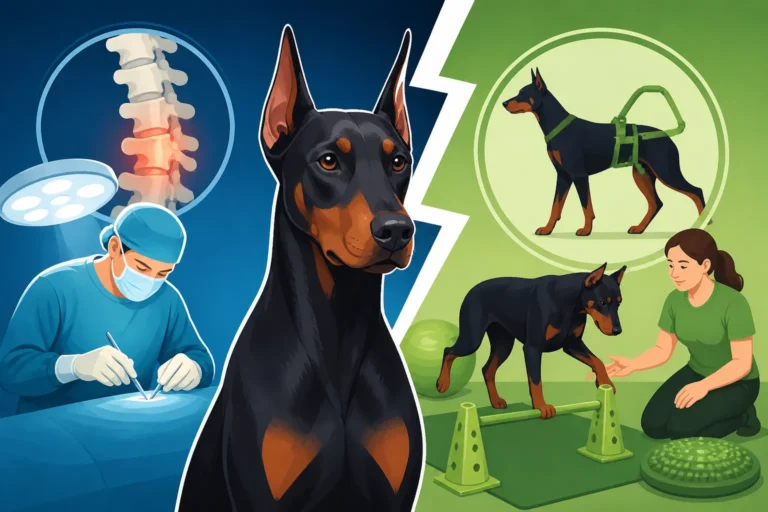
- Physical Therapy & Rehabilitation: This is becoming an increasingly popular and effective option. Techniques such as therapeutic exercise, hydrotherapy (underwater treadmill), laser therapy, and massage can significantly improve strength, flexibility, and comfort. A certified canine rehabilitation therapist can create a tailored program for your Doberman, helping them rebuild muscle and regain confidence in their movement. This is especially beneficial for recovery after injury or surgery.
Surgical Interventions: When More Is Needed
For certain conditions, conservative management might not be enough, and surgery becomes necessary.
- Wobbler Syndrome: Depending on the type and severity of spinal compression, various surgical techniques can be employed to decompress the spinal cord. These can range from ventral slot procedures to dorsal laminectomies or stabilization using plates and screws. The goal is to relieve pressure on the spinal cord and stabilize the vertebrae. Surgical success rates vary depending on the severity of the neurological signs before surgery.
- Severe Joint Disease: For advanced hip dysplasia or severe arthritis that doesn't respond to conservative measures, procedures like total hip replacement, femoral head ostectomy (FHO), or joint fusion might be considered. These are major surgeries but can provide significant pain relief and improved function in appropriate candidates.
- Cruciate Ligament Tears: A common injury in active dogs, a torn cranial cruciate ligament in the knee often requires surgical stabilization, such as TPLO (Tibial Plateau Leveling Osteotomy) or TTA (Tibial Tuberosity Advancement), to restore joint stability.
It’s important to have a frank discussion with your veterinary surgeon about the risks, benefits, and expected recovery time for any surgical procedure, as well as the financial implications. Companies like Healthy Paws can be a lifesaver in these situations, offering coverage for unexpected surgeries and advanced diagnostics, helping you make decisions based on what’s best for your Doberman, not just your budget.
Lifestyle Adjustments and Long-Term Care
Living with a Doberman that has mobility issues requires ongoing commitment to lifestyle adjustments.
- Weight Management: Keeping your Doberman at a healthy weight is paramount. Excess pounds put undue stress on joints, exacerbating pain and accelerating degeneration. Your vet can help you determine the ideal weight and a suitable diet plan.
- Controlled Exercise: While strenuous sprinting might be a thing of the past, regular, controlled exercise is still vital. Leash walks, swimming, and gentle play can maintain muscle mass without overstraining joints. Pay attention to their limits and avoid pushing them too hard.
- Supportive Environment: Provide orthopedic beds to cushion their bony frame, especially as they get older or if they have joint pain. Ramps can help them access elevated surfaces like beds or cars, reducing the impact of jumping. Ensure good traction on slippery floors with rugs or mats. Remember, a comfortable resting place is critical for a Doberman with no body fat, so choosing Beds That Cushion a Bony Doberman] is more than just a luxury; it's a necessity.
- Regular Veterinary Check-ups: Even after initial treatment, regular follow-up appointments are essential for monitoring progress, adjusting medication, and catching any new issues. As Dobermans age, Screening an Older Doberman More Often] becomes increasingly important to manage chronic conditions proactively.
Preventing Stiffness and Supporting Doberman Mobility
While some conditions are genetic or simply part of aging, there’s a lot we can do as Doberman owners to promote joint health and potentially prevent early onset stiffness, especially in a breed known for its athleticism and potential health concerns.
Balanced Exercise and Proper Warm-Ups
For a Doberman, "sprinting" is often their natural mode. But just like human athletes, they need proper preparation. Don't let your Doberman go from zero to sixty without a warm-up. Start with a brisk walk for 10-15 minutes to get their muscles warm and blood flowing before engaging in high-impact activities like fetch or fast runs. Cool-down walks after intense exercise are equally important to prevent muscle stiffness. Be mindful of the surfaces they're running on. While a Doberman loves to run, subjecting them to repeated, high-impact sprints on hard surfaces like pavement can put excessive strain on their joints. If you're wondering Whether a Doberman Should Run on Pavement], the answer is sparingly for intense activity; softer surfaces like grass or dirt trails are always preferable for high-speed play.
Nutrition and Supplements for Optimal Joint Health
A high-quality diet is the foundation of overall health, including joint health. Ensure your Doberman is receiving a balanced diet appropriate for their age, activity level, and any existing health conditions. For active Dobermans, ensuring adequate Protein and Fat for a Lean Working Doberman] is crucial for muscle maintenance and energy.
Consider incorporating joint-supporting supplements into their routine, ideally after consulting with your veterinarian. As mentioned, glucosamine, chondroitin, MSM, and Omega-3 fatty acids are popular choices that can help maintain cartilage health and reduce inflammation. Some specific foods are also formulated with joint support in mind, often containing higher levels of these beneficial ingredients. Healthy Paws, as a pet insurance provider, also emphasizes preventive care, making sure owners have the resources to keep their dogs healthy from the start.
The Importance of Regular Vet Check-ups and Early Screening
Proactive veterinary care is your best tool for maintaining your Doberman's mobility and overall health. Regular check-ups allow your vet to assess your Doberman’s gait, body condition, and joint health, potentially catching subtle issues before they become major problems. Early detection is especially important for conditions like Wobbler Syndrome or early arthritis, where timely intervention can slow progression and improve outcomes.
Don't skip those annual exams, even if your Doberman seems perfectly healthy. Your vet might recommend specific screenings based on your Doberman's age and breed predispositions. For instance, while not directly related to stiffness, regular cardiac screenings are vital for Dobermans given their predisposition to Dilated Cardiomyopathy (DCM), which can impact their overall energy and willingness to exercise. Discuss your Doberman's activity levels and any subtle changes you've noticed with your vet during these visits. They are your partner in keeping your Doberman sprinting through life for as long as possible.
Disclaimer
The information provided in this guide is for informational purposes only and does not constitute veterinary medical advice. Always consult with a qualified veterinarian for any health concerns or before making any decisions about your Doberman's medical care or treatment plan.