A Doberman That Tires Faster Than It Used To
It's incredibly worrying when your usually energetic Doberman starts lagging behind on walks, skipping playtime, or just seems to run out of gas much quicker than they used to. This sudden or gradual decrease in stamina isn't just a sign of them getting older; it can be a red flag for a variety of underlying health issues unique to our beloved Dobermans. This guide will walk you through understanding why your Doberman might be tiring faster and what proactive steps you can take to get to the bottom of it.
Unpacking the "Tiring Faster" Symptom in Dobermans
When you notice your Doberman, a breed known for its boundless energy and athletic prowess, isn't keeping up, it’s natural to feel a knot of concern. Is it just a bad day? Are they getting old? Or is something more serious at play? Understanding the nuances of this symptom is crucial for any Doberman owner.
Distinguishing Normal Fatigue from Concerning Lethargy
Every dog, even a high-drive Doberman, gets tired. After an hour-long hike, a vigorous game of fetch, or a busy day at the dog park, it’s perfectly normal for them to crash on the couch and nap deeply. This is typical fatigue – a direct result of exertion. What we’re talking about here, however, is a more insidious kind of tiredness, often termed lethargy or exercise intolerance.
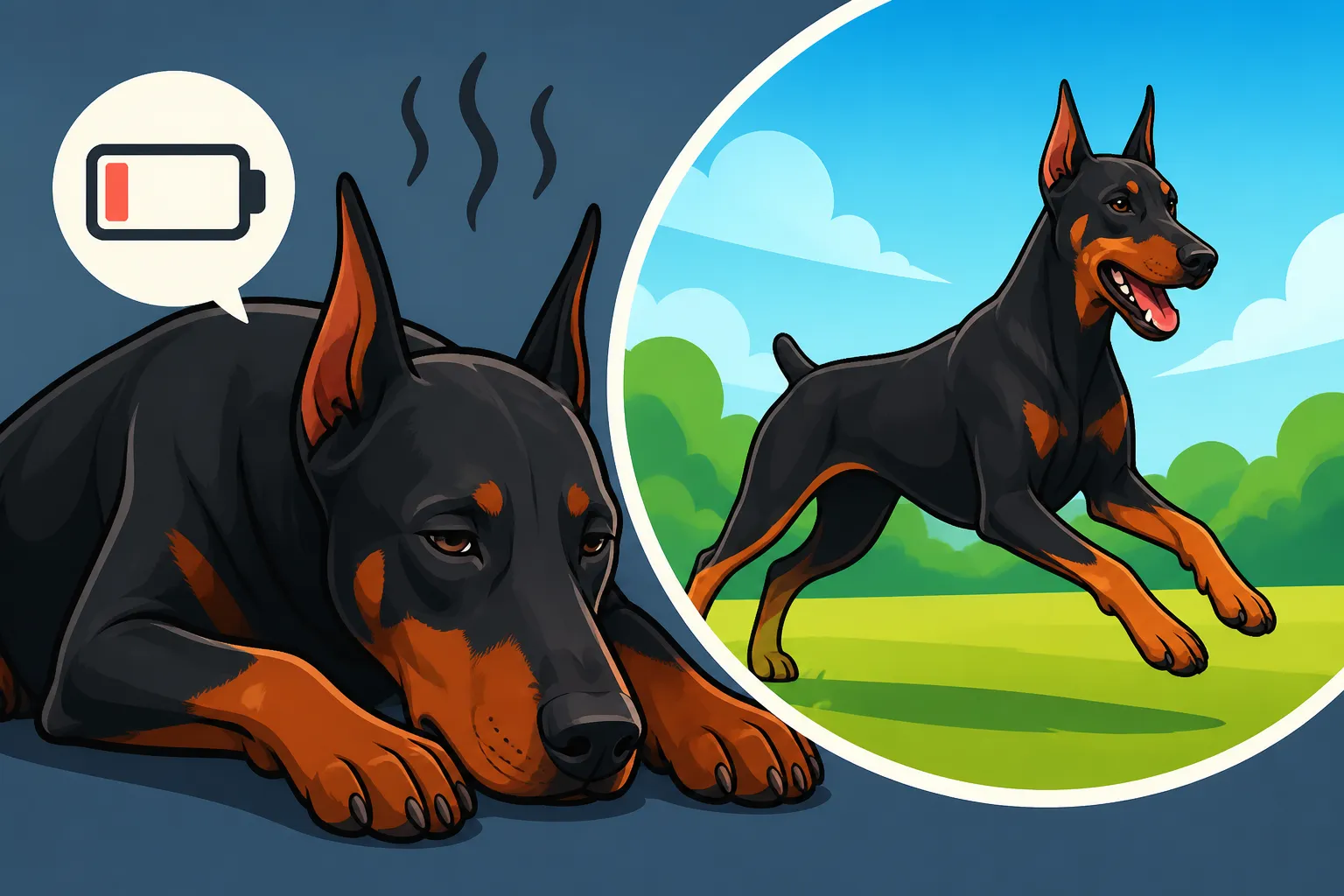
Imagine this scenario: your Doberman, usually the first one at the door for a walk, now hesitates, takes a few steps, then slows to a sniff, even on a short walk around the block. Or perhaps they used to chase a frisbee for twenty minutes straight, and now after just five, they're panting heavily, lying down, and showing no interest in continuing. This isn't just being "a little tired"; it's a significant drop in their usual stamina and enthusiasm for activities they once loved. It might manifest as them becoming winded easily, lagging behind, or needing frequent breaks when they never did before. Sometimes, it's subtle, like them skipping their usual morning zoomies or being less eager to greet you at the door. These subtle shifts, especially when consistent, are what we need to pay close attention to as Doberman owners.
Age-Related Changes Versus Underlying Health Issues
It's tempting to brush off a Doberman slowing down as "just old age." And indeed, as Dobermans enter their senior years, typically around 7 or 8, a gradual decrease in their overall energy and willingness to play as intensely is completely normal. Their joints might not be as supple, their metabolism might slow down, and their drive might be tempered a bit. A truly senior Doberman, say 9 or 10 years old, will naturally require less intense exercise and more rest.
However, it's critical to understand that sudden or pronounced changes in stamina, especially in Dobermans who are still relatively young (3-6 years old), should never be attributed solely to age without a veterinary check-up. Dobermans are a stoic breed, often hiding discomfort or illness until it's quite advanced. Their innate desire to please and their high pain tolerance can mask symptoms that in another breed might be screaming for attention. So, if your four-year-old Doberman suddenly can't finish their usual walk, or your six-year-old is suddenly refusing stairs, don't just assume it's "getting older." There could be a significant underlying health problem that needs immediate investigation. Always consult your vet to rule out medical causes before simply attributing lethargy to the march of time.
Common Health Concerns That Lead to Fatigue in Dobermans
When your Doberman starts showing signs of decreased stamina, your mind likely jumps to the worst-case scenarios. While it's important not to panic, it is vital to be aware of the serious health conditions Dobermans are predisposed to, many of which can manifest as fatigue or exercise intolerance.
The Shadow of Heart Disease
If there's one condition that causes Doberman owners endless worry, it's Dilated Cardiomyopathy (DCM). This is the heartbreaking reality for so many in our breed; a Doberman's heart fails before anyone notices. DCM is a progressive disease where the heart muscle becomes thin and weak, losing its ability to pump blood efficiently. In its early, or "occult" phase, there are often no outward symptoms. Your Doberman might look perfectly fine and still be ill, silently developing the disease.
But as the disease progresses, even before full-blown congestive heart failure, the heart's reduced pumping ability means less oxygenated blood reaches the muscles. This can absolutely manifest as your Doberman tiring faster than it used to. They might not be coughing or struggling to breathe yet, but they'll simply lack the usual drive and stamina. You might notice your Doberman starts to tire faster than it used to, or they are less enthusiastic about their favorite activities. In more advanced stages, you might notice coughing and breathlessness in a Doberman, or even a Doberman that faints on a walk. This is why regular, breed-specific heart screening is so important. An annual echo and Holter screening for a Doberman can catch these issues early, potentially giving you more time with your beloved companion. Knowing how a Doberman heart enlarges before symptoms is key to understanding the disease's progression.
Hypothyroidism and Its Impact on Energy Levels
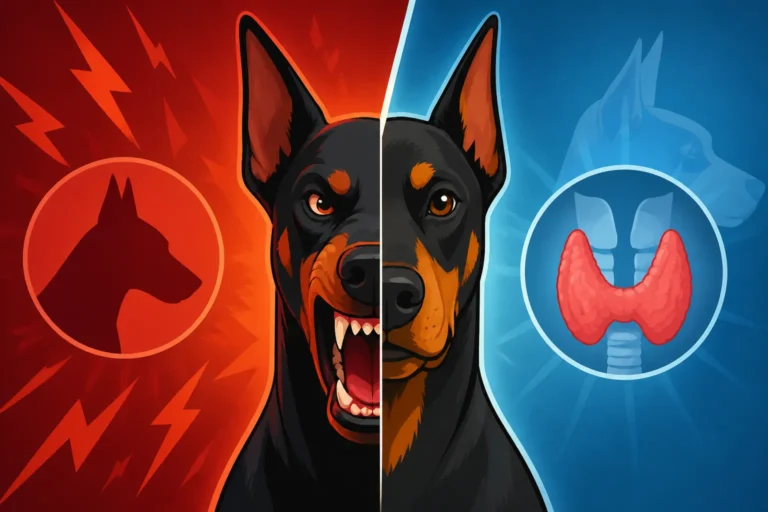
Another common culprit for low energy in Dobermans is hypothyroidism, a condition where the thyroid gland doesn't produce enough thyroid hormones. These hormones are essential for regulating metabolism, and a deficiency can cause a wide range of symptoms, including profound lethargy.
A Doberman with an underactive thyroid might seem sluggish, gain weight despite no change in diet, and show less interest in exercise. Their coat might become dry, dull, or thin, and they might even develop skin issues. The changes can be subtle and develop gradually, often dismissed as normal aging until they become quite pronounced. For instance, your Doberman might start sleeping more, be less responsive to commands, or just seem generally "slower." Proper thyroid testing a Doberman properly involves more than just a single T4 test; your vet might recommend a full thyroid panel, including TSH and free T4, to get an accurate picture. If diagnosed, it's usually easily managed with daily medication, and you'll often see a dramatic improvement in energy and overall well-being.
Anemia and Other Blood Disorders
Anemia, a condition characterized by a reduced number of red blood cells or a lower-than-normal amount of hemoglobin, means less oxygen is being carried to your Doberman's tissues. This directly impacts their energy levels and can certainly make them tire faster. If their muscles aren't getting enough oxygen, they simply can't perform as usual.
Anemia can stem from various causes, including chronic disease, nutritional deficiencies, immune-mediated destruction of red blood cells, or significant blood loss. Our Dobermans are also genetically prone to Von Willebrand's Disease (vWD), a common inherited bleeding disorder. While not directly an anemia, a Doberman with vWD can experience increased bleeding from minor injuries, during surgery, or even from internal sources, which over time could lead to anemia and subsequent lethargy. Signs of anemia might include pale gums, weakness, increased heart rate, and, of course, reduced stamina. If you notice any bruising and bleeding in a Doberman that seems unusual, or prolonged bleeding from a small cut, it's crucial to get it checked out. A simple blood test, like a complete blood count (CBC), can usually confirm anemia and provide clues to its cause.
Pain and Orthopedic Issues
Even the most stoic Doberman will reduce their activity if they are in pain. If it hurts to move, jump, or run, they will naturally tire faster or become reluctant to engage in activities that cause discomfort. This can be particularly frustrating because Dobermans are excellent at masking pain until it's quite severe.
Conditions like arthritis, hip or elbow dysplasia, or even subtle muscle strains can make your Doberman feel achy and less eager to exert themselves. Perhaps they're reluctant to climb stairs, slow to get up after resting, or show a subtle lameness you only notice after a long walk. Dobermans are also unfortunately predisposed to Wobbler Syndrome, a neurological condition affecting the cervical spine that can cause an unstable or "wobbly" gait and pain. A Doberman that wobbles on its back legs might initially just seem slower or tire more quickly as they try to compensate for discomfort or nerve impingement. Any persistent change in gait, stiffness, or reluctance to move should prompt a visit to your vet. They can help identify the source of the pain and recommend appropriate management or treatment to get your Doberman moving more comfortably again.
Taking Action: What to Do When Your Doberman Tires Easily
Noticing your Doberman is tiring faster can be alarming. The most important thing is to act promptly and methodically, starting with your trusted veterinarian. Don't wait, hoping it will just "get better."
The Importance of a Thorough Veterinary Examination
The moment you observe a persistent decrease in your Doberman's stamina, pick up the phone and schedule a vet appointment. This isn't a symptom to ignore. When you call, be ready to describe your observations in detail:
- When did you first notice the change? Was it sudden or gradual?
- What activities are affected? Are they struggling with walks, playtime, stairs, or just general movement?
- Are there any other symptoms? Changes in appetite, water intake, breathing, coughing, weight, bathroom habits, or mood?
- What is your Doberman's current age and activity level?
- What food are they eating?
During the examination, your vet will perform a full physical, listening to their heart and lungs, palpating their abdomen and joints, checking their gums for color, and observing their gait. Be open and honest about everything you've seen. This initial assessment will help your vet narrow down the possibilities and determine the next steps. Remember, an early diagnosis often leads to a better prognosis, especially with conditions like the heart disease that reaches most Dobermans.
Diagnostic Tests and What They Reveal
Based on their physical examination and your observations, your vet will likely recommend a series of diagnostic tests to pinpoint the cause of your Doberman's fatigue. These tests can feel overwhelming and expensive, but they are crucial for accurate diagnosis. This is where having pet insurance like Healthy Paws can truly make a difference, helping to alleviate the financial burden of extensive diagnostics and subsequent treatments.
Here are some common tests:
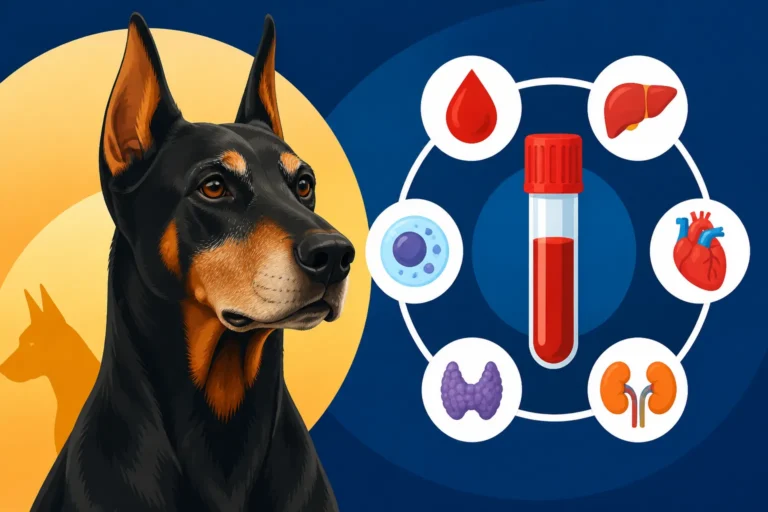
- Blood Work: A complete blood count (CBC) can identify anemia, infection, or inflammation. A biochemistry panel assesses organ function (kidneys, liver) and checks electrolyte levels. A thyroid panel (T4, fT4, TSH) is essential for Dobermans to check for hypothyroidism, as proper thyroid testing a Doberman properly is key.
- Urinalysis: This can detect kidney issues, urinary tract infections, and other metabolic problems.
- X-rays (Radiographs): Chest X-rays can show lung issues or signs of an enlarged heart, while abdominal X-rays can reveal organ abnormalities. Joint X-rays are crucial if orthopedic pain is suspected.
- Echocardiogram: If your vet hears a heart murmur or suspects heart disease, they will likely recommend an echocardiogram. This ultrasound of the heart provides detailed images of its structure and function, helping to diagnose DCM or other cardiac conditions. This is a primary tool for understanding whether a Doberman heart enlarges before symptoms are obvious.
- Holter Monitor: A 24-hour ECG monitor worn by your Doberman, a Holter monitor records heart activity over an extended period, helping to detect arrhythmias (irregular heartbeats) that might not be present during a brief vet visit. An annual echo and Holter screening for a Doberman is vital for early detection of heart issues.
- ProBNP Blood Test: This blood test that flags a Doberman heart by measuring a hormone released when the heart muscle is stretched or stressed. While not diagnostic on its own, it can indicate cardiac stress and warrant further investigation.
- Advanced Imaging (MRI/CT): If neurological issues like Wobbler Syndrome are suspected, an MRI or CT scan of the spine may be necessary.
These tests provide objective data that helps your vet piece together the puzzle. Don't hesitate to ask questions about why each test is recommended and what information it will provide. Healthy Paws is one provider that typically covers diagnostic tests for eligible conditions, helping you focus on your Doberman's health rather than the bill.
Management and Treatment Options
Once a diagnosis is made, your vet will discuss the appropriate management and treatment plan. This will vary widely depending on the underlying cause.
- Heart Disease (DCM): If DCM is diagnosed, treatment often involves medications to improve heart function, manage arrhythmias, and reduce fluid buildup. Pimobendan before a Doberman shows signs can be highly beneficial in the occult phase. Other drugs like ACE inhibitors, diuretics, and antiarrhythmics are common. Regular follow-up appointments and ongoing monitoring will be necessary.
- Hypothyroidism: Treatment is typically straightforward: daily thyroid hormone replacement medication. Your Doberman will require periodic blood tests to ensure the dosage is correct, but once stable, they can live a normal, energetic life.
- Anemia/Blood Disorders: Treatment depends on the cause of the anemia. This might involve supplements, addressing underlying chronic disease, or, in severe cases, blood transfusions. For Von Willebrand's Disease, management focuses on preventing severe bleeding episodes, especially during surgery.
- Pain/Orthopedic Issues: This could involve anti-inflammatory medications, pain relievers, physical therapy, weight management, joint supplements, or even surgery for severe cases like advanced Wobbler Syndrome or hip dysplasia. Modifications to their environment, like ramps or orthopedic beds, can also help.
No matter the diagnosis, adherence to the vet's treatment plan is paramount. It’s a commitment, and ongoing care for conditions like DCM can be costly, making pet insurance, such as a plan from Healthy Paws, an invaluable resource for managing these expenses over your Doberman's lifetime.
Doberman Fatigue: A Summary of Causes and Initial Steps
| Cause of Fatigue | Typical Signs | Initial Diagnostic Steps |
|---|---|---|
| Cardiac Disease (DCM) | Tiring quickly, lagging, coughing, breathlessness, fainting. | Physical exam (listening to heart), ProBNP blood test, Echocardiogram, Holter monitor. |
| Hypothyroidism | Lethargy, weight gain, dull/thin coat, seeking warmth, reduced activity. | Physical exam, full thyroid panel (T4, fT4, TSH). |
| Anemia/Blood Loss | Pale gums, weakness, reduced stamina, increased heart rate, bruising/bleeding. | Physical exam, Complete Blood Count (CBC), Urinalysis, possible Von Willebrand's Disease testing. |
| Pain/Orthopedic | Reluctance to move, stiffness, limping, difficulty with stairs, subtle lameness. | Physical exam (palpation), X-rays, possible MRI/CT for neurological issues like Wobbler Syndrome. |
| Other Illnesses | Varied (e.g., kidney disease, liver disease, cancer, infection). | Physical exam, CBC, biochemistry panel, urinalysis, imaging (X-rays, ultrasound), specific disease tests. |
Proactive Care and Prevention
While some health issues are unavoidable due to genetics, there's a lot you can do as a Doberman owner to promote their overall health and potentially catch problems early. Being proactive is especially crucial with a breed known for its stoicism and predisposition to serious conditions.
Regular Health Screening as a Doberman Owner's Duty
For Doberman owners, regular veterinary check-ups are not just an annual formality; they are a critical line of defense. Because Dobermans are prone to certain genetic conditions, proactive screening tailored to the breed's risks is absolutely essential. This goes beyond the basic yearly physical and vaccinations.
Starting around 2-3 years of age, or even earlier if your breeder recommends, your Doberman should undergo annual cardiac screening. This typically includes an echocardiogram and a 24-hour Holter monitor. These tests are the best way to detect early signs of DCM, even before symptoms appear. Catching DCM in its occult phase can allow for early intervention, potentially extending your Doberman's quality of life. Understanding the full scope of the health testing a Doberman breeder must show can give you an idea of the comprehensive care needed throughout your dog's life. Similarly, regular thyroid panels should be part of their routine health checks, as hypothyroidism is common. Don't wait until you see symptoms; by then, the condition may be more advanced. Discuss these breed-specific screenings with your vet to create a tailored preventative health plan for your Doberman. This kind of diligent, proactive care can make a monumental difference in their health and longevity.
Diet, Exercise, and Environmental Considerations
Beyond specific health screenings, maintaining a healthy lifestyle for your Doberman is fundamental to their stamina and overall well-being. A balanced diet, appropriate exercise, and a comfortable environment all play significant roles.
- Nutrition: Feed a high-quality, balanced diet appropriate for your Doberman's age and activity level. Ensure it's not overly high in copper if there's any concern about liver health. Avoid excessive treats, which can lead to weight gain and put extra strain on their joints and heart. Discuss any dietary supplements, such as taurine and carnitine, with your vet, especially if heart concerns are present, as some Doberman cardiologists recommend them.
- Exercise: While your Doberman is an athletic breed, their exercise needs should always be appropriate for their age, physical condition, and any health considerations. Daily walks, mental stimulation through training, and supervised playtime are usually sufficient. As they age, or if they have a diagnosed condition, you might need to modify the intensity and duration of their activities. Short, frequent walks might be better than one long, strenuous one. Always ensure they have access to fresh water, especially after exercise.
- Environmental Comfort: Dobermans have short coats and very little body fat, making them susceptible to cold. Ensure they have warm, comfortable bedding, especially in cooler climates or if they sleep on hard surfaces, which can exacerbate joint pain. A good quality dog coat can be essential for winter walks or if they spend time outdoors in chilly weather. Regular grooming, though minimal for their coat type, can also help you spot any skin issues or lumps early.
By combining proactive veterinary care with attentive daily management, you are giving your Doberman the best possible chance to live a long, healthy, and happy life, full of the energy they are so famous for.
Disclaimer
The information provided in this article is for general informational purposes only and is not a substitute for professional veterinary advice, diagnosis, or treatment. Always seek the advice of your veterinarian or other qualified health provider with any questions you may have regarding a medical condition. Never disregard professional veterinary advice or delay in seeking it because of something you have read in this article.