Wobbler Syndrome in the Doberman
There’s a moment every Doberman owner dreads: that tiny stumble, that awkward drag of a back paw, or the subtle way your usually graceful companion starts holding their head a little lower. Your heart sinks because you know Dobermans are prone to certain health challenges. One of the most perplexing and heartbreaking of these is Wobbler Syndrome, a condition that can slowly steal your dog's coordination and comfort. This comprehensive guide will walk you through understanding, recognizing, diagnosing, and managing this challenging disease, helping you provide the best possible care for your beloved Doberman.
Understanding Wobbler Syndrome in Dobermans: A Frightening Reality
Wobbler Syndrome, formally known as Cervical Spondylomyelopathy (CSM), is a neurological condition that, frankly, can be incredibly distressing for Doberman owners. It's not just a little stumble; it's a progressive disease that impacts a Doberman's spinal cord in the neck region, leading to varying degrees of neurological dysfunction. When you first notice something is off, it can feel like a punch to the gut, especially knowing how active and agile Dobermans usually are.
What Exactly Is Cervical Spondylomyelopathy?
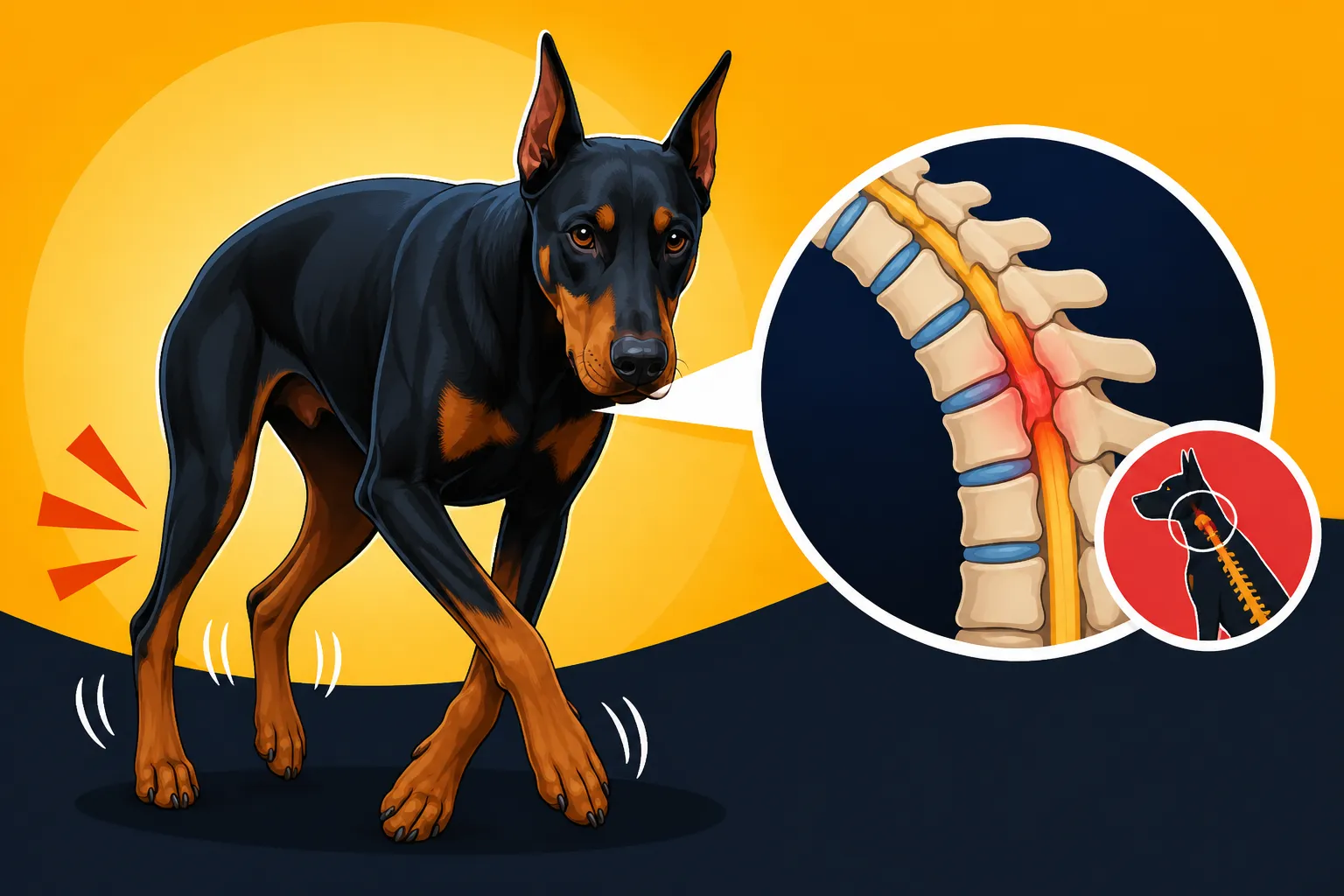
At its core, CSM is about compression of the spinal cord and/or its nerve roots in the cervical (neck) area. Imagine the spinal cord as a superhighway for all the messages going between your dog's brain and its body. When parts of this highway get squeezed or pinched, those messages can't travel properly. This compression can come from several different sources, including malformed vertebrae, thickened ligaments, or bulging intervertebral discs. For Dobermans, it’s often a combination of these factors, creating a complex problem that isn't always straightforward to diagnose. The resulting neurological deficits manifest as an uncoordinated, "wobbly" gait, hence the common name. It’s a chronic and often progressive condition, meaning it tends to get worse over time without intervention.
The pressure on the spinal cord can disrupt nerve signals, leading to weakness, ataxia (lack of muscle control), and proprioceptive deficits – meaning your dog doesn't quite know where its limbs are in space. This is why you often see them dragging their feet or tripping over themselves. For a Doberman, a breed known for its elegant movement and powerful physique, this loss of grace can be particularly heartbreaking to witness. Understanding that this isn't just a clumsy moment, but a serious neurological issue, is the first step in advocating for your dog's health.
Why Dobermans Are So Susceptible
It often feels unfair that Dobermans, already prone to other serious health issues like Dilated Cardiomyopathy, also face such a high risk of Wobbler Syndrome. Unfortunately, it's true: Dobermans are one of the most commonly affected breeds, alongside Great Danes and Basset Hounds. This breed-specific predisposition isn't fully understood but is believed to be a combination of genetic factors and specific anatomical characteristics. Their long, powerful necks and the unique structure of their cervical vertebrae simply make them more vulnerable to the types of changes that lead to spinal cord compression.
Research suggests that Dobermans are prone to a form of CSM often characterized by a "disc-associated" Wobbler syndrome, where disc protrusions and ligament thickening contribute to the compression. This isn't just bad luck; it's a known genetic vulnerability that responsible breeders strive to minimize. Wobbler Syndrome usually starts showing up when Dobermans are middle-aged, often between three and nine years old, though it can appear earlier or later. If you're seeing signs in your Doberman that hint at this condition, it’s vital to act quickly, as early diagnosis can sometimes lead to better outcomes. For more insight into the typical timeline, you might want to read about The Age Doberman Wobbler Signs Appear.
Recognizing the Early Signs: Don't Dismiss That Odd Gait
As a Doberman owner, you become acutely attuned to your dog's every move. You know their normal gait, their energy levels, and their subtle quirks. This close observation is critical when it comes to Wobbler Syndrome, because the early signs can be incredibly subtle, easily mistaken for general clumsiness or just "getting older." Missing these early indicators can delay diagnosis and treatment, so it’s important to know what to look for.
Subtle Changes in Movement and Posture
The earliest signs of Wobbler Syndrome can be so mild that you might second-guess yourself. One of the most common initial indicators is often seen in the hind limbs: a slight dragging or scuffing of the back paws. You might notice this more on certain surfaces, like pavement, or hear it as a subtle scraping sound when they walk. Over time, this can lead to visible wear on the top of their nails, especially the middle two digits. If you've been noticing your Doberman has Scuffed Nails on a Wobbler Doberman, it's a red flag that warrants investigation, not just a trim. This happens because the dog isn't fully aware of where their feet are in space due to nerve compression, so they don't lift them as high as they should.
Beyond the paws, pay attention to how your Doberman holds its head and neck. A dog with Wobbler Syndrome might develop an unusual neck posture, often holding its head lower than usual, or being reluctant to fully extend its neck. This isn't just about discomfort; it's often an attempt to minimize the compression on their spinal cord. If you notice A Doberman That Walks With Its Head Down, it could be more than just being subdued; it might be a subtle sign of spinal discomfort. They might also become hesitant to jump into the car, climb stairs, or even just stand up from a lying position, signs that suggest a deeper discomfort or weakness. These initial changes are often intermittent, making them even harder to pinpoint, but keeping a mental log of these occurrences can be invaluable for your vet.
Progressive Weakness and Ataxia
As Wobbler Syndrome progresses, the signs become more pronounced and much harder to ignore. The subtle scuffing can give way to obvious incoordination, particularly in the hind limbs. This is often described as a "drunken" or "wobbly" gait (hence the name!), where your Doberman might sway excessively, struggle with balance, or even knuckle over on their back paws. If you’ve observed A Doberman That Wobbles on Its Back Legs, it's a strong indicator of neurological impairment. They might fall easily, especially when turning quickly or trying to navigate uneven terrain. This isn't just about losing balance; it's a clear sign that the communication between their brain and hind limbs is severely compromised.
You might also start to notice muscle atrophy, particularly in the hindquarters, as the affected nerves fail to stimulate the muscles effectively. While the hind limbs are typically more affected, some Dobermans can also develop signs in their front limbs, often described as a "two-engine gait" – their front legs taking short, stiff steps while their back legs are more wobbly and exaggerated. This progressive weakness can be heart-wrenching to witness, transforming a once athletic Doberman into a hesitant, unsteady companion. It's a clear signal that the spinal cord compression is worsening, and it underscores the urgency of seeking expert veterinary care.
Diagnosing Wobbler Syndrome: Getting to the Root of the Problem
When you notice those unsettling signs, your immediate thought is to get answers. Diagnosing Wobbler Syndrome is a multi-step process that requires careful evaluation, starting with your regular veterinarian and often escalating to specialized veterinary neurologists. It’s a journey that demands patience, an open mind, and a willingness to invest in advanced diagnostics.
Initial Veterinary Examination and Neurological Assessment
Your first stop will be your trusted veterinarian. They will conduct a thorough physical and neurological examination, which is crucial for identifying the tell-tale signs of spinal cord compression. This includes observing your Doberman's gait, checking their reflexes, and performing proprioceptive tests (like flipping their paw over to see how quickly they right it). They'll also carefully palpate your dog's neck, looking for areas of pain or discomfort. It’s during this initial exam that your vet will start to differentiate Wobbler Syndrome from other conditions that might present with similar symptoms, such as Doberman Hip Dysplasia or other orthopedic issues.
While your general practice vet can often spot the red flags, Wobbler Syndrome is complex, and confirming the diagnosis and determining the best course of action often requires a specialist. A board-certified veterinary neurologist has the advanced training and experience to interpret the subtle neurological deficits specific to spinal cord diseases. Don't be surprised if your vet recommends a referral; it's a sign they want the absolute best care for your Doberman, leveraging the specialized expertise needed for such intricate conditions.
Advanced Imaging: MRI, CT, and Myelography
To truly understand what’s happening in your Doberman’s neck, advanced imaging is essential. Standard X-rays, while useful for ruling out gross skeletal abnormalities, simply aren't enough to visualize the soft tissues, spinal cord, or the specific points of compression that define Wobbler Syndrome. This is where Magnetic Resonance Imaging (MRI), Computed Tomography (CT), and sometimes myelography come in. These powerful tools provide detailed images of the spinal column, allowing specialists to pinpoint exactly where and how the spinal cord is being compressed.
An MRI is often considered the gold standard because it provides excellent soft tissue contrast, allowing veterinarians to see the spinal cord itself, intervertebral discs, ligaments, and nerve roots in incredible detail. A CT scan, while not as good for soft tissues, excels at bony structures and can provide high-resolution images of the vertebrae. Sometimes, a myelogram is performed, which involves injecting a contrast dye around the spinal cord, making the points of compression visible on X-rays or CT scans. These procedures require general anesthesia, which always carries some risk, but they are critical for an accurate diagnosis and for planning any potential surgical intervention. Understanding What a Doberman MRI Shows for Wobblers can help you grasp why these advanced diagnostics, despite their cost, are indispensable. Speaking of cost, preparing for these diagnostic procedures, which can range from a few thousand dollars, means it's wise to consider the What a Doberman Neck MRI Costs and factor it into your financial planning for your Doberman's health.
Cerebrospinal Fluid Analysis
In some cases, especially if there's any suspicion of an inflammatory or infectious process contributing to your Doberman's neurological signs, your veterinary neurologist might recommend a cerebrospinal fluid (CSF) tap. This involves collecting a small sample of fluid that surrounds the brain and spinal cord. The CSF is then analyzed for white blood cell count, protein levels, and the presence of any infectious agents.
While a CSF analysis won't directly diagnose Wobbler Syndrome, it's an important diagnostic step to rule out other conditions that might mimic its symptoms, such as meningitis or certain types of tumors. This helps ensure that the diagnostic picture is as complete as possible, leading to the most accurate diagnosis and appropriate treatment plan. Just like advanced imaging, a CSF tap requires your Doberman to be under general anesthesia, so it's a decision made carefully by your specialist in conjunction with you.
Medical Management Strategies: Living with Wobbler Syndrome
Receiving a Wobbler Syndrome diagnosis for your Doberman can feel overwhelming, but it doesn't always mean immediate surgery. For many Dobermans, especially those with mild to moderate symptoms, medical management is the initial approach. The goal here is to alleviate pain, reduce inflammation, and slow the progression of neurological deficits, aiming to improve your dog's quality of life without invasive procedures.
Anti-inflammatory Medications and Pain Relief
The cornerstone of medical management for Wobbler Syndrome often involves a combination of medications designed to reduce inflammation and manage pain. Non-steroidal anti-inflammatory drugs (NSAIDs) are frequently prescribed to target pain and inflammation. While generally effective, they do require careful monitoring for potential side effects, especially gastrointestinal upset or kidney issues, particularly with long-term use. Your vet will discuss the appropriate NSAID, dosage, and monitoring protocol.
In more severe cases or during acute flare-ups, corticosteroids like prednisone might be used. These are powerful anti-inflammatory agents that can significantly reduce swelling around the spinal cord, offering rapid relief. However, corticosteroids come with their own set of side effects, including increased thirst and urination, panting, and potential for long-term complications. They are usually prescribed for short durations or at the lowest effective dose. Beyond these, medications specifically for neuropathic pain, such as Gabapentin or Amantadine, can be added to the regimen. These drugs target nerve pain, which NSAIDs and corticosteroids don't always fully address. It's a delicate balancing act to find the right cocktail of medications that manages symptoms effectively with minimal side effects. For a deeper dive into these options, especially concerning reducing inflammation, you might find more information in the article on Steroids and Rest for a Doberman Wobbler.
Activity Restriction and Lifestyle Adjustments
Medication alone isn't enough; managing Wobbler Syndrome requires significant lifestyle adjustments. The primary recommendation is strict activity restriction, especially during acute phases or when symptoms worsen. This often means crate rest or limited leash walks, avoiding any activity that could put strain on the neck or lead to sudden movements or falls. This is tough for an active Doberman, but it's vital for giving their spinal cord a chance to recover from inflammation and prevent further damage.
Beyond limiting strenuous activity, you'll need to make practical changes around the house. One crucial adjustment is switching from a neck collar to a harness for all walks and any restraint. A collar can put direct pressure on the sensitive neck area, potentially exacerbating spinal cord compression. As such, you'll want to ensure Whether a Wobbler Doberman Should Wear a Collar is carefully considered, with most vets advising against it. Elevated food and water bowls can also help, as they prevent your Doberman from having to bend their neck downwards excessively, reducing strain during meal times. Minimizing stairs, providing non-slip rugs on slick floors, and offering easily accessible, comfortable bedding can all contribute to making your Doberman's environment safer and more comfortable.
Rehabilitation and Physical Therapy
Once acute pain and inflammation are under control, physical rehabilitation and therapy can play a crucial role in improving your Doberman's quality of life. This isn't just about making them feel better temporarily; it's about strengthening muscles, improving balance and coordination, and maintaining range of motion. A certified canine rehabilitation therapist will design a tailored program that might include a variety of techniques.
Hydrotherapy, such as underwater treadmill exercises, is particularly beneficial because it allows your Doberman to exercise without putting full weight on their joints and spine, reducing stress while building muscle. Therapeutic exercises focus on strengthening core muscles, improving proprioception (their awareness of their body in space), and enhancing balance. Massage and passive range of motion exercises can help prevent muscle contracture and maintain flexibility. The goal of rehab is not a cure, but to maximize your Doberman's functional mobility, enhance comfort, and potentially slow the progression of neurological deficits, giving them the best chance at a happy life.
Surgical Interventions: When Medical Management Isn't Enough
While medical management can significantly improve the quality of life for many Dobermans with Wobbler Syndrome, there are certainly cases where it simply isn't enough. When medical therapy fails to control pain, neurological symptoms worsen despite treatment, or the compression is severe, surgical intervention becomes a serious consideration. This is a big decision, often fraught with anxiety, but for some Dobermans, it offers the best chance at a significant recovery.
Understanding the Surgical Options
The primary goal of surgery for Wobbler Syndrome is to relieve the compression on the spinal cord and, in some cases, stabilize the cervical vertebrae. There isn't a single "Wobbler surgery"; rather, veterinary neurologists have several techniques at their disposal, chosen based on the specific location and cause of the compression. Common surgical approaches include:
- Ventral Slot Decompression: This involves removing a small window of bone from the underside (ventral) of the affected vertebrae to access and remove disc material that is compressing the spinal cord. It's effective for disc-associated Wobbler Syndrome.
- Dorsal Laminectomy: This approach involves removing part of the bony arch (lamina) from the top (dorsal) of the vertebrae to decompress the spinal cord. It's typically used when compression is coming from above or the sides.
- Distraction-Stabilization Techniques: These are often performed alongside decompression. Methods like Cloward procedures or the use of plate fixation involve inserting screws or implants to spread the vertebrae apart (distraction) and then stabilizing them to prevent further movement and compression. These implants, such as titanium plates and screws, help maintain the space around the spinal cord and prevent future instability.
Each technique has its nuances, and the choice depends heavily on the individual Doberman’s specific pathology as seen on the advanced imaging. These are complex surgeries, requiring a skilled veterinary surgical team with neurological expertise.
Pros and Cons of Surgery
Deciding whether to pursue surgery is one of the toughest choices a Doberman owner can face. On one hand, surgery offers the potential for significant improvement, often leading to a reduction in pain, improved mobility, and a better quality of life. For dogs that are severely affected and not responding to medical management, it might be their only chance. However, surgery also comes with considerable risks and challenges. The anesthesia itself carries risks, and there's always the possibility of surgical complications, including infection, hemorrhage, or even worsening neurological deficits.
Then there's the financial aspect. Wobbler Surgery Prices for a Doberman can be substantial, often ranging from $5,000 to $10,000 or more, depending on the complexity, geographic location, and post-operative care required. This doesn't even include the extensive rehabilitation that follows. It's a massive investment, both emotionally and financially. Therefore, it's vital to have an in-depth discussion with your veterinary neurologist about the prognosis, potential outcomes, and all the associated risks. Knowing Whether Doberman Wobbler Surgery Works will depend on many factors, including the severity of the compression, the duration of symptoms, and your Doberman's overall health. This is where having pet insurance like Healthy Paws, which often covers a substantial portion of these unexpected surgical and diagnostic costs, can provide immense peace of mind.
Post-Operative Care and Long-Term Prognosis
The surgery itself is only part of the journey. The post-operative period is critical and demands strict adherence to your veterinary surgeon’s instructions. This usually involves several weeks of very restricted activity, often kennel rest, to allow the surgical site to heal and prevent complications. Pain management will continue, often with a combination of oral medications. Your Doberman will require careful monitoring for any signs of infection, neurological decline, or issues with the surgical incision.
Following this initial recovery, an intensive physical rehabilitation program is almost always recommended to help your Doberman regain strength, coordination, and proprioception. This can be a long process, lasting for several months, and will involve regular sessions with a certified canine rehabilitation therapist. The long-term prognosis after surgery is variable. While many Dobermans experience significant improvement, some may only show partial recovery, and a small percentage may not improve or could even worsen. There’s also the possibility of recurrence or the development of new compressions at different sites in the spine. Consistent follow-up with your veterinary team, including repeat imaging, is crucial for monitoring progress and adjusting care. All of these factors underscore why understanding Rehabilitation Costs After Doberman Spinal Surgery is so important, as these are ongoing expenses that contribute significantly to the total cost of care.
Caring for Your Doberman with Wobbler Syndrome: Practical Tips
Living with a Doberman diagnosed with Wobbler Syndrome can feel like a constant balancing act between managing their condition and ensuring they still enjoy a good quality of life. It requires diligence, empathy, and practical adjustments to their daily routine and environment.
Environmental Modifications for Safety and Comfort
Making your home a safe and accessible haven for your Doberman is paramount. Their reduced coordination means they are at a higher risk of slips, falls, and injuries. Start by addressing flooring: if you have slippery surfaces like hardwood or tile, consider placing non-slip rugs or runners, especially in high-traffic areas and around their food and water bowls. This provides essential traction and confidence. Ramps can be a game-changer, allowing them to access furniture, beds, or even the car without needing to jump, which puts undue strain on their neck and spine.
Support harnesses, particularly those designed to assist with both front and hind limb mobility, can be invaluable. These allow you to safely support your Doberman when they're struggling to walk, navigate stairs, or even just stand up. They also act as a safe attachment point for leashes, preventing any pressure on their delicate neck. Ensure their food and water bowls are elevated to a comfortable height so they don't have to bend their neck excessively while eating or drinking. Think about the overall layout of your home and identify any potential hazards or areas where your Doberman might struggle, and adapt them accordingly. These small changes can significantly improve their comfort and reduce the risk of further injury.
Nutrition and Supplementation
Maintaining your Doberman's overall health, and especially their weight, is crucial when they have Wobbler Syndrome. Excess weight puts additional strain on their spine and joints, potentially exacerbating their symptoms. Work with your vet to ensure your Doberman is on an appropriate diet to maintain an ideal, lean body condition. Some Doberman owners also explore anti-inflammatory diets, often incorporating ingredients known for their anti-inflammatory properties.
While there's no magic supplement to cure Wobbler Syndrome, certain additions to their diet may offer supportive benefits. Omega-3 fatty acids (EPA and DHA), often found in fish oil, are well-known for their anti-inflammatory properties and can support overall neurological health. Joint supplements containing ingredients like glucosamine, chondroitin, and MSM might also be considered to support joint health, especially if arthritis is a complicating factor. Always discuss any dietary changes or supplements with your veterinarian or a veterinary nutritionist, as they can ensure these additions are appropriate and won't interact negatively with any medications your Doberman is taking.
Monitoring and Veterinary Partnership
Living with Wobbler Syndrome means you become an integral part of your Doberman's care team. Consistent monitoring of their symptoms is essential. Keep a detailed log of their good days and bad days, noting any changes in their gait, pain levels, appetite, or overall demeanor. This information is invaluable to your veterinarian, helping them assess the effectiveness of current treatments and make informed decisions about future care. Pay close attention to How Fast Doberman Wobbler Signs Progress as this can indicate a need for immediate veterinary attention.
Regular check-ups with your primary vet and veterinary neurologist are non-negotiable. These appointments allow for ongoing assessment of their neurological status, adjustment of medications, and discussion of any new symptoms. Maintaining open and honest communication with your veterinary team is key; don't hesitate to call them with questions or concerns. While it’s difficult to consider, there may come a time when you need to make difficult quality of life decisions. Your veterinary team can provide guidance and support during these conversations, helping you ensure your Doberman remains comfortable and pain-free. Given the ongoing costs associated with managing a chronic condition like Wobbler Syndrome, including regular vet visits, medications, and potential rehab, having comprehensive pet insurance like Healthy Paws can significantly ease the financial burden, allowing you to focus on your Doberman's well-being without added stress.
Prevention and Breeding Considerations
The thought of preventing Wobbler Syndrome in Dobermans is complex, given its strong genetic and anatomical components. While there's no foolproof way to guarantee a Doberman won't develop the condition, responsible breeding practices and careful management during a puppy's critical growth phases can certainly help minimize the risks. It's about making informed choices and being proactive.
Breeding Responsibly
For anyone considering getting a Doberman, or for Doberman breeders themselves, understanding the genetic predisposition to Wobbler Syndrome is crucial. Unfortunately, unlike some other genetic conditions, there isn't a simple DNA test for Wobbler Syndrome that breeders can use to clear their breeding stock. However, responsible breeders still play a vital role in minimizing risk. They do this by:
- Careful Pedigree Research: Scrutinizing the health history of a dog's lineage, looking for instances of Wobbler Syndrome in parents, grandparents, and siblings. If there's a significant prevalence, those dogs should ideally not be bred.
- Health Testing Parent Dogs: While specific for Wobbler, breeders should still perform The Health Testing a Doberman Breeder Must Show for other hereditary conditions, ensuring overall robust health. Some advanced breeders might even consider cervical radiographs or MRI screenings on breeding animals, though these are not widely standard practice for Wobbler screening due to cost and interpretation challenges in asymptomatic dogs.
- Sound Conformation: Selecting breeding dogs with good overall conformation, avoiding extremes in neck length or angulation that could theoretically contribute to spinal instability.
The goal is to breed away from lines that consistently produce affected offspring, slowly chipping away at the prevalence of this devastating disease within the Doberman population. This commitment to health, even without a perfect genetic test, is a hallmark of an ethical breeder.
Early Intervention and Puppy Care
While genetics load the gun, environmental factors during a Doberman puppy's rapid growth can pull the trigger. Proper care during puppyhood and adolescence is essential to support healthy musculoskeletal and spinal development. One of the most critical aspects is nutrition. Overfeeding a large breed puppy can lead to excessively rapid growth, which can put undue stress on developing bones and joints, potentially exacerbating any underlying predispositions to conditions like Wobbler Syndrome. Feed a high-quality, large-breed puppy formula that supports slow, steady growth, rather than rapid weight gain.
Beyond diet, avoid excessive high-impact exercise or rough play during your Doberman's formative months. While Dobermans are energetic, their bones and joints are still developing, and activities like prolonged running on hard surfaces, jumping from heights, or intense agility training should be limited until they are fully mature. Always use a harness instead of a collar on a Doberman puppy, not just to prevent potential neck strain related to pulling, but also as a general preventative measure given their breed's susceptibility. This mindful approach to a puppy's early life can help ensure their developing spine is subjected to as little stress as possible, offering them the best start in life.
Navigating Quality of Life with a Wobbler Doberman
Making decisions about a Doberman with Wobbler Syndrome isn't just about medications and surgeries; it's about the bigger picture of their overall happiness and comfort. It's about recognizing when treatments are working, when adjustments are needed, and when the kindest path might be to say goodbye. This emotional journey is often the hardest part for any dedicated owner.
Evaluating Your Doberman's Comfort and Happiness
When your Doberman has Wobbler Syndrome, every day becomes an assessment of their quality of life. Are they still finding joy in their favorite activities, even if modified? Are they eating and drinking normally? Are they engaging with the family? Look for subtle clues in their behavior. Is their tail wagging? Do they still greet you with enthusiasm? Or are they withdrawn, showing signs of chronic pain, or simply looking defeated?
It's common for Dobermans to hide pain, so you might need to become a detective. Look for changes in sleep patterns, reluctance to move, altered posture, or even changes in temperament like increased irritability or anxiety. Keeping a journal can be incredibly helpful in tracking these subtle shifts over time. Discussing these observations openly and honestly with your veterinary team is paramount. They can help you interpret these signs, adjust pain management protocols, or consider other interventions to improve comfort. Ultimately, your Doberman relies on you to be their voice and advocate for their well-being.
Making Difficult End-of-Life Decisions
This is, without a doubt, the most agonizing part of caring for a Doberman with a progressive condition like Wobbler Syndrome. When the bad days start to outnumber the good, when pain can no longer be adequately controlled, or when their ability to function and find joy in life significantly diminishes, you will face the heartbreaking decision of euthanasia. This is not a failure on your part; it is the ultimate act of love and compassion.
Your veterinary team can provide invaluable support and guidance during this time. They can offer a candid assessment of your Doberman's prognosis, discuss pain relief options, and help you understand when their quality of life has deteriorated beyond recovery. There are many tools available, like quality of life scales, that can help you objectively assess different aspects of your dog's well-being. Remember, it’s okay to grieve, and it’s okay to ask for help. Surrounding yourself with supportive friends, family, and your veterinary team can make this incredibly difficult process a little less isolating. The love and care you've provided throughout their journey is what truly matters.
Here's a comparison of typical medical vs. surgical management approaches for Wobbler Syndrome:
| Feature | Medical Management | Surgical Management |
|---|---|---|
| Goal | Reduce pain & inflammation, slow progression, improve comfort | Decompress spinal cord, stabilize vertebrae, improve neurological function |
| Severity | Mild to moderate symptoms, early stages, or as palliative care | Moderate to severe symptoms, progressive decline, unresponsive to medical therapy |
| Interventions | NSAIDs, corticosteroids, gabapentin, muscle relaxants | Ventral slot, dorsal laminectomy, distraction-stabilization (implants) |
| Risks | Medication side effects (GI upset, organ damage) | Anesthesia risks, infection, hemorrhage, surgical complications, nerve damage, recurrence |
| Cost | Lower initial cost (medication, rehab sessions) | High initial cost (surgery, MRI, extensive post-op rehab) |
| Recovery | Ongoing, with potential for flare-ups | Intensive, strict post-op confinement (weeks-months), followed by rehab |
| Prognosis | Variable, often manages symptoms; may still progress | Potential for significant improvement, but not a guaranteed cure; risks of recurrence |
| Duration | Often lifelong management | Single procedure, but with long-term monitoring and potential for further issues |
Disclaimer
The information provided in this article is for general informational purposes only and is not intended to be a substitute for professional veterinary advice, diagnosis, or treatment. Always seek the advice of your veterinarian or other qualified animal health provider with any questions you may have regarding a medical condition or treatment for your Doberman.