Deciding When a Doberman With DCM Has Had Enough
It’s an agonizing question no Doberman parent ever wants to face: when do you know your beloved companion, battling Dilated Cardiomyopathy (DCM), has reached the end of their fight? This isn't just about symptoms; it's about discerning the subtle shifts in their spirit and joy, making the most loving, yet heartbreaking, decision possible. This guide aims to provide a compassionate roadmap for recognizing those crucial signs and navigating the emotionally fraught path of end-of-life care for a Doberman living with DCM.
Understanding How Doberman DCM Progresses
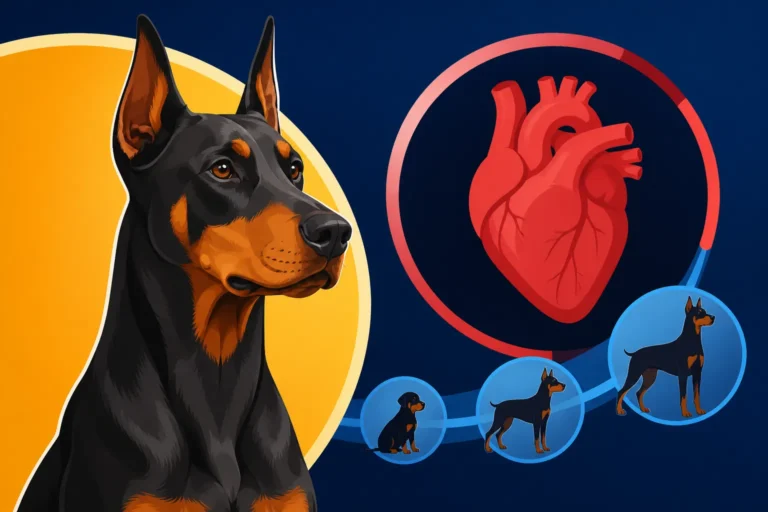
Dilated Cardiomyopathy is a cruel disease, particularly for Dobermans. It’s a progressive condition where the heart muscle thins and weakens, becoming enlarged and unable to pump blood efficiently. The insidious nature of DCM means it often progresses silently, leaving us blindsided when symptoms finally appear. Understanding its stages can help you advocate better for your Doberman.
The Elusive Early Stages
For many Dobermans, DCM starts in what’s known as the "occult" phase – meaning hidden. Their heart might be remodeling, enlarging, and developing arrhythmias, but your Doberman shows no outward signs of illness. They might still be running, playing, and acting like their normal, energetic selves. This is why regular screening, like annual echocardiograms and Holter monitoring, is so crucial for Dobermans, ideally starting around two or three years of age. Without these screenings, you wouldn't know there's a problem brewing.
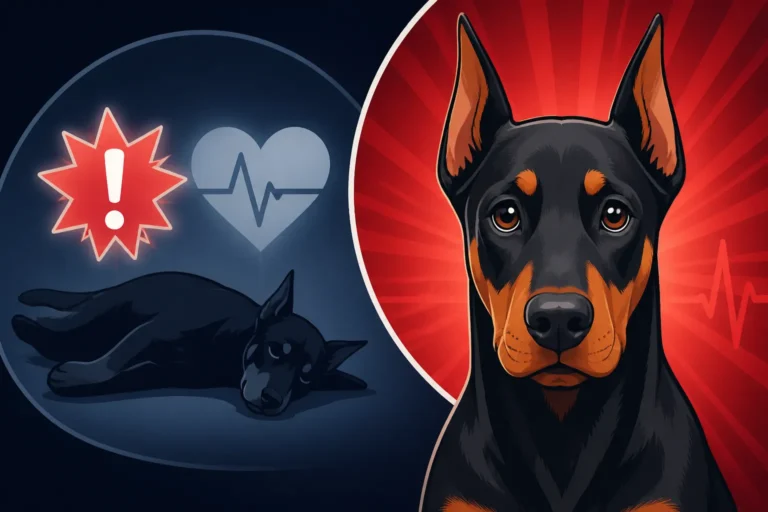
This occult phase can last for years, sometimes even half of a Doberman's already too-short life. It’s a period where the heart is working harder to compensate, but the dog's resilience often masks the underlying issue. Many owners are shocked to learn their seemingly healthy Doberman has an enlarged heart because there are no coughs, no fainting spells, no lethargy. You might hear stories of Dobermans suddenly collapsing on a walk, and often, that’s their first overt sign of this silent disease progressing past its compensatory mechanisms. This highlights why understanding Why a Doberman Heart Fails Before Anyone Notices is so important for early intervention.
Even in these early stages, a skilled veterinary cardiologist might detect subtle changes, like abnormal heart sounds or a few extra beats on a Holter monitor. Sometimes, medication can be started to support the heart during this phase. This early intervention, often involving medications like pimobendan, aims to slow the progression of the disease and can significantly extend the period of good quality of life. Owners often wonder about Medication for a Doberman in the Occult Phase and whether it truly makes a difference before symptoms are visible, and the answer, for many, is a resounding yes.
When Symptoms Become Hard to Ignore
As DCM progresses, the heart's ability to pump blood further diminishes, leading to symptoms that are difficult to overlook. This is when fluid can start to back up, often into the lungs (pulmonary edema) or abdomen (ascites). You might start noticing your Doberman coughing, especially at night or after exercise, which is often mistaken for a kennel cough or something caught in their throat. This cough isn't from throat irritation; it's a sign that fluid is building up in their lungs, making it hard to breathe.
Beyond coughing, a Doberman with symptomatic DCM may start to show reduced exercise tolerance. They might tire faster on walks, lag behind, or simply not have the same enthusiasm for play they once did. They might also become breathless, panting excessively even at rest, or find it hard to get comfortable. Some Dobermans may even experience A Doberman That Faints on a Walk, a terrifying event caused by insufficient blood flow to the brain, which is a significant indicator of advanced heart failure.
At this stage, their body is struggling to cope. Your Doberman might lose weight despite a normal appetite, or even develop a pot-bellied appearance due to fluid accumulation. This shift from a seemingly healthy dog to one exhibiting clear signs of distress marks a significant turning point in their disease progression. It’s a heartbreaking time, as you realize the hidden disease has now broken through, demanding immediate and consistent medical management.
The Challenging Realities of Advanced Heart Failure
In advanced heart failure, the heart's function is severely compromised, and compensatory mechanisms are overwhelmed. Despite medication, fluid buildup can become persistent and difficult to manage, requiring frequent vet visits for diuretics or even procedures to remove fluid. Your Doberman might experience constant Coughing and Breathlessness in a Doberman, which significantly impacts their ability to rest, eat, and simply exist comfortably. This is often the stage where the frequency of veterinary visits, and the associated costs, really escalate.
At this point, you're not just fighting the disease; you're also managing its cascade of effects on your Doberman's entire system. The lack of adequate oxygen and circulation can affect other organs, and your Doberman’s overall vitality will significantly diminish. While medications like furosemide and spironolactone help clear Fluid on a Doberman's Lungs and How It Is Cleared, they can also have side effects, like increased thirst and urination, and can impact kidney function over time.
This stage is incredibly challenging, both for the Doberman and their family. The once vibrant, protective Doberman might become withdrawn, restless, or anxious due to their inability to breathe or get comfortable. It’s a constant battle to keep them comfortable, to give them even a few hours of peace. This is the period when owners really begin to grapple with the question of how much is too much, and whether the interventions are truly improving quality of life or merely prolonging suffering. Many Doberman parents will be asking themselves, How Long a Doberman Lives After a DCM Diagnosis, and the answer, unfortunately, can vary wildly, making these decisions even harder.
Recognizing Key Signs Your Doberman is Struggling
Knowing when your Doberman with DCM has "had enough" is less about a single definitive moment and more about recognizing a pattern of decline in their quality of life. This requires diligent observation and honest assessment, even when your heart aches to deny what you're seeing.
Behavioral Shifts and Loss of Joy
One of the most telling indicators that your Doberman is struggling comes through changes in their behavior and their loss of interest in activities they once loved. A Doberman is typically an engaged, "Velcro" dog, always wanting to be near you and involved in household activities. When they start to withdraw, seeking solitude more often, or showing less enthusiasm for walks, toys, or even greeting you at the door, these are red flags. Perhaps they used to excitedly bark at the mail carrier, but now they just watch dully, or don’t even bother to lift their head.
They might also exhibit restlessness or anxiety, especially at night. This isn't just behavioral; it's often a direct result of physical discomfort, like struggling to breathe when lying down, or feeling generally unwell due to poor circulation. An otherwise calm Doberman might pace, whine softly, or struggle to settle. Furthermore, you might notice subtle Cognitive Change in an Old Doberman, where they seem disoriented, confused, or less responsive to familiar commands, which can be exacerbated by systemic illness. These changes are heartbreaking because they strike at the very essence of your Doberman’s personality and their connection with you.
It's crucial to differentiate these signs from normal aging. While an older Doberman might naturally slow down, a sudden or marked decline in their engagement, their desire for interaction, or their ability to rest peacefully points strongly to a decrease in their quality of life due to the progression of their heart disease. If they no longer light up at the sight of their favorite person, or if they resist even gentle affection, it’s a profound sign of their inner struggle.
Changes in Physical Abilities and Respiration
Beyond behavioral changes, there are undeniable physical signs that a Doberman with DCM is truly suffering. The most prominent are often related to their breathing. Labored breathing, even at rest, is a critical indicator. This isn't just panting after a burst of activity; it's persistent, shallow, rapid breathing, or visible effort in their chest and abdomen just to take a breath. They might adopt unusual sleeping positions to try and keep their airway open, like sleeping with their head elevated or sitting up rather than lying flat.
Exercise intolerance will become severe. Your Doberman might refuse to go on walks, take only a few steps before needing to stop, or collapse during minimal exertion. Where they once loved to run and play, they now might struggle to even stand up or navigate stairs. This loss of mobility and stamina can be particularly hard to witness in such an athletic breed. While owners often question Whether a Doberman With DCM Should Exercise, the reality in advanced stages is that they simply cannot.
Fluid retention might also become more pronounced and resistant to medication. You might notice significant swelling in their legs, known as peripheral edema, or a bloated abdomen from ascites. While medication can help, if their body is constantly fighting overwhelming fluid buildup, it indicates severe circulatory failure. Weight loss, despite attempts to feed them, can also signify that their body is burning more calories just to survive, or that digestive issues are arising from poor circulation.
Appetite, Hydration, and Overall Well-being
A Doberman's appetite and hydration levels are fundamental indicators of their general health and well-being. A significant and persistent loss of appetite is a very concerning sign. If your Doberman, who once eagerly devoured their meals, now turns their nose up at food, or only picks at it, it suggests nausea, general malaise, or a severe loss of interest in living. While occasional picky eating can happen, a sustained refusal to eat, especially when combined with other symptoms, is a strong signal that they are feeling very unwell.
Similarly, changes in water intake can be telling. While some heart medications like diuretics increase thirst, a Doberman who refuses to drink, or drinks very little, can quickly become dehydrated, worsening their condition. Conversely, excessive drinking might indicate kidney issues exacerbated by heart failure or medication. Monitoring their input and output is vital. A Doberman who is constantly thirsty but seems unable to quench it, or one who shows no interest in water, is struggling.
Ultimately, it comes down to their overall vitality and spark. Does your Doberman still seem to enjoy anything? Do they have moments of alertness, comfort, and peace, or is their existence dominated by discomfort, labored breathing, and lethargy? If their bad days far outnumber their good days, and if the interventions (medications, vet visits) seem to cause more stress than relief, it’s time to seriously consider their quality of life. This isn't about giving up; it's about preventing unnecessary suffering.
Here’s a simple table to help you assess your Doberman's quality of life:
| Category | Good Quality of Life (Positive Signs) | Declining Quality of Life (Concerning Signs) |
|---|---|---|
| Appetite | Eats meals eagerly, enjoys treats, maintains body weight. | Refuses meals, picks at food, significant weight loss, nausea. |
| Hydration | Drinks normally, good mucous membrane moisture. | Refuses water, excessive thirst not quenched, signs of dehydration. |
| Breathing | Quiet, effortless breathing at rest, mild panting after exercise. | Labored breathing at rest, persistent coughing, restlessness due to breathlessness. |
| Activity/Joy | Engaged, seeks interaction, enjoys walks/play, follows family. | Withdraws, uninterested in favorite activities, paces restlessly, sleeps excessively. |
| Mobility | Walks comfortably, manages stairs, stands easily. | Struggles to stand, avoids walking, difficulty with stairs, weakness. |
| Comfort | Rests peacefully, rarely restless, responds positively to touch. | Constant restlessness, struggles to get comfortable, moaning/whining, pain. |
| Cleanliness | Can get up to relieve self, maintains hygiene. | Accidents indoors, unable to squat comfortably, disheveled appearance. |
The Difficult Conversations: Working with Your Veterinary Team
Facing the ultimate decision for a Doberman with DCM is harrowing. You are their advocate, and your veterinary team is there to guide you through this impossible choice. Open, honest communication is paramount.
Openly Discussing Prognosis and Options
When your Doberman's DCM progresses to the point where quality of life is declining, it's vital to have frank discussions with your veterinarian and, if applicable, your veterinary cardiologist. Ask direct questions about the prognosis: how much time might realistically be left, and what will that time look like? Will it be filled with discomfort or will there still be moments of joy? Discuss all available options, including intensifying current treatments, adding new medications, or pursuing alternative therapies.
Don't be afraid to voice your fears and observations. Share the specific changes you've noticed in your Doberman’s behavior, appetite, and comfort levels. Your observations from home are invaluable, as you spend the most time with them and know their normal baseline better than anyone. A good veterinary team will listen empathetically and help you understand the medical implications of these changes. They can explain how the heart disease impacts other organ systems and what to expect in the coming days or weeks.
It’s also important to discuss the financial aspect openly. The cost of managing advanced DCM can be substantial, with frequent vet visits, specialized medications, and emergency care. If you have pet insurance like Healthy Paws, understand what is covered at this stage and what your out-of-pocket expenses might be. Even without insurance, your vet can discuss payment plans or more affordable palliative options. Prioritizing your Doberman's comfort shouldn't be hampered by financial stress, and there are often options to manage this.
Exploring Palliative Care and Comfort Measures
If active treatment is no longer improving your Doberman's condition, or if the side effects outweigh the benefits, palliative care becomes the focus. This means shifting the goal from curing the disease to maximizing comfort and minimizing pain and distress. Your vet can prescribe medications to manage pain, nausea, and anxiety, helping your Doberman feel as peaceful as possible. For example, specific diuretics can ease breathing without over-stressing the kidneys, and sedatives can help with restlessness.
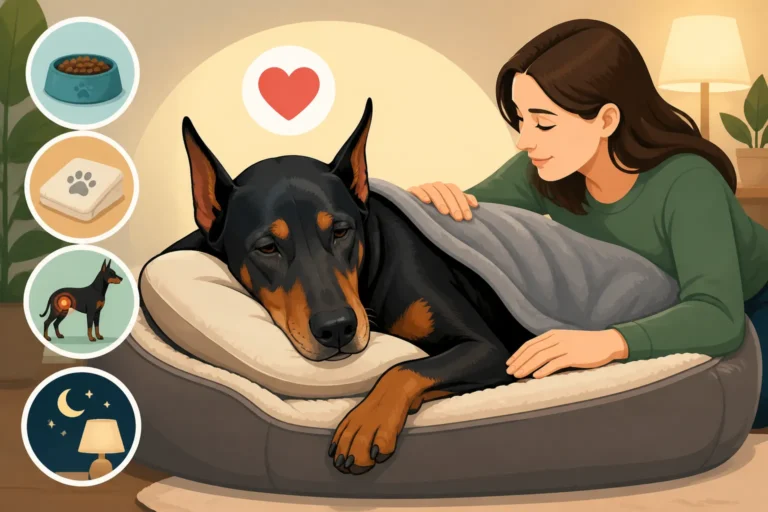
Palliative care extends beyond medication. It involves creating an environment where your Doberman feels safe, loved, and comfortable. This might mean adjusting their sleeping arrangements so they can breathe easier, providing softer bedding to cushion their bony frame, or offering hand-fed meals to encourage eating. It’s about tailoring their last days or weeks to their individual needs, ensuring every moment is filled with dignity and peace. Remember, the goal is not to prolong life at all costs, but to preserve quality of life as much as possible.
Some owners also explore complementary therapies like acupuncture or therapeutic massage, working with their vet to ensure these are appropriate and safe given their Doberman's condition. The objective is always to reduce suffering and enhance their comfort during their final journey. This dedicated focus on comfort allows you to cherish your remaining time together, free from the constant pursuit of aggressive, often debilitating, treatments.
Preparing for the Ultimate Decision
The decision to humanely euthanize your Doberman is arguably the hardest choice a pet owner will ever make. It's a profound act of love, choosing to end suffering when there are no other viable options for a good quality of life. This decision is deeply personal, and there is no single "right" time, only the right time for your Doberman and your family. Your veterinary team can help you identify when that moment might be approaching, based on the clinical signs and your Doberman's declining well-being.
Many vets use a "quality of life scale" to help owners objectively assess their pet's condition across various parameters like pain, appetite, hydration, hygiene, happiness, mobility, and the presence of more good days than bad. If the scores consistently indicate poor quality of life, it may be time. It’s okay to cry, to feel immense guilt, and to struggle with this decision. These feelings are normal, and a compassionate vet will acknowledge them.
When you do make the decision, discuss the practical arrangements with your vet. You can choose to have the procedure done at the clinic, or sometimes, a vet can perform it at home, which can provide a more peaceful and familiar setting for your Doberman's final moments. Think about who you want present, if you want private cremation or burial, and how you will say your final goodbyes. Planning these details can, paradoxically, reduce some of the stress on the day itself, allowing you to focus entirely on your Doberman. There are many resources available for grief support, and it's important to allow yourself time to mourn this profound loss.
Ensuring Comfort and Dignity in Their Final Chapter
As your Doberman's journey with DCM nears its end, your role shifts from managing the disease to creating a sanctuary of comfort and love. Every detail can contribute to their dignity and peace.
Modifying Their Environment for Ease
Your Doberman's physical comfort at home is paramount as their heart condition progresses. Think about their favorite spots: can they still access them easily? If stairs have become a challenge, consider setting up a comfortable resting area on the ground floor. Provide soft, orthopedic bedding that cushions their joints and prevents pressure sores, as their thin Doberman skin is prone to irritation. Heated beds can also offer immense comfort, especially for a Doberman who Feels the Cold Before Other Dogs, as their lean build and single coat make them susceptible to chills.
Ensure food and water bowls are easily accessible and at a comfortable height, so they don't have to bend down too far, which can exacerbate breathlessness. Keeping their environment calm and quiet, especially during their resting periods, is also crucial. Minimize loud noises, sudden movements, or anything that might startle or stress them. Their remaining energy is precious, and conserving it for peaceful moments is key.
If they have trouble with bladder or bowel control, consider using absorbent pads or doggy diapers to maintain hygiene and prevent discomfort or embarrassment for them. Regular, gentle cleaning and grooming will not only keep them physically comfortable but also reinforces your loving bond. These small adjustments can make a profound difference in their daily well-being, allowing them to relax more fully in their familiar surroundings.
Managing Medications and Symptom Relief at Home
Adhering to their medication schedule is more important than ever for pain and symptom relief. Even with advanced DCM, medications like diuretics, ACE inhibitors, and sometimes anti-arrhythmics are crucial for managing fluid buildup and supporting heart function. Work closely with your vet to ensure you understand the dosage, timing, and potential side effects of each drug. If administering pills is a struggle, ask your vet about compounded liquid medications or other delivery methods.
Beyond heart medications, your vet might prescribe palliative drugs to address specific discomforts. These could include mild sedatives to help with anxiety and restlessness, especially at night, or anti-nausea medications if their appetite is affected. For Dobermans struggling with fluid in their lungs, a carefully managed diuretic regimen is critical for easing their breathing. Pay close attention to how your Doberman responds to medication; if a drug seems to cause more distress than relief, discuss it with your vet immediately.
Regularly assessing their breathing, appetite, and general demeanor will help you gauge the effectiveness of their symptom relief plan. Keep a log of their "good days" and "bad days" to track their overall trend. It's an ongoing process of adjustment and observation, aiming for as much comfort as possible. This attentive care helps in Keeping a Failing Doberman Comfortable at Home, ensuring their remaining time is peaceful.
Cherishing Every Remaining Moment
In these final stages, the most precious gift you can give your Doberman is your presence, your love, and your unwavering support. Spend quality time together, even if it's just quiet cuddles on the couch. Offer gentle petting, soft words, and reassurance. Let them know they are loved and safe. These moments of connection are not only comforting for them but also invaluable for your own healing process.
Try to engage them in any activities they still genuinely enjoy, even if they are significantly scaled down. If they loved car rides, a short, gentle drive might still bring a moment of happiness. If they enjoyed a particular toy, offer it, even if they only sniff it or briefly mouth it. The goal is to provide positive experiences and minimize stress. Take photos and videos; these will become cherished memories.
Allow yourself to grieve and to feel the full weight of this difficult time. It’s okay to be sad, angry, or overwhelmed. Seeking support from friends, family, or pet bereavement groups can provide immense comfort. This final chapter with your Doberman is a testament to the incredible bond you share, a bond that will endure long after they are gone.
Disclaimer
The information provided in this article is for educational and informational purposes only and does not constitute veterinary advice. Always consult with a qualified veterinary professional for any health concerns or before making any decisions about your Doberman's care.