How Many Dobermans Develop DCM
It’s a truly gut-wrenching experience to watch a Doberman, a picture of athleticism and vitality, suddenly falter due to heart disease. The silent threat of Dilated Cardiomyopathy (DCM) casts a long shadow over Doberman ownership, leaving many of us wondering just how prevalent this devastating condition truly is. This comprehensive guide aims to shed light on the alarming statistics, genetic underpinnings, and critical screening methods necessary to understand and manage DCM in our beloved Dobermans.
Understanding Dilated Cardiomyopathy DCM in Dobermans
When you bring a Doberman into your home, you're not just getting a dog; you're welcoming a loyal, intelligent, and incredibly athletic companion. Yet, beneath that sleek coat and powerful physique lies a heartbreaking vulnerability: a predisposition to Dilated Cardiomyopathy (DCM). This isn't just a generic heart issue; it's a specific, aggressive disease that disproportionately affects Dobermans, making it a primary concern for every owner and breeder. It's the kind of diagnosis that can hit you like a truck, often when your dog seems perfectly healthy on the outside.
The Insidious Nature of Doberman DCM
Dilated Cardiomyopathy is a progressive disease of the heart muscle. Essentially, the heart muscle becomes thin and weakened, leading to an enlarged heart that struggles to pump blood effectively to the rest of the body. Imagine your heart as a powerful, elastic pump; with DCM, that pump loses its elasticity and strength, becoming flabby and inefficient. This decreased pumping ability causes blood to back up, leading to fluid accumulation in the lungs (pulmonary edema) and abdomen (ascites), as well as poor circulation throughout the body. The real kicker is how insidious it is; for a long time, there are no outward signs. Your Doberman might be romping, playing, and acting completely normal while their heart is silently failing. This "occult phase" can last for years, making early detection incredibly challenging without specific screening. Understanding Why a Doberman Heart Fails Before Anyone Notices is crucial for every Doberman parent.
The progression of DCM typically involves two main phases: the occult (hidden) phase and the overt (clinical) phase. In the occult phase, the heart is already undergoing changes, often developing arrhythmias (irregular heartbeats) and starting to enlarge, but the dog shows no symptoms. This is the period when an annual echo and Holter screening for a Doberman becomes absolutely vital. Many owners are lulled into a false sense of security because their dog appears healthy, active, and happy. Then, seemingly out of nowhere, clinical signs appear, often suddenly and severely. These can include coughing, difficulty breathing, lethargy, reduced exercise tolerance, and even fainting spells. By the time these symptoms manifest, the disease is usually quite advanced, making treatment more challenging and the prognosis less favorable. It's a race against time, where early vigilance truly makes a difference.
Why the Breed is So Susceptible
The Doberman's susceptibility to DCM isn't just bad luck; it's deeply rooted in their genetics. Unlike some breeds where DCM is often linked to nutritional deficiencies or other underlying conditions, in Dobermans, it's overwhelmingly a genetic problem. This means it's passed down through generations, making careful breeding practices absolutely paramount. The breed's lineage, while creating a dog of unparalleled elegance and athleticism, also inadvertently concentrated these genetic predispositions. It's a cruel irony that the very traits we admire in the breed are intertwined with this devastating health challenge.
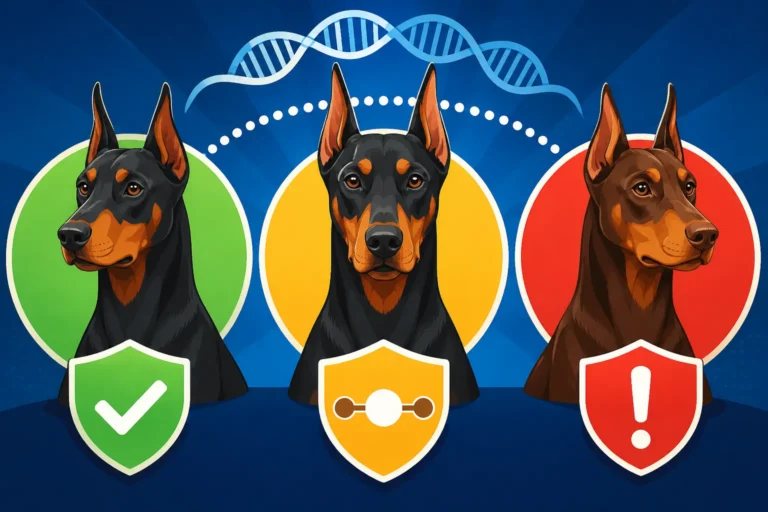
Researchers have identified specific genetic mutations that are strongly associated with DCM in Dobermans, most notably the DCM1 and DCM2 genes. These aren't the only pieces of the puzzle, but they are significant contributors to The Two Doberman DCM Gene Tests commonly available. This genetic component means that even if a Doberman's parents appear healthy and live long lives, they could still be carriers of the genes, unknowingly passing them on to their offspring. This makes the breeder's role in genetic health testing absolutely critical for the future of the breed. Without responsible screening and selective breeding, the prevalence of DCM will continue to plague Doberman lines, creating endless heartache for owners who simply want a healthy, long-lived companion.
Statistics and Prevalence: The Sobering Reality
Discussing the numbers surrounding Doberman DCM can feel pretty heavy, but it's absolutely essential to face the reality. For anyone considering a Doberman, or for those of us who already share our lives with one, understanding the statistics isn't about fear-mongering; it's about being informed, prepared, and proactive. The prevalence of DCM in this breed is truly alarming, making it one of the most significant health challenges Doberman owners confront.
The Stark Numbers of Affected Dobermans
It's difficult to give a single, universally accepted number for how many Dobermans develop DCM, as studies vary and detection methods improve. However, the general consensus among veterinary cardiologists and breed enthusiasts is that the rate is shockingly high. Some studies suggest that as many as 50% or even higher of all Dobermans will develop DCM in their lifetime. Let that sink in for a moment: half of all Dobermans you meet could eventually succumb to this disease. This makes DCM The Heart Disease That Reaches Most Dobermans. While some dogs may live a full life with subclinical disease, for many, it progresses to overt heart failure.
A significant portion of Dobermans that are seemingly healthy will show signs of DCM upon thorough cardiac screening, even if they aren't exhibiting outward symptoms. For instance, a Doberman that appears perfectly fine can go for an annual echocardiogram or Holter monitor, and the results might reveal significant cardiac abnormalities. It's this high incidence, particularly the hidden phase, that makes annual screening so critically important. The disease doesn't discriminate based on your dog's activity level or how well you feed them; it’s a genetic ticking time bomb for far too many. It's not uncommon for a young Doberman, full of life and energy, to suddenly experience Sudden Death in a Young Doberman due to an undetected severe arrhythmia, a tragic hallmark of DCM.
Comparing US and European Doberman Rates
There's a persistent discussion within the Doberman community about whether American Dobermans and European Dobermans differ in their susceptibility to DCM. While the exact figures can be debated, many breeders and owners believe there are differences, often citing perceived variations in breeding practices and historical selection pressures. Some anecdotal evidence, and even some studies, suggest that European lines might have a slightly lower incidence of DCM or a later onset compared to some American lines, but it's far from a definitive statement of immunity. This complex topic is explored further in discussions about Why European and American Doberman Rates Differ.
The genetic makeup within different Doberman populations plays a significant role. European breeders often focus heavily on working ability and temperament, alongside health, sometimes utilizing more comprehensive health testing protocols that differ from or predate those commonly used in America. However, DCM is still a major concern for both types. No Doberman line, whether American or European, is immune to DCM, and responsible breeding is crucial worldwide. It’s important not to assume that simply getting a European Doberman guarantees a heart-healthy dog. Both lines carry the genetic burden, and both require diligent health screening and careful genetic selection to mitigate the risk. The goal, regardless of lineage, remains the same: to reduce the prevalence of this devastating disease through informed choices.
Here’s a simplified comparison of prevalence, based on general consensus, to illustrate the point, though exact numbers can fluctuate based on specific studies and regions:
| Doberman Lineage | Perceived DCM Prevalence | Key Contributing Factors |
|---|---|---|
| American Doberman | High (e.g., 50-60%+) | Focus on specific conformation, historical breeding practices, high concentration of known genetic variants. |
| European Doberman | Also High (e.g., 40-55%+) | Focus on working ability, different selection pressures, potentially broader genetic pool in some lines, but still a significant concern. |
Note: These percentages are approximations based on general discussions and research observations, not definitive statistics across all populations.
The Genetics Behind Doberman DCM
The frustration of dealing with DCM is amplified by its genetic nature. It's not something you can prevent with diet or exercise alone, although proper care certainly supports overall health. Understanding the genetic puzzle pieces that contribute to DCM in Dobermans is paramount for breeders striving to improve the breed and for owners who want to make informed decisions about their dog's health and potential risks.
The Role of the DCM1 Gene Test
One of the most significant breakthroughs in understanding Doberman DCM came with the identification of specific genetic mutations. The first major discovery was the PDK4 gene mutation, often referred to as the DCM1 gene. This mutation, found in a substantial percentage of Dobermans, is linked to a higher risk of developing DCM. It's a dominant gene, meaning a dog only needs to inherit one copy from either parent to be considered at risk. When you talk about The DCM1 Gene Test Explained for Doberman Owners, it's about identifying this particular marker.
If your Doberman tests positive for the DCM1 gene, it means they have an increased genetic predisposition to develop DCM. However, it’s not a death sentence. Not every Doberman with this mutation will develop the disease, and some may develop it later in life or in a milder form. This concept of "incomplete penetrance" can be incredibly confusing and frustrating for owners. You might have a Doberman who tests positive but lives to a ripe old age with a healthy heart, while another positive dog develops severe DCM early on. This variability highlights that genetics are complex and often influenced by other unknown factors, both genetic and environmental. Still, identifying this gene helps breeders make more informed decisions about breeding pairs to reduce the prevalence in future generations.
Unpacking the DCM2 Titin Variant
As researchers continued their work, another crucial genetic marker was identified: the DCM2 Titin variant. This variant, which is distinct from the DCM1 gene, also plays a significant role in Doberman DCM. While the DCM1 mutation is associated with a specific protein involved in energy metabolism within heart cells, the DCM2 variant is linked to the Titin gene, which codes for a giant protein crucial for the structure and elasticity of muscle, including the heart. The discovery of The DCM2 Titin Variant in Dobermans added another layer of complexity and understanding to the genetic landscape of DCM.
Similar to DCM1, a positive test for the DCM2 variant indicates an increased risk of developing DCM. What makes it even more challenging is that a Doberman can test positive for both DCM1 and DCM2, or only one of them. Studies are ongoing to understand the cumulative effect of these two genes. Does carrying both significantly increase the risk or accelerate the onset of the disease? Current thinking suggests that having both mutations does indeed heighten the risk and potentially the severity of the disease. This means breeders need to consider both test results when making pairing decisions, aiming to breed away from dogs carrying either variant, and especially those carrying both. These genetic tests are invaluable tools, but they are just part of a larger picture that includes regular cardiac screening.
When Genetics Don't Tell the Whole Story
Here's where it gets truly frustrating: even with the advancements in genetic testing, a significant number of Dobermans will still develop DCM despite testing clear for both the DCM1 and DCM2 variants. This reality can be incredibly disheartening for owners and breeders who have gone to great lengths to follow best practices, only to face the same heartbreaking outcome. This phenomenon underscores the fact that DCM is a polygenic disease, meaning it's influenced by multiple genes, some of which we haven't even identified yet. There are likely other, as-yet-undiscovered genetic mutations or combinations of genes that contribute to the disease. It's a sobering reminder that a clear genetic panel is not a guarantee of a DCM-free life. Understanding that A Doberman That Tests Clear and Still Gets DCM is a real possibility emphasizes the ongoing need for vigilance.
This is why genetic testing, while valuable, should never replace regular cardiac screening. An echocardiogram and Holter monitor can detect the physical changes in the heart muscle and the presence of arrhythmias, regardless of the genetic cause. Breeders committed to improving the health of the breed understand this deeply. They utilize genetic tests to inform breeding decisions, trying to reduce the frequency of known risk factors, but they also diligently screen their breeding stock with echocardiograms and Holter monitors to ensure they are not passing on the disease, even if the genetic markers are currently unknown. The quest for more genetic understanding is ongoing, with researchers continually working to identify additional markers that could help paint a more complete picture of DCM susceptibility in Dobermans.
Diagnosing DCM: Catching the Unseen Threat
Given the high prevalence and the insidious nature of DCM in Dobermans, regular screening is not just recommended; it's absolutely essential. Many owners, myself included, have wrestled with the worry that our seemingly healthy Doberman could be silently developing heart disease. The only way to truly ease that anxiety, or to catch the problem early enough to intervene effectively, is through consistent, specialized veterinary diagnostics.
The Critical Role of Annual Echo and Holter Screening
For Doberman owners, the words "echocardiogram" (echo) and "Holter monitor" should become part of your yearly vocabulary. These two diagnostic tools are the gold standard for detecting DCM in its early, asymptomatic stages. An echocardiogram is essentially an ultrasound of the heart. It allows a veterinary cardiologist to visualize the heart's chambers, measure wall thickness, assess valve function, and evaluate how effectively the heart is pumping blood. This can detect the subtle enlargement or weakening of the heart muscle that characterizes early DCM.
The Holter monitor, on the other hand, is a portable electrocardiogram (ECG) device that your Doberman wears for 24 hours. It continuously records the heart's electrical activity throughout a normal day, capturing any arrhythmias (irregular heartbeats) that might not be present during a brief vet visit. Many Dobermans with early DCM will develop ventricular premature contractions (VPCs), which are abnormal heartbeats that can lead to more serious arrhythmias and even sudden death. A Holter monitor is invaluable for detecting these, as they often occur sporadically. For any Doberman, particularly starting around 2-3 years of age, Annual Echo and Holter Screening for a Doberman is the most crucial step you can take to protect their heart health. These screenings should continue yearly, as the age Doberman heart disease usually starts can vary, but often manifests in middle age.
Why "Looking Fine" Isn't Enough
This is perhaps the hardest truth for many Doberman owners to accept: your dog can look perfectly healthy, brimming with energy, and show no outward signs of illness, while silently suffering from advanced heart disease. We’ve all seen those vibrant, athletic Dobermans, leaping and playing, who then suddenly collapse or become symptomatic. This is the cruel reality of the "occult phase" of DCM, a period where the heart is undergoing significant pathological changes, but the compensatory mechanisms of the body are still working overtime to mask the issue. This is exactly Why a Doberman Can Look Fine and Be Ill.
The problem is that by the time overt symptoms appear—like coughing, breathlessness, reduced stamina (A Doberman That Tires Faster Than It Used To), or fainting (A Doberman That Faints on a Walk)—the disease has progressed significantly. At this stage, management becomes more about alleviating symptoms and extending comfort rather than truly halting the disease's progression. This is why cardiologists emphasize that waiting for symptoms is waiting too long. Regular screening, even when your Doberman appears to be in peak condition, is your best defense against the devastating impact of DCM. It allows for potential early intervention with medication, which can significantly improve prognosis.
Interpreting Screening Results
Getting your Doberman's cardiac screening results can be nerve-wracking. The cardiologist will provide you with a detailed report from both the echocardiogram and the Holter monitor. For the echocardiogram, they'll be looking at measurements like left ventricular internal diameter (LVID), fractional shortening (FS), and ejection fraction (EF) to assess heart size and pumping efficiency. Abnormal values in these measurements can indicate the onset of DCM. They will compare these to breed-specific reference ranges.
For the Holter monitor, the primary concern is the number of Ventricular Premature Contractions (VPCs) detected. While a few VPCs can be normal, a significant number—often above 50 or 100 in 24 hours, though thresholds vary by cardiologist—can be a strong indicator of occult DCM and a predictor of future clinical disease. Reading a Doberman's Holter Result is something your cardiologist will walk you through, explaining what the numbers mean for your specific dog. It's not just about the raw count of VPCs, but also their morphology and whether they occur in runs or clusters, which can be more dangerous. If abnormalities are found, your cardiologist will discuss the next steps, which may include further monitoring or initiating medication to support heart function and manage arrhythmias. Remember, an abnormal result isn't the end; it's the beginning of a proactive management plan.
Living with a Doberman with DCM: Management and Prognosis
Receiving a DCM diagnosis for your Doberman is, without a doubt, one of the hardest pieces of news an owner can hear. It’s overwhelming, frightening, and often leaves you feeling helpless. But it's important to remember that a diagnosis is not a sudden end; it’s the beginning of a new chapter focused on management and comfort. There are strategies and medications that can significantly improve your Doberman’s quality of life and, in some cases, extend their time with you.
Early Intervention and Medication's Impact
One of the most promising aspects of early DCM detection is the opportunity for proactive medical intervention. If DCM is caught in the occult phase—meaning before your Doberman shows any symptoms—certain medications can be started to slow the progression of the disease and delay the onset of clinical signs. The most commonly used drug for this purpose is pimobendan (Vetmedin). Studies have shown that starting pimobendan in Dobermans with occult DCM can significantly extend the asymptomatic period and improve survival times. This is why discussions around Pimobendan Before a Doberman Shows Signs are so vital.
Beyond pimobendan, other medications might be introduced depending on the specific cardiac abnormalities detected. Antiarrhythmic drugs, for example, may be prescribed if the Holter monitor reveals a high burden of ventricular arrhythmias. Diuretics are used to manage fluid accumulation once the dog enters the overt phase with signs of congestive heart failure. The goal of early intervention is to support the heart muscle, improve its pumping efficiency, and manage any dangerous arrhythmias, thereby giving your Doberman more good quality time. This proactive approach underscores why regular screening is not just about identifying a problem, but about opening the door to life-extending treatments.
Understanding the Progression of the Disease
DCM is a progressive disease, meaning it will unfortunately worsen over time, even with medication. However, the rate of progression can vary widely between individual Dobermans. Some may have a slow, manageable decline, living for years after diagnosis, while others may experience a rapid deterioration. Factors like the severity of the initial heart changes, the presence and type of arrhythmias, and adherence to medication protocols can all influence the course of the disease. It's a journey filled with ups and downs, requiring constant communication with your veterinary cardiologist.
As the disease progresses into the overt phase, your Doberman will likely show clinical signs such as persistent coughing, difficulty breathing, reduced appetite, and severe lethargy. This is the stage where the heart's ability to pump blood is significantly compromised, leading to congestive heart failure. Managing this phase often involves multiple medications to control fluid buildup, support heart function, and maintain comfort. It’s a challenging time, and every owner eventually faces the painful question of How Long a Doberman Lives After a DCM Diagnosis. While the prognosis is generally guarded, with diligent care and medical management, many Dobermans can still enjoy several months to a couple of years of good quality life post-diagnosis. The key is monitoring their comfort and quality of life, adjusting medications as needed, and knowing when to make difficult decisions. Financial planning, perhaps through pet insurance providers like Healthy Paws, is also important, as the lifetime heart medication for a Doberman can add up, and insurance can help alleviate the financial burden during such a trying time.
The Future of Doberman Health and Responsible Breeding
The high incidence of DCM in Dobermans is a stark reminder of the responsibilities that come with breeding and owning this magnificent breed. The future health of the Doberman lies squarely in the hands of dedicated breeders, informed owners, and ongoing scientific research. It's a collective effort to shift the narrative from a breed riddled with heart disease to one that thrives with longer, healthier lives.
Breeder Responsibilities and Health Testing
Responsible Doberman breeders are the frontline defense against DCM. Their ethical obligation extends far beyond producing beautiful puppies; it's about ensuring those puppies have the best possible chance at a long, healthy life. This starts with rigorous health testing of all breeding stock. A reputable breeder will not only conduct genetic tests for DCM1 and DCM2, but they will also perform annual echocardiograms and 24-hour Holter monitoring on their breeding dogs, ideally through a board-certified veterinary cardiologist. They should be transparent with these results and able to explain The Health Testing a Doberman Breeder Must Show to potential puppy buyers.
Furthermore, responsible breeders should be tracking the health and longevity of their breeding lines for generations. This involves maintaining open communication with puppy buyers, encouraging them to report health outcomes, both good and bad. By understanding the health history of an entire pedigree, breeders can make more informed decisions to reduce the incidence of DCM. This often means carefully selecting breeding pairs to avoid doubling up on genetic risk factors and, in some cases, making difficult decisions not to breed certain dogs, even if they possess desirable conformation or temperament. Organizations like the Doberman Pinscher Club of America (DPCA) actively promote and encourage these health screening guidelines among their members, striving to educate and support breeders in their critical work.
The Ongoing Quest for More Answers
Despite the significant strides made in understanding Doberman DCM, there are still many unanswered questions. Why do some Dobermans with the DCM1 and DCM2 genes never develop the disease, while others who test clear succumb to it? What other genetic or environmental factors are at play? Scientists and veterinary cardiologists continue their dedicated research to unravel these complexities. Studies are exploring additional genetic markers (beyond DCM1 and DCM2), environmental triggers, and the potential role of nutrition in DCM development. The discussion around Whether Grain-Free Food Adds to Doberman DCM is one such example of ongoing research into environmental factors that could impact cardiac health.
This ongoing research is vital for the long-term health of the Doberman breed. Every new discovery brings us closer to more accurate genetic tests, more effective treatments, and, ultimately, the possibility of eradicating DCM from the breed altogether. As owners, supporting breed-specific health research, being proactive with our own Doberman's health testing, and choosing responsible breeders who prioritize health are how we contribute to this future. It's a long road, but with continued effort and collaboration, we can hope for a future where the Doberman's heart is as robust as their spirit. Investing in pet insurance, for example, with a comprehensive provider like Healthy Paws, not only protects your wallet but can also give you peace of mind that you can afford the advanced care and diagnostics needed as veterinary science progresses. Remember, the goal is not just to live with DCM, but to actively work towards a healthier, brighter future for every Doberman.
Disclaimer
The information provided in this article is for educational purposes only and should not be considered a substitute for professional veterinary advice. Always consult with a qualified veterinarian or veterinary cardiologist for any health concerns or before making any decisions related to your Doberman's medical care.