Whether a Doberman Suits a Tight Budget
Bringing a Doberman into your life is a dream for many, offering unparalleled companionship and loyalty, but the reality is, these magnificent dogs come with significant financial considerations. It’s a common worry – can I truly afford to provide the best for my Doberman without breaking the bank? This guide aims to lay out the full spectrum of costs involved, from the initial puppy purchase to unexpected medical bills, so you can make an informed decision about whether this wonderful breed truly fits your budget.
Initial Financial Outlays for a Doberman
The moment you decide to welcome a Doberman into your home, you're looking at a series of upfront costs that can be substantial. These aren't just the price of the puppy itself, but all the essential preparations to ensure your new family member has everything they need to thrive. Skimping on these initial investments can often lead to greater expenses or problems down the road, so it's wise to budget appropriately from the very beginning.
The Price Tag of a Doberman Puppy
The cost of a Doberman puppy can vary wildly depending on the breeder's reputation, the dog's lineage (show lines versus working lines), health testing performed on the parents, and even your geographical location. A reputable breeder, one who invests heavily in health screening their breeding stock for genetic conditions like Dilated Cardiomyopathy (DCM), Von Willebrand Disease, and Wobbler Syndrome, will naturally charge more. This isn't just a premium; it reflects the substantial investment they've made to produce healthy, well-tempered puppies. Expect to pay a significant amount for a puppy from such a program. Conversely, a lower-priced puppy might seem like a bargain, but it often comes with a higher risk of future health problems or temperament issues, ultimately costing you far more in vet bills or training. Understanding What Breeders Ask for a Doberman Puppy can help set realistic expectations.
Think about it this way: that initial purchase price isn't just for a dog; it's an investment in a potentially healthier, more stable companion. A breeder who proudly shares generations of health clearances, temperament assessments, and conformation or working titles isn't just showing off; they're demonstrating due diligence that mitigates future risk for you. You might find puppies for less from backyard breeders or online ads, but they often cut corners on critical health testing and proper socialization, leaving you to deal with the consequences later.
Essential Startup Gear and Supplies
Once you have your puppy, you'll need to kit them out. Dobermans are large, powerful dogs, and their gear needs to match. This isn't just a collar and leash; it's a comprehensive shopping list. A sturdy crate, large enough for an eighty-pound adult Doberman, is a must for house training and providing a safe den. Think extra-large or even giant sizes. Then there's bedding – Dobermans are lean with minimal body fat, so a comfortable, orthopedic bed is crucial, especially as they grow. They're also smart and strong chewers, so you'll need durable toys that can withstand their powerful jaws.
Food and water bowls, grooming supplies (even for their short coats), puppy pads, and cleaning supplies for inevitable accidents are all part of the initial haul. Training equipment, like a strong leash and a comfortable harness (many Doberman owners opt for front-clip harnesses to manage pulling), will also be necessary. When you’re looking at Kitting Out for a Doberman Puppy That Will Hit Eighty, these costs quickly add up. Don't forget puppy-specific food; choosing a high-quality large-breed puppy formula is vital for their rapid growth and skeletal development. Retailers like Chewy offer a vast selection, but even with competitive pricing, the initial bulk purchase can be quite a shock.
Ear Cropping and Tail Docking Considerations
For many Doberman owners, the traditional cropped ears and docked tail are part of the breed's iconic look. While tail docking is typically done by the breeder when the puppies are just a few days old, ear cropping is a surgical procedure performed between 8 and 12 weeks of age. This procedure requires a specialized veterinarian with experience in Doberman crops, and it's not a trivial expense. The cost includes the surgery itself, anesthesia, post-operative pain medication, and weeks, if not months, of follow-up care for posting the ears to stand correctly.
The aftercare for cropped ears is critical and can be quite time-consuming and costly. You'll have weekly or bi-weekly vet visits for tape changes, or you might learn to do it yourself, which still requires supplies. If the ears don't stand correctly after the initial posting period, you might face additional expenses for further taping or even corrective procedures. It's a commitment that extends well beyond the initial surgery. For a full picture, you might want to look into Doberman Ear Cropping From Surgery to Last Posting. If you choose an uncropped Doberman, you save on these costs, but it’s a decision often made for aesthetic or ethical reasons, not purely financial, though the financial savings are certainly a bonus.
Ongoing Monthly and Yearly Expenses
The initial costs are just the beginning; the real financial commitment of a Doberman unfolds over their lifetime through recurring monthly and annual expenses. These are the costs that shape your budget consistently and require careful planning. From what goes into their bowl to their yearly check-ups, these regular outlays ensure your Doberman remains healthy and well-adjusted.
Feeding a Large, Active Doberman
Dobermans are large, athletic dogs with high energy levels, and they need a high-quality diet to sustain them. This isn't a breed you can skimp on when it comes to food. A premium kibble formulated for large breeds, with good protein sources, can be quite an expense, especially when you consider an adult Doberman can consume several cups a day. If you opt for a fresh food diet, like those offered by services such as Ollie, or a raw diet, the costs will be significantly higher.
The type of food matters not just for energy, but for overall health. Some Doberman owners are particularly mindful of ingredients due to health concerns like dilated cardiomyopathy, making sure their food provides adequate taurine and carnitine. This often means carefully selecting brands and potentially adding supplements, which further adds to the monthly grocery bill. A single month of food for an eighty-pound Doberman can easily become one of your largest recurring expenses. Understanding Feeding an Eighty-Pound Doberman Well is crucial for budgeting.
Routine Veterinary Care and Preventatives
Even a perfectly healthy Doberman needs regular veterinary care. Annual wellness exams, vaccinations, and routine deworming are standard. Beyond that, Dobermans, like many large breeds, are prone to certain health issues that require proactive screening. This includes yearly heart checks (echocardiograms and Holter monitoring) to screen for Dilated Cardiomyopathy (DCM), which is sadly prevalent in the breed. These specialized screenings are not cheap and can become a significant annual expense. The Annual Echo and Holter Screening for a Doberman is a critical part of responsible Doberman ownership.
Then there are monthly preventatives: flea, tick, and heartworm medications. Given a Doberman's size, these doses are larger and therefore more expensive than for a smaller dog. These medications are non-negotiable for protecting your Doberman from common parasites and serious diseases. Over the course of a year, these routine vet visits and preventative medications can add up, becoming a substantial part of What a Doberman Costs Month to Month. It’s easy to underestimate these predictable costs until you see the totals.
Training and Socialization Investments
A Doberman's intelligence and protective instincts make training and socialization not just beneficial, but absolutely essential. These are powerful dogs, both physically and mentally, and an untrained Doberman can quickly become a handful, or worse, a liability. Puppy classes are just the beginning. Many Doberman owners find themselves enrolling in advanced obedience, canine good citizen classes, or even working sports like Schutzhund or agility to keep their dog mentally stimulated and physically fit.
Professional training can range from group classes to private lessons or even board-and-train programs, with costs varying significantly. Investing in a knowledgeable trainer who understands the Doberman temperament is crucial. Early and ongoing socialization is also vital; exposing your Doberman puppy to a variety of people, places, sounds, and other dogs helps build a confident, well-adjusted adult. Without proper training and socialization, behavioral issues can develop, leading to further expenses in remedial training or, in extreme cases, rehoming. These investments are vital for shaping a Doberman that is a joy to live with and a well-behaved member of society.
Navigating Unexpected and Major Health Costs
This is where the financial reality for Doberman owners can become truly daunting. While routine care is predictable, the breed's predisposition to certain serious health conditions means that unexpected and major medical bills are a very real possibility, and often, a certainty. These are the expenses that can easily push a tight budget past its breaking point if not planned for.
The Shadow of Doberman Health Issues
Dobermans are, unfortunately, susceptible to several serious genetic health conditions that can be incredibly expensive to treat. Dilated Cardiomyopathy (DCM) is perhaps the most devastating, leading to heart failure. Many Dobermans live for years in an "occult" phase, showing no symptoms, before suddenly collapsing or developing advanced heart disease. Once diagnosed, managing DCM often involves a regimen of costly medications for the rest of their life. The Yearly Heart Bill for a Doberman can be astronomical, and treatments can extend their life, but they rarely cure the condition. Learning about How Long a Doberman Lives After a DCM Diagnosis can provide a sobering perspective.
Beyond DCM, Dobermans are also prone to Wobbler Syndrome (cervical vertebral instability), a condition affecting the neck vertebrae that can lead to neurological issues and even paralysis. Surgical intervention for Wobblers is extremely expensive, often requiring specialist veterinary neurologists, MRIs, and extensive post-operative physical therapy. Doberman Wobbler Surgery and the Bills That Follow can be financially crippling. Other conditions like Von Willebrand's Disease (a bleeding disorder), hypothyroidism, and certain cancers also contribute to the breed's higher-than-average veterinary costs. It's not a matter of "if" your Doberman will face a major health issue, but often "when."
Pet Insurance: A Financial Lifeline or Another Expense?
Given the breed's health challenges, pet insurance is often recommended, but it's another line item in the budget. It can be a genuine financial lifeline when those big bills hit, but it also comes with its own considerations. You need to enroll your Doberman early, ideally as a puppy, before any pre-existing conditions can be diagnosed, because most policies won't cover conditions that presented symptoms or were diagnosed before enrollment or during a waiting period. This is why Insuring a Doberman Before the Heart Turns is so critical.
Providers like Healthy Paws, for example, are popular choices, but you need to carefully review their policies, deductibles, reimbursement percentages, and annual limits. Some insurers may even have breed-specific exclusions or higher premiums for Dobermans due to their known health risks. If your Doberman is diagnosed with a condition like DCM before you have insurance, that condition will almost certainly be considered pre-existing and won't be covered. This means you’ll be paying out-of-pocket for expensive medications and treatments for the rest of your dog's life. Deciding whether pet insurance is a necessary expense or an unaffordable luxury often depends on your personal financial risk tolerance and savings.
Emergency Vet Visits and Specialist Care
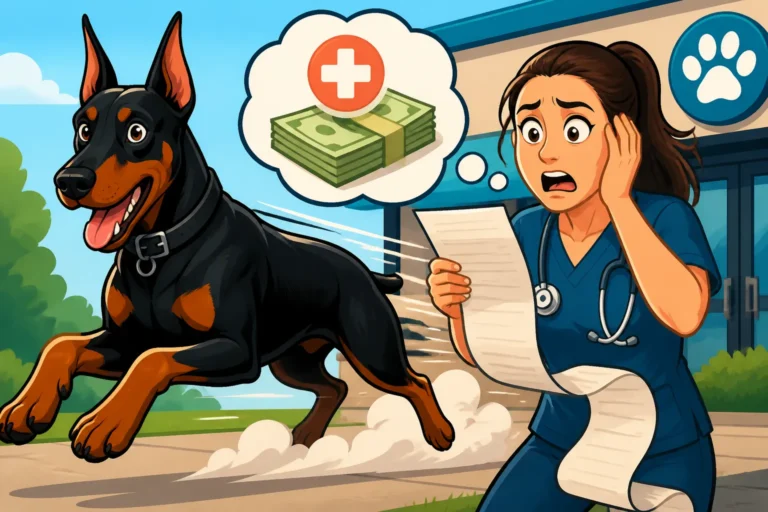
Even with the best preventative care and insurance, emergencies happen. A Doberman can suffer an acute injury, develop a sudden illness, or, tragically, experience an urgent onset of a chronic condition. These emergency visits, especially after hours, come with premium pricing. A sudden collapse due to an undiagnosed heart condition, a severe bloat (gastric torsion, another risk for deep-chested breeds), or an accidental injury can lead to thousands of dollars in veterinary bills overnight.
For complex issues, your primary vet might refer you to a specialist – a veterinary cardiologist, neurologist, or oncologist. These specialists provide expert care, but their services, including advanced diagnostics like MRIs, CT scans, and specialized surgeries, are significantly more expensive than general veterinary practice. A single visit to an emergency vet clinic for a collapsing Doberman can cost a small fortune, let alone subsequent specialist consultations and treatments. You can learn more about the potential costs of these situations by researching Emergency Vet Fees for a Collapsing Doberman. These are the costs that truly test a tight budget and emphasize the need for either robust insurance or a substantial emergency fund.
Lifestyle and "Hidden" Costs of Doberman Ownership
Beyond the direct costs of food and vet care, a Doberman's specific needs and characteristics introduce a range of "hidden" or lifestyle-related expenses that many prospective owners don't fully anticipate. These are the costs that reflect how deeply a Doberman integrates into your daily life and can impact everything from your travel plans to your housing choices.
Boarding, Pet-Sitting, and Travel Expenses
Dobermans are famously "Velcro dogs," deeply bonded to their families. This makes leaving them behind a challenge, both emotionally and logistically. Finding boarding kennels that are comfortable with large, powerful breeds like Dobermans, especially those with cropped ears, can sometimes be difficult and often more expensive. Many kennels have breed restrictions or charge higher rates for dogs requiring extra handling or care.
If you opt for a pet-sitter, finding one experienced and comfortable with Dobermans, particularly one who can manage their strong personalities and specific exercise needs, is key. This personalized care often comes at a premium. Traveling with a Doberman also has its own costs: airline pet fees are substantial, and finding pet-friendly accommodations that welcome large breeds can limit your options and increase lodging prices. You might even find that some places simply don't accept Dobermans, which can complicate your plans. For those considering options, research into Daycare That Accepts a Doberman might be a good starting point for budgeting these types of services.
Property and Liability Insurance Implications
Owning a Doberman can also impact your home and renters insurance policies. Due to outdated perceptions or breed-specific legislation in some areas, Dobermans are sometimes listed on "dangerous breed" lists by insurance companies. This can lead to higher premiums, breed exclusions on your policy, or even outright refusal of coverage. You might be forced to switch insurance providers or pay for a separate rider to ensure liability coverage in case your Doberman ever causes harm to a person or another animal.
Beyond insurance, you might need to invest in securing your property. A Doberman, with its athletic capabilities, often requires a sturdy, high fence to prevent escapes, which can be a significant home improvement cost. Their protective nature also means you might need to invest in secure kenneling or specialized training to manage their interactions with visitors or delivery personnel, ensuring their guarding instincts don't cross into undesirable territory. Exploring What a Doberman Adds to a Liability Premium is an important step before committing to the breed.
Time as Your Most Valuable Investment
While not a direct monetary cost, the time commitment a Doberman demands is perhaps the most significant "expense" of all, and it directly impacts how much money you might spend. Dobermans are not dogs that can be left alone for long hours without consequences. They crave interaction, mental stimulation, and consistent exercise. If you can't provide this time yourself, you'll end up paying others to do it: dog walkers, doggy daycare, or specialized trainers.
A Doberman thrives on having a job, whether it's formal working sports, advanced obedience, or simply being an active participant in your daily life. Without sufficient mental and physical outlets, they can become bored, destructive, or develop behavioral problems, leading to damaged property or increased training expenses. Your time, patience, and dedication are invaluable. If you have a tight budget, the ability to invest your own time in training, exercise, and companionship can help offset some of the potential costs of professional services, but it’s still a huge commitment that needs to be factored into your decision.
| Cost Category | Description | Budgetary Impact |
|---|---|---|
| Initial Costs | Puppy purchase, ear crop/aftercare, crate, beds, bowls, leash, collar, first vet visit, puppy food. | Significant upfront lump sum. |
| Recurring Monthly | High-quality adult food, treats, monthly flea/tick/heartworm prevention. | Consistent, essential monthly outflow. |
| Annual/Periodic | Vet wellness exams, vaccinations, heart screenings (echo/Holter), professional grooming, training classes/workshops. | Predictable annual spikes in spending. |
| Emergency/Major | Unforeseen illnesses (DCM, Wobblers), accidents, surgeries, specialist consultations. | Potentially devastating, unpredictable, high-cost events. |
| Lifestyle | Boarding/pet-sitting, property modifications (fencing), higher insurance premiums, specialized toys/equipment. | Variable, depends on lifestyle and home situation. |
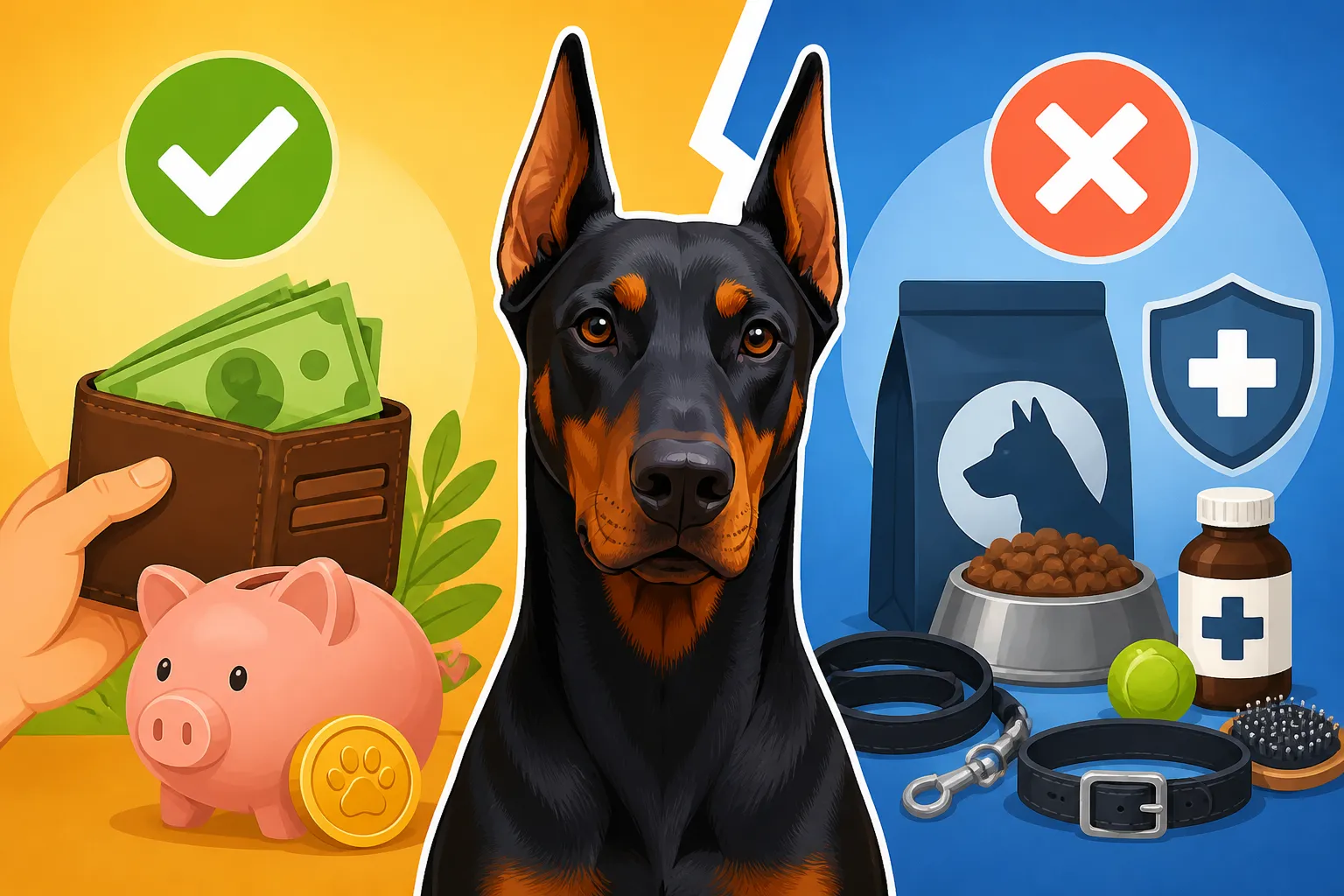
Ultimately, living with a Doberman on a truly tight budget is incredibly challenging and often unrealistic. The breed’s inherent health risks, coupled with their needs for high-quality food, extensive training, and active lifestyles, mean that responsible ownership demands a significant and ongoing financial commitment. It’s a decision that requires careful, honest assessment of your financial situation, not just for today, but for the next decade or so of your Doberman's life.
Disclaimer
This article is for general informational purposes only and does not constitute professional advice. Laws, prices and regulations vary by location and change over time. Consult a qualified professional for guidance on your specific situation.