Bundled DNA Panels for Doberman Breeders
One of the biggest anxieties for any dedicated Doberman breeder is the lurking uncertainty of genetic health conditions. You pour your heart and soul into your lines, meticulously selecting parents, but without a clear picture of their underlying genetic makeup, you're always playing a guessing game. This guide is here to shed light on how bundled DNA panels offer a comprehensive, proactive solution, moving beyond single-gene tests to give you a fuller understanding of your Doberman's genetic health profile.
Why Bundled DNA Panels Are a Game Changer for Doberman Breeders
For years, Doberman breeders have been diligently testing their dogs for individual genetic conditions, one by one. You’d send off a swab for Von Willebrand Disease, then another for Narcolepsy, and perhaps another for a specific DCM gene. It was a piecemeal approach, often expensive and time-consuming, and honestly, it felt like trying to solve a complex puzzle with only a few pieces. The frustration was real, the effort significant, and still, you might miss something crucial.
This is precisely why bundled DNA panels have emerged as such a vital tool. Instead of sending multiple samples to different labs for various tests, a bundled panel allows you to screen for a wide array of genetic conditions relevant to Dobermans from a single sample. Think of it as a comprehensive health report card for your dog's DNA, all in one go. This isn't just about convenience, though that's certainly a huge bonus. It's about providing a holistic view of your breeding stock's genetic predispositions, allowing you to make truly informed decisions that safeguard the health of future generations. It’s a proactive step that can significantly reduce the heartache for future puppy owners who might otherwise face unforeseen veterinary bills that pet insurance providers like Healthy Paws help to cover later on.
The Shift from Single Tests to Comprehensive Panels
Historically, if you wanted to check for, say, a bleeding disorder, you'd order a specific test for Von Willebrand Disease Type I (vWD). If you were concerned about a neurological issue, you'd order a Narcolepsy test. Each test came with its own cost, its own sample collection kit, and its own turnaround time. You had to keep track of which tests were done, when, and for which dog. It was an administrative headache on top of the financial strain.
Bundled panels streamline this entire process. You collect one cheek swab or blood sample, and that single sample is then processed to look for dozens, sometimes over a hundred, different genetic markers. This approach not only saves time and money but also reduces the chances of overlooking a less common but still significant genetic condition that might not have been on your radar for individual testing. For responsible breeders, this comprehensive screening is no longer a luxury but a fundamental part of ethical breeding practices, giving potential owners far greater peace of mind.
Proactive Health Management for Future Generations
The ultimate goal of any reputable Doberman breeder is to produce healthy, well-tempered puppies that will thrive in their forever homes. Genetic testing, especially through comprehensive panels, is a cornerstone of achieving this. By understanding what genetic traits your breeding dogs carry, you can consciously select mating pairs that will not produce affected puppies for certain known conditions. This isn't about eliminating carriers from the gene pool entirely – that would be detrimental to genetic diversity – but rather about making educated pairings.
For instance, if one of your breeding females is a carrier for a recessive disease, you know to only breed her with a male who tests clear for that same condition. This way, while some puppies might still be carriers, none will actually suffer from the disease. This kind of forethought prevents future owners from facing preventable health crises, minimizing the need for specialized diets or medications, though reputable suppliers like Chewy offer a wide range of options should the need arise. It contributes directly to the longevity and quality of life for your Doberman puppies, fulfilling the profound responsibility you undertake as a breeder.
Deciphering the Doberman Health Landscape: Key Genetic Concerns and Tests
The Doberman breed, while magnificent, is unfortunately predisposed to a number of serious genetic health conditions. Understanding these conditions and knowing how to test for them is paramount for any breeder dedicated to improving the breed's health. Bundled DNA panels typically include tests for many of these, giving you a broad scope of insight into your dogs' genetic blueprint.
Dilated Cardiomyopathy (DCM) Genes
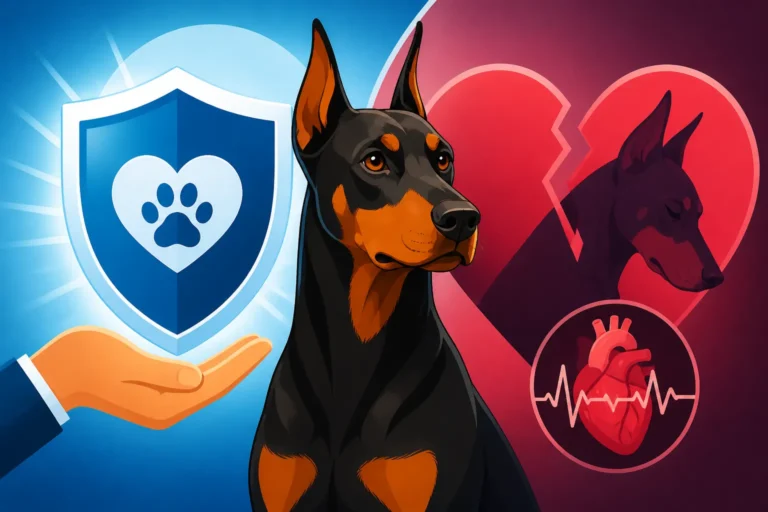
Perhaps the most devastating and well-known health issue in Dobermans is Dilated Cardiomyopathy (DCM). This heart disease causes the heart muscle to thin and become enlarged, leading to progressive heart failure and often sudden death. It's a condition that truly breaks the hearts of Doberman owners, often striking seemingly healthy dogs in their prime. Breeders have been grappling with this for decades, feeling helpless against a disease that can appear without warning signs for years.
Thankfully, significant progress has been made in identifying genetic markers associated with DCM. There are currently two well-researched genes often included in Doberman DNA panels:
- DCM1 (PDK4 gene deletion): This variant, identified as a deletion in the PDK4 gene, is associated with an increased risk of developing DCM. Knowing if your Doberman carries this deletion helps in making breeding decisions to reduce the likelihood of passing on this risk. For more on this, you can refer to The DCM1 Gene Test Explained for Doberman Owners.
- DCM2 (Titin variant): More recently, a variant in the Titin gene (DCM2) has been identified as another significant risk factor. Many comprehensive panels now include testing for this variant as well, offering a more complete picture of a Doberman's genetic predisposition to DCM. You might find more detail in The DCM2 Titin Variant in Dobermans.
It's important to remember that these are risk factors, not absolute diagnoses. A Doberman positive for one or both genes is not "doomed" to get DCM, and conversely, a Doberman testing clear can still develop the disease due to other genetic factors or environmental influences. However, these tests provide invaluable data points for reducing risk in breeding programs, helping you understand Whether a Doberman Positive for Both Genes Is Doomed or A Doberman That Tests Clear and Still Gets DCM.
Von Willebrand Disease (vWD Type I)
Another critical genetic concern for Dobermans is Von Willebrand Disease Type I (vWD), a common inherited bleeding disorder. Dogs affected by vWD have a deficiency in von Willebrand factor, a protein necessary for normal blood clotting. This can lead to excessive bleeding from minor cuts, nosebleeds, prolonged bleeding after surgery, or even internal hemorrhaging. It’s a terrifying prospect for any owner to face, especially during routine procedures.
The good news is that vWD Type I is a simple recessive genetic condition with a very reliable DNA test. Most bundled panels include this test, allowing breeders to identify dogs as "clear," "carrier," or "affected."
- Clear: The dog does not have the mutation and cannot pass it on.
- Carrier: The dog carries one copy of the mutation and can pass it on, but typically does not show symptoms itself.
- Affected: The dog carries two copies of the mutation and will likely be symptomatic, experiencing clotting issues.
By utilizing this test, breeders can easily avoid breeding two carriers together, thereby preventing the birth of affected puppies. This is a crucial step in preventing unnecessary suffering and ensuring that puppies don't face life-threatening bleeding episodes. Understanding The Von Willebrand DNA Test for Dobermans is vital. It’s a testament to how genetic testing empowers us to eradicate manageable diseases from future generations. The incidence of this disorder is significant, as The Bleeding Disorder Almost Every Doberman Line Carries is a known fact within the breed.
Other Important Doberman Genetic Conditions
Beyond DCM and vWD, Dobermans can be predisposed to several other genetic conditions that reputable DNA panels often screen for. These include, but are not limited to:
- Narcolepsy: A neurological disorder characterized by sudden, uncontrollable sleep attacks, especially during periods of excitement or activity. While rare, it's a condition that greatly impacts a dog's quality of life.
- Copper Toxicosis (Copper Storage Disease): Particularly noted in Doberman females, this condition involves the accumulation of excessive copper in the liver, leading to liver damage and failure. While genetic components are complex, some panels might offer insights or breed-specific markers. This is a condition to be especially aware of, as highlighted in Copper Liver Disease in Doberman Females.
- Color Dilution Alopecia (CDA): This affects Dobermans with "dilute" coat colors like blue or fawn. It's a genetic condition that causes poor coat growth, thinning hair, and skin issues. While not life-threatening, it can lead to chronic skin infections and discomfort. A breeder's responsibility extends to coat health too, and knowing about Color Dilution Alopecia in Blue and Fawn Dobermans is key.
These are just a few examples of the breadth of information a good bundled DNA panel can offer. Each test provides a piece of the puzzle, and together, they paint a comprehensive picture of your Doberman's genetic heritage and potential health challenges.
Navigating the Options: Choosing the Right DNA Panel Provider for Your Dobermans
Once you understand the immense value of bundled DNA panels, the next step is choosing the right provider. This isn't a decision to take lightly, as the quality, comprehensiveness, and reliability of the results directly impact your breeding program and the health of your future puppies. Many different laboratories offer genetic testing services, and their panels can vary significantly in the conditions they screen for, their cost, and the support they offer breeders.
What to Look For in a DNA Panel Provider
When evaluating different DNA panel providers, consider these crucial factors:
- Comprehensiveness of the Panel: Does the panel cover the most critical genetic diseases for Dobermans, such as DCM1, DCM2, vWD, Narcolepsy, and other breed-specific concerns? Some panels might be more generic, while others are specifically tailored for Dobermans. Always check the full list of conditions screened.
- Reputation and Accreditation of the Lab: Is the laboratory reputable? Do they have veterinary geneticists on staff? Are they accredited by relevant organizations, ensuring quality control and accurate results? Look for labs with a long track record and positive reviews from other breeders.
- Clarity of Results and Reporting: How easy are the results to understand? Do they provide clear interpretations of "clear," "carrier," and "affected"? Do they offer genetic counseling services if you have complex results or questions about breeding strategies? User-friendly reports save you a lot of headaches.
- Cost and Value: Bundled panels represent an investment. Compare the cost of different panels against the number and relevance of the diseases screened. Sometimes, a slightly more expensive panel that covers more critical Doberman-specific conditions offers better value in the long run than a cheaper, less comprehensive option. What Doberman DNA Panels Cost can vary, so comparing is key.
- Customer Support: When you have questions about sample collection, turnaround times, or interpreting results, responsive and knowledgeable customer support is invaluable.
Comparing Popular DNA Panel Providers
Many companies offer genetic testing for dogs, and several have reputable panels suitable for Dobermans. While specific pricing and panel contents can change, here’s a general overview of what you might expect:
| Feature | Provider A (e.g., Embark) | Provider B (e.g., Paw Print Genetics) | Provider C (e.g., Optimal Selection) |
|---|---|---|---|
| Panel Scope | Very broad, often 200+ genetic conditions, breed identification | Focused on breed-specific health issues, typically 20-30+ diseases | Comprehensive health panels tailored to breed groups |
| Doberman Focus | Includes DCM1, DCM2, vWD, Narcolepsy, CDA, etc. | Strong Doberman-specific panel, often offering custom selection | Excellent Doberman-specific panel, often with traits and diversity |
| Sample Type | Cheek Swab | Cheek Swab or Blood | Cheek Swab |
| Results | Online portal, detailed reports, often includes traits | Detailed PDF reports, genetic counseling available | Online portal, detailed health & diversity reports |
| Breeder Tools | Some offer specific breeder tools, matching options | Strong focus on breeder support, clear interpretation | Includes genetic diversity and COI estimates |
(Note: The names "Provider A," "Provider B," and "Provider C" are placeholders, as specific product offerings and pricing from companies like Embark, Paw Print Genetics, and Optimal Selection can change. Always visit their official websites for the most current information and to compare their specific Doberman panels.)
When making your choice, think about your breeding goals. Are you focused solely on health, or are you also interested in genetic diversity and other traits? Some labs provide tools that even help estimate Coefficients of Inbreeding (COI), which can be helpful for maintaining genetic diversity in your lines.
Beyond the Results: Applying DNA Panel Data in Your Breeding Program
Getting the results back from a DNA panel is just the first step. The real work, and the true value, comes from interpreting those results and applying them strategically to your breeding program. This requires careful thought, responsible decision-making, and often, transparent communication with prospective puppy owners.
Interpreting Clear, Carrier, and Affected Results
For most simple recessive genetic conditions, the results will typically fall into one of three categories:
- Clear (or Normal): This means your Doberman does not carry the gene mutation for that specific condition. They cannot develop the disease themselves due to that mutation, nor can they pass it on to their offspring. This is the ideal result for breeding partners.
- Carrier: This means your Doberman carries one copy of the gene mutation. They typically will not develop the disease themselves, but they can pass the mutation on to approximately 50% of their offspring. Breeding a carrier to a clear dog is generally safe, as no puppies will be affected, though some may be carriers.
- Affected: This means your Doberman carries two copies of the gene mutation and is genetically predisposed to developing (or already has) the disease. Affected dogs should generally not be bred, as they will pass on a copy of the mutation to 100% of their offspring.
For complex conditions like DCM, which can involve multiple genes and environmental factors, results might indicate "at-risk" or "increased predisposition" rather than a definitive "affected." In these cases, it's about understanding probabilities and managing risk through careful breeding choices. A good lab will provide detailed explanations for each result, and some even offer consultations with genetic counselors.
Making Informed Breeding Pair Decisions
The power of bundled DNA panels lies in how you use the information to plan your matings. Your goal is to eliminate the production of affected puppies for simple recessive conditions and to reduce the risk for complex conditions.
Consider this scenario: You have a beautiful Doberman female who is a carrier for vWD Type I. If you were to breed her with a male who is also a carrier for vWD, approximately 25% of the puppies in the litter would be affected with the bleeding disorder. This is a risk no responsible breeder wants to take. However, if you breed her with a male who is clear for vWD, then all the puppies will either be clear or carriers themselves, but none will be affected. This is a responsible, ethical pairing that protects the health of the puppies.
Similarly, with conditions like DCM, if both parents carry a high-risk gene like DCM1 or DCM2, the risk to their offspring increases significantly. You might choose to breed a carrier of one DCM variant to a dog that is clear of both known variants, or at least one that carries no known DCM risk factors. This strategic pairing is how breeders slowly but surely improve the health trajectory of the entire Doberman breed. These are the kinds of detailed insights Reading a Doberman Puppy's Test Certificates relies upon.
Transparency and Communication with Puppy Buyers
Responsible breeding extends beyond the whelping box; it includes full transparency with prospective puppy owners. When you perform comprehensive DNA panels on your breeding stock, you have a wealth of information to share. Providing copies of the parents' health clearances, including their DNA panel results, demonstrates your commitment to health and responsible practices.
You can explain to potential buyers what "clear" or "carrier" means for the conditions tested, reassuring them that their future puppy's genetic risks have been carefully considered. This open communication builds trust and helps educate new owners about the importance of genetic health. It allows them to understand the health foundation of their new family member and gives them confidence that you, as a breeder, have gone above and beyond to ensure their puppy has the best possible start. It makes it clear that you're investing in the long-term well-being of your dogs, whether they go on to eat specialized kibble from Chewy or fresh food from Ollie, or require ongoing veterinary care that Healthy Paws might assist with.
Disclaimer
This article is for general informational purposes only and does not constitute professional advice. Laws, prices and regulations vary by location and change over time. Consult a qualified professional for guidance on your specific situation.