What a Blue or Fawn Doberman Puppy Costs
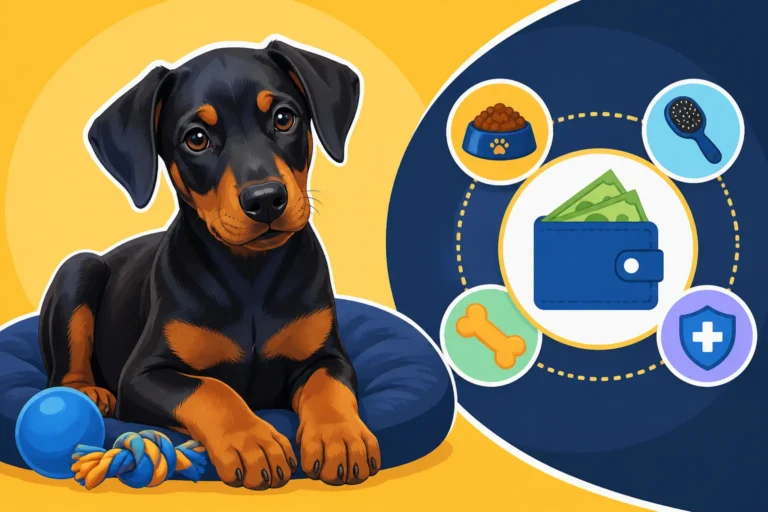
When you first fall for a Doberman, it's often their striking appearance that catches your eye. But if you're drawn to the unique beauty of a blue or fawn Doberman puppy, you're looking at more than just a pretty face – you're looking at a significantly different financial and emotional commitment. This guide isn't here to scare you, but to give you a realistic, deeply empathetic look at the true costs associated with acquiring and caring for these dilute-colored Dobermans, helping you prepare for a future that's as rewarding as it is demanding.
The Allure and Reality of Blue and Fawn Doberman Puppies
There's no denying that blue and fawn Dobermans possess an undeniable elegance. Their softened coats, ranging from a steely grey to a warm, sandy hue, stand out from the more common black and red varieties. This distinctiveness often translates into a higher initial price tag, driven by a perceived "rarity" and the aesthetic appeal. However, it's crucial for prospective owners to understand that this rarity comes with a significant predisposition to a lifelong, costly health condition that can profoundly impact both your wallet and your dog's quality of life.
Why These Colors Are "Rare" (and Priced Up)
The terms "blue" and "fawn" in Dobermans refer to diluted versions of the standard black and red coats. Black becomes blue, and red becomes fawn, due to a specific genetic mutation – the color dilution gene. This isn't a "new" color; it's an alteration of existing ones. In the Doberman breed standard recognized by organizations like the American Kennel Club (AKC), black and red are the accepted primary colors, with blue and fawn also permitted, though often viewed with caution by ethical breeders due to associated health risks. The perception of rarity often drives up prices. Breeders who prioritize color over health might market these puppies as "exotic" or "rare," capitalizing on their unique appearance. This marketing tactic can lead unsuspecting buyers to believe they are acquiring something inherently more valuable or special, when in reality, they are often buying into a genetic lottery with less favorable odds.
It's important to differentiate between actual rarity and perceived rarity. While blue and fawn Dobermans aren't as common as black and red, they are not, in fact, "rare" in the sense of being highly desirable or difficult to produce through ethical breeding. In fact, if a breeder is consistently producing these colors, it often means they are specifically breeding for them, sometimes at the expense of health. True ethical breeders focus on temperament, health, and conformation to the breed standard, not on producing "rare" colors. The allure of a unique-looking Doberman can be strong, but it's essential to look beyond the superficial and understand the genetic realities and potential health consequences that come with these dilute colors.
Initial Purchase Price: Comparing Black, Red, Blue, and Fawn
When you start looking for a Doberman puppy, you'll quickly notice a price difference based on color. A well-bred black or red Doberman puppy from health-tested parents and a reputable breeder often falls in the range of $2,000 to $3,500, sometimes more depending on the breeder's reputation, titles in the lineage, and geographical location. These breeders invest heavily in health testing for issues like Dilated Cardiomyopathy (DCM), Von Willebrand Disease (vWD), and Wobbler Syndrome, ensuring their puppies have the best possible start.
For blue and fawn Doberman puppies, the pricing can be a real rollercoaster. Some breeders, particularly those less concerned with health, will price them higher, sometimes ranging from $3,000 to $5,000 or even more, playing into the "rare" factor. Others, who understand the inherent health challenges, might price them similarly to or even lower than black and red puppies, acknowledging the higher risk of future veterinary costs. The key here is to scrutinize the breeder's practices. If you see a breeder consistently charging a premium for blue or fawn puppies without extensive health testing on the parents for conditions beyond just color, that's a huge red flag. A reputable breeder will always prioritize health, temperament, and longevity over coat color, and will be transparent about the potential for future health issues in dilute dogs. Be wary of anyone offering a "bargain" blue or fawn Doberman puppy with no health clearances or minimal information about the parents; these puppies almost invariably come from puppy mills or backyard breeders focused solely on profit, and often carry a much higher risk of both physical and behavioral problems.
Beyond the Sticker Price: Health Considerations and Costs
The initial price of a blue or fawn Doberman puppy is truly just the tip of the iceberg. The most significant financial burden, and indeed the most heart-wrenching, often comes from managing the genetic health condition overwhelmingly prevalent in these dilute colors: Color Dilution Alopecia (CDA). This isn't a "maybe" situation; it's a "when and how severe" for a large percentage of blue and fawn Dobermans. Preparing for this reality is paramount.
Understanding Color Dilution Alopecia (CDA)
Color Dilution Alopecia, or CDA, is a genetic skin condition specific to dogs with dilute coat colors, which includes blue and fawn Dobermans. It’s caused by a defect in the formation of melanin in the hair shaft, leading to fragile hair that easily breaks and eventually falls out. It's not just a cosmetic issue; it's a serious skin condition that impacts their comfort and overall health. Typically, puppies are born with full coats, but signs usually begin to appear anywhere from 6 months to 3 years of age, though it can sometimes manifest earlier or later. You'll often see the coat thinning, starting on the back, flanks, and ears, leading to patchy hair loss or even complete baldness in affected areas.
The skin in these areas becomes dry, scaly, and prone to secondary bacterial infections because the hair follicles are damaged and unable to function properly, leaving the skin exposed and vulnerable. Imagine constant itching, irritation, and recurring skin infections – that's the reality for many dogs with CDA. Unfortunately, there is no cure for CDA, only management. It's a lifelong condition that requires continuous attention and care, making it a significant ongoing expense. For a deeper dive into this condition, you might find our article on "Color Dilution Alopecia in Blue and Fawn Dobermans" incredibly helpful, as it outlines the specifics of how this genetic condition impacts these dogs. It's important to recognize that while not every blue or fawn Doberman will develop severe CDA, a very high percentage will show some degree of hair loss and skin issues. It's a risk you inherently take when choosing these colors, and it's a risk that translates directly into future veterinary bills.
Managing CDA: Ongoing Vet Bills and Specialty Care
Once CDA manifests, it requires vigilant, ongoing management, which can quickly become quite costly. Your regular vet might be able to help with initial diagnoses and general care, but often, dogs with moderate to severe CDA benefit from the expertise of a veterinary dermatologist. These specialists are adept at creating a tailored management plan to minimize discomfort and prevent secondary infections.
Treatment typically involves a combination of medicated shampoos and conditioners designed to hydrate the skin, reduce scaling, and prevent bacterial overgrowth. These aren't your average dog shampoos; they are prescription-strength and can be expensive, often ranging from $20-$50 per bottle, and you'll go through them quickly with a Doberman's size. Topical emollients and humectants might also be prescribed to soothe dry skin. When secondary bacterial infections inevitably flare up, courses of antibiotics are necessary, which can run anywhere from $50 to $200 or more per course, and these can be frequent. In some cases, oral supplements like omega fatty acids, melatonin, or even specific prescription medications are used to try and improve coat quality or reduce skin inflammation, adding to the monthly expenditure. It’s a constant battle to keep the skin healthy and comfortable. Our post on "Hair Loss on a Blue Doberman" further elaborates on what to expect when your dilute Doberman starts showing signs of coat thinning. Be prepared for regular vet visits, especially during flare-ups, which means consultation fees on top of medication costs. These costs don't just happen once; they are a continuous part of owning a blue or fawn Doberman for their entire lifespan.
Daily Care and Specialized Needs for Dilute Dobermans
Living with a blue or fawn Doberman means integrating specialized care into your daily routine. Their unique coat and skin vulnerabilities demand a level of attention that goes beyond what's typically required for a standard Doberman. This isn't just about medication; it's about thoughtful daily choices to ensure their comfort and prevent the painful flare-ups associated with Color Dilution Alopecia.
Skin and Coat Maintenance: A Daily Commitment
The delicate skin and coat of a blue or fawn Doberman truly necessitate a dedicated daily regimen. Forget the idea of a wash-and-wear dog; these pups need proactive care to thrive. You'll need to invest in a high-quality, hypoallergenic shampoo and conditioner, often recommended by your vet or a veterinary dermatologist, specifically formulated for sensitive skin. These products help to maintain the skin's natural barrier and prevent dryness, flaking, and irritation. When giving baths, which might need to be more frequent than with a black or red Doberman, ensure the water isn't too hot and that you rinse thoroughly to avoid leaving any residue that could exacerbate skin issues. After bathing, gently pat them dry rather than vigorous rubbing, which can damage fragile hair follicles.
Beyond bathing, moisturizing is key. Many owners find success with specialized leave-in conditioners or sprays that help keep the skin supple and reduce itchiness. Regular, gentle brushing with a soft brush can help stimulate circulation and distribute natural oils, but be careful not to over-brush, which could further irritate sensitive skin. Sun protection is also a serious concern. Due to their thin coats and sometimes nearly bald patches, blue and fawn Dobermans are highly susceptible to sunburn and even skin cancer. This means limiting sun exposure during peak hours, applying dog-specific sunscreen to exposed areas, and considering lightweight, breathable sun shirts, particularly for long outdoor activities. You can learn more about specific care strategies in our article, "Skin and Coat Care for a Blue or Fawn Doberman". Additionally, our guide on "Sun Protection for a Thin-Coated Doberman" offers practical tips for safeguarding your dog's vulnerable skin from harmful UV rays.
Diet and Supplements for Skin Health
Nutrition plays a crucial role in supporting the overall health of any Doberman, but it becomes particularly vital for blue and fawn Dobermans managing CDA. A high-quality diet provides the foundational nutrients for healthy skin and coat, and for these dogs, specific dietary considerations can make a noticeable difference in managing their condition. You'll want to look for foods that feature excellent sources of omega-3 and omega-6 fatty acids, as these healthy fats are known to support skin barrier function and reduce inflammation. Ingredients like fish oil, flaxseed, and certain vegetable oils are beneficial.
Sometimes, even with a great kibble, additional supplementation is necessary. Omega oil supplements, often in liquid or capsule form, can be added to their food daily. Some Doberman owners managing CDA also consider supplementing with zinc, vitamin E, or even specific blends designed for skin and coat health, always in consultation with their veterinarian. Brands like Ollie, which offer fresh, customized dog food, might appeal to owners looking for highly digestible, ingredient-specific options, although it's always critical to discuss any diet changes with your vet to ensure it meets your Doberman's unique needs and avoids any potential nutrient imbalances. It's also important to be mindful of potential food allergies, which can sometimes mimic or exacerbate skin issues. You can explore more about beneficial dietary additions in our post on "Omega Oils for a Doberman With Coat Loss". Remember, the goal is to nourish their skin from the inside out, providing all the building blocks it needs to remain as healthy and protected as possible against the challenges of CDA.
Insurance, Unexpected Costs, and Breeder Responsibility
Navigating the financial landscape of owning a blue or fawn Doberman isn't just about the upfront cost and ongoing daily care; it's also about preparing for the unexpected. Pet insurance can be a lifesaver, but understanding its limitations and how breed-specific conditions impact coverage is crucial. Moreover, the responsibility of the breeder in producing healthy animals cannot be overstated, especially when it comes to dilute colors with known predispositions.
Insuring a Dilute Doberman: What to Expect
Pet insurance is an absolute must for any Doberman owner, given the breed's propensity for various serious health issues like Dilated Cardiomyopathy (DCM) and Wobbler Syndrome. However, when it comes to blue or fawn Dobermans and their increased risk of Color Dilution Alopecia (CDA), the insurance landscape can be a bit more complex. The golden rule with pet insurance is to enroll your puppy as early as possible, ideally before any health conditions manifest. This means before any thinning coat or skin irritation associated with CDA becomes apparent. If signs of CDA are documented by a vet before your policy's waiting period ends or before you even purchase a policy, it will almost certainly be considered a pre-existing condition, meaning the insurance company will not cover any costs related to its diagnosis or management.
Some insurers, like Healthy Paws, are well-regarded for their comprehensive coverage, but even they adhere strictly to the "pre-existing condition" clause. This means that while they might cover other unexpected illnesses or accidents, the chronic, ongoing costs of CDA would likely fall entirely on you if it was present or suspected before your coverage began. It’s a harsh reality, but an important one to understand. It's vital to research different insurance providers thoroughly and understand their specific terms regarding genetic and breed-specific conditions. Our article "Insuring a Doberman Before the Heart Turns" offers broader advice on securing coverage for your Doberman before common health issues arise, which is even more critical for dilute colors. You need to be proactive and informed, because once a condition like CDA is flagged, it can have a significant impact on your ability to receive financial assistance for its management, as detailed in our discussion on "Why a Doberman Heart Result Ends Coverage" and how similar rules apply to other conditions.
The Ethical Breeder vs. The Profit-Driven One
The choice of breeder is arguably the single most important decision you'll make when bringing a Doberman into your life, and it's particularly critical when considering blue or fawn puppies. An ethical breeder prioritizes the health, temperament, and longevity of their dogs above all else. They meticulously health test their breeding stock for a multitude of genetic conditions relevant to the Doberman breed, including cardiac issues (DCM), Von Willebrand Disease, hip and elbow dysplasia, thyroid problems, and, crucially for dilute colors, they will be transparent about the prevalence and implications of CDA. They will gladly share health certificates, sometimes through public databases like the Orthopedic Foundation for Animals (OFA) or similar registries. Our guide on "Reading a Doberman Puppy's Test Certificates" can help you understand what proper documentation looks like.
A profit-driven breeder, on the other hand, often cuts corners. They might not perform comprehensive health testing, or they might selectively breed for "rare" colors without regard for the associated health risks like CDA. These breeders often charge a premium for blue or fawn puppies, marketing them as unique and desirable, while glossing over or outright denying the potential for expensive, lifelong health issues. They might offer vague health guarantees or none at all. An ethical breeder will not only openly discuss the potential for CDA in blue and fawn Dobermans but might even price these puppies lower due to the increased risk of future veterinary expenses, or choose not to breed them at all. They will also typically have a strong contract, take back any dog they've bred at any point in its life, and be a resource for you for years to come. Remember, a responsible breeder is not just selling a puppy; they are placing a family member and taking responsibility for the health of that dog for its entire life. Our insights into "Whether a Breeder Should Pay for Doberman Testing" highlight the commitment of responsible breeders to ensuring the health of their lines.
Long-Term Financial Planning for a Blue or Fawn Doberman
Bringing a Doberman, especially a blue or fawn one, into your home is a long-term commitment that extends far beyond the initial purchase. It requires careful financial planning to ensure you can provide for all their needs, from routine care to specialized treatments for conditions like CDA. Thinking ahead and establishing a comprehensive budget can prevent undue stress and allow you to fully enjoy your time with your beloved companion.
Creating a Comprehensive Budget
When budgeting for a Doberman, particularly a blue or fawn one, it's wise to consider all potential expenses. Let's break down what a typical year might look like, factoring in the added costs for managing Color Dilution Alopecia.
Estimated Annual Costs for a Doberman
| Category | Standard Doberman (Estimated Annual Cost) | Blue/Fawn Doberman (Estimated Annual Cost with CDA) | Notes |
|---|---|---|---|
| Food | $800 – $1,200 | $800 – $1,500+ | High-quality kibble or fresh food. May require special skin-supportive diets or premium food (like Ollie) for dilute dogs. |
| Routine Vet Care | $300 – $600 | $300 – $600 | Annual check-ups, vaccinations, parasite prevention. This does not include CDA-specific visits. |
| CDA-Specific Vet Visits | N/A | $400 – $1,500+ | Dermatologist consultations, diagnostic tests for skin infections, medication refills. Can be highly variable. |
| Medicated Shampoos/Topicals | N/A | $200 – $500+ | Prescription shampoos, conditioners, topical treatments for dry skin/infections. |
| Supplements | $100 – $300 | $200 – $600+ | Fish oil, joint supplements (common for Dobermans), skin-specific supplements. |
| Grooming Supplies | $50 – $100 | $100 – $250 | Brushes, nail clippers, ear cleaner. Increased need for gentle brushes, specialized moisturizers for dilute. |
| Treats & Toys | $200 – $400 | $200 – $400 | Durable toys, training treats. |
| Pet Insurance Premiums | $600 – $1,200 | $600 – $1,500+ | Highly variable by age, location, coverage level, and if CDA is covered (unlikely if pre-existing). |
| Miscellaneous (Beds, Coats) | $150 – $300 | $250 – $500 | Durable bedding. Dilute Dobermans need extra warmth, so coats/sweaters are common. |
| Emergency Fund (Savings) | Highly Recommended | Essential | For unexpected illnesses or accidents not covered by insurance. |
| Total Estimated Annual Cost | $2,400 – $4,300 | $3,050 – $7,850+ | This excludes major surgeries or extensive treatments for DCM or Wobblers, which apply to all Dobermans. |
As you can see, the difference can be significant. When ordering food and routine supplies, retailers like Chewy can be incredibly helpful for bulk purchases and auto-ship discounts, helping to manage some of the recurring costs. However, the specialized products and veterinary visits for CDA can easily add hundreds, if not thousands, of dollars to your annual budget. It's not uncommon for owners of blue or fawn Dobermans with severe CDA to face monthly bills just for their skin care and medication. Therefore, it's not just about having the money initially, but consistently allocating funds throughout their entire life. Our guide on "A Doberman's Whole-Life Total" offers a broader perspective on the financial commitment, but for dilute colors, expect those numbers to be on the higher end due to their specific needs. Understanding "Whether a Blue Doberman Costs More to Keep" really helps put these ongoing financial realities into perspective for prospective owners.
The Emotional Toll and Lifetime Commitment
Beyond the undeniable financial investment, welcoming a blue or fawn Doberman with CDA into your home also entails a significant emotional commitment. It's important to be realistic about the challenges you might face. Watching your beloved Doberman struggle with persistent itching, recurrent skin infections, and progressive hair loss can be heartbreaking. There will be days of frustration, sleepless nights, and the constant worry about whether you're doing enough to keep them comfortable. The regular vet visits, the meticulous bathing routines, and the administration of medications become a part of your daily life, and it can be emotionally taxing.
However, despite these challenges, Dobermans, regardless of their coat color or health issues, are incredibly loving, loyal, and intelligent companions. Their devotion to their families is unparalleled. The bond you form while navigating these health challenges can be incredibly deep and rewarding. It's about providing them with the best possible quality of life, even if it's not the picture of perfection you initially envisioned. Being fully prepared for the commitment – both financial and emotional – allows you to approach these situations with resilience and compassion. It means understanding that while their unique beauty might have drawn you in, their unwavering spirit and love will be what truly defines your relationship. This isn't just a pet; it's a family member who will rely on you completely, and who, despite their vulnerabilities, will bring immense joy and companionship into your life.
Disclaimer
This article is for general informational purposes only and does not constitute professional advice. Laws, prices and regulations vary by location and change over time. Consult a qualified professional for guidance on your specific situation.