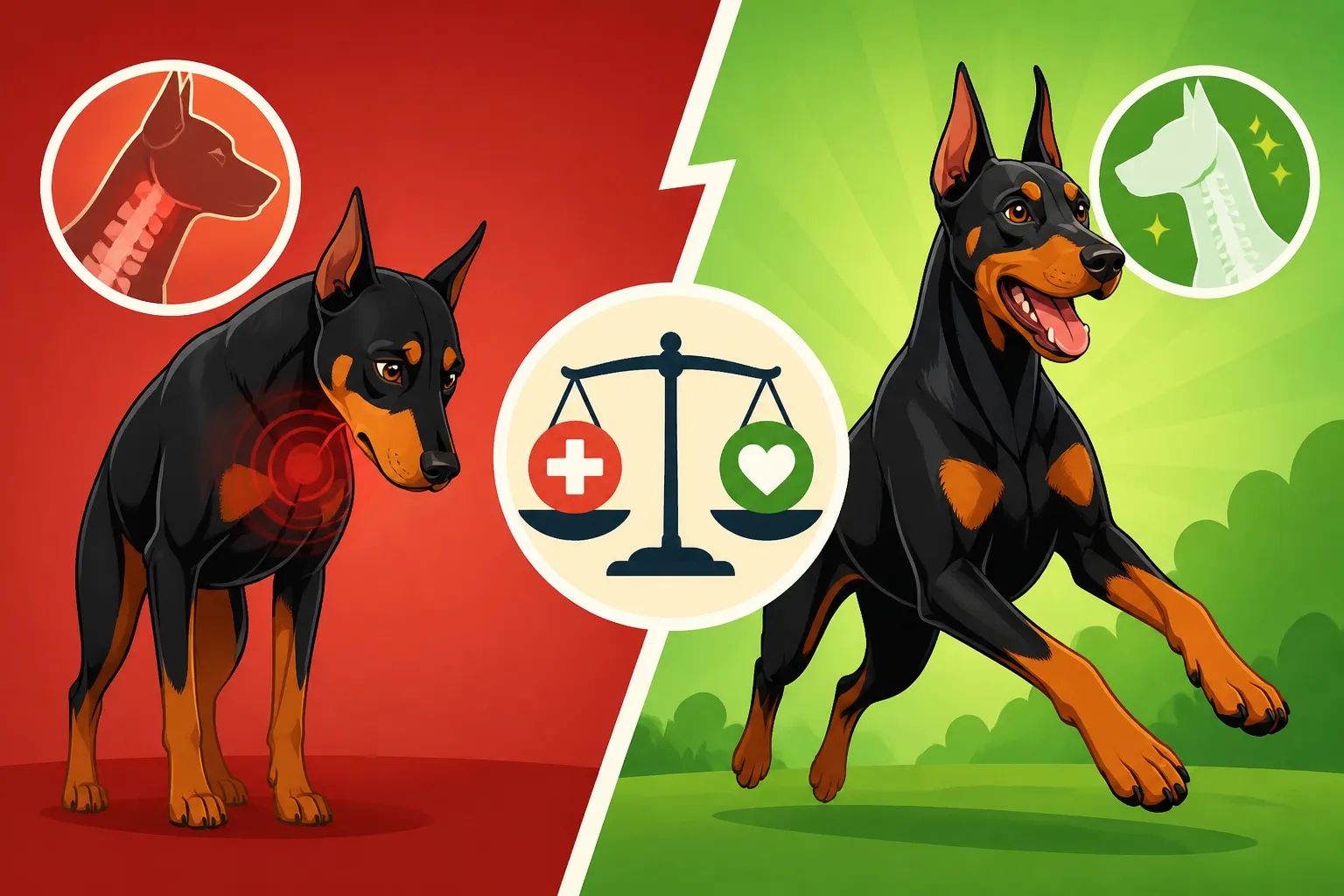
Whether Doberman Wobbler Surgery Is Worth It
When your majestic Doberman starts to show an unsteady gait, a weak step, or a worrying wobble, the diagnosis of Wobbler Syndrome, or Cervical Spondylomyelopathy (CSM), hits hard. It's a devastating blow to learn your otherwise vibrant dog might be facing a neurological challenge that impacts their mobility and comfort. The idea of surgery often comes up, bringing with it a whirlwind of questions about its effectiveness, its invasiveness, and whether the extensive effort and cost are truly "worth it" for your beloved companion. This guide will delve deep into the realities of Wobbler surgery, helping you navigate this incredibly difficult decision with clarity and confidence.
Understanding Wobbler Syndrome in Dobermans
Wobbler Syndrome is a complex condition that primarily affects large and giant breed dogs, with Dobermans being disproportionately represented. It's not just a fancy name for a clumsy dog; it's a serious neurological disorder caused by compression of the spinal cord and/or nerve roots in the neck region. This compression often stems from abnormalities in the cervical (neck) vertebrae, such as malformed bones, bulging discs, or thickened ligaments. For Dobermans, specifically, the issue often arises in the middle to lower neck, leading to symptoms that can range from mild unsteadiness to complete paralysis.
The heartbreak for us Doberman owners comes from watching their usually graceful movements become impaired. One day, your Doberman might just seem a little off, perhaps dragging their back feet slightly, and the next, they might be stumbling noticeably. This progressive nature of the disease is what makes it so challenging. We see their spirit, their desire to run and play, but their body just can't keep up. It's a cruel irony for a breed known for its athleticism and elegant stature. The progression can be slow, giving you time to observe, or it can be quite rapid, forcing quick decisions. Understanding The Age Doberman Wobbler Signs Appear can help prepare you for this possibility.
The emotional toll this takes on an owner is immense. You want to fix it, to restore their quality of life, but the path forward isn't always clear or easy. The diagnosis itself, often confirmed after a series of diagnostics including X-rays and potentially a What a Doberman Neck MRI Costs, can be overwhelming. You're faced with not only your dog's suffering but also the weight of making a choice that could have profound impacts on their future, and yours. It’s a significant crossroads, and it's okay to feel overwhelmed by it all.
The Surgical Options and Their Realities
When conservative management isn't enough, or if the compression is severe, surgery often becomes the primary consideration. It's important to understand that "Wobbler surgery" isn't a single procedure; rather, it encompasses several techniques, each with its own goals, risks, and recovery profiles. The overarching aim of any surgical intervention is to relieve the pressure on the spinal cord and nerves, thereby improving neurological function and reducing pain.
Types of Surgical Procedures
Veterinary neurosurgeons consider a few main approaches, often tailoring the choice to the specific nature and location of the compression:
- Ventral Slot Decompression: This is one of the more common techniques. The surgeon approaches the spine from the underside (ventral aspect) of the neck and creates a "slot" or window through the vertebral bodies to remove disc material or bone fragments that are compressing the spinal cord. It's often used for single-site compressions caused by disc herniation.
- Dorsal Laminectomy: In cases where compression is coming from the top (dorsal aspect) of the spinal canal, a laminectomy might be performed. This involves removing a portion of the vertebral arch (lamina) to decompress the spinal cord. This is less common in Dobermans for Wobblers but may be considered for specific types of compression.
- Distraction and Stabilization Techniques: These procedures aim to open up the spaces between vertebrae and then stabilize the spine using implants like screws, plates, or bone cement. The goal is to prevent future compression by creating more space and fixing the vertebrae in a stable position. This can involve placing a cage or disc prosthesis in the space where a problematic disc was, then fusing the vertebrae. This approach is complex and often reserved for cases with instability or multiple compression sites.
Each of these surgeries carries significant risks. Anesthesia in an older Doberman, or one with underlying health conditions, is always a concern. Infection at the surgical site, nerve damage during the procedure, or failure of implants are all potential complications. Furthermore, because Wobbler Syndrome can be a multi-site disease, there's always a chance of new compressions developing at different locations in the future, even after successful surgery on one site. This can be particularly frustrating, leading to the agonizing question of whether to pursue repeat surgeries.
Post-Operative Care and Rehabilitation
This is where the true commitment from an owner comes in. Surgical success isn't just about the procedure itself; it's heavily reliant on meticulous post-operative care and rehabilitation. Your Doberman will require strict rest, often kennel rest, for several weeks or even months. This means no jumping, no running, no stairs – often requiring you to carry your dog or use specialized slings to support them during potty breaks. Administering medications for pain and inflammation will be a daily routine.
Beyond immediate recovery, physical therapy and rehabilitation are critical for maximizing outcomes. This can include:
- Hydrotherapy: Water-based exercises reduce stress on joints while allowing for muscle strengthening and improved gait.
- Therapeutic Exercises: Gentle range-of-motion exercises, passive stretching, and core strengthening can help your Doberman regain coordination and muscle mass.
- Laser Therapy and Acupuncture: These complementary therapies may help reduce pain and inflammation and promote healing.
Rehabilitation is not a one-time event; it's a long-term commitment. This means regular appointments with a certified rehabilitation veterinarian, which can add substantially to the overall cost. For instance, Rehabilitation Costs After Doberman Spinal Surgery can quickly accumulate. You might also be looking into specialized equipment from retailers like Chewy, such as supportive harnesses, orthopedic beds, or ramps to aid mobility during recovery and beyond. This intense period of care is a huge undertaking, both physically and emotionally, and it's vital to assess if you are truly able to provide it.
Prognosis and What Success Looks Like
The prognosis for Dobermans undergoing Wobbler surgery varies widely depending on the severity of the neurological deficits before surgery, the specific surgical technique used, and the commitment to post-operative care.
- Good outcomes often mean improved gait, reduced pain, and a better quality of life. Some dogs may return to near-normal function, while others will still have some residual wobbliness but be much more comfortable and mobile than before.
- Partial improvement is also common, where dogs are better but not perfectly sound. They might still need ongoing management.
- Poor outcomes can include no improvement, worsening symptoms, or complications such as infection, implant failure, or new compressions.
It's crucial to have a frank discussion with your veterinary neurologist about the realistic expectations for your particular Doberman. They can often provide statistical data on success rates for the chosen procedure, but remember that every dog is an individual. The journey is not just about extending life, but about enhancing its quality.
The Non-Surgical Path: Management and Support
For some Dobermans, surgery might not be an option due to age, concurrent health issues, financial constraints, or the specific nature of their Wobbler Syndrome. For others, owners might opt for conservative management first to see if symptoms can be controlled without invasive procedures. This non-surgical path focuses on managing pain, reducing inflammation, and supporting mobility to maintain the best possible quality of life.
Conservative Management Strategies
This approach typically involves a multi-modal strategy:
- Medication: This is often the first line of defense. Steroids and Rest for a Doberman Wobbler can help reduce inflammation around the compressed spinal cord, often providing immediate, albeit temporary, relief. Non-steroidal anti-inflammatory drugs (NSAIDs) might be prescribed for long-term pain management. Muscle relaxants, gabapentin, or other neuropathic pain medications can also be crucial in keeping your Doberman comfortable.
- Restriction of Activity: Just like post-surgery, limiting sudden movements, jumping, and strenuous exercise is vital. This reduces further trauma to the neck. Using a harness instead of a neck collar is strongly recommended to avoid pressure on the cervical spine.
- Physical Therapy & Alternative Therapies: Even without surgery, physical therapy can be incredibly beneficial. It focuses on maintaining muscle mass, improving proprioception (awareness of body position), and supporting overall mobility. Hydrotherapy, acupuncture, cold laser therapy, and chiropractic adjustments (performed by a veterinary professional trained in these fields) can all be valuable additions to a conservative management plan. These therapies aim to reduce pain, improve nerve function, and maintain mobility.
- Environmental Modifications: Simple changes around the house can make a world of difference. Providing ramps for beds or cars, using non-slip rugs on slick floors, and ensuring easy access to food and water bowls can prevent falls and reduce strain on the neck. Comfortable, Beds That Cushion a Bony Doberman can help with overall body support and comfort, which is particularly important for Dobermans who might struggle to shift positions.
- Dietary Support: While not a cure, ensuring a high-quality, balanced diet is always important for overall health. Sometimes, specific supplements like Omega-3 fatty acids, glucosamine, and chondroitin are recommended to support joint and neurological health, though their direct impact on Wobbler Syndrome itself is debated. Some owners might explore fresh food options from brands like Ollie or specialized prescription diets, consulting with their vet to ensure nutritional needs are met without contributing to inflammation.
Quality of Life with Non-Surgical Management
Choosing conservative management means accepting that the underlying compression remains, and symptoms might wax and wane, or even gradually worsen. The goal is to manage those symptoms effectively to ensure your Doberman can still enjoy life. Many Dobermans can live for years with conservative management, maintaining a decent quality of life, especially if their initial symptoms were mild to moderate.
However, it's essential to monitor How Fast Doberman Wobbler Signs Progress. If your Doberman's neurological deficits become severe, leading to frequent falls, extreme pain, or an inability to perform basic functions like eating and eliminating, the difficult conversation about quality of life becomes paramount. It's a continuous assessment, always balancing comfort and dignity.
Making the Decision: Factors to Consider
Deciding whether to pursue Wobbler surgery for your Doberman is one of the toughest choices you'll ever face as an owner. There's no single "right" answer, and what's best for one dog and family might not be suitable for another. It’s a deeply personal decision that requires careful consideration of multiple factors.
Severity of Symptoms, Age, and Overall Health
The extent of your Doberman's neurological deficits plays a huge role.
- Mild symptoms: A Doberman with only slight unsteadiness might respond well to conservative management for a significant period. Surgery might be considered if symptoms progress despite best efforts.
- Moderate to severe symptoms: If your Doberman is frequently falling, struggling to stand, or in significant pain, surgery might offer the best chance for improvement and pain relief. However, more severe deficits can also mean a more challenging recovery and potentially a less complete return to function. A Doberman That Faints on a Walk or A Doberman That Tires Faster Than It Used To could be signs of advanced issues, not just Wobblers.
- Age: Younger Dobermans often have better recovery potential and more years to benefit from a successful surgery. Older Dobermans may have other age-related health issues that complicate anesthesia and recovery.
- General Health: Any pre-existing conditions, especially cardiac issues common in Dobermans such as The Heart Disease That Reaches Most Dobermans, must be thoroughly evaluated before considering surgery. Your veterinarian will likely recommend a full workup, including blood tests and a cardiac exam, to ensure your Doberman is a good candidate for anesthesia and the stress of surgery. Consulting with a specialist, such as a cardiologist or neurologist, is critical here.
Financial Implications
Let's be realistic: Wobbler surgery is expensive. The costs encompass not only the surgery itself but also extensive diagnostics (Imaging Bills When a Doberman Starts Wobbling, What a Doberman Neck MRI Costs), specialized post-operative medications, and months of rehabilitation. Doberman Wobbler Surgery and the Bills That Follow can easily run into the tens of thousands of dollars.
- Pet Insurance: If you have pet insurance, understanding your policy's coverage is paramount. Policies from providers like Healthy Paws can be a lifesaver, but you need to know your deductible, reimbursement percentage, and annual limits. Crucially, Wobbler Syndrome would be considered a pre-existing condition if diagnosed before your policy's waiting period or enrollment, meaning it likely wouldn't be covered. This highlights the importance of insuring your Doberman early in life.
- Budgeting: Even with insurance, you'll still have out-of-pocket expenses. It's essential to have a frank discussion with your veterinary team about all anticipated costs, not just the surgical fee, to ensure you can realistically afford the entire journey.
Owner Commitment and Capabilities for Post-Operative Care
This is a critical, yet often overlooked, factor. The success of Wobbler surgery leans heavily on your ability to provide rigorous post-operative care. Are you able to:
- Enforce strict rest for weeks or months?
- Administer multiple medications on a schedule?
- Physically assist your Doberman with mobility, lifting them, using slings, or preventing falls?
- Commit to frequent rehabilitation appointments, potentially for many months?
- Handle potential setbacks or complications with patience and resilience?
If you work long hours, have other demanding responsibilities, or lack the physical strength to assist a large Doberman, you need to honestly assess if you can provide the necessary level of care. It's okay to admit limitations and explore alternatives, as choosing surgery without the capacity for proper aftercare can lead to poor outcomes and increased suffering for your dog.
Consulting with Specialists
This decision should never be made lightly or in isolation. You need a team of experts:
- Your Primary Care Veterinarian: They know your Doberman best and can provide initial guidance and referrals.
- Veterinary Neurologist: This specialist will be the primary surgeon and will assess the extent of the spinal cord compression, discuss surgical options, risks, and prognoses. They are the best resource for understanding the technical aspects and expected outcomes of the surgery.
- Veterinary Rehabilitation Specialist: Consulting with a rehab specialist before surgery can help you understand the commitment involved and create a post-operative plan. They can also advise on conservative management if surgery is not chosen.
Ethical Considerations and Quality of Life
Ultimately, the decision boils down to your Doberman's quality of life. Is the potential for a better, pain-free life worth the risks and challenges of surgery and recovery? What does a good quality of life look like for your Doberman? For some, it might mean being able to run again; for others, simply being comfortable enough to walk around the yard and enjoy cuddles is enough.
It's a balance between extending life and ensuring that life is truly livable. If the surgery offers a strong probability of significant improvement, and you can provide the necessary care, it might indeed be worth it. If the prognosis is guarded, the risks are high, or your ability to commit to aftercare is limited, then a focus on palliative care and comfort through non-surgical means might be the more humane and realistic choice.
This decision is deeply personal, fraught with emotion, and will test your resolve. But by gathering all the information, consulting with your veterinary team, and being honest about your capabilities, you can make the most compassionate and informed choice for your Doberman.
| Factor | Surgical Approach | Non-Surgical (Conservative) Approach |
|---|---|---|
| Goal | Decompress spinal cord, resolve underlying issue | Manage pain, reduce inflammation, support mobility |
| Invasiveness | High (major surgery) | Low (medication, therapy, environmental changes) |
| Recovery Time | Long (weeks to months of strict rest & rehab) | Ongoing management, potential for gradual decline |
| Cost | Very High (diagnostics, surgery, medications, rehab) | Moderate (medications, therapies, mobility aids, possibly long-term) |
| Potential for Improvement | Significant, can resolve neurological deficits | Manages symptoms, may slow progression but not cure |
| Risks | Anesthesia, infection, nerve damage, recurrence, implant failure | Symptoms may worsen, reduced mobility, ongoing pain |
| Ideal Candidate | Younger Dobermans, moderate to severe deficits, no major comorbidities, committed owner | Mild deficits, older dogs, concurrent health issues, financial constraints, owner limitations |
| Owner Commitment | Extremely High (intensive physical care, rehab) | High (consistent medication, environmental changes, ongoing monitoring) |
Disclaimer
This article is for general informational purposes only and does not constitute professional advice. Laws, prices and regulations vary by location and change over time. Consult a qualified professional for guidance on your specific situation.