The Von Willebrand DNA Test for Dobermans
It's truly unsettling to see your beloved Doberman experience unusual bleeding, whether it's a simple cut that won't stop oozing, a mysterious nosebleed, or excessive bruising after a bump. This can be a terrifying reality for many Doberman owners, as our breed is disproportionately affected by an inherited blood clotting disorder called Von Willebrand Disease. This comprehensive guide will walk you through everything you need to know about this condition, the crucial DNA test available, what the results truly mean for your Doberman's health and future, and how to navigate life with a vWD-affected companion.
Understanding Von Willebrand Disease in Dobermans
Von Willebrand Disease, often abbreviated as vWD, is the most common inherited bleeding disorder in both humans and dogs. For Doberman owners, it's a condition we absolutely need to be aware of because our breed has a particularly high prevalence of it. It's not a visible condition, and often, owners don't realize their dog has it until a medical emergency or a routine procedure reveals a serious problem.
What is vWD Type I?
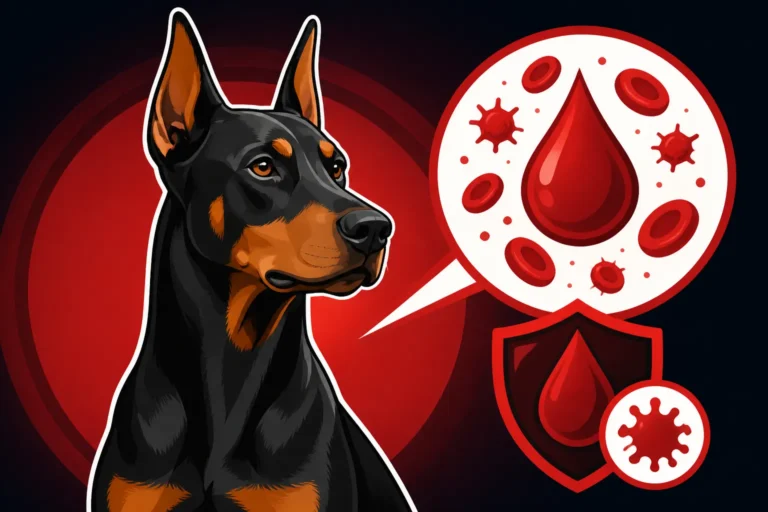
There are several types of Von Willebrand Disease, classified by the specific defect in the Von Willebrand factor (vWF) protein. For Dobermans, the primary concern is vWD Type I. This type is characterized by a quantitative deficiency of vWF, meaning the Doberman produces a reduced amount of functional vWF. The Von Willebrand factor is a critical protein that plays a dual role in blood clotting: it helps platelets stick to the site of an injury (platelet adhesion) and acts as a carrier protein for Factor VIII, another important clotting factor.
When a Doberman has vWD Type I, their blood clotting cascade is compromised because there isn't enough vWF to do its job effectively. This means that while they can clot, the process is significantly delayed and less efficient, leading to prolonged bleeding. The severity of the bleeding can vary greatly, even among Dobermans with the same genetic status. Some might only have mild issues, while others could face life-threatening hemorrhages from minor injuries or surgeries. The unpredictable nature of this disease is part of what makes early identification so vital.
Recognizing the Signs of a Bleeding Event
The signs of vWD can range from subtle to severe, and sometimes, a Doberman may not show any symptoms until a significant event like surgery or trauma occurs. However, there are common indicators that should prompt you to consult your vet and consider testing. One of the most common signs is prolonged bleeding after a minor cut, a nail trim, or even losing a puppy tooth. You might notice that a simple scrape takes an unusually long time to clot and may even restart bleeding hours later.
Another red flag is spontaneous bleeding. This can manifest as nosebleeds (epistaxis) without any obvious injury or irritation, or bleeding from the gums, especially after chewing on toys or even just eating kibble. Some Dobermans might develop bruising and bleeding in a Doberman easily, showing unexplained bruises on their belly or inner thighs even from gentle play. In more severe cases, or during significant trauma, a Doberman might experience internal bleeding, which can be much harder to detect but can lead to lethargy, weakness, pale gums, and abdominal distension. If you notice any of these signs, particularly if your Doberman is undergoing a procedure that involves blood loss, it's critical to inform your vet about the breed's predisposition to the bleeding disorder almost every Doberman line carries.
Why Dobermans are Particularly Prone to vWD
It's a frustrating reality for Doberman owners that our beloved breed seems to have a higher propensity for certain health issues, and Von Willebrand Disease is certainly one of them. This isn't just bad luck; it's rooted in our breed's genetics and history. Understanding this predisposition is key to being a responsible Doberman owner.
The Specific Genetic Link in Dobermans
The high incidence of vWD Type I in Dobermans is linked to a specific mutation in the VWF gene. This mutation is an autosomal recessive trait with incomplete penetrance. What does that mouthful mean for us? It means that a Doberman needs to inherit two copies of the defective gene (one from each parent) to be "affected" and express the full range of symptoms. However, "carriers" who inherit only one copy can still have reduced vWF levels, although usually not low enough to cause severe spontaneous bleeding, they can still experience prolonged bleeding during surgery or trauma. The incomplete penetrance aspect adds another layer of complexity: even among Dobermans with the same genetic status, the clinical signs can vary, and some affected dogs might be asymptomatic for much of their lives until a high-stress event triggers a bleed.
This genetic specificity makes the DNA test incredibly valuable. Unlike older, less precise methods, the DNA test directly looks for the specific mutation in the Doberman's VWF gene. This means we can identify not just affected dogs, but also carriers, allowing for more informed breeding decisions and proactive management for pet owners.
Prevalence and Breed Statistics
When we talk about prevalence, we're talking about how common this condition truly is within the Doberman breed. The numbers are quite sobering. Studies have indicated that a significant percentage of Dobermans are carriers or affected by vWD Type I. Some sources suggest that over 50% of Dobermans carry the gene, and a substantial portion are genetically affected. This makes it how many Dobermans carry the bleeding gene a widespread issue throughout the breed, regardless of whether they are American or European lines.
This high prevalence is a direct result of historical breeding practices. Before the advent of reliable DNA testing, breeders didn't have the tools to identify carriers or even many affected dogs, leading to the unwitting propagation of the defective gene throughout the breed population. While responsible breeders today diligently test their breeding stock, the gene is so deeply embedded that eliminating it completely will take generations. This is why every Doberman owner, regardless of their dog's lineage, should be aware of vWD and seriously consider testing.
Understanding the Von Willebrand DNA Test
The Von Willebrand DNA test is a game-changer for Doberman owners and breeders. It provides a definitive answer about your dog's genetic status regarding vWD Type I, allowing for proactive care and responsible breeding. It's a simple, non-invasive procedure, yet its implications are profound.
How the Test is Performed
Getting your Doberman tested for vWD is remarkably straightforward. The most common method involves a simple cheek swab or a small blood sample. For cheek swabs, you'll typically receive a kit from a veterinary genetics laboratory. The kit contains sterile swabs that you rub firmly against the inside of your Doberman's cheek for about 10-20 seconds to collect epithelial cells (which contain DNA). It's crucial to ensure your dog hasn't eaten or chewed on anything for at least an hour prior to swabbing to avoid food contamination, which can affect the sample quality. Some owners find it easier to collect the sample first thing in the morning before breakfast.
Once collected, the swabs are air-dried and then mailed back to the lab. If your vet prefers a blood sample, they will draw a small amount of blood, usually a common practice during a routine check-up, and send it to the designated laboratory. Reputable labs like those affiliated with veterinary universities or specialized genetic testing companies (e.g., Canine Health Information Center (CHIC) approved labs) process these samples. The beauty of a DNA test is that it only needs to be done once in a Doberman's lifetime, as their genetic makeup doesn't change. These what Doberman DNA panels cost are usually very reasonably priced for the peace of mind they offer.
What the Test Detects
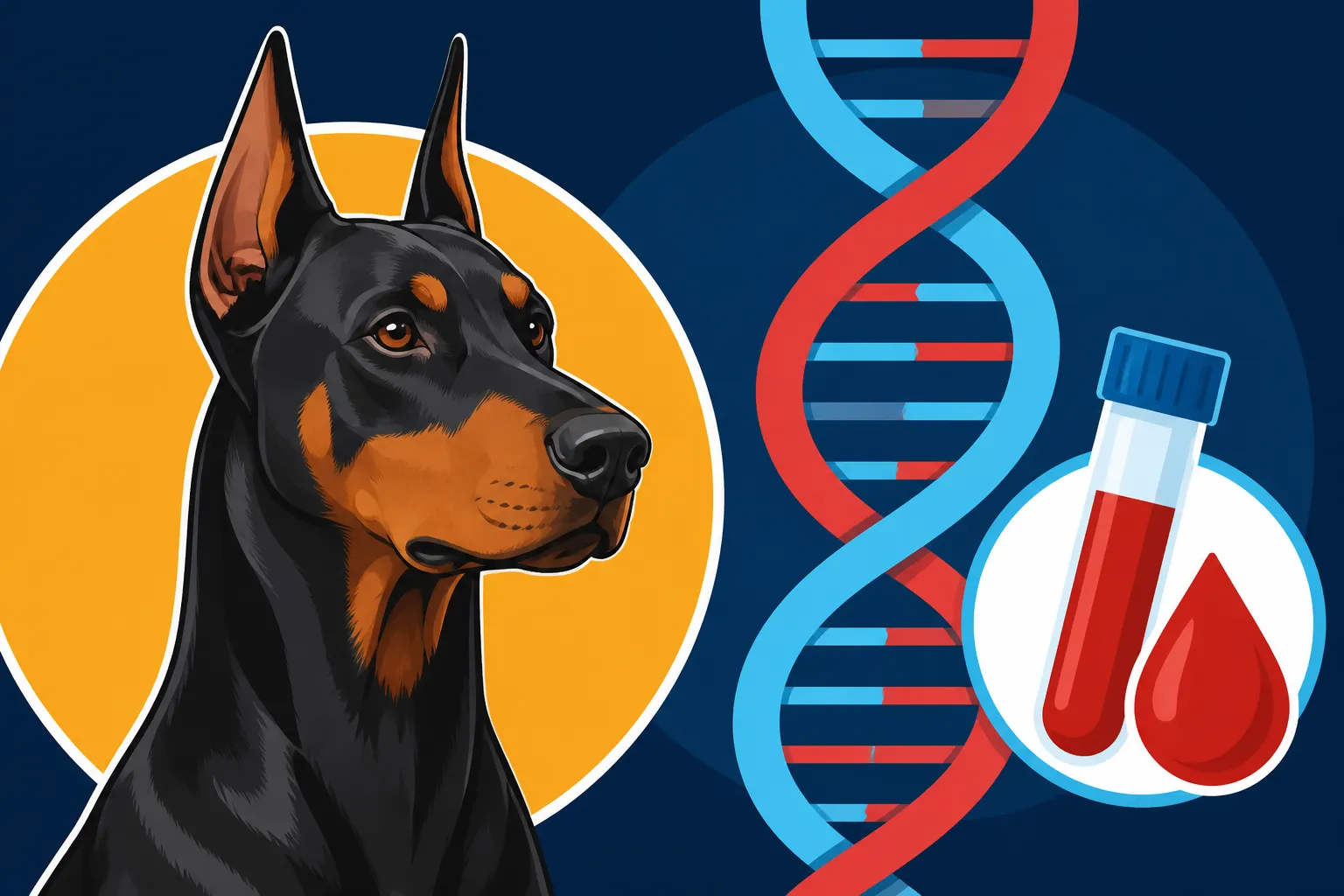
The Von Willebrand DNA test specifically identifies the presence or absence of the VWF gene mutation responsible for vWD Type I in Dobermans. It doesn't measure the amount of Von Willebrand factor in the blood directly (that's a different, older test called the vWF:Ag test), but rather determines the genetic potential for producing it.
The test looks for specific alleles (gene variants) at the vWF locus. There are essentially two forms: the normal allele and the mutated allele. By analyzing the combination of these alleles, the lab can classify your Doberman into one of three distinct genetic categories: Clear, Carrier, or Affected. This precise genetic identification is far more accurate than phenotypic tests, which only measure vWF levels at a single point in time and can be influenced by factors like stress, inflammation, or even pregnancy. The DNA test provides a foundational understanding of your Doberman's genetic predisposition to this bleeding disorder, which is invaluable for both health management and responsible breeding.
Interpreting Your Doberman's vWD Test Results
Receiving your Doberman's vWD test results can bring a mix of emotions, but understanding what each classification means is crucial for informed decision-making. These results aren't just scientific jargon; they have real-world implications for your dog's health and any potential breeding plans.
Clear: The Best-Case Scenario
A "Clear" result means your Doberman has inherited two normal copies of the VWF gene (one from each parent) and does not carry the mutation associated with vWD Type I. This is, understandably, the best possible outcome. A Doberman testing clear is highly unlikely to develop vWD Type I and will not pass the defective gene on to any offspring. This provides immense peace of mind, especially when considering any future surgeries or when facing an unexpected injury.
For pet owners, a clear result means you don't have to worry about vWD Type I complications during routine procedures like spaying or neutering, or in emergency situations requiring surgery. For breeders, a clear Doberman is a valuable asset, as they can be bred to any mate without the risk of producing affected puppies. However, it's important to remember that a "Clear" result only pertains to vWD Type I; it doesn't mean your Doberman is clear of all potential bleeding disorders, although Type I is the most common and significant one in the breed.
Carrier: An Important Distinction
A "Carrier" result indicates that your Doberman has inherited one normal copy of the VWF gene and one copy of the mutated gene. They carry the gene, but typically do not express severe clinical signs of vWD themselves, meaning they usually don't bleed spontaneously or excessively in everyday life. However, their vWF levels are often lower than a "Clear" dog's, and they can experience prolonged bleeding during significant events like major surgery, severe trauma, or if they encounter specific medications that impact clotting. This is why it's critical to always inform your veterinarian that your Doberman is a vWD carrier, especially when discussing any procedures.
For breeders, this distinction is paramount. A carrier Doberman should only be bred to a Doberman that has tested "Clear." Breeding a carrier to another carrier or an affected Doberman risks producing "Affected" puppies, meaning those with two copies of the mutated gene. Responsible breeding aims to avoid producing affected offspring while still preserving valuable genetics in the gene pool. Understanding clear, carrier and affected Doberman results is vital for making these ethical choices.
Affected: Managing the Risks
An "Affected" result means your Doberman has inherited two copies of the mutated VWF gene (one from each parent). These Dobermans produce very low levels of functional Von Willebrand factor and are at the highest risk for bleeding complications. They may experience spontaneous bleeding, such as nosebleeds or gum bleeding, and are highly prone to severe and prolonged bleeding from even minor cuts, nail trims, or, most critically, during surgical procedures.
For owners of an affected Doberman, this result requires proactive management and constant vigilance. You'll need to work closely with your veterinarian to develop a management plan. This might include avoiding certain medications (like aspirin or NSAIDs) that further impair clotting, ensuring all vets are aware of their status before any procedure, and having an emergency plan in place. While whether an affected Doberman lives normally can be challenging, with proper care and awareness, many affected Dobermans can lead full and happy lives. It's a journey that requires commitment, but knowing their status gives you the power to protect them.
| Genetic Status | Genetic Makeup | Bleeding Risk | Breeding Recommendation |
|---|---|---|---|
| Clear | Two normal genes | Very Low | Can be bred to any dog. |
| Carrier | One normal, one mutated gene | Low to Moderate (especially with surgery/trauma) | Only breed to a Clear dog. |
| Affected | Two mutated genes | High (spontaneous & severe) | Should not be bred. |
Living with a Doberman Affected by vWD
Discovering your Doberman is affected by Von Willebrand Disease can feel overwhelming, but it's not a death sentence. It simply means you become an even more vigilant advocate for their health. With careful management and open communication with your veterinary team, affected Dobermans can lead happy, fulfilling lives.
Everyday Precautions
Living with a vWD-affected Doberman means adopting a proactive approach to their daily life. The goal is to minimize risks and be prepared for potential bleeding episodes. First and foremost, avoid giving any medications that can thin the blood or interfere with platelet function. This includes common over-the-counter pain relievers like aspirin or ibuprofen. Always consult your veterinarian before administering any new medication, supplement, or even certain herbs.
When it comes to playtime, consider soft toys and supervise roughhousing, especially with other dogs, to prevent unnecessary bumps and scrapes. While you can't wrap them in cotton wool, being mindful during walks and play sessions can help. Regular, gentle grooming is fine, but be extra cautious with nail trims. Use sharp clippers and have styptic powder or cornstarch readily available to quickly stop any nicks. If you find yourself frequently dealing with a Doberman that bleeds too long from a cut, these small changes can make a big difference.
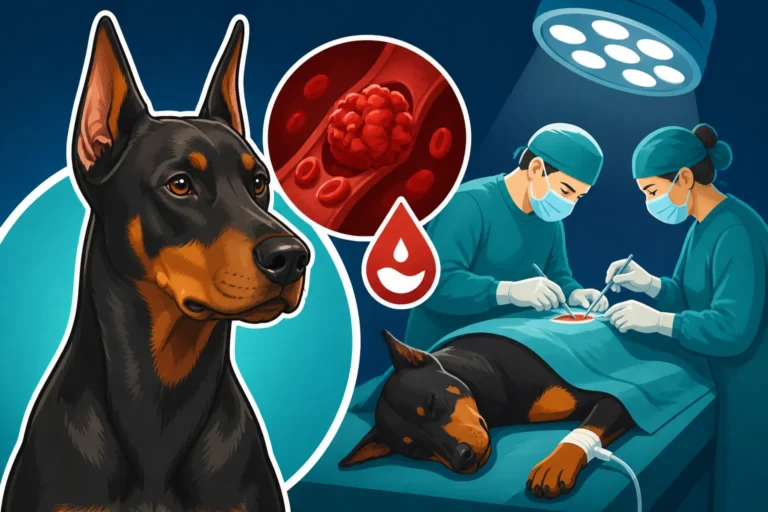
For owners planning any kind of surgery, even something minor like a dental cleaning, make sure your vet is fully aware of your Doberman's vWD status. Pre-surgical blood work, including a vWF:Ag test, might be recommended to assess current clotting factor levels, and your vet may take prophylactic measures. When dealing with unexpected high vet bills for conditions like these, some owners find the thought of pet insurance, like Healthy Paws, comforting for future unforeseen accidents or illnesses, though most policies won't cover pre-existing conditions.
Emergency Preparedness and Veterinary Care
Having a Doberman with vWD means being prepared for emergencies. This includes having a clearly written medical alert for your dog that you can carry with you, detailing their vWD status and any specific instructions from your vet. In the event of an injury or uncontrolled bleeding, immediate veterinary attention is paramount.
When you arrive at the vet, clearly communicate that your Doberman has vWD. They may need specific treatments to help control bleeding, such as transfusions of fresh frozen plasma (FFP) which contains Von Willebrand factor, or a synthetic antidiuretic hormone called desmopressin acetate (DDAVP) which can temporarily increase vWF levels in some vWD Type I dogs. Your vet will determine the best course of action based on the severity of the bleed.
It's a good idea to discuss an emergency protocol with your regular veterinarian. This might include knowing which emergency veterinary clinics in your area are equipped to handle bleeding disorders and have FFP on hand. Being proactive and having these conversations before an emergency strikes can significantly improve the outcome for your Doberman. Understanding how to manage a Doberman bleed at home for minor cuts, while knowing when to rush to the vet, is a skill you'll develop as an owner.
The Importance of Testing for Breeders and Owners
The Von Willebrand DNA test isn't just a recommendation; it's an ethical imperative for Doberman breeders and a wise decision for any Doberman owner. The impact of this test extends far beyond a single dog, influencing the health of future generations and ensuring peace of mind for families.
Responsible Breeding Practices
For Doberman breeders, the vWD DNA test is an indispensable tool for responsible breeding. Given the high prevalence of the vWD Type I mutation in the breed, breeding without knowing the vWD status of prospective parents is irresponsible and risks perpetuating a serious health issue. Responsible breeders will test all their breeding stock for vWD Type I and will only make breeding decisions that ensure no "Affected" puppies are produced.
This usually means that if a dog is a "Carrier," it should only be bred to a "Clear" mate. This pairing will produce a litter with a statistical likelihood of 50% "Clear" and 50% "Carrier" puppies, but crucially, no "Affected" puppies. If both parents are "Clear," all puppies will be "Clear." Breeding an "Affected" Doberman should be avoided entirely due to the high risk of producing affected offspring and passing on debilitating health issues. These practices are part of a broader commitment to the health testing a Doberman breeder must show for genetic conditions that plague the breed. By using the DNA test, breeders contribute to the long-term health and integrity of the Doberman breed, reducing the incidence of this inherited disorder over time.
Informing Owner Decisions and Peace of Mind
For individual Doberman owners, having your dog tested, even if you don't plan to breed, offers invaluable information and peace of mind. Knowing your Doberman's vWD status allows you to be a proactive and informed owner. If your dog is "Affected" or a "Carrier," you can discuss specific precautions with your vet before any procedure, ensure proper management if a bleeding event occurs, and avoid medications that could worsen their condition. This knowledge can literally be life-saving during an emergency or routine surgery. Imagine the relief of knowing your Doberman is clear before a necessary spay or neuter.
Furthermore, knowing your dog's vWD status allows you to make informed decisions about their overall care, including discussing potential pet insurance plans like those offered by Healthy Paws. While pre-existing conditions are typically excluded, a clear vWD status might not impact eligibility for other health concerns, making insurance a viable option for comprehensive coverage. For many, this test is a crucial step in fulfilling their commitment to their Doberman's well-being, allowing them to provide the most tailored and safest care possible throughout their dog's life. Being able to confidently tell your vet about your Doberman's genetic status means you're prepared, and that's the best gift you can give your loyal companion.
Disclaimer
Please remember that this article is intended for informational purposes only and should not be taken as veterinary advice. Always consult with a qualified veterinarian for any health concerns or before making any decisions about your Doberman's medical care or breeding plans.