Whether the Heart Takes Most Dobermans
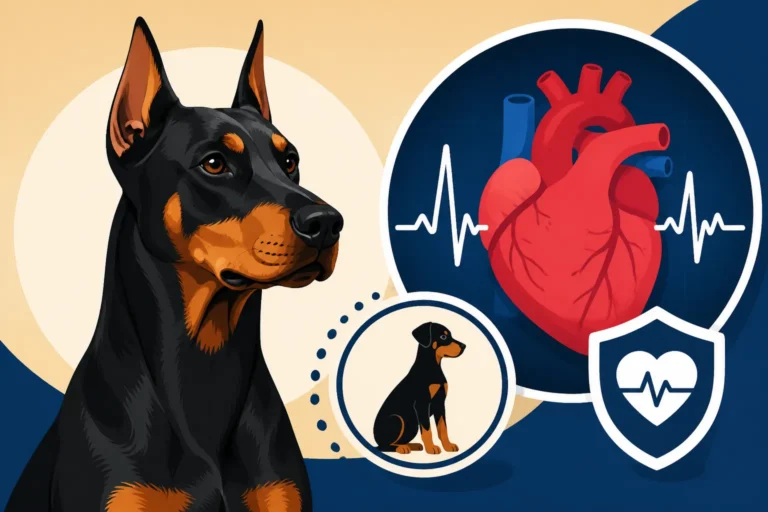
It’s a fear that quietly haunts many Doberman owners, a question whispered in hushed tones at dog parks and online forums: "Does heart disease really take most Dobermans?" This isn't just an idle worry; it's a stark reality for too many in our community. This comprehensive guide will tackle that difficult question head-on, delving into the truth about Dilated Cardiomyopathy (DCM) in Dobermans, its prevalence, and what you can realistically expect as a Doberman parent.
The Grim Reality of Doberman DCM Prevalence
Let's not sugarcoat it: Dilated Cardiomyopathy (DCM) is an incredibly pervasive and devastating disease in the Doberman breed. It's the leading cause of death for Dobermans, and the statistics are, frankly, heartbreaking. While it might sound dramatic to say it takes "most" Dobermans, the unfortunate truth is that a significant percentage of the breed will be affected at some point in their lives. This isn't just an anecdotal fear; it's backed by years of research and the lived experience of countless Doberman families.
When you bring a Doberman into your home, you're not just getting a loyal companion; you're also taking on the responsibility of managing a breed predisposed to this genetic time bomb. It’s not a question of if it will happen in many cases, but when and how we detect and manage it. This reality can feel overwhelming, especially for new Doberman owners who are just falling in love with these magnificent dogs. The concern isn't unwarranted; it's a testament to the dedication Doberman people have to their beloved pets, wanting to understand the risks and be prepared for what lies ahead. The good news is that understanding is the first step toward proactive care.
Understanding the Statistics and Genetic Predisposition
Estimates vary, but many studies suggest that anywhere from 40% to over 50% of Dobermans will develop DCM in their lifetime. That's a staggering number, making it difficult to find a Doberman line completely free of the disease. This prevalence is due to the breed's genetic makeup. Dobermans have been found to carry several genetic mutations linked to DCM, making them highly susceptible. Two particular gene mutations, known as DCM1 and DCM2, are frequently cited, though research continues to uncover more variants. You can read more about The Two Doberman DCM Gene Tests to understand these better.
The genetic component means that even with the best breeding practices, eliminating DCM entirely from the breed is a monumental challenge. Breeders diligently test their dogs, but genetics are complex, and a "clear" result doesn't always guarantee a dog will remain free of the disease. It’s a harsh truth that can make choosing a puppy feel like navigating a minefield, but responsible breeders are transparent about these risks and their efforts to mitigate them. Knowing that your dog is predisposed doesn’t mean you live in constant dread, but it does mean you become a vigilant advocate for their health, focusing on early detection.
Why DCM is So Devastating for Dobermans
DCM is a progressive disease where the heart muscle weakens and becomes enlarged. This enlargement prevents the heart from pumping blood efficiently, leading to a host of problems. Initially, the disease is "occult," meaning hidden, with no outward symptoms. This is perhaps the most frustrating aspect for owners; your dog can appear perfectly healthy, full of life, and then suddenly collapse or show severe signs. The heart has an amazing ability to compensate for a long time, masking the underlying issue.
Once symptoms appear, they can range from subtle changes like reduced exercise tolerance or a soft cough, to more severe signs such as fainting (syncope), difficulty breathing, and eventually, congestive heart failure. The progression can be rapid in some cases, leaving owners reeling. This is why the fear is so prevalent; it's not just a common disease, but one that often strikes without much warning, turning a vibrant dog into a gravely ill one very quickly. It's a race against time, where early detection is the only real advantage we have.
The Silent Threat: When Doberman Hearts Fail
One of the most insidious aspects of Doberman DCM is its "silent phase." For years, often until a Doberman is middle-aged, their heart can be gradually failing without any outward symptoms. This hidden progression is terrifying because by the time clinical signs become obvious, the disease is often advanced, and treatment options are more limited. Owners often describe their healthy, active Dobermans suddenly slowing down, coughing, or even collapsing, only to find out their dog has been in heart failure for some time. This sudden onset of symptoms, after years of normalcy, is truly heartbreaking.
Imagine your beloved Doberman, a picture of health and vitality, romping in the yard, chasing balls, seemingly invincible. You wouldn't suspect anything is amiss. But internally, their heart is struggling, compensating day by day until it simply can't anymore. This is the reality for many Dobermans and their owners, leading to the profound frustration and grief of a diagnosis that feels too late. This silent progression underscores the absolute necessity of proactive, regular heart screening, even when your Doberman seems perfectly fine. Waiting for symptoms is, unfortunately, often waiting too long.
The Occult Phase and Lack of Early Symptoms
The occult phase of DCM can last for years, typically starting when Dobermans are around 4-6 years old, though it can appear earlier or later. During this phase, the heart is undergoing significant changes – it might be enlarging, or developing electrical abnormalities like premature ventricular contractions (PVCs). Yet, your Doberman will act completely normal. They’ll still greet you with enthusiasm, demand walks, and cuddle on the couch. This is why the phrase "looks fine and is ill" resonates so deeply with Doberman owners. You can't see a failing heart just by looking at your dog.
It’s during this critical occult phase that regular screening can make the biggest difference. Catching DCM before clinical symptoms emerge allows for the initiation of medications that can significantly slow the progression of the disease and improve your Doberman’s quality of life. Without screening, this window of opportunity is missed, and you're left reacting to a crisis rather than preventing one. The frustration is palpable when you realize how much could have been done if only the disease had announced itself earlier.
Sudden Death in Apparently Healthy Dobermans
Perhaps the most tragic outcome of Doberman DCM is sudden cardiac death. This occurs when the electrical system of the heart becomes so unstable that it can no longer maintain a regular rhythm, leading to an abrupt and fatal event. For many owners, this is the first and only sign that their Doberman had heart disease. One day they are perfectly healthy, the next they are gone. This devastating reality contributes significantly to the fear and anxiety surrounding DCM in the breed. Losing a Doberman this way leaves a profound sense of shock and helplessness, making you question if there was anything you could have done.
This possibility is why many cardiologists recommend early and consistent screening. Even if a Doberman shows no outward signs of slowing down or coughing, the internal electrical instability can be present. An abnormal heart rhythm, often detected by a Holter monitor, can be a precursor to sudden death. This knowledge drives many Doberman enthusiasts to be incredibly diligent with health testing, hoping to intercept the disease before it claims their beloved companions without warning. You can learn more about Sudden Death in a Young Doberman to understand the risks and preventative measures.
Proactive Management and Screening: Your Doberman's Best Defense
Given the high prevalence and silent nature of Doberman DCM, proactive management and regular screening are absolutely non-negotiable for Doberman owners. This isn't just a suggestion; it's a commitment you make to your dog to give them the best chance at a long, healthy life. While it can be emotionally and financially taxing, the alternative is often much harder to bear. The good news is that with dedicated screening protocols, you can often detect DCM in its occult phase, giving you valuable time to intervene.
Starting early and sticking to a consistent screening schedule is paramount. Don't wait for your Doberman to show signs of slowing down or having a cough. By then, the disease is likely already advanced. Think of it as investing in their future health, much like you'd invest in their training and nutrition. It might seem daunting, but countless Doberman owners have navigated this path, and the collective knowledge and support in the Doberman community are immense. Companies like Healthy Paws can also be a lifeline, offering pet insurance plans that help manage the considerable costs of ongoing specialist care.
The Importance of Annual Echo and Holter Monitoring
The cornerstone of Doberman DCM screening involves two main diagnostic tools: an echocardiogram (echo) and a 24-hour Holter monitor.
- Echocardiogram (Echo): This is an ultrasound of the heart that allows a veterinary cardiologist to visualize the heart's structure and function. They can measure the size of the heart chambers, assess wall thickness, and observe how efficiently the heart is pumping blood. An echo can detect early signs of enlargement or decreased contractility that wouldn't be apparent from a regular vet check-up. Ideally, this should be performed by a board-certified veterinary cardiologist, as they have the specialized expertise to identify subtle changes unique to Dobermans. Regular Annual Echo and Holter Screening for a Doberman should begin around 2-3 years of age.
- 24-Hour Holter Monitor: This is a wearable ECG device that records your Doberman's heart rhythm for a full 24-hour period. It's crucial because Dobermans with early DCM often develop arrhythmias (irregular heartbeats), specifically premature ventricular contractions (PVCs), which may not be present during a brief echo appointment. A Holter can capture these intermittent electrical abnormalities, even while your dog is resting or sleeping. The number and complexity of PVCs are critical indicators of DCM progression. Learning to interpret Reading a Doberman's Holter Result is also important for owners.
| Screening Method | What It Detects | When to Start Annually | Specialist Required? |
|---|---|---|---|
| Echocardiogram | Structural changes, heart chamber enlargement, pumping efficiency | 2-3 years old | Yes, Cardiologist |
| 24-hour Holter | Electrical abnormalities, arrhythmias (e.g., PVCs) | 2-3 years old | Yes, Cardiologist |
| NT-proBNP Test | Biomarker indicating cardiac stretch/stress | Can be used as a preliminary screen or monitor | General Vet or Cardiologist |
These two tests work in tandem, providing a comprehensive picture of your Doberman's heart health. A clear echo and a low number of PVCs on a Holter are reassuring, but it’s important to remember that a single clear result doesn't mean your Doberman is immune; annual re-screening is vital because the disease can develop rapidly. The yearly heart bill for a Doberman can add up, so having a good pet insurance plan from a provider like Healthy Paws can significantly ease the financial burden of these critical tests.
Blood Tests and Biomarkers for Cardiac Health
Beyond the echo and Holter, certain blood tests can offer supportive information for your Doberman's cardiac health. The most common is the NT-proBNP test. This blood test measures levels of N-terminal pro-B-type natriuretic peptide, a hormone released by the heart in response to stretch and stress. Elevated levels can indicate that the heart is working harder than it should be, potentially signaling early cardiac disease or heart failure.
While an NT-proBNP test is not definitive for diagnosing DCM on its own, it can be a useful screening tool, especially in conjunction with physical exams and other diagnostics. Some owners use it as a preliminary screen between annual cardiologist visits, or to help monitor a Doberman already on medication. If the NT-proBNP levels are elevated, it’s a strong signal to schedule a full cardiac workup with a specialist. It’s a less invasive way to get a glimpse into your Doberman's heart health, but it's crucial to understand its limitations and not rely solely on it for diagnosis. This blood test can flag a Doberman heart concern, prompting further, more definitive investigations.
The Role of Early Intervention and Medication
If DCM is detected in its occult phase, your Doberman's cardiologist will likely recommend starting medication even before visible symptoms appear. This is a game-changer for Dobermans. Drugs like pimobendan (Vetmedin) have been shown to significantly delay the onset of clinical signs and extend the quality of life for Dobermans with occult DCM. Pimobendan is an inodilator that helps the heart muscle contract more strongly and dilates blood vessels, making it easier for the heart to pump blood.
The idea of giving medication to an apparently healthy dog can feel strange, but the evidence for early intervention is compelling. Studies have demonstrated that Dobermans started on pimobendan in the occult phase live significantly longer, healthier lives than those who only begin medication once they show symptoms. This is a powerful testament to the value of consistent screening. Other medications, such as antiarrhythmics, might also be prescribed to manage any irregular heartbeats detected on the Holter monitor, further reducing the risk of sudden cardiac death. Understanding Pimobendan Before a Doberman Shows Signs can empower owners to make informed decisions for their dog's health. The cost of these medications can be substantial over a Doberman's lifetime, which is another reason why comprehensive pet insurance from a provider like Healthy Paws is a wise investment.
Living with a Doberman and the DCM Threat
Living with a Doberman means living with the constant awareness of DCM. It's a heavy burden, but it also fosters incredible dedication and vigilance in Doberman owners. The goal isn't to eliminate the threat entirely, which isn't yet possible, but to manage it proactively and ensure your Doberman has the longest, most comfortable life possible. This involves not only medical interventions but also lifestyle adjustments and constant observation.
It’s important to remember that a DCM diagnosis is not an immediate death sentence. With proper management, many Dobermans can live fulfilling lives for years after diagnosis, especially if caught early. The journey can be challenging, both emotionally and financially, but the bond with a Doberman is unique and deeply rewarding. Building a strong relationship with a trusted veterinary cardiologist is critical, as they will be your most valuable partner in this endeavor.
Recognizing Symptoms and When to Seek Emergency Care
Despite regular screening, it's crucial for Doberman owners to be acutely aware of potential clinical signs of DCM, so you know when to seek immediate veterinary attention. These symptoms indicate that the heart's compensatory mechanisms are failing and your dog may be in heart failure.
Key symptoms to watch for include:
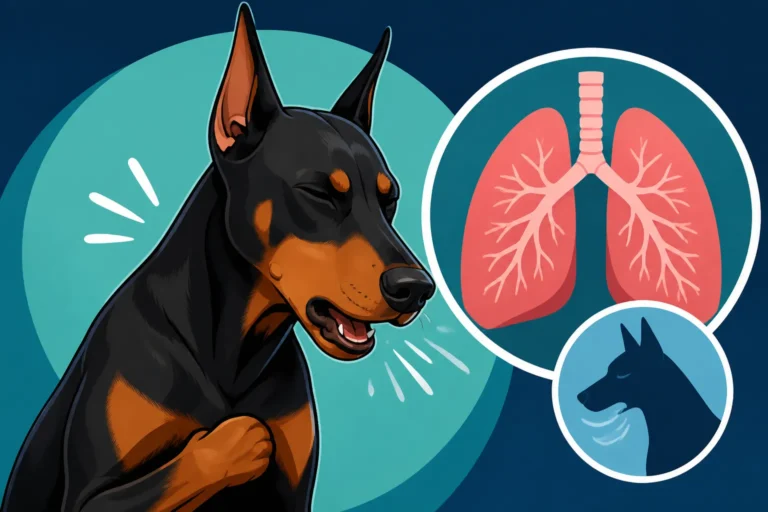
- Coughing or Breathlessness: Especially a persistent cough, or increased effort in breathing, particularly after exercise or when resting. This often indicates fluid accumulation in the lungs (pulmonary edema).
- Reduced Exercise Tolerance: Your Doberman tiring more quickly on walks, refusing to play, or being less enthusiastic about activities they once loved.
- Fainting (Syncope): Sudden, brief episodes of collapse, often triggered by excitement, exercise, or even straining during defecation. This is a serious sign of poor blood flow to the brain due to arrhythmias or reduced cardiac output.
- Weakness or Lethargy: A general decrease in energy levels that isn't explained by normal aging or exercise.
- Loss of Appetite or Weight Loss: While less common in early stages, these can occur in advanced heart failure.
- Swollen Abdomen: Due to fluid accumulation (ascites) in the abdomen, indicative of right-sided heart failure.
If you observe any of these symptoms, do not wait. Contact your veterinarian or an emergency veterinary clinic immediately. A Doberman that faints on a walk or is coughing and breathless needs urgent assessment. Early intervention during a heart failure crisis can save your Doberman's life and improve their comfort. Remember, in emergencies, the financial stress can be immense, and having pet insurance from a reputable provider like Healthy Paws can truly be a lifesaver, covering a significant portion of emergency vet fees for a collapsing Doberman and overnight care for a Doberman in heart failure.
Quality of Life Considerations and End-of-Life Decisions
As DCM progresses, there will come a point where treatment can no longer maintain an acceptable quality of life for your Doberman. This is, without a doubt, the most agonizing decision any pet owner has to face. It’s a profound act of love to recognize when your beloved companion is suffering more than they are enjoying life.
Factors to consider when assessing quality of life include:
- Pain and Discomfort: Is your Doberman constantly struggling to breathe, coughing incessantly, or showing signs of chronic pain?
- Appetite and Hydration: Are they still eating and drinking enough, or have they lost interest in food?
- Mobility: Can they still move comfortably, go for short walks, or are they too weak and lethargic?
- Engagement: Do they still engage with you and their environment, or have they withdrawn?
- Good Days vs. Bad Days: Are there more good days than bad days, or has the balance shifted?
These conversations are incredibly difficult, but your veterinary team, particularly your cardiologist, can provide invaluable guidance and support. They can help you assess your Doberman's current condition and discuss all available options. Deciding when a Doberman with DCM has had enough is a personal journey, but it's one you don't have to walk alone. The goal is always to keep them comfortable at home for as long as possible, ensuring their remaining time is filled with love and dignity.
Disclaimer
This article is intended for informational purposes only and does not constitute veterinary advice. Always consult with a qualified and trusted veterinarian or veterinary cardiologist for any health concerns or before making any decisions about your Doberman's medical care or treatment. Individual cases may vary, and only a professional can provide accurate diagnoses and personalized recommendations.