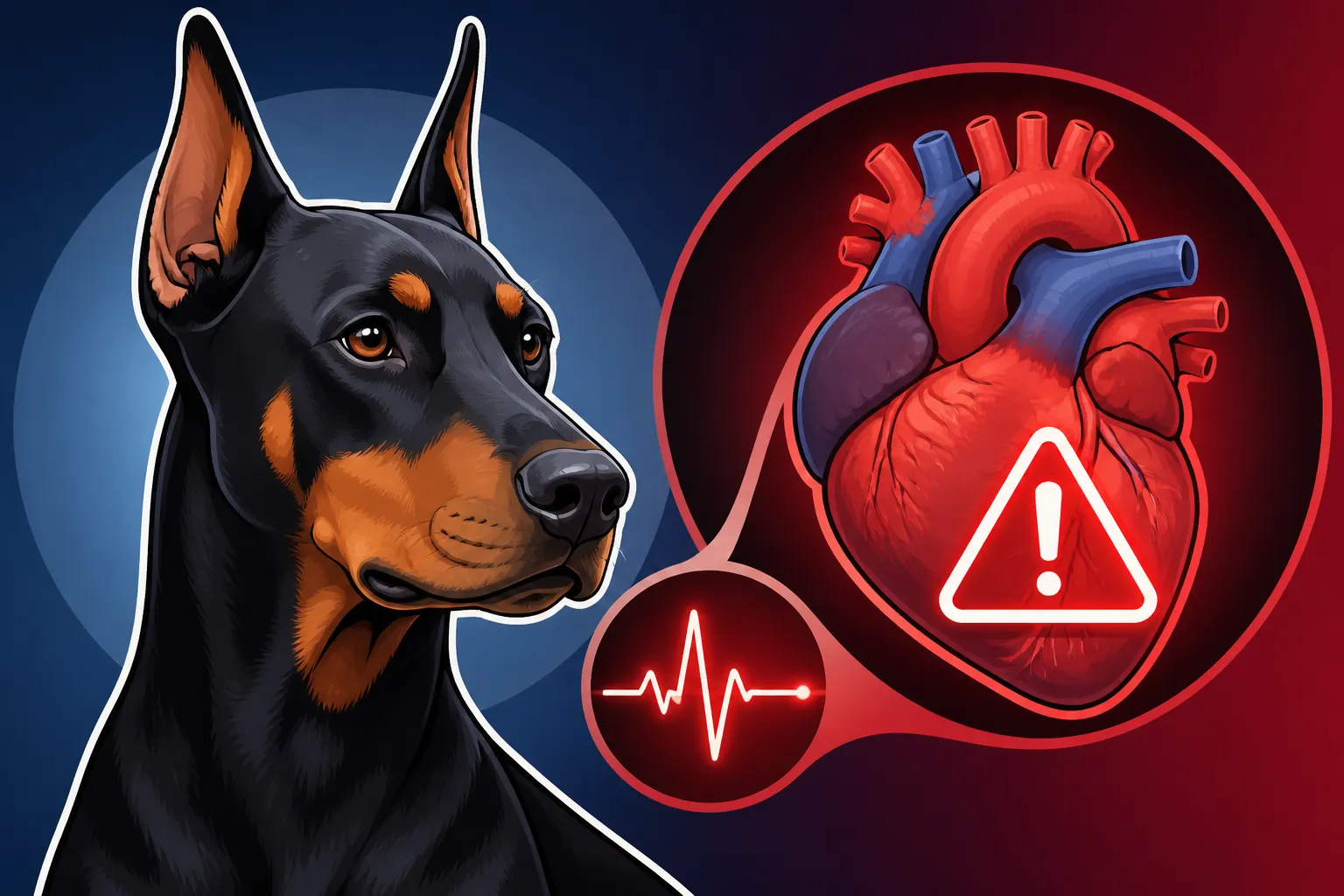
Why a Doberman Heart Fails Before Anyone Notices
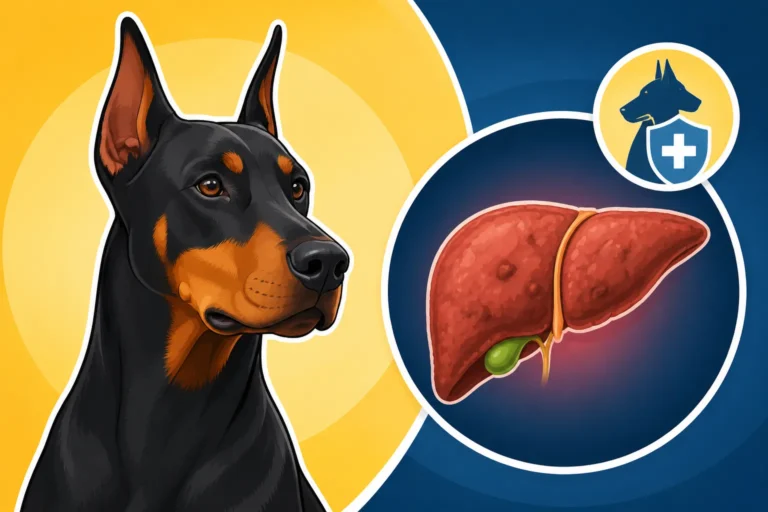
It’s a heartbreaking reality for Doberman owners: one day your beloved companion seems perfectly normal, full of life and energy, and the next, they’ve suddenly collapsed, or you notice alarming signs of struggle. This devastating scenario often plays out because Doberman hearts can fail silently, without any obvious warning, leaving families reeling and wishing they had known sooner. This comprehensive guide will delve into why Doberman heart disease progresses under the radar and what you can do to unmask this hidden threat before it's too late.
The Silent Threat of Dilated Cardiomyopathy DCM
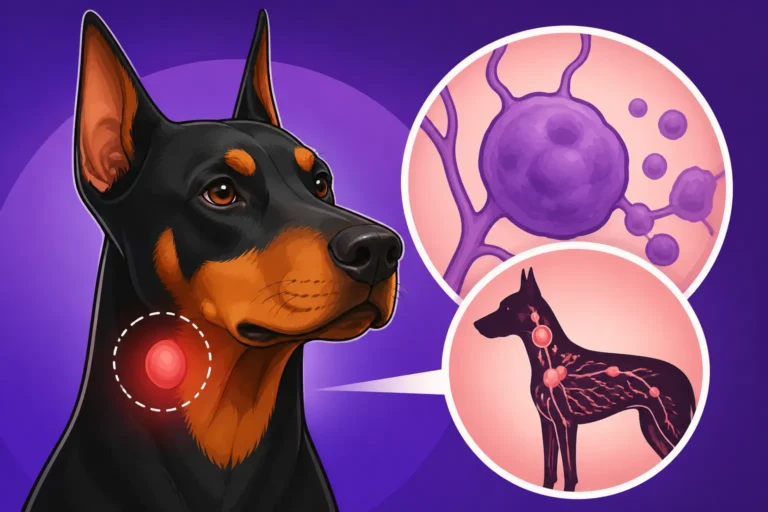
For any Doberman owner, the acronym DCM likely sends a shiver down their spine. Dilated Cardiomyopathy is a progressive disease that weakens and thins the walls of the heart, particularly the ventricles, making them unable to pump blood efficiently. It’s not just a condition that might happen to some Dobermans; it's The Heart Disease That Reaches Most Dobermans breed's most significant health challenge, claiming countless lives, often prematurely. The insidious nature of DCM lies in its prolonged preclinical phase, where the disease is active but doesn't produce any outward symptoms, fooling even the most vigilant owners.
What Exactly is DCM in Dobermans?
Imagine your Doberman's heart as a powerful, well-oiled machine, responsible for circulating blood to every cell in their body. With Dilated Cardiomyopathy, this machine begins to falter. The muscular walls of the heart, particularly the left ventricle which is responsible for pumping oxygenated blood to the body, become thin and stretched out, or "dilated." Think of a rubber band that's been stretched too many times; it loses its elasticity and can't snap back with the same force. This weakening means the heart can't contract as effectively, leading to a reduced ability to pump blood.
As the heart struggles, it tries to compensate, often by beating faster or enlarging even further, creating a vicious cycle. The chambers expand, holding more blood, but they can't eject it all, leading to a build-up and congestion in the lungs or other organs. This inefficiency eventually leads to a cascade of problems, from arrhythmias (irregular heartbeats) to fluid accumulation, which are the hallmarks of congestive heart failure.
Why Dobermans Are So Uniquely Vulnerable
Dobermans are genetically predisposed to DCM, more so than almost any other breed. It’s not simply a random occurrence; there’s a strong hereditary component. This isn't just a matter of "bad luck" for an individual dog; it's a deeply rooted issue within the breed's genetic make-up. Researchers have identified specific genetic mutations, known as The Two Doberman DCM Gene Tests, that significantly increase a Doberman's risk. While these genetic markers aren't a guarantee a dog will develop DCM, they are a powerful indicator of susceptibility, highlighting the urgent need for breed-specific screening and responsible breeding practices.
The unfortunate reality is that a significant percentage of Dobermans, both American and European lines, will develop DCM during their lifetime. While efforts are being made through genetic testing and selective breeding to reduce the incidence, it remains a pervasive and heartbreaking challenge for the breed. Understanding this inherent vulnerability is the first step in preparing for and potentially mitigating its impact on your Doberman.
The Insidious "Occult" Phase: A Wolf in Sheep's Clothing
The most frustrating and dangerous aspect of Doberman DCM is its "occult" or preclinical phase. This is the period, often lasting for years, where the heart is actively remodeling and deteriorating, yet your Doberman outwardly appears completely healthy. This is the stage where the disease progresses The Silent Years Before a Doberman's Heart Shows, giving no indication of the ticking time bomb within their chest. For many owners, this is when they unknowingly miss the window for early intervention.
No Obvious Symptoms, Just a Normal-Looking Doberman
During the occult phase, your Doberman might be running, playing, eating, and behaving exactly as you’d expect a happy, energetic Doberman to. There's no coughing, no fainting, no dramatic loss of energy. Their weight is stable, their appetite is good, and their coat is shiny. They seem utterly normal. This is precisely why the disease is so adept at flying under the radar. Owners have no reason to suspect a problem because their dog isn't showing any of the classic signs typically associated with heart trouble. It's a cruel deception, leading many to believe their dog is perfectly fine until a crisis hits.
It's common for Doberman owners to reflect, after a diagnosis, on how their dog never showed signs. And they are often right – the signs simply aren't there for a casual observer. This period can last for months or even years, allowing the disease to advance silently until the heart's compensatory mechanisms are overwhelmed, leading to a sudden and often dramatic onset of clinical symptoms. This is Why a Doberman Can Look Fine and Be Ill, and it's what makes proactive screening absolutely non-negotiable for the breed.
The Subtle Clues You Might Mistake for Something Else
While overt symptoms are absent in the occult phase, there might be incredibly subtle changes that, in hindsight, could be seen as clues. The problem is, these subtle shifts are easily attributed to other benign causes, or simply dismissed as "just getting older." For instance, a Doberman might seem to tire "a little faster" on a long walk, but you might chalk it up to a hot day or just a bit less enthusiasm than when they were a puppy. Perhaps they have a very infrequent, soft cough – easily mistaken for clearing their throat or a minor irritation.
Another subtle sign might be a slight decrease in appetite, or a moment of hesitation before engaging in vigorous play. These are so minor and inconsistent that they rarely trigger a trip to the vet, let alone suspicion of a serious heart condition. This is why relying on visible symptoms is a dangerous gamble with Dobermans. The progression is often imperceptible until it reaches a critical point, highlighting why regular, specific cardiac screening is the only reliable method for early detection. Many owners recall their Doberman just "not being quite themselves" in the weeks leading up to a crisis, but without knowing what to look for, these vague feelings are often brushed aside.
The Role of Genetics in Doberman Heart Disease
Understanding the genetic underpinnings of DCM in Dobermans is crucial for both current owners and those considering bringing a Doberman into their lives. While environment and lifestyle can play a minor role, the primary driver for this disease in Dobermans is their DNA. It’s a sad inheritance that breeders are actively working to mitigate, but it remains a significant factor in the breed's health profile.
Understanding the DCM1 and DCM2 Gene Variants
Thanks to dedicated research, we now know that there are specific genetic mutations strongly associated with DCM in Dobermans. The most well-known are the DCM1 (PDK4 gene deletion) and DCM2 (Titin gene variant). The DCM1 Gene Test Explained for Doberman Owners looks for a deletion in the PDK4 gene, which is associated with an increased risk of developing DCM, often with sudden cardiac death as the first sign. The DCM2 Titin Variant in Dobermans is a more recently discovered mutation in the Titin gene, which is involved in muscle structure, and this variant is also strongly linked to DCM development.
It's important to understand that these aren't simple "yes/no" tests for the disease itself, but rather indicators of genetic predisposition. A Doberman can be negative for both variants and still develop DCM, just as a Doberman positive for one or both may never develop clinical signs. However, the presence of these variants, particularly DCM2, significantly elevates the risk and can influence the age of onset and severity. These tests give breeders and owners valuable information, allowing for more informed decisions regarding breeding and screening protocols.
Why Genetic Testing Isn't a Silver Bullet
While genetic testing for DCM1 and DCM2 is an incredibly valuable tool for Doberman breeders and owners, it's not a complete solution. It's vital to recognize that A Doberman That Tests Clear and Still Gets DCM can still happen. This is because DCM is a complex disease, and we likely haven't identified all the genetic factors involved. There could be other genes, or combinations of genes, that contribute to the disease that we haven't yet discovered. This means a Doberman testing "clear" for the known mutations is certainly a positive step, but it doesn't offer a guarantee against developing DCM.
Furthermore, some Dobermans may carry the genetic variants but never develop clinical signs of the disease in their lifetime, while others with the same variants progress rapidly. This variability points to other factors, perhaps environmental or other genetic modifiers, that influence the expression of the disease. Therefore, relying solely on DNA tests without incorporating regular physical screenings would be a grave mistake. It’s one piece of the puzzle, but not the whole picture. For responsible owners, genetic testing should complement, not replace, diligent cardiac monitoring.
The Importance of Proactive Cardiac Screening
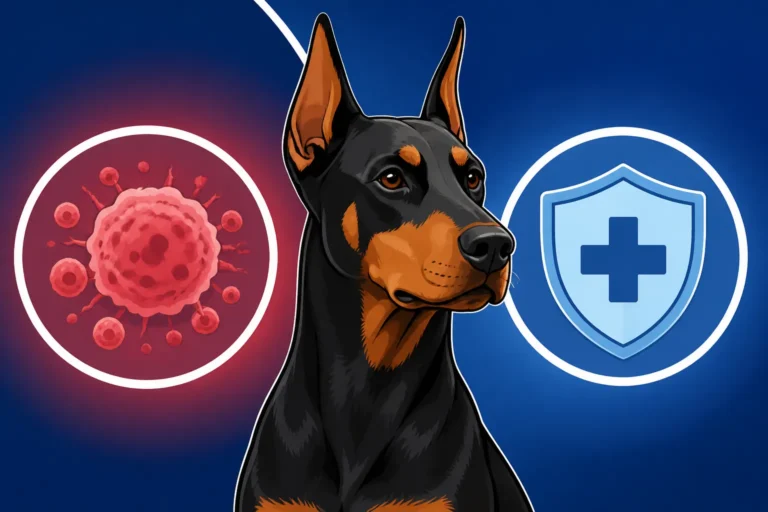
Given the silent nature of Doberman DCM, proactive screening is absolutely paramount. Waiting for symptoms to appear is like waiting for a fire to engulf your house before calling the fire department. By then, the damage is often extensive and irreversible. Regular, specialized cardiac screenings are the only reliable way to catch this disease in its occult phase, when intervention can potentially prolong quality of life.
The Power of Annual Echocardiograms
An echocardiogram, often referred to as an "echo," is a non-invasive ultrasound of the heart. It allows a veterinary cardiologist to visualize the heart's structure, measure the size of its chambers, assess the thickness of its walls, and evaluate how efficiently it's pumping blood. This is the gold standard for diagnosing DCM in its preclinical phase because it can detect the subtle changes in heart size and function – How a Doberman Heart Enlarges Before Symptoms – long before your Doberman shows any outward signs.
During an echo, the cardiologist will meticulously measure various parameters, such as left ventricular internal diameter in systole and diastole (LVIDs and LVIDd), fractional shortening (FS), and ejection fraction (EF). These measurements allow them to track changes over time and identify the early remodeling of the heart consistent with DCM. For Dobermans, annual echocardiograms, especially from a board-certified veterinary cardiologist, are critical. While one clear echo is reassuring, Whether One Clear Echo Is Enough for a Doberman is a common question, and the answer is usually no; ongoing screening is essential due to the progressive nature of the disease.
Twenty-Four Hour Holter Monitoring: Catching the Invisible
Beyond structural changes, Doberman DCM often manifests with electrical abnormalities in the heart, specifically ventricular premature contractions (VPCs). These are abnormal beats originating in the ventricles, and they can be a precursor to more severe arrhythmias, including those that lead to sudden cardiac death. The problem is, these VPCs often occur sporadically and might not be present during the few minutes your vet is listening to your Doberman's heart.
This is where a Twenty-Four Hours of Holter on a Doberman comes in. A Holter monitor is a small, portable ECG device that your Doberman wears for 24 hours (sometimes 48 hours). It continuously records every heartbeat, capturing any irregularities that might occur throughout their normal daily activities, including during sleep or periods of excitement. This continuous monitoring can reveal the presence and frequency of VPCs, providing vital information about the electrical stability of the heart. A significant number of VPCs, particularly complex ones, can be an early indicator of occult DCM and prompt a cardiologist to recommend treatment even before structural changes are evident on an echo.
The Ideal Age to Start Screening Your Doberman
The question of The Age to Start Screening a Doberman's Heart is crucial. Generally, most veterinary cardiologists recommend starting annual cardiac screening, which includes both an echocardiogram and a 24-hour Holter monitor, at two years of age. Some breeders even start earlier, around 18 months, especially if there's a strong history of early-onset DCM in the pedigree.
This recommendation is based on the typical age of onset for occult DCM in Dobermans. While some Dobermans might develop DCM later in life, a significant percentage will begin to show the subtle changes of the occult phase between the ages of two and six. Regular screening from two years onwards provides the best chance to catch the disease early. It can feel like a financial commitment, but platforms like Healthy Paws can sometimes offer coverage for these diagnostic tests if a policy is in place before any abnormalities are detected. Investing in early and consistent screening is truly the most loving and responsible action you can take for your Doberman's long-term health.
| Screening Method | What It Detects | When to Start Annually | Benefits |
|---|---|---|---|
| Echocardiogram | Structural changes, chamber dilation, pumping efficiency | 2 years | Direct visualization of heart, measures progression |
| Holter Monitor | Electrical abnormalities, ventricular premature contractions (VPCs) | 2 years | Detects intermittent arrhythmias, risk of sudden death |
| NT-proBNP Blood Test | Cardiac stress biomarkers | Varies, often with symptoms or screening | Indication of heart stretch/stress, helpful as a screening adjunct |
The Progression from Occult to Clinical DCM
The shift from the silent, "occult" phase to the overt, symptomatic "clinical" phase of DCM is often sudden and alarming. This is when the heart can no longer compensate for its weakened state, and the body begins to show clear, undeniable signs of distress. It's a critical turning point where the disease, once hidden, becomes painfully obvious.
When the Heart Can No Longer Compensate
During the occult phase, your Doberman's heart, though damaged, still manages to function adequately due to various compensatory mechanisms. It might enlarge slightly, beat faster, or the body might retain more fluid to try and maintain blood pressure. However, these mechanisms are not sustainable long-term. Eventually, the heart muscle becomes too weak and dilated, the valves may leak, and the electrical system becomes too unstable to maintain normal function.
When this happens, the heart loses its ability to pump blood forward effectively, leading to a backup of blood pressure in the vessels. If the left side of the heart is primarily affected, blood backs up into the lungs, causing fluid to accumulate – a condition known as pulmonary edema. If the right side is affected, fluid can accumulate in the abdomen (ascites) or in the limbs. This is the stage where your Doberman's health rapidly deteriorates, and the signs become impossible to ignore. This progression can occur quite suddenly, catching many owners off guard, highlighting why early detection during the occult phase is so vital.
Recognizing the Overt Signs of Heart Failure
Once DCM progresses to clinical heart failure, the symptoms become quite pronounced and distressing. Owners will often notice a persistent, soft cough, especially when lying down, which is often indicative of Coughing and Breathlessness in a Doberman due to fluid in the lungs. Exercise intolerance becomes apparent, meaning your Doberman A Doberman That Tires Faster Than It Used To and struggles with walks or play that they once enjoyed. They might be lethargic, sleeping more, and generally seem less enthusiastic about life.
Perhaps the most terrifying symptom is syncope, or fainting, particularly during or after excitement or exercise. A Doberman That Faints on a Walk is a clear emergency and points to significant cardiac compromise, often due to severe arrhythmias or critically low blood pressure. Other signs might include weight loss despite a good appetite, a distended belly (due to fluid accumulation), or general weakness. If you observe any of these symptoms in your Doberman, immediate veterinary attention is required. This isn't something that can wait; it's a critical situation where every minute counts.
Management and Treatment Options Even When It's Late
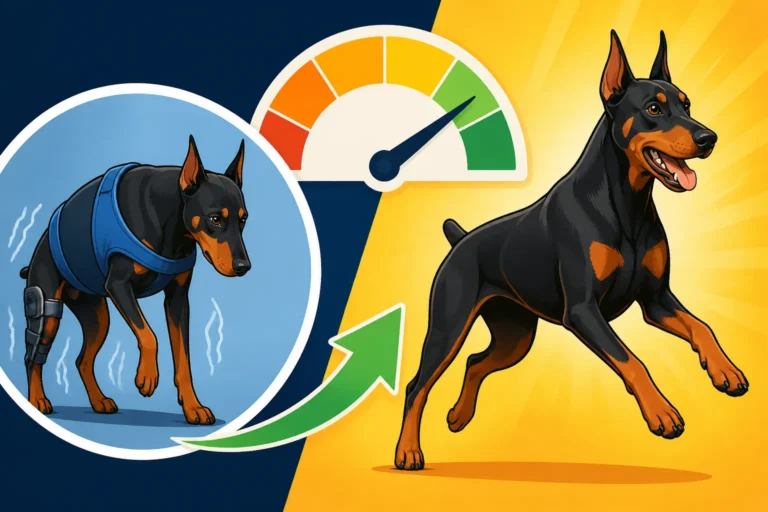
Receiving a DCM diagnosis, especially in its clinical phase, is devastating. However, it's not an immediate death sentence. While there's no cure for Doberman DCM, there are effective medications and supportive care strategies that can significantly improve your Doberman's quality of life and potentially extend their lifespan. The goal shifts from prevention to management, focusing on alleviating symptoms and supporting cardiac function.
Medications to Support a Failing Heart
Once clinical DCM or advanced occult DCM is diagnosed, your veterinary cardiologist will typically prescribe a regimen of medications designed to support the heart and manage symptoms. One of the cornerstone drugs is Pimobendan, often given even in the late occult phase. Pimobendan Before a Doberman Shows Signs has been shown to improve cardiac contractility and help dilate blood vessels, making it easier for the heart to pump blood. For Dobermans in congestive heart failure, diuretics like Furosemide are crucial to help remove Fluid on a Doberman's Lungs and How It Is Cleared.
Additionally, ACE inhibitors (e.g., Enalapril, Benazepril) are often used to reduce blood pressure and ease the workload on the heart. If arrhythmias are a significant problem, antiarrhythmic drugs such as Mexiletine or Sotalol might be prescribed to stabilize the heart's electrical activity. Managing these medications is a lifelong commitment, often requiring multiple drugs given several times a day. While the costs can be substantial, pet insurance providers like Healthy Paws can be a lifesaver, helping to cover the recurring expenses of these critical medications.
Supportive Care and Quality of Life
Beyond medication, supportive care plays a vital role in ensuring your Doberman's comfort and maintaining their quality of life. This includes dietary modifications, often a low-sodium diet to help manage fluid retention. Exercise will need to be carefully managed; vigorous activity is usually discouraged, but light, consistent walks are often still beneficial for mental and physical well-being. Whether a Doberman With DCM Should Exercise is a question best answered by your cardiologist, as it depends on the individual dog's condition.
Monitoring your Doberman at home for subtle changes, such as respiratory rate while sleeping, is also crucial. An elevated sleeping respiratory rate can be an early indicator of worsening fluid in the lungs, prompting an urgent vet visit before a crisis develops. Providing a comfortable, calm environment, managing stress, and showering them with love are also vital components of supportive care. The goal is to provide them with the best possible life for as long as possible, understanding that you are now actively managing a chronic condition.
Advocating for Your Doberman's Heart Health
As a Doberman owner, you are your dog's strongest advocate. Because DCM is so prevalent and often silent, being proactive and informed is your best defense. This means taking charge of their health journey, from choosing a responsible breeder to diligently pursuing regular veterinary care.
Finding a Qualified Veterinary Cardiologist
While your primary veterinarian is an invaluable resource, Doberman DCM is a complex disease that often requires the expertise of a specialist. A board-certified veterinary cardiologist has extensive training and experience specifically in diagnosing and managing heart conditions in animals. They have access to advanced diagnostic equipment, such as high-quality echocardiography machines, and are best equipped to interpret the subtle findings that can indicate early DCM. They also stay current on the latest research and treatment protocols for breed-specific conditions like Doberman DCM.
Establishing a relationship with a veterinary cardiologist early on, even during the initial screening phases, is highly recommended. They can accurately perform and interpret the annual echocardiograms and Holter monitors, track your Doberman's cardiac health over time, and provide the most informed recommendations for intervention if and when it becomes necessary. This specialized care can make a significant difference in the early detection and long-term management of the disease, giving your Doberman the best chance at a longer, healthier life.
What to Discuss with Your Breeder
Choosing a responsible breeder is perhaps the most critical first step in advocating for your Doberman's heart health. A reputable Doberman breeder will be transparent and proactive about health testing for DCM. They should be able to provide clear and up-to-date documentation for both the sire and dam of a litter, including:
- Annual Echocardiogram Results: Certification from a board-certified cardiologist, ideally within the last 12 months, showing the heart is structurally normal.
- Annual Holter Monitor Results: Documentation of a 24-hour Holter reading, typically with results showing fewer than 50 VPCs (ventricular premature contractions) per 24 hours.
- Genetic Test Results: Proof of testing for the DCM1 (PDK4) and DCM2 (Titin) gene variants for both parents.
Don't be afraid to ask detailed questions about their breeding philosophy, the health history of their lines, and what steps they take to minimize the risk of DCM. A responsible breeder will welcome these questions and be eager to share their extensive health testing records. Beware of breeders who dismiss the importance of cardiac screening or claim their lines are "DCM-free" without providing verifiable documentation. Reading a Doberman Breeder's Heart Paperwork is a skill every prospective owner should develop. Your Doberman's future health often starts with the choices you make at the very beginning.
Disclaimer
The information provided in this article is for educational and informational purposes only and does not constitute veterinary medical advice. Always consult with a qualified and licensed veterinarian or veterinary cardiologist for any health concerns or before making any decisions about your Doberman's medical care.