Which Labs Run Doberman Heart Gene Tests
The journey of owning a Doberman is filled with immense joy, but it often comes hand-in-hand with a gnawing worry about their health, particularly the insidious threat of heart disease. It's a heartbreaking reality that so many Doberman owners face, and trying to understand all the health testing available can feel like navigating a maze. This guide aims to demystify the process of Doberman heart gene testing, shedding light on which reputable laboratories offer these crucial genetic screens so you can make informed decisions for your beloved companion.
The Importance of Doberman Heart Gene Testing
If you're a Doberman parent, you've likely heard the term "DCM" – Dilated Cardiomyopathy. It's a heavy word, often whispered with a sigh, and for good reason. DCM is the leading cause of death in Dobermans, and it's something every single owner worries about. It's not just a statistic; it's a personal heartache that touches countless families. Understanding the nuances of this condition and the role genetic testing plays is absolutely vital for providing the best possible care for these magnificent dogs.
Understanding Doberman Dilated Cardiomyopathy (DCM)
Dilated Cardiomyopathy is a progressive disease of the heart muscle. In Dobermans, it often means the heart's pumping chambers become enlarged and weakened, making it less efficient at pumping blood throughout the body. What makes DCM so particularly devastating is its stealthy nature. For a long time, often for years, a Doberman can appear completely normal, full of energy, and show no outward symptoms whatsoever. This is often referred to as the "occult" or "hidden" phase of the disease. You might think your Doberman is perfectly healthy, bounding around the park, while silently, their heart is struggling, slowly failing them. This silent progression is why many owners are caught completely off guard when the first clinical signs finally appear, which can include coughing, breathlessness, fainting, or even sudden death. It's a frustration many Doberman owners share – the feeling of helplessness as this disease lurks unseen. To dive deeper into this silent threat, you might find solace in understanding Why a Doberman Heart Fails Before Anyone Notices.
Why Genetic Testing Matters for Doberman Owners and Breeders
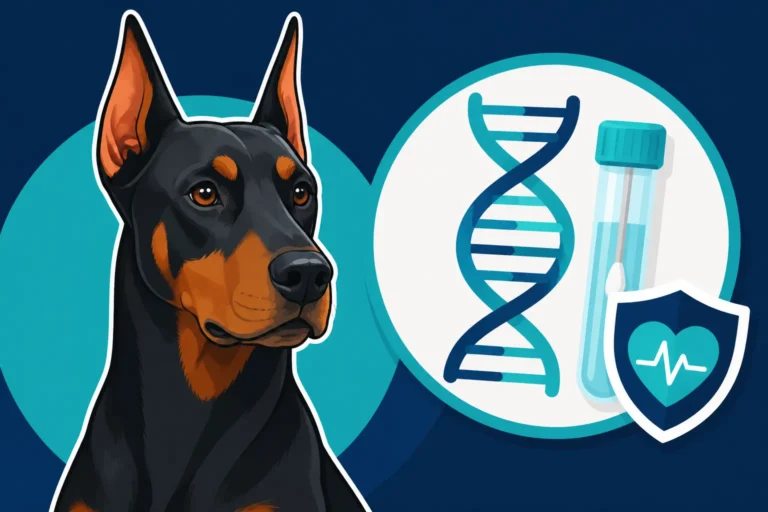
Given the hidden nature of DCM, genetic testing provides a powerful tool in our arsenal. While it doesn't diagnose the disease itself, it identifies specific genetic markers (mutations) that are known to significantly increase a Doberman's risk of developing DCM. For breeders, this information is absolutely indispensable. Responsible breeders use these tests to make informed decisions about breeding pairs, striving to reduce the prevalence of DCM in future generations. They understand that The Health Testing a Doberman Breeder Must Show includes genetic screening, demonstrating their commitment to the breed's health. For pet owners, knowing your Doberman's genetic status can offer invaluable insight. It allows you and your veterinarian to develop a proactive health monitoring plan, potentially starting cardiac screenings like echocardiograms and Holter monitors earlier and more frequently if your dog carries a higher genetic risk. This proactive approach can make a world of difference, allowing for earlier intervention if the disease does manifest, and giving you peace of mind that you're doing everything you can. It's this kind of preventative knowledge that can also be beneficial when considering pet insurance providers like Healthy Paws, as they often encourage proactive health management.
Key Doberman DCM Gene Variants
The science behind Doberman DCM is constantly evolving, but currently, there are two primary gene variants that are widely recognized and tested for within the breed. These aren't the only pieces of the puzzle, as DCM is a complex, polygenic disease influenced by multiple genes and environmental factors, but they are the most significant identifiable genetic risk factors we currently have.
The DCM1 (PDK4) Gene
The DCM1 variant, also known as the PDK4 gene mutation, was one of the first genetic markers identified for Doberman DCM. Its discovery offered a ray of hope to breeders and owners eager to combat this prevalent disease. This specific mutation is associated with an increased risk of developing DCM, though it's crucial to understand that testing positive for the PDK4 variant does not guarantee your Doberman will get DCM, nor does testing clear mean they are completely immune. It's a risk factor, like a predisposition. Think of it like a human genetic predisposition for certain health conditions – it raises the odds, but lifestyle, other genes, and environmental factors all play a role. Many Dobermans who test positive for DCM1 live long, healthy lives without ever developing clinical signs of heart disease, while some Dobermans clear of this gene can still succumb to DCM. It's a piece of the puzzle, but not the whole picture. For a more in-depth look at this particular gene, consider reading The DCM1 Gene Test Explained for Doberman Owners.
The DCM2 (Titin) Gene
More recently, research has identified a second significant genetic variant associated with Doberman DCM, often referred to as the DCM2 variant, located on the Titin gene. This discovery further complicated, yet also clarified, the genetic landscape of DCM in Dobermans. The Titin gene plays a vital role in muscle function, including the heart, so a mutation here makes a lot of sense. Like the DCM1 variant, being positive for DCM2 increases a Doberman's risk of developing DCM. What's particularly interesting, and frankly, a bit unsettling for Doberman owners, is that a dog can be positive for one variant, both variants, or neither. Some studies suggest that Dobermans positive for both DCM1 and DCM2 might have an even higher risk or potentially an earlier onset of the disease, though more research is always ongoing. This layering of risk highlights the complexity of DCM and why comprehensive genetic screening is so important. Understanding Whether Two Doberman Variants Stack Up can provide further perspective on these combined risks.
Reputable Laboratories Offering Doberman Heart Gene Tests
When you decide to pursue genetic testing for your Doberman, you want to ensure you're using a reputable laboratory that provides accurate and reliable results. Thankfully, several well-regarded institutions offer comprehensive Doberman-specific genetic panels, helping owners and breeders alike gain critical insights into their dog's health predispositions. It's a wise investment in your dog's future, and can even influence conversations with pet insurance providers like Healthy Paws about long-term care strategies.
Embark Veterinary
Embark Veterinary is one of the most widely recognized and comprehensive genetic testing services for dogs. They are incredibly popular among Doberman owners and breeders for their extensive breed-specific health panels. When you opt for Embark, you're not just getting DCM screening; their full panel tests for over 200 genetic health risks, including both the PDK4 (DCM1) and Titin (DCM2) variants specifically for Dobermans, along with other conditions relevant to the breed, like Von Willebrand Disease. Owners appreciate Embark for its user-friendly interface, clear result explanations, and a large database that contributes to ongoing scientific research. The process is simple: you receive a cheek swab kit, collect your dog's DNA, and mail it back. Results are typically available within a few weeks, providing a detailed report you can share with your vet. Many Doberman owners consider Embark an essential first step in understanding their dog's predispositions, complementing regular vet visits and screenings. Understanding What Doberman DNA Panels Cost can help you budget for this important testing.
Canine HealthCheck (by Paw Print Genetics)
Paw Print Genetics, through their Canine HealthCheck, offers another highly reputable option for Doberman genetic testing. They are well-regarded for their focus on health-related genetic conditions and providing accurate, veterinary-backed testing. Their Doberman-specific panel explicitly includes the genetic tests for both DCM1 (PDK4) and DCM2 (Titin). Unlike some broader ancestry-focused tests, Paw Print Genetics is primarily centered on providing actionable health information. Their reports are detailed and often include recommendations for genetic counseling for breeders. For owners who want a straightforward, reliable test specifically for health predispositions, Paw Print Genetics is an excellent choice. Their commitment to accuracy and scientific integrity makes them a trusted partner in Doberman health management. Being armed with this genetic information allows you to have more informed discussions with your vet about preventative care and even with pet insurance companies like Healthy Paws regarding potential future medical needs.
VetGen
VetGen is another established name in canine genetic testing, offering specific panels for Dobermans, including testing for Dilated Cardiomyopathy (PDK4/DCM1). While their offering might be slightly more focused compared to some of the broader genetic screens, VetGen has a long-standing reputation for reliability and expertise in veterinary genetics. They often cater to breeders who are looking for specific, targeted genetic markers within their lines. The process involves submitting a cheek swab, and their results are typically delivered in a clear, concise manner, easily understood by veterinarians. For those seeking a proven, reputable lab with a history in Doberman health, VetGen remains a solid choice. Proactive testing like this, identifying potential risks early, can be a cornerstone of a robust health plan, something that pet insurance providers like Healthy Paws value greatly in managing a pet’s wellness over their lifetime.
Other Reputable Labs
Beyond these widely recognized names, other laboratories and university-affiliated veterinary programs occasionally offer Doberman heart gene testing, particularly as part of ongoing research or specialized diagnostics. For instance, some veterinary schools might run specific DCM research panels or offer diagnostic services that include genetic testing. These options might not always be as widely advertised as commercial services, so it's worth discussing with your primary veterinarian or a veterinary cardiologist if they have recommendations for additional testing sources. Always ensure that any lab you choose is reputable, has strong scientific backing, and provides clear, understandable results. The landscape of genetic research is dynamic, and new insights and testing options emerge periodically. Therefore, staying informed and consulting with veterinary professionals is key to accessing the most current and accurate testing available.
Making Sense of Your Doberman's Genetic Results
Receiving your Doberman's genetic test results can be a mix of anticipation and anxiety. It's a lot of information, often presented in scientific terms, and it's completely normal to feel overwhelmed. The most important thing is to remember that these results are a tool, a piece of information to help guide care, not a definitive fate. Understanding how to interpret these results and integrate them into your dog's overall health plan is crucial for proactive Doberman ownership.
Factors to Consider When Selecting a Testing Service
Choosing the right genetic testing service for your Doberman involves more than just picking the first name you see. You'll want to weigh several factors to ensure you get the most accurate and useful information. Firstly, consider the comprehensiveness of the panel. Does it test for both DCM1 (PDK4) and DCM2 (Titin), or just one? For Dobermans, testing for both is highly recommended. Secondly, look at the reputation and scientific backing of the lab. Are they well-regarded in the veterinary community? Do they publish their research or methodologies? Thirdly, consider the turnaround time for results and the clarity of their reports. Easy-to-understand reports that your veterinarian can readily interpret are incredibly valuable. Finally, don't overlook customer support and the availability of genetic counseling, especially if you are a breeder. While cost is always a factor, remember that investing in a reliable test from a reputable lab can prevent costly misunderstandings or missed opportunities for early intervention down the line.
What Your Doberman's Test Results Actually Mean
Once your results are in hand, you'll typically see designations like "Clear," "Carrier," or "At Risk" (sometimes "Affected" for certain single-gene diseases). For Doberman DCM gene tests:
- Clear (or N/N): This means your Doberman does not carry the specific gene variant tested for (e.g., clear for DCM1 or clear for DCM2). While this is excellent news, it doesn't mean your dog is immune to DCM, as other genetic and environmental factors can still contribute to the disease. It simply means they don't have this particular known risk factor.
- Carrier (or N/P, Heterozygous): This means your Doberman carries one copy of the gene variant (e.g., one copy of DCM1 or one copy of DCM2). For DCM1 and DCM2, being a carrier still places your dog at an increased risk for developing the disease, although the risk might be lower or the onset later compared to those with two copies. For breeders, this information is critical for making informed breeding decisions to avoid producing affected offspring.
- At Risk / Affected (or P/P, Homozygous): This means your Doberman carries two copies of the gene variant (e.g., two copies of DCM1 or two copies of DCM2). Dobermans with two copies of either DCM1 or DCM2, or sometimes even one copy of each, are considered to be at a significantly elevated risk of developing DCM. It's essential to reiterate: a positive genetic test for DCM1 or DCM2 is not a diagnosis of the disease. It flags a higher genetic predisposition. Many Dobermans positive for both gene variants may still lead healthy lives for years. The discussion around Whether a Doberman Positive for Both Genes Is Doomed is complex and emphasizes that these are risk factors, not certainties. The importance lies in using this knowledge for proactive management and regular cardiac monitoring.
Integrating Genetic Information into Your Doberman's Health Plan
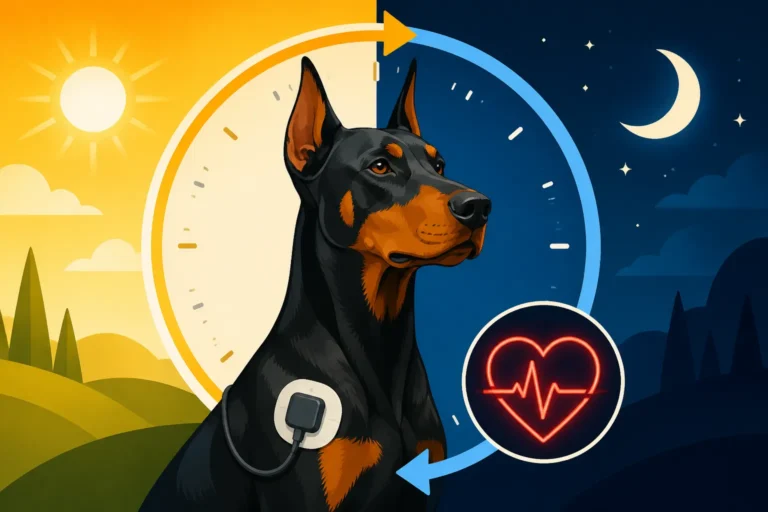
The true value of genetic testing isn't just knowing the results, but actively using that information to shape your Doberman's health plan. If your Doberman tests positive for one or both DCM gene variants, it doesn't mean panic; it means vigilance. Your veterinarian, ideally a board-certified veterinary cardiologist, will likely recommend starting regular cardiac screenings earlier and more frequently than for a genetically clear Doberman. This typically involves annual echocardiograms (an ultrasound of the heart) and 24-hour Holter monitoring (a portable ECG device your dog wears at home). These screenings are crucial because they can detect the earliest physical changes in the heart, often before any symptoms appear. To know more about this, you can explore Annual Echo and Holter Screening for a Doberman.
Early detection through these screenings, when combined with genetic insights, allows for the potential initiation of medications, like Pimobendan, even in the occult phase, which can significantly delay the onset of clinical symptoms and improve quality of life. Discussing these proactive measures with your veterinarian, and understanding how they align with what providers like Healthy Paws support in terms of preventive and early interventional care, is a powerful way to advocate for your Doberman's long-term well-being. This integrated approach, blending genetic predispositions with regular physical health monitoring, offers the best chance at managing the challenges that Doberman heart disease presents.
Comparison of Doberman Heart Gene Test Labs
To help you visualize the options, here's a brief comparison of some of the leading laboratories for Doberman heart gene testing. Keep in mind that prices can fluctuate, and specific offerings might change, so it's always best to check their websites directly for the most current information.
| Lab Name | DCM1 (PDK4) Test Included | DCM2 (Titin) Test Included | Typical Cost Range (USD) | Key Features |
|---|---|---|---|---|
| Embark Veterinary | Yes | Yes | $100 – $200+ | Comprehensive health panels, ancestry, breed identification, user-friendly reports. |
| Canine HealthCheck (Paw Print Genetics) | Yes | Yes | $100 – $150+ | Focus on health conditions, clear vet-friendly reports, genetic counseling for breeders. |
| VetGen | Yes | (Often bundled) | $90 – $150+ | Established reputation, targeted health panels, reliable results. |
This table provides a snapshot, but always visit the individual lab websites to confirm current pricing, specific tests included in their Doberman panels, and turnaround times before making your decision.
Disclaimer
The information provided in this article is for general informational purposes only and does not constitute veterinary medical advice. Always consult with a qualified veterinarian or a board-certified veterinary cardiologist regarding your Doberman's specific health concerns, diagnosis, and treatment plan. Genetic test results should always be interpreted in conjunction with a comprehensive veterinary examination and other diagnostic tests.