Doberman Eye Testing and PRA
It's incredibly disheartening when you start noticing subtle changes in your beloved Doberman's eyes, or perhaps you're just being a responsible owner, wondering what vital health screenings you need to prioritize. Eye health can feel like a labyrinth, especially with conditions like Progressive Retinal Atrophy (PRA) lurking, which can steal your Doberman's sight. This guide is here to unravel the complexities of Doberman eye testing and PRA, helping you understand the condition, navigate screening options, and provide the best care for your furry family member.
Understanding Progressive Retinal Atrophy (PRA) in Dobermans
Progressive Retinal Atrophy, often simply called PRA, is a blanket term for a group of genetic diseases that affect the retina, the light-sensitive tissue at the back of your Doberman's eye. Imagine your Doberman's retina as the film in an old camera; it captures the images and sends them to the brain. In dogs with PRA, the cells in this "film" slowly degenerate, leading to progressive vision loss and, ultimately, blindness. It's a cruel disease because it often starts subtly, making it easy to miss in its early stages. Many owners describe it as a slow fade, where their once eagle-eyed companion gradually becomes less confident in dim light or unfamiliar surroundings.
What is PRA and How Does It Progress?
At its core, PRA is a degenerative condition. The retina contains two main types of photoreceptor cells: rods, which are responsible for vision in low light (night vision), and cones, which handle bright light and color perception. In most forms of PRA, the rod cells are affected first. This means one of the earliest and most common symptoms you might notice is your Doberman struggling to see in dim light or at dusk. They might bump into furniture, hesitate on stairs, or be reluctant to go outside after the sun sets. This initial stage can be incredibly frustrating for both you and your Doberman, as they try to adapt to a world that's becoming increasingly shadowy.
As the disease progresses, often over months to years, the cone cells also begin to degenerate. This leads to a loss of vision even in bright light, eventually resulting in complete blindness. The rate of progression can vary significantly between individual Dobermans and different types of PRA. Some forms might cause blindness relatively quickly, while others allow for a longer period of adaptation. It's a progressive march, and sadly, there's no cure for PRA itself. Understanding the timeline and typical progression can help you prepare and make informed decisions about your Doberman's care, allowing you to focus on Keeping a Failing Doberman Comfortable at Home.
Early Signs to Watch For
Recognizing the early signs of PRA is crucial, not just for your Doberman's comfort but also for managing the condition proactively. The initial symptom, as mentioned, is often a noticeable decline in night vision. Your Doberman might become hesitant to move around in dimly lit areas, or they might seem startled by objects they should easily see in low light. You might also observe changes in their behavior, such as increased clinginess or anxiety, especially after dark. This is because their world is literally shrinking, and they rely more on their other senses and on you for guidance.
Beyond night blindness, pay attention to subtle changes in your Doberman's eyes themselves. Their pupils might appear more dilated than usual, especially in normal light, as their eyes try to gather every last bit of light. Sometimes, you might notice a distinct "eye shine" or tapetal reflection when light hits their eyes in the dark, which can be more pronounced than in healthy dogs. In later stages, the lens of the eye might become cloudy, a secondary cataract formation, though it's important to remember that cataracts can also occur independently of PRA. Regular observation and knowing Night Vision Loss in an Older Doberman are critical.
The Genetic Basis of PRA in Dobermans
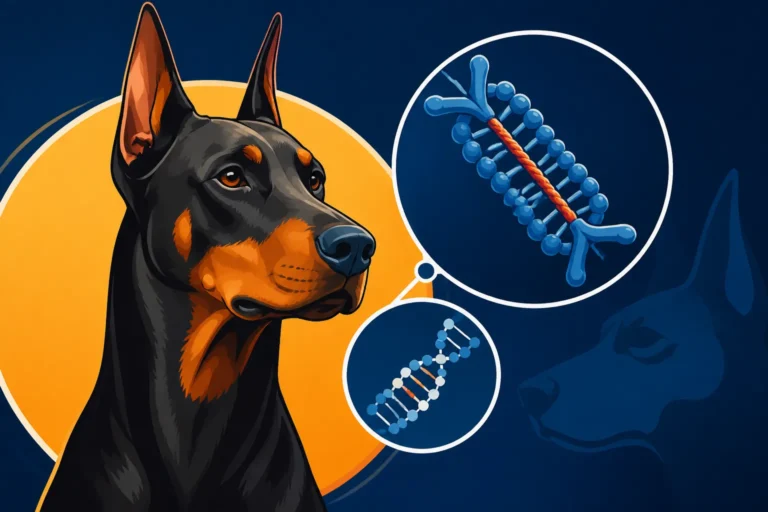
The frustrating truth about PRA in Dobermans is that it's an inherited condition. This means it's passed down from parent dogs to their offspring through specific genes. For many forms of PRA, it follows an autosomal recessive inheritance pattern. What does this mean for you? It means a Doberman needs to inherit two copies of the faulty gene (one from each parent) to develop the disease. Dogs that inherit only one copy of the faulty gene are considered "carriers." They won't develop PRA themselves, but they can pass the gene on to their puppies.
This genetic component is why responsible breeding practices are so incredibly important. If a carrier Doberman is bred with another carrier, there's a 25% chance that each puppy in the litter will inherit two copies of the gene and be affected by PRA, a 50% chance they'll be carriers, and a 25% chance they'll be clear. This complex genetic lottery is why comprehensive genetic testing is invaluable for breeders. It helps them make informed decisions to avoid producing affected puppies and reduce the prevalence of the gene in the Doberman gene pool.
Types of PRA Affecting Dobermans
While PRA is a general term, it encompasses several distinct conditions, each with its own genetic mutation and typical age of onset. For Dobermans, understanding the specific types is helpful, as it influences when you might start seeing symptoms and which genetic tests are most relevant. Not all PRA is created equal, and knowing the nuances can guide your discussions with your veterinarian and potential breeders.
General Progressive Retinal Atrophy (gPRA)
The most common form of PRA seen in many breeds, including Dobermans, is often referred to as General Progressive Retinal Atrophy (gPRA). This type affects both rod and cone cells, leading to that progressive loss of both night and day vision. In Dobermans, gPRA typically manifests in adulthood, usually between the ages of 3 and 7 years, though signs can sometimes appear earlier or later. It's important to remember that Dobermans, unfortunately, have a number of inherited health challenges, and The Doberman Years When Everything Shows Up often coincide with the typical onset of gPRA.
The progression of gPRA is usually slow and insidious. Owners might first notice their dog becoming clumsier in low light, eventually leading to a more generalized loss of confidence and awareness as their field of vision narrows. There isn't a specific genetic test universally available for all forms of gPRA in Dobermans yet, which makes regular eye examinations by a board-certified veterinary ophthalmologist absolutely critical for early detection and management. This lack of a single, definitive DNA test means relying on expert veterinary evaluation remains paramount for ongoing monitoring.
Early Onset PRA vs. Late Onset PRA
When we talk about PRA, the age of onset is a significant factor. Early Onset PRA refers to forms where symptoms appear in puppies or very young dogs, sometimes as early as 6 months to a year old. These cases are particularly heartbreaking because the dogs lose their sight before they've even had a chance to fully experience the world with clear vision. The progression can also be more rapid in these forms, leading to complete blindness within a shorter timeframe. Thankfully, early onset PRA is less common in Dobermans compared to some other breeds, but it's not unheard of.
Late Onset PRA, on the other hand, is when symptoms emerge later in life, typically in middle-aged to senior Dobermans. This is more often what we see with gPRA in the breed, with vision loss becoming apparent between 3 and 7 years of age, or sometimes even later. While still devastating, the slower progression in many late-onset forms allows for a longer period of adaptation for both the dog and the owner. It also means that a Doberman can live a full and active life for several years before significant vision impairment sets in. This distinction in onset age highlights why continuous monitoring throughout a Doberman's life is so important, not just in puppyhood.
The Importance of Doberman Eye Testing
Eye testing for Dobermans isn't just a formality; it's a vital part of responsible ownership and breeding. Given the genetic predisposition of the breed to conditions like PRA, regular examinations and, where available, genetic screening, play a huge role in detecting issues early, preventing their spread, and improving the overall health of the breed. It can feel like just another cost, but the peace of mind and proactive care it provides are truly invaluable. Pet insurance providers like Healthy Paws often highlight the importance of preventative care, and understanding your breed's specific health risks, like those related to eye conditions, is key to managing potential future claims.
Why Regular Screening is Crucial
Regular eye screenings by a board-certified veterinary ophthalmologist are the cornerstone of proactive Doberman eye health. These specialists have the equipment and expertise to detect subtle changes in the retina long before they're obvious to the average owner. For conditions like PRA, where early signs can be missed, these annual exams become your first line of defense. The ophthalmologist will conduct a thorough examination of the entire eye, looking for retinal degeneration, optic nerve changes, and any secondary conditions like cataracts that might arise from PRA.
Think of it like an annual physical for your Doberman's eyes. Even if your Doberman seems to have perfect vision, these screenings are essential, especially as they enter the age range where PRA typically manifests. Early detection doesn't cure PRA, but it allows you to plan for the future, make adaptations to your home environment, and discuss supportive therapies or supplements with your vet. It ensures you're not caught off guard by sudden vision loss and can help your Doberman adjust more smoothly.
Identifying Carriers and Affected Dogs
One of the most powerful aspects of eye testing, especially genetic testing where specific markers are identified, is the ability to identify both affected dogs and asymptomatic carriers. An affected Doberman will develop PRA, while a carrier Doberman won't show symptoms but carries one copy of the faulty gene and can pass it on. This distinction is paramount for breeders. While a Doberman testing clear means they don't carry the gene for a specific type of PRA, knowing if a Doberman is a carrier allows breeders to make educated breeding choices to avoid producing affected offspring.
Currently, for Dobermans, specific DNA tests are available for certain forms of PRA, and these are crucial tools. These tests, often done via a simple cheek swab, can definitively tell you if your Doberman is clear, a carrier, or affected by a known genetic mutation for PRA. However, it's important to remember that a "clear" genetic test only clears your dog for the specific mutations tested for. Other forms of PRA, or even other eye conditions, might still be present or develop later, which reinforces the need for regular ophthalmological exams. Understanding Whether a Carrier Doberman Should Be Bred is a critical decision for responsible breeders.
Impact on Breeding Decisions
For Doberman breeders, eye testing is not just a recommendation; it's an ethical imperative. Comprehensive eye health screening, including annual ophthalmologist exams (CAER/OFA Eye Certification) and available DNA tests, is fundamental to responsible breeding practices. Breeders should be transparent about their dogs' eye health status and readily provide documentation. When considering a puppy, asking to see certificates for both parents' eye health is non-negotiable. This is part of The Health Testing a Doberman Breeder Must Show to demonstrate their commitment to the breed's well-being.
Breeders who only screen for some conditions or don't do regular follow-ups are putting the future of the breed, and the health of their puppies, at risk. By selectively breeding only dogs that are clear of PRA (or carefully breeding carriers to clear dogs while monitoring offspring), breeders can significantly reduce the incidence of this devastating disease. This foresight benefits not only the individual puppies but also the long-term genetic health of the entire Doberman population. Conversely, ignoring eye health in breeding decisions contributes to the propagation of these genetic issues.
How Eye Testing for PRA is Performed
Navigating the world of veterinary testing can be a bit overwhelming, but understanding the specific types of eye tests for PRA in Dobermans can demystify the process. There are generally two main approaches: the physical eye examination performed by a specialist, and genetic DNA tests that look for specific mutations. Both play a crucial role in giving a complete picture of your Doberman's eye health.
OFA Eye Certification Exam (CAER)
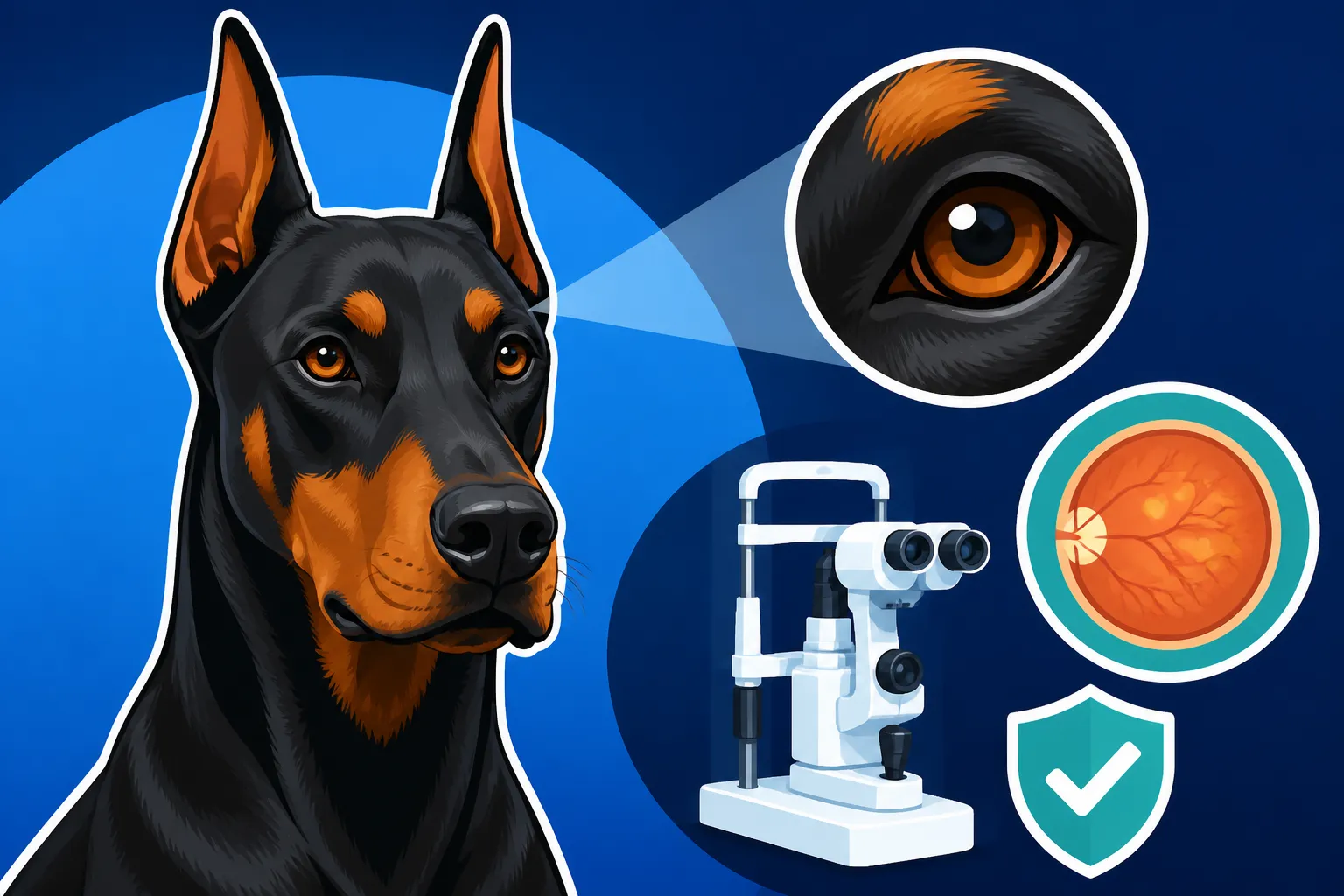
The OFA Eye Certification Exam, often referred to as CAER (Companion Animal Eye Registry), is a comprehensive eye examination performed by a board-certified veterinary ophthalmologist. This isn't just a quick peek; it's a thorough evaluation of your Doberman's entire eye structure, including the eyelids, conjunctiva, cornea, iris, lens, and, most importantly for PRA, the retina and optic nerve. Your Doberman's pupils will typically be dilated with drops to allow the ophthalmologist a clear view of the retina at the back of the eye.
During the exam, the specialist looks for any signs of inherited eye diseases, including retinal degeneration consistent with PRA, cataracts, glaucoma, and other anomalies. The results are then submitted to the Orthopedic Foundation for Animals (OFA) registry. Your Doberman will receive a certificate stating whether their eyes are "normal" or if any conditions were observed. These exams are generally recommended annually for breeding dogs and at regular intervals for pet Dobermans, especially as they age. This systematic approach allows for monitoring changes over time, as even a "normal" result one year doesn't guarantee a clear bill of health forever.
Genetic DNA Testing for Known Variants
While the CAER exam provides a snapshot of current eye health, genetic DNA testing dives into your Doberman's genetic code to identify specific mutations linked to PRA. For Dobermans, there are specific DNA tests available through various reputable laboratories that screen for known PRA variants. These tests are typically performed using a simple cheek swab or blood sample that you or your veterinarian can collect. The sample is then sent to a specialized lab for analysis.
The beauty of DNA testing is that it can identify affected dogs and carriers even before any clinical signs of PRA become apparent. This is particularly valuable for breeders who want to make informed decisions before mating. You'll receive a report indicating whether your Doberman is "clear" (meaning they don't carry the tested mutation), a "carrier" (one copy of the mutation), or "affected" (two copies of the mutation). It's important to remember that Whether a Doberman DNA Panel Replaces Screening is a common question, and the answer is usually no; they complement each other. DNA testing tells you about genetic predisposition, while ophthalmological exams assess the physical health of the eye. Some general DNA testing labs that offer these Doberman-specific panels include Embark and Paw Print Genetics.
Interpreting Test Results
Understanding your Doberman's eye test results is key to knowing how to move forward. If your Doberman receives a "normal" CAER certificate, it means no signs of inherited eye disease were observed at the time of the examination. This is fantastic news, but remember it's a snapshot, and annual re-certification is often recommended, particularly for breeding dogs or as your Doberman gets older. If the CAER exam notes an issue, the ophthalmologist will discuss the diagnosis, prognosis, and any potential management strategies.
For genetic DNA tests, a "clear" result means your Doberman does not carry the specific PRA gene mutation(s) tested. They cannot develop that particular form of PRA nor pass it on. A "carrier" result means your Doberman has one copy of the mutation. They will not develop the disease themselves but can pass it to 50% of their offspring. An "affected" result means your Doberman has two copies of the mutation and will likely develop the disease, or may already be showing signs. If you have concerns about the results, whether it's for a puppy or an older Doberman, remember you can always seek a second opinion or discuss the implications with your veterinarian or a genetic counselor. Reading a Doberman Puppy's Test Certificates correctly is crucial for new owners.
| Test Type | What It Detects | When It's Done | Who Performs It | Benefit |
|---|---|---|---|---|
| OFA CAER Exam | Physical signs of inherited eye diseases (e.g., PRA, cataracts, glaucoma) | Annually (especially for breeding dogs) | Board-certified Veterinary Ophthalmologist | Early detection of physical changes, monitoring progression |
| Genetic DNA Panel | Specific gene mutations linked to PRA | Anytime (can be done on puppies) | Veterinary office (sample collection), Specialized Lab (analysis) | Identifies carriers and affected dogs before symptoms, aids breeding decisions |
Living with a Doberman Diagnosed with PRA
Receiving a diagnosis of PRA for your Doberman can feel like a punch to the gut. The thought of your loyal companion losing their sight is heartbreaking. However, it's vital to remember that a PRA diagnosis is not a death sentence. Dobermans are incredibly resilient and adaptable. With your patience, understanding, and some thoughtful adjustments, a blind Doberman can still lead a full, happy, and remarkably normal life. It's a journey that requires empathy and practical solutions, and you're not alone in navigating it.
Adapting Your Home Environment
The first step in helping a Doberman with PRA is to adapt their living environment. Dogs thrive on routine and familiarity, and this becomes even more critical for a visually impaired dog. Try to keep furniture and their belongings (food bowls, bed, toys) in consistent locations. Any sudden changes can be disorienting and stressful. Consider baby gates to block off stairs or hazardous areas, especially during the transition phase. Padding sharp corners on furniture can also prevent painful bumps.
Creating a "safe zone" or familiar pathway for your Doberman can greatly reduce their anxiety. This might involve using different textures of rugs or runners to help them navigate. Scent markers can also be incredibly useful. You could use a distinct essential oil (diluted and dog-safe, like lavender) on furniture legs or doorways to help them map their surroundings. Their other senses become heightened, so leverage them! Also, be mindful of clutter on the floor, as even small items can become trip hazards for a dog who can't see them.
Maintaining Quality of Life
Maintaining your Doberman's quality of life after a PRA diagnosis is paramount. While their vision may decline, their need for exercise, mental stimulation, and affection remains. Continue with regular walks, but opt for familiar, safe routes. Leash walks are essential, and a long line in a secure, fenced yard can still offer some freedom. Consider investing in a harness that indicates "Blind Dog" to alert others. Remember, they still love to play! Squeaky toys, scented toys, or treat-dispensing puzzles become invaluable as they rely on sound and smell more than sight.
Verbal cues become even more critical. Start using clear, consistent commands for everything: "step up," "step down," "wait," "left," "right." Your voice becomes their guiding light. Most importantly, maintain your bond with extra cuddles, praise, and reassurance. They will rely on your presence and calm demeanor to feel safe and secure. Don't feel sorry for them; empower them to navigate their world with confidence. Many pet insurance plans, like those from Healthy Paws, offer coverage for diagnostic tests and ongoing care, which can provide financial relief as you manage your Doberman's long-term health needs, helping you focus on their well-being.
Support Systems for Owners
It's okay to feel overwhelmed and sad about your Doberman's PRA diagnosis. You're losing a part of the experience you expected to have with them, and that's a genuine grief. Connect with other owners who have visually impaired dogs. Online forums, local breed clubs, and even your veterinary clinic can often put you in touch with support groups. Sharing experiences, tips, and frustrations with those who truly understand can be incredibly comforting.
Your veterinarian and veterinary ophthalmologist are also crucial members of your support team. Don't hesitate to ask them for advice on environmental enrichment, behavior changes, or any new symptoms that arise. They can also connect you with resources for specialty equipment or training. Remember, you're doing a fantastic job, and seeking support for yourself ensures you can continue to be the best advocate for your Doberman.
Preventative Measures and Responsible Breeding
While there's no cure for PRA, there's a great deal we can do to prevent its prevalence and ensure a healthier future for the Doberman breed. This primarily revolves around diligent health testing and responsible breeding practices. As potential or current Doberman owners, understanding these measures empowers you to make ethical choices and support breeders who prioritize the long-term health of their dogs. It’s about building a foundation for healthier generations.
Choosing a Reputable Breeder
This cannot be stressed enough: choosing a reputable Doberman breeder is the single most important preventative measure you can take against PRA and many other inherited diseases. A responsible breeder will be intensely focused on the health and temperament of their breeding stock. They will perform all recommended health screenings, including annual OFA CAER eye exams and available genetic DNA tests for PRA on both parent dogs. They should be able to show you legitimate, current certificates for these tests. Do not accept excuses or vague assurances.
A good breeder will also be transparent about the health history of their lines, including any incidence of PRA in previous generations. They won't shy away from discussing potential health concerns but rather demonstrate how they are actively working to mitigate them. They'll likely interview you extensively to ensure you're prepared for a Doberman and will be there for support throughout your dog's life. This rigorous approach to breeding helps ensure your puppy starts life with the best possible genetic foundation. This proactive vetting is far more important than any Whether a Cheap Doberman Puppy Is Ever Safe.
The Role of Genetic Counseling
For breeders, genetic counseling can be an invaluable resource. This involves consulting with veterinary geneticists who can help interpret complex DNA test results, understand inheritance patterns, and develop strategic breeding plans to minimize the risk of producing affected offspring while maintaining genetic diversity within the breed. They can help breeders understand the implications of breeding a carrier to a clear dog versus avoiding carriers altogether.
Even for pet owners, if you have a Doberman diagnosed with PRA or you're considering breeding, a genetic counselor can provide personalized advice. They can help you understand the specific type of PRA affecting your dog, its inheritance pattern, and the implications for any relatives. This expert guidance can clarify confusing information and help you make informed decisions about your Doberman's future, as well as the future of the breed.
Broader Implications for the Doberman Breed
The collective efforts of individual owners and responsible breeders have a profound impact on the overall health of the Doberman breed. By consistently screening for PRA and making informed breeding choices, the incidence of this devastating disease can be significantly reduced over time. This isn't just about preventing one dog from going blind; it's about improving the genetic health and quality of life for countless Dobermans in the future.
Supporting organizations like the Doberman Pinscher Club of America (DPCA) and their health initiatives is another way to contribute. These organizations often fund research into Doberman-specific diseases, develop health testing protocols, and educate the public on responsible ownership. The fight against inherited diseases like PRA is a long-term commitment that requires a community effort, but every tested Doberman and every informed owner brings us closer to a healthier breed. When Screening an Older Doberman More Often becomes a norm, the collective data contributes to better understanding and prevention strategies for the entire breed.
Disclaimer
This article is intended for informational purposes only and does not constitute medical advice. Always consult with a qualified veterinarian or veterinary ophthalmologist for any health concerns or before making any decisions about your Doberman's care.