Whether Dobermann Named the Breed Himself
When people ask whether Louis Dobermann named the breed himself, the answer is less certain than the familiar story suggests. The Doberman is unquestionably named in his honor, but there is no clear record showing that he formally coined or officially registered the breed name. This guide explains what is known, what remains unclear, and how the name changed over time.
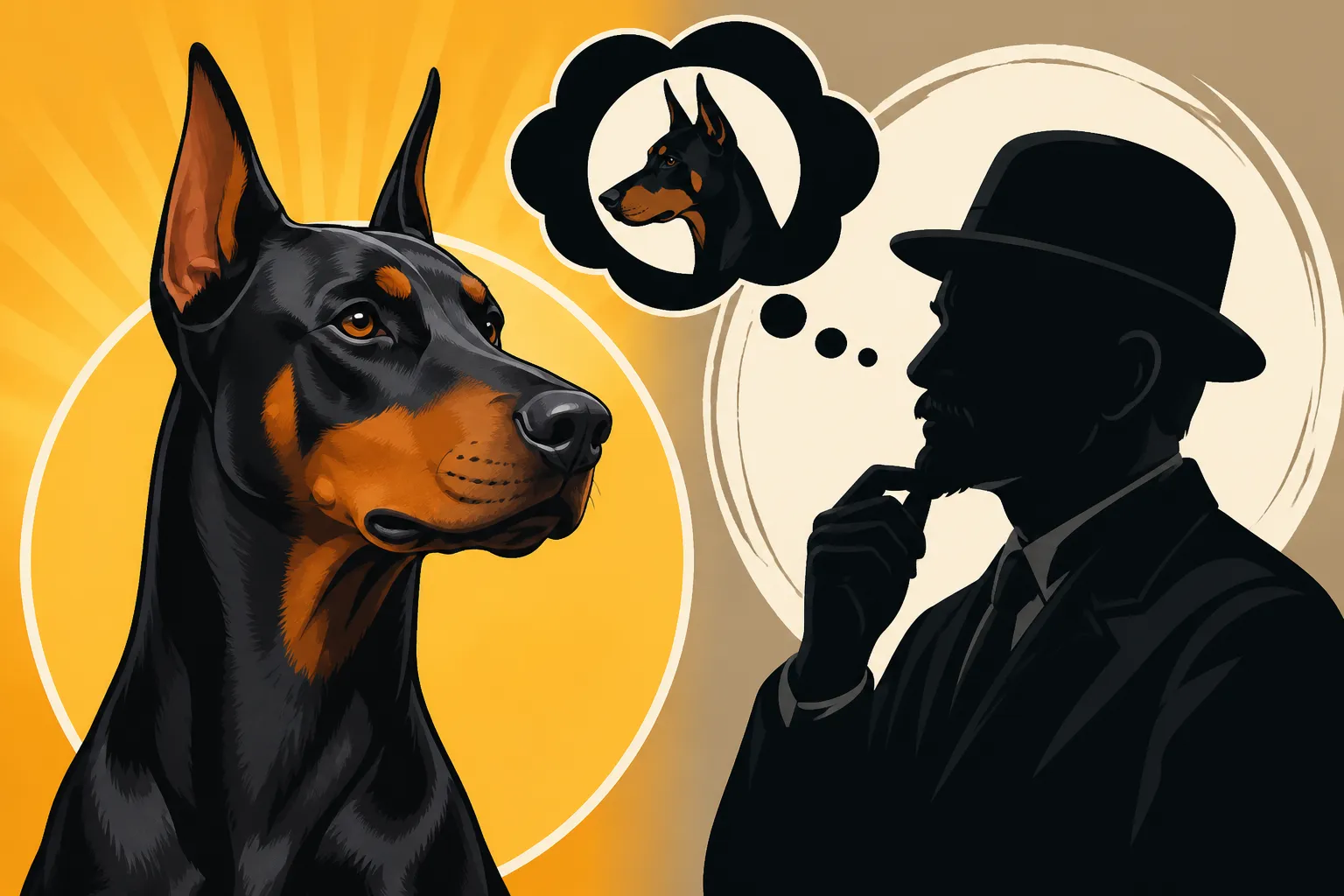
Did Louis Dobermann name the breed himself
The short answer and the historical evidence
The breed was named for Karl Friedrich Louis Dobermann, a German tax collector and dog breeder who lived in Apolda, in what is now the state of Thuringia. But saying a dog is named after someone is not the same as proving that person chose the name. The surviving historical record supports the connection to Dobermann; it does not clearly establish that he personally coined the breed’s formal name.
Dobermann developed dogs for practical work, including the protection he wanted while carrying out his duties. The animals he bred became associated with him and were eventually known by a name derived from his surname. That evolution could have happened informally among local people, breeders, or later enthusiasts. The exact moment the name became established is difficult to pin down.
So, the most careful answer is: Dobermann did not demonstrably name the breed himself in a formal, documented way. The breed bears his name because later usage connected these dogs to their breeder. For more about the man behind that connection, see Who Karl Friedrich Louis Dobermann Was.
What “named after him” actually means
Breed names often take shape gradually. A breeder may produce a distinctive type of dog, and people begin referring to those animals by the breeder’s name, their place of origin, or their working purpose. Over time, one informal label may become the familiar name, even if no single person announced it as an official title.
That distinction matters here. It is reasonable to say that the Doberman is named after Louis Dobermann. It is less certain to say that Dobermann himself chose the name “Dobermann Pinscher” or presented his dogs under that exact formal name. Later accounts sometimes tell the history as if the label appeared fully formed during his lifetime, but the evidence is not strong enough to treat that as settled fact.
The name also developed alongside the breed itself. Dobermann died in 1894, while organized efforts to establish the breed continued afterward. The Doberman Club Goeller Founded in 1899 explores that later period, when breeders and enthusiasts helped give the developing dog a more consistent identity.
How the breed name took shape after Dobermann
The dogs were associated with their breeder
Dobermann’s dogs were bred for usefulness rather than simply to meet a written show standard. His working needs shaped the kind of animal he wanted: alert, capable, and protective. The name that became attached to the breed made sense because people connected the dogs with the man who bred them and with the region where he worked.
For background on the circumstances that influenced his breeding choices, see Why a Tax Collector Bred the First Dobermans and Apolda and the Night Rounds That Shaped the Doberman. These topics help explain why the breed’s origin story is tied to both an individual and a place, rather than to a single naming ceremony.
It is possible that people used more than one description for the dogs in the early years. Historical accounts may refer to working types, local labels, or descriptions based on their purpose. Such names do not necessarily mean there were several distinct breeds; they can reflect a period before breeders had agreed on a shared, standardized identity.
Later breeders helped formalize the breed
After Dobermann’s death, other breeders continued developing the type of dog associated with his work. Otto Goeller is often connected with efforts to organize and refine the breed. A breed club was established in Germany in 1899, and a written standard followed in 1900. Those developments came after Dobermann had died, which is one reason it is safer to distinguish his role as originator from the later work of formalizing the breed.
A standard does not necessarily create a name from nothing. Rather, it helps define which dogs belong to a recognized breed and what traits breeders are aiming to preserve. Formal clubs, written descriptions, and registry practices can turn a familiar informal label into a more consistent official designation.
The timeline is useful when answering the original question: Dobermann helped create the dogs that became associated with his name, but the organizations and documents that shaped the breed’s formal identity came later. For more on the written definition, see The 1900 German Doberman Standard.
Why the breed is called Doberman or Dobermann Pinscher
The spelling changes by country and registry
The surname Dobermann is spelled with a double “n,” and that spelling is commonly used for the breed in Germany and in international contexts. In the United States, the breed is generally called the Doberman Pinscher, with one “n” in “Doberman.” The difference reflects established naming conventions, not two separate breeds.
The word “Pinscher” is part of the breed’s historical name in some countries and registries. It is not a reference to the modern miniature pinscher being the same breed. Names can preserve older classifications or regional conventions even when the dogs themselves have distinct histories and standards.
| Name you may see | Where it is commonly used | What it refers to |
|---|---|---|
| Dobermann | Germany and many international contexts | The breed named in connection with Louis Dobermann |
| Doberman Pinscher | United States | The breed under its familiar American name |
| Doberman | Everyday English usage | A shortened form commonly understood to mean the same breed |
If you are comparing a pedigree, a breed-club document, or an adoption profile, the spelling may vary. That alone is not evidence that the dog belongs to a different breed. Other parts of the paperwork, such as the registry and the dog’s registered name, provide the useful context.
Why “Pinscher” was eventually dropped in some places
Not every kennel club uses the same breed name. In some countries, the breed is simply called the Dobermann, while in others “Pinscher” remains part of the official or customary title. These differences generally reflect registry and language conventions rather than a change in the breed’s identity.
The name can also be confusing for someone who is new to the breed. A person may see “Doberman Pinscher” in one resource and “Dobermann” in another, then wonder whether one label refers to a working line or a different national type. The name by itself does not tell you that. To understand differences in breeding traditions, see American Against European Dobermans.
Naming conventions are also separate from questions about which dogs contributed to the breed. The historical ancestry is not fully documented, and stories about particular foundation breeds should be treated carefully. Which Breeds Went Into the Doberman looks at that question without assuming that every familiar origin story is proven.
What we know and what remains uncertain
Facts that are well established
Louis Dobermann was a breeder in Apolda, and the breed that bears his name developed from dogs bred for practical work. He died before the breed’s early club and standardization efforts took place. Later breeders helped shape and formalize the type, while the name associated with Dobermann became the breed’s lasting label.
It is also well established that the name appears in different forms across countries. “Dobermann” preserves the spelling of the German surname, while “Doberman Pinscher” is the familiar American form. These naming differences can make historical searches feel inconsistent, but they do not change the central connection to Dobermann.
The breed’s early history is not a tidy record of one person choosing a name, registering a breed, and setting down a complete pedigree. Like many older breeds, it emerged through practical breeding and later organization. Why the Doberman Was Bred Calmer Over Time offers more context on how the breed continued to change after its early development.
Claims worth treating with caution
A confident account may say that Dobermann personally named the dogs “Dobermann Pinschers.” That may be repeated in breed histories, but a clear contemporaneous record of him formally making that choice is not generally available. It is better to describe the name as one that became associated with him, rather than to state as fact that he coined it.
The same care applies to specific claims about the exact date when the name first appeared, the first dog to carry it, or the precise mixture of breeds used. Later histories may differ, and early breeding records are incomplete. A missing document does not prove that an event did not happen; it simply means the strongest answer should acknowledge what the evidence can and cannot show.
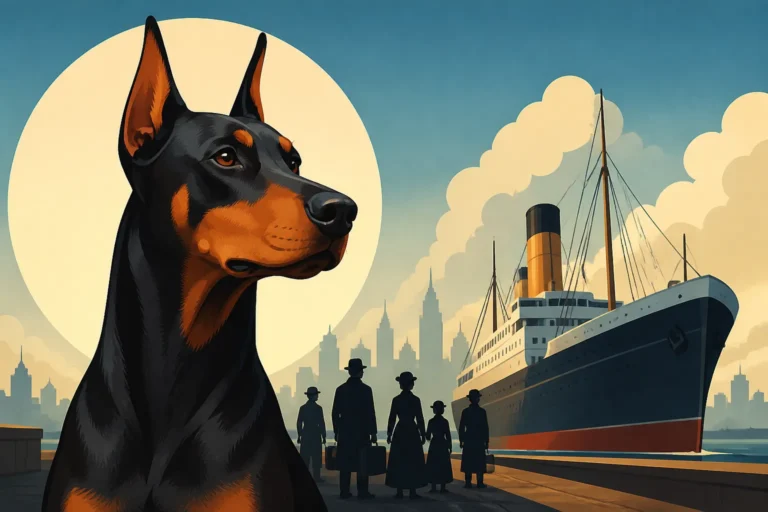
For readers exploring the breed’s wider history, The First Dobermans Shipped Out of Germany and When Dobermans First Arrived in America trace how the dog and its name travelled beyond its original region. Those stories show how a name can become more firmly established through use, registration, and public familiarity.
Why the answer matters to Doberman owners
Breed history is not the same as a modern label
Knowing that the name likely developed through later use helps separate the breed’s origin story from the way registries identify it today. Someone researching a puppy may encounter different spellings on a pedigree, breeder website, or club document. The variation is usually a naming convention, not a warning sign by itself.
The most useful next step is to look at the full context of a document. Check which organization issued it, whether the registered name and identifying details match, and whether the breeder provides the health information relevant to the dog. A name can tell you something about regional tradition, but it cannot establish a dog’s health, ancestry, or temperament on its own.
That is also why responsible breed research benefits from reading beyond a single catchy origin story. The Doberman’s history includes its founding breeder, the town of Apolda, later breed clubs, and changes in formal standards. Each piece answers a different question; none needs to be stretched into a complete explanation of every detail.
A clear way to explain the name
If someone asks whether Dobermann named the breed himself, a fair, concise answer is: “The breed is named after Louis Dobermann, but there is no clear evidence that he personally coined or formally established the breed name. Later breeders and organizations helped standardize the breed after his death.”
That wording gives credit to Dobermann without presenting uncertain details as fact. It also leaves room for the difference between an informal name that spread through everyday use and an official designation adopted by a club or registry.
For many owners, the history becomes most interesting when it connects the name to the dog they live with now. The Doberman is not simply a name inherited from one breeder; its modern identity was shaped by generations of people who bred, described, registered, and cared for these dogs. Understanding that gradual process makes the name—and the uncertainty around its first use—easier to put in perspective.
Disclaimer
This article is for general informational purposes only and does not constitute professional advice. Laws, prices and regulations vary by location and change over time. Consult a qualified professional for guidance on your specific situation.