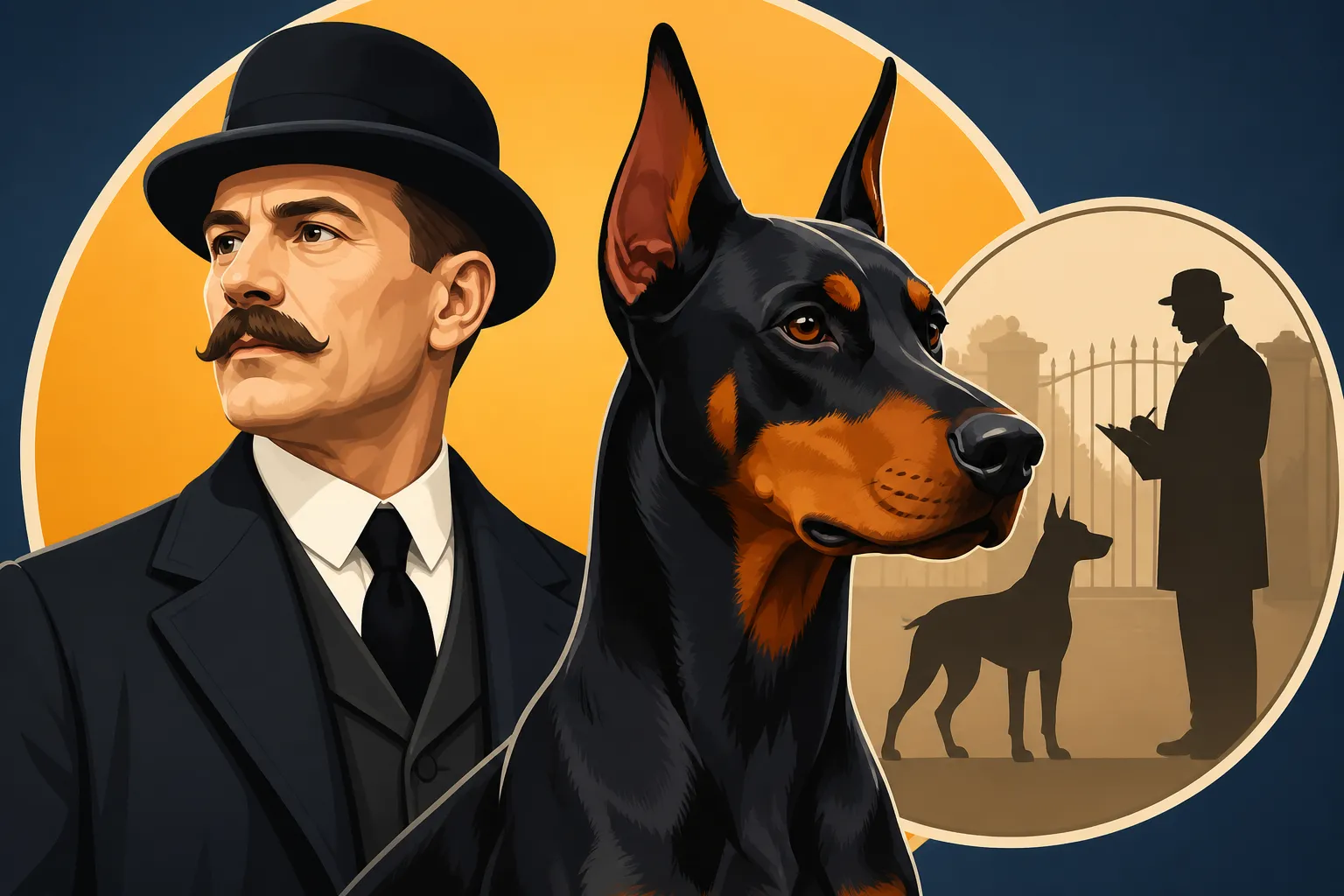
The Tax Collector Who Invented the Doberman
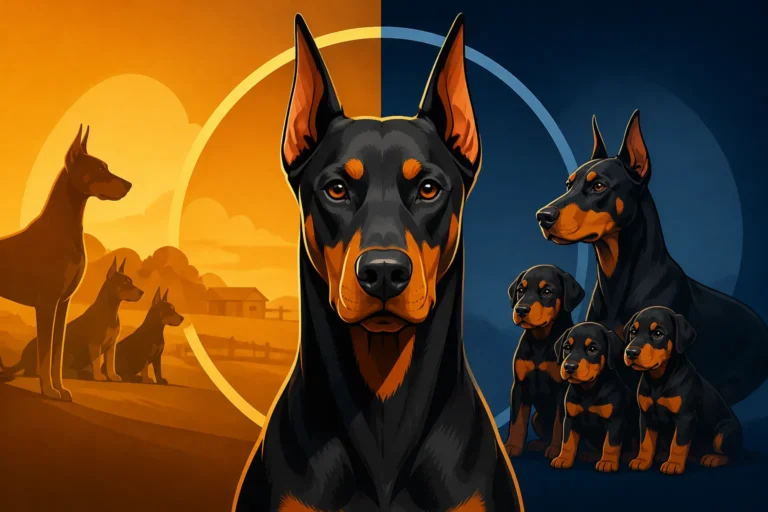
Many Doberman enthusiasts know the breed's storied past involves a tax collector, but the details of how a seemingly ordinary man created such an extraordinary dog often get lost in legend. It’s easy to romanticize the origins, imagining a dramatic, singular act of creation. However, the truth is more nuanced, rooted in practical necessity and the careful, if undocumented, selection of traits. This comprehensive guide will peel back the layers of history, revealing the fascinating journey of the Doberman Pinscher from one man's need for protection to the loyal and iconic breed we know today.
The Man Behind the Breed: Karl Friedrich Louis Dobermann's Life
Karl Friedrich Louis Dobermann was far from your typical dog breeder. Born in Apolda, Thuringia, Germany, in 1834, his life was one steeped in civic duties and a distinct need for personal security. He wasn't a gentleman breeder with endless resources or a meticulous record-keeper in the modern sense. Instead, he was a pragmatic individual whose various roles in his community led directly to the creation of the Doberman Pinscher. Understanding his diverse occupations is key to grasping the core motivations behind his breeding program.
The Tax Collector's Demanding Role
Imagine life in late 19th-century Germany. As a tax collector, Karl Dobermann's job was inherently dangerous. He was responsible for traveling through often-unforgiving rural landscapes, collecting money from citizens who might not always be happy to part with it. These collections often involved carrying substantial sums of cash, making him a prime target for bandits or opportunistic criminals. It wasn't merely about knocking on doors and receiving payment; it often involved confronting individuals who were resistant, desperate, or even hostile. This constant exposure to risk undoubtedly shaped his vision for a canine companion – one that was not just a deterrent, but a formidable protector. He needed a dog that was fearless, unwavering, and capable of defending him without hesitation, a silent sentinel that could stand guard against unforeseen threats. The emotional and physical toll of such a profession would make anyone seek a reliable guardian.
The Need for a Personal Protector
Beyond the specific demands of tax collecting, Karl Dobermann’s various roles meant he was often out and about, handling sensitive materials or simply being a visible figure of authority. He wasn't just a tax collector; he was also known to be a night watchman and a knacker, or warden of the local dog pound. These responsibilities further highlighted his vulnerability. A night watchman’s rounds are inherently solitary and dangerous, requiring vigilance against human mischief and outright crime. The knacker's role, while less about personal wealth, still placed him in situations where he might encounter aggressive animals or unsavory characters. In an era before modern policing and personal security systems, a powerful, intelligent, and fiercely loyal dog was the most effective form of personal protection available. He wasn't looking for a pet to cuddle on the sofa; he was looking for a partner, an extension of his own protective instincts. This profound need for security for himself and his possessions was the driving force behind his unusual breeding endeavor. Why a Tax Collector Bred the First Dobermans sheds more light on this specific necessity.
His Work as the Town Dog Catcher
Perhaps the most crucial, yet often overlooked, aspect of Karl Dobermann's background was his role as the town dog catcher or knacker. This wasn't merely a side job; it was a unique advantage for someone looking to create a new breed. As the local dog catcher, Dobermann had unparalleled access to a diverse gene pool of local stray dogs. He wasn't limited to specific pedigrees or expensive breeding stock. Instead, he could observe, select, and acquire dogs from a wide variety of local types that ended up in the pound. This direct access allowed him to identify individual dogs with the specific temperament, physical prowess, and intelligence he sought for his ideal protector. He could pick the boldest, the most vigilant, the most resilient individuals that fate brought his way. This practical, hands-on access to a broad range of dogs, rather than formal breeding principles, was a foundational element in his success. He was essentially curating from the best of what was available in his immediate environment, creating a melting pot of traits that would eventually coalesce into the Doberman.
The Vision for a Doberman: Ideal Traits and Purpose
Karl Dobermann wasn't just throwing random dogs together; he had a very clear, if unwritten, blueprint in his mind for the dog he needed. His vision was shaped by the harsh realities of his life and the specific threats he faced. He needed a dog that was more than just big or strong; it had to possess a very particular combination of mental and physical attributes that would make it an unparalleled guardian. The ideal Doberman, in his eyes, was a finely tuned machine of protection, always alert, utterly devoted, and capable of decisive action.
Courage and Loyalty Above All
For a man constantly exposed to danger, courage was paramount. The dog he envisioned couldn't be timid or easily intimidated. It had to possess an innate bravery that would allow it to face down any threat, human or animal, without hesitation. This wasn't reckless aggression, but rather a profound self-assuredness and a willingness to stand its ground, even in the face of perceived overwhelming odds. Equally important was unwavering loyalty. A protector, by definition, must be absolutely devoted to its master. Dobermann needed a dog that would form an intense bond with him, prioritizing his safety above its own. This meant a dog that wouldn't wander off, wouldn't be easily bribed or distracted, and would instinctively place itself between its owner and danger. This deep-seated loyalty is still a hallmark of the breed today, often earning them the nickname "Velcro dogs" for their tendency to stick close to their chosen person. Living With a Doberman That Follows You Everywhere explores this characteristic further.
Intelligence and Trainability for Command
A courageous and loyal dog is valuable, but a trainable one is indispensable, especially for precise protection work. Dobermann envisioned a dog that was not only intelligent but also highly receptive to training and capable of understanding complex commands. He needed a dog that could differentiate between a genuine threat and an innocent passerby, a dog that could be called off when necessary, and one that would obey implicitly even under stressful conditions. This demanded a high level of cognitive ability and a strong desire to please its handler. The dogs he selected from the streets and pounds of Apolda likely showed quick learning abilities and an eagerness to engage with humans. He would have observed which dogs were sharp, attentive, and able to pick up cues, favoring those with a keen mind and a willingness to cooperate. This emphasis on intelligence and trainability laid the groundwork for the Doberman's reputation as one of the smartest and most biddable working breeds.
A Formidable Presence for Deterrence
Finally, the ideal Doberman needed to look the part. While its internal qualities were crucial, an imposing physical presence was also a powerful deterrent. A dog that simply looked threatening could often prevent a confrontation from escalating, saving both the owner and the dog from harm. Dobermann likely favored dogs that were powerfully built, with an alert stance, a deep chest, and an intelligent, watchful expression. He wasn't necessarily breeding for beauty in a show ring sense, but rather for functional aesthetics that conveyed strength, readiness, and a no-nonsense attitude. The characteristic sleek, powerful physique, coupled with its attentive demeanor, made the Doberman an unmistakable symbol of guardianship. This formidable appearance, combined with its inherent courage and loyalty, fulfilled Dobermann's vision of a complete personal protector.
Piecing Together the Puzzle: Ancestral Breeds and Their Contributions
One of the most intriguing aspects of the Doberman's origin is the mystery surrounding its exact lineage. Karl Dobermann, being a pragmatic man focused on function over pedigree, kept no formal breeding records. This means we can't point to a definitive list of foundation dogs. However, through historical accounts, educated guesses, and an understanding of dog breeds prevalent in the region at the time, experts have pieced together a probable list of contributors. Each of these breeds brought distinct qualities that, when combined, created the unique Doberman. Which Breeds Went Into the Doberman offers a broader look at this mix.
The Rottweiler and Early German Shepherds
It's widely accepted that the Rottweiler played a significant role in the Doberman's early development. Rottweilers, known then as "Butcher's Dogs" (Metzgerhund), were robust, fearless dogs used for driving cattle and guarding property. They contributed immense physical strength, bone structure, and a natural guarding instinct. Their powerful jaws, inherent protective nature, and stable temperament were invaluable for the Doberman's role as a personal guardian. Similarly, early forms of the German Shepherd Dog, or local shepherd dogs, would have been present in the region. These dogs brought intelligence, trainability, and a keen sense of loyalty, along with a certain alertness and agility that would have complemented the Rottweiler's power. While the modern German Shepherd we know today was still in its formative stages, the local herding dogs of Thuringia would have offered a strong foundation for the Doberman's working ability and discerning temperament.
The Influence of Terriers and Pinschers
The "Pinscher" in Doberman Pinscher is a clear indicator of another significant influence. "Pinscher" in German refers to a type of terrier-like dog, known for its tenacity, quick reflexes, and vermin-catching abilities. These dogs, such as the German Pinscher, Manchester Terrier, or even smaller local ratters, would have contributed the Doberman's characteristic sharpness, quickness, and a certain "gameness" or determination. They brought the fiery spirit, the alert watchfulness, and the courage to engage that Dobermann desperately needed. This terrier influence gave the Doberman its distinctive "snap" and responsiveness, ensuring it wasn't just a heavy, slow guardian, but one capable of swift, decisive action. Without the pinscher component, the Doberman might have lacked the agility and reactive intelligence that makes it such an effective protector.
Speed and Elegance from Sight Hounds
While power and tenacity were vital, Dobermann also needed a dog that could cover ground quickly and possess a certain elegance and athleticism. This is where breeds like the Greyhound, or similar sighthound types, are believed to have contributed. Although it might seem counterintuitive to combine a powerful guardian with a swift runner, the sighthound influence brought a refined speed, a leaner build, and an agile grace that would prevent the Doberman from becoming too heavy or cumbersome. This allowed the Doberman to pursue if necessary, and also contributed to its striking, noble silhouette. The sleek coat and athletic frame we associate with the Doberman today are, in part, a legacy of these swift, elegant dogs. It's a testament to Dobermann's keen eye that he managed to blend these seemingly disparate traits into a harmonious and highly functional whole, creating a dog that was both powerful and graceful, capable of both guarding and pursuit.
Early Doberman Development: From Concept to Canine
The process of creating the Doberman was not a meticulously planned scientific endeavor, but rather a pragmatic, hands-on approach by a man with a clear goal. Karl Dobermann’s methods were likely based on observation, trial, and error, using the resources available to him as the town dog catcher. He wasn't working with established pedigrees or breeding charts; he was selecting individuals based on observable traits that aligned with his vision for a fearless, intelligent guardian. This grassroots approach, while lacking formal documentation, was remarkably effective in laying the foundation for a distinctive new breed.
The Trial and Error of Early Crosses
Dobermann's breeding project was essentially a series of controlled experiments. He would identify a dog with a desirable trait—perhaps the tenacity of a pinscher, the guarding instinct of a Rottweiler, or the sleekness of a sighthound—and breed it with another individual he believed possessed complementary qualities. This would have involved numerous crosses, observing the offspring, and then selectively breeding those puppies that displayed the desired combination of courage, intelligence, and physical attributes. It was a process of constant refinement. Some crosses would undoubtedly have been dead ends, producing dogs that were too shy, too aggressive, or lacked the stamina needed. But through this persistent trial and error, Dobermann slowly began to consolidate the traits he valued most, gradually shifting from a collection of mixed-breed dogs to a more consistent type. His keen understanding of canine behavior, honed by his work with dogs, would have been indispensable in this selective process.
Documenting the First Litters
One of the greatest frustrations for modern breed historians is the almost complete lack of formal records from Karl Dobermann's original breeding program. Unlike later breeders who would meticulously document pedigrees, breeding pairs, and litter outcomes, Dobermann operated out of necessity and practicality. His focus was on the end product – a functional protector – rather than on creating a formal breed registry. This means we have no definitive list of his first Doberman crosses, no detailed accounts of his successes or failures. The information we have is largely anecdotal, passed down through local stories and the observations of those who knew him and his dogs. This absence of documentation adds to the mystique of the Doberman's origin, making it a true testament to the power of a single individual's vision. We rely on the descriptions of his dogs and the contributions of later breeders to piece together the narrative of how these early Dobermans came to be.
The Apolda Dobermans and Regional Recognition
Despite the lack of formal records, Karl Dobermann's dogs gained considerable recognition in and around his hometown of Apolda. They were known as "Dobermann's Hounds" or "Dobermann's Dogs," a testament to his successful efforts in creating a distinct type. People in the region recognized these dogs for their exceptional guarding abilities and their striking appearance. This regional acclaim was crucial, as it attracted other enthusiasts who saw the potential in Dobermann's creations. These individuals would eventually take up the mantle of breeding, moving the Doberman from a personal project to a recognized breed. The dogs bred in Apolda, often carrying the traits selected by Karl Dobermann himself, became the foundation stock for the later, more formalized breeding programs that would propel the Doberman onto the international stage. It was through this organic growth and local appreciation that the Doberman began its journey from a concept in one man's mind to a cherished and respected breed.
Shaping the Breed Standard: Otto Goeller and Beyond
While Karl Dobermann certainly initiated the breed, it was the efforts of other dedicated breeders, particularly Otto Goeller, who truly formalized and stabilized the Doberman Pinscher as a recognized breed. Dobermann himself passed away in 1894, just as his "dogs" were gaining significant attention. It fell to those who admired his work to take his raw, functional creation and refine it into a consistent type that could be officially recognized. This transition from a utilitarian working dog to a standardized breed involved significant commitment to selective breeding, organization, and the establishment of clear breed characteristics.
Goeller's Role in Stabilizing the Type
Otto Goeller, a key figure in the early Doberman history, is often credited with much of the breed's refinement and standardization. He began breeding Dobermans shortly after Karl Dobermann’s death, working with the existing "Dobermann's Dogs" in the Apolda region. Goeller, unlike Dobermann, was a meticulous breeder who understood the importance of consistency and careful selection. He focused on refining the temperament, ensuring that the dogs retained their protective instincts but were also more stable and predictable. He also worked to solidify the physical appearance, aiming for a consistent size, conformation, and coat. Goeller's methodical approach, which included keeping detailed records and carefully evaluating each litter, was instrumental in transforming the regional "Dobermann's Dogs" into a cohesive and recognizable breed. What Otto Goeller Changed in the Doberman highlights his profound influence. His efforts moved the breed beyond being merely a collection of good guard dogs to a distinct and reproducible type.
The First Doberman Breed Club
The formal recognition of the Doberman Pinscher truly began with the establishment of the first breed club. In 1899, the "National Doberman Pinscher Club" (Nationaler Dobermann-Pinscher-Club) was founded in Apolda, Germany. This was a pivotal moment. The creation of a dedicated club signified a collective commitment to the breed's future. It brought together enthusiasts who shared a passion for Dobermann's dogs and a vision for their continued development. The club served as a central body for registering dogs, organizing shows, and, crucially, establishing a breed standard. This collective effort provided the necessary framework to guide breeders, prevent haphazard crosses, and ensure that the breed maintained its unique characteristics while improving overall quality. The Doberman Club Goeller Founded in 1899 details this crucial step in the breed's history.
Establishing the Official Doberman Standard
With the formation of the breed club, one of the most important tasks was to draft and adopt an official breed standard. The standard is essentially a written blueprint that describes the ideal characteristics of the Doberman Pinscher, covering everything from temperament and gait to size, coat color, and head shape. It serves as a guide for breeders, judges, and owners, ensuring that the breed develops consistently and retains its core attributes. The first official Doberman standard was established in 1900, just a year after the club's founding. This document codified the traits that Karl Dobermann had intuitively sought: courage, intelligence, loyalty, and a formidable appearance. It also emphasized an elegant and athletic build, capable of both power and speed. This standardized definition was vital for the Doberman's progression from a local curiosity to a globally recognized working and companion dog. What the First Doberman Standard Demanded provides insights into the initial requirements for the breed.
| Trait Category | Dobermann's Goal (Informal) | Official Standard (Formalized by Goeller & Club) |
|---|---|---|
| Temperament | Fearless, loyal, protective | Energetic, alert, determined, loyal, intelligent, docile (when required) |
| Function | Personal protection, deterring threats | Utility dog, working dog, companion |
| Physical Build | Strong, imposing, agile | Medium-large, powerfully built, elegant, muscular, symmetrical |
| Coat/Color | Dark, minimal grooming | Short, hard, dense, close-lying; Black, Red, Blue, Fawn with rust markings |
| Head | Alert, watchful | Wedge-shaped, clean-cut, proportionate to body |
| Gait | Efficient, quick | Free, balanced, elastic, good reach and drive |
| Overall Impression | Formidable guardian | Noble, elegant, powerful, proud carriage |
The Doberman's Evolving Reputation: From Protector to Companion
From its very inception, the Doberman was conceived as a protector. However, as the breed gained international recognition and its qualities became more widely appreciated, its role and public perception began to evolve. While still embodying its core guarding instincts, the Doberman gradually transitioned from being solely a utilitarian working dog to also being cherished as a devoted family companion and a versatile participant in various canine activities. This evolution reflects both intentional breeding choices and societal changes in how we view and interact with dogs.
The "Policeman's Dog" Era
In its early years, particularly in the late 19th and early 20th centuries, the Doberman earned a formidable reputation as the "Policeman's Dog" (Gendarmehund). Their natural guarding instincts, intelligence, and trainability made them ideal candidates for police and military work. They were used for tracking, apprehending criminals, and guarding property, often serving alongside officers in their daily duties. Their imposing appearance and unwavering loyalty made them highly effective in these demanding roles. This era solidified the Doberman's image as a serious working dog, a symbol of authority and protection. The public often saw them in uniform, reinforcing the idea of a dog that was all business, intensely focused on its duties. This specialized application also highlighted their exceptional courage and ability to perform under pressure, further cementing their status as elite working canines.
Wartime Service and Heroics
The Doberman's capabilities were truly tested and showcased on a global scale during both World Wars. They served with distinction in various military roles, particularly during World War II with the U.S. Marine Corps. Known as "Devil Dogs," Dobermans were vital in scouting, carrying messages, detecting mines, and guarding troops, especially in the harsh conditions of the Pacific theater. Their acute senses, stealth, and unwavering loyalty saved countless lives. One of the most famous examples is that of "Cappy," a Doberman who alerted Marines to a Japanese ambush on Guam, saving his handler and fellow soldiers. The Doberman Memorial on Guam stands as a poignant tribute to these brave dogs. Their heroics during wartime captivated the public and further cemented their reputation as courageous, intelligent, and highly capable dogs. The Doberman's War Record delves into these incredible stories of their military service, demonstrating their unparalleled dedication and bravery in the face of extreme danger.
Modern Dobermans as Family Guardians
While their working lineage remains strong, the Doberman today is increasingly cherished as a devoted family companion. Over decades, responsible breeders have worked to soften some of the breed's sharper edges, emphasizing a stable, confident, and affectionate temperament alongside their protective instincts. Why the Doberman Softened After the 1950s explores this shift in breeding focus. Modern Dobermans are known for their deep bonds with their families, often described as "Velcro dogs" due to their desire to be constantly near their owners. They thrive on human interaction and become integral members of the household, often excelling in sports like obedience, agility, and even therapy work. While they still possess a natural guarding ability, their primary role in many homes is that of a loyal and loving companion who happens to be an excellent protector. This shift doesn't negate their history but rather expands their versatility, proving that a Doberman can be both a formidable guardian and an affectionate, integral part of family life. Providing a Doberman with a nutritious diet is also key to their health and longevity in modern homes; many owners find high-quality kibble and supplements for their Dobermans through reputable online retailers like Chewy.
The Doberman Legacy: Enduring Traits and Modern Challenges
The Doberman Pinscher of today carries the indelible mark of Karl Dobermann's original vision, tempered and refined by generations of dedicated breeders. The core traits of loyalty, intelligence, and protective instinct remain firmly embedded in the breed's DNA. However, alongside these enduring qualities, modern Doberman ownership comes with its own set of responsibilities and challenges, particularly concerning health and ensuring their unique temperament is properly nurtured. Understanding this legacy and these contemporary considerations is crucial for any potential Doberman owner.
Health Concerns and Responsible Breeding
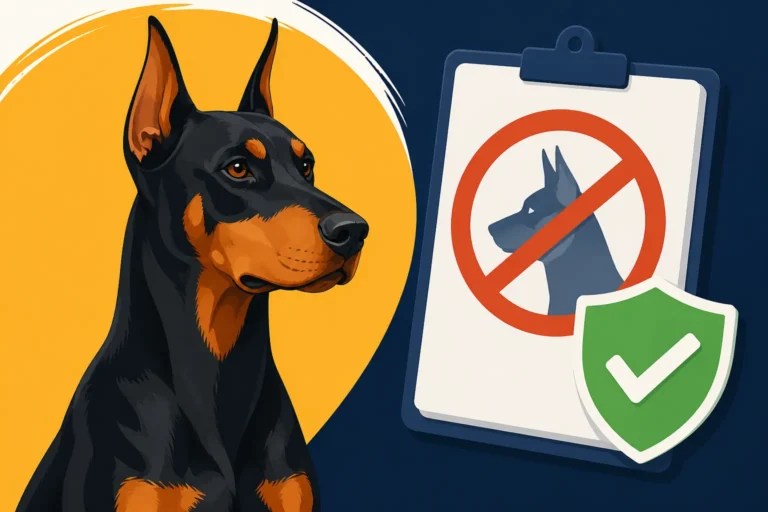
Despite their robust appearance, Dobermans are unfortunately prone to several serious health conditions, largely due to selective breeding for specific traits and a somewhat limited gene pool. Dilated Cardiomyopathy (DCM), a devastating heart disease, is particularly prevalent and a major concern for the breed. Other significant issues include Wobbler Syndrome, Von Willebrand's Disease (a bleeding disorder), and certain cancers. This reality places a tremendous emphasis on responsible breeding practices. Reputable breeders conduct extensive health testing on their breeding stock, including cardiac screenings (echo and Holter monitoring), DNA tests for DCM1 and Von Willebrand's, and screenings for other genetic conditions. Prospective owners must diligently research breeders and demand to see verifiable health certificates for both parents. The Health Testing a Doberman Breeder Must Show provides a detailed look at these essential screening protocols. Ignoring these health considerations can lead to heartbreaking and costly outcomes for Doberman owners.
The "Velcro Dog" Personality
The Doberman's intense loyalty and desire to be constantly with its human family has earned it the affectionate moniker "Velcro Dog." This isn't just a cute quirk; it's a fundamental aspect of their temperament, directly stemming from their origins as a personal protector. Dobermans thrive on companionship and suffer profoundly when isolated or left alone for extended periods. They want to be involved in everything their family does, from watching TV to doing yard work. This intense bond is what makes them such dedicated guardians and loving companions, but it also means they are not suited for owners who are frequently away or cannot provide consistent interaction. A Doberman left alone too often may develop separation anxiety, leading to destructive behaviors or excessive vocalization. This need for constant connection is a core part of their identity, a direct link back to Karl Dobermann's need for an ever-present, vigilant companion. Products like sturdy crates, chew toys, and enrichment feeders from retailers like Chewy can help manage brief alone times, but they are no substitute for human presence.
Understanding the Breed's True Nature
To truly appreciate and successfully live with a Doberman, one must understand its intrinsic nature: a powerful, intelligent, and sensitive working dog with a strong protective drive. They are not merely "pretty" dogs; they are sophisticated creatures that require consistent training, early socialization, and mental stimulation. Their intelligence means they learn quickly, but also that they can become bored or mischievous without proper engagement. Their protective instincts, while desirable, need to be carefully channeled through training to ensure they are discerning guardians, not reactive ones. Doberman Temperament as the Standard Describes It delves into the ideal behavioral traits.
The Doberman's past also informs its present. Whether Old Dobermans Were More Aggressive helps to contextualize how their temperament has been shaped over time. Owning a Doberman is a commitment to understanding and respecting this rich legacy, providing a structured environment, ample exercise, and endless affection. They thrive on having a "job," even if that job is simply being a well-behaved family member. For owners willing to invest the time and effort, the Doberman offers unparalleled loyalty, companionship, and a profound sense of security. Providing a balanced, high-quality diet and stimulating toys, easily found on platforms like Chewy, is crucial for their physical and mental well-being throughout their lives.
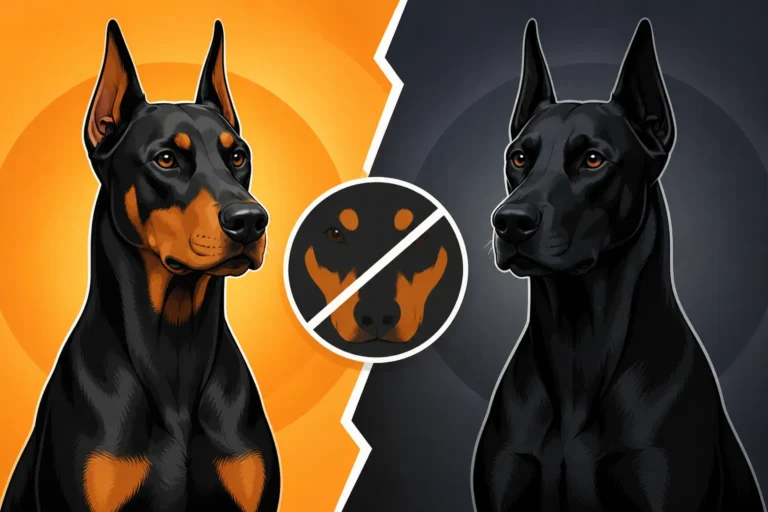
Doberman Colors and the Two That Cause Trouble
The striking appearance of the Doberman Pinscher is a key part of its appeal, and much of that comes down to its distinct coat colors. While the breed is known for its sleek, short coat, the range of colors, and how they are perceived within the breed community, is an important aspect of their legacy. However, not all colors are created equal, and some, while visually appealing to some, are associated with specific health challenges and controversy within the breed. Understanding these color variations is not just about aesthetics; it's about responsible breeding and ownership.
The Four Standard Doberman Colors
The American Kennel Club (AKC) and most major international registries recognize four primary Doberman coat colors: Black, Red, Blue, and Fawn (Isabella). All of these colors are accompanied by distinct "rust" markings, which are tan or reddish-brown points found on specific areas like the muzzle, throat, chest, legs, and under the tail.
- Black and Rust: This is the most common and classic Doberman color. The dog has a deep, glossy black coat with clearly defined rust markings. This color is genetically dominant and is generally considered the most robust in terms of coat health.
- Red and Rust: Often appearing as a rich chocolate or liver color, red Dobermans also display rust markings. The intensity of the red can vary, but it's a distinct and beautiful color that is fairly common within the breed.
- Blue and Rust: This is a diluted black, appearing as a dark grey or slate color with rust markings. The dilution gene responsible for blue coats can, unfortunately, be linked to certain health issues, which we'll discuss shortly.
- Fawn (Isabella) and Rust: This is a diluted red, resulting in a light beige or sandy color with rust markings. Like blue, fawn is a dilute color and is also associated with potential coat problems.
These colors are determined by specific genetic combinations, and responsible breeders are keenly aware of the implications of breeding for certain color dilute genes.
Blue and Fawn Dobermans and the Dilution Gene
While beautiful and striking, blue and fawn Dobermans, collectively known as "dilutes," present significant health challenges that responsible breeders and owners must be aware of. Both blue and fawn colors are caused by a dilution gene that affects the distribution of pigment in the hair shaft. Unfortunately, this same gene can also lead to a condition called Color Dilution Alopecia (CDA). Color Dilution Alopecia in Blue and Fawn Dobermans details this specific issue.
Color Dilution Alopecia is a genetic condition that causes hair thinning, breakage, and eventual hair loss, typically starting on the trunk of the body. The coat can become sparse, dull, and prone to secondary skin infections due to the weakened skin barrier. While not life-threatening, CDA can be frustrating and uncomfortable for the dog, requiring ongoing skin care and management. Hair Loss on a Blue Doberman and How Common Coat Loss Is in Fawn Dobermans provide further insights into the prevalence and manifestation of this condition in dilute Dobermans.
Because of the strong link between the dilution gene and CDA, many ethical breeders advise against breeding dilute-to-dilute, or even breeding dilutes at all, given the potential for health problems and the impact on the dog's quality of life. The focus for ethical breeders is always on health and temperament first, with color being a secondary consideration. While some individuals with dilute coats may live their entire lives without significant issues, the risk of CDA is substantial enough that it remains a serious concern and a point of controversy within the Doberman community. Owners of blue or fawn Dobermans need to be extra vigilant about skin and coat care, potentially seeking specialized diets or medicated shampoos, which can often be found at pet supply stores like Chewy.
The White Doberman and Where It Came From
Beyond the standard colors, there is another highly controversial color variation in Dobermans: the "White Doberman." It's important to clarify that "white" Dobermans are not truly white in the way a Great Pyrenees or Samoyed is white. Instead, they are albinos. This means they completely lack pigment, resulting in a pale cream or off-white coat, blue eyes, and pink noses, lips, and eye rims. The gene responsible for albinism (tyrosinase-positive albinism) is a recessive gene that essentially switches off all pigment production. The White Doberman and Where It Came From explains the genetic origin of this particular variant.
The first documented albino Doberman, named Padula's Queen Shebah, was born in 1976. This dog, and all subsequent albino Dobermans, trace their lineage back to her. While initially registered by the AKC, the Doberman Pinscher Club of America (DPCA) and other major Doberman clubs vehemently oppose the breeding and promotion of albino Dobermans. Their opposition stems from significant health and temperament issues associated with albinism. Albino Dobermans are highly susceptible to severe photosensitivity, meaning sunlight can cause painful sunburns, skin cancers, and eye damage. They often have poor eyesight, especially in bright light, and may exhibit temperament issues such as shyness, fearfulness, or even aggression, possibly due to their impaired vision and discomfort.
Due to these serious health and welfare concerns, the AKC now registers albino Dobermans with a "Z" preceding their registration number, indicating their albino status and flagging them as dogs that should not be bred. Breeding for albinism is widely considered unethical by responsible Doberman breeders who prioritize the health and well-being of the dogs above novel color variations. Why a White Doberman Is Really an Albino clarifies the genetic reality behind this controversial color.
Dobermans Against the Other Guardian Breeds
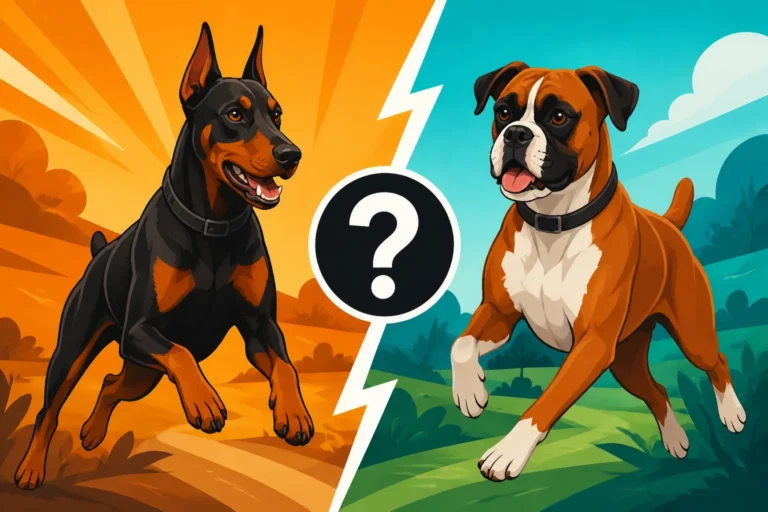
When considering a guardian breed, the Doberman Pinscher often comes to mind, but it's far from the only option. The world of working dogs is rich with breeds specifically developed for protection, and each brings its own unique set of characteristics, strengths, and requirements. Comparing the Doberman to other prominent guardian breeds helps prospective owners understand what sets this breed apart and whether its specific blend of traits aligns with their lifestyle and needs. It’s not about one breed being inherently "better" than another, but about finding the right fit for your home and capabilities.
Dobermans Against the German Shepherd
The Doberman and the German Shepherd Dog are two of the most recognizable and popular guardian breeds, often seen in police and military work. Both are highly intelligent, trainable, and possess strong protective instincts, but they approach guardianship with different styles.
- Doberman: The Doberman is typically more handler-focused, often described as a "Velcro dog." They tend to be intensely bonded to their primary owner and family, seeking constant proximity. Their guarding style is often more direct and assertive; they are less likely to hesitate when a threat is perceived. Physically, they are sleeker, more agile, and possess a powerful, athletic build designed for speed and decisive action. Their short coat means less grooming but also less tolerance for extreme cold. The Doberman Against the German Shepherd delves into a more direct comparison.
- German Shepherd: German Shepherds are also very loyal, but often have a slightly more independent streak, capable of working effectively at a distance from their handler. Their guarding can be more territorial and may involve a longer "fuse" before acting, often preferring to observe and bark before escalating. They are known for their incredible versatility, excelling in everything from herding to search and rescue. Physically, they are robust, with a double coat that offers better weather protection and requires more grooming. They tend to be heavier-boned than Dobermans. Both breeds require significant mental and physical exercise, but the Doberman's need for constant human interaction is often more pronounced.
The Doberman Against the Rottweiler
The comparison between Dobermans and Rottweilers is particularly interesting given that the Rottweiler is believed to be one of the foundation breeds for the Doberman. While they share some ancestral links and protective instincts, they have distinct differences in temperament and physical characteristics.
- Doberman: As discussed, the Doberman is sleek, fast, and agile, with a more refined, elegant build. Their protective instincts are sharp and often manifested with quick, decisive action. They are highly sensitive to their owner's emotions and body language, making them exceptional personal guardians who often anticipate threats. Their temperament, while firm, is often described as more "nervy" or sensitive than a Rottweiler's, requiring a gentle yet consistent hand in training.
- Rottweiler: Rottweilers are known for their immense power, broad chests, and substantial bone. They are formidable dogs with a calm, confident, and somewhat stoic demeanor. Their guarding style is often one of unwavering strength and deterrence; they are less about speed and more about brute force and unshakeable presence. Rottweilers tend to be more "hard-headed" or independent, requiring a very firm, consistent, and experienced owner who can manage their strength and strong will. While deeply loyal to their family, they can be more aloof with strangers than a Doberman. Their physical robustness often comes with a slightly higher prey drive in some lines and requires a great deal of socialization to ensure their power is wielded responsibly.
Doberman Against Belgian Malinois for Work
For serious working dog enthusiasts, the Doberman is often compared to the Belgian Malinois, especially in protection sports and police work. Both excel in high-intensity roles, but their energy levels, drives, and training requirements differ significantly.
- Doberman: The Doberman is an intense working dog, excelling in obedience, tracking, and protection. They are known for their intelligence and desire to please, making them highly trainable for precision work. While they possess high energy, it is often more focused and can be managed with consistent training and structured exercise. They have a strong protective drive and excellent bite work capabilities. The Doberman's sensitivity means they respond well to motivational training and can be shut down by harsh methods.
- Belgian Malinois: The Malinois is an absolute powerhouse of a dog, possessing an almost boundless amount of energy and an incredibly high drive. They are often described as "intense" and require constant mental and physical stimulation to prevent destructive behaviors. Malinois thrive on having a demanding job and are often the breed of choice for advanced protection work, police K9 units, and military applications due to their speed, agility, and relentless work ethic. However, their extreme drives and high energy make them unsuitable for most pet homes. They require highly experienced handlers who can channel their intensity into productive outlets. While a Doberman needs a lot of exercise, a Malinois needs a lifestyle built around work.
Ultimately, the choice of a guardian breed depends on the owner's experience, lifestyle, and specific needs. The Doberman offers a unique blend of elegance, intelligence, and devoted protection, making it a fantastic choice for the right, committed owner who understands its nuances.
The Owner a Doberman Actually Needs
Bringing a Doberman into your home is a significant commitment, and it's not a decision to be taken lightly. These dogs are truly special, but they are also demanding, and not every household is the right fit. The ideal Doberman owner is someone who understands the breed's origins as a working protector and is prepared to meet its substantial physical, mental, and emotional needs. It's about more than just wanting a dog; it's about being the right human for this particular canine partner.
Experience with Working Breeds is a Huge Plus
While some well-prepared first-time dog owners have succeeded with Dobermans, having prior experience with working breeds is an undeniable advantage. These aren't "easy" dogs, nor are they simply large lapdogs. They come hardwired with intelligence, drive, and protective instincts that need consistent, knowledgeable guidance. An experienced owner understands the importance of early and ongoing socialization, structured training, and consistent boundaries. They know how to read canine body language, manage strong personalities, and prevent potential issues from escalating.
A Doberman thrives on having a leader they respect and trust. Someone new to dog ownership might be overwhelmed by the Doberman's intensity, quick learning, and sometimes pushy nature. An experienced owner, however, can anticipate challenges, apply appropriate training methods, and maintain the necessary consistency to shape a confident, well-behaved Doberman. It’s about being proactive rather than reactive, always staying a step ahead of their intelligent minds. Why Most Trainers Warn Beginners Off Dobermans explains why this experience is so crucial.
Commitment to Training and Socialization
The Doberman's intelligence is a double-edged sword. They learn incredibly fast – both good habits and bad ones. This means that consistent, positive-reinforcement training from day one is non-negotiable. Puppy classes are just the beginning; a Doberman benefits from lifelong learning, whether it's advanced obedience, trick training, or dog sports. Their minds need to be engaged as much as their bodies.
Equally critical is extensive and ongoing socialization. A Doberman puppy needs to be exposed to a wide variety of sights, sounds, people (of all ages, sizes, and ethnicities), and safe, stable environments. This isn't just a few trips to the dog park; it's a carefully orchestrated plan to build confidence and prevent fear-based reactivity. A poorly socialized Doberman can become suspicious or fearful, potentially leading to defensive aggression. A well-socialized Doberman, however, is confident, discerning, and generally accepting of novel situations and polite strangers. This process of exposure and positive experiences must continue throughout their adolescence and into adulthood.
Time and Dedication to Their "Velcro" Nature
Perhaps the most underestimated aspect of Doberman ownership is the sheer amount of time and dedication they require. As "Velcro dogs," they want to be with you, always. They are not content to be relegated to the backyard or left alone for long stretches every day. They thrive on companionship, cuddles, and being an active participant in family life. This means if you work long hours away from home, travel frequently, or have a lifestyle that doesn't allow for consistent interaction, a Doberman is likely not the right breed for you.
They need regular exercise – more than just a quick walk around the block. Daily vigorous exercise, like running, hiking, or structured playtime, is essential to keep them physically and mentally healthy. Without adequate outlets for their energy, they can become bored, destructive, or anxious. Furthermore, they need mental stimulation in the form of training, puzzle toys, and interactive games. The ideal owner is someone who is genuinely excited about integrating their Doberman into every aspect of their life, understanding that their devotion will be repaid tenfold in loyalty and love. For owners who commit to their Doberman's needs, they receive an unmatched companion.
The Doberman's Place in the Working Group
The Doberman Pinscher holds a proud and prominent place within the American Kennel Club's Working Group, a designation that speaks volumes about its history, capabilities, and inherent nature. This isn't just an arbitrary classification; it reflects the very purpose for which Karl Dobermann created the breed and the subsequent efforts of dedicated fanciers to maintain and enhance those foundational traits. Understanding what it means to be a "working dog" helps clarify the Doberman's unique demands and why it's not suited for every lifestyle.
What Defines a Working Group Dog
Dogs in the AKC Working Group were historically bred to perform specific tasks to assist humans. These roles are often physically demanding and require exceptional intelligence, strength, stamina, and a strong will to work. Examples include guarding property (like the Doberman and Rottweiler), pulling sleds (like the Alaskan Malamute and Siberian Husky), water rescue (Newfoundland), and various forms of protection work.
Key characteristics that often define Working Group dogs, and certainly apply to the Doberman, include:
- Intelligence: They are quick learners and possess problem-solving abilities.
- Trainability: A strong desire to please and an aptitude for understanding complex commands.
- Strength and Stamina: Capable of enduring physical exertion and performing tasks requiring power.
- Loyalty and Protectiveness: A deep bond with their human family and an innate instinct to guard them.
- Confidence: A self-assured demeanor, essential for confronting threats or performing duties under pressure.
- Purpose-Driven: They thrive when given a "job" or mental stimulation, often becoming bored or destructive without it.
The Doberman perfectly embodies these traits. Their sleek, muscular build is designed for explosive power and agility, while their keen intelligence and handler focus make them highly trainable for precise tasks. They are not merely ornamental; they are built for action and thrive on having a purpose.
The Doberman as a Classic Working Dog Example
The Doberman Pinscher is a quintessential example of a working dog, directly fulfilling its original purpose as a personal guardian. Its entire genetic makeup, from its alert expression to its powerful musculature, screams "working dog."
- Guard Instinct: The primary reason for its creation was protection. This instinct is deeply ingrained, requiring careful socialization and training to ensure it's channeled appropriately.
- Physical Prowess: Their athletic build allows for speed, strength, and agility – crucial for any dog performing protection or police work.
- Mental Acuity: Dobermans excel in dog sports that demand intelligence and focus, such as competitive obedience, Schutzhund (protection sport), tracking, and agility. These activities provide the mental stimulation that their clever brains crave.
- Versatility: While often associated with protection, Dobermans have proven their versatility in many other working roles, including search and rescue, service dog work, and even therapy. Their willingness to learn and their devotion to their handlers make them adaptable to various tasks.
Being a working group dog means that a Doberman needs more than just basic care. It requires an owner who understands this underlying drive and provides appropriate outlets for their physical and mental energy. Simply being a family pet might not be enough for a Doberman without structured activities that engage their working instincts. Toys and training tools that promote problem-solving and physical activity, like those available on Chewy, are often necessary for their well-being.
Why Dobermans Are Still Used in Protection Work
Despite the breed's growing popularity as a family companion, Dobermans continue to be a top choice for serious protection work, both in professional fields and competitive sports. Their inherent qualities make them exceptionally well-suited for these demanding roles.
- Natural Alertness: Dobermans are naturally vigilant and aware of their surroundings. They are quick to notice anything out of the ordinary, making them excellent watchdogs.
- Courage and Confidence: A protection dog must be fearless and self-assured. Dobermans possess an innate bravery that allows them to confront perceived threats without hesitation, but also the confidence to back down when a situation is resolved.
- Strong Prey and Defense Drives: These drives, when properly trained and channeled, are essential for effective protection work. They provide the motivation and intensity needed for bite work and apprehension exercises.
- High Trainability: Their intelligence and desire to please mean they can be taught complex routines and commands with precision. This is critical for controlled protection work, where a dog must be able to "turn it on" and "turn it off" on command.
- Physicality: Their speed, strength, and agility allow them to be effective in apprehending a threat quickly and efficiently.
- Intense Handler Bond: In protection work, the dog and handler must operate as a single unit. The Doberman's strong bond with its handler fosters exceptional teamwork and trust, which is paramount in high-stakes situations.
Whether in a police uniform or on a Schutzhund field, the Doberman's legacy as a premier working and protection dog endures. Their ability to switch from loving companion to formidable guardian, always under the precise control of their handler, is a testament to the vision of Karl Dobermann and the breeders who followed. This dual nature is what truly defines the Doberman Pinscher.
Disclaimer
This article is for general informational purposes only and does not constitute professional advice. Laws, prices and regulations vary by location and change over time. Consult a qualified professional for guidance on your specific situation.