Keeping Tartar Off a Doberman’s Long Teeth
It's incredibly frustrating when you notice that tell-tale yellowish-brown buildup starting to coat your Doberman's beautiful, long teeth. You know it's not just a cosmetic issue; it's a health risk that can lead to pain, infection, and even impact their overall well-being. This guide is here to walk you through practical, empathetic strategies for keeping your Doberman's teeth clean and healthy, tackling that tartar head-on.
Understanding Doberman Dental Anatomy and Tartar Buildup
Our Dobermans are such magnificent creatures, but sometimes their physical traits, even something as seemingly innocuous as their jaw structure and teeth, can present unique challenges. When it comes to dental health, understanding these specific aspects is the first step in prevention.
Why Dobermans Are Prone to Dental Issues
You might look at your Doberman's sleek muzzle and powerful jaw and think they'd have no trouble crunching through anything, but their oral anatomy does sometimes work against them when it comes to keeping teeth clean. Dobermans typically have long, somewhat narrow muzzles, which often means their teeth can be set more closely together than in broader-faced breeds. This can create tighter spaces where food particles and bacteria can easily get trapped, leading to plaque formation.
Think about it: when you eat, even the act of chewing helps to scrape some debris off your teeth. But in those tight crevices, it's harder for the natural chewing action to reach. Over time, this trapped material, combined with saliva and bacteria, forms plaque. If that plaque isn't removed regularly, it hardens into tartar, also known as calculus. Once tartar forms, it's incredibly difficult, if not impossible, to remove with home care alone, and that's when you start seeing that stubborn, unsightly buildup. It's not a reflection on you as an owner; it's just how canine physiology works, and Dobermans, with their specific oral architecture, can be particularly susceptible.
The Silent Threat of Plaque and Tartar
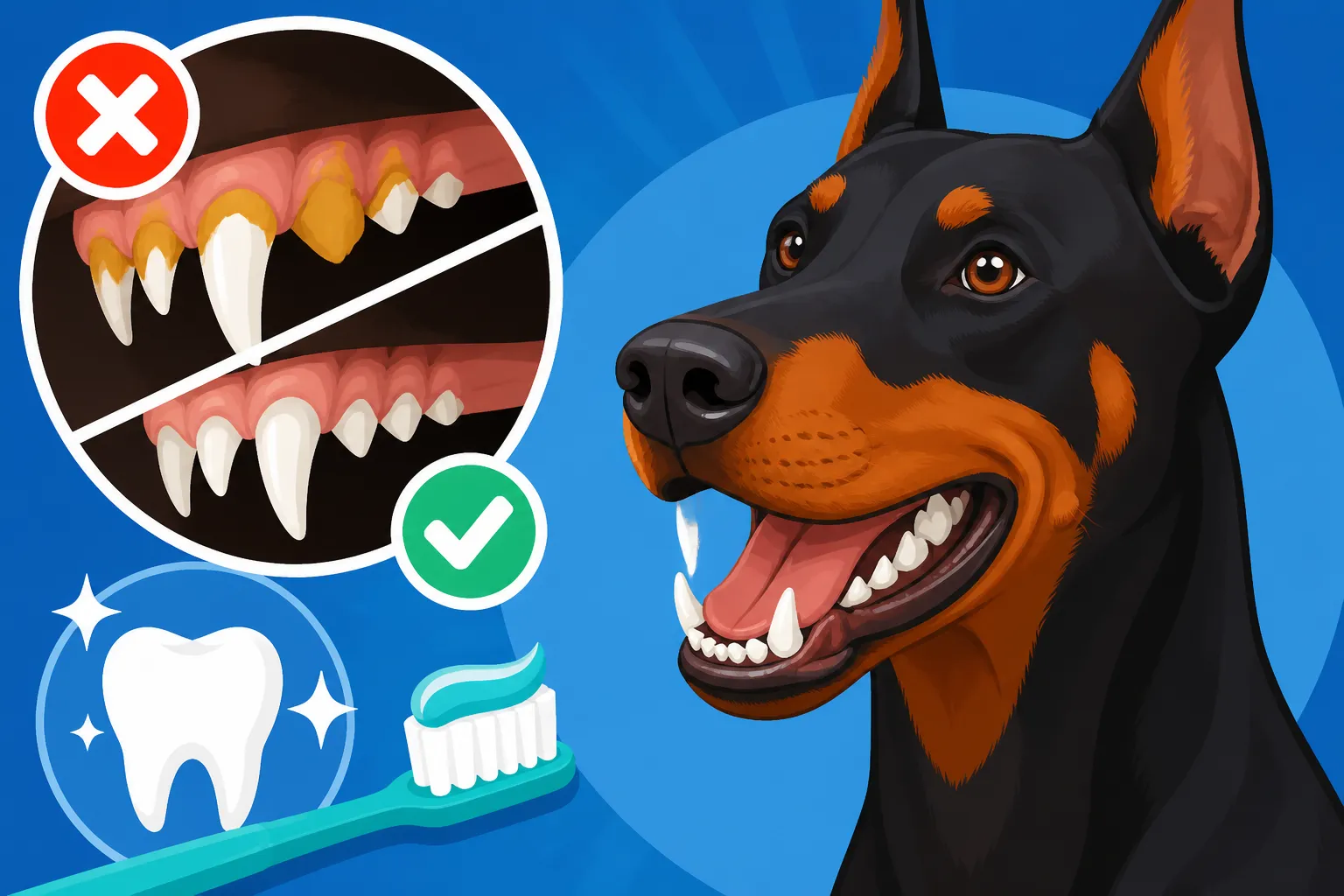
Plaque might start as a soft, almost invisible film, but don't let its subtlety fool you. It's a living biofilm teeming with bacteria. As it builds up and mineralizes into tartar, it creates a rough surface that invites even more bacteria to cling on. This isn't just about bad breath, although that's certainly an unpleasant symptom. The real danger lies beneath the gum line.
Tartar pushes against the gums, creating pockets where bacteria can thrive unchecked. This leads to gingivitis, an inflammation of the gums that causes redness, swelling, and bleeding. If left untreated, gingivitis progresses to periodontal disease, a much more serious condition where the bacteria begin to destroy the supporting structures of the teeth – the bone and ligaments. This can cause immense pain, loose teeth, and eventually tooth loss. What's even more concerning is that these oral bacteria don't just stay in the mouth. They can enter the bloodstream through inflamed gum tissue and travel to other organs, potentially impacting vital areas like the heart and kidneys. You can imagine the stress this puts on a breed already facing significant health challenges, like those highlighted in articles such as The Heart Disease That Reaches Most Dobermans. It's a silent threat that can undermine your Doberman's overall health long before you see overt signs of pain or illness.
Daily Dental Care Routines for Your Doberman
The idea of daily dental care for your Doberman might seem daunting, especially if your dog isn't used to having their mouth handled. But believe me, with a little patience and consistency, it becomes a routine that can make a huge difference in their long-term health and comfort.
The Gold Standard: Brushing Your Doberman's Teeth
When it comes to fighting tartar, nothing beats regular tooth brushing. Yes, it sounds like a chore, but it’s truly the most effective method for removing plaque before it hardens. You don't need fancy equipment, just the right tools and a positive attitude.
First, you'll want a toothbrush designed for dogs. These often have softer bristles and angled heads to better fit a dog's mouth. Some owners find finger brushes helpful, especially when first starting, as they allow a more direct feel. For toothpaste, never use human toothpaste, as it contains fluoride and other ingredients that are toxic if swallowed by dogs. Always opt for an enzymatic dog toothpaste, which comes in flavors like poultry or peanut butter that dogs often enjoy. These enzymatic formulas help to break down plaque even with minimal brushing action.
Start slow and make it a positive experience. Let your Doberman lick the toothpaste off your finger first. Then, gently rub your finger along their gums and teeth. Gradually introduce the brush, focusing initially on the outside surfaces of the upper canines and molars – these are often the areas where tartar builds up fastest. Lift their lip, brush in gentle circles, and aim for at least 30 seconds per side, if not longer. Consistency is key; even brushing every other day is better than nothing, but daily is ideal. Reward them generously with praise and a special treat afterwards. Over time, they'll associate brushing with positive reinforcement, and it can become a calm, even enjoyable, part of your day together. Many of the tools you'll need, from brushes to pastes, are readily available from online retailers like Chewy or Amazon, making it easy to stock up.
Dental Wipes and Sprays as Complementary Tools
I totally get it; not every Doberman is going to be a fan of the toothbrush, or maybe your schedule just doesn't allow for daily brushing. That's where dental wipes and oral sprays can come in handy as complementary tools. While they aren't as effective as brushing for mechanical plaque removal, they still offer a layer of protection and can help to keep bacteria at bay.
Dental wipes are textured pads, often infused with antimicrobials or plaque-fighting enzymes. You simply wrap one around your finger and gently rub it along your Doberman's teeth and gum line. They're quick, easy, and many dogs tolerate them well, especially if you introduce them with a positive, calm demeanor. They're great for a quick freshen-up or for reaching those spots you might miss with a brush.
Oral dental sprays or water additives are another option. The sprays typically contain enzymes or chlorhexidine, which can help reduce bacteria and plaque when sprayed directly onto the teeth and gums. Water additives are simply mixed into your dog's drinking water daily; they release active ingredients designed to inhibit bacterial growth in the mouth. These methods are passive, meaning they require little direct interaction with your Doberman's mouth once applied or added to water. While convenient, remember that they don't provide the mechanical abrasion that brushing does to physically dislodge plaque. Think of them as supplemental support for maintaining good oral hygiene, not a complete replacement for brushing or professional care. They're especially helpful in managing breath and slowing down tartar formation in between more rigorous cleaning sessions.
Strategic Diet Choices and Dental Chews
What goes into your Doberman's bowl and what they chew on can play a surprisingly significant role in their dental health. It's not just about cleaning their teeth directly; it's about making choices that actively work against plaque and tartar formation.
The Role of Kibble and Specialized Dental Diets
You might think that all kibble helps clean teeth because it's crunchy. While some kibble does offer a slight abrasive action, most standard kibbles shatter too quickly to provide a truly effective scrub. Imagine eating a potato chip – it crumbles fast, right? That's often what happens with regular kibble.
However, there are specialized dental diets available that are specifically formulated to help clean teeth. These diets typically feature larger, uniquely shaped kibble pieces with a fibrous texture that forces the tooth to penetrate deeply before it crumbles. This provides a scrubbing action on the tooth surface, reducing plaque and tartar buildup. Some prescription dental diets also contain ingredients that chemically bind with calcium in the saliva, preventing it from hardening into tartar. If your Doberman is prone to rapid tartar accumulation, or if you're struggling with home brushing, asking your vet about a veterinary dental diet could be a game-changer. Brands like Royal Canin Dental or Hill's Prescription Diet t/d are examples of such specialized foods designed to address dental health from the inside out. Remember, any dietary change should always be discussed with your veterinarian to ensure it's appropriate for your Doberman's overall health needs, especially if they have other health concerns or are on medication for issues like those discussed in Copper Chelation for a Doberman Liver.
Selecting Safe and Effective Dental Chews
Dental chews are often touted as a quick fix for cleaning teeth, and while they can be a valuable part of a dental hygiene plan, choosing the right ones is crucial. Not all dental chews are created equal, and some can even pose risks to your Doberman's teeth or digestive system.
When looking for dental chews, prioritize those that are clinically proven to reduce plaque and tartar. Look for a Veterinary Oral Health Council (VOHC) seal of approval, which indicates that the product meets certain standards for plaque and tartar control. These chews are typically designed with specific shapes, textures, and ingredients that provide abrasive action or contain plaque-inhibiting agents.
Avoid extremely hard chews like antlers, bones, or nylon toys that don't give at all. Dobermans have powerful jaws, and these types of chews can lead to broken teeth, which are incredibly painful and expensive to repair. Similarly, rawhide, while popular, can be a choking hazard and difficult to digest for some dogs. Instead, opt for chews that are firm enough to provide a scrubbing action but flexible enough to bend slightly under pressure. Some excellent options can be found easily through online retailers like Chewy or Amazon, offering a wide range of VOHC-approved products. Consider your Doberman's chewing style – are they a gulper or a careful chewer? Choose a size and durability appropriate for their habits. Always supervise your Doberman when they are enjoying a dental chew to ensure their safety and prevent any issues. Incorporating safe and effective dental chews can be a great way to supplement brushing and keep those long Doberman teeth cleaner between meals and professional cleanings. You can learn more about finding appropriate treats in Treats That Fit a Doberman's Daily Ration.
Professional Dental Care: When to See the Vet
Even with the most diligent home care, professional dental cleanings are often a necessary part of a Doberman's long-term health plan. Sometimes, the plaque and tartar just get ahead of us, and a deeper clean is needed.
The Importance of Regular Vet Check-ups
Your annual veterinary check-up is much more than just a quick glance over your Doberman. It's a crucial opportunity for your vet to assess their overall health, including their oral cavity. During these visits, your veterinarian will perform a basic oral exam, checking for visible tartar buildup, red or swollen gums, broken teeth, or any other abnormalities. They'll also be looking for subtle signs of pain or discomfort that you might not have noticed at home, like a reluctance to chew on one side of their mouth or a sudden change in appetite. A Doberman That Suddenly Stops Eating can often be a sign of underlying dental pain.
These check-ups are vital because the severity of dental disease can vary greatly, and what might look like a minor issue to you could be a significant problem requiring intervention. Your vet can give you an honest assessment of your Doberman's dental health and recommend the appropriate next steps. They can advise you on the effectiveness of your home care routine and let you know if a professional cleaning is warranted. Catching dental problems early can prevent them from escalating into more serious conditions, saving your Doberman from discomfort and you from potentially higher vet bills, a topic often discussed in The Vet Bills a Doberman Runs Up Outside Screening. It’s all about proactive care, especially as your Doberman enters The Doberman Years When Everything Shows Up.
Understanding Professional Dental Cleanings (Dentals)
Once tartar has formed, brushing simply won't remove it. This is where a professional dental cleaning, often referred to as a "dental" by vets, becomes essential. Think of it like your own dental hygienist appointment, but for your dog.
A professional dental cleaning requires general anesthesia, and this is often where owners get nervous. It's completely understandable to be concerned about your Doberman going under anesthesia, especially given some of the breed's predispositions. However, modern veterinary anesthesia protocols are very safe, and your vet will perform thorough pre-anesthetic blood work and often an ECG to assess your Doberman's health, particularly their heart, before the procedure. This is a critical step, especially for Dobermans, who can have underlying heart conditions that need to be monitored closely. You can find more information about anesthesia concerns in Vaccination and Anesthesia in a Doberman.
During the cleaning, your Doberman's teeth will be scaled with ultrasonic and hand instruments, just like a human dental cleaning, to remove plaque and tartar both above and below the gum line. Each tooth surface will be meticulously cleaned. After scaling, the teeth are polished to smooth out any microscopic scratches, which makes it harder for plaque to adhere in the future. Your vet will also perform a thorough oral exam, probing for gum pockets, checking for loose or fractured teeth, and taking dental X-rays to assess the health of the tooth roots and bone structure beneath the gums. Any diseased or painful teeth may need extraction. The goal is to send your Doberman home with a healthy, pain-free mouth, setting them up for better overall health. The frequency of these cleanings depends on your Doberman's individual needs, but many benefit from one every one to three years.
Common Doberman Dental Problems and Prevention
It's not just about keeping teeth sparkling; it's about preventing the deeper, more insidious problems that can arise when dental hygiene is neglected. Understanding these common issues specific to Dobermans can empower you to take preventative action.
Gum Disease and Its Systemic Impact
Gum disease, or periodontal disease, is by far the most common dental problem in dogs, and Dobermans are certainly not immune. It starts with gingivitis – red, swollen, sometimes bleeding gums. This is the body's inflammatory response to the bacterial invasion caused by plaque and tartar buildup. If you notice your Doberman's gums look red instead of a healthy pink, or if they bleed when touched, gingivitis is likely present.
The concerning part is when gingivitis progresses. The inflammation and bacterial infection don't just stay in the mouth. As the bacteria colonize deeper, they begin to destroy the soft tissues and bone that support the teeth. This is where you see significant issues like receding gums, exposed tooth roots, painful abscesses, and ultimately, tooth loss. But the impact goes beyond the mouth. The chronic inflammation and bacteria can trigger or worsen systemic health problems. For a Doberman, this is particularly relevant. We know Dobermans are prone to certain cardiac issues, and the bacteria from severe gum disease can travel through the bloodstream and lodge in the heart, potentially contributing to conditions like endocarditis. It can also affect kidney and liver function over time. So, that seemingly localized gum issue can have far-reaching consequences throughout your Doberman's body, making diligent home care and regular professional cleanings absolutely essential for their overall longevity and quality of life, complementing the proactive health screening like Annual Echo and Holter Screening for a Doberman.
Recognizing Signs of Dental Pain or Infection
One of the hardest parts about dental disease in dogs is that they are incredibly stoic. They often hide pain remarkably well, a survival instinct that can make it difficult for us to recognize when they're suffering. Your Doberman might be in significant oral pain long before they show obvious symptoms.
However, there are subtle clues to watch for. If your Doberman suddenly becomes reluctant to chew on their favorite dental chew or hard toy, or if they drop food from their mouth, it could be a sign of pain. You might notice changes in their eating habits, such as chewing only on one side of their mouth, or simply becoming pickier about their food. Excessive drooling, pawing at their mouth, or rubbing their face against furniture are also red flags. Sometimes, bad breath is more than just "dog breath"—it's a strong, foul odor that indicates infection and decaying tissue. Swelling on one side of their face, especially under the eye, can indicate a tooth root abscess, which is excruciatingly painful. Behavior changes, such as being withdrawn, irritable, or showing reluctance to have their face touched, can also signal discomfort. Don't dismiss these signs. If you observe any of these symptoms, it's crucial to schedule a veterinary visit right away. Your vet can diagnose the problem and provide the necessary treatment, relieving your Doberman from silent suffering and preventing further health complications.
| Dental Care Method | Description | Pros | Cons | Frequency |
|---|---|---|---|---|
| Tooth Brushing | Manual removal of plaque with dog-specific brush/paste | Most effective for plaque removal, cost-effective | Requires dog cooperation, can be time-consuming, not all Dobermans tolerate it well | Daily |
| Dental Wipes/Sprays | Chemical reduction of bacteria, minor plaque removal | Easy to use, good for reluctant dogs, freshens breath | Less effective than brushing for physical plaque removal, limited reach | Daily |
| Dental Chews | Abrasive texture or chemical agents to clean teeth | Dogs enjoy them, can provide some plaque reduction | Choose carefully (VOHC-approved), risk of broken teeth if too hard, choking hazard if not supervised | Daily to weekly |
| Specialized Diets | Kibble designed with unique shape/texture for cleaning | Passive cleaning with every meal, supports overall health | Can be more expensive, requires vet consultation, not a standalone solution | Daily |
| Professional Cleaning | Full scaling and polishing under anesthesia | Removes hardened tartar, addresses sub-gumline issues | Requires anesthesia, more costly, usually only available at vet's office | 1-3 years |
Disclaimer
This article is for general informational purposes only and does not constitute professional advice. Laws, prices and regulations vary by location and change over time. Consult a qualified professional for guidance on your specific situation.