Water Intake for a Doberman After Work
It’s a common scenario: your magnificent Doberman has just finished a vigorous play session at the park, a challenging obedience class, or a long, brisk run alongside you. They're panting, their tongue is lolling, and all they want to do is slam their face into the nearest water bowl and guzzle. But as a Doberman owner, you're keenly aware of the risks associated with this breed, especially the dreaded bloat. This guide is here to walk you through how much water your Doberman truly needs after exertion, when to offer it, and how to ensure safe, effective rehydration without putting their health at risk.
Understanding Your Doberman's Hydration Needs
Hydration isn't just about quenching thirst; it's fundamental to every bodily function, from regulating temperature to lubricating joints and transporting nutrients. For a high-energy, athletic breed like the Doberman, understanding these needs is paramount, particularly after they've been working hard.
The Basics of Doberman Water Requirements
Generally, a dog needs about one ounce of water per pound of body weight daily. So, an 80-pound Doberman might need around 80 ounces (or about 10 cups) of water on a typical day. But this is just a baseline. Factors like their age, their specific activity level, the outdoor temperature, and even their diet can significantly swing this requirement up or down. A young, boisterous Doberman puppy exploring the world will have different needs than a senior Doberman enjoying a quiet afternoon nap. Similarly, a Doberman fed a kibble-only diet will naturally seek out more water than one who enjoys a diet supplemented with fresh, high-moisture foods, perhaps even some delicious options from a brand like Ollie that come with natural hydration.
The Doberman is a lean, athletic machine, and maintaining that physique means proper internal functioning, of which water is a huge part. We often focus on what goes into their food bowl, but what goes into their water bowl is just as, if not more, critical for their day-to-day vitality and long-term health. Don't underestimate the steady, quiet work their kidneys and other organs do, all dependent on a consistent supply of clean, fresh water.
The Impact of Exercise on Water Loss
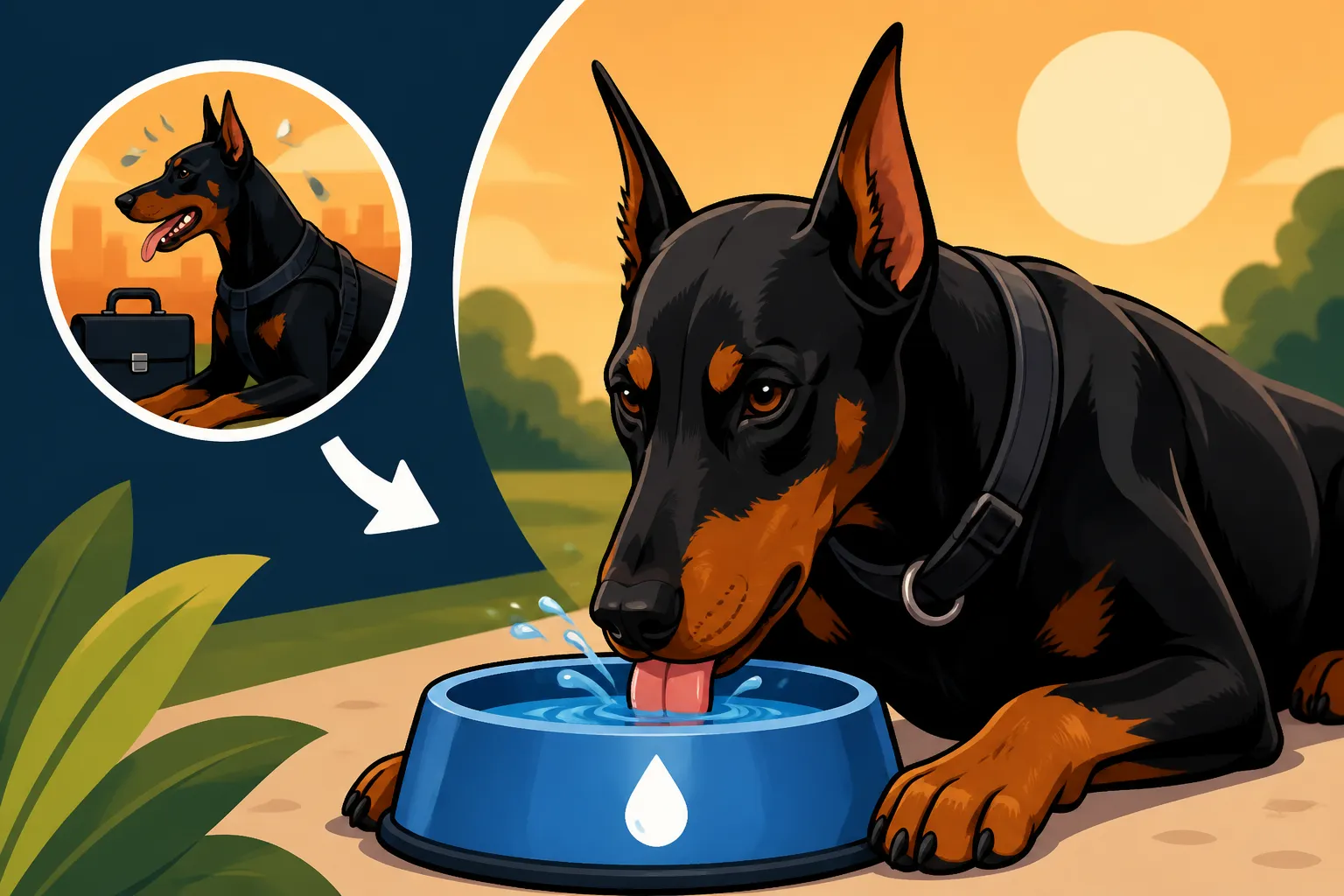
When your Doberman is engaged in any form of "work"—whether it's a marathon game of fetch, tracking practice, or intense Schutzhund training—their body temperature rises. To cool down, they pant heavily. This rapid breathing causes a significant loss of moisture through evaporation. Dogs don't sweat like humans do; instead, panting is their primary cooling mechanism, alongside some sweating through their paw pads.
Think about a hot summer day after a long walk: you’re dripping sweat, but your Doberman is panting intensely. Both are signs of the body working hard to dissipate heat. This increased water loss isn't just about surface hydration; it means a depletion of essential fluids within their system. If the exercise is prolonged or particularly strenuous, or if the weather is warm and humid, this fluid loss can quickly lead to dehydration. It's not just about the visible panting; every muscle contraction, every joint movement, demands more from their internal hydration reserves. This is especially true for working-line Dobermans whose training involves sustained bursts of activity and high mental engagement, further taxing their systems. You can read more about The Doberman's Place in the Working Group to understand the demands this breed faces.
Recognizing Dehydration Signs
Spotting dehydration early is crucial. It’s easy to dismiss a tired dog as just being "worn out," but sometimes, it's a cry for fluids. Beyond excessive panting and a frantic search for water, keep an eye out for these more subtle, yet concerning, signs:
- Lethargy or Weakness: A dehydrated Doberman will appear unusually tired, reluctant to move, or generally subdued. They might not have their usual sparkle in their eyes or their characteristic "velcro dog" energy.
- Dry Gums: Healthy gums are moist and pink. If your Doberman's gums feel sticky or dry to the touch, and perhaps appear a bit paler than usual, it’s a strong indicator of dehydration.
- Sunken Eyes: In severe cases, your Doberman's eyes might appear sunken into their sockets, losing their usual bright, alert look.
- Loss of Skin Elasticity: Gently pinch a fold of skin on their neck or shoulder. In a well-hydrated dog, the skin should snap back into place almost immediately. If it's slow to return or "tents" for a few seconds, it suggests poor skin turgor due to dehydration.
- Thick Saliva: While panting often means a lot of saliva, if it appears thick, stringy, or unusually sticky, it could be a sign their body is low on fluids.
If you notice these signs, don't delay. Offer water immediately, in small amounts, and if symptoms persist or worsen, contact your veterinarian. Early intervention can prevent a more serious situation.
Safe Hydration Strategies After Doberman Workouts
After an intense workout, your Doberman is likely parched. However, allowing them to gulp down a huge volume of water all at once can be dangerous for deep-chested breeds like the Doberman, increasing their risk for Gastric Dilatation-Volvulus (GDV), commonly known as bloat.
Timing and Amount: Avoiding Bloat Risk
This is perhaps the most critical section for any Doberman owner. Bloat is a life-threatening condition where the stomach fills with gas and can twist, cutting off blood supply. Rapid ingestion of large amounts of food or water, especially after vigorous exercise, is a known risk factor. Therefore, a strategic approach to post-workout hydration is essential. For more context on this critical issue, be sure to read Recognizing a Doberman Stomach Twist in Time.
Here's a breakdown of how to safely rehydrate your Doberman:
- Immediate Cool-Down, Delayed Water: After exercise, prioritize a gradual cool-down. Walk your Doberman slowly for 5-10 minutes, allowing their heart rate and breathing to return closer to normal. Resist the urge to let them gorge on water right away.
- Small, Frequent Sips: Once the initial cool-down is complete, offer small amounts of water. Think half a cup to a cup at a time, every 10-15 minutes, rather than leaving a full bowl for them to empty in one go. This helps prevent them from gulping air along with the water, which can contribute to bloat.
- The Waiting Game: It's generally recommended to wait at least 30-60 minutes after vigorous exercise before offering significant amounts of water or food. Some owners even extend this to 90 minutes if the workout was exceptionally intense or the weather was very hot. This allows their stomach to settle and reduces the risk of gulping.
- Consider Temperature: Slightly cool water is fine, but avoid ice-cold water, as a sudden shock to the system might also contribute to stomach upset or discomfort. Room temperature or slightly cool is usually best.
Here's a quick guide:
| Exercise Intensity | Cool-down Time | Initial Water Wait | Water Serving Size (approx.) | Frequency |
|---|---|---|---|---|
| Light Walk | 5-10 min | 10-15 min | 0.5 – 1 cup | As needed |
| Moderate Play | 10-15 min | 30-45 min | 1 cup | Every 15-20 min |
| Intense Training | 15-20 min | 60-90 min | 0.5 – 1.5 cups | Every 20-30 min |
Remember, these are guidelines. Always observe your Doberman's individual behavior and adjust as needed. And don't forget that Meal Timing on a Deep-Narrow Doberman Chest also plays a role in preventing bloat, so be mindful of when you feed them in relation to their exercise too.
Choosing the Right Water Source and Delivery
The quality of water you provide is just as important as the quantity. Always offer fresh, clean water. If you wouldn't drink it, your Doberman shouldn't either. This means regularly cleaning their water bowls to prevent bacterial growth.
When it comes to delivery, there are a few options:
- Standard Bowls: Stainless steel is often recommended because it's easy to clean and sanitize. Ceramic can also work. Plastic bowls can harbor bacteria and scratches.
- Slow Feeder Bowls: For Dobermans who tend to gulp water (even in small servings), a slow feeder bowl can be incredibly helpful. These bowls have ridges or obstacles that force the dog to drink more slowly, reducing the amount of air ingested. You can find many options for these on Amazon or Chewy.
- Elevated Bowls: There's a long-standing debate about whether elevated bowls increase or decrease bloat risk. Current research is somewhat mixed, with some studies suggesting a potential increase in risk for large breeds using elevated bowls. Given the uncertainty, many Doberman owners opt for floor-level bowls, especially for water after exercise, to be on the safer side. It's something to discuss with your vet if you have concerns.
- Portable Solutions: For walks, hikes, or trips to the dog park, a portable water bottle with an attached dispenser or a collapsible travel bowl is a must. Brands like Chewy offer a wide variety of convenient options. This ensures you always have access to safe, clean water for those small, frequent sips your Doberman needs on the go. When you are out and about, especially with a strong Doberman, good gear like Harnesses and Leads for a Strong Doberman is essential for control, and a portable water solution can clip right onto it.
Electrolytes and Hydration Aids
In most daily scenarios, plain, fresh water is all your Doberman needs. Their bodies are remarkably efficient at maintaining electrolyte balance under normal conditions. However, there are specific situations where electrolyte supplements might be beneficial:
- Prolonged, Intense Exertion: If your Doberman is engaging in several hours of demanding activity, such as a long-distance hike, a full day of agility trials, or extensive working dog training in warm weather, they might deplete more than just water. In these cases, a veterinarian-approved canine electrolyte solution can help replenish lost salts and minerals.
- Extreme Heat and Humidity: During heatwaves or in very humid climates, dogs can struggle more to regulate their body temperature, leading to increased fluid and electrolyte loss. Again, consult your vet before using supplements.
- Illness: If your Doberman has been experiencing vomiting or diarrhea, electrolyte solutions are often prescribed by a vet to prevent severe dehydration and imbalances.
Important Caveats:
- Consult Your Vet First: Never give your Doberman human electrolyte drinks (like sports drinks), as they often contain ingredients or sugar levels that are unsuitable for dogs. Always use a product specifically formulated for canines and, ideally, discuss its use with your veterinarian.
- Not a Replacement for Water: Electrolyte solutions are supplements, not substitutes for plain water. Your Doberman still needs access to plenty of fresh water.
- Adding Moisture Through Food: Another great way to boost hydration, especially if your Doberman is a reluctant drinker, is by adding moisture to their food. You can mix water or a low-sodium broth into their kibble. Some high-quality wet foods or fresh food diets, like those offered by Ollie, inherently contain a lot of moisture, which can contribute significantly to their daily fluid intake. This can be particularly useful when considering Daily Calories for an Adult Doberman and ensuring they get both nutrients and hydration.
Factors Influencing Post-Workout Water Intake
Not all workouts are created equal, and neither are all Dobermans. Several factors will influence exactly how much water your Doberman needs and how quickly they need it after exercise. Ignoring these can lead to either under-hydration or unnecessary bloat risk.
Environmental Conditions
The weather outside plays a huge role in your Doberman's hydration needs.
- Heat and Humidity: This is perhaps the most obvious factor. On a hot, humid day, your Doberman will work much harder to cool themselves through panting. This means they will lose significantly more water and will require more frequent, small sips to replace it. Be extra vigilant on such days, and consider altering your exercise schedule to cooler parts of the day. Remember, your Doberman, with its short, sleek coat, might actually feel the cold more than other dogs, as detailed in The Temperature a Doberman Needs a Coat, but conversely, they can also overheat faster in summer. For instance, knowing How Long a Doberman Can Be Out at Thirty-Five Degrees is useful, but equally important is knowing their limits in warmer weather.
- Cold Weather: While it might seem counterintuitive, Dobermans still need ample water in colder temperatures. The air can be very dry, leading to moisture loss through respiration, and if they're exerting themselves, their internal temperature still rises. They might not seem as thirsty as on a hot day, but their needs are still there. Don't assume less panting equals less need for water.
Always be aware of the ambient temperature and humidity before, during, and after your Doberman's "work" session. Adjust your water offerings accordingly.
Intensity and Duration of Exercise
A quick walk around the block before you head out for the day is vastly different from an hour of high-intensity agility training or an extended search and rescue exercise.
- Low-Intensity Exercise: For a leisurely stroll or light play, your Doberman's hydration needs won't dramatically increase beyond their baseline. Offering a normal amount of water after a brief cool-down is usually sufficient.
- Moderate-Intensity Exercise: A brisk walk, a moderate game of fetch, or a puppy class will elevate their heart rate and breathing more substantially. Follow the "small, frequent sips" rule more closely and extend the waiting period slightly.
- High-Intensity or Prolonged Exercise: This is where you need to be most cautious and strategic. Activities like running for miles, intense protection sport, or extended training sessions will significantly deplete their fluids. Not only will they need more water, but the careful timing and small serving sizes become even more critical to prevent bloat. Consider carrying portable water and offering tiny sips during breaks in prolonged, intense activity, not just after. For these highly active Dobermans, their dietary needs are also higher, so considering Protein Levels for a Doberman in Hard Work is also part of their overall care strategy.
Always gauge the effort your Doberman is putting in and tailor your hydration plan. A Doberman that tires faster than it used to might be experiencing early signs of health issues like The Heart Disease That Reaches Most Dobermans, which could also affect their water intake and recovery.
Individual Doberman Differences
Just like people, every Doberman is unique. What works perfectly for one might not be ideal for another.
- Age: Puppies and senior Dobermans have different physiological needs. Puppies can dehydrate quickly and need frequent access to water. Senior Dobermans, especially those with underlying health conditions, might have altered thirst responses or medical conditions (like kidney disease or even how much longer a Doberman lives after a DCM diagnosis) that affect how their body processes fluids. What an old Doberman should eat differently often includes more moisture, and their water intake patterns might shift too.
- Health Conditions: Dobermans with certain health issues might need special considerations. Dogs on diuretics for heart conditions, for example, will urinate more and thus need more water. Those with kidney disease might need careful monitoring of water intake. Always discuss hydration strategies with your veterinarian if your Doberman has any pre-existing medical conditions.
- Thirst Drive: Some Dobermans are naturally "water hounds" and will drink every chance they get, making it crucial for owners to manage their intake carefully. Others are less interested in water, requiring owners to encourage hydration proactively by offering water more often or adding it to their food. Observing your own Doberman's habits is key.
Paying close attention to these individual factors will help you create a personalized hydration plan that keeps your Doberman safe, healthy, and happy after all their hard work.
Disclaimer
This article is for general informational purposes only and does not constitute professional advice. Laws, prices and regulations vary by location and change over time. Consult a qualified professional for guidance on your specific situation.