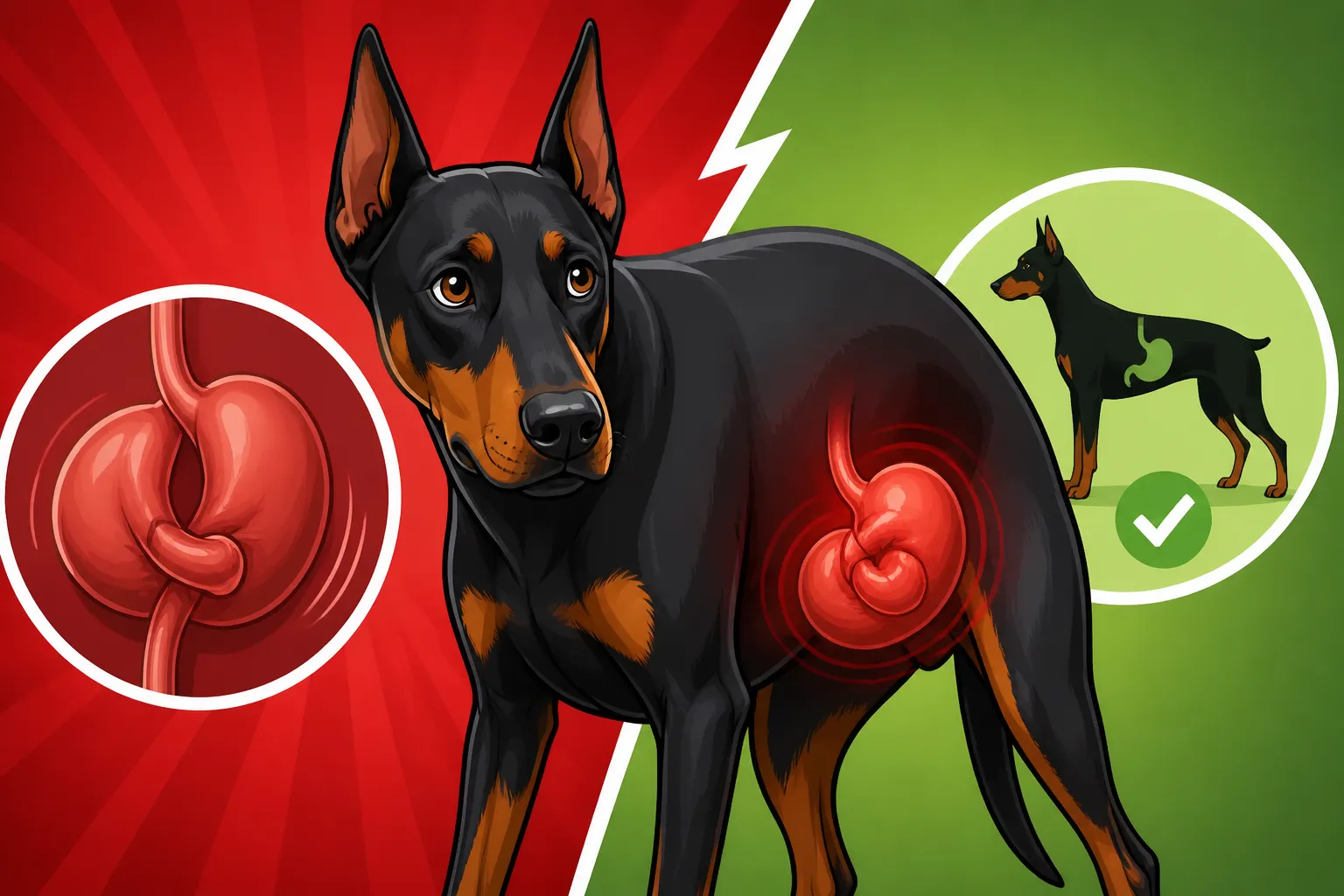
Recognizing a Doberman Stomach Twist in Time
Few things strike as much fear into a Doberman owner's heart as the thought of bloat, or Gastric Dilatation-Volvulus (GDV). This is a horrifyingly fast and often fatal condition where your dog’s stomach twists, trapping gas and cutting off blood supply. It's a real emergency, and knowing how to recognize a Doberman stomach twist in time can quite literally be the difference between life and death for your beloved companion. This guide will walk you through what happens, how to spot the signs, and what you absolutely must do if you suspect your Doberman is experiencing this critical event.
The Terrifying Reality of Doberman Stomach Twist (Gastric Dilatation-Volvulus)
When we talk about a "stomach twist" in Dobermans, we're referring to Gastric Dilatation-Volvulus, or GDV. It's not just an upset stomach; it's a rapidly progressing, life-threatening condition that demands immediate veterinary attention. For Doberman owners, this isn't just a distant possibility; it's a genuine and terrifying threat that we must always be prepared for. The sudden onset and severe consequences are what make it so terrifying.
Understanding What Happens During GDV
Imagine your Doberman's stomach as a balloon. In a normal situation, food and gas pass through it without issue. With GDV, two things happen: first, the stomach rapidly fills with gas, food, or fluid, causing it to dilate (bloat). This is the "dilatation" part. Secondly, and far more critically, the distended stomach then twists on its axis, often 180 to 360 degrees. This is the "volvulus" part.
When the stomach twists, both the entrance and exit become pinched off. This means any gas or food inside can't escape, and no new material can enter. The pressure builds quickly, causing immense pain and pushing against vital organs, particularly the diaphragm, making breathing incredibly difficult. Worse yet, the twisting also cuts off blood flow to and from the stomach, leading to tissue death. The spleen, which is often attached to the stomach, can also twist, further complicating the situation. This lack of blood flow, coupled with toxins released from dying tissue, can rapidly send your Doberman into shock. It’s a cascading series of events that can deteriorate from "something isn't right" to a catastrophic emergency in less than an hour. Many experienced Doberman owners know the sickening feeling of realizing their dog might be in the initial stages of bloat, a moment when every second truly counts.
Why Dobermans Are So Prone to Bloat
Dobermans, unfortunately, are among the breeds most susceptible to GDV. This isn't just bad luck; it's largely due to their unique body type. Their deep and narrow chest conformation, which gives them that athletic and elegant silhouette, also creates a larger abdominal space where the stomach can swing and twist more freely when distended. This is why you often hear discussions around conditions like Why a Doberman's Narrow Deep Chest Twists. It's a cruel irony that one of their hallmark physical traits also predisposes them to such a deadly condition.
Beyond their physical build, several other factors contribute to their heightened risk. Rapid eating, especially large meals, can lead to gulping air along with food, which increases the amount of gas in the stomach. High-stress situations, vigorous exercise immediately before or after eating, and even anxiety can also play a role. Some studies suggest genetics might also be a factor, meaning if a Doberman's direct relatives had bloat, their risk might be higher. While we often focus on things like Whether the Heart Takes Most Dobermans when discussing Doberman health, bloat is an equally, if not more, immediate threat due to its sudden and acute nature. Being aware of these predisposing factors is the first step in proactive ownership and vigilance.
Recognizing the Urgent Signs of a Doberman Stomach Twist
Spotting bloat early is paramount. It’s a condition where you can’t afford to "wait and see." Dobermans are stoic animals, but when bloat hits, the signs are usually unmistakable, even if they start subtly. Every Doberman owner needs to have these symptoms memorized.
The Early, Subtle Indicators
Sometimes, the initial signs of bloat can be subtle, easily mistaken for general discomfort or a mild upset stomach. This is the critical window where prompt action can save a life. One of the very first things you might notice is restlessness. Your Doberman might seem uncomfortable, unable to settle, pacing, or shifting positions frequently. They might get up and lie down repeatedly, perhaps stretching in unusual ways as if trying to relieve internal pressure. They might also begin drooling excessively, which isn't always a bloat symptom but can be a sign of nausea or severe discomfort.
Another common early sign is attempting to vomit without producing anything – a distinctive "retching" or "heaving" motion. It looks like they're trying to throw up, but only a small amount of foamy saliva or nothing at all comes out. This is a huge red flag. You might also notice them repeatedly looking at their abdomen, perhaps even pawing at it, indicating pain. These early signs can escalate quickly, so if you see any combination of these, it's time to be on high alert. Don't dismiss these as just a "bad tummy ache"; for a Doberman, they could be the precursors to a full-blown emergency.
When Symptoms Become Obvious and Critical
As bloat progresses, the symptoms become far more pronounced and terrifying. The most obvious sign is a rapidly distending abdomen. Your Doberman's belly, particularly on the left side, will become visibly swollen and taut, feeling hard like a drum when you gently tap it. This isn't just "ate too much" swelling; it's significant and often comes on quickly. Along with the swelling, you'll see increasing signs of pain and distress. Your Doberman might whine, groan, or show severe apprehension.
Breathing will become shallow and rapid as the enlarged stomach presses against the lungs. The dog might collapse, show signs of extreme weakness, or refuse to move. Their gums might appear pale or even blueish if they're going into shock. Their heart rate will be elevated, and their pulse weak. At this stage, your Doberman is in critical condition, and the situation is dire. This is the point where there is no doubt it's an emergency, and immediate transport to the nearest veterinary emergency clinic is not just recommended, but absolutely essential. Remember, every minute counts.
Here’s a quick overview of symptoms and their urgency:
| Symptom | Urgency Level | Description |
|---|---|---|
| Restlessness, Pacing, Unable to Settle | High | Early sign of discomfort; dog may continuously try to find a comfortable position. |
| Retching/Dry Heaving (no vomit or foamy) | CRITICAL | Hallmark sign; looks like vomiting but nothing comes out. Immediate vet visit required. |
| Enlarged, Taut, Hard Abdomen | CRITICAL | Stomach visibly swelling, feels hard like a drum when tapped. Often on the left side. |
| Excessive Drooling | High | Can indicate nausea or severe discomfort. |
| Looking at/Pawwing at Abdomen | High | Indicates abdominal pain. |
| Labored, Rapid, Shallow Breathing | CRITICAL | Stomach pressure on diaphragm makes breathing difficult. |
| Weakness, Collapse, Lethargy | CRITICAL | Signs of shock, rapid deterioration. |
| Pale Gums, Rapid Heart Rate, Weak Pulse | CRITICAL | Indicates circulatory shock. |
| Whining, Groaning, Severe Distress | CRITICAL | Clear signs of intense pain. |
Immediate Action: What to Do When Bloat Strikes
If you suspect bloat, there is no time for hesitation. This is one of those situations where calling your vet first is critical, but getting into the car and driving there while on the phone is often the best course of action.
Your First Steps at Home
The moment you recognize those critical symptoms – especially dry heaving and a distended belly – your priority shifts entirely to emergency mode. First, do not try to treat it at home. Do not try to give antacids, massage their belly, or force them to vomit. These actions are often ineffective and can waste precious time or even worsen the situation.
Immediately call your veterinarian or the nearest emergency veterinary clinic. Describe your Doberman's symptoms clearly and state that you suspect GDV/Bloat. This alerts them to a critical incoming patient and allows them to prepare for your arrival, potentially saving minutes once you get there. While you're on the phone, stay calm, and prepare your Doberman for transport. This means getting them into the car as quickly and gently as possible. If your Doberman is struggling to walk, you may need a second person to help lift them or use a makeshift stretcher. Remember that Dobermans are part of The Doberman Years When Everything Shows Up, so being prepared for such emergencies is part of responsible ownership throughout their lives. Having an emergency plan in place, including directions to the nearest 24/7 veterinary hospital, is something every Doberman owner should do long before an emergency arises.
Racing Against Time: Getting to Emergency Care
Time is the most critical factor in a GDV case. The prognosis significantly worsens with every hour that passes between the onset of symptoms and surgical intervention. Upon arrival at the emergency clinic, they will immediately assess your Doberman, likely stabilize them for shock (which often involves IV fluids and pain medication), and take X-rays to confirm the diagnosis of GDV. If bloat is confirmed, surgery is the only definitive treatment. This surgery involves de-rotating the stomach, releasing the trapped gas and contents, and often performing a gastropexy.
A gastropexy is a procedure where the stomach is surgically attached to the abdominal wall. This won't prevent the stomach from dilating (bloating), but it will prevent it from twisting again in the future, which is often the fatal component of GDV. This procedure is also sometimes performed preventatively, known as a prophylactic gastropexy, especially if a Doberman's relatives have suffered from GDV or if the owner wants to reduce risk. The cost of such an emergency can be substantial, often ranging into the thousands of dollars, making proper pet insurance like that offered by Healthy Paws an invaluable asset in these situations. Knowing that you have coverage can ease the burden of the financial decision during an already stressful time.
Proactive Prevention: Reducing the Risk of Bloat in Your Doberman
While bloat can strike unexpectedly, there are several measures Doberman owners can take to significantly reduce their dog's risk. These strategies revolve around how you feed, exercise, and manage stress in your Doberman's daily life.
Dietary and Feeding Strategies
One of the most impactful areas for prevention is how and what you feed your Doberman. Instead of one large meal per day, break their daily food ration into two or even three smaller meals. This reduces the amount of food and air in the stomach at any one time, lessening the risk of over-distension. This aligns with advice on Meal Timing on a Deep-Narrow Doberman Chest. For fast eaters, consider using slow feeder bowls, puzzle feeders, or placing a large, non-chokable object (like a Kong or a special slow-feeding insert) in their regular bowl. This forces them to eat around it, slowing down their ingestion and reducing the amount of air they gulp. These are often referred to as Bowls That Stop a Doberman Swallowing Its Dinner.
The type of food also matters. While there's ongoing debate about specific ingredients, avoid feeding foods that cause excessive gas in your Doberman. Some studies suggest that diets with fat listed among the first four ingredients may be linked to a higher risk, but research is ongoing. Always ensure fresh water is available, but avoid letting your Doberman gulp excessive amounts of water immediately after eating or heavy exercise. Give them smaller, frequent drinks instead. Also, avoid raising their food bowl unless medically advised, as some studies suggest elevated bowls might increase the risk, rather than decrease it.
Lifestyle Adjustments and Other Considerations
Beyond feeding, managing your Doberman's lifestyle can also help prevent bloat. Avoid vigorous exercise for at least an hour before and two hours after meals. This means no intense play, running, or training sessions immediately following a meal. A short, leisurely walk is generally fine, but high-impact activity can cause the stomach to jostle and increase the risk of twisting. Dobermans are high-energy dogs, so finding the right balance between activity and meal times is key.
Consider your Doberman's overall stress levels. Anxious dogs might be more prone to digestive issues, including bloat. Providing a consistent routine, adequate mental stimulation, and a calm environment can contribute to their well-being. If your Doberman is particularly prone to anxiety, discussing management strategies with your vet or a certified professional can be beneficial. Lastly, talk to your veterinarian about prophylactic gastropexy. As mentioned, this surgical procedure can be performed, often at the time of spay or neuter, to permanently tack the stomach to the abdominal wall, significantly reducing the risk of a fatal stomach twist. While it doesn't prevent bloating itself, it prevents the life-threatening twist. The costs associated with preventative procedures are also often covered by pet insurance like Healthy Paws, which can save you from a much larger bill—and heartache—down the line if an emergency occurs. Being prepared for What Bloat Surgery Costs a Doberman Owner is far better than being blindsided by it.
Disclaimer
This article is for general informational purposes only and does not constitute professional advice. Laws, prices and regulations vary by location and change over time. Consult a qualified professional for guidance on your specific situation.