Meal Timing on a Deep-Narrow Doberman Chest
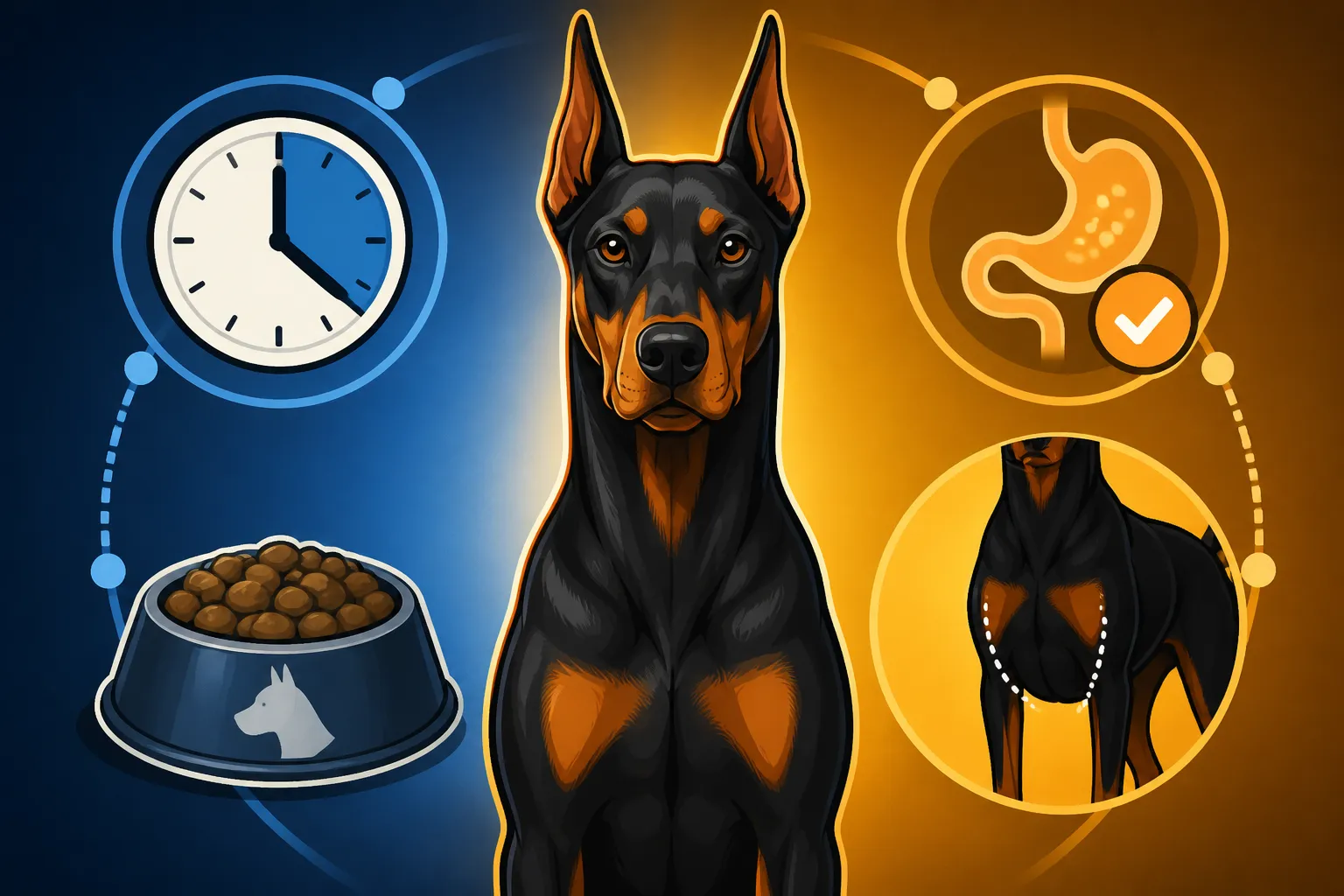
Many Doberman owners live with the nagging fear of bloat, a life-threatening condition disproportionately affecting breeds with deep, narrow chests like ours. It's a terrifying emergency, often striking without warning, and the thought of it can make even routine feeding a source of anxiety. This comprehensive guide will walk you through the crucial role of meal timing in mitigating this risk, helping you establish a feeding routine that safeguards your beloved Doberman's health.
The Doberman's Unique Chest Anatomy and Bloat Risk
The Doberman's elegant, athletic build, with its characteristic deep and narrow chest, is part of what makes the breed so striking. But this very trait, sadly, also puts them at a higher risk for a condition that strikes fear into the heart of every Doberman owner: Gastric Dilatation-Volvulus, or GDV, commonly known as bloat. It’s a cruel irony that such a beautiful characteristic comes with such a significant health concern. Understanding this anatomical predisposition is the first step in taking proactive measures to protect your dog. It's not just about what they eat, but how their bodies are built to process it, and how easily that process can go wrong.
Why the Doberman Chest Is a Concern
Think about it: a Doberman's chest isn't just deep, it's also relatively narrow. This creates a unique internal architecture where the stomach has more room to swing and twist on its axis if it becomes distended. Imagine a balloon tied at both ends and then inflated within a confined space – if there's too much room around it, it can easily spin. In Dobermans, this means their stomach, once filled with food, water, or gas, can more readily rotate. This rotation is the "volvulus" part of GDV, and it’s what turns a bad situation into a catastrophic one. It's a design flaw, if you will, that we as owners have to constantly be mindful of, almost like owning a classic car with a known engine issue; you just have to manage it carefully.
This isn't just speculation; extensive research and veterinary observation have consistently identified deep-chested breeds as being at significantly higher risk for bloat. Great Danes, German Shepherds, Irish Setters, and yes, Doberman Pinschers, frequently top the lists. It's not that other breeds can't bloat, but for a Doberman, the risk is simply elevated due to their conformation. It’s a genetic lottery that unfortunately, many Dobermans lose, making prevention, or at least risk reduction, paramount. When you bring a Doberman into your home, you implicitly sign up to be vigilant about this particular vulnerability, and it's a responsibility that can weigh heavily on an owner's mind.
Understanding Gastric Dilatation-Volvulus GDV
Let's talk about what actually happens during bloat, because truly understanding the mechanism helps drive home the urgency of prevention. GDV typically starts with gastric dilatation, meaning the stomach fills with gas, fluid, or food and distends like a balloon. This alone is painful and uncomfortable, but the real danger comes when the distended stomach then twists (volvulus). When the stomach twists, it pinches off both the entrance (from the esophagus) and the exit (to the small intestine). This traps everything inside, preventing gas from escaping through burping or vomiting, and blocking food from moving out. It's like a knot in a hose, but with organs.
The consequences of this twist are dire and cascade rapidly. The trapped gas and fluid cause the stomach to swell further, putting immense pressure on other organs, impeding blood flow to the stomach wall itself, and compressing major blood vessels that return blood to the heart. This leads to shock, heart problems, and tissue death in the stomach. Without immediate veterinary intervention, often surgical, the prognosis is grim. This isn't a "wait and see" situation; it’s a terrifying race against time where every minute counts. Recognizing a Doberman Stomach Twist in Time is critical for any Doberman owner.
The Importance of Meal Timing for Doberman Health
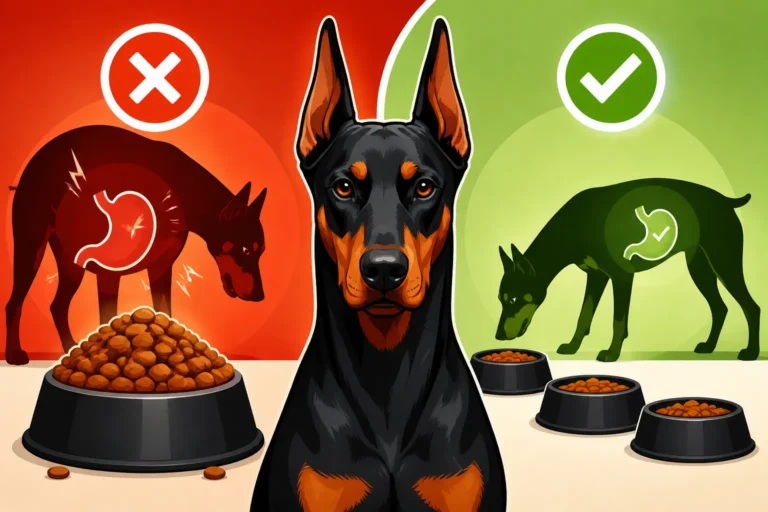
Given the inherent risk of bloat, every aspect of your Doberman's feeding routine needs careful consideration, and meal timing sits right at the top of that list. It’s not just about filling their belly; it’s about managing the volume and frequency of intake to minimize the chances of their stomach becoming overly distended or prone to twisting. Many owners, especially those new to Dobermans, might free-feed or give one large meal, unaware of the potential dangers this poses for a deep-chested breed. But for a Doberman, a structured meal schedule isn't a convenience; it's a vital health strategy.
How Timing Influences Digestion
When a dog eats a large meal quickly, especially after a period of hunger, they often swallow a lot of air along with their food. This rapid ingestion of air, combined with the volume of food, can lead to significant gastric distension. Imagine eating Thanksgiving dinner in five minutes; you'd feel pretty uncomfortable and gassy, right? Now imagine that discomfort in a deep, narrow chest where the stomach has room to flip. Spreading meals out throughout the day means smaller volumes of food are introduced at any one time, reducing the overall load on the digestive system and minimizing the amount of air swallowed during enthusiastic eating.
Regular, smaller meals also help maintain a more consistent digestive process, preventing extreme fluctuations in stomach volume and gas production. A Doberman’s digestive system isn’t designed for infrequent, massive feasts; it functions best with a steady, manageable input. This approach helps the body process food more efficiently and reduces the likelihood of the stomach becoming overly full and agitated, which are precursors to bloat. It's a foundational element of preventative care for our Doberman companions, ensuring their internal environment remains as stable as possible.
The Link Between Meal Frequency and Bloat
Studies and anecdotal evidence from veterinary practices overwhelmingly suggest a correlation between feeding frequency and bloat risk in predisposed breeds. Dogs fed one large meal a day tend to have a higher incidence of bloat compared to those fed two or more smaller meals. The logic is simple: a single large meal means the stomach is stretched to its maximum capacity for a longer period, making it more susceptible to twisting, particularly if the dog then engages in activity. Why a Doberman Is Never Fed One Big Meal is a mantra every Doberman owner should live by.
By dividing your Doberman's daily caloric intake into multiple meals, you’re essentially preventing the stomach from ever reaching that critical point of over-distension. Most experts recommend at least two meals a day, but for particularly fast eaters or those with known anxiety around food, three smaller meals can be even better. Think of it as defensive driving for your dog's stomach. You're proactively creating conditions that make bloat less likely, even if you can't eliminate the risk entirely. This adjustment in routine is a small effort for a potentially life-saving benefit, offering peace of mind that your feeding habits are actively supporting your Doberman's long-term health.
Establishing an Optimal Feeding Schedule
So, you understand why meal timing is crucial. Now, let's talk about the practicalities of how to implement an optimal feeding schedule for your Doberman. This isn't about rigid, military-style precision, but rather creating a consistent, sensible routine that works for both you and your dog, prioritizing their health and minimizing bloat risk. It’s about being mindful of their natural rhythms and their unique anatomical predisposition.
Dividing Daily Rations
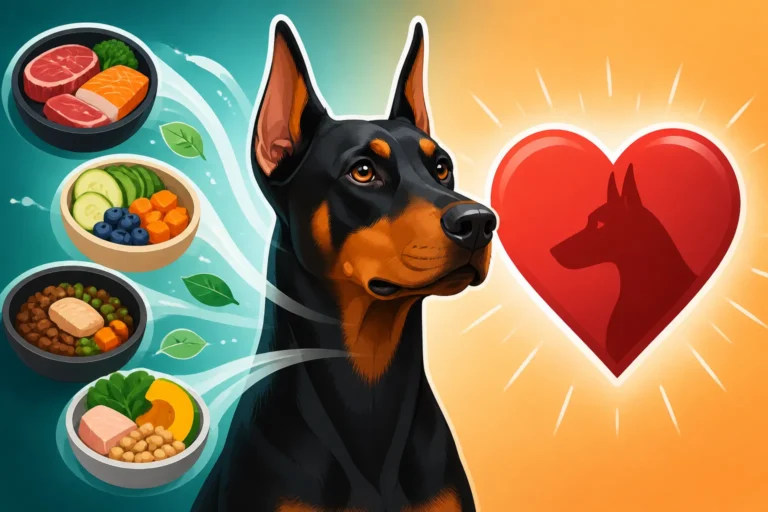
The consensus among veterinarians and Doberman enthusiasts is to divide your dog’s total daily food allowance into at least two, preferably three, separate meals. For example, if your Doberman needs four cups of food per day, instead of one four-cup meal, you’d aim for two two-cup meals or even three meals of roughly 1.3 cups each. This significantly reduces the volume of food in the stomach at any given time, thereby lessening the risk of distension and torsion. Splitting a Doberman's Ration Into Three can be particularly beneficial for fast eaters or those with high energy levels.
When planning these meals, consider your own daily schedule. Many owners find a morning meal, an early afternoon meal (if feasible), and an evening meal works well. The goal is to spread them out as evenly as possible throughout the waking hours, avoiding long stretches of hunger followed by large meals. If you work away from home, perhaps a trusted pet sitter or a timed feeder can help with that midday meal. Services like Chewy or Amazon often carry a variety of automatic feeders that can dispense portions at set times, which can be a real lifesaver for owners with busy schedules, ensuring consistency even when you can't be there physically.
Consistency Is Key
Dogs thrive on routine, and Dobermans are no exception. Establishing a consistent meal schedule means feeding your Doberman at roughly the same times every day. Their internal clocks are remarkably precise, and they'll quickly learn when meal times are. This consistency isn't just for their mental well-being; it supports their digestive system. When the body knows when to expect food, it can better prepare digestive enzymes and processes, leading to more efficient digestion and less gastric upset.
Erratic feeding times can lead to a Doberman becoming overly hungry, which can result in gulping food down too quickly when it finally arrives, increasing the risk of air swallowing and subsequent bloat. A predictable schedule helps manage their hunger drive and promotes a calmer eating experience. Weekends are not an excuse to deviate drastically; try to stick as closely as possible to your weekday schedule. If you absolutely must adjust, do so gradually over a few days rather than abruptly. This dedication to routine is a subtle but powerful tool in your bloat prevention arsenal.
Pre- and Post-Meal Activity Restrictions
It’s not enough to simply time the meals; you also need to manage your Doberman's activity level around those feeding times. This is another critical piece of the bloat prevention puzzle, often overlooked by well-meaning owners who might unwittingly put their dogs at risk. The combination of a full stomach and vigorous activity is a recipe for disaster in deep-chested breeds.
The Danger of Exercise Around Eating
Imagine trying to run a marathon immediately after eating a huge meal. You'd likely feel nauseous, cramp up, and probably throw up. For a Doberman, vigorous exercise immediately before or after a meal significantly increases the risk of bloat. Activities like running, jumping, intense play, or even rolling around can cause a distended stomach to shift and twist. The physical jostling, combined with the presence of food and gas, creates the perfect storm for GDV. Whether a Doberman Should Rest After Eating is a fundamental question with a clear answer: absolutely, yes.
Therefore, it’s imperative to institute a "no vigorous activity" rule for at least one hour before a meal and two to three hours after a meal. This doesn't mean your Doberman needs to be locked in a crate, but rather, keep them calm and settled. A leisurely potty break on a leash is fine, but playtime with other dogs, fetch, or long walks should be strictly avoided during these critical windows. If you have a high-energy Doberman, this can be challenging, but it’s a non-negotiable part of responsible ownership. Channel their energy into quiet activities like chew toys or puzzle feeders outside of these periods.
Creating a Calm Eating Environment
Beyond restricting physical activity, the environment in which your Doberman eats also plays a role. A stressful or rushed eating situation can lead to faster eating and increased air swallowing. If your Doberman feels competitive with other pets or anxious about their food being taken away, they are more likely to gobble their meal down, which we know is a risk factor.
Provide a quiet, calm, and undisturbed space for your Doberman to eat. This might mean feeding them in a separate room from other pets or in their crate. Ensure there are no sudden noises, frantic children, or other distractions that might cause them to eat too quickly or feel stressed. If you have multiple Dobermans or other dogs, feed them separately to prevent resource guarding or competitive eating. This simple act of creating a peaceful mealtime ritual can go a long way in promoting slower, more relaxed eating and thus, reducing the chance of gastric distension.
Hydration and Water Intake Around Meals
Water is essential for life, and certainly for digestion, but even something as vital as water needs to be managed strategically for a Doberman, especially around meal times. Too much water, consumed too quickly, can contribute to the very distension we’re trying to prevent with carefully timed meals. It's a balancing act to ensure they stay hydrated without inadvertently increasing their bloat risk.
Managing Water Consumption
Just as gulping down food can be dangerous, so can gulping down large quantities of water, particularly immediately before or after a meal. A stomach already filling with food, then rapidly expanded with a large volume of water, creates a prime environment for bloat. This is especially true after strenuous exercise when a Doberman might be very thirsty and drink excessively. Water Intake for a Doberman After Work is something to be managed thoughtfully.
To mitigate this, always provide fresh water throughout the day, but restrict large quantities immediately before and after meals. Offer smaller amounts more frequently. If your Doberman is excessively thirsty after a walk or playtime, wait for about 15-20 minutes for them to calm down, then offer a small amount of water. You can even offer ice cubes for them to lick, which provides hydration without the rapid gulping of liquid. It's about moderation and mindful hydration, rather than deprivation.
The Role of Water in Bloat Prevention
While excessive, rapid water intake around meals can be problematic, adequate hydration overall is crucial for healthy digestion. Dehydration can slow down the digestive process, potentially leading to food sitting in the stomach longer. The key is how and when the water is consumed, not the overall amount. Your Doberman should always have access to water, just not in a way that encourages frantic, large-volume drinking near feeding times.
Consider using elevated water bowls, especially if you also use an elevated food bowl (which we'll discuss soon). For some Dobermans, elevated bowls might reduce air intake while drinking. However, the science on elevated bowls and bloat risk is mixed and somewhat controversial; some studies have even suggested a slight increase in risk with elevated bowls, while others have found no difference or a reduction. The most important thing is to observe your individual dog and manage their drinking habits. If they are an enthusiastic, gulpy drinker, managing the volume available at any one time is more critical than bowl height.
What to Feed and How to Slow Eating
Beyond when you feed your Doberman, what you feed and how they eat it are equally important considerations in the ongoing battle against bloat. A well-chosen diet, combined with tools and techniques to slow down enthusiastic eaters, can further reduce the risk profile for your deep-chested companion. It's about building multiple layers of protection.
Food Type and Volume Considerations
When choosing your Doberman's food, opt for a high-quality kibble that doesn't contain large amounts of fermentable ingredients like soy, peas, or lentils as primary ingredients, particularly if these are common in "grain-free" foods. Some research has suggested a possible link between certain grain-free, legume-heavy diets and dilated cardiomyopathy (DCM) in some breeds, including Dobermans, but the connection to bloat isn't as clear-cut. However, ingredients that produce excessive gas during digestion should generally be limited. Focus on easily digestible protein sources and moderate fat. Brands like Royal Canin Doberman Pinscher formula are specifically designed with the breed's unique needs in mind, including their deep chest.
The volume of food is also critical. Your Doberman should be lean, not overweight. An overweight Doberman may have a higher bloat risk simply due to increased abdominal pressure. Daily Calories for an Adult Doberman should be carefully calculated based on their activity level, age, and metabolism, ensuring they maintain a healthy weight where you can easily feel their ribs but not necessarily see them prominently. Work with your vet to determine the ideal caloric intake. Quality over quantity, always. Feeding an Eighty-Pound Doberman Well is a comprehensive guide to their nutritional needs.
Tools and Techniques for Slower Eating
Many Dobermans are enthusiastic eaters, capable of vacuuming up their meal in seconds. This rapid ingestion is a major bloat risk because it often involves swallowing a significant amount of air. Thankfully, there are several effective tools and techniques to slow down even the most ardent chowhounds.
One popular option is a slow-feeder bowl. These bowls have raised ridges or obstacles inside that force the dog to eat around them, making it impossible to gulp large mouthfuls. Brands available on Chewy or Amazon offer a wide variety of designs, from simple mazes to more complex puzzles. Another technique is to scatter the kibble across a large, flat surface or directly onto a clean floor. This forces your Doberman to sniff out and pick up each piece individually, drastically slowing down their eating speed. You can also use puzzle toys or Kongs stuffed with their meal, turning mealtime into a mental exercise that also slows consumption. For wet food or raw diets, spreading it thinly on a lick mat can extend mealtime considerably. The goal is to make eating a process, not a sprint. Bowls That Stop a Doberman Swallowing Its Dinner are an investment well worth making.
Recognizing Bloat Symptoms and Emergency Action
Despite all your best preventative measures, it's crucial to remember that bloat can still happen. Being able to recognize the signs quickly and knowing when to act is literally a matter of life and death for your Doberman. This is not a condition where you can afford to wait and see if symptoms improve. Time is of the essence.
Early Warning Signs to Watch For
The earliest signs of bloat can be subtle and easily missed, especially if you're not specifically looking for them. Often, the first thing owners notice is pacing, restlessness, or an anxious look in their dog's eyes. Your Doberman might try to vomit but bring nothing up (non-productive retching), or they might dry heave repeatedly. They may also exhibit excessive drooling or appear uncomfortable and unwilling to lie down. If you gently press on their abdomen, especially the area behind the ribs, they might be sensitive or show signs of pain.
As the condition progresses, the most obvious sign is a visibly distended abdomen, which will feel hard and tight, like a drum. The swelling might be more pronounced on one side. Your Doberman might groan, pant heavily, have pale gums, or appear weak and collapsed. Any combination of these symptoms, particularly non-productive retching and abdominal distension, should trigger immediate alarm bells. Never dismiss these signs, especially in a Doberman.
When to Act Immediately
If you suspect bloat, there is only one course of action: get your Doberman to the nearest emergency veterinary hospital immediately. Do not wait, do not try home remedies, and do not call your regular vet to ask for advice unless they are literally next door and can see you right away. Every minute counts. Seriously, this is one of those times when it's better to be overly cautious and have it be a false alarm than to delay and lose your dog. A Doberman can go from showing mild symptoms to being in critical condition in a surprisingly short amount of time.
Call ahead to the emergency clinic if you can, to let them know you're coming and why. This allows them to prepare for your arrival, potentially saving precious minutes. Once there, the veterinary team will assess your Doberman, likely take X-rays to confirm GDV, and begin stabilizing measures. Surgery, called a gastropexy, is almost always necessary to correct the twisted stomach and often involves tacking it to the abdominal wall to prevent future occurrences. The cost of such an emergency can be substantial, as anyone who has experienced What Bloat Surgery Costs a Doberman Owner can attest, but it's a small price to pay for your dog's life.
Proactive Measures Beyond Meal Timing
While diligent meal timing and activity management are cornerstones of bloat prevention, there are other proactive steps you can consider to further safeguard your Doberman. It’s about building a comprehensive strategy, recognizing that no single measure offers 100% protection, but a combination of efforts significantly tips the odds in your favor.
Gastropexy as a Preventive Option
For many Doberman owners, especially those living in perpetual fear of bloat, a prophylactic gastropexy is a serious consideration. This surgical procedure permanently attaches the stomach to the abdominal wall, preventing it from twisting. While it doesn't prevent the stomach from dilating (filling with gas), it almost entirely eliminates the deadly "volvulus" component of GDV. It's often compared to tacking a curtain in place so it can't spin around.
A prophylactic gastropexy can often be performed at the same time as another abdominal surgery, such as a spay or neuter, which can help reduce overall costs and the need for multiple anesthetic events. It can also be done laparoscopically, which is less invasive. Discuss this option thoroughly with your veterinarian, weighing the risks and benefits. For many, the peace of mind it offers is invaluable, knowing that the most deadly aspect of bloat has been mitigated. Tacking a Doberman's Stomach While It Is Under explains this procedure further.
Lifestyle Choices for a Healthy Doberman
Beyond the specifics of feeding and medical interventions, a holistic approach to your Doberman’s well-being contributes to overall health and resilience, which can indirectly help mitigate various health risks, including bloat. A healthy dog is often better equipped to handle stressors, both internal and external.
Ensure your Doberman maintains a healthy weight; obesity is a risk factor for many conditions, and while its direct link to bloat isn't always clear, it doesn't help. Provide regular, moderate exercise, avoiding intense bursts around meal times. Manage stress in their environment, as anxiety can affect digestion. High-quality nutrition, perhaps from services like Ollie, that focuses on whole ingredients can also play a role in promoting healthy gut function. Regular vet check-ups are also crucial to catch any underlying health issues early. It's about recognizing that your Doberman is a complex system, and every choice you make as an owner contributes to their overall vitality and their ability to thrive. Why a Doberman Feels the Cold Before Other Dogs might seem unrelated, but overall wellness factors into how a Doberman handles stress, including digestive stress.
| Meal Timing Strategy | Description | Benefits for Dobermans | Considerations |
|---|---|---|---|
| Free Feeding | Food always available. | Less effort for owner. | HIGH BLOAT RISK. Encourages gorging, difficult to monitor intake, leads to larger stomach volumes. |
| One Large Meal/Day | Entire daily ration given once. | Simple schedule. | HIGH BLOAT RISK. Maximizes stomach distension, increases air intake, high risk if followed by activity. |
| Two Meals/Day | Daily ration split into two, typically morning and evening. | Reduced stomach volume, easier digestion. | Good standard for many Dobermans, but still need to manage pre/post meal activity. |
| Three Meals/Day | Daily ration split into three smaller portions, morning, midday, evening. | LOWEST BLOAT RISK. Minimizes stomach distension, steadier digestion, less hunger-related gulping. | Requires more owner effort or timed feeder, ideal for fast eaters or highly anxious dogs. |
| Slow Feeder Bowls | Bowls with obstructions to slow eating. | Reduces air intake, extends mealtime. | Essential for fast eaters, available from brands like Chewy or Amazon. |
| Puzzle Feeders/Lick Mats | Food dispensed or spread over time, requiring mental effort. | Combines mental enrichment with slow feeding. | Great for mental stimulation, suitable for wet or dry food. |
Caring for a Doberman is a commitment, and part of that commitment involves understanding and proactively addressing their unique health vulnerabilities. Bloat is a terrifying reality for our breed, but by implementing smart meal timing, managing activity, and considering preventive surgeries like gastropexy, you can significantly reduce the risk. It's about being informed, being vigilant, and giving your loyal Doberman the best possible chance at a long, healthy life free from this devastating condition.
Disclaimer
This article is for general informational purposes only and does not constitute professional advice. Laws, prices and regulations vary by location and change over time. Consult a qualified professional for guidance on your specific situation.