Whether a Doberman Should Rest After Eating
It’s a common scenario: your Doberman finishes their dinner, and they’re immediately ready to run and play, full of energy. But as a Doberman owner, you might feel that knot of anxiety in your stomach, wondering if letting them run around right after eating is setting them up for a serious health crisis. This guide will walk you through why post-meal rest is absolutely crucial for Dobermans and how to implement a safe, stress-free feeding routine.
The Critical Link Between Eating and Exercise for Dobermans
For many dog breeds, a little romp after dinner is no big deal, but for Dobermans, it can be a matter of life or death. Our beautiful, deep-chested companions are disproportionately susceptible to a terrifying condition known as bloat, or Gastric Dilatation-Volvulus (GDV), and activity after eating is a significant risk factor.
Understanding Gastric Dilatation-Volvulus (GDV)
Gastric Dilatation-Volvulus, or GDV, is a veterinary emergency where a dog's stomach fills with gas (dilatation) and then twists upon itself (volvulus). When the stomach twists, both the entrance and exit are pinched off, trapping gas, food, and fluid inside. The expanding stomach puts immense pressure on other organs and blood vessels, impeding blood flow, which can quickly lead to shock and death. This isn't just a belly ache; it's a catastrophic internal event.
Dobermans, with their distinctive deep and narrow chests, are unfortunately among the breeds at highest risk for GDV. Their anatomical structure creates a "swinging door" effect, making it easier for the stomach to shift and twist when full, particularly during physical exertion. It's a cruel twist of fate for such an active, athletic breed. Imagine your Doberman suddenly looking uncomfortable, panting heavily, trying to vomit but bringing nothing up, and their belly starting to swell – that's the nightmare scenario every Doberman owner dreads. You need to know how to respond, and fast. This is why vigilance around mealtimes is non-negotiable. If you ever suspect your Doberman is experiencing this, please read Recognizing a Doberman Stomach Twist in Time to understand the signs and act quickly.
Why Rest is Non-Negotiable After Meals
The idea behind post-meal rest is simple: allow your Doberman's digestive system to do its job undisturbed. When a Doberman exercises vigorously shortly after eating, the stomach, heavy with food and often air swallowed during rapid eating, can slosh around like a water balloon in a clothes dryer. This violent movement increases the likelihood of the stomach flipping or twisting. Running, jumping, rough-housing, or even rolling around enthusiastically can provide the mechanical force needed to initiate a volvulus.
Think of it like this: your Doberman’s stomach, full of a meal, becomes a potential anchor that can pull and twist if the dog is too active. The goal is to keep that anchor still and stable while digestion begins. A calm, quiet environment helps prevent excessive air swallowing, too, which is another factor in bloat. When a Doberman eats too quickly or is stressed, they tend to gulp air, and that trapped air contributes to the gastric distension that precedes the twist. By enforcing rest, you're not just preventing physical jostling, you're also promoting a more relaxed digestive process from the get-go. This simple act of keeping them still can significantly reduce the risk of a life-threatening emergency.
Practical Strategies for Safe Mealtime Routines
Given the serious risks, establishing a safe and consistent mealtime routine for your Doberman is paramount. It’s not just about what they eat, but how and when they eat, and what they do immediately before and after.
Implementing a Pre- and Post-Meal Rest Protocol
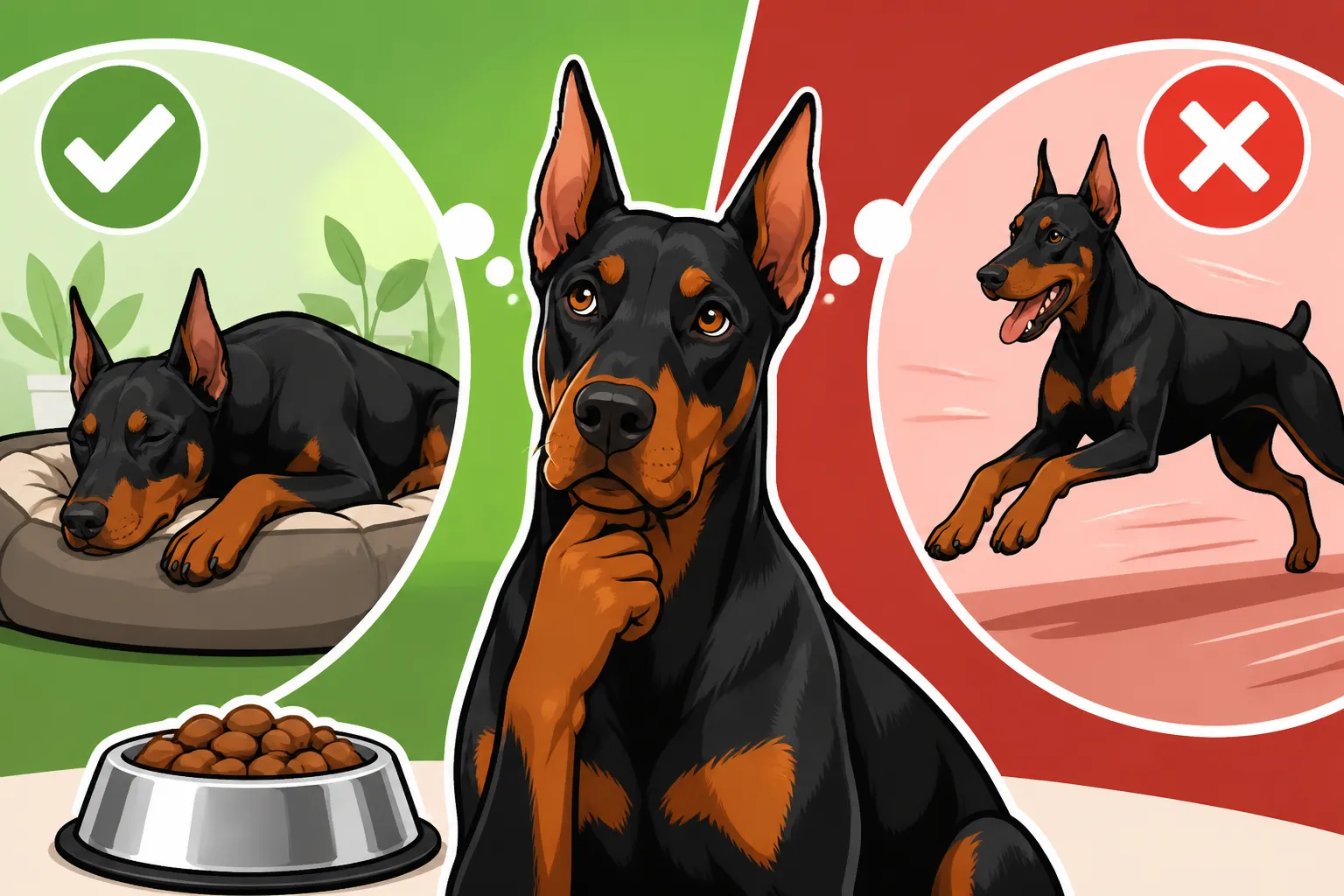
The golden rule for Dobermans around mealtime is to avoid strenuous activity. This means implementing a "no-play" zone both before and after they eat. A good guideline is to ensure at least 30 minutes of calm activity before a meal and a solid 60-90 minutes of complete rest after a meal. Some owners even extend the post-meal rest to two hours, especially for young, energetic Dobermans or those prone to anxiety.
What does "rest" actually look like? It means no running, jumping, stairs, intense training sessions, or rough play. A gentle, on-leash potty break right before and after eating is usually fine, but keep it brief and calm. After eating, your Doberman should be encouraged to settle down in a quiet area. This might be their crate, a comfy bed in a low-traffic room, or simply lounging beside you while you read or watch TV. The key is to minimize any activity that could jostle their stomach. If you have a Doberman puppy, instilling this routine early will make it second nature as they grow. When considering car rides, especially if they might experience motion, it's best to feed them well in advance or after the journey is complete. A Doberman lying down and digesting is a safer Doberman.
Optimizing Feeding Practices to Reduce Risk
Beyond the rest period, how you feed your Doberman can also play a huge role in reducing the risk of bloat.
One of the most effective strategies is to feed multiple smaller meals throughout the day rather than one large one. Instead of a single, massive dinner, consider splitting their daily ration into two or three smaller portions. This way, the stomach is never overly full, reducing the volume that could potentially twist. For example, if your Doberman eats 4 cups of kibble a day, instead of 4 cups at once, try 2 cups in the morning and 2 cups in the evening. This also helps with consistent energy levels throughout the day. Check out Meal Timing on a Deep-Narrow Doberman Chest for more detailed advice on this.
When it comes to bowls, opinions vary. While elevated bowls were once recommended to prevent bloat, recent studies have suggested they might actually increase the risk in some large, deep-chested breeds. It's truly a point of contention among vets and researchers, so the best approach is to discuss this with your own veterinarian. Personally, I’ve found that slow feeder bowls are an absolute godsend. These bowls have ridges or obstacles that force your Doberman to eat around them, significantly slowing down their ingestion. This reduces the amount of air they swallow with their food, which is a major factor in gas build-up. You can find excellent slow feeder bowls on Chewy or Amazon that are designed for larger breeds.
Hydration is also important. While your Doberman should always have access to fresh water, some experts recommend limiting large quantities of water immediately before or after a meal, as excessive fluid intake can also contribute to stomach distension. Offer smaller amounts more frequently around meal times, and then allow free access once a good hour has passed. For more specific advice on feeding an adult Doberman, take a look at Feeding an Eighty-Pound Doberman Well.
Beyond Resting: Other Factors Influencing Bloat Risk
While rest and proper feeding techniques are crucial, they aren't the only pieces of the puzzle when it comes to bloat prevention in Dobermans. Several other factors can influence their susceptibility, and understanding them gives you a more complete picture of managing your Doberman's health.
Dietary Considerations for a Doberman's Digestion
The type of food you feed can also play a role, though research on this is still evolving. Some studies suggest that diets with high fat content, especially if fat is listed among the first few ingredients, might be associated with an increased risk. Similarly, foods with smaller kibble sizes might encourage faster eating and more air swallowing. It's often recommended to choose a larger kibble size that forces your Doberman to chew, rather than gulp.
While a raw diet or fresh food like those offered by Ollie might appeal to some, it’s important to remember that the volume of food and how quickly it's consumed are key factors for bloat risk, regardless of the diet type. Rapid consumption of any food, wet or dry, can introduce excess air. Therefore, even with fresh food, splitting meals and ensuring a calm eating environment remains vital. Always ensure your Doberman’s diet is complete and balanced for their life stage and activity level. If you're considering a significant dietary change, it’s always best to consult with your veterinarian.
Stress, Anxiety, and Rapid Eating Habits
An often-overlooked factor in bloat risk is stress and anxiety. A Doberman that feels rushed, competitive, or generally anxious can eat much faster, gulping down food and, critically, large amounts of air. This swallowed air contributes directly to gastric distension.
Consider your Doberman's eating environment. Is it chaotic? Do other pets hover or try to steal food? In multi-dog households, feeding dogs separately in crates or different rooms can drastically reduce mealtime stress and competition, encouraging them to eat at a more relaxed pace. Some Dobermans are naturally "inhale-their-food" types, so measures like slow-feeder bowls or even spreading their kibble out on a large baking sheet can help. A calm, predictable routine around mealtime can make a significant difference in reducing their overall anxiety and, consequently, their bloat risk. Keep an eye on Bowls That Stop a Doberman Swallowing Its Dinner for some specific product ideas.
Age and Genetic Predisposition
Unfortunately, some Dobermans are simply more predisposed to bloat than others due to genetics and their physical build. We know that the deep, narrow chest characteristic of the Doberman breed is a primary anatomical risk factor. This is why it’s so vital to be extra diligent with our Dobermans. You can learn more about this specific breed characteristic in Why Doberman's Narrow Deep Chest Twists.
While bloat can occur at any age, it is more commonly seen in middle-aged to older dogs, typically between 4 and 10 years old. However, this isn't a hard and fast rule, and younger Dobermans can absolutely suffer from GDV. Knowing your Doberman's pedigree can sometimes offer clues, as bloat has a hereditary component. If a Doberman's close relatives (parents, siblings) have experienced bloat, their offspring may be at a higher risk. This knowledge underscores the importance of proactive prevention and constant vigilance, rather than assuming your dog is in a "safe" age range.
What to Do If You Suspect Bloat
Despite all your best efforts, bloat can still strike. It's a terrifying reality for Doberman owners. Knowing what to look for and how to react immediately can be the difference between life and death.
Recognizing the Warning Signs
Recognizing the early signs of GDV is crucial for a positive outcome. Time is of the essence. Here are the symptoms to watch for:
- Unproductive Retching: This is often the most common and telling sign. Your Doberman will try to vomit, hunching over, but nothing or very little comes up, perhaps just foamy saliva. They may make strained retching sounds.
- Abdominal Distension: Your Doberman’s belly, especially on the left side, might appear swollen or feel hard and taut to the touch. This can be subtle at first and rapidly worsen.
- Restlessness and Pacing: They may be unable to settle, pacing, standing with their head down, or frequently shifting positions.
- Pain and Discomfort: Whining, groaning, looking at their abdomen, or general signs of distress. They might resist lying down.
- Drooling and Heavy Panting: Excessive salivation and rapid, shallow breathing.
- Weakness or Collapse: As the condition progresses, your Doberman may become weak, staggering, or even collapse. Their gums might appear pale, and their heart rate could be rapid.
If you observe any combination of these symptoms, especially unproductive retching and a distended abdomen, consider it an immediate emergency. Do not wait to see if it improves.
Immediate Action Steps
If you suspect bloat, you must get your Doberman to an emergency veterinary clinic immediately. This is not a situation where you can wait for your regular vet to open or try home remedies. Every minute counts. Call ahead if possible to let them know you're coming and why, so they can be prepared for your arrival.
The treatment for bloat typically involves stabilizing the dog, attempting to decompress the stomach, and then performing emergency surgery to untwist the stomach (gastropexy). During the surgery, the stomach is often tacked to the abdominal wall to prevent future twisting. This procedure, while invasive, dramatically reduces the chance of recurrence. However, bloat surgery is expensive and complex, often involving overnight stays and critical care. It's a significant financial burden, so understanding What Bloat Surgery Costs a Doberman Owner and Emergency Vet Fees for a Collapsing Doberman can help you prepare for the reality of Doberman ownership. While it's a grim thought, being prepared for the worst allows you to make clear-headed decisions in a crisis.
| Practice | Description | Benefits |
|---|---|---|
| Pre-Meal Rest | 30 minutes of calm activity before eating. | Prepares digestive system, reduces stress. |
| Post-Meal Rest | 60-90 minutes of absolute calm, no vigorous exercise after eating. | Prevents stomach jostling, allows undisturbed digestion. |
| Multiple Meals | Split daily food into 2-3 smaller meals instead of one large one. | Stomach never overfills, reduces volume that can twist. |
| Slow Feeder Bowls | Bowls with obstacles to slow down eating. | Reduces air swallowing, promotes mindful eating. Find options on Amazon or Chewy. |
| Calm Environment | Feed in a quiet, stress-free area, possibly separate from other pets. | Minimizes anxiety and rapid air gulping. |
| Kibble Size | Choose larger kibble if appropriate, encouraging chewing over gulping. | Forces chewing, reducing speed of consumption. |
| Water Intake | Offer moderate water around meals; avoid large gulps immediately after eating. | Prevents excessive fluid contributing to stomach distension. |
Disclaimer
This article is for general informational purposes only and does not constitute professional advice. Laws, prices and regulations vary by location and change over time. Consult a qualified professional for guidance on your specific situation.