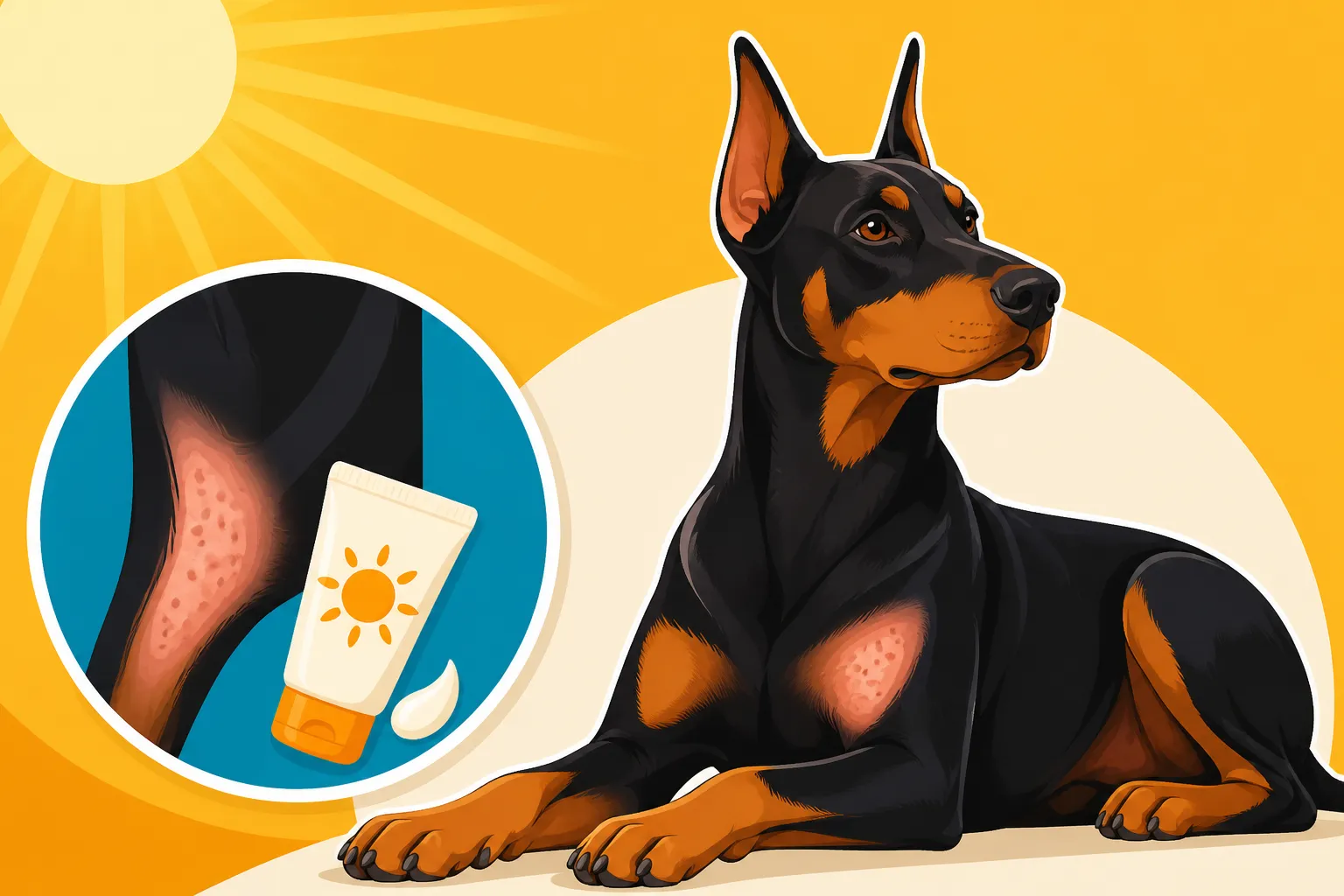
Sun Cream for a Doberman With Bare Skin
It’s a heart-wrenching sight to see your beloved Doberman uncomfortable, especially when something as seemingly innocuous as a sunny day turns into a potential health hazard for their delicate skin. If you’ve got a Doberman with bare or thinning patches of skin, or perhaps one of those gorgeous blue or fawn coats that tend to be a bit more fragile, you know the worry that creeps in when the sun is beaming. This guide is all about helping you understand why some Dobermans are so vulnerable to the sun’s rays and, most importantly, how to keep their sensitive skin safe and sound with the right sun cream and protective measures.
Why Sun Protection is Crucial for Dobermans with Bare Skin
Let's be real, most people think of sunburns as a human problem, something you get on your beach vacation. But for our Dobermans, especially those with less fur or lighter pigment, the sun can be just as, if not more, damaging. Their skin isn't always as resilient as we might hope.
Understanding Doberman Skin and Coat Vulnerabilities
Dobermans, by nature, have a sleek, short, single coat. Unlike many breeds, they lack that thick, insulating undercoat that provides an extra layer of protection against the elements, including harsh UV rays. This means their skin is much more exposed to the sun than, say, a fluffy Golden Retriever's. It's like comparing someone wearing a thin t-shirt to someone bundled in a thick sweater on a sunny day – the t-shirt wearer is going to burn a lot faster.
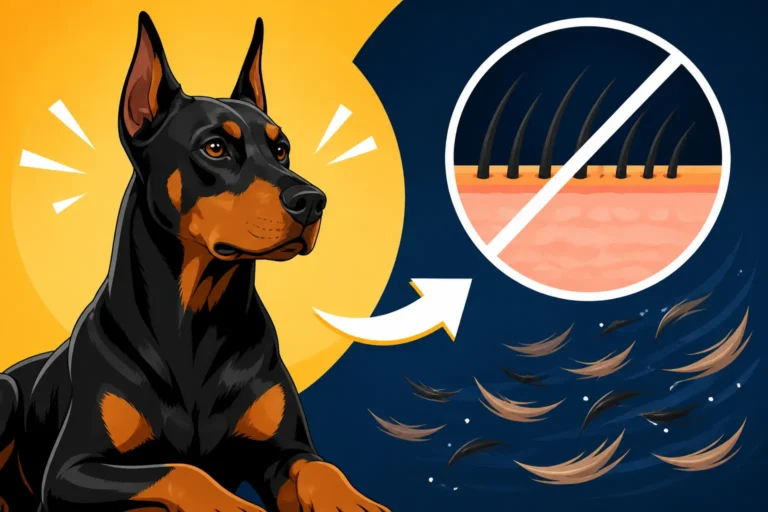
Now, when you factor in specific coat colors, the vulnerability really amps up. Blue and fawn Dobermans, while absolutely stunning, often come with a genetic predisposition to a condition called Color Dilution Alopecia in Blue and Fawn Dobermans. This isn't just about aesthetics; it means their hair shafts are inherently weaker, leading to thinning hair or even complete Hair Loss on a Blue Doberman or fawn areas. When these patches of skin become bare, they’re essentially unprotected, a prime target for sunburn and worse. Even if your blue or fawn Doberman doesn't have full-blown alopecia, their coat might naturally be thinner, making them more susceptible. It's a common concern, and if you’ve noticed How Common Coat Loss Is in Fawn Dobermans, you're not alone in seeking ways to protect them. You can learn more about The Age a Blue Doberman Starts Losing Hair as well.
The Dangers of Sun Exposure for Dobermans
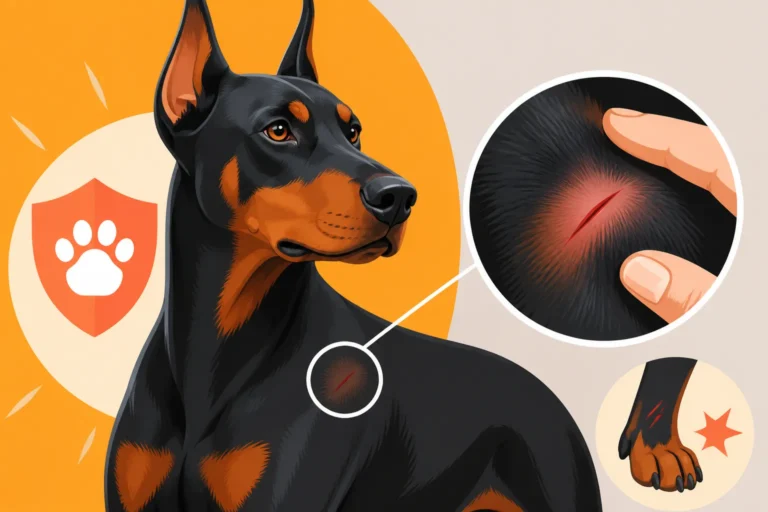
So, what exactly are we protecting them from? Well, first and foremost, just like us, Dobermans can get painful sunburns. Imagine the sting and irritation of a bad sunburn on your skin, then picture your dog trying to scratch or lick those tender spots, potentially making it worse or causing infections. It's incredibly uncomfortable for them. These sunburns can manifest as redness, warmth to the touch, and even blistering, particularly on sensitive areas like the ear tips, nose, and belly.
Beyond immediate discomfort, chronic sun exposure significantly increases the risk of skin cancer. This is a terrifying prospect for any pet owner. Types of cancer such as squamous cell carcinoma and hemangiosarcoma can develop from repeated sun damage. These aren't just minor bumps; they can be aggressive and life-threatening. Dogs with lighter skin pigment, or those with naturally bare spots, are at a higher risk. And let's not forget the general risk of overheating and heatstroke, especially when a Doberman is out enjoying the sunshine without adequate shade or hydration. So, while a little sunshine is good for the soul, too much can quickly become dangerous.
Choosing the Right Sun Cream for Your Doberman
This is where it gets a little tricky because not all sun creams are created equal, and what’s safe for you might be downright dangerous for your Doberman. It’s important to approach this with caution and a healthy dose of research.
Key Ingredients to Look For and Avoid
When you're sifting through options, the golden rule is "dog-safe." Look for sun creams specifically formulated for pets. The best ones will use physical blockers like zinc oxide and titanium dioxide. These work by creating a physical barrier on the skin that reflects UV rays. However, here's a critical caveat: Zinc oxide can be toxic if ingested in large quantities. While it's a fantastic UV blocker, Dobermans, being the fastidious self-groomers they are, will inevitably lick at any product applied to their skin. Therefore, if you use a product containing zinc oxide, it must be used extremely sparingly on areas they absolutely cannot reach, like the bridge of their nose, and never on easily licked areas. Titanium dioxide is generally considered much safer, as it's less toxic if ingested.
You want to avoid anything with fragrances, dyes, or parabens, as these can irritate sensitive skin, which is already a concern for Dobermans with conditions like Thinning Coat on a Blue Doberman Puppy. Oxybenzone and octinoxate, common in human sunscreens, can also be harmful to pets if ingested. Always, always check the ingredient list meticulously. A good dog-safe sun cream should be broad-spectrum, meaning it protects against both UVA and UVB rays, and ideally, be waterproof or water-resistant if your Doberman loves a splash.
Human vs. Dog Sunscreen – What's the Difference?
This is a really important distinction, and it's where many well-meaning owners can accidentally put their Dobermans at risk. As mentioned, many human sunscreens contain zinc oxide, which is fine for our skin but problematic if a dog licks it off and ingests it. Ingesting too much zinc can lead to zinc toxicity, causing symptoms like vomiting, diarrhea, lethargy, and in severe cases, damage to red blood cells, kidneys, or the liver. It’s a serious issue, so please don't take risks.
Beyond zinc, human sunscreens often contain other ingredients like salicylates (similar to aspirin), para-aminobenzoic acid (PABA), and various chemical UV filters that aren't tested for canine ingestion and can be irritating or toxic. Our Dobermans are notorious for their thorough grooming habits; they will lick off whatever you put on them. This is why veterinary-approved, dog-specific sunscreens are the only truly safe option for widespread application. These products are formulated with ingredients that are either non-toxic if ingested or are present in such low concentrations that they pose minimal risk. Always choose a product clearly labeled for pets to ensure you're giving your Doberman the safest protection. Many online pet supply retailers, like Chewy and Amazon, stock a good selection of dog-safe sunscreens.
Application Techniques and Best Practices
Applying sun cream to a wriggly Doberman isn't always the easiest task, but with a bit of patience and the right technique, you can make it a routine. It’s about being thorough and consistent.
Where to Apply Sun Cream on Your Doberman
Think about the areas of your Doberman that are naturally exposed or have sparse hair. The most critical spots include:
- Ear Tips: These are incredibly vulnerable, especially in Dobermans with cropped ears where there's less fur. The skin here is thin and gets direct sun.
- Nose: The bridge of the nose, particularly if it's pink or lighter, can burn easily.
- Belly and Groin: When your Doberman lies on their back in the sun, these areas are completely exposed. This is often where you'll see the first signs of redness.
- Inner Thighs and Armpits: Similar to the belly, these areas have minimal hair and can be prone to burning, especially if your dog is stretching out.
- Any Bare or Thinning Patches: This is especially relevant for blue or fawn Dobermans, or any Doberman experiencing Bald Patches on a Blue Doberman from allergies or other skin issues. Pay close attention to these areas and apply the cream directly but gently.
To apply, start with a small amount on your fingertips. Gently rub it into the skin until it's absorbed, being careful not to get it into their eyes. If your Doberman is a bit resistant, try distracting them with a favorite treat or toy during application. Make it a positive experience, and they'll be more cooperative next time. Remember, less is often more, especially if you're concerned about ingestion. You can find excellent quality sun creams specifically designed for pets on sites like Chewy.
How Often to Reapply and Other Protective Measures
Just like with human sunscreen, reapplication is key. A single application won't last all day, especially if your Doberman is active, swimming, or prone to licking. As a general rule, aim to reapply every 2-4 hours, or more frequently if they've been swimming or rubbing against things. If you're doing a long outdoor activity, set a reminder on your phone!
But sun cream isn't a magic bullet; it's just one tool in your sun protection arsenal. The most effective strategy is often multi-pronged:
- Seek Shade: This seems obvious, but it's the simplest and most effective way to reduce sun exposure. Always provide a shaded resting spot in your yard, or seek out tree-lined paths on walks.
- Time Your Walks: Avoid peak sun hours, typically between 10 AM and 4 PM. Early morning or late evening walks are not only cooler but also significantly reduce UV exposure.
- Protective Clothing: Consider dog-specific UV-protective clothing, like lightweight rash guards or vests. These can be particularly helpful for Dobermans with extensive Sun Protection for a Thin-Coated Doberman needs or those with compromised skin.
- Stay Hydrated: While not directly sun protection, staying hydrated helps prevent heatstroke, which is a significant concern when dogs are out in the sun. Always carry fresh water for your Doberman.
By combining sun cream with these other strategies, you give your Doberman the best possible defense against the sun's harmful rays, ensuring their sensitive skin stays healthy.
When Sun Cream Isn't Enough: Other Sun Protection Strategies
Sometimes, sun cream just doesn't cut it, or maybe your Doberman hates having anything rubbed on them. That's okay! There are plenty of other effective ways to keep them safe from the sun. Think of it as creating a comprehensive "sun safety plan" for your furry family member.
Protective Clothing and Gear
For Dobermans with very thin coats, extensive hair loss, or those who simply spend a lot of time outdoors, specialized clothing can be a game-changer. You can find lightweight, breathable UV-protective shirts and vests designed specifically for dogs. These aren't just fashion statements; they're engineered with fabrics that block a significant percentage of UV radiation, acting as a physical barrier over large areas of their body. They're particularly useful for breeds like Dobermans that have naturally short, sparse coats.
When choosing protective clothing, look for items made from fabrics with a UPF (Ultraviolet Protection Factor) rating, similar to human athletic wear. Make sure they fit comfortably – not too tight, which can cause chafing, and not too loose, which could snag or come off. Companies like Ruffwear make excellent quality gear, and you can easily find a wide range of options on online marketplaces like Amazon, often with reviews from other Doberman owners sharing their experiences. This type of gear can be a fantastic addition to your Daily Skin Routine for a Thinning Blue Doberman, providing constant, worry-free protection.
Shade, Timing, and Environmental Management
These are probably the simplest, yet most overlooked, forms of sun protection. Modifying your Doberman's routine and environment can significantly reduce their exposure.
- Embrace the Twilight Hours: Seriously, reschedule your walks. The sun's rays are strongest between 10 AM and 4 PM. Opt for early morning adventures before the sun gets too intense, or evening strolls as the day winds down. Not only is it safer for their skin, but it's also much cooler, reducing the risk of overheating.
- Create Shade Zones: If your Doberman spends time in the yard, ensure there are plenty of shaded spots available. This could mean planting a tree, setting up a sun sail, or providing a dog house or kennel with a solid roof. Portable shade tents are also an option for outdoor events or trips to the park. These give your Doberman a cool retreat whenever they feel the heat or need a break from direct sunlight.
- Indoor Living: While Dobermans love being outdoors, on extremely sunny or hot days, the safest place for them is often inside, especially during those peak UV hours. This is especially true for Albino Dobermans and Their Health Problems, as their complete lack of pigment means they are incredibly sensitive and prone to severe burns, so for them, indoor living during the day is absolutely essential to prevent Why an Albino Doberman Burns and Blisters.
- Cooling Mats and Elevated Beds: While not directly sun protection, cooling mats and elevated beds can help your Doberman stay comfortable and prevent them from seeking relief on hot surfaces that might increase their sun exposure. Online retailers like Chewy offer a great selection of these comfort items.
By proactively managing their environment and daily schedule, you can drastically reduce your Doberman's risk of sun-related issues, making sure they can still enjoy the outdoors safely.
What to Do if Your Doberman Gets Sunburned
Despite our best efforts, sometimes a sunburn still happens. It's not a sign of failure, but rather a call to action. Recognizing the signs early and knowing how to respond can make a huge difference in your Doberman's comfort and recovery.
Recognizing the Signs of Sunburn
Spotting a sunburn on your Doberman isn't always as obvious as it is on fair human skin, but there are clear indicators. Keep a close eye on those vulnerable areas we talked about – ear tips, nose, belly, and any bare patches.
The most common signs include:
- Redness: The skin will appear pink or red, often more pronounced than their usual skin tone. This might be harder to see on darker-pigmented skin, but a subtle flush can still be present.
- Tenderness or Pain: If your Doberman winces, pulls away, or shows discomfort when you gently touch the affected area, it's a strong sign of sunburn. They might also lick, chew, or scratch at the area more than usual.
- Warmth to the Touch: The sunburned skin will often feel noticeably warmer than the surrounding skin.
- Flaking or Peeling Skin: As the burn heals, the outer layer of damaged skin might start to flake or peel, similar to how human skin sheds after a sunburn.
- Blistering (Severe Cases): In more severe cases, you might notice small blisters forming on the skin. This indicates a serious burn and requires immediate veterinary attention.
- Lethargy or Fever: If your Doberman is also showing signs of being unusually tired, has a reduced appetite, or feels generally unwell, it could be a sign of a more widespread reaction or even heat stress in conjunction with the sunburn.
If you suspect your Doberman has a sunburn, don't panic, but do act promptly.
First Aid and When to See the Vet
For mild sunburns, there are a few things you can do at home to help soothe your Doberman:
- Cool Compresses: Gently apply cool (not icy cold) compresses to the affected areas. A damp cloth soaked in cool water can provide immediate relief and help reduce inflammation.
- Dog-Safe Aloe Vera: Pure, 100% aloe vera gel (make sure it doesn't contain lidocaine, zinc, alcohol, or other additives that are toxic to dogs) can be very soothing. Apply a thin layer to the sunburned skin. Be mindful of areas they can easily lick, as ingesting even pure aloe in large quantities isn't ideal.
- Keep Them Out of the Sun: This is crucial. Until the sunburn has completely healed, your Doberman needs to stay out of direct sunlight. This might mean only going out in the very early morning or late evening, or using protective clothing even indoors if sunbeams come through windows.
When to see the vet: It’s always best to err on the side of caution. You should contact your veterinarian immediately if you observe any of the following:
- Blistering or open sores: These can easily become infected and require professional treatment.
- Severe pain or discomfort: If your Doberman is visibly distressed, whining, or reluctant to be touched, they may need pain medication.
- Signs of infection: Redness, swelling, pus, or a foul odor could indicate a secondary bacterial infection.
- Lethargy, loss of appetite, or fever: These could be signs of heatstroke or a more severe systemic reaction to the sunburn.
- If you're unsure: When in doubt, a quick call or visit to your vet can provide peace of mind and ensure your Doberman gets the appropriate care. Conditions like Skin Care Costs for a Blue Doberman can really add up if not managed, so early intervention for sunburn is always best.
Taking prompt action will help your Doberman heal quickly and prevent further complications, ensuring their sensitive skin gets the care it needs.
| Feature | What to Look For (Dog-Safe) | What to Be Wary Of (Human Sunscreen) |
|---|---|---|
| Active Ingredients | Titanium dioxide (safer), minimal/no zinc oxide (if ingested risk) | Zinc oxide (toxic if ingested), oxybenzone, octinoxate, avobenzone (chemical filters not dog-safe) |
| Formulation | Specifically labeled for pets, fragrance-free, dye-free, non-greasy | Fragrances, dyes, parabens, alcohol, PABA (can irritate or be toxic) |
| Ingestion Safety | Non-toxic or minimal toxicity if licked off (designed with this in mind) | Not formulated for ingestion; can cause stomach upset, zinc toxicity, or other internal issues |
| UV Protection | Broad-spectrum (UVA/UVB), often with a specified SPF equivalent or UPF for clothing | Broad-spectrum, but chemical filters may be problematic; watch for high SPF with many chemicals |
| Application Areas | Can be applied to exposed skin: ear tips, nose, belly, bare patches | Limited use to areas dog cannot lick, or avoid altogether due to risk |
| Availability | Pet supply stores, vet clinics, online retailers (e.g., Chewy, Amazon) | Drugstores, supermarkets (human products) |
Disclaimer
This article is for general informational purposes only and does not constitute professional advice. Laws, prices and regulations vary by location and change over time. Consult a qualified professional for guidance on your specific situation.