Cleaning Wax From a Cropped Doberman Ear
Keeping your Doberman's ears clean, especially if they've had their ears cropped, often feels like a puzzle with constantly changing pieces. You want to do it right to avoid discomfort or infection, but it's hard to know the best approach when the ear canal itself is altered and can hide a lot. This guide will walk you through the nuances of effectively and safely cleaning wax from a cropped Doberman ear, helping you establish a routine that keeps your beloved companion comfortable and healthy.
Why Cropped Ears Present Unique Cleaning Challenges
Let's be real, a Doberman's cropped ears, while striking, aren't just a cosmetic choice; they actually change the ear's natural environment. You might think they'd be easier to keep clean because they stand erect, allowing for more airflow, but that's not always the case. In many ways, the anatomy of a cropped ear presents its own distinct set of challenges that uncropped ears simply don't face.
Understanding the Altered Ear Canal
When a Doberman's ears are cropped, the outer pinna is surgically reshaped to stand upright. While this does technically improve air circulation compared to a heavy, floppy ear, it doesn't always translate to a self-cleaning marvel. The inner ear canal, which is where wax and debris tend to accumulate, still retains its natural L-shape. This bend acts like a trap, making it difficult for gravity or casual head shakes to dislodge wax effectively. Think of it like a cul-de-sac that gunk can easily get stuck in.
Moreover, during the cropping and posting process, the ear leather itself can become a bit more sensitive, and the residual scar tissue, though usually minimal, can sometimes alter the natural flow within the canal. Owners often become hyper-aware of their Doberman's ears during the posting phase, and rightly so, but this vigilance needs to continue long after the ears are standing proudly. A common frustration is feeling like you're cleaning, but still seeing a build-up deeper inside, which can lead to that distinct, tell-tale odor of trouble.
Impact of Posting and Scar Tissue
The meticulous process of posting a Doberman's ears to encourage them to stand erect involves tape, supports, and often weeks or even months of careful attention. During this time, the skin around the ear can be irritated, and while the goal is a perfectly healed, upright ear, sometimes the delicate skin inside the ear canal can be affected. Even after the posting phase is long over, some Dobermans might have residual sensitivity or slight structural changes from the healing process. This can mean that certain areas are more prone to wax build-up, or more sensitive to rough handling.
It’s not just about the visible parts; sometimes the way the ear holds itself post-crop can still create pockets where moisture, warmth, and wax combine – a perfect breeding ground for bacteria or yeast. I’ve seen countless owners struggle with getting their Doberman's ears consistently clean, especially if their dog developed any mild irritation during the crucial Doberman Ear Cropping From Surgery to Last Posting period. It's a journey, not a one-time event, and understanding these unique aspects of a cropped ear is the first step towards successful, ongoing ear care.
The Right Tools and Techniques for Effective Cleaning
Now that we understand why cropped Doberman ears need our extra attention, let's talk about how to tackle that waxy buildup safely and effectively. It’s not about scrubbing aggressively; it’s about gentle, consistent care using the right products.
Choosing the Best Cleaning Solution
First things first: never, ever use harsh chemicals, rubbing alcohol, or hydrogen peroxide in your Doberman's ears. These can cause severe irritation, dry out the delicate skin, and even damage the inner ear. You need a veterinary-approved ear cleaning solution. These solutions are formulated to gently break down wax and debris without causing harm. Many of them contain ingredients that also help to dry the ear canal slightly, which is a bonus in preventing moisture-related issues.
When you're looking for a solution, consider one with a mild antiseptic or antifungal agent if your Doberman is prone to ear issues. Brands like Virbac Epi-Otic, Zymox, or those recommended by your vet are excellent choices. You can easily find these on online pet supply retailers like Chewy or Amazon. Make sure to read the labels carefully and, if in doubt, always ask your veterinarian for a specific recommendation tailored to your Doberman's needs. A good solution should smell clean, not strongly perfumed, and should explicitly state it's safe for canine ear use.
Step-by-Step Cleaning Technique
Alright, let's get down to business. Here’s a gentle, step-by-step method to clean your Doberman’s cropped ears:
- Gather Your Supplies: You’ll need your chosen ear cleaning solution, plenty of cotton balls (not Q-tips!), and some treats to make this a positive experience for your Doberman. A towel nearby is also a good idea – it can get a little messy!
- Position Your Doberman: Find a calm spot where your Doberman feels comfortable. Having them lie down or stand still with their head accessible is ideal. If your Doberman is a fidgeter, having a second person to gently hold and reassure them can be incredibly helpful. Reward them immediately for calm behavior.
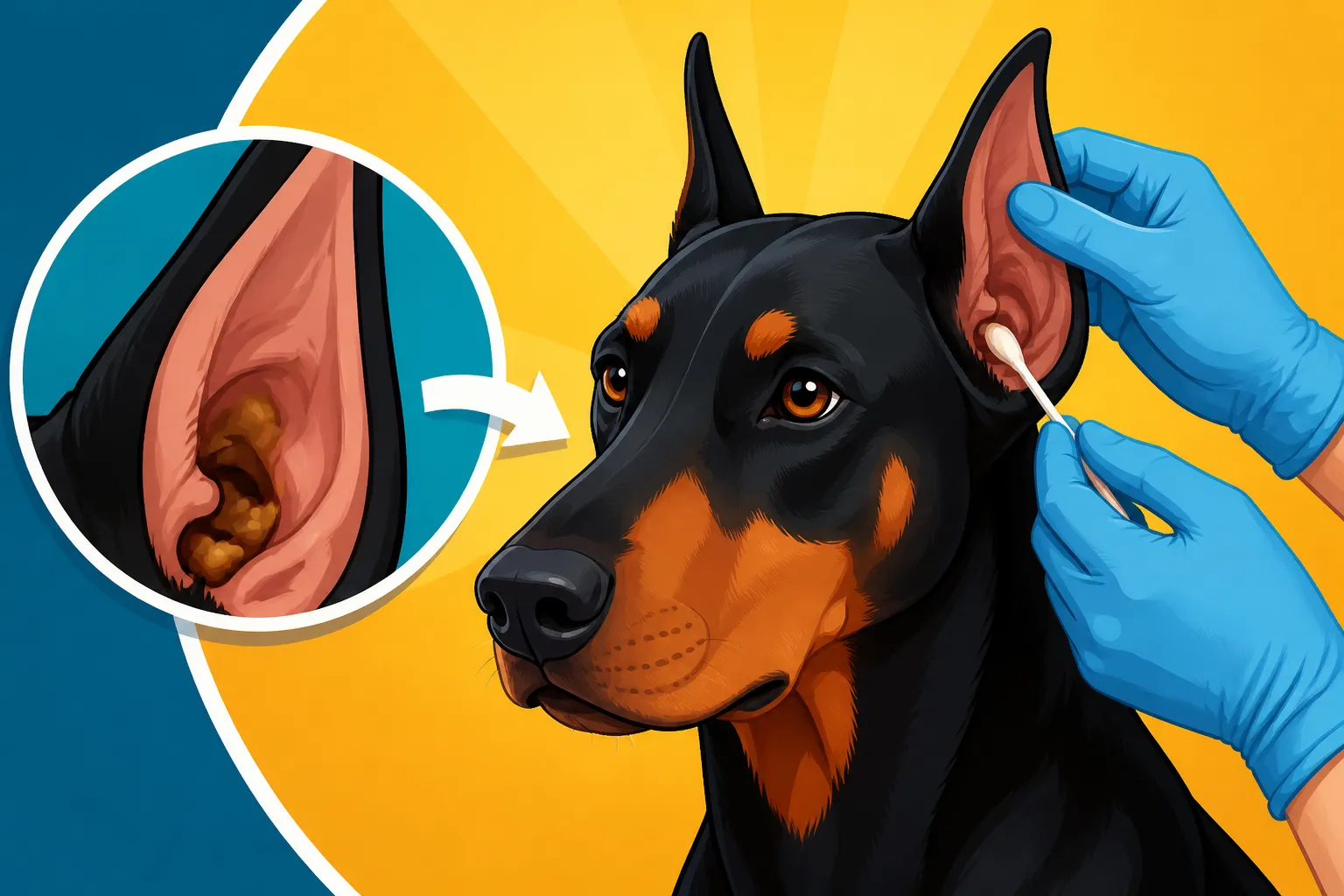
- Apply the Solution: Hold your Doberman's ear flap upright. Carefully squirt a generous amount of the ear cleaning solution into the ear canal until it's almost full. Don't be shy; you want enough liquid to really flush things out. Your Doberman might shake their head already – that’s fine, it helps distribute the liquid.
- Massage the Base of the Ear: Gently massage the base of the ear (the part below the ear canal opening) for about 20-30 seconds. You should hear a squishing sound, which means the solution is working its way deep into the canal and breaking up the wax. This step is crucial!
- Allow Them to Shake: Step back and let your Doberman shake their head vigorously. This is where most of the loosened wax and solution will come flying out. It’s messy, but it’s effective!
- Wipe Away Debris: Take a fresh cotton ball and gently wipe away any visible wax, dirt, or excess solution from the outer ear flap and the entrance of the ear canal. Use a fresh cotton ball for each wipe, and don't push anything down into the canal with the cotton ball.
- Repeat if Necessary: If the cotton balls are still coming out heavily soiled, you might need to repeat steps 3-6. However, usually one good flush per ear is sufficient for routine cleaning.
- Reward and Praise: Once both ears are clean, praise your Doberman lavishly and give them a well-deserved treat. Positive reinforcement makes future cleaning sessions much easier.
Remember, the goal is to clean the accessible parts of the ear canal and outer ear. Never insert anything smaller than your finger wrapped in a cotton ball into the ear canal itself, as you could damage the eardrum or push debris deeper. If you're concerned about pushing wax deeper, think of it less as digging and more as flushing. This method is far safer and more effective. For general grooming advice, you might also find our guide on Doberman Grooming on a Coat With No Undercoat helpful for other aspects of their care.
| Cleaning Item | Acceptable for Doberman Ears | Why / Why Not |
|---|---|---|
| Veterinary Ear Cleaner | YES | Specifically formulated to break down wax safely, often with drying agents. |
| Cotton Balls | YES | Soft, absorbent, and won't push debris deep. Ideal for wiping outer ear and canal entrance. |
| Soft Cloth/Gauze | YES | Similar to cotton balls, good for wiping visible areas. |
| Q-tips/Cotton Swabs | NO | Too small, can push wax deeper into the canal, potentially rupturing the eardrum or causing impaction. |
| Rubbing Alcohol | NO | Too harsh, can cause severe irritation, pain, and damage to sensitive ear tissues. |
| Hydrogen Peroxide | NO | Can be irritating, causes fizzing that can upset dogs, and doesn't effectively clean wax. |
| Water | NO (unless diluted with cleaner) | Can leave moisture in the ear canal, promoting yeast or bacterial growth if not dried thoroughly. |
| Human Ear Drops | NO | Not formulated for canine ear pH or common dog ear issues; may contain ingredients harmful to dogs. |
Recognizing When Wax is More Than Just Wax
Sometimes, what looks like just a lot of ear wax is actually a red flag for something more serious brewing inside your Doberman's ear. It's so easy to dismiss a bit of gunk, especially if your Doberman doesn't seem overtly distressed. But knowing the signs of trouble can mean the difference between a simple cleaning and an uncomfortable infection that requires veterinary intervention. Being observant and proactive is key to managing your Doberman's ear health.
Signs of a Healthy Ear vs. an Infected Ear
A healthy Doberman ear, even a cropped one, should generally be clean, odorless, and free of redness or swelling. The wax itself, when present, should be a pale yellow or light brown color and minimal in quantity. Your Doberman shouldn't be bothered by you touching their ears, and certainly shouldn't be scratching or shaking their head excessively.
However, if you notice any of the following, it's time to put the ear cleaner down and call your vet:
- Excessive Dark Discharge: If the discharge is dark brown, black, or yellowish-green, and comes out in large, sticky clumps, it's often a sign of yeast or bacterial infection. Yeast infections typically produce a dark, waxy, sometimes crumbly discharge with a distinct, sweet, or musty odor. Bacterial infections can lead to yellowish-green pus and a foul smell.
- Strong, Unpleasant Odor: A healthy ear has little to no smell. If you catch a strong, yeasty, cheesy, or putrid odor emanating from your Doberman's ear, an infection is almost certainly present. This is one of the most reliable indicators of trouble.
- Redness and Swelling: Inspect the visible parts of the ear canal and flap. Any noticeable redness, swelling, or warmth to the touch suggests inflammation and possible infection.
- Pain or Sensitivity: If your Doberman yelps, pulls away, or shows any signs of pain when you touch their ear, it's a huge warning sign. They might also hold their head tilted, resist having their ears handled, or even become defensive.
- Constant Head Shaking or Scratching: While an occasional head shake is normal, persistent head shaking, ear flapping, or vigorous scratching at the ears (sometimes even causing abrasions around the ear or behind it) is a clear indication of discomfort or itchiness, often caused by an infection or parasites.
- Rubbing Ears on Furniture: If your Doberman is constantly rubbing their head or ears on carpets, furniture, or your legs, they're trying to relieve an itch or discomfort.
- Aural Hematoma: In severe cases of head shaking or scratching due to an infection, your Doberman might develop an aural hematoma, which is a blood blister on the ear flap. This requires veterinary attention.
If you observe any of these symptoms, do not attempt to self-treat with over-the-counter remedies unless specifically advised by your vet. You could worsen the condition or make diagnosis more difficult. A professional needs to examine the ear, potentially take a swab for cytology (looking at cells under a microscope) or culture, and prescribe appropriate medication. Untreated ear infections can lead to chronic issues, hearing loss, or even spread to the middle or inner ear. Our article Chronic Ear Infections in a Cropped Doberman delves deeper into managing recurring issues.
Establishing a Routine for Healthy Doberman Ears
Consistency is really the secret sauce when it comes to keeping your Doberman's ears in tip-top shape. You wouldn't skip brushing your own teeth for weeks on end, and their ears, especially with that unique cropped anatomy, thrive on a regular schedule. It's about proactive care, not just reactive cleaning when things get gunky.
How Often to Clean Cropped Doberman Ears
The frequency of ear cleaning can vary slightly from Doberman to Doberman, but a good general guideline for most cropped Dobermans without active infections is once every 2-4 weeks. Some Dobermans are naturally "waxier" than others, or they might be more prone to collecting debris if they love rolling in dirt or swimming. If your Doberman is prone to ear issues, your vet might recommend cleaning more often, perhaps weekly.
Here are a few factors that might influence your cleaning schedule:
- Individual Wax Production: Just like people, some dogs produce more ear wax than others. Pay attention to how quickly wax builds up after a cleaning session.
- Activity Level and Environment: Dobermans who spend a lot of time outdoors, in dusty environments, or who love to swim (even with cropped ears, water can still get in!) might need more frequent cleaning. Our post on Water Trapped in a Doberman's Ear After Swimming talks about how moisture can contribute to issues.
- History of Ear Infections: If your Doberman has a history of chronic ear infections, your vet will likely recommend a more stringent cleaning schedule as part of a preventative maintenance plan.
- Allergies: Dogs with environmental or food allergies often experience secondary ear infections. Managing their underlying allergies is key, but more frequent cleaning can help reduce flare-ups.
Remember, it’s always better to gently clean a healthy ear regularly than to wait until it’s visibly dirty or, worse, infected. Waiting too long can mean you’re trying to catch up with a problem that’s already taken hold.
Maintaining Vigilance and Preventing Future Issues
Even with a perfect cleaning routine, vigilance is paramount. Beyond your regular cleaning sessions, make it a habit to casually check your Doberman’s ears a few times a week. A quick sniff, a peek inside, and a gentle touch around the ear base can alert you to problems early. Look for any changes in smell, color of discharge, or behavior like head shaking.
Consider adding ear care products to your regular pet supply orders from places like Chewy or Amazon. Having a quality ear cleaner on hand means you’re never caught off guard. While brands like Ollie focus on nutrition, ensuring your Doberman is on a balanced diet can also support overall immune health, which in turn can contribute to healthier skin and ears.
Here are a few additional tips for prevention:
- Post-Swim Care: If your Doberman gets their ears wet (which can happen even with upright ears if they dunk their head or get caught in heavy rain), use a gentle ear drying solution or a soft cotton ball to blot the accessible areas after.
- Dietary Considerations: For Dobermans prone to yeast infections, sometimes dietary changes, such as reducing certain carbohydrates, can make a difference, but always discuss this with your vet.
- Allergy Management: If allergies are suspected to be contributing to ear issues, work with your vet to identify and manage them. This might involve special diets, medications, or environmental changes.
- Regular Vet Check-ups: Don’t skip your Doberman’s annual veterinary exams. Your vet will always include an ear check, which is a great opportunity to catch subtle issues you might miss. Our guide The Vet Bills a Doberman Runs Up Outside Screening emphasizes the importance of these routine visits for overall health.
By integrating these practices into your Doberman’s care, you’ll be much better equipped to keep those handsome cropped ears clean, comfortable, and free from the frustrations of chronic wax buildup and infection.
Disclaimer
This article is for general informational purposes only and does not constitute professional advice. Laws, prices and regulations vary by location and change over time. Consult a qualified professional for guidance on your specific situation.