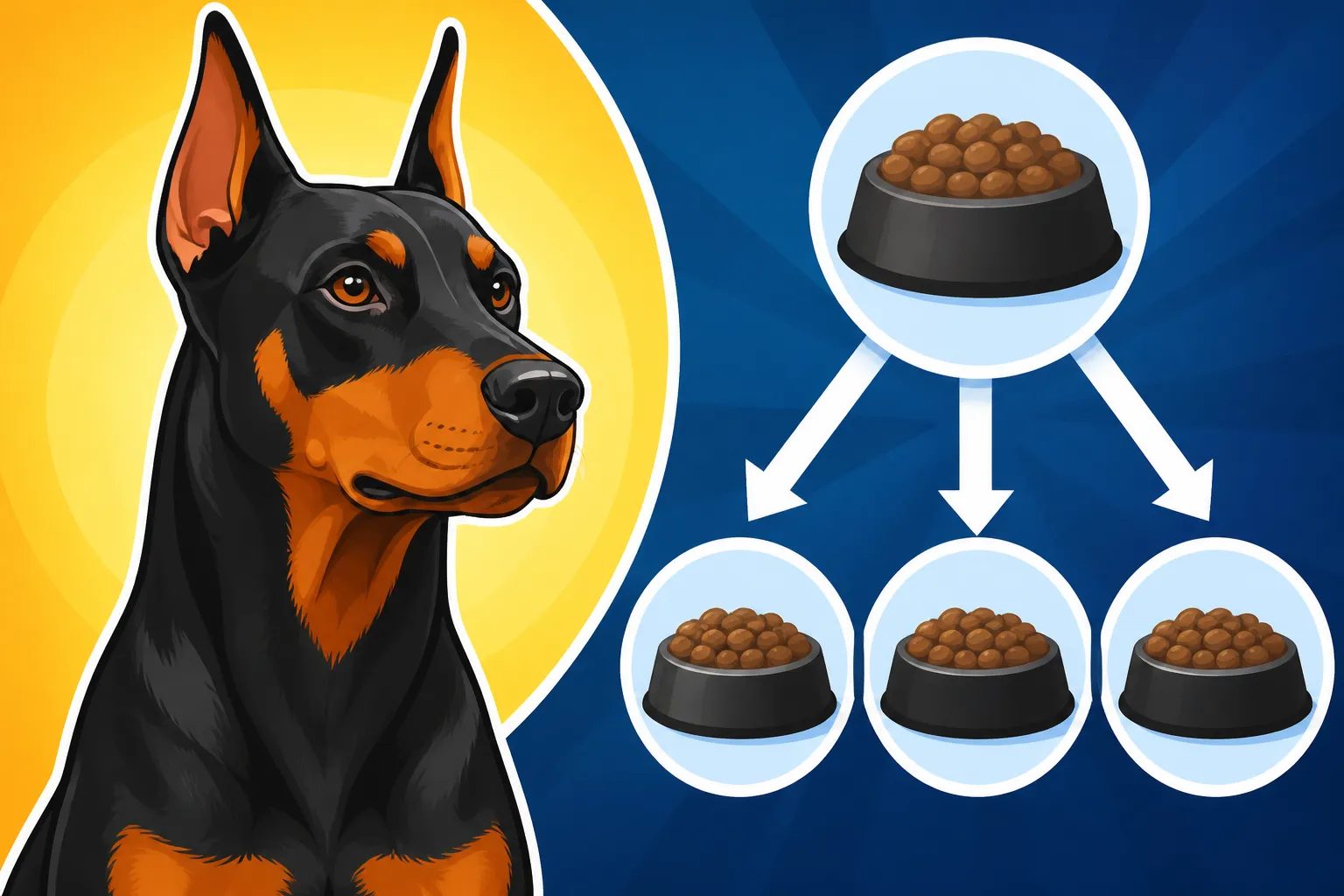
Splitting a Doberman’s Ration Into Three
One of the biggest worries for any Doberman owner is ensuring their beloved companion stays healthy, especially when it comes to digestive issues and the dreaded bloat. Many of us fall into the habit of feeding our Dobermans just once or twice a day, often because it fits our busy schedules, but this can actually increase risks and create energy peaks and valleys for our active dogs. This guide will walk you through why splitting your Doberman's daily food into three smaller, more manageable meals isn't just a good idea, but often a crucial step for their long-term well-being and consistent vitality.
The Crucial Benefits of a Three-Meal Schedule for Dobermans
When you look at a Doberman, their athletic, deep-chested build is undeniable. It's part of what makes them so striking, but it also comes with a unique set of health considerations, particularly around feeding. Adopting a three-meal-a-day schedule isn't just about reducing hunger pangs; it's a strategic move to support their physiology and overall health.
Minimizing the Risk of Gastric Dilatation-Volvulus (Bloat)
Let's talk about bloat, or Gastric Dilatation-Volvulus (GDV). It's a terrifying, life-threatening condition that Dobermans are unfortunately predisposed to because of their deep and narrow chest conformation. When a Doberman rapidly consumes a large volume of food or water, especially before or after intense exercise, their stomach can fill with gas and sometimes even twist upon itself. This cuts off blood supply and can be fatal in a matter of hours if not treated with emergency surgery.
Feeding a large meal once or twice a day, especially when a Doberman is gulping it down, increases the likelihood of their stomach expanding rapidly. Imagine a balloon inflating inside their chest – it puts immense pressure on other organs. By splitting their daily ration into three smaller portions, you significantly reduce the volume of food ingested at any one time. This lessens the stomach's sudden expansion, making it less likely to twist. It's a proactive step that can literally save your Doberman's life and gives you peace of mind that you're doing everything you can to protect them. This is directly related to why Why a Doberman's Narrow Deep Chest Twists is such a serious concern.
Beyond the immediate mechanics of the stomach, smaller meals also mean less gas production from rapid digestion. When a Doberman eats too quickly, they often swallow a lot of air. This air contributes to the distension that precedes bloat. Three meals mean less frantic eating, less air intake, and a more gradual, natural digestive process. It truly takes the pressure off, both literally and figuratively.
Steady Energy Levels and Improved Digestion
Dobermans are intelligent, active, and often quite sensitive dogs. A feast-or-famine eating schedule, where they get one huge meal, can lead to dramatic fluctuations in their blood sugar and energy levels. You might see a burst of energy right after eating, followed by a noticeable slump a few hours later. This isn't ideal for training, maintaining focus, or just enjoying consistent play.
When you feed three smaller meals, you provide a more continuous supply of nutrients and energy throughout the day. This helps to stabilize blood sugar levels, which in turn leads to more consistent energy. You'll likely notice your Doberman is more even-keeled, less prone to those "sugar high" zoomies followed by lethargy. This steady energy is particularly beneficial for active Dobermans involved in sports or those who need sustained focus for training sessions. It keeps their minds sharp and their bodies ready for action without the dramatic peaks and valleys. This is also why understanding Meal Timing on a Deep-Narrow Doberman Chest is so critical.
Furthermore, smaller, more frequent meals are simply easier for their digestive system to process. A large meal can overload the stomach and intestines, requiring a huge effort from the digestive organs. This can sometimes lead to issues like indigestion, gas, or even softer stools. With three meals, the digestive tract works more efficiently, breaking down food and absorbing nutrients more effectively. This often results in firmer, healthier stools and a Doberman who feels more comfortable and less prone to post-meal sluggishness. It also ensures they're getting the most out of every bite of food you provide.
Implementing a Three-Meal Plan: Practical Steps
Switching to a three-meal-a-day schedule for your Doberman might seem daunting at first, especially if you're used to a twice-daily routine. But with a bit of planning and the right tools, it's a completely manageable and beneficial change. Let's break down how to make this transition smooth and successful for both you and your Doberman.
Calculating and Dividing Daily Calories
The first step is understanding exactly how much your Doberman needs to eat in a day. This isn't a one-size-fits-all number. It depends on their age, activity level, current weight, and ideal body condition. Most quality dog food bags will have a feeding guide based on weight, but these are often just starting points. An active, young Doberman working in protection sports will need significantly more calories than a senior Doberman who enjoys leisurely strolls. You'll want to reference resources like How Many Cups an Adult Doberman Eats to get a baseline for your dog's size.
Once you have a good estimate of their total daily caloric intake or the total volume of food, simply divide it by three. For example, if your Doberman typically eats 4 cups of kibble a day, you'd aim for roughly 1.33 cups per meal. If you're feeding a fresh food diet, like those from Ollie, you'll still calculate the total daily portion recommended for their weight and activity, then divide that into three equal servings. It's not about feeding more food, but distributing the same amount more effectively. This ensures they're getting enough sustenance without overfeeding or underfeeding at any given time.
It's a good idea to chat with your veterinarian about your Doberman's specific caloric needs, especially if they have any underlying health conditions or if you're aiming for weight management. They can help you fine-tune the exact amount. Remember, consistency in measuring is key. Use a dedicated measuring cup rather than just "eyeballing" it, to ensure each meal is accurately portioned.
Crafting a Realistic Feeding Schedule
The ideal three-meal schedule fits seamlessly into your daily life while providing consistent intervals for your Doberman. Aim for roughly 6-8 hours between meals. For many people, a classic breakfast, lunch, and dinner timing works wonderfully.
Here are a few examples:
- For Early Risers: 6:00 AM (Breakfast), 1:00 PM (Lunch), 8:00 PM (Dinner)
- For Those with a Midday Break: 7:00 AM (Breakfast), 12:00 PM (Lunch), 7:00 PM (Dinner)
- For Office Workers with a Lunch Hour: 6:30 AM (Breakfast), 12:30 PM (Lunch – if you can go home or have a trusted sitter), 6:30 PM (Dinner)
If you work long hours away from home, the midday meal can be the trickiest. Consider options like a dog walker who can stop by, or an automated feeder if your Doberman isn't prone to chewing things apart. There are many reliable automatic feeders available that can dispense kibble at programmed times, making the midday meal a breeze. Just ensure your Doberman is comfortable with the feeder first. The key is to establish a routine and stick to it as much as possible, as Dobermans thrive on predictability. You're trying to avoid scenarios where Why a Doberman Is Never Fed One Big Meal becomes a problem due to convenience.
| Meal Schedule | Benefits | Potential Challenges |
|---|---|---|
| 2 Meals/Day | Simpler for owner schedule, less prep. | Higher bloat risk, energy dips, larger meals harder to digest. |
| 3 Meals/Day | Reduced bloat risk, stable energy, improved digestion, better nutrient absorption. | Requires more consistent owner involvement, potential for midday meal logistics. |
Smart Tools for Slower Eating
Even with smaller portions, some Dobermans are still champion gobblers! This rapid ingestion can still contribute to swallowing excess air and negating some of the benefits of meal splitting. Investing in tools that encourage slower eating is highly recommended. These tools make mealtimes a bit more of a mental exercise, which is great for intelligent breeds like Dobermans.
Slow feeder bowls are specifically designed with ridges, mazes, or obstacles that force your Doberman to work around them to get to their food, thus slowing down their eating speed. You can find a vast array of these bowls on platforms like Amazon or Chewy, ranging from simple designs to more intricate patterns. The goal is to make each bite take a little more effort, stretching mealtime from a 30-second gulp to a more relaxed 5-10 minute activity.
Beyond slow feeder bowls, consider puzzle toys or treat-dispensing toys for part of their meal. A Kong filled with wet food, plain yogurt, or even some of their kibble mixed with a little water and frozen, can be an excellent way to extend mealtime and provide mental enrichment. LickiMats are another fantastic option for wet or raw food, encouraging slow consumption and providing a calming effect. These tools not only slow them down but also engage their brains, which is just as important for a Doberman's overall well-being as their physical health. Using Bowls That Stop a Doberman Swallowing Its Dinner is a very practical step to take.
Beyond Basic Feeding: Maximizing the Three-Meal Approach
Once you've got the hang of a three-meal schedule, you'll find there are even more ways to leverage it to benefit your Doberman's overall health, training, and mental well-being. It's not just about when they eat, but also how and what else you can incorporate into those feeding opportunities.
Integrating Meals with Training and Enrichment
A Doberman's meals don't always have to be served in a bowl on the floor. Think of each meal as a training opportunity! By using a portion of their daily kibble as high-value rewards during training sessions, you kill two birds with one stone: you feed them and reinforce good behavior. This is particularly effective for Dobermans, who are often highly food-motivated and love to learn. Imagine practicing "sit," "stay," or "come" with tiny pieces of their lunch ration.
You can also use part of their meal for enrichment activities. Instead of just dumping food into a bowl, scatter a portion of their breakfast in the yard for them to sniff out, or hide small piles around the house. This taps into their natural foraging instincts and provides fantastic mental stimulation. You could also put a portion of their dinner into a treat-dispensing toy, turning eating into a rewarding puzzle. Chewy offers a wide variety of interactive feeding toys that can make mealtimes more engaging and mentally satisfying for your Doberman. This kind of integration makes feeding an active, positive part of their day, rather than just a routine chore.
Adapting for Life Stages and Health Needs
A Doberman's nutritional needs, and therefore their feeding schedule, aren't static throughout their life. A three-meal plan is highly adaptable, which is a significant advantage. For How Often to Feed a Doberman Under Six Months, puppies generally require more frequent small meals due to their rapid growth and high energy output. Starting them on three or even four meals a day helps manage their demanding metabolism and avoids overwhelming their tiny tummies. As they mature, you can easily transition to a consistent three-meal schedule.
Conversely, as Dobermans enter their senior years, their metabolism might slow down, or they might face health challenges that impact their appetite or digestion. For Feeding and Grooming a Doberman Past Eight, a three-meal schedule can be incredibly beneficial. Smaller portions are often easier for older dogs to digest, especially if they have sensitive stomachs or conditions that require specific dietary management. For Dobermans dealing with conditions like Copper Liver Disease in Doberman Females, where specific low-copper diets are crucial, splitting the precise daily ration ensures consistent intake and helps manage their condition more effectively. Always consult your vet for tailored advice on how to adjust meal frequency and content for specific health issues or life stages.
Troubleshooting and Common Challenges
Even with the best intentions, implementing a new feeding schedule can hit a few bumps in the road. It's totally normal to encounter some challenges, but with a bit of patience and strategic thinking, most can be easily overcome.
What to Do When Your Doberman Isn't Eating
Sometimes, a Doberman might turn their nose up at a meal, especially if they're used to large, infrequent feedings and are now getting smaller portions. This can be frustrating, making you worry they aren't getting enough. First, rule out any health issues; a sudden loss of appetite warrants a vet visit. If they're otherwise healthy, they might just be a bit finicky or simply not hungry at the new, more frequent interval.
Try making mealtime a high-value event. Add a tiny splash of warm water to their kibble to release aromas, or mix in a spoonful of canned pumpkin or plain yogurt to make it more enticing. Ensure there are no distractions during mealtime – feed in a quiet, consistent location. If your Doberman still isn't eating after 10-15 minutes, pick up the bowl. Don't leave it down for them to graze, as this often teaches them that food is always available and they don't need to eat when offered. They'll quickly learn that meals are offered at specific times, and if they miss one, they have to wait for the next. This gentle approach teaches them routine and can help manage picky eating habits.
Managing Multiple Dogs and Resource Guarding
If you have more than one Doberman, or other pets in the household, mealtime can sometimes become a source of stress due to resource guarding. A three-meal schedule provides more frequent opportunities for potential conflict if not managed properly. The key is to establish clear boundaries and ensure each dog feels safe and secure with their own meal.
Always feed dogs separately, ideally in different rooms or crates, or at least far enough apart that they cannot see or reach each other's bowls. This eliminates the possibility of one dog rushing another's food or feeling threatened. Even if your dogs usually get along, the presence of highly valued resources like food can trigger protective instincts. Supervise mealtimes closely, especially during the transition. Once everyone is finished, remove the bowls promptly. This ensures that no lingering food can cause issues. With thoughtful management, multiple-dog households can easily adopt a three-meal routine without incident.
When to Adjust the Plan
Life happens, and sometimes a rigid feeding schedule needs to be flexible. If your Doberman's activity level changes dramatically – perhaps you're starting a new sport, or they're recovering from an injury – their caloric needs will shift. Likewise, if your Doberman is experiencing health issues, your vet might recommend temporary or permanent dietary adjustments, including changes to meal frequency or type of food. For instance, a Doberman experiencing A Doberman That Faints on a Walk might need a revised feeding plan to support recovery or ongoing medical management.
Keep a close eye on your Doberman's body condition. Are their ribs easily palpable but not visibly prominent? Is their waist tucked when viewed from above? These are good indicators. If they're losing too much weight, you might need to slightly increase their total daily ration, still split across three meals. If they're gaining weight, a slight reduction might be necessary. Always make changes gradually and observe their response. Don't hesitate to consult your veterinarian for advice on how to adjust your Doberman's feeding plan to best support their current health and lifestyle. Your vet can also advise on specific dietary needs, such as a Low-Copper Feeding for a Doberman if they've been diagnosed with certain liver conditions.
Disclaimer
This article is for general informational purposes only and does not constitute professional advice. Laws, prices and regulations vary by location and change over time. Consult a qualified professional for guidance on your specific situation.