Thin Doberman Skin and Everyday Cuts
If you're a Doberman owner, you know their sleek, gleaming coat is truly a thing of beauty. But you've probably also discovered a frustrating truth: beneath that elegant facade lies incredibly thin, delicate skin that seems to tear, nick, or scrape at the slightest provocation. It's enough to make you feel like you're constantly patching up minor wounds! This guide is here to walk you through why Dobermans are so prone to these everyday cuts, how to manage them when they happen, and, most importantly, what you can do to prevent them from becoming a constant source of worry.
Why Dobermans Have Such Delicate Skin
It's not your imagination, and it's certainly not a sign you're doing anything wrong. Dobermans genuinely have skin that's more vulnerable to injury than many other breeds. Understanding the biological reasons behind this can help you better care for your beloved companion.
Genetics and Coat Structure
The Doberman's striking appearance is characterized by its short, dense, and close-lying coat. What many people don't realize is that this isn't a double coat like you'd find on a German Shepherd or a husky. Dobermans have a single coat, meaning they lack the insulating, protective undercoat that other breeds possess. This single-layer protection means there's less buffer between their environment and their actual skin.
Think about it this way: a dog with a thick undercoat is essentially wearing a padded jacket all the time. A Doberman is wearing a lightweight t-shirt. While it keeps them looking streamlined and allows for easy grooming, it offers minimal physical protection against scrapes, bumps, and even harsh weather. This genetic trait, refined over generations for a specific aesthetic and function, unfortunately comes with the side effect of increased skin fragility. Their skin itself tends to be fine and taut, without a lot of loose folds or extra cushioning, which makes it less resilient to impact or friction. This is why you might see a tiny cut appear seemingly out of nowhere after a romp in the yard – something another dog might have brushed off completely.
Common Areas for Skin Trauma
Because of this inherent delicacy, certain areas of your Doberman's body are practically magnets for minor injuries. These are the spots where the skin is stretched thin over bone or joints, or areas that are frequently exposed to friction or impact during normal daily activities.
For instance, their elbows and hocks (the joint on the back leg, similar to an ankle) are prime locations for calluses and abrasions. Every time your Doberman lies down on a hard surface, these points bear the brunt of their weight. Over time, the skin can thicken and develop hard calluses, which can then crack or split, leading to cuts. Similarly, their lean, athletic build means their ribcage and flanks can get scraped against rough surfaces when they're running through brush or squeezing through tight spaces. Their elegant, long necks and chests, while beautiful, don't have a lot of excess skin, making them susceptible to scratches from playful interaction with other dogs or even snagging on something.
Don't forget their feet and between their toes! A Doberman's paws are constantly in contact with the ground, picking up tiny thorns, bits of sharp gravel, or even getting irritated by harsh chemicals on sidewalks. Even their nose, which is so often pressed into things during exploration, can get a minor scrape. It's truly a full-body concern for Doberman owners. Understanding these vulnerable spots helps you anticipate and potentially prevent these frequent, minor injuries. You might find yourself checking for issues after every walk, and you're right to do so!
Identifying and Assessing Everyday Cuts and Scrapes
It's a familiar scenario for many Doberman owners: you notice a small patch of dampness on their coat, or they're licking an area more than usual, and upon closer inspection, there it is—another tiny cut. Knowing the difference between something you can handle at home and something that warrants a vet visit is crucial.
What a "Minor" Cut Looks Like
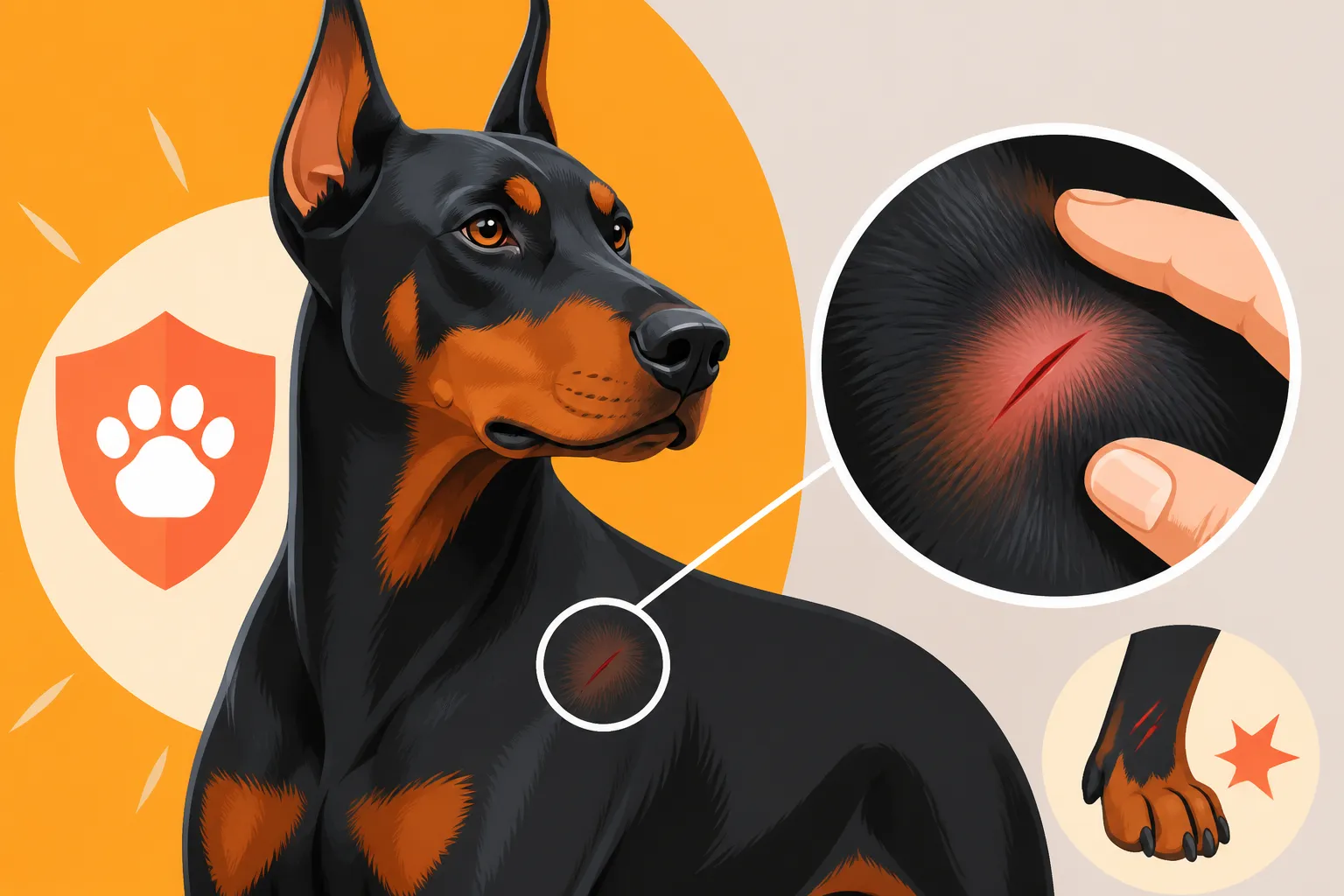
A minor cut on a Doberman is usually just what it sounds like: superficial. We're talking about small nicks, scrapes, or shallow tears in the outermost layers of the skin. These might bleed a little at first, perhaps just a few drops or a slight ooze, but the bleeding should stop relatively quickly with a little pressure. The wound itself won't look deep or gaping, and you typically won't see underlying tissue or muscle. The edges of the skin will usually be close together, even if there's a slight separation.
After the initial bleeding, you might notice some redness around the injury, and your Doberman might be a bit sensitive when you touch the area. They'll probably want to lick it, which is their natural instinct but something we often need to manage to prevent further irritation or infection. These are the kinds of cuts that make you sigh, grab your first-aid kit, and wonder how they managed to get another one just by sniffing a rose bush or wrestling with a pillow. Often, these small cuts heal cleanly within a few days if kept clean and protected.
When to Worry and Seek Vet Attention
While many Doberman skin injuries can be managed at home, there are definite red flags that indicate a trip to the veterinarian is necessary. Don't hesitate if you observe any of the following:
- Deep or Gaping Wounds: If the cut is clearly more than skin-deep, if you can see fat, muscle, or bone, or if the edges of the wound are pulled far apart, it likely needs professional closure (stitches or staples) to heal properly and prevent infection.
- Persistent or Heavy Bleeding: If the wound continues to bleed heavily despite applying direct pressure for several minutes, or if it re-starts bleeding easily, veterinary attention is required. This could indicate a larger blood vessel is involved or a clotting issue. Remember, Dobermans can be prone to certain bleeding disorders like The Bleeding Disorder Almost Every Doberman Line Carries, so any unusual bleeding should be taken seriously.
- Location of the Injury: Cuts near sensitive areas like the eyes, mouth, ears, or genital area should always be assessed by a vet. Injuries over joints can also be problematic as movement can prevent healing and potentially introduce infection into the joint capsule.
- Signs of Infection: This is a big one. If the wound becomes increasingly red, swollen, warm to the touch, or if you see pus, a foul odor, or if your Doberman develops a fever, it's infected and needs antibiotics or other medical treatment.
- Limping or Severe Pain: If your Doberman is limping, holding the injured limb up, or showing clear signs of severe pain when the area is touched, the injury might be more extensive than a superficial cut, or it could be infected.
- Foreign Objects: If you suspect a foreign object (like a piece of glass, a stick, or a deep thorn) is embedded in the wound, don't try to remove it yourself, as you might push it deeper or cause more damage.
- Large Abrasions or Degloving Injuries: These are serious. A large abrasion covers a significant area, and a degloving injury means a large flap of skin has been torn away from the underlying tissue. Both require immediate veterinary care.
When in doubt, it's always better to make that phone call to your vet. They can advise you over the phone or tell you to come in. Better safe than sorry when it comes to your Doberman's health.
First Aid for Doberman Skin Injuries at Home
Okay, so you've assessed the situation and determined it's a minor cut that you can handle yourself. Good job! Now, let's talk about how to clean it up and get your Doberman on the road to recovery without making things worse.
Cleaning the Wound Safely
The first step in any minor wound care is thorough but gentle cleaning. This helps remove dirt, debris, and bacteria, significantly reducing the risk of infection.
- Gather Your Supplies: You'll need some sterile saline solution (you can buy this at any pharmacy, or make your own with boiled, cooled water and a pinch of salt), a mild antiseptic solution recommended for pets (like diluted chlorhexidine or povidone-iodine solution – always dilute as directed!), cotton balls or sterile gauze, and maybe some clean towels. Avoid using hydrogen peroxide or rubbing alcohol on open wounds, as they can damage healthy tissue and delay healing.
- Ensure Your Doberman's Cooperation: This might be the trickiest part! A Doberman in pain can be uncooperative. Have another family member gently hold and reassure your dog. If they're particularly anxious or prone to snapping when hurt, consider using a muzzle for your safety and theirs. Remember, you want this to be as calm an experience as possible.
- Trim Hair (Carefully!): If there's long hair around the wound that could get in the way of cleaning or bandage adhesion, very carefully trim it with blunt-nosed scissors. Be exceedingly cautious not to nick the skin. You just want to expose the wound and keep hair from contaminating it.
- Rinse, Rinse, Rinse: Use your sterile saline solution to thoroughly flush the wound. A syringe (without a needle!) can be useful for directing a gentle stream of saline into the wound to dislodge any dirt or debris. Continue rinsing until the wound looks clean.
- Apply Antiseptic: Gently dab or wipe the diluted antiseptic solution around and over the wound. Don't scrub vigorously. The goal is to kill bacteria on the surface without causing further irritation.
- Pat Dry: Gently pat the area dry with clean gauze or a towel. You want the area dry before applying any dressings.
This initial cleaning is paramount. It sets the stage for proper healing and prevents a small issue from spiraling into a more serious infection.
Protecting the Area and Preventing Licking
Once the wound is clean, the next critical step is to protect it. Dobermans, like all dogs, will instinctively lick their wounds. While a little licking might be fine, excessive licking can introduce more bacteria, irritate the healing tissue, and even pull stitches out if they were applied by a vet.
- Apply a Non-Stick Dressing: Place a sterile, non-stick pad directly over the clean, dry wound. This protects the wound from external contaminants and prevents the bandage from sticking to the healing tissue.
- Secure with Bandage Material: Use conforming gauze to wrap around the limb or body part, holding the non-stick pad in place. Make sure it's snug enough to stay put but not so tight that it cuts off circulation. You should be able to slip two fingers under the bandage comfortably. For the outer layer, a self-adhering wrap (like VetWrap, often available at Amazon or Chewy) works wonders. It sticks to itself without needing tape and offers a bit more structure. Change the bandage daily, or more often if it gets wet or dirty, and always re-clean the wound with each change.
- The Cone of Shame (E-Collar): Let's be honest, no one likes the E-collar (Elizabethan collar), least of all your Doberman. But it is incredibly effective at preventing licking and chewing. There are various types available, from the classic hard plastic cone to softer, inflatable, or fabric versions. Choose one that fits correctly and is comfortable enough for your dog to eat, drink, and sleep. You might find this to be the biggest challenge, as a Doberman's intelligence and desire for closeness means they often object quite loudly to such restrictions!
- Alternative Barriers: For some wounds, especially on the torso, a dog t-shirt or a specially designed wound-protecting suit might offer enough of a barrier. However, for limb injuries, the E-collar is usually indispensable.
- Monitor Closely: Even with protection, keep a close eye on the wound. Look for any new swelling, discharge, heat, or increased pain. The goal is to create an optimal healing environment, and sometimes, despite your best efforts, things can take a turn. Be prepared to pivot to veterinary care if you see any concerning changes.
By carefully cleaning and protecting the wound, you give your Doberman the best chance at a quick and uneventful recovery from those inevitable everyday nicks and scrapes. This proactive approach can also save you a trip to the emergency vet, which often means The Vet Bills a Doberman Runs Up Outside Screening when not budgeted for.
Nutritional Support for Stronger Skin and Faster Healing
You are what you eat, and the same goes for your Doberman! A healthy, resilient coat and skin start from the inside out. Providing the right nutritional building blocks is crucial, especially for a breed prone to delicate skin.
Essential Nutrients for Doberman Skin Health
Think of your Doberman's skin as a complex organ that's constantly renewing itself, defending against the environment, and acting as a barrier. It requires a steady supply of specific nutrients to perform these functions optimally.
- Omega-3 and Omega-6 Fatty Acids: These are perhaps the most well-known and vital nutrients for skin health. Omega-3s, commonly found in fish oil, krill oil, and flaxseed, are powerful anti-inflammatories. They help reduce skin irritation, dryness, and flakiness. Omega-6s, found in plant oils like sunflower and safflower, are crucial for maintaining the skin barrier and promoting a healthy, shiny coat. The balance between these two is key. A diet rich in both, with a good ratio, helps keep the skin supple and less prone to breaking down. If you've ever dealt with Flaky Skin Along a Doberman's Back, increasing these healthy fats can often make a noticeable difference.
- High-Quality Protein: Skin, hair, and nails are primarily made of protein (keratin). A diet with adequate amounts of highly digestible animal-based protein provides the amino acid building blocks necessary for constant skin cell regeneration and repair. If your Doberman's diet is lacking in quality protein, their skin cells might be weaker and less able to heal efficiently.
- Vitamins A, E, and C:
- Vitamin A: Essential for healthy skin cell growth and repair. It helps maintain the integrity of the epithelial tissues, which form the skin.
- Vitamin E: A powerful antioxidant that protects skin cells from damage caused by free radicals. It also supports immune function, which is crucial for wound healing.
- Vitamin C: Another antioxidant vital for collagen production, a structural protein that gives skin its strength and elasticity. It also plays a role in immune response.
- Zinc: This trace mineral is involved in numerous enzymatic reactions related to skin health, wound healing, and immune function. A zinc deficiency can lead to poor coat quality and various skin lesions.
- B Vitamins: Biotin, niacin, and other B vitamins are cofactors in many metabolic processes important for skin and hair growth.
Ensuring your Doberman gets these nutrients in sufficient amounts helps build stronger skin from the inside, making it more resilient to everyday bumps and scrapes, and also improving its ability to heal when injuries do occur.
Dietary Considerations and Supplementation
Given the Doberman's predisposition to delicate skin, paying close attention to their diet isn't just a good idea—it's essential.
Start with a high-quality, complete, and balanced commercial dog food. Look for brands that list real meat as the first ingredient and avoid excessive fillers, artificial colors, or preservatives. Sometimes, simply upgrading to a premium kibble can make a noticeable difference in coat luster and skin health. For those who prefer fresh food, services like Ollie deliver tailored, human-grade meals that are often packed with beneficial nutrients for skin and coat.
However, even with a great diet, some Dobermans might benefit from targeted supplementation, especially if they are experiencing recurrent skin issues or slow wound healing. This is where those key nutrients come in:
- Omega Fatty Acid Supplements: Fish oil supplements are widely available at pet stores and online (you can find a wide range of options on Chewy or Amazon). Look for products specifically formulated for dogs, ensuring they are free from contaminants. Always follow dosage instructions based on your Doberman's weight. Omega Oils for a Doberman With Coat Loss are often recommended, and they can do wonders for general skin elasticity too.
- Skin & Coat Specific Supplements: Many brands offer combination supplements containing a blend of omega fatty acids, vitamins, and minerals aimed at supporting dermal health. Read labels carefully and check with your veterinarian before starting any new supplement regimen.
- Consult Your Vet: It's always best to discuss any dietary changes or supplementation with your veterinarian, especially if your Doberman has underlying health conditions. They can help you determine if a particular supplement is necessary, what dosage is appropriate, and rule out any other reasons for poor skin health. For example, if you are looking at Taurine and Carnitine for a Doberman Heart, discuss how that might integrate with skin support. They might even suggest specialized prescription diets if your Doberman has persistent issues that are linked to allergies or specific nutrient deficiencies.
By being mindful of the quality and nutrient profile of your Doberman's food, you're not just feeding them, you're investing in their overall well-being, including a more robust and healthier skin barrier.
Environmental Management to Minimize Risks
Even with the best diet and genetics, a Doberman's delicate skin still needs help navigating the world. Proactive environmental management around your home and during walks can significantly reduce the frequency of those annoying little cuts and scrapes.
Safeguarding Your Home and Yard
Your home and yard are your Doberman's primary territory, and unfortunately, they can harbor a surprising number of hazards for thin skin. Taking a critical look at their environment from a Doberman's-eye view can help you identify and mitigate risks.
Inside the house, think about sharp edges. Are there table corners at jumping height? Exposed metal edges on furniture? Even rough carpets or floor transitions can cause friction burns or scrapes during energetic play. Consider adding corner guards or moving particularly problematic furniture. Ensure their favorite lounging spots are soft and cushioned; Beds That Cushion a Bony Doberman are not just a luxury but a necessity for preventing calluses and sores on elbows and hocks. Hard floors, while easy to clean, offer no padding against their bony frame.
Out in the yard, the list of potential dangers grows. Walk your yard methodically, looking for:
- Thorny Bushes and Plants: Rose bushes, blackberry brambles, and even some ornamental plants can snag and tear delicate skin. Trim them back or fence them off.
- Sharp Rocks or Gravel: If you have areas with sharp landscaping rocks or gravel, consider creating softer pathways or play zones with bark mulch (ensure it's dog-safe and splinter-free) or grass.
- Splintering Wood: Old wooden fences, deck boards, or even fallen branches can be a source of splinters and cuts. Regularly inspect and repair wooden structures, and clear away debris.
- Protruding Nails or Wires: Check under decks, along fence lines, and in any construction areas for sharp metal or wires that could easily cut your Doberman.
- Uneven Terrain: While Dobermans love to run, excessively rough or rocky terrain can lead to paw pad injuries or scrapes on their legs and belly.
A quick sweep of your Doberman's favorite running paths and resting spots in the yard can often pinpoint preventable hazards. Investing a little time in hazard removal now can save you many first-aid moments later.
Gear and Accessories for Protection
Sometimes, you can't completely eliminate environmental hazards, especially when you're out and about. That's where protective gear comes in handy, offering an extra layer of defense for your Doberman's vulnerable skin.
- Paw Protection (Boots): For walks on hot pavement, icy sidewalks treated with salt, or rough, rocky trails, dog boots can be a game-changer. They protect the paw pads from cuts, abrasions, and chemical burns. Finding boots that fit a Doberman's long, narrow foot can be a challenge, but brands like Ruffwear and Muttluks offer various styles. It's especially important if you live in an area where Salt Burns on a Doberman's Bare Pads are a winter concern. Introduce boots gradually and make it a positive experience with treats.
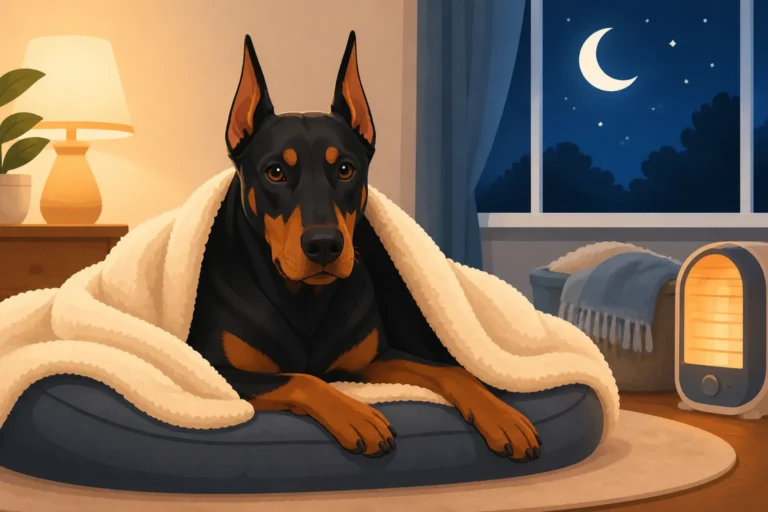
- Protective Clothing (Coats and Vests): While Dobermans don't have an undercoat for insulation, their thin skin also means they're more susceptible to scrapes from brush and thorns. For outdoor adventures like hiking through dense woods, a lightweight, durable vest can protect their chest and flanks. And, of course, a proper winter coat is essential not just for warmth but also for an added layer of physical protection in colder climates, as Why a Doberman Feels the Cold Before Other Dogs is a very real concern. Look for coats specifically designed for deep-chested breeds to ensure a good fit.
- Soft Bedding and Resting Mats: As mentioned before, continuously lying on hard surfaces can lead to calluses that crack. Providing orthopedic dog beds with thick cushioning in all their resting areas is crucial. For travel or outdoor breaks, a portable, padded mat can offer protection from rough ground.
- Proper Collars/Harnesses: Ensure any collar or harness fits correctly and is made of a soft, non-abrasive material. A poorly fitting harness can rub and cause chafing or sores, especially in the armpit area where the skin is particularly tender. Regularly check under their collar for any irritation.
By thoughtfully selecting and utilizing protective gear, you can provide your Doberman with the necessary defenses against the world, minimizing those frustrating everyday cuts and scrapes, and allowing them to enjoy their activities without constant skin worries.
Long-Term Management and Prevention Strategies
Dealing with the occasional minor cut is part of Doberman ownership, but a consistent strategy for prevention and early detection can turn a frustrating cycle into manageable maintenance. Thinking long-term about your Doberman's skin health is key.
Regular Skin Checks and Grooming Routine
Making regular skin checks a part of your routine is one of the most effective ways to catch problems early, before a small scrape turns into a larger issue.
- Daily or Weekly Inspections: After every walk, or at least a few times a week, take a few minutes to run your hands over your Doberman's entire body. Pay close attention to those common trouble spots: elbows, hocks, between toes, along the chest and belly, and around the ears. Gently part the fur to look at the skin underneath. Look for any new redness, swelling, bumps, or small scabs. The earlier you spot a developing problem, the easier it is to address. If you have a blue or fawn Doberman, this vigilance is even more critical due to the predisposition to issues like Hair Loss on a Blue Doberman which can expose even more delicate skin.
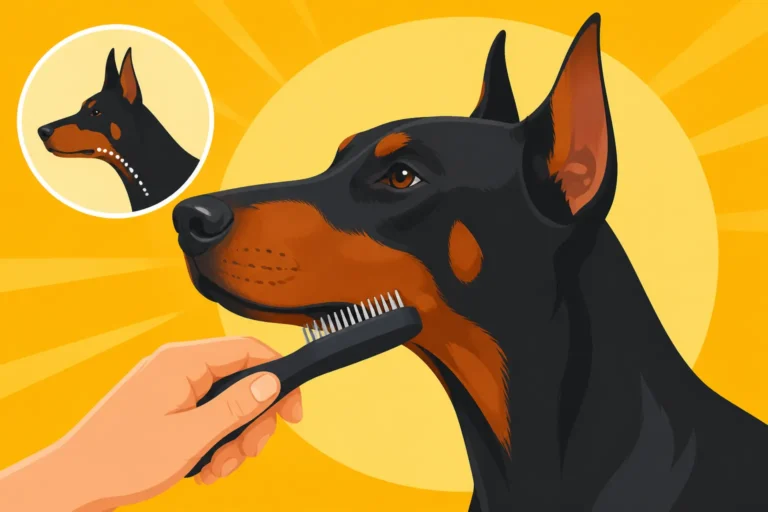
- Gentle Brushing and Bathing: While Dobermans don't require extensive grooming, regular brushing with a soft brush or grooming mitt helps remove loose hair, stimulate blood flow to the skin, and distribute natural oils. This promotes a healthier skin barrier. When it comes to bathing, use a mild, moisturizing dog shampoo and avoid harsh products that can strip natural oils and dry out their already delicate skin. Over-bathing can also be detrimental. Refer to guides like Washing a Doberman Without Stripping Its Skin to ensure you're using the right technique and products.
- Nail Care: Long nails are more than just an aesthetic issue; they can be a source of self-inflicted injuries. Overgrown nails can curve back into the paw pad, causing painful cuts, or they can get snagged and torn, leading to more serious trauma. Regular nail trims or grinding are essential. If your Doberman has black nails, which many do, it can be tricky to see the quick, so learning proper technique or having a groomer or vet tech handle it is wise. Consistent nail care helps prevent these avoidable injuries.
By incorporating these simple checks and grooming habits into your routine, you create an opportunity to bond with your Doberman while actively safeguarding their skin health.
Working with Your Vet on Chronic Issues
Sometimes, despite your best efforts at home care and prevention, your Doberman might experience recurrent skin issues that go beyond simple scrapes. This is when a partnership with your veterinarian becomes absolutely vital.
If your Doberman seems to have unusually fragile skin, if cuts are slow to heal, or if they are constantly battling skin infections, it's time for a thorough veterinary investigation. These persistent problems can be indicators of underlying conditions that require medical diagnosis and treatment.
Your vet might consider:
- Allergies: Environmental allergies (pollen, dust mites) or food allergies can manifest as itchy, irritated skin, leading your Doberman to scratch and chew, thereby creating wounds. Addressing the allergy is key to breaking the cycle. This might involve dietary trials, antihistamines, or more advanced allergy medications.
- Skin Infections: Recurring bacterial or fungal skin infections (pyoderma, yeast infections) can weaken the skin and make it more susceptible to external trauma. These often require prescription antibiotics or antifungals, sometimes for extended periods. If you've ever dealt with Skin Infections in a Bald Doberman (especially common in dilute colors), you know how challenging these can be to clear up.
- Hormonal Imbalances: Conditions like hypothyroidism can affect skin and coat quality, making it dry, brittle, and prone to issues. A simple blood test can often diagnose this.
- Nutritional Deficiencies: While we discussed general nutrition, a vet can specifically test for deficiencies in key vitamins or minerals if suspect.
- Genetic Conditions: Although rare, some specific genetic skin conditions can cause extreme fragility. Your vet can advise if further diagnostics are necessary.
Don't be afraid to ask your vet about preventive measures, prescription topical treatments, or specific supplements that might strengthen your Doberman's skin barrier. Remember, your vet is your best resource for tailored advice. Staying on top of routine wellness exams and discussing any chronic concerns will ensure your Doberman receives the comprehensive care needed to keep their delicate skin as healthy and resilient as possible, making life more comfortable for both of you.
Disclaimer
This article is for general informational purposes only and does not constitute professional advice. Laws, prices and regulations vary by location and change over time. Consult a qualified professional for guidance on your specific situation.