Ear Infections in an Uncropped Doberman
Many Doberman owners with natural, uncropped ears find themselves in a constant battle against ear infections. It’s incredibly frustrating when you’re doing your best to keep your beloved companion healthy, only for their ears to become red, itchy, and painful, leaving you feeling helpless and your dog miserable. This guide will walk you through understanding why uncropped Dobermans are so prone to these issues, how to spot the signs early, what treatments to expect, and most importantly, how to prevent future flare-ups.
The Anatomy Behind Uncropped Doberman Ear Troubles
It’s not just bad luck when your Doberman with natural ears gets another infection; there's a real biological reason rooted in their ear anatomy. Unlike their cropped counterparts, which have upright ears allowing for ample airflow, uncropped Dobermans have long, floppy ear flaps that create an entirely different environment within the ear canal. This difference is significant and sets the stage for many of the issues we see.
The Doberman Ear Canal: A Warm, Dark Highway for Trouble
Imagine trying to ventilate a long, winding tunnel. That’s essentially what an uncropped Doberman’s ear canal is like. The ear canal in all dogs, Dobermans included, has an L-shape, with a vertical and a horizontal section. For a cropped Doberman, this canal is exposed, allowing air to circulate. However, with a natural, heavy ear flap covering the opening, that natural ventilation is severely restricted.
This lack of airflow creates a warm, dark, and often humid environment – essentially a perfect incubator for unwanted guests like bacteria and yeast. These microorganisms thrive in such conditions, multiplying rapidly and leading to infection. Even if a Doberman has perfectly healthy skin and ear tissue, this anatomical predisposition makes them inherently more susceptible. It’s a bit like living in a house with poor ventilation; no matter how clean you keep it, moisture and mildew are always a concern.
Moisture Trapping and Debris Accumulation
Beyond the inherent lack of airflow, the floppy ear flap actively traps moisture and debris. Think about your Doberman after a bath, a romp in the rain, or especially a swim in a lake or pool. Water can easily get into the ear canal and, instead of evaporating naturally, gets sealed in by that heavy ear flap. This trapped moisture further exacerbates the humid environment, making it even more appealing for yeast and bacteria to flourish. It's a prime setup for what vets often call "swimmer's ear."
Furthermore, the ear flap acts like a barrier, preventing natural shedding of earwax and debris. Healthy ears produce earwax, which is a protective mechanism, but in uncropped ears, this wax can accumulate, along with shed hair and environmental dust. This buildup creates more organic material for bacteria and yeast to feed on, leading to inflammation and infection. It can be a vicious cycle: inflammation causes more wax, more wax traps more moisture, and so on.
What makes it even trickier is when underlying issues are at play, such as allergies. Many Dobermans suffer from environmental allergies (atopy) or food sensitivities, and one of the most common ways these allergies manifest is through skin inflammation, including the skin lining the ear canals. Allergies can cause increased earwax production, redness, and itching, effectively lowering the ear's natural defenses and making it even easier for infections to take hold. It's a double whammy: a predisposed anatomy combined with an inflammatory response.
Spotting the Red Flags: Recognizing an Ear Infection
As a Doberman owner, especially one with an uncropped companion, becoming an expert in ear health is practically a job requirement. Catching an ear infection early can save your dog a lot of discomfort and you a potentially bigger vet bill down the line. It's about paying close attention to both their behavior and any physical changes you might observe. You'd be surprised how subtle the initial signs can be before things really escalate.
Behavioral Clues Your Doberman Is Uncomfortable
Our Dobermans are often stoic, but even they can't hide ear pain forever. One of the first things you might notice is a change in their typical demeanor, particularly concerning their head and ears. Is your Doberman suddenly shaking their head more often than usual? It might start subtly, a quick flick of the head here and there, but if it becomes more frequent, take notice. Similarly, if they start scratching vigorously at one or both ears with their back paws, or rubbing their ears and head excessively against furniture, the carpet, or even your leg, it's a clear signal.
Beyond these obvious signs, watch for more subtle indicators of pain or irritation. Does your Doberman flinch or whine when you try to pet their head or scratch behind their ears? Are they holding their head tilted to one side, perhaps favoring the affected ear? This head tilt can sometimes be a sign of a deeper, more serious infection affecting their balance. They might also become generally more withdrawn or irritable, especially if the pain is constant. Remember, a dog in pain isn't always obvious; sometimes, it’s just a refusal to engage in their usual playful antics, or a sudden disinterest in food, which could indicate they're just not feeling well overall. If you notice your Doberman acting unusually, and they suddenly seem reluctant to eat, that’s another strong signal to check their ears. A Doberman That Suddenly Stops Eating can be a sign of many issues, and ear pain is certainly one of them.
Visual and Olfactory Indicators of Infection
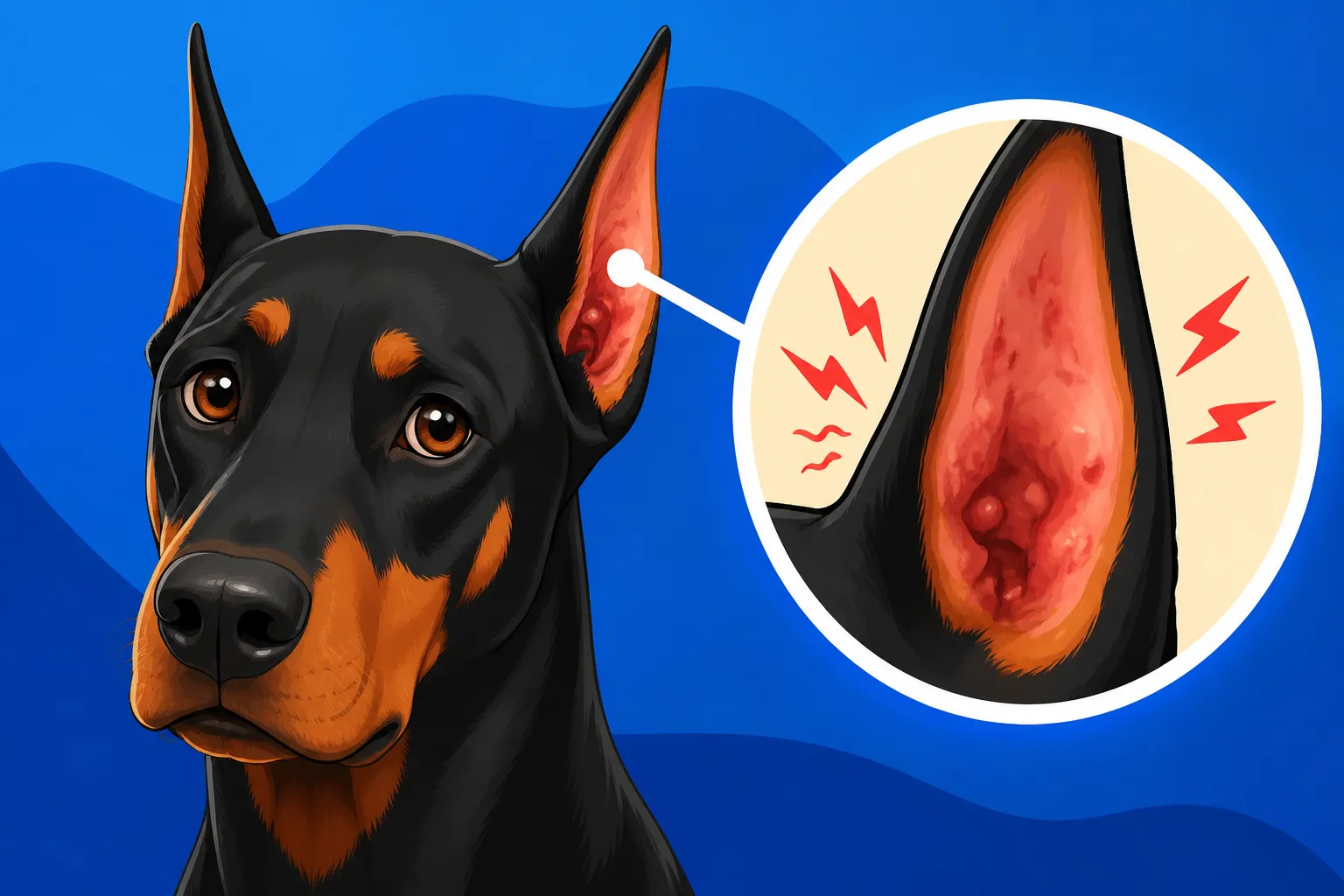
Once you suspect something is off, it’s time for a closer look and smell test. Gently lift your Doberman’s ear flap (if they allow it without too much protest, which itself can be a sign of pain). Look for any signs of redness or swelling on the inner surface of the ear flap or, if you can see it, down into the ear canal itself. A healthy ear canal should be a clean, pale pink. Anything redder than that, or puffy, suggests inflammation.
Next, observe any discharge. This is often the most telling sign. Discharge can vary significantly:
- Color: It might be yellowish, dark brown, or even black.
- Consistency: It could be waxy, thick and gooey, or even pus-like.
- Amount: Sometimes it’s just a little bit, other times it's copious and crusting around the ear opening.
Lastly, don’t shy away from giving the ear a good sniff. A healthy dog’s ear should have a very faint, neutral smell. An infected ear, however, will almost always have a distinct odor. It could be foul and cheesy, a sweet and yeasty smell, or even a strong, sickly odor indicative of bacterial overgrowth. These smells are a huge giveaway. In some chronic cases, you might also notice hair loss around the ear due to excessive scratching, or crusting and scabbing on the skin surrounding the ear canal.
When to Stop Self-Treating and Call the Vet
While it's tempting to reach for an over-the-counter ear cleaner or home remedy, it's crucial to know when to call in the professionals. If you notice any of the persistent symptoms mentioned above – head shaking, scratching, discharge, odor, or pain – it's time for a veterinary visit. Don’t wait too long. An untreated ear infection can quickly worsen, leading to deeper infections, chronic pain, and even permanent damage to the ear structures.
It’s especially important to see a vet if this is your Doberman’s first ear infection, as you need an accurate diagnosis to ensure appropriate treatment. If your Doberman is displaying more severe signs like a persistent head tilt, loss of balance, or extreme pain, these could indicate that the infection has reached the middle or inner ear, which is a much more serious condition requiring immediate veterinary attention. Using the wrong product on the wrong type of infection can not only be ineffective but can also make the problem worse or mask the true underlying cause. For example, if there's a ruptured eardrum, certain cleaners or medications could cause more harm. When you consider The Vet Bills a Doberman Runs Up Outside Screening, treating an infection early can actually save you more in the long run by preventing a more complicated, expensive problem.
Navigating Treatment and Veterinary Care
Once you’ve identified the signs of an ear infection in your uncropped Doberman, the next crucial step is getting proper veterinary care. This isn’t just about making the symptoms disappear; it’s about understanding the root cause and ensuring a complete resolution to prevent chronic issues. Many owners feel overwhelmed by the process, especially if their Doberman has recurring infections, but with the right approach and partnership with your vet, you can manage this common problem effectively.
The Importance of a Proper Diagnosis
You might think, "It's just an ear infection, why can't I just get some drops?" But ear infections are rarely simple. The ear canal is a complex environment, and different types of pathogens require different treatments. This is why a proper veterinary diagnosis is non-negotiable.
When you take your Doberman to the vet for an ear infection, they will typically perform an otoscopic examination. This involves using a special instrument to look deep inside the ear canal and at the eardrum. They’ll be checking for inflammation, foreign bodies (like grass seeds that can get trapped in floppy ears), tumors, or any damage to the eardrum.
Even more critically, your vet will usually take a sample of the ear discharge for cytology. This involves looking at the sample under a microscope to identify exactly what’s causing the infection – is it yeast, bacteria, or a combination? Are there ear mites present? Different types of bacteria (cocci vs. rods) respond to different antibiotics, and yeast infections require antifungal medications. Without this crucial step, treatment is often a shot in the dark, leading to ineffective care and frustrating recurrence. Trust me, I've seen owners try to treat "mystery" ear issues for weeks, only to find out a simple cytology would have given them the answer in minutes.
Medications and Cleaning Protocols
Once a diagnosis is made, your vet will prescribe a targeted treatment plan. This almost always involves a combination of thorough cleaning and specific medications.
Topical Ear Drops: These are the most common form of treatment. They can contain:
- Antibiotics: To fight bacterial infections.
- Antifungals: To combat yeast overgrowth.
- Steroids: To reduce inflammation and discomfort, helping the ear canal open up so other medications can penetrate effectively.
Often, these are combined into a single medication for convenience. It’s essential to administer these drops exactly as prescribed, for the full duration, even if your Doberman's ear appears to be clearing up quickly. Stopping too soon is a common reason for relapse.
Oral Medications: For more severe or deep-seated infections, or if your Doberman is in a lot of pain, your vet might also prescribe oral antibiotics, antifungals, or anti-inflammatory drugs. These systemic medications can help tackle infections that topical treatments can't reach effectively.
Prescription Ear Cleaners: Your vet will likely recommend a specific ear cleaning solution. These aren't just soap and water; they are formulated to be gentle on irritated skin while effectively breaking down wax and debris and often have properties that help dry the ear canal. It's vital to use these as directed – typically before administering ear drops – to ensure the medication can reach the infected tissues. Proper cleaning can be a little tricky with a Doberman's long ear canal, so don't hesitate to ask your vet for a demonstration. For ongoing ear hygiene, reputable brands often have a range of ear cleaning solutions available. Places like Chewy and Amazon carry many vet-approved options, but always clear any new product with your veterinarian first, especially during an active infection.
Addressing Underlying Causes
Treating the active infection is only half the battle, especially for Dobermans with recurrent issues. If you don't address why the infection keeps happening, it's bound to return.
Allergies: This is a huge one. Many chronic ear infections are a symptom of underlying allergies, either environmental or food-related. Your vet might suggest:
- Food Trials: Switching your Doberman to a novel protein or hydrolyzed protein diet for a strict period (8-12 weeks) to see if food allergies are contributing. Brands like Royal Canin, Purina, and Hill's offer prescription diets that your vet can recommend. These specialized foods, like those for sensitive stomachs, can sometimes be found through pet supply retailers or online, but usually require a vet’s authorization. Even services like Ollie, which provides fresh, customized dog food, might be an option if your vet recommends a particular limited ingredient profile for an allergy trial.
- Allergy Testing: If environmental allergies are suspected, your vet might recommend blood tests or intradermal skin testing to identify specific allergens, followed by immunotherapy (allergy shots or drops).
Other Health Conditions: Less commonly, conditions like hypothyroidism can make dogs more susceptible to ear infections. If your vet suspects an underlying systemic issue, they might recommend additional diagnostics, such as Thyroid Testing a Doberman Properly. Addressing these broader health concerns is crucial for long-term ear health. The Doberman Years When Everything Shows Up highlights how many health issues can manifest as they age, and chronic ear problems can certainly be one of them.
Proactive Steps: Preventing Recurrent Ear Infections
While treating an active ear infection is essential, the real victory for owners of uncropped Dobermans lies in prevention. It can feel like a constant vigilance, but by establishing a consistent routine and understanding your dog’s specific needs, you can significantly reduce the frequency and severity of ear troubles. Many Doberman owners find that once they get into a rhythm, these preventative steps just become part of their regular care.
Routine Ear Cleaning for Maintenance
This is arguably the most critical component of preventing ear infections in uncropped Dobermans. The goal is to keep the ear canal clean and dry, thereby disrupting that warm, moist environment that bacteria and yeast love.
- Frequency is Key: For many uncropped Dobermans, weekly or bi-weekly cleaning is ideal. However, your vet might recommend more frequent cleaning if your dog is particularly prone to infections or if they have an active lifestyle involving swimming. The idea is to remove excess wax, dirt, and moisture before it becomes a problem.
- Choosing the Right Cleaner: Once an infection is cleared, you'll want to use a gentle, non-medicated ear cleaning solution designed for routine maintenance. There are many excellent options available from trusted brands. You can find a good selection of ear cleaners on platforms like Chewy or Amazon. Look for products that are pH-balanced, non-irritating, and possibly contain drying agents. Always check with your vet to ensure the cleaner is appropriate for your Doberman, especially if they have sensitive skin.
- The Cleaning Process:
- Gather Supplies: You'll need your chosen ear cleaner and several cotton balls. Absolutely avoid Q-tips, as these can push debris further into the ear canal or even damage the eardrum.
- Apply Cleaner: Gently hold up your Doberman's ear flap. Fill the ear canal with the cleaning solution until it almost overflows. Don't worry, it's designed for this!
- Massage: With the ear flap still held up, gently massage the base of the ear for 30-60 seconds. You should hear a squishing sound as the cleaner loosens wax and debris. This massage helps the cleaner work its way into all the nooks and crannies of that L-shaped canal.
- Allow to Shake: Step back and allow your Doberman to shake their head vigorously. This helps bring loosened debris and excess cleaner out of the ear.
- Wipe: Use a clean cotton ball to gently wipe away any visible discharge, wax, and cleaner from the inner ear flap and the uppermost part of the ear canal. Repeat with fresh cotton balls until no more debris comes out. Never poke anything down into the canal.
- Praise: Reward your Doberman for their cooperation! Make it a positive experience.
Remember how important it is to keep the ear dry. If you’re used to Cleaning Wax From a Cropped Doberman Ear, you'll find the process quite similar, but perhaps with more attention needed for drying since the floppy ear creates a closed environment.
Managing Moisture and Humidity
Since moisture is a huge culprit in ear infections, actively managing it is vital.
- Post-Water Activities: After baths, swimming, or even walks in very wet weather, immediately dry your Doberman’s ears. Use a soft towel to absorb as much moisture as possible from the inner ear flap and the entrance to the canal. Some owners even use a hairdryer on a low, cool setting (held at a distance!) to gently air dry the inner ear, but be very cautious not to burn or startle your dog. Just like we discussed with Water Trapped in a Doberman's Ear After Swimming, diligent drying is a game-changer.
- Consider Snoods or Ear Wraps: For Dobermans that love to swim or spend a lot of time outdoors in damp conditions, a lightweight fabric snood or ear wrap can be a good barrier. It helps keep the ears dry and clean by preventing water and debris from entering the canal, creating a temporary protective barrier.
Dietary Considerations and Allergy Management
As mentioned earlier, allergies often underpin chronic ear issues. Managing these can dramatically improve ear health.
- Allergy-Friendly Diets: If your vet suspects food allergies, a prescription hypoallergenic diet may be recommended. These diets typically use novel proteins or hydrolyzed proteins to avoid common allergens. This is different from just picking up any bag of food; it’s a specific therapeutic diet. For more general skin and coat health, which can reflect in the ears, sometimes things like Prescription Diets for a Doberman or even specialized omega oil supplements are recommended. While not directly about ear care, Medicated Baths for a Doberman With Coat Loss shows how overall skin health connects to these issues.
- Environmental Allergy Management: If environmental allergies (pollen, dust mites, etc.) are the problem, working with your vet on a long-term plan is crucial. This might involve regular bathing with a soothing, anti-itch shampoo (check Shampoo for a Doberman With Dry Skin for general advice), immunotherapy, or allergy medications to reduce inflammation throughout their skin, including their ears.
Regular Veterinary Check-ups and Early Intervention
Even with the best preventative care, sometimes an infection can still brew. Regular veterinary check-ups are your safety net. During their annual wellness exam, your vet will always check your Doberman’s ears. However, if your Doberman has a history of ear infections, don’t hesitate to schedule a check-up if you notice even the earliest, most subtle signs of irritation. Catching an issue when it’s just starting, before it becomes a full-blown painful infection, is much easier and less expensive to treat. This kind of proactive approach really pays off when you consider The Yearly Checkup a Doberman Still Needs and how it keeps them healthy in the long term.
| Symptom / Indicator | Common Causes | Appearance / Smell | Action |
|---|---|---|---|
| Head Shaking/Scratch | All types of irritation/infection | Frequent, persistent | Check ears immediately; consult vet if persistent |
| Redness/Swelling | Inflammation, infection, allergies | Inner ear flap and canal are visibly inflamed | Vet visit for diagnosis |
| Dark Brown/Black Waxy Discharge | Yeast infection, ear mites | Resembles coffee grounds (mites) or dark, sticky wax (yeast); often yeasty smell | Vet visit for diagnosis |
| Yellow/Green Pus-like Discharge | Bacterial infection, severe inflammation | Thick, foul-smelling; can be crusty | Urgent vet visit for diagnosis and antibiotics |
| Foul/Sweet Odor | Bacterial or yeast overgrowth, decay | Distinct, strong smell (cheesy, sweet, or rotten) | Vet visit, especially if discharge is present |
| Pain/Sensitivity | Any active infection, trauma, foreign body | Whining, yelping, reluctance to be touched; head tilt | Vet visit for pain management and treatment |
Disclaimer
This article is for general informational purposes only and does not constitute professional advice. Laws, prices and regulations vary by location and change over time. Consult a qualified professional for guidance on your specific situation.