Low-Copper Feeding for a Doberman
It's incredibly frustrating when you discover that your beloved Doberman might be silently battling a health issue, especially one tied to something as fundamental as their diet. Many Doberman owners eventually learn about their breed's predisposition to copper storage disease, a serious liver condition that requires careful management, primarily through specialized feeding. This guide is here to walk you through everything you need to know about low-copper feeding for your Doberman, from understanding the 'why' behind it to practical tips for everyday mealtime.
Understanding Copper Storage Disease in Dobermans
The idea that a healthy mineral like copper could be harmful to your Doberman's liver can be really unsettling. It's not that copper itself is bad; it's essential for many bodily functions. The problem arises when a dog's body, particularly their liver, struggles to process and excrete excess copper efficiently, leading to a dangerous buildup. For Dobermans, this isn't just a random occurrence; it's a known genetic susceptibility that many of us in the Doberman community have unfortunately become all too familiar with.
Why Dobermans Are Prone to Copper Accumulation
Dobermans, like several other breeds, carry a genetic predisposition that makes their livers less efficient at metabolizing copper. Think of their livers like a faulty filter; instead of letting the right amount of copper pass through and eliminating the excess, it starts holding onto too much. Over time, this copper accumulates in the liver cells, causing damage, inflammation, and eventually scarring, which leads to chronic hepatitis and cirrhosis. It's a silent threat because the early stages often show no outward symptoms, making it easy to miss until significant damage has occurred. This is why it’s so important for Doberman owners to be proactive.
The genetic basis for this condition means it can run in families. While not every Doberman will develop clinical signs, many carry the genes that put them at a higher risk. This isn't something that happens overnight, either. The copper slowly builds up over years, often becoming a real concern as our Dobermans reach middle age or beyond. It's a heartbreaking reality that something so crucial for life can become toxic for our breed due to a genetic quirk. We really need to be vigilant about this, as early detection and intervention can make a world of difference in their prognosis.
The Silent Progression of Liver Damage
One of the most insidious aspects of copper storage disease in Dobermans is its stealthy progression. Your Doberman can appear completely healthy, full of life, zooming around the yard, and yet their liver could be quietly accumulating toxic levels of copper. This "occult" or hidden phase can last for years. During this time, the liver cells are slowly being damaged, but the liver itself is a remarkably resilient organ and can continue to function adequately for a long while, masking the underlying problem. It's like a ticking time bomb that you don't even know is there.
Eventually, as more and more liver tissue is destroyed, the liver's ability to perform its many vital functions – from detoxification to protein production – starts to fail. Only then do clinical signs typically emerge, and by that point, the damage is often extensive and sometimes irreversible. Symptoms can include lethargy, loss of appetite, vomiting, diarrhea, weight loss, increased thirst, and even jaundice (a yellowing of the skin or eyes). In severe cases, you might even see neurological symptoms due to toxins building up that the liver can no longer filter. It’s a stark reminder of why proactive screening, even when your Doberman seems perfectly fine, is so incredibly vital. How Many Dobermans Have Silent Liver Disease really highlights this challenge.
Diagnosing Copper Storage Disease
Before you even think about adjusting your Doberman's diet, getting an accurate diagnosis is absolutely paramount. You wouldn't treat a broken leg without an X-ray, and similarly, you shouldn't embark on a specialized low-copper diet without confirmation of the underlying issue. The diagnostic process can feel a bit daunting, and it often involves multiple steps, as liver issues aren't always straightforward. It requires close collaboration with your veterinarian, and possibly a specialist.
Initial Blood Tests and Imaging
The first steps in diagnosing suspected liver disease in a Doberman usually involve a comprehensive physical exam, blood work, and possibly imaging. Blood tests might reveal elevated liver enzymes, which are indicators of liver cell damage. However, elevated liver enzymes can be caused by many things, not just copper storage disease, so they are not a definitive diagnosis on their own. They simply flag that something is amiss with the liver and warrants further investigation. Your vet might also check bile acids, which assess liver function, and a complete blood count to look for other abnormalities.
Imaging techniques like ultrasound can provide valuable information about the size, shape, and architecture of your Doberman's liver. An ultrasound might show changes indicative of chronic hepatitis, such as a shrunken or abnormally textured liver, but it cannot definitively confirm copper accumulation. While these initial tests are crucial for narrowing down possibilities and ruling out other conditions, they rarely give a definitive "yes" or "no" for copper storage disease. They're more about pointing you in the right direction for the next, more invasive, diagnostic step.
The Definitive Liver Biopsy
When copper storage disease is truly suspected in a Doberman, especially after initial tests suggest liver issues, a liver biopsy is considered the gold standard for diagnosis. This procedure involves taking a small piece of liver tissue, which is then sent to a specialized lab for analysis. The pathologist will not only look for signs of inflammation and damage (hepatitis, fibrosis, cirrhosis) but also perform specific stains to quantify the amount of copper present in the liver cells. This copper quantification is what ultimately confirms or rules out copper storage disease. Liver Biopsy in a Doberman is a critical step in this process.
There are different ways to obtain a liver biopsy. It can be done surgically, which is the most invasive but allows for larger samples and direct visualization. Alternatively, it can be performed laparoscopically (minimally invasive) or even percutaneously (through the skin) with ultrasound guidance, which is less invasive but might yield smaller samples. Your vet will discuss the risks and benefits of each method, considering your Doberman's overall health. While the thought of a biopsy can be scary, it provides the crucial information needed to guide appropriate treatment and dietary changes, ultimately offering the best chance for managing the condition effectively.
The Principles of Low-Copper Feeding
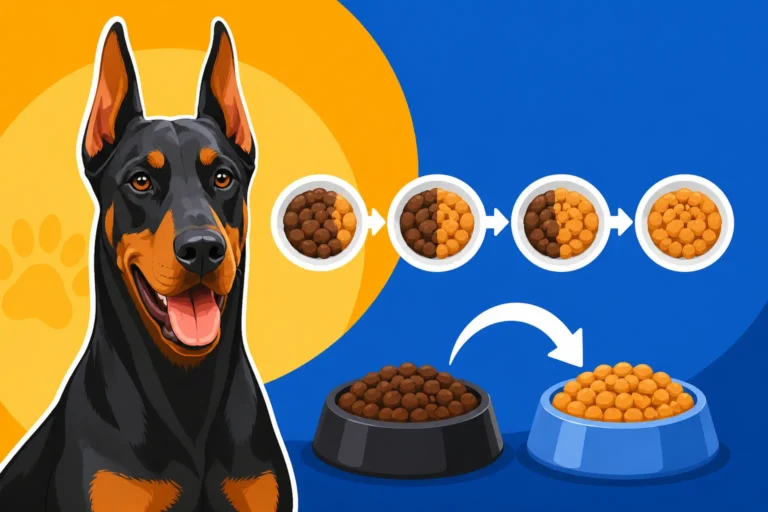
Once you have a confirmed diagnosis, transitioning to a low-copper diet becomes a cornerstone of your Doberman's management plan. This isn't just about grabbing any bag of "liver support" kibble; it's about understanding the specific nutritional requirements to minimize copper intake and support liver function. It’s a precise balancing act to ensure they get all the necessary nutrients without exacerbating their condition.
Limiting Dietary Copper Intake
The primary goal of a low-copper diet is, quite simply, to drastically reduce the amount of copper your Doberman consumes daily. This involves meticulously selecting foods and ingredients that are naturally low in this mineral. It's not always intuitive, as many common dog food ingredients contain moderate to high levels of copper. You need to become a label detective, scrutinizing every component of their diet. Common high-copper ingredients include organ meats (especially liver), certain fish, shellfish, mushrooms, legumes, and even some grains like oats.
Prescription therapeutic diets specifically formulated for liver disease are often the easiest and most reliable way to achieve this. These diets are carefully balanced to be low in copper, moderate in protein, and often supplemented with antioxidants and L-carnitine, which can further support liver health. Trying to formulate a homemade diet to meet these strict requirements without expert veterinary nutritionist guidance can be incredibly challenging and risky, as imbalances can quickly arise. Relying on commercial therapeutic options often provides the peace of mind that your Doberman is getting exactly what they need, without guesswork. Low-Copper Diets for a Doberman are truly designed for this purpose.
The Role of Zinc in Management
Beyond simply reducing copper, zinc plays a fascinating and crucial role in managing copper storage disease. Zinc works in a couple of ways: firstly, it helps block the absorption of copper from the diet in the intestines. When your Doberman consumes zinc, it stimulates the production of a protein called metallothionein in the intestinal cells. Metallothionein binds to dietary copper, preventing it from being absorbed into the bloodstream and instead allowing it to be excreted in the feces. Essentially, it's a natural copper 'sponge' in the gut.
Secondly, zinc can also increase the excretion of copper already stored in the liver, though this effect is less pronounced than its role in preventing absorption. Because of these mechanisms, many Dobermans on a low-copper diet will also be prescribed zinc supplementation by their vet. It's not a substitute for the low-copper diet itself, but rather a powerful adjunct therapy that helps manage copper levels even more effectively. However, zinc can also have its own side effects, so it’s crucial to only administer it under strict veterinary guidance and monitoring, as too much can cause its own set of problems.
Other Important Dietary Considerations
While copper and zinc are central, a holistic approach to your Doberman's diet for liver disease involves several other factors. Protein content, for instance, is often kept at a moderate level in liver-friendly diets. Too much protein can overwhelm a compromised liver, leading to a buildup of toxins like ammonia, but too little can cause muscle wasting. The type of protein also matters; easily digestible proteins are preferred. Antioxidants, such as Vitamin E and C, are also often added to these diets to help combat oxidative stress in the damaged liver cells, providing an extra layer of protection.
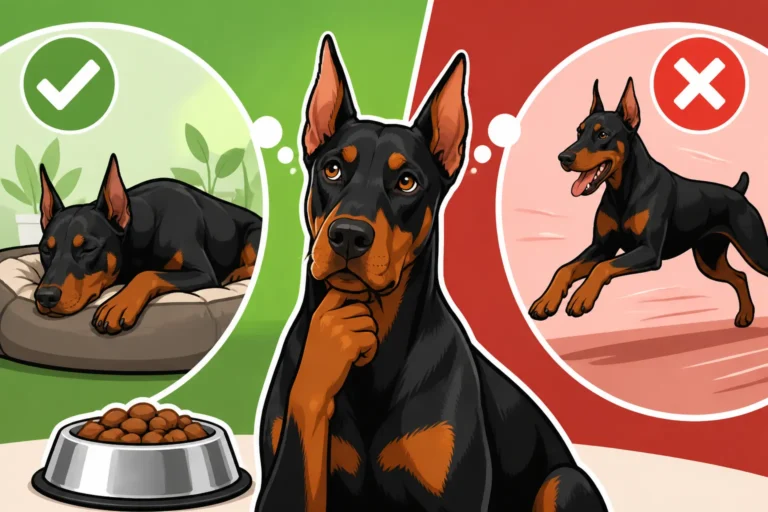
Fat content also needs careful consideration. While fats are important for energy, a severely compromised liver might struggle to metabolize them efficiently. Some diets will include medium-chain triglycerides (MCTs) which are more easily digested. Furthermore, regular feeding of smaller meals throughout the day, rather than one or two large meals, can reduce the workload on the liver and digestive system. This isn't just about what's in the bowl, but how and when it's offered. It's a comprehensive approach to easing the burden on their hardworking, and sometimes struggling, liver.
Commercial Low-Copper Food Options
Navigating the world of commercial dog food for a Doberman with specific dietary needs can feel like a minefield. Thankfully, several reputable brands offer prescription diets specifically formulated for liver support, which means they are designed with low copper levels in mind. These aren't just "healthy liver" foods; they are clinically developed diets intended for veterinary use.
Prescription Hepatic Diets
When your Doberman is diagnosed with copper storage disease, your veterinarian will likely recommend a prescription hepatic diet. These diets are the safest and most effective choice because they are meticulously formulated to meet the specific nutritional requirements of dogs with liver disease, including significantly reduced copper levels. They also typically contain controlled protein levels (often using highly digestible sources), added antioxidants, and appropriate levels of zinc. These diets are not available off the shelf at your local pet store; they require a veterinary prescription.
Examples of such diets include those from brands like Royal Canin, Hill's Prescription Diet, and Purina Pro Plan Veterinary Diets. Each brand offers slightly different formulations, but they all adhere to the core principles of liver support. Your vet will help you choose the best option based on your Doberman's specific condition, palatability preferences, and any other health concerns. Buying these foods is typically done directly through your vet's office or through authorized online retailers like Chewy, where you'll need to submit your vet's prescription. It's a small hurdle to ensure your Doberman is getting exactly what they need.
Understanding Ingredient Labels and Copper Content
Even with prescription diets, it's helpful to understand what you're looking for on an ingredient label, especially if you're ever in a situation where a prescription diet isn't immediately available or if you're comparing options. Look for foods where liver, organ meats, and high-copper fish are not primary ingredients. Instead, lean meats like chicken or turkey muscle meat, and certain grains like white rice, are generally lower in copper. It's critical to remember that "all-natural" or "holistic" labels don't necessarily mean "low-copper." In fact, some boutique diets, especially those heavy in certain offal or legume-rich formulations, can unintentionally be quite high in copper. Which Foods Are Highest in Copper for a Doberman gives a great overview of ingredients to be mindful of.
The guaranteed analysis on a food label can give you some clues, but it doesn't always provide specific copper content. For precise copper levels, you often need to contact the manufacturer directly or rely on foods specifically marketed for liver support. Many standard commercial diets, even high-quality ones, may not be suitable because they aren't formulated to restrict copper. This is precisely why prescription diets are so valuable – they remove the guesswork and provide a carefully controlled nutritional profile.
Navigating Homemade and Alternative Diets
The thought of cooking for your Doberman might appeal to you, offering a sense of control over every ingredient. However, when dealing with a serious condition like copper storage disease, homemade diets come with significant challenges and risks that must be carefully considered. It’s not just about cooking; it’s about precise nutritional science.
The Risks of DIY Low-Copper Diets
Attempting to formulate a homemade low-copper diet for your Doberman without the guidance of a board-certified veterinary nutritionist is fraught with peril. It's incredibly difficult to ensure complete nutritional balance while simultaneously restricting specific minerals like copper. You might inadvertently create deficiencies in other essential nutrients, or even fail to adequately restrict copper, leading to continued liver damage. This isn't just about finding low-copper ingredients; it's about the intricate ratios of vitamins, minerals, protein, and fat.
For example, simply feeding plain chicken and rice might be low in copper, but it would be severely deficient in calcium, phosphorus, essential fatty acids, and numerous vitamins. Over time, these deficiencies can lead to other serious health problems. It's a complex puzzle that requires specialized knowledge. While the intention might be excellent, the execution without expert guidance can do more harm than good, potentially shortening your Doberman's lifespan or diminishing their quality of life. This is one area where professional help is absolutely non-negotiable for their well-being.
When to Consider a Veterinary Nutritionist
If you are committed to a homemade diet for your Doberman with copper storage disease, consulting a board-certified veterinary nutritionist is absolutely essential. These specialists have the expertise to formulate a custom recipe that meets all of your Doberman's nutritional needs while adhering to the strict copper restrictions required for their condition. They will take into account your Doberman's age, weight, activity level, and the severity of their liver disease. They can also recommend specific supplements to ensure all dietary bases are covered.
They'll typically provide you with a precise recipe, often including specific brands of supplements, and detailed cooking instructions. This level of expert formulation provides the safety and efficacy that a DIY approach cannot. While there is a cost associated with a nutritionist's consultation, it's an investment in your Doberman's health that far outweighs the risks of an improperly balanced diet. Consider it a specialized form of care for a highly specialized problem. Some online services like Ollie offer custom-meal formulations, but always ensure they are reviewed and approved by a board-certified vet nutritionist specifically for liver disease if you go that route.
Long-Term Management and Monitoring
Living with a Doberman diagnosed with copper storage disease, even with a strict low-copper diet, means committing to long-term management and vigilant monitoring. This isn't a condition that "goes away"; it requires continuous effort to maintain their health and quality of life. Think of it as a marathon, not a sprint.
Regular Veterinary Check-ups and Bloodwork
Even after initiating a low-copper diet and any prescribed medications (like zinc or chelators), regular veterinary check-ups are non-negotiable. Your vet will want to monitor your Doberman's liver enzyme levels, bile acids, and potentially other blood parameters, usually every few months initially, and then perhaps every six months once stable. These blood tests help assess how well the diet and any medications are working to manage the liver disease and prevent further copper accumulation or damage.
Beyond blood work, your vet will also perform physical exams to check for any new symptoms, changes in weight, or overall demeanor. This ongoing monitoring allows for prompt adjustments to the treatment plan if needed. It’s a proactive approach to ensure that the diet continues to be effective and that any potential complications are caught early. This frequent interaction with your vet provides peace of mind and is fundamental to your Doberman's long-term well-being.
Copper Chelation and Other Medications
In addition to a low-copper diet and zinc supplementation, some Dobermans, especially those with advanced copper accumulation, might also require copper chelating agents. These are medications that bind to copper already stored in the body and help facilitate its excretion, essentially "pulling" excess copper out of the liver. The most commonly used chelating agent is D-penicillamine. This medication can be very effective, but it also has potential side effects and requires careful monitoring by your veterinarian. Copper Chelation for a Doberman Liver is a complex treatment option.
Other medications might also be prescribed depending on your Doberman's specific symptoms and the severity of their liver disease. These could include anti-inflammatory drugs, ursodeoxycholic acid (to promote bile flow and protect liver cells), or medications to manage any secondary issues like gastrointestinal upset or fluid accumulation. The combination of a specialized diet, zinc, and potentially chelators or other supportive medications forms a multi-pronged approach to managing this challenging condition. Remember, every Doberman is an individual, and their treatment plan will be tailored specifically for them. Medication for a Doberman With Hepatitis highlights other treatment routes.
The Lifelong Commitment to Dietary Management
It’s crucial to understand that for most Dobermans diagnosed with copper storage disease, the low-copper diet is a lifelong commitment. This isn't a temporary fix; it's a permanent lifestyle change for your dog. Even if their liver enzyme levels normalize and they show significant improvement, returning to a regular, high-copper diet would likely lead to a resurgence of copper accumulation and renewed liver damage. Whether a Doberman Liver Diet Is for Life is a common question, and the answer is almost always yes.
This means consistently feeding the prescribed diet, being extremely careful with treats (many common treats are high in copper!), and educating anyone who cares for your Doberman (boarders, pet sitters, friends) about their strict dietary needs. It also means no table scraps, as even small amounts of high-copper foods can add up over time. It requires discipline and consistency, but seeing your Doberman thrive despite their condition is the ultimate reward. Maintaining this vigilance can significantly improve their prognosis and allow them to live a longer, healthier, and happier life.
| Aspect | Standard Commercial Diet | Low-Copper Prescription Diet | Homemade Low-Copper Diet (Vet-Nutritionist Formulated) |
|---|---|---|---|
| Copper Content | Varies, often moderate to high | Significantly reduced, controlled | Precisely controlled, very low |
| Protein Content | Varies, often high | Moderate, highly digestible sources | Tailored to individual needs, digestible sources |
| Zinc Supplementation | Rarely specifically added for liver | Often included at therapeutic levels | Can be precisely added as needed |
| Antioxidant Content | Varies | Often supplemented | Can be precisely added as needed |
| Nutritional Balance | Generally balanced for healthy dogs | Fully balanced for liver disease | Fully balanced by expert, but requires strict adherence |
| Availability | Pet stores, supermarkets, online | Vet's office, authorized online (e.g., Chewy) | Requires expert formulation and consistent preparation |
| Cost | Varies widely | Generally higher due to specialization | Varies; ingredient cost + nutritionist fee + time |
| Ease of Use | Very easy | Easy | Requires time and effort for preparation |
| Primary Use Case | Healthy dogs | Diagnosed liver disease | Diagnosed liver disease, specific preferences/allergies |
Living Successfully with a Doberman on a Low-Copper Diet
Adjusting to a new dietary regimen for your Doberman can feel overwhelming at first, but with a bit of planning and consistency, it quickly becomes part of your routine. It’s all about creating an environment where their specific needs are met without stress.
Managing Treats and Snacks
This is often where Doberman owners stumble, and it’s completely understandable! We love to spoil our dogs, and treats are a big part of that bond. However, for a Doberman on a low-copper diet, treats need to be chosen with extreme care. Many commercial dog treats, even seemingly benign ones, can contain ingredients that are relatively high in copper, like certain liver-based treats or those with legumes. Always read labels meticulously.
Your veterinarian or veterinary nutritionist can provide a list of approved low-copper treats. Often, simple, plain vegetables like green beans, carrots, or small pieces of apple (without seeds) can be safe options. Hard-boiled egg whites can also be a good, low-copper, high-protein choice. You might even find yourself baking your own simple, low-copper treats if you're feeling adventurous and have an approved recipe. The key is moderation and being absolutely certain about the copper content of anything your Doberman ingests outside of their main meals. For training rewards, small amounts of their own low-copper kibble can work wonders.
Preventing Accidental Ingestion
Dobermans are clever, curious creatures, and they can be quite adept at finding things they shouldn't eat. Preventing accidental ingestion of high-copper foods is crucial for managing their condition. This means being extra vigilant about securing trash cans, keeping human foods (especially organ meats, certain nuts, and some fruits) out of reach, and supervising them closely in environments where they might find stray food, like at the park or a friend's house.
Educate your family, friends, and anyone who might interact with your Doberman about their special dietary needs. A simple, clear explanation that certain foods are toxic to their liver can go a long way. Consider placing a sign on your Doberman's food storage or even on their kennel, reminding others of their special diet. It might feel a bit excessive, but a single slip-up could set back their progress. Using an online pet supply store like Amazon to stock up on their special food and approved treats can also make it easier to maintain consistency.
Traveling and Boarding Considerations
Traveling with a Doberman on a specialized diet requires some extra planning. Always pack enough of their prescription food for the entire trip, plus a little extra, just in case. If you're staying with friends or family, make sure they understand the importance of sticking to the diet. It can be helpful to pre-portion meals into individual bags to make it easy for others to feed them correctly.
When boarding your Doberman, provide clear, written instructions to the kennel staff. Include feeding times, exact amounts, and a list of approved treats (or just send pre-approved treats). You might even provide a contact number for your veterinarian in case they have any questions. Many kennels are experienced with special diets, but clear communication is key. A simple note stating "Doberman, low-copper diet ONLY – no outside treats or human food" can be invaluable. Being prepared reduces stress for both you and your Doberman, ensuring their health regimen continues uninterrupted, no matter where you are.
Disclaimer
This article is for general informational purposes only and does not constitute professional advice. Laws, prices and regulations vary by location and change over time. Consult a qualified professional for guidance on your specific situation.