How Long a Doberman Goes Without a Bath
One of the most common worries Doberman owners have is striking the right balance with bath time. You want your Doberman to smell fresh and look sleek, but you also hear whispers about stripping natural oils or drying out their delicate skin. It's a genuine frustration trying to figure out if your routine is helping or harming. This comprehensive guide will walk you through everything you need to know about how often to bathe your Doberman, considering their unique coat, lifestyle, and potential skin sensitivities, so you can keep them healthy and happy.
Understanding Your Doberman's Unique Coat: Why Less is Often More
Unlike many breeds, Dobermans possess a distinctive short, hard, and close-lying coat. It's a single coat, meaning they lack that dense, fluffy undercoat you see on, say, a German Shepherd or a Labrador. This particular coat type is part of what gives them their iconic sleek appearance, but it also has specific implications when it comes to grooming and bathing frequency. Their short hair doesn't trap dirt and debris quite as readily as longer, thicker coats, which is a major bonus for keeping them clean on a daily basis.
The Doberman's Natural Skin Oils
That gorgeous, shiny Doberman coat isn't just for show; it's protected by natural oils produced by their skin. These oils form a protective barrier that repels water, traps a certain amount of dirt, and keeps their skin hydrated and healthy. Over-bathing can inadvertently strip these essential oils away, leading to a host of problems. Imagine washing your own hair with harsh shampoo every single day; eventually, your scalp would get dry, itchy, and might even produce more oil to compensate. It's a similar situation for your Doberman. Their skin is quite sensitive, and disrupting its natural balance can lead to dryness, flakiness, and even make them more susceptible to skin irritations. This is why when you bathe them, it's crucial to use shampoos specifically formulated for dogs, preferably mild and moisturizing ones. You'll find a wide array of excellent options on platforms like Chewy, making it easy to pick something gentle.
Minimal Shedding, Maximum Scent Repellence
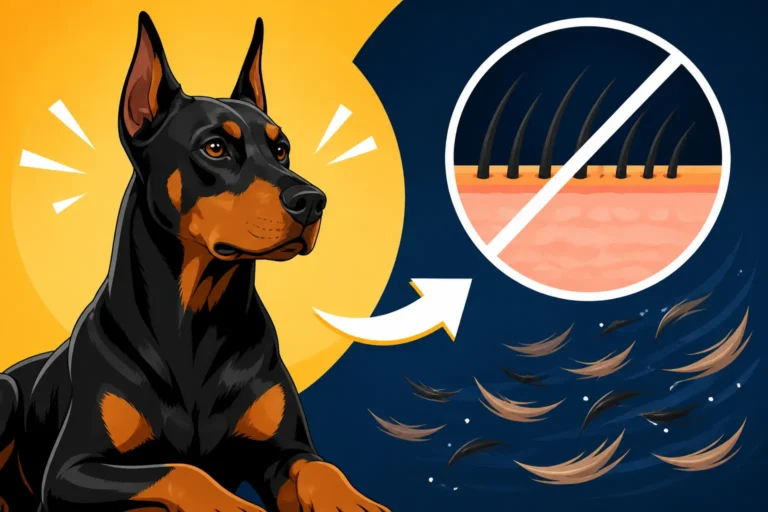
Because they don't have an undercoat, Dobermans are often considered minimal-shedders compared to many other breeds. While they do shed year-round, it's typically fine hair that's less noticeable. This short, dense coat is also surprisingly good at repelling minor dirt and debris. A quick brush or a wipe-down with a damp cloth often does the trick for everyday clean-ups. You might notice that a Doberman who has rolled in some dry dirt can often be brushed clean with surprising ease once the dirt dries. This natural repellence means they don't need frequent full baths just to remove surface grime. Instead, you're usually bathing them for specific reasons, like a really pungent encounter with something unsavory, or if they have a skin condition requiring therapeutic washes. For more on their specific grooming needs, check out Doberman Grooming on a Coat With No Undercoat.
Factors That Dictate Doberman Bathing Frequency: Lifestyle, Skin, and Scent
While there's no single "correct" answer for how often to bathe a Doberman, the ideal frequency is highly dependent on a few key factors. It's about finding that sweet spot where they're clean and fresh without compromising their skin and coat health.
The Active Outdoor Adventurer vs. The Couch Potato
Let's be realistic: a Doberman that spends its days hiking through muddy trails, swimming in lakes, or participating in Schutzhund training will naturally need more frequent bathing than one whose main exercise involves a leisurely walk around the block and plenty of indoor snuggles. If your Doberman is constantly getting into things – think rolling in mud, investigating suspicious puddles, or having a delightful romp in tall, dusty grass – then a quick rinse-off or even a full bath might be necessary more often. For these adventurous souls, simply wiping them down with a damp towel after each outing can go a long way in extending the time between full baths. However, if they come home truly filthy or smelling like they've battled a skunk, don't hesitate. A full bath with a good quality shampoo is in order.
Sensitive Skin, Allergies, and Dermatological Needs
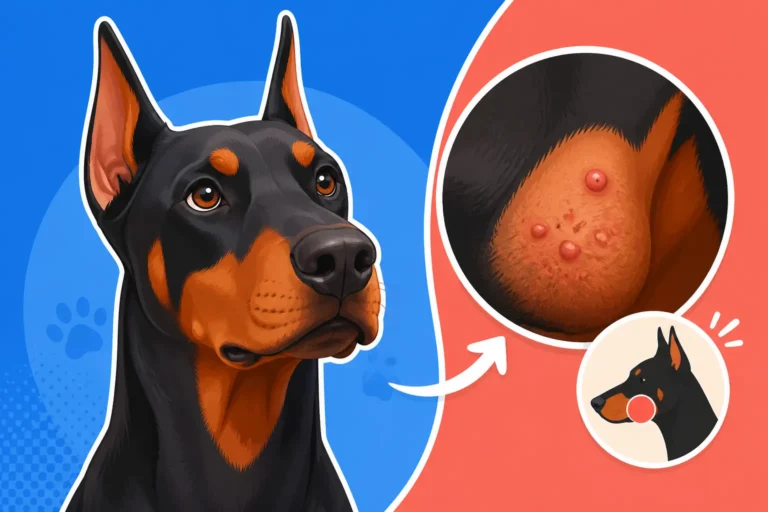
This is where individual needs truly come into play. Many Dobermans, due to their genetic predispositions, can be prone to sensitive skin, allergies, or other dermatological issues. If your Doberman suffers from Dandruff and Flaking on a Doberman, hot spots, excessive itching, or specific allergies, your veterinarian might actually recommend a regular bathing schedule with a medicated or hypoallergenic shampoo. In these cases, bathing becomes a therapeutic treatment rather than just a cosmetic one. For instance, some Dobermans with environmental allergies might benefit from weekly baths to wash off pollen and other irritants from their coat, which can significantly reduce their itchiness. Conversely, some sensitive-skinned Dobermans might react poorly to any shampoo, even mild ones, making bathing a careful balancing act that requires vet guidance. For these situations, understanding the ingredients in your shampoo is paramount. Seeking advice on what kind of shampoo to use for specific issues, such as Shampoo for a Doberman With Dry Skin, is wise.
The "Doberman Smell" and General Cleanliness
Let's face it, all dogs develop a certain "dog smell" over time. Dobermans generally don't have an overly strong odor, especially with their short coats, but it can accumulate. If you notice your Doberman is starting to smell a bit ripe, despite regular brushing and spot cleaning, it's probably time for a bath. This is less about their health and more about living harmoniously in your home! Also, if they sleep in your bed or spend a lot of time on your furniture, you might opt for slightly more frequent baths purely for your own comfort.
Ultimately, for the average, healthy Doberman living a relatively clean indoor life, a bath every 2-3 months is often perfectly sufficient. Some owners even stretch it to every 4-6 months, relying on regular brushing and spot cleaning. However, if your Doberman is prone to rolling in interesting smells or has specific skin conditions, monthly or even bi-weekly baths might be appropriate under veterinary guidance.
Here’s a quick overview of factors and how they influence bathing frequency:
| Factor | Impact on Bathing Frequency | Notes |
|---|---|---|
| Lifestyle | ||
| Indoor (low activity) | Every 2-4 months | Minimal exposure to dirt; regular brushing and wiping are key. |
| Active (outdoor runs) | Every 1-2 months | More exposure to dust, mud, and allergens; frequent brushing and damp cloth wipe-downs can extend time between full baths. |
| Outdoorsy (hiking/swimming) | As needed, up to monthly | Frequent exposure to heavy dirt, water, or strong odors. Always rinse thoroughly after swimming. |
| Skin/Coat Health | ||
| Healthy, normal skin | Every 2-4 months | Maintain natural oils; avoid over-bathing. |
| Dry, flaky skin | Every 4-6 weeks (with vet advice) | Use moisturizing/hypoallergenic shampoos. Can be a symptom of diet, environment, or underlying health issue. See Skin and Coat Care for a Blue or Fawn Doberman for related issues. |
| Allergies/Dermatitis | Bi-weekly to monthly (vet prescribed) | Use medicated shampoos as directed. Focus on rinsing off irritants. Can be crucial for symptom management. |
| Odor/Cleanliness | ||
| Minimal odor | Less frequent | Regular brushing often keeps odors at bay. |
| Noticeable odor | As needed | After rolling in something foul, or if general "dog smell" becomes prominent. Use odor-neutralizing dog shampoos. |
The Fine Line: Risks of Too Many or Too Few Baths for Your Doberman
It's tempting to think that a squeaky-clean dog is a healthy dog, but with Dobermans, there's a delicate balance. Both over-bathing and under-bathing can lead to problems, creating a frustrating cycle for you and discomfort for your beloved companion.
The Pitfalls of Over-Bathing
Bathing your Doberman too frequently, especially with harsh shampoos not designed for dogs, can do more harm than good. The primary concern is stripping those vital natural oils we talked about earlier. When these oils are repeatedly washed away, your Doberman's skin can become:
- Dry and Itchy: This is probably the most common immediate effect. You might notice your Doberman scratching more, leading to potential skin irritation and even hot spots. It's a vicious cycle: you bathe them because they're itchy, but the bath makes them itchier.
- Flaky and Dull: Without proper hydration from their natural oils, the skin can become flaky, and the coat loses its characteristic sheen, appearing dull and lifeless. You might even see what looks like dandruff.
- Prone to Secondary Infections: A compromised skin barrier is less effective at defending against environmental bacteria and yeast. This can open the door for skin infections, requiring veterinary intervention and medicated treatments.
- Paradoxically Greasier: In some cases, the skin might react to excessive dryness by overproducing oil to compensate, making your Doberman feel greasy faster than before.
It’s truly a situation where you can love them too clean, unintentionally causing them discomfort. It also takes more time and effort on your part, only to potentially worsen the issue.
The Challenges of Under-Bathing
On the flip side, neglecting regular cleaning can also lead to issues, though they often manifest differently than those from over-bathing.
- Odor Build-up: This is probably the most obvious. Dirt, dander, and environmental pollutants can accumulate on the coat and skin, leading to a strong, unpleasant "doggy" odor that pervades your home.
- Skin Irritation and Dull Coat: While over-bathing strips oils, under-bathing allows irritants to remain on the skin, potentially causing irritation, matting (though less common in Dobermans due to their short coat, it can happen if dirt builds up in certain areas), and a greasy, unhealthy-looking coat as natural oils mix with trapped grime.
- Allergen Accumulation: For Dobermans with environmental allergies, infrequent bathing means allergens like pollen, dust mites, and dander can linger on their coat and skin for longer periods, exacerbating their allergic reactions and leading to more intense itching and discomfort. Regular, appropriate bathing can actually be a crucial part of allergy management. If you suspect allergies are at play, discussing a bathing regimen with your vet is vital. You might even explore novel protein diets like those offered by Ollie, as nutrition can sometimes influence skin health.
- Parasite Concealment: While a short-coated dog makes it easier to spot fleas and ticks, excessive dirt and a dull coat can make detection slightly harder, allowing parasites to hide and proliferate.
- Unpleasant Living Environment: Let's be honest, living with a Doberman that smells and sheds more than necessary isn't pleasant for anyone. It affects both your dog's comfort and your family's enjoyment of their company.
Finding the optimal bathing frequency is a balancing act, prioritizing your Doberman's skin health and your shared living environment. When in doubt, always err on the side of less frequent bathing with gentle products, and consult your vet if skin issues persist.
Best Practices for Bathing Your Doberman: Gentle Care for a Sleek Coat
When it is time for a bath, whether it's routine or a response to a smelly adventure, how you go about it makes all the difference. Dobermans have sensitive skin, so a mindful approach is key to Washing a Doberman Without Stripping Its Skin and ensuring a positive experience for both of you.
Choosing the Right Products
This is paramount. Doberman skin is not human skin, and human shampoos can be far too harsh, stripping natural oils and causing irritation. Always opt for dog-specific shampoos. Look for:
- Moisturizing Formulas: Ingredients like oatmeal, aloe vera, and ceramides can be soothing and help replenish moisture.
- Hypoallergenic Options: If your Doberman has known allergies or sensitive skin, a veterinarian-recommended hypoallergenic shampoo is a must.
- Sulfate-Free: Sulfates can be very drying. A sulfate-free shampoo will be much gentler on their skin.
- Conditioner: After shampooing, a dog-specific conditioner can further hydrate the skin and coat, making it softer and shinier.
You'll find a vast selection of these on sites like Chewy or Amazon, often with reviews from other Doberman owners which can be super helpful. Don't be afraid to try a few until you find what works best for your specific dog.
The Bathing Process: Step-by-Step
Bathing a Doberman, especially a large, strong one, can be a workout! Having everything ready before you start is crucial.
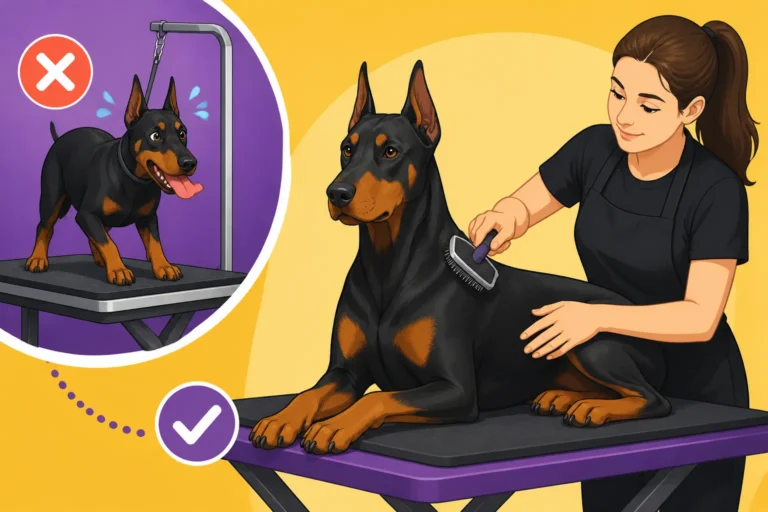
- Brush First: Before getting your Doberman wet, give them a thorough brush. This helps to remove loose hair, dirt, and any minor tangles (though rare with a Doberman's short coat). It makes the shampooing more effective and reduces clogging your drain.
- Gather Supplies: Have your shampoo, conditioner, towels, and a non-slip mat (if bathing in a tub) all within arm's reach. This prevents you from having to leave your Doberman unattended while wet and soapy.
- Use Lukewarm Water: Test the water temperature on your wrist. It should be pleasantly warm, not hot or cold. Dobermans don't have a thick coat to protect them from extremes.
- Wet Thoroughly: Start wetting your Doberman from the neck down, working your way to the tail. Make sure their coat is completely saturated before applying shampoo. Avoid getting water directly into their ears or eyes. For ear protection, you can gently place cotton balls in their ears, but remember to remove them afterward! Also be mindful of getting water or soap in their eyes.
- Shampoo and Lather: Apply a generous amount of shampoo and work it into a rich lather. Pay special attention to areas that tend to get dirtier, like their belly, paws, and under the tail. Gently massage the shampoo into their skin, rather than just scrubbing the coat, to ensure proper cleaning and circulation.
- Rinse, Rinse, Rinse! This is perhaps the most critical step. Residual shampoo can cause skin irritation, itching, and flaking. Rinse your Doberman thoroughly until the water runs clear and you can no longer feel any slipperiness from the shampoo. It often takes longer than you think!
- Condition (Optional but Recommended): If using conditioner, apply it after rinsing the shampoo, let it sit for the recommended time, and then rinse again just as thoroughly.
- Towel Dry Vigorously: Dobermans dry relatively quickly due to their short coats. Use large, absorbent towels to pat and rub them dry as much as possible. Many Dobermans love this part! You can also use a dog-specific blow dryer on a cool or low-heat setting if your dog tolerates it, but avoid using human hair dryers on high heat as they can burn their sensitive skin.
- Air Dry or Supervise: Let your Doberman air dry in a warm, draft-free area. If they're prone to zoomies after a bath, supervise them to prevent them from rolling in anything immediately after getting clean. You might even want to take them out for a quick, leashed potty break so they don't have an accident while they're still damp.
Post-Bath Care
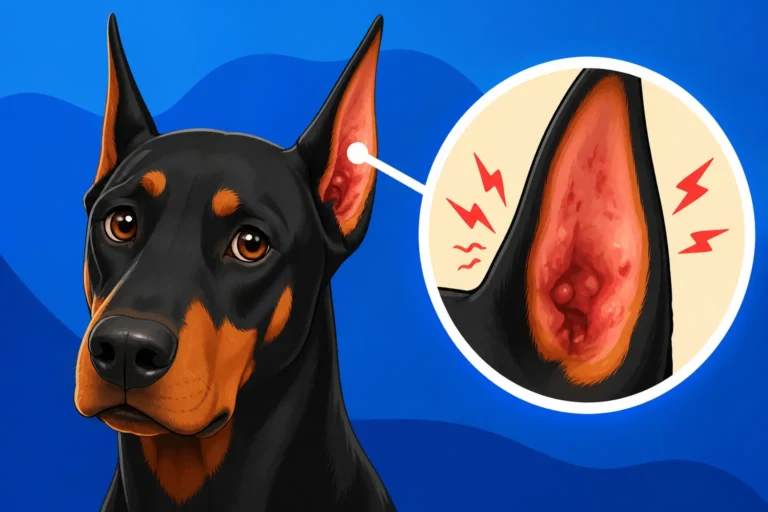
After bathing, a final brush helps to distribute any remaining natural oils and encourages a healthy shine. Check their ears for any moisture and gently clean the outer ear flap with a dog-safe ear cleaner, being careful not to go deep into the canal. This is especially important for Dobermans, as ear infections can be a recurring issue, especially for those with cropped ears. Chronic Ear Infections in a Cropped Doberman can be very uncomfortable for your dog. A good quality dog bed, perhaps one purchased from Amazon, can also help keep their clean coat from immediately picking up dust and debris from the floor.
By following these guidelines, you can ensure that your Doberman's bath time is an effective, gentle, and positive experience, keeping their coat gleaming and their skin healthy without overdoing it.
Disclaimer
This article is for general informational purposes only and does not constitute professional advice. Laws, prices and regulations vary by location and change over time. Consult a qualified professional for guidance on your specific situation.