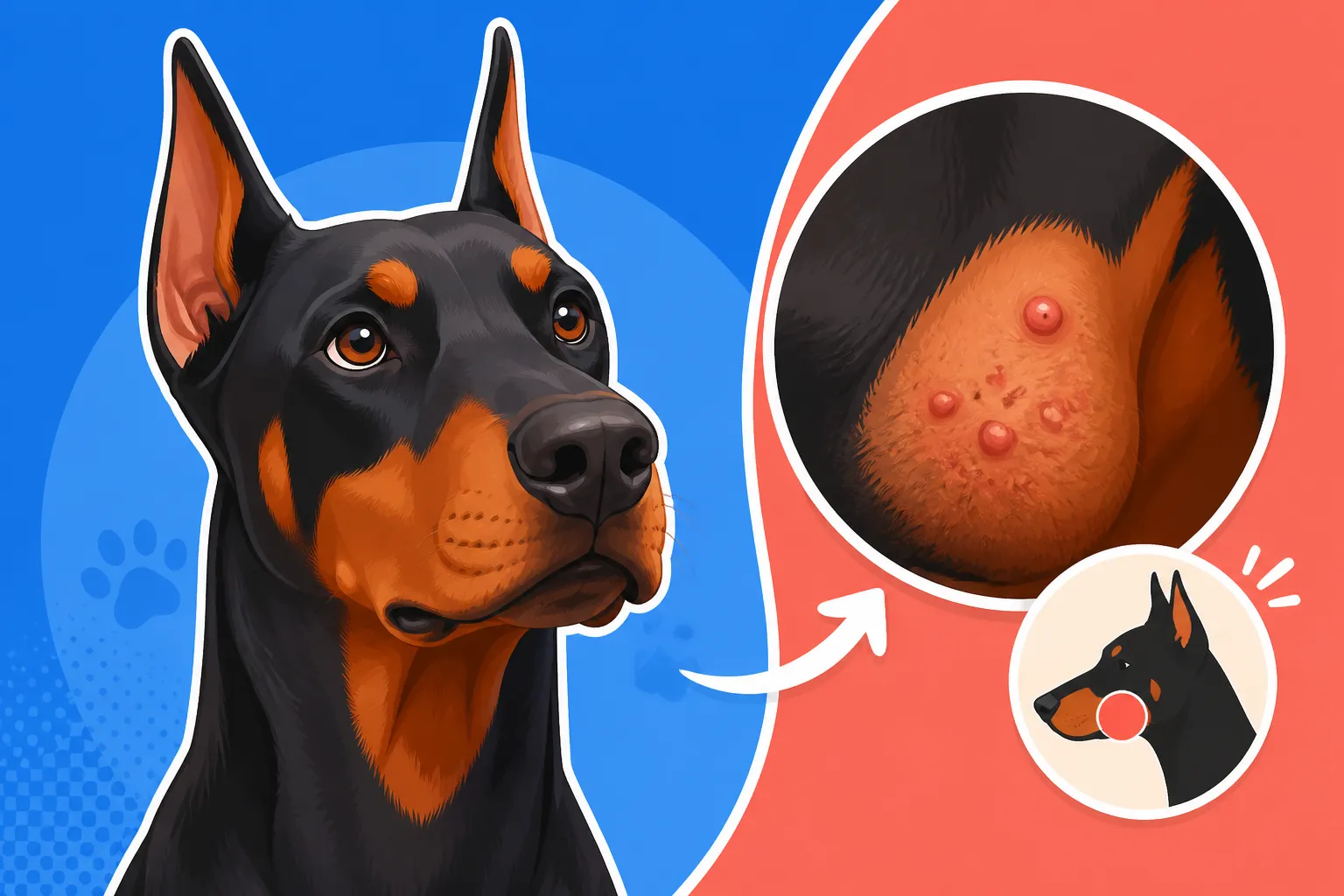
Whether a Doberman Gets Acne
It’s incredibly disheartening to see bumps and blemishes pop up on your Doberman's sleek, beautiful coat, especially when you're doing everything you can to keep them healthy. Many Doberman owners worry if these skin issues are "acne" and if it's a sign of a deeper problem. This guide will delve into why Dobermans can be prone to such skin concerns, what those bumps might actually be, and how to effectively manage them so your dog can be comfortable and radiant once more.
Understanding Doberman Skin: Why They're Prone to Issues
Dobermans are truly magnificent dogs, known for their striking appearance, elegant lines, and a coat that practically gleams when it's healthy. But that very short, fine coat and the delicate skin beneath it can also be a source of frustration for owners. Unlike breeds with thick double coats or coarse fur, Dobermans have unique dermatological vulnerabilities that make them more susceptible to certain issues that might mimic what we think of as acne.
The Unique Qualities of Doberman Skin and Coat
When you run your hand over a Doberman's back, you feel smooth, almost velvety skin beneath that tight, glossy coat. This isn't just for show; it's a defining characteristic of the breed. However, this minimalist coat comes with a trade-off. Dobermans typically lack the dense undercoat that many other breeds possess, which acts as a protective barrier against external irritants, temperature fluctuations, and minor scrapes. Their skin is relatively thin, making it less resilient to friction, moisture, and even certain environmental factors.
Think about it: a Doberman’s skin is more exposed. Where a Golden Retriever's thick fur might buffer a minor brush against a rough surface, a Doberman's thin skin could easily get a small scrape or irritation. This also means that external pathogens or allergens have a more direct route to causing trouble. Everyday things like lying on a rough carpet, wearing a poorly fitting collar, or even just residual moisture after a drink can impact their sensitive skin. This predisposition to irritation means that what might be a minor, unnoticed issue on another breed can become a full-blown skin concern on a Doberman.
Common Skin Concerns Beyond "Acne" in Dobermans
It's easy to look at a cluster of red bumps or pustules on your Doberman and immediately think "acne!" because it resembles what we see in humans. However, in dogs, especially Dobermans, these lesions are often indicative of a broader range of dermatological conditions. While true canine acne exists, many other skin problems can present similarly, making an accurate diagnosis by your veterinarian crucial.
One of the most common culprits is bacterial folliculitis, which is an inflammation of the hair follicles, usually caused by a Staphylococcus bacterial infection. This can manifest as small, red bumps, pustules, or even crusty patches, particularly in areas where hair is sparse or skin folds exist. Another condition is generalized pyoderma, which refers to a bacterial skin infection. This can range from superficial infections causing small pimple-like lesions to deep, painful infections with abscesses.
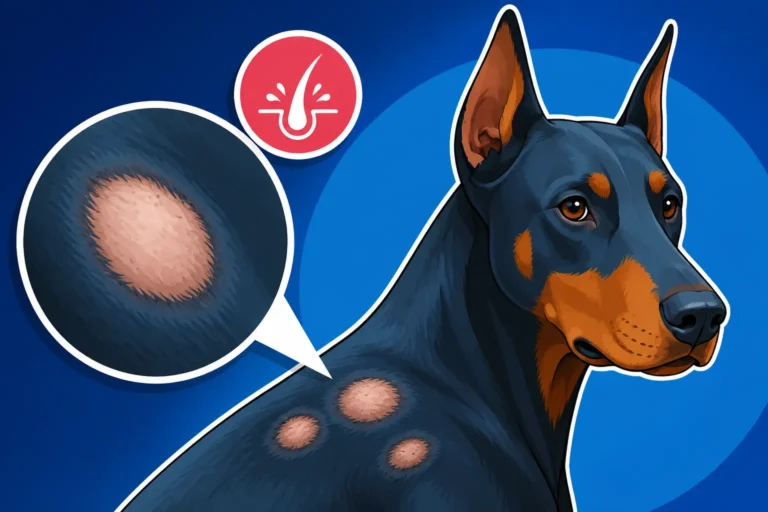
Then there are specific Doberman-related conditions. For instance, blue and fawn Dobermans, while stunning, are genetically predisposed to Color Dilution Alopecia in Blue and Fawn Dobermans. This condition leads to thinning coat and eventually bald patches, often accompanied by secondary bacterial infections that can certainly look like widespread acne. You might notice these Bald Patches on a Doberman Puppy's Face which can then develop into secondary bacterial issues. Similarly, contact dermatitis from irritants like certain cleaning products, plant matter, or even plastic food bowls can trigger a rash that quickly becomes infected, leading to an appearance of "acne." It’s a spectrum of issues, and understanding that not every bump is simply "acne" helps you prepare for a proper veterinary discussion.
Doberman "Acne" – What It Looks Like and What Causes It
So, you've noticed some perplexing spots on your Doberman. It’s natural to feel a bit alarmed, especially if they’ve always had flawless skin. Let’s break down what these blemishes typically look like and the various factors that can contribute to their unwelcome appearance. It’s not always as simple as a teenage breakout; often, it’s a confluence of factors unique to our Doberman friends.
Recognizing the Signs: Pimples, Blackheads, and Bumps
When Dobermans experience skin issues that owners often refer to as "acne," the signs can be quite varied. You might first notice small, red bumps, sometimes slightly raised and tender to the touch. These can progress to pustules, which are tiny, pus-filled lesions, much like human whiteheads. If you see dark, pinpoint spots, especially on the chin or around the lips, those could be comedones, essentially canine blackheads. These form when hair follicles become clogged with sebum (skin oil) and dead skin cells.
Common areas for these blemishes include the chin, muzzle, and lips, where the skin is often in contact with food, water, or ground surfaces. However, you might also find them on the chest, especially if your Doberman loves to press their chest against furniture or the ground, or even in the groin area. The appearance can be deceiving; sometimes, what looks like a simple pimple might be an infected hair follicle, or a small cyst. It's not uncommon for these initial bumps to become itchy or painful, leading your Doberman to scratch or rub, which only exacerbates the problem and can introduce further infection. This is why careful observation is key: are they localized or spreading? Are they red, crusty, or oozing? All these details help paint a clearer picture. You might even discover Blackheads and Comedones on a Doberman as a distinct problem separate from other bumps.
Unpacking the Causes: From Hormones to Hygiene
Pinpointing the exact cause of Doberman skin issues that resemble acne can be a bit like detective work, as several factors can contribute. It’s rarely just one thing, but rather a combination of predispositions and environmental triggers.
Juvenile Pyoderma/Puppy Acne
One very common form of "acne" in Dobermans, particularly in younger dogs, is often called juvenile pyoderma or puppy acne. This condition typically appears on the chin and lips of adolescent dogs, usually between 3 and 12 months of age. It’s thought to be related to hormonal changes during puberty, similar to how human teenagers experience breakouts. The hair follicles become inflamed and infected, leading to the characteristic red bumps and pustules. While it often resolves on its own as the dog matures, it can sometimes be severe enough to warrant veterinary intervention to prevent scarring or deeper infection. It’s a classic presentation that often causes new Doberman owners a fair bit of worry, but it's usually manageable.
Folliculitis
Beyond puppy acne, bacterial folliculitis can strike Dobermans of any age. This occurs when bacteria, often Staphylococcus, invade the hair follicles. It can start simply from a tiny scrape, an ingrown hair, or even constant rubbing against an abrasive surface. For Dobermans, their short coat means follicles are quite close to the surface, and their thin skin provides less protection. Irritation from things like stiff collars, rough bedding, or even repetitive behaviors like chin-resting on hard surfaces can trigger an inflammatory response in the follicles, creating an ideal environment for bacteria to proliferate and cause those angry-looking bumps.
Allergies
Allergies are another significant contributor to skin problems that can mimic acne in Dobermans. Dogs can suffer from environmental allergies (atopy) to things like pollen, dust mites, or molds, or food allergies to certain proteins or ingredients in their diet. When an allergic Doberman is exposed to an allergen, their immune system overreacts, leading to itchy, inflamed skin. This constant scratching, licking, and chewing damages the skin barrier, allowing opportunistic bacteria and yeast to move in and cause secondary infections. These secondary infections often manifest as red bumps, pustules, and crusts, which can be easily mistaken for acne. Identifying and managing underlying allergies is crucial for long-term skin health.
Poor Hygiene/Irritation
Sometimes, the simplest explanations are the correct ones. Poor hygiene or constant irritation can wreak havoc on a Doberman's sensitive skin. Imagine their chin constantly dipping into a dirty food bowl that harbors bacteria, or a plastic bowl that causes contact dermatitis. Residual food particles, saliva, and moisture around the muzzle can also create a breeding ground for bacterial and yeast overgrowth. Similarly, using harsh shampoos or cleaning products on their bedding can strip their skin of natural oils, leading to dryness and irritation, which then makes them more vulnerable to infection. Ensuring clean feeding areas, using appropriate grooming products, and being mindful of materials that touch their skin regularly are fundamental preventative steps. It really comes down to paying attention to the details that our Dobermans can't tell us about directly.
Practical Steps for Managing Doberman Skin Blemishes
Finding those unsightly bumps and inflamed patches on your Doberman can be frustrating, especially when you're dedicated to their well-being. The good news is that with the right approach, many skin blemishes, often mistaken for simple acne, can be effectively managed. It's a journey that usually involves a partnership with your veterinarian and consistent care at home.
Veterinary Diagnosis and Treatment Options
When you first notice skin issues that resemble acne on your Doberman, the very first and most important step is a trip to your veterinarian. Trying to self-diagnose based on internet searches can lead to incorrect treatments and prolong your dog's discomfort. Your vet will perform a thorough examination and likely recommend diagnostic tests to pinpoint the exact cause of the problem.
These tests might include:
- Skin Scrapes: To check for mites (like Demodex), which can cause folliculitis.
- Cytology: Examining cells under a microscope from the affected area to identify the presence of bacteria, yeast, or inflammatory cells. This is a quick and effective way to determine if an infection is present.
- Bacterial Culture and Sensitivity: If a bacterial infection is suspected, a swab might be sent to a lab to identify the specific bacteria and determine which antibiotics will be most effective against it.
Once a diagnosis is made, your vet will tailor a treatment plan. For bacterial infections, this often involves a course of oral antibiotics. They might also prescribe anti-inflammatory medications to reduce swelling and discomfort, especially if the lesions are painful. Topical treatments are also a cornerstone of management. These can include medicated shampoos, wipes, or gels containing ingredients like benzoyl peroxide, chlorhexidine, or salicylic acid, which help cleanse the skin, reduce bacteria, and open clogged follicles. These specialized products are typically much stronger and more effective than regular dog shampoos and can often be found through your vet or reputable pet supply retailers like Chewy or Amazon. Consistency in administering these treatments exactly as prescribed is paramount for success. Don't stop just because the skin looks better; complete the full course to prevent recurrence.
At-Home Care and Prevention Strategies
While veterinary treatment addresses the immediate issue, consistent at-home care and preventative measures are absolutely vital for maintaining your Doberman's skin health and preventing future breakouts. Think of it as an ongoing commitment to their sensitive nature.
Hygiene
This is perhaps one of the most impactful things you can control. Make sure your Doberman's food and water bowls are kept meticulously clean. Stainless steel bowls are often recommended over plastic, as plastic can harbor bacteria and some dogs can develop contact allergies to it. Wash bowls daily with hot, soapy water. After your Doberman eats or drinks, especially if they're a messy eater, gently wipe their muzzle and chin with a soft, damp cloth to remove any food residue or saliva that could irritate the skin or promote bacterial growth. This simple step can make a big difference, particularly for dogs prone to chin folliculitis.
Diet
A balanced, high-quality diet plays a foundational role in overall skin health. Ensure your Doberman is receiving adequate nutrition, including essential fatty acids like Omega-3s, which are vital for healthy skin and coat. Some Dobermans might have sensitivities or allergies to certain ingredients (like specific proteins) that can manifest as skin irritation. If food allergies are suspected, your vet might recommend a prescription hypoallergenic diet or an elimination diet trial. Options like those offered by Ollie, which focus on fresh, whole ingredients, can be excellent for supporting sensitive systems, but always discuss dietary changes with your vet, especially if allergies are a concern.
Topical Care
Beyond medicated treatments from your vet, gentle daily topical care can be beneficial. If your Doberman has occasional blackheads or mild bumps, warm compresses applied to the area for a few minutes can help open pores and soothe inflammation. For general cleansing, use dog-specific, mild, hypoallergenic shampoos, being careful not to over-bathe, as this can strip natural oils. If your Doberman is experiencing coat thinning or has very delicate skin, you might want to explore specific Shampoo That Helps a Bald Doberman or those designed for sensitive skin, potentially recommended by your vet or found on Chewy. Remember, aggressive scrubbing should be avoided, as it can further irritate the skin. You might also want to look into Medicated Baths for a Doberman With Coat Loss if their issues are widespread.
Environmental Control
Your Doberman's environment can also play a role. If allergies are a factor, try to minimize exposure to known allergens. This could mean more frequent dusting and vacuuming, using air purifiers, or changing laundry detergents used on their bedding. Ensure their sleeping areas are clean, dry, and comfortable, avoiding rough textures that could cause friction. Considering your Doberman's Wound Healing in a Doberman With Thin Skin is important when thinking about their environment, as even minor abrasions can become problematic.
By combining diligent veterinary care with these proactive at-home strategies, you can significantly improve your Doberman's skin health and keep those troublesome "acne"-like blemishes at bay.
Here's a quick overview of common Doberman skin issues that might look like acne:
| Skin Condition | Common Appearance | Primary Cause | Typical Location | Age Group |
|---|---|---|---|---|
| Juvenile Pyoderma | Red bumps, pustules, blackheads | Hormonal changes, bacterial infection | Chin, lips, muzzle | Puppies/Adolescents (3-12 mos) |
| Bacterial Folliculitis | Red bumps, pustules, crusts, itchy spots | Bacterial infection of hair follicles (e.g., Staph) | Chin, muzzle, chest, groin, pressure points | Any age, often secondary to irritation |
| Contact Dermatitis | Redness, rash, bumps, sometimes hives or pustules | Allergic reaction to environmental irritant | Areas of direct contact (e.g., chin from plastic bowl) | Any age |
| Allergic Dermatitis | Widespread redness, itchiness, bumps, secondary infection | Environmental or food allergies | Paws, groin, ears, armpits, face | Any age |
| Comedones/Blackheads | Small, dark, clogged pores | Excess sebum, clogged follicles, can be primary or secondary | Chin, muzzle, sometimes body | Any age |
When to Worry: Red Flags and Long-Term Outlook
It's one thing to deal with a few isolated bumps on your Doberman, but knowing when a skin issue crosses the line from a manageable nuisance to a serious health concern is critical. Their well-being often depends on our vigilance and understanding of when to escalate care.
Recognizing Serious Skin Issues
While many minor skin irritations and "acne"-like issues can be managed with conservative care, there are definite red flags that indicate a more serious underlying problem or a worsening condition. If you observe any of the following, it's time to contact your veterinarian immediately, or even seek emergency care if your Doberman's overall health appears compromised:
- Rapid Spreading or Worsening: If the lesions are quickly multiplying, spreading to new areas, or becoming significantly more inflamed and painful within a short period.
- Deep, Painful Sores: Bumps that develop into deep, open sores, abscesses, or oozing lesions are indicative of a deeper infection that requires aggressive treatment.
- Systemic Symptoms: If your Doberman is also showing signs of being generally unwell, such as fever, lethargy, loss of appetite, or difficulty breathing, this could mean the skin infection is impacting their whole system.
- Unresponsive to Treatment: If you've been diligently following a vet's prescribed treatment plan for several days or weeks and there's no improvement, or the condition actually worsens, it's crucial to reassess the diagnosis and treatment strategy. This could mean the initial diagnosis was incomplete, the bacteria are resistant to the antibiotics, or there's an undiagnosed underlying condition.
- Severe Itching or Self-Trauma: While some itching is normal, if your Doberman is constantly scratching, licking, or rubbing the affected areas to the point of causing further damage, bleeding, or hair loss, it significantly increases the risk of secondary infections and deep tissue damage.
Untreated or poorly managed skin infections can progress to more severe conditions like cellulitis, which is a rapidly spreading bacterial infection of the deeper layers of the skin and underlying tissues, or even sepsis in rare, severe cases. Given the Doberman's naturally thin skin, even seemingly minor lesions can escalate faster than you might expect in other breeds. Prompt attention to these red flags can prevent a much more serious health crisis.
Living with a Doberman Prone to Skin Problems
For many Dobermans, skin issues, whether it's genuine puppy acne or recurrent bacterial folliculitis, aren't a one-and-done situation. Some Dobermans are simply more predisposed to these problems due to genetics, allergies, or their unique skin type. Living with a Doberman prone to skin issues means embracing a lifestyle of ongoing management, vigilance, and patience.
The long-term outlook for Dobermans with "acne" or similar skin conditions is generally very good, provided owners are consistent with preventative care and responsive to early signs of trouble. This might mean:
- Regular Inspections: Make it a habit to routinely check your Doberman's skin, especially around the chin, muzzle, and areas prone to irritation. Catching a small bump early can prevent it from becoming a widespread problem.
- Strict Hygiene Routine: Continuing with daily muzzle wiping, ensuring ultra-clean food and water bowls, and using appropriate bedding will be a lifelong commitment.
- Dietary Management: If allergies are a factor, sticking to a specific diet, whether it's a limited ingredient option or a prescription formula, will be crucial.
- Tailored Grooming: Utilizing veterinarian-recommended shampoos and topical solutions for maintenance can keep their skin barrier healthy. Remember, a Washing a Doberman Without Stripping Its Skin is key to avoiding further irritation. You might notice Dandruff and Flaking on a Doberman if the skin barrier is compromised.
- Environmental Control: Minimizing exposure to known allergens or irritants in your home and yard will remain important.
- Open Communication with Your Vet: You'll likely develop a close relationship with your vet or even a veterinary dermatologist. Don't hesitate to reach out if you notice new symptoms or if existing issues don't respond as expected. They might suggest Daily Skin Routine for a Thinning Blue Doberman if your dog has genetic predispositions.
It's about understanding that your Doberman's skin is a sensitive ecosystem that needs constant nurturing. While it can feel like a lot of work, providing this consistent care means your Doberman can live a comfortable, happy life, free from chronic skin discomfort. It’s a testament to the dedication we have for these wonderful companions.
Disclaimer
This article is for general informational purposes only and does not constitute professional advice. Laws, prices and regulations vary by location and change over time. Consult a qualified professional for guidance on your specific situation.