Whether a Doberman Needs Deshedding
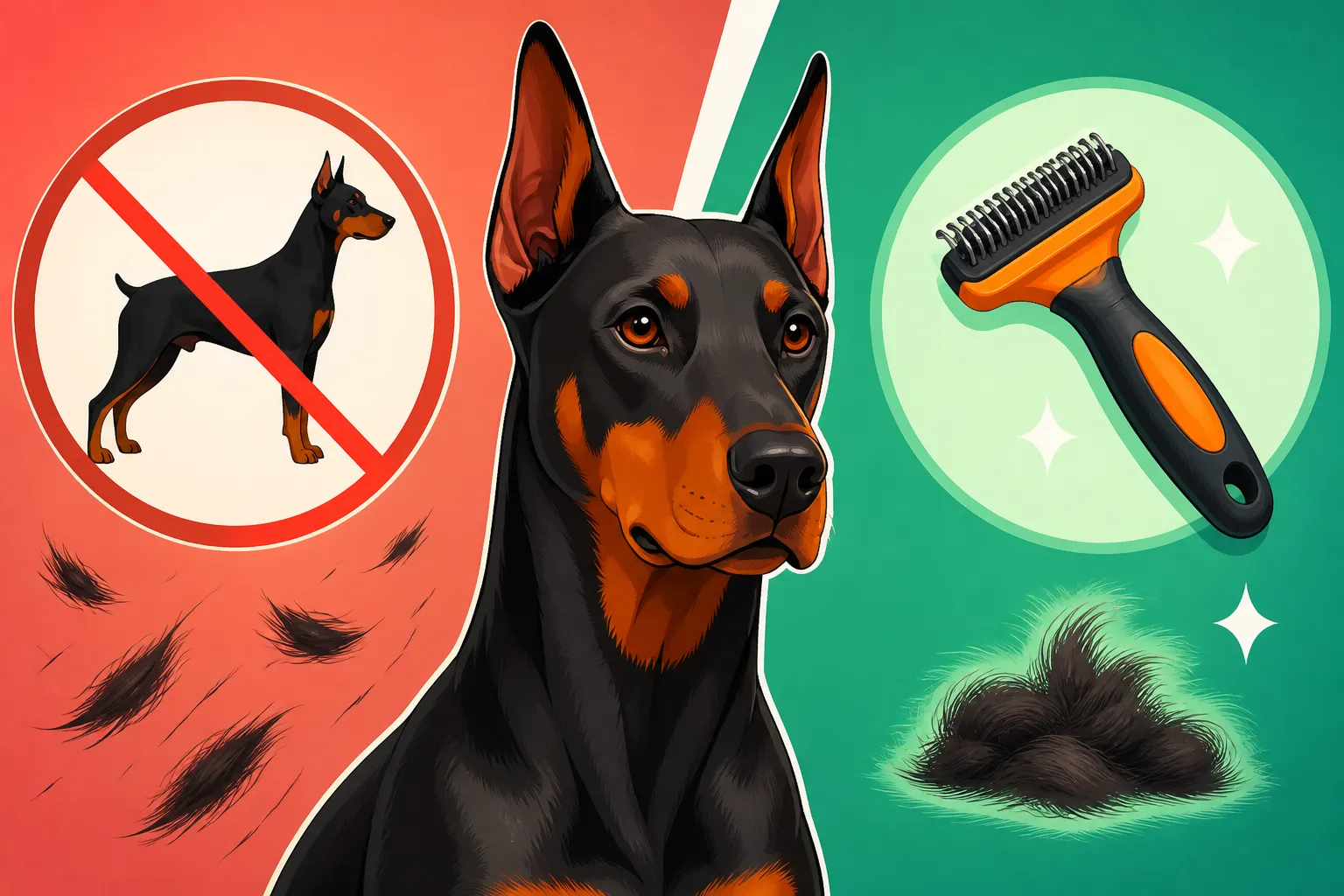
Doberman owners often wonder about the relentless, fine hairs that seem to permeate every surface, despite their dog's short, sleek coat. It's a common misconception that Dobermans don't shed much, or that if they do, a traditional deshedding treatment is the answer. This guide will dive deep into the unique characteristics of the Doberman coat, explain their shedding patterns, and provide practical, effective grooming strategies that actually work for this breed, moving beyond the myth of aggressive deshedding.
Understanding the Doberman Coat: More Than Just Short Hair
When you look at a Doberman, their coat just looks low-maintenance, doesn't it? It's short, it's sleek, it often has that gorgeous deep shine. It's easy to assume that such a coat wouldn't create much fuss, but beneath that elegant exterior lies a unique structure that makes Doberman shedding its own special challenge. Understanding this difference is key to knowing how to properly care for their coat and, more importantly, what tools and techniques not to use.
The Single-Coated Difference: No Undercoat Here
Unlike many popular breeds that boast a thick, insulating double coat (think German Shepherds or Huskies, whose fur can literally fly in drifts during shedding season), your Doberman proudly wears a single coat. This isn't just a fun fact; it fundamentally changes how they shed and, critically, how you should approach their grooming. A double-coated dog has a soft, dense undercoat beneath a coarser topcoat, designed to provide warmth and protection from the elements. When these dogs "blow their coat," they're shedding vast amounts of this undercoat, leading to impressive fur clouds and often necessitating specific deshedding tools and techniques to remove the dead fluff before it takes over your home. These tools are literally designed to rake out that deep, dead fluff.
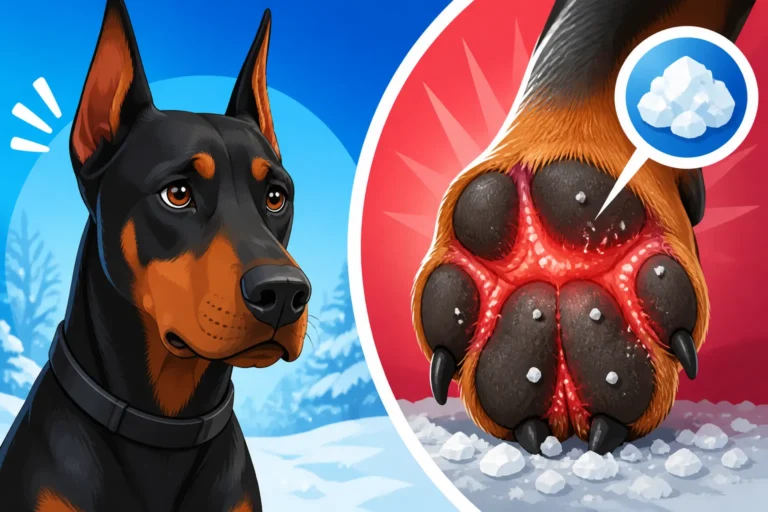
A Doberman, by contrast, completely lacks this insulating undercoat. Their entire coat is made up of uniform, short, stiff hairs that lie incredibly close to the body. This is what gives them their famously sleek, almost glossy appearance and why they feel the cold so acutely – there's simply no fuzzy layer keeping them warm. If you live in a colder climate, you already know the importance of a good winter coat for your Doberman, precisely because they don't have that natural insulation. This single-coat characteristic is also why traditional "deshedding" methods, like those formidable rakes designed to pull out soft undercoat, are not only ineffective but potentially damaging for a Doberman. There's nothing for them to "rake out."
Trying to "deshed" a Doberman with tools meant for undercoats would be like trying to rake leaves off a perfectly swept patio – you'd just be scraping the surface, irritating the skin, and potentially pulling out healthy hairs. Their short, dense topcoat simply doesn't have the structure to trap dead undercoat in the same way. Understanding this fundamental difference is the first step in approaching Doberman grooming with the right tools and expectations, saving you both frustration and unnecessary expense. You wouldn't use a snow shovel to sweep dust, and you shouldn't use an undercoat rake on a Doberman.
The Sleek, Fine Texture: A Unique Shedding Experience
The Doberman's coat isn't just short; it's also incredibly fine and stiff, creating a texture that feels almost like velvet but acts more like tiny needles when it sheds. These individual hairs are surprisingly robust for their size, which means they easily embed themselves into fabric – your couch, your car seats, your clothes, and even your skin. If you've ever tried to lint-roll a Doberman's shed hair off a fleece blanket, you know the struggle is very, very real. They don't form fluffy tumbleweeds like husky hair that you can easily pick up; instead, they become a pervasive, almost invisible layer that seems to weave itself into the very fibers of your belongings.
This unique texture means that while a Doberman might not shed as much volume as a double-coated breed, the hairs they do shed are particularly good at sticking to things and being incredibly difficult to remove. It’s a different kind of shedding challenge, one that many new Doberman owners aren't quite prepared for. You might not see big clumps of fur gathering in corners, but you'll constantly find individual hairs on everything you own, sometimes even feeling like a tiny pinprick when you lean against the sofa. It's a subtle but persistent presence in your home.
The sleekness also means there's nowhere for dead hair to "hide" on the dog. It quickly falls out, rather than getting trapped in a dense undercoat. This rapid shedding of individual hairs contributes to the "always shedding" feeling, even though the total amount of hair might be less than other breeds producing those fur clouds. It's about the type of hair and its dispersal, not necessarily the sheer quantity, that makes Doberman shedding so distinctive and, at times, exasperating. You learn to live with a certain amount of "Doberman glitter" as a badge of honor.
The Reality of Doberman Shedding: It's Constant, Not Cyclical
So, if Dobermans don't "deshed" in the traditional sense, what exactly do they do? The answer is simple: they shed. A lot. But it's a different kind of shedding than you might expect, and it requires a different approach to management. Forget seasonal preparations; Doberman owners are in for a year-round commitment to hair management.
Perpetual Motion: The Continuous Hair Turnover
Unlike many breeds that experience noticeable seasonal "blows" where they shed heavily for a few weeks in spring and fall, Dobermans operate on a more consistent, year-round shedding cycle. You won't typically wake up one morning to a sudden explosion of fur after a change in season. Instead, their short hairs are constantly being replaced, leading to a steady, low-level shedding every single day, without much dramatic fluctuation. This constant turnover means that while you might not have to prepare for a major shedding event, you'll always be dealing with some hair, no matter the time of year.
This continuous shedding can actually feel more frustrating for some owners, as there's no clear "end" to the shedding season. It's just always there, a subtle but persistent reminder of your Doberman's presence on every dark fabric item in your home. The individual hairs are so short and fine that they can be easily overlooked until they accumulate, or until you sit on a couch only to stand up covered in tiny, stiff bristles that seem impossible to remove. It's a testament to how perfectly their hair can embed itself into fabric.
This perpetual motion of hair means your grooming routine needs to be consistent too. Waiting for a "shedding season" to pass won't work for a Doberman because there isn't one in the traditional sense. Instead, regular, proactive grooming is the key to managing the constant hair turnover and minimizing its impact on your living space, allowing you to stay ahead of the game rather than constantly trying to catch up. A little bit every day goes a long way.
Fine Hairs Everywhere: The Doberman Glitter
One of the most defining and often exasperating aspects of Doberman shedding is the way their fine, stiff hairs seem to get absolutely everywhere. We affectionately call it "Doberman glitter" because these hairs are so pervasive and, once embedded, incredibly difficult to dislodge. They don't clump or ball up; instead, they weave themselves into carpet fibers, furniture upholstery, and clothing, almost becoming part of the fabric itself. It's a magic trick your Doberman performs daily – making hair disappear into everything.
This means that simply vacuuming or dusting isn't always enough to completely eradicate Doberman hair from your home. You'll find yourself investing in specialized pet hair vacuums, lint rollers by the dozen (and perhaps subscribing to a recurring order on Amazon!), and even certain types of rubber brushes or squeegees designed to lift embedded hair from carpets and upholstery. It’s a never-ending battle, but one that dedicated Doberman owners learn to manage with a combination of routine cleaning and the right tools. A good robot vacuum can be a lifesaver for daily maintenance, but even then, those hairs find a way.
The ubiquity of these fine hairs also impacts laundry. You'll quickly learn to shake out blankets and clothes before putting them in the washer to prevent hair from clogging your machine or transferring to other items. A good dryer sheet can sometimes help, but often, the most effective strategy is simply to embrace the fact that Doberman hair is now an intrinsic part of your home decor and wardrobe, a small price to pay for the immense joy and companionship they bring.
Factors Influencing Shedding: More Than Just Coat Type
While the Doberman's single coat is the primary reason for their unique shedding pattern, other factors can definitely dial the amount of hair up or down. A dog's overall health and diet play a huge role. If your Doberman is eating a high-quality, balanced diet rich in essential fatty acids (like Omega-3 and Omega-6), their skin and coat will be healthier, and shedding might be reduced. Conversely, a poor-quality diet or nutrient deficiencies can lead to a dull coat and increased shedding. Some owners choose specific brands that focus on skin and coat health, and options found on Chewy or from fresh food providers like Ollie can make a noticeable difference in the luster and health of their coat.
Stress and anxiety can also influence shedding. A Doberman under stress might shed more heavily than usual. Think about vet visits, moving to a new home, or even changes in routine; these can all trigger a temporary increase in hair loss. It’s the body's physiological response to feeling overwhelmed, and it's something to observe if you notice a sudden uptick in shedding without an obvious environmental cause. A Doberman that is constantly stressed, perhaps A Doberman That Cannot Cope When You Go Out, might also exhibit more shedding than one that is calm and settled.
Furthermore, underlying health conditions, even minor ones, can manifest as changes in coat quality and shedding. Skin allergies, parasites (like fleas or mites), fungal infections, or even systemic issues like thyroid imbalances can all cause excessive shedding or patchy hair loss. If your Doberman suddenly starts shedding much more than usual, or if their coat looks dull, dry, or has bald spots, it's always a good idea to consult your vet to rule out any medical issues. Monitoring The Thyroid Numbers That Slow a Doberman Down is a good habit for Doberman owners, as thyroid issues can definitely impact coat health.
Effective Grooming for a Doberman's Coat: Ditching the Deshedder
Since aggressive deshedding tools are a no-go, what do you do to keep that Doberman coat looking its best and minimize the "glitter" around your home? The answer lies in consistency, the right tools, and a holistic approach that includes diet and hygiene. It’s about working with their natural coat, not against it.
The Right Tools: Brushing for Shine, Not Stripping
Given that traditional deshedding tools designed for undercoats are out, what does work for a Doberman? The goal isn't to strip out dead undercoat, but to remove loose surface hairs, distribute natural skin oils, and stimulate circulation for a healthy, shiny coat. For this, you'll want tools that are gentle yet effective. A rubber curry brush or grooming mitt is often a Doberman owner's best friend. These tools gently massage the skin, loosening dead hairs and collecting them on the rubber nubs. They're fantastic for daily or every-other-day use, turning grooming into a pleasant, bonding experience for your dog. They make that short coat gleam!
Another excellent option is a soft bristle brush or a hound glove. These work similarly to the rubber tools, effectively sweeping away loose hairs and polishing the coat to a beautiful sheen. The bristles or fabric of the glove will pick up those fine hairs before they can settle on your furniture. You can find a wide variety of these tools on platforms like Amazon or Chewy, making it easy to experiment and find what your Doberman prefers. The key is consistency; short, frequent brushing sessions are far more effective than infrequent, long ones when it comes to managing Doberman glitter. Aim for a few minutes every day, and you'll notice a significant difference.
While some might be tempted by metal shedding blades or fine-toothed combs, exercise caution. These can be too harsh for a Doberman's single coat and delicate skin, potentially causing irritation or even razor burn, especially with repeated use. Stick to soft rubber, silicone, or natural bristles. The aim is to enhance their natural sleekness and minimize loose hair, not to aggressively strip a coat that isn't designed for it. The One Brush a Doberman Coat Needs is truly a gentle one that works with their unique coat type, not against it.
Bathing Practices: Supporting Skin and Coat Health
Bathing a Doberman isn't just about getting them clean; it's another opportunity to manage shedding and promote a healthy coat. While Dobermans don't need super frequent baths – usually every 4-6 weeks, or as needed if they get particularly dirty – a good bath can help loosen and remove dead hairs. Use a high-quality, moisturizing dog shampoo that is formulated for sensitive skin. Avoid harsh detergents or shampoos with strong perfumes, as these can strip natural oils and lead to dry, flaky skin, which in turn can exacerbate shedding. Think about what you'd use on your own skin; gentle is key.
During the bath, really work the shampoo into their short coat with your hands or a grooming mitt. This massage action helps to further loosen any dead hairs and allows the shampoo to penetrate and cleanse the skin beneath. Make sure to rinse thoroughly – any shampoo residue left on the skin can cause irritation and itching, which can lead to scratching and more shedding. After rinsing, a good conditioner can help lock in moisture, making the coat even softer and shinier. Towel dry vigorously to remove as much water as possible, and if your Doberman tolerates it, a cool setting on a hair dryer can help speed up the process and further fluff out any loose hairs for easier removal.
Remember that Washing a Doberman Without Stripping Its Skin is crucial. Over-bathing or using the wrong products can dry out their skin, leading to more flaking and potentially more shedding. If your Doberman has particularly sensitive skin or is prone to Dandruff and Flaking on a Doberman, consider hypoallergenic shampoos or those specifically designed for sensitive skin, often available from specialist pet stores or reputable online retailers. Your vet might even recommend a specific brand if they have known allergies.
Nutritional Support: Feeding for a Healthy Sheen
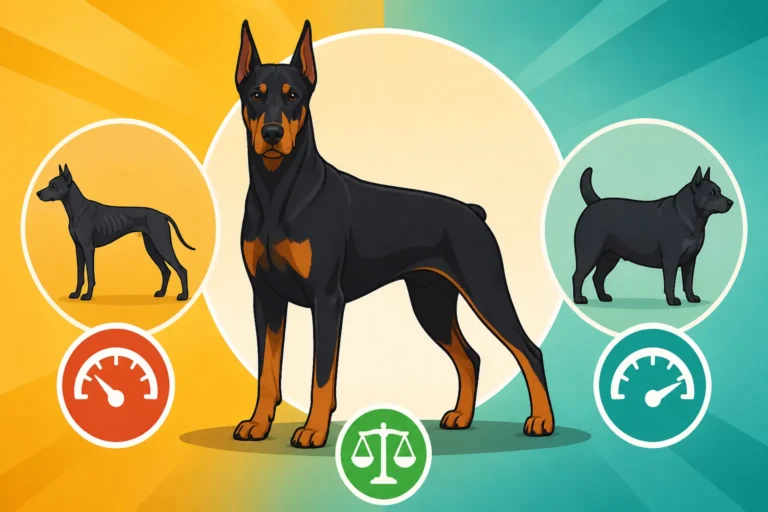
What goes into your Doberman's bowl has a direct impact on the quality of their coat and, consequently, how much they shed. A diet rich in high-quality protein, essential fatty acids (Omega-3 and Omega-6), and vitamins is paramount for healthy skin and a shiny, low-shedding coat. Look for dog foods where meat is the first ingredient and that clearly list sources of omega fatty acids, such as fish oil, flaxseed, or chicken fat. These are the building blocks for strong, healthy hair follicles.
Many Doberman owners find success with premium kibble brands, while others prefer fresh or raw diets. Companies like Ollie, for instance, focus on human-grade ingredients and balanced nutrition that can significantly improve skin and coat health. If you're considering a new food, always transition slowly over a week or two to avoid digestive upset. You might also consider adding a daily omega fatty acid supplement, like a good quality fish oil, to their food. These supplements can dramatically improve coat luster and reduce shedding by nourishing the skin from within. You can find high-quality supplements on Chewy or your local pet supply store.
Be cautious about trends like "grain-free" diets without a specific veterinary recommendation, as some studies suggest a potential link between certain grain-free formulas and cardiac issues in breeds like the Doberman. Whether Grain-Free Food Adds to Doberman DCM is a real concern for many owners, and it's always best to discuss any significant dietary changes or the addition of supplements with your veterinarian to ensure they are appropriate for your Doberman's individual health needs. The goal is to nourish their coat from the inside out, providing the building blocks for strong, healthy hairs that are less prone to breaking and shedding excessively.
When to Worry: Beyond Normal Shedding
While consistent shedding is a normal part of owning a Doberman, there are definite red flags that indicate something more serious than just everyday hair turnover. Knowing the difference between normal Doberman shedding and a potential health issue is vital for your dog's well-being. Don't dismiss significant changes as "just Doberman shedding."
Excessive or Patchy Hair Loss: Signs of Trouble
While consistent shedding is normal for a Doberman, there's a difference between routine hair turnover and excessive or patchy hair loss. If you notice a sudden, dramatic increase in shedding, or if your Doberman starts developing bald spots, thinning patches, or a dull, brittle coat, it's a clear signal that something might be amiss. This isn't just about needing a different brush; it's a call for veterinary attention. These symptoms can be indicative of a range of underlying health problems that need to be diagnosed and addressed, and often the skin is the first place these issues become visible.
Common culprits for abnormal hair loss include parasitic infestations like fleas, mites, or ringworm, which can cause intense itching and subsequent self-trauma leading to bald patches as your Doberman scratches or chews. Allergies, whether environmental, food-related, or contact allergies, often manifest with skin irritation, redness, and excessive shedding. Hormonal imbalances, such as hypothyroidism (an underactive thyroid), are particularly common in Dobermans and can lead to a dry, sparse coat and general lethargy. Keeping an eye on The Thyroid Numbers That Slow a Doberman Down is crucial for this breed.
Even nutritional deficiencies, autoimmune diseases, or stress can contribute to significant hair loss. Pay close attention to where the hair loss is occurring. Symmetrical hair loss, for instance, can often point to hormonal issues, while patchy, itchy spots might indicate parasites or allergies. Don't hesitate to contact your vet if you're concerned. Early detection and treatment can make a world of difference for your Doberman's comfort and long-term health, and catching these issues early can prevent them from becoming more severe.
Skin Irritations and Dryness: More Than Just Flakes
Beyond just hair loss, keeping an eye on your Doberman's skin is crucial. Their short, thin coat offers less protection, making their skin more vulnerable to irritation, dryness, and infections compared to breeds with thicker coats. Normal Doberman skin should be supple, clear, and free of redness, bumps, or excessive flaking. A little bit of dandruff, especially in dry winter air, might not be alarming, but widespread dry, flaky skin, accompanied by intense itching, scratching, or redness, warrants investigation. This could point to environmental dryness, allergies, or even bacterial or fungal skin infections that need professional treatment.
Signs of skin irritation might include constant scratching, licking or chewing at specific areas, red patches, pustules, scabs, or a greasy feeling to the skin. These are often precursors to secondary infections, which can then further complicate hair loss and overall discomfort. Regular visual checks of your Doberman's skin during grooming sessions can help you catch these issues early. Lift their short coat against the grain to get a good look at the skin underneath, especially in areas like the belly, armpits, and groin, where skin folds or less hair can make them more susceptible.
Treating skin issues often involves a multi-pronged approach, potentially including medicated shampoos, topical treatments, oral medications, or dietary changes. Addressing the underlying cause is key. For example, if allergies are suspected, your vet might recommend a limited ingredient diet or allergy testing. Providing good skin and coat care, including appropriate bathing and nutrition, forms the foundation of prevention, but knowing when to seek professional help is vital. Don't try to self-diagnose severe skin problems, as you might delay proper treatment.
Special Considerations for Blue and Fawn Dobermans
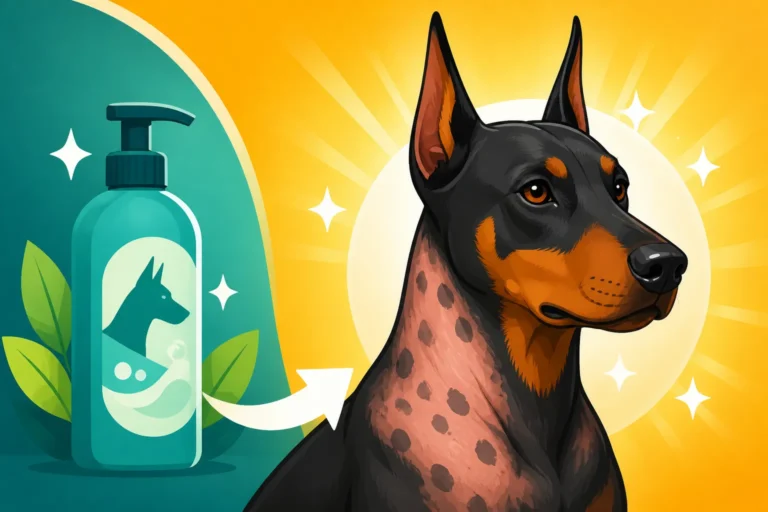
It's important to specifically address the unique coat challenges faced by Dobermans with dilute colors: blue and fawn. These colors are caused by a recessive gene that affects pigment distribution, and unfortunately, it's also linked to a condition called Color Dilution Alopecia (CDA). CDA is a genetic condition that results in poor hair shaft development, leading to brittle hair, breakage, and progressive hair loss, often starting as thinning in puppyhood or early adulthood. Color Dilution Alopecia in Blue and Fawn Dobermans is a well-documented and challenging condition for owners.
Dobermans with CDA will typically exhibit a dull, sparse coat, often with bald patches, particularly along the back, flanks, and neck. Their skin in these affected areas can become dry, flaky, and prone to secondary bacterial infections (folliculitis) because the compromised hair follicles can't provide proper protection. This is not normal shedding and cannot be managed with regular grooming. It requires ongoing management, often including specialized medicated shampoos, moisturizers, and sometimes antibiotics for recurring infections when the skin barrier is compromised. Medicated Baths for a Doberman With Coat Loss are a common part of their routine.
If you have a blue or fawn Doberman and you notice significant thinning or hair loss, it's crucial to consult your vet. While there's no cure for CDA, its symptoms can be managed to improve your dog's comfort and reduce the risk of secondary infections. This means diligent skin care, protective clothing in harsh weather, and careful monitoring for any signs of infection. Potential owners of blue or fawn Dobermans should be fully aware of the likelihood and implications of CDA before bringing one home; it's a significant commitment that needs careful consideration. Some even wonder Whether to Buy a Blue Doberman At All due to this persistent health concern.
Here's a table comparing Doberman coat care with that of typical double-coated breeds, highlighting why traditional deshedding isn't appropriate for a Doberman:
| Feature | Doberman Coat Care (Single Coat) | Double-Coated Breed Care (e.g., Husky, German Shepherd) |
|---|---|---|
| Coat Type | Single coat, short, sleek, fine; no undercoat. | Double coat, soft insulating undercoat, coarser topcoat. |
| Shedding Pattern | Constant, low-level, year-round shedding of individual hairs. | Seasonal "blows" of undercoat, heavy shedding 1-2 times/year. |
| Primary Shedding Issue | Fine, stiff hairs embed easily, hard to remove from fabric. | Large volumes of fluffy undercoat, creates "tumbleweeds." |
| "Deshedding" Tools | Not applicable; traditional deshedding tools can harm skin. | Essential; specific deshedding rakes, combs, and brushes. |
| Recommended Brushes | Rubber curry brushes, grooming mitts, soft bristle brushes. | Undercoat rakes, slicker brushes, metal combs, deshedding tools. |
| Bathing Impact | Helps loosen dead hairs, supports skin health; avoid over-bathing. | Helps loosen undercoat; crucial for heavy shedding periods. |
| Goal of Grooming | Remove loose hairs, distribute oils, maintain shine, healthy skin. | Remove dead undercoat, prevent matting, reduce household fur. |
| Specific Concerns | Cold sensitivity, delicate skin, Color Dilution Alopecia (dilutes). | Heat intolerance, matting, hot spots. |
Disclaimer
This article is for general informational purposes only and does not constitute professional advice. Laws, prices and regulations vary by location and change over time. Consult a qualified professional for guidance on your specific situation.