Shampoo for a Doberman With Dry Skin
Oh, the woes of dry, flaky skin on our beloved Dobermans! It’s a frustration many Doberman owners know all too well, especially when you feel like you've tried everything and that sleek, shiny coat you adore is looking dull and itchy. This guide is here to walk you through understanding why your Doberman might be experiencing dry skin, how to choose the right shampoo, and integrate other care steps to bring back that healthy, supple skin and lustrous coat.
Understanding Your Doberman's Unique Skin and Coat
When you look at a Doberman, you see that short, dense, and incredibly sleek coat. It's one of their defining features, but it also comes with its own set of care requirements. Unlike many breeds with thick undercoats, Dobermans have a single layer of hair, which makes them feel the cold more easily and means their skin is more exposed to the elements. This unique coat structure plays a huge role in why they can be prone to dry skin.
The Doberman's Thin Coat and Exposed Skin
Think about it: a Doberman's coat offers less natural insulation and protection compared to a double-coated breed. This isn't just about keeping warm; it's about skin integrity. Their skin, while tough, is directly beneath that fine layer of hair. This means environmental factors, bathing practices, and even internal health issues can impact it more directly. You might notice areas of thinning coat, especially on their flanks or chest, making the skin even more vulnerable. This inherent characteristic means we, as their caregivers, need to be extra diligent about protecting and nourishing their skin from the outside in, and the inside out. It's a common misconception that because their coat is short, it requires less attention; in fact, the opposite can often be true for their skin health.
Common Causes of Dry Skin in Dobermans
Dry skin isn't just one thing; it can stem from a variety of sources, and often it’s a combination. Understanding the potential culprits is the first step in finding the right solution.
- Environmental Factors: This is a big one. Dry air, especially during winter months when indoor heating is blasting, can strip moisture from human and canine skin alike. Living in an arid climate can also contribute year-round. Harsh sun exposure, without adequate protection, can also dry out their delicate skin, sometimes even leading to sunburn. Consider if your Doberman spends a lot of time on hard, abrasive surfaces that might rub and irritate their skin, or in environments with low humidity.
- Nutritional Deficiencies: A diet lacking in essential fatty acids, like Omega-3s and Omega-6s, can manifest as dry, flaky skin and a dull coat. Many commercial kibbles might not contain adequate levels or the right balance of these crucial nutrients. Even if a diet claims to be "complete," the bioavailability or quality of ingredients can make a difference. If you're feeding a diet that's heavy on fillers or highly processed, your Doberman's skin might be telling you it needs more. You might be surprised how much Omega Oils for a Doberman With Coat Loss can help.
- Frequent or Improper Bathing: We mean well, don't we? But bathing too often, using shampoos with harsh detergents, or not rinsing thoroughly can wreak havoc on your Doberman’s natural skin oils. Hot water can also be incredibly drying. It's a delicate balance to keep them clean without stripping their protective barrier. Sometimes, it’s not the frequency, but the type of shampoo or the method of rinsing that causes the problem.
- Allergies: Just like us, Dobermans can suffer from environmental allergies (pollen, dust mites), food allergies, or contact allergies (to certain fabrics, cleaning products). These often present with itching, redness, and secondary skin infections, but dry, irritated patches are a common symptom. The constant scratching from allergies further damages the skin barrier, leading to more dryness and inflammation.
- Underlying Health Conditions: Sometimes, dry skin is a red flag for something deeper. Hypothyroidism, where the thyroid gland doesn't produce enough hormones, can lead to dry skin, hair loss, and a dull coat. Certain genetic conditions, including Color Dilution Alopecia in Blue and Fawn Dobermans, can also cause very dry, flaky skin alongside coat issues. Parasites like mites can also cause intense itching and subsequent dryness. If you’ve exhausted environmental and dietary changes, a vet visit is always a good idea to rule out these possibilities.
Identifying Dry Skin on Your Doberman
Before you can treat dry skin, you need to be sure that's what you're dealing with. It's not always obvious, especially on a black or dark-colored Doberman where flakes might blend in or be less noticeable. Catching the signs early can prevent more significant discomfort for your dog.
Visual and Tactile Clues
Your Doberman's skin and coat often tell a story if you know what to look for. Don't be afraid to get your hands on them and really examine their skin.
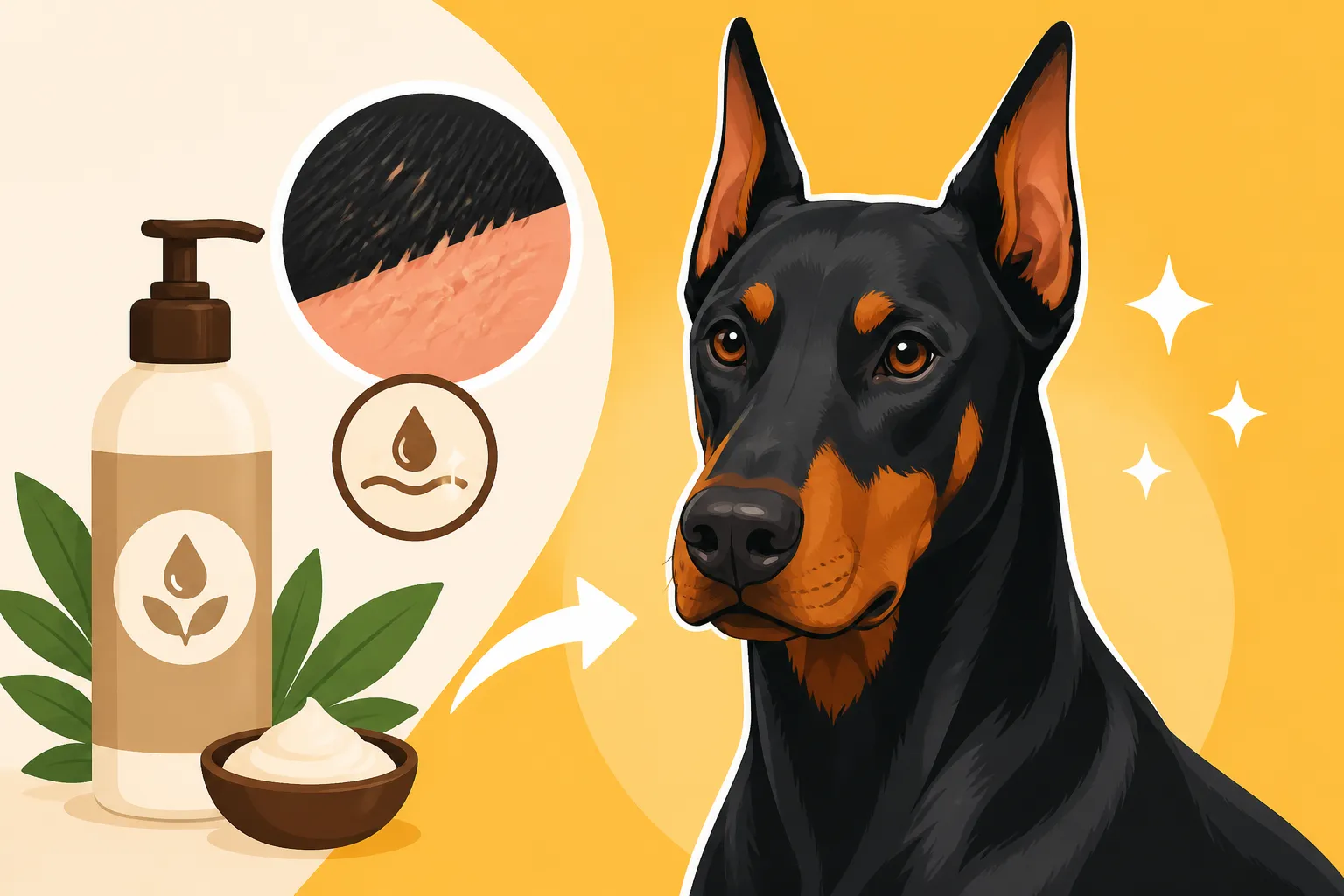
- Flaking and Dandruff: This is perhaps the most classic sign. You'll see small, white or grayish flakes on their coat, especially along their back, tail base, or flanks. These flakes are dead skin cells shedding prematurely due to dryness. Sometimes, they're most visible after a good scratch or when you gently brush against the direction of their hair growth. It can be particularly evident on darker coats, looking almost like a dusting of snow. This isn't just cosmetic; it indicates the skin isn't retaining moisture as it should.
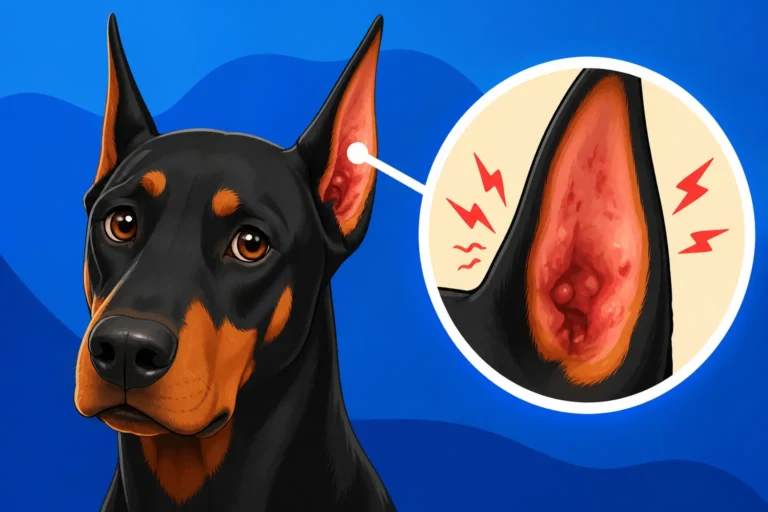
- Redness and Irritation: Dry skin can quickly become irritated. You might notice pinkish or reddish patches, particularly in areas your Doberman frequently licks or scratches, such as the armpits, groin, or belly. This redness is a sign of inflammation, and if left unchecked, can lead to secondary bacterial or yeast infections. Check between their paw pads too, as they can also become dry and cracked.
- Dull Coat and Hair Loss: A healthy Doberman coat should be shiny and smooth. Dry skin often leads to a dull, brittle, or coarse-feeling coat. If you run your hand over their back, it might feel rougher than usual. In more severe cases, excessive scratching or prolonged dryness can lead to noticeable hair loss in patches, further exposing the already compromised skin. This can be localized or more generalized, depending on the cause. For more specific issues, you might want to read about Hair Loss on a Blue Doberman.
- Thickened or Leathery Skin: In chronic cases of dry skin and irritation, the skin can actually thicken and develop a leathery texture (a condition called lichenification). This is usually seen in areas of persistent scratching or rubbing, and it's a clear indicator that the skin has been battling dryness and inflammation for a while.
- Excessive Itching and Licking: While not exclusively a sign of dry skin, if your Doberman is constantly scratching, licking, or chewing at certain areas, it’s a strong indicator of discomfort. This can create a vicious cycle: dry skin causes itching, itching causes scratching, and scratching further irritates and dries out the skin. Pay attention to how often they're scratching and if it seems out of proportion to typical grooming.
When to Seek Veterinary Advice
While many cases of dry skin can be managed at home, there are times when a visit to the vet is absolutely necessary. Don't hesitate if you observe any of the following:
- Persistent Itching: If your Doberman’s itching is relentless, keeping them up at night, or interfering with their daily life, it's time for professional help. Persistent scratching can lead to open sores, infections, and significant discomfort.
- Skin Infections: Redness, pus-filled bumps, scabs, a foul odor, or hot spots are all signs of a secondary bacterial or yeast infection. These require veterinary diagnosis and treatment, which might include antibiotics, antifungals, or medicated shampoos.
- Widespread Hair Loss: If the hair loss is extensive, rapidly progressing, or accompanied by other symptoms like lethargy, changes in appetite, or weight fluctuations, it could indicate a systemic health issue that needs investigation.
- No Improvement with Home Care: If you’ve been diligently trying home remedies and appropriate shampoos for a few weeks and see no improvement, or if the condition worsens, it’s crucial to get a professional opinion. Your vet can conduct tests to rule out allergies, hormonal imbalances, parasites, or other underlying conditions. They might suggest a prescription-strength medicated shampoo or other treatments.
Choosing the Right Shampoo for Your Doberman with Dry Skin
This is where the rubber meets the road! Selecting the correct shampoo is paramount. It’s not just about getting them clean; it’s about restoring and maintaining their skin’s natural barrier. Avoid anything overly perfumed or harsh.
Key Ingredients to Look For
When you're scanning those ingredient lists, these are the heroes you want to see for dry Doberman skin:
- Oatmeal: Colloidal oatmeal is a classic for a reason. It's a natural anti-inflammatory and soothing agent that helps relieve itching and irritation. It creates a protective barrier on the skin, locking in moisture and calming redness. Look for shampoos where oatmeal is a primary ingredient, not just a minor additive. It's excellent for general soothing and mild dryness.
- Aloe Vera: Known for its healing and moisturizing properties, aloe vera can help soothe irritated skin, reduce inflammation, and promote healing. It’s gentle and hydrating, making it a wonderful addition to any dry skin shampoo. Ensure it's pure aloe vera, not just a fragrance component.
- Humectants (Glycerin, Urea, Hyaluronic Acid): These ingredients attract and hold moisture from the air, drawing it into the skin. Glycerin is very common and effective. Hyaluronic acid is more potent but less common in dog shampoos. They help rehydrate the skin and keep it supple.
- Emollients (Ceramides, Fatty Acids, Lanolin, Coconut Oil, Shea Butter): Emollients are essential for sealing in moisture and creating a protective barrier on the skin's surface. Ceramides are particularly effective as they are natural lipids found in healthy skin. Fatty acids, like those found in coconut oil or shea butter, can also replenish the skin's lipid layer. These are the ingredients that help prevent further moisture loss.
- Mild Surfactants (Cocamidopropyl Betaine, Decyl Glucoside): While you need something to clean, you want gentle cleansing agents. These mild surfactants create lather and lift dirt without stripping the skin of its natural oils. Avoid harsh sulfates like Sodium Lauryl Sulfate (SLS) or Sodium Laureth Sulfate (SLES) if your Doberman has dry skin, as they can be too aggressive.
Ingredients to Avoid
Just as important as knowing what to look for, is knowing what to skip. These ingredients can exacerbate dry skin and cause further irritation:
- Sulfates (Sodium Lauryl Sulfate, Sodium Laureth Sulfate): We mentioned them above, but they bear repeating. These are strong detergents that create a lot of lather but can be incredibly drying and irritating to sensitive skin. They strip away natural oils, leaving the skin vulnerable.
- Artificial Fragrances and Dyes: While a "fresh scent" might appeal to us, these are common irritants and allergens for dogs. They offer no benefit to skin health and can often trigger itching, redness, and dryness. Opt for fragrance-free or naturally scented products (e.g., with essential oils known for skin benefits, but even then, use caution).
- Alcohol: Unless it's a specific medicinal alcohol used as a solvent in a very small quantity (and prescribed by a vet), avoid alcohol in shampoos. It's a drying agent that can strip moisture from the skin.
- Harsh Chemicals and Preservatives (Parabens, Phthalates): These can be irritating and potentially harmful over time. Look for more natural or gentle preservation systems.
Types of Shampoos to Consider
Different shampoos are formulated for different needs. Think about the severity of your Doberman's dry skin.
- Moisturizing Shampoos: These are your go-to for general dry skin, dull coats, and mild flaking. They are packed with humectants and emollients to rehydrate and nourish the skin. Brands like Earthbath or Burt's Bees often have good moisturizing options. You can find a wide variety of these on platforms like Chewy or Amazon.
- Oatmeal Shampoos: Specifically formulated with colloidal oatmeal, these are excellent for soothing itchy, irritated skin associated with dryness or mild allergies. They provide immediate relief and help calm inflammation.
- Hypoallergenic Shampoos: If you suspect allergies are contributing to the dry skin, a hypoallergenic formula is a safe bet. These are typically fragrance-free, dye-free, and formulated with a minimal number of ingredients to reduce the risk of allergic reactions.
- Medicated Shampoos (Vet-Recommended Only): If your Doberman's dry skin is severe, leading to infection, or is a symptom of an underlying condition (like seborrhea), your vet might recommend a medicated shampoo. These can contain ingredients like chlorhexidine for bacterial infections, miconazole for yeast, or salicylic acid for excessive scaling. Never use a medicated shampoo without veterinary guidance, as they are powerful and need to be used correctly.
Bathing Techniques for a Doberman with Dry Skin
It's not just what you use, but how you use it. Your bathing technique can make a huge difference in managing and improving your Doberman’s dry skin. This is about being gentle, thorough, and mindful of moisture.
Pre-Bath Preparation
A little prep work goes a long way to ensure a smooth, effective, and less stressful bath, especially when dealing with sensitive skin.
- Brush Thoroughly: Before your Doberman even steps into the tub, give them a good, thorough brushing. This helps remove loose hair, dirt, and any shedding flakes, allowing the shampoo to reach the skin more effectively. It also prevents mats (though less common in Dobermans, still possible) and can be a relaxing massage, setting a positive tone. Doberman Grooming on a Coat With No Undercoat can offer more tips.
- Gather Your Supplies: Have everything you need within arm's reach: shampoo (perhaps diluted), conditioner (yes, even for Dobermans!), towels, a non-slip mat for the tub, and plenty of treats. This minimizes stress for both of you and prevents you from having to leave your wet Doberman unattended.
- Dilute Shampoo: Many good quality shampoos are concentrated. Diluting your chosen shampoo with water (check bottle instructions, but usually 1 part shampoo to 5-10 parts water) makes it easier to distribute evenly, helps it lather better, and ensures easier rinsing. This is particularly beneficial for sensitive, dry skin, as it reduces the concentration of even mild cleansing agents directly on the skin.
The Gentle Bathing Process
Think of this as a spa treatment for their skin, not just a quick wash.
- Water Temperature: Use lukewarm water – not hot, not cold. Hot water can strip the skin’s natural oils and increase dryness, while cold water can be uncomfortable. Test the water on your inner wrist to ensure it's a pleasant temperature.
- Thorough Wetting: Completely saturate your Doberman’s coat and skin. Work the water down to the skin, making sure no area is missed. This primes the skin and allows the diluted shampoo to spread easily.
- Apply Shampoo Gently: Start applying the diluted shampoo, working it into a lather. Use your fingertips to gently massage the shampoo into their skin, paying extra attention to dry, flaky, or itchy areas. Avoid scrubbing harshly, as this can irritate already dry skin. Work from neck to tail, then down the legs. Remember their belly and armpits!
- Allow Contact Time: Many moisturizing or soothing shampoos benefit from a few minutes of contact time to allow the active ingredients to work their magic. Read your shampoo’s instructions, but typically 5-10 minutes is ideal. This isn't just about cleaning; it's about conditioning the skin.
- Rinsing, Rinsing, Rinsing! This is perhaps the most crucial step for dry skin. Residual shampoo can irritate and dry out the skin, leading to more flaking and itching. Rinse, and then rinse again. And then think about rinsing one more time. Squeeze the water from their coat and feel the skin for any suds or slippery residue. Continue until the water runs completely clear and their coat feels squeaky clean, not slick. Dandruff and Flaking on a Doberman can be made worse by poor rinsing.
- Follow with a Conditioner: Yes, Dobermans benefit from conditioner, especially if they have dry skin. A good quality conditioner will help lock in moisture, detangle (if needed), and replenish oils. Apply it the same way you did the shampoo, ensuring good skin contact, and allow it to sit for a few minutes before rinsing thoroughly.
Drying Correctly
How you dry your Doberman matters just as much as how you wash them.
- Towel Dry Vigorously: As soon as they are out of the tub, use a super-absorbent towel to blot and rub away as much excess water as possible. Dobermans don't have a lot of coat to hold water, but getting them as dry as you can quickly is good.
- Air Dry or Low-Heat Dryer: Ideally, allow your Doberman to air dry in a warm, draft-free room. If using a blow dryer, always use the coolest setting possible, or a "no heat" setting. Direct hot air can dry out their skin very quickly. Keep the dryer moving constantly to avoid concentrating heat in one spot.
- Moisturize Post-Bath (Optional but Recommended): For very dry areas, you might consider a veterinary-approved leave-on moisturizing spray or balm after bathing and drying. These can provide an extra layer of hydration and protection, especially in problem spots.
| Step | Action | Why It Helps Dry Skin |
|---|---|---|
| Pre-Bath Brush | Removes loose debris and dander. | Allows shampoo to penetrate skin, prevents matting that can trap irritants. |
| Lukewarm Water | Avoids extreme temperatures. | Hot water strips natural oils; cold water is uncomfortable and less effective. |
| Dilute Shampoo | Mix shampoo with water before applying. | Ensures even distribution, gentler cleansing, and easier rinsing. |
| Gentle Massage | Work shampoo into the skin with fingertips. | Cleanses without irritating, stimulates circulation, ensures skin contact. |
| Contact Time | Allow shampoo/conditioner to sit for 5-10 minutes. | Gives active ingredients time to soothe and moisturize the skin. |
| Thorough Rinse | Rinse until no residue remains. | Residual shampoo is a common cause of irritation and dryness. |
| Conditioner | Apply after shampoo, rinse thoroughly. | Replenishes moisture, seals the skin barrier, improves coat health. |
| Towel/Air Dry | Blot with towels, allow to air dry or use cool dryer. | Avoids heat damage and over-drying the skin from hot air. |
Complementary Skin Care for Lasting Relief
Shampoo is a powerful tool, but it's part of a bigger picture. To truly tackle dry skin on your Doberman, you need to look at their overall environment and internal health. It’s a holistic approach that often yields the best, long-term results.
Diet and Supplements for Skin Health
What goes into your Doberman significantly impacts what comes out on their skin and coat. Nutrition is often overlooked but is a cornerstone of healthy skin.
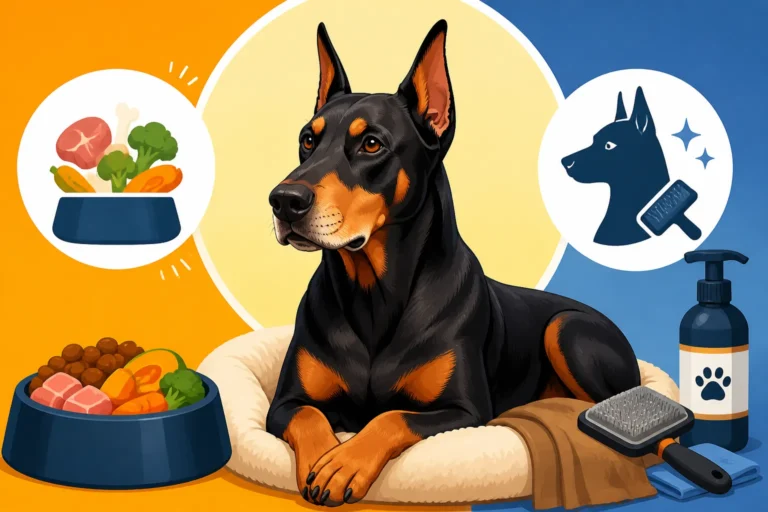
- High-Quality Diet: Start with a premium dog food that lists real meat as the first ingredient and avoids excessive fillers, artificial colors, and preservatives. A diet rich in digestible protein and healthy fats is crucial. Consider fresh food options, which often have higher quality ingredients and fewer processed components. Brands like Ollie often focus on human-grade ingredients that can be beneficial for overall health, including skin and coat.
- Omega Fatty Acid Supplements: These are non-negotiable for Dobermans with dry skin. Omega-3 (from fish oil, krill oil, or algal oil) and Omega-6 (from plant oils like sunflower or safflower) fatty acids are essential for maintaining skin barrier function, reducing inflammation, and promoting a healthy, shiny coat. Ensure the supplement is specifically formulated for dogs and has a good balance of EPA and DHA. You can often find high-quality fish oil supplements on Chewy or Amazon.
- Vitamin E: This antioxidant can help protect skin cells from damage and support overall skin health. It's often found in good quality dog foods, but supplements can be added under veterinary guidance, especially in cases of chronic dry skin.
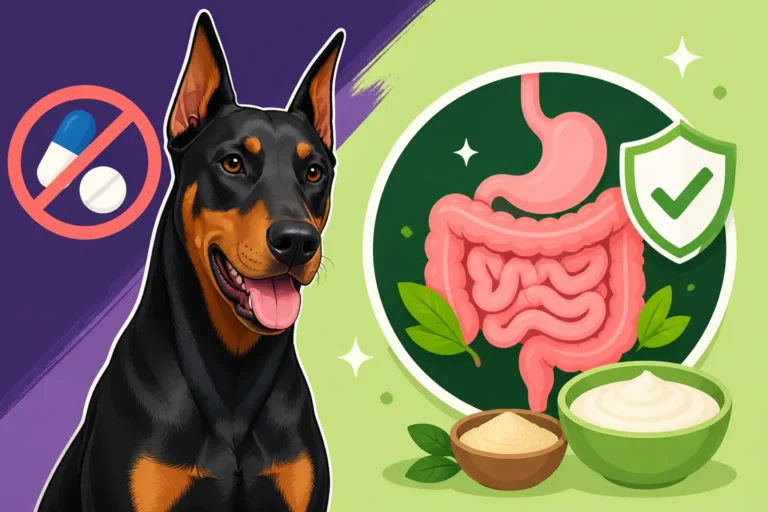
- Probiotics: A healthy gut often translates to healthy skin. Probiotics can support the immune system and help manage allergies that might be contributing to skin issues.
Environmental Adjustments
Your home environment can either exacerbate or alleviate dry skin. Make a few simple changes to create a more skin-friendly space for your Doberman.
- Humidifiers: If you live in a dry climate or use indoor heating frequently, a humidifier can add much-needed moisture to the air. This helps prevent the air from drawing moisture out of your Doberman's skin, especially overnight when they're sleeping. Place it in the room where your Doberman spends the most time.
- Soft Bedding: Ensure your Doberman has soft, comfortable bedding. Rough surfaces can irritate their skin and cause friction, especially on elbows and hocks. Look for breathable materials that won't trap moisture or heat, but still provide cushioning, like orthopedic beds which are great for Beds That Cushion a Bony Doberman.
- Limit Allergen Exposure: If environmental allergies are suspected, try to limit exposure to known triggers. This might mean more frequent vacuuming, using air purifiers, or wiping your Doberman's paws and belly after outdoor excursions during peak allergy seasons.
Regular Grooming Beyond Bathing
Even with the perfect shampoo, consistent daily and weekly care is vital.
- Daily Brushing: Gentle, daily brushing with a soft rubber curry brush or a hound glove stimulates blood flow to the skin, distributes natural oils, and removes loose hair and flakes. It’s a wonderful way to bond with your Doberman and keep their coat healthy between baths. This also helps with Dandruff and Flaking on a Doberman.
- Paw Pad Care: Dobermans can get dry, cracked paw pads, especially if they walk on hot pavement or abrasive surfaces. Consider using a paw balm or moisturizer to keep them supple.
- Avoid Over-Washing: While it's tempting to bathe an itchy dog more frequently, resist the urge. For Dobermans with dry skin, bathing every 3-4 weeks is often sufficient, unless they get particularly dirty. If they need freshening up between baths, consider a waterless shampoo or a damp cloth wipe-down.
Disclaimer
This article is for general informational purposes only and does not constitute professional advice. Laws, prices and regulations vary by location and change over time. Consult a qualified professional for guidance on your specific situation.