Drying a Doberman After a Winter Bath
That biting chill of winter air combined with a freshly bathed Doberman can feel like a recipe for disaster. You've just gone through the effort of getting them clean, only for them to emerge from the tub a shivering, damp mess, desperate to burrow under your duvet. This guide is here to walk you through a foolproof method for efficiently and safely drying your Doberman after a winter bath, ensuring they stay warm, healthy, and happy.
The Unique Challenges of Winter Doberman Baths
Bathing your Doberman in the colder months presents a set of challenges that owners of other breeds might not fully appreciate. It’s not just about a wet dog; it’s about a dog that is particularly vulnerable to the cold and the potential health implications of staying damp. Understanding these unique factors is the first step to a successful winter grooming routine.
Why Dobermans Feel the Cold So Much
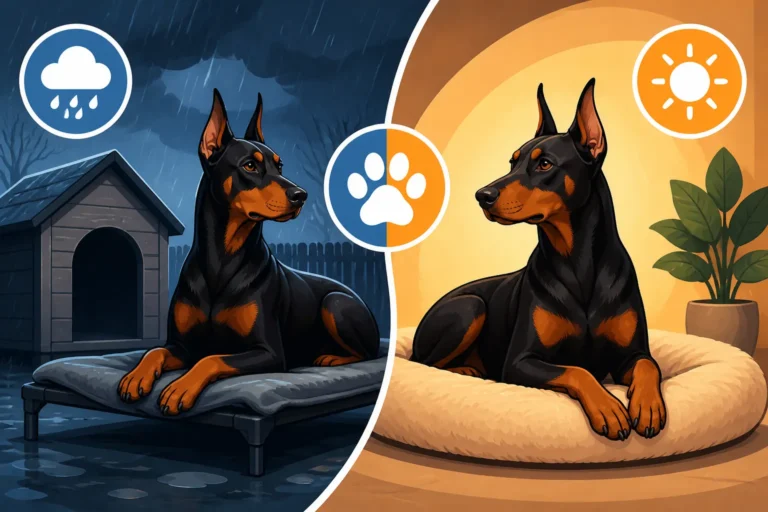
Our beloved Dobermans aren't built for frosty weather, and it's something every owner quickly learns. Unlike breeds with thick double coats or ample body fat, Dobermans have a sleek, short, single coat that offers very little insulation against the cold. They just don't have that fluffy underlayer to trap warm air next to their skin. Think about wearing a thin t-shirt in winter – that's essentially what your Doberman is dealing with. This lack of natural warmth means that when they get wet, especially in a cool environment, their body temperature can drop quite rapidly. They aren't just uncomfortable; they can actually be at risk of becoming genuinely chilled. This is why you often see them shivering, even indoors, after a quick dash outside or a chilly bath. It's a fundamental aspect of their physiology that needs to be respected, especially when wet. Why a Doberman Feels the Cold Before Other Dogs dives deeper into this.
The Risk of Leaving a Doberman Damp
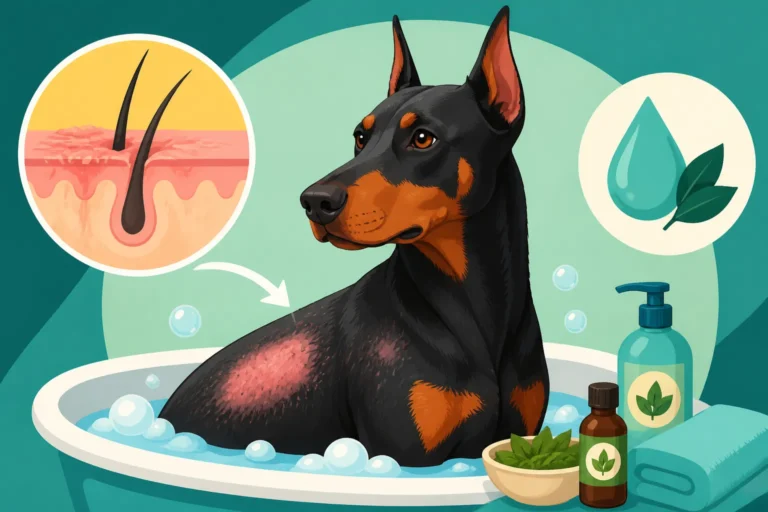
Beyond the immediate discomfort of being cold, leaving your Doberman damp after a bath, especially in winter, can lead to a host of problems. One of the most common issues is skin irritation. That constant dampness, combined with their naturally sensitive skin, can create a breeding ground for yeast or bacterial infections. You might notice them scratching more, or developing red, inflamed patches that are not only itchy but can become quite painful.
Moreover, a prolonged damp coat can exacerbate existing skin conditions or even lead to new ones. Their thin skin, while beautiful, is also prone to chafing and dryness if not properly cared for. Imagine walking around in wet clothes for hours – it's miserable and unhealthy for your skin. The same applies to your Doberman. They can develop hot spots, matting (even with a short coat, damp fur can create friction and tangles, particularly behind the ears or on the legs), and a generally dull, unhealthy coat. There’s also the risk of them feeling unwell if they get too cold, potentially compromising their immune system, though it's less direct than skin issues. The goal is to get them completely dry, and quickly, to avoid these secondary health concerns.
Step-by-Step: The Ultimate Winter Drying Routine
Now that we understand why drying is so critical, let's break down the most effective way to get your Doberman thoroughly dry and comfortable after their winter bath. This isn't just about speed; it's about technique and ensuring their well-being.
Initial Towel Drying: Getting the Bulk Off
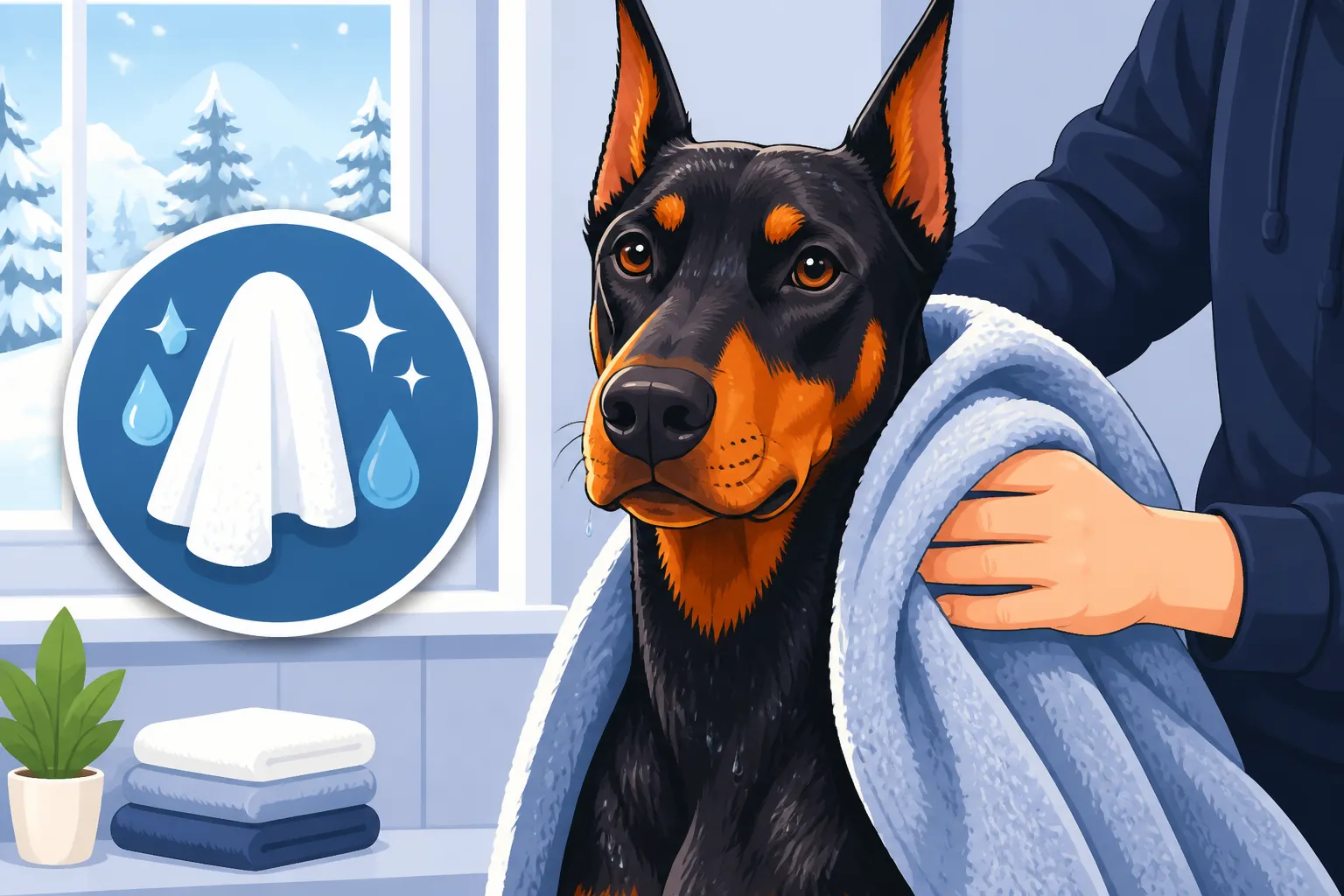
The moment your Doberman steps (or is lifted) out of the tub, the race against the chill begins. Your first line of defense is a good quality, absorbent towel. Forget those thin, decorative towels; you need something that can really soak up water. Microfiber towels are a game-changer here, as they're designed to absorb significantly more moisture than traditional cotton towels.
Wrap your Doberman immediately in one or two large, plush towels. Don't just dab; vigorously rub them down, especially focusing on their torso, legs, and tail. Pay extra attention to areas where water tends to cling, like the chest, underbelly, and around the ears. Don't be shy about using multiple towels – switch to a fresh, dry one as soon as the first becomes saturated. The goal here is to get off as much surface water as possible, reducing the drying time with forced air and immediately making them feel warmer. This initial towel-off should leave them damp, not dripping, and prevent them from shaking water all over your bathroom! You might even consider keeping a designated 'Doberman bath towel' on hand, perhaps one you picked up from a place like Chewy or ordered through Amazon, just for this purpose.
The Power of the Forced Air Dryer
For a Doberman in winter, a forced air dryer (also known as a dog blaster dryer) isn't a luxury; it's practically a necessity. These aren't your human hairdryers. A good quality forced air dryer moves a high volume of air at a safe temperature, effectively 'blasting' water off the coat rather than just evaporating it. This makes the drying process much faster and more thorough, reaching deep down to the skin.
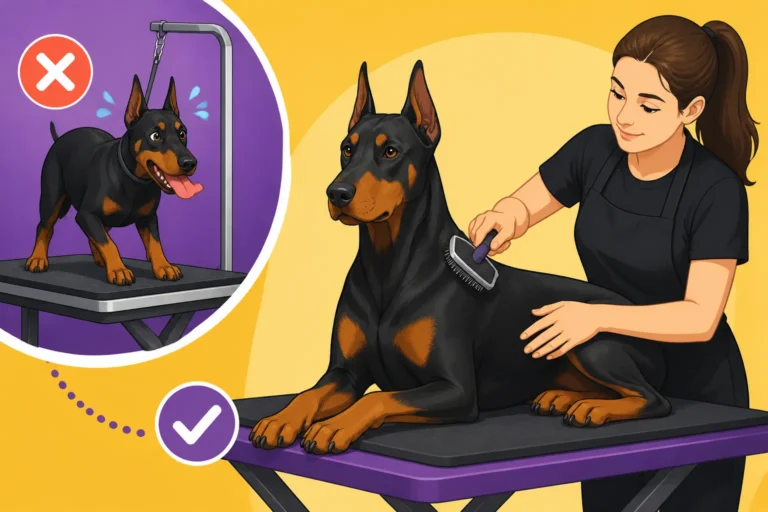
When using a forced air dryer, always start on the lowest heat setting (or no heat, if it still puts out powerful air) and the lowest power setting to get your Doberman accustomed to the noise and sensation. Gradually increase the power as they tolerate it. Keep the nozzle moving constantly, never holding it in one spot, to prevent overheating a specific area of skin. Focus on their body first, working from their neck down their back, sides, and then the legs and belly. Always point the air with the direction of the fur growth to help smooth the coat, then against it to lift the fur and ensure air reaches the skin. Be extremely cautious around their face, ears, and sensitive areas; some Dobermans might require a gentler touch or even just towel drying around their head.
It’s crucial to make this a positive experience. Offer treats, praise, and breaks if your Doberman becomes stressed. Early introduction to the dryer, even without a bath, can help them associate it with good things.
Finishing Touches and Keeping Warm
Once the bulk of the water is off and your Doberman feels mostly dry to the touch, it's time for the finishing touches. If you have a regular hairdryer (on a cool setting only, or if it has a specific pet-safe mode), you can use it for the last few damp spots, holding it far away from the skin.
The most important step, however, is ensuring they are truly bone dry before they're allowed to roam freely or settle down. Run your hands through their coat, feeling for any lingering dampness close to the skin. Pay particular attention to their armpits, groin, and between their paw pads. These areas often retain moisture.
After they are completely dry, consider putting a soft, warm dog coat or sweater on them for an hour or so, especially if your house tends to be cool. This helps them retain their body heat and ensures they don't get chilled from the residual effects of the bath. A cozy, elevated dog bed with a thick blanket will also provide a warm, draft-free spot for them to relax and fully recover from their spa experience. For ideas on appropriate winter attire, you might find Winter Coats and Cold-Weather Gear for a Doberman helpful.
Essential Tools and Products for Winter Grooming
Having the right equipment makes all the difference when tackling a winter Doberman bath. Skimping on these items can turn a simple grooming session into a prolonged, chilly ordeal for both you and your dog.
Choosing the Right Towels and Drying Aids
As mentioned, standard bath towels often fall short for a Doberman, especially when you're trying to get them dry quickly in winter. Look for high-quality, super-absorbent microfiber towels designed specifically for pets. These towels feature a unique weave that allows them to soak up several times their weight in water, drastically cutting down on initial drying time. You might find a good selection on platforms like Chewy or by searching "pet drying towels" on Amazon.
Beyond towels, consider a thick, plush bathrobe designed for dogs. While it won't fully dry them, it can be incredibly useful immediately after toweling off to keep them warm while you set up the forced air dryer, or for those moments between towel changes. Some owners also swear by chamois cloths for an extra-squeaky-clean feeling, though these typically require a bit more effort.
Here's a quick comparison of popular drying aids:
| Drying Aid | Absorbency | Drying Speed | Comfort/Warmth | Best For |
|---|---|---|---|---|
| Microfiber Towels | Excellent | Fast | Good | Initial bulk water removal |
| Cotton Towels | Moderate | Moderate | Moderate | Supplementary drying, less efficient |
| Dog Bathrobes | Low-Mod | Slow | Excellent | Post-towel warmth, pre-dryer comfort |
| Absorbent Chamois | Excellent | Fast | Low | Polishing, removing last bits of moisture |
Investing in a Good Quality Dryer
This is arguably the most critical piece of equipment for winter Doberman drying. Forget the human hairdryer; it's simply not powerful enough, and the heat settings are often too high, risking burns to your Doberman's delicate skin. A forced air pet dryer is designed to move a large volume of air, rapidly pushing water off the coat.
When shopping for one, look for features like variable speed settings, so you can adjust the airflow for sensitive areas or for a nervous dog. Variable heat settings are also important, though for Dobermans, you'll rarely need anything beyond a low-warm setting, as the power of the air is what does most of the work. Brands like XPOWER or Metro Air Force are popular choices among professional groomers and Doberman owners alike, and you can often find them on Chewy or Amazon. Make sure it comes with a few different nozzle attachments to help direct airflow more effectively. Think of it as an investment in your Doberman's health and comfort, especially during the colder months.
Post-Bath Comfort and Skin Protection
Even with the best drying routine, a winter bath can still be a bit drying for your Doberman's skin. To combat this, consider a few post-bath comforts and protective measures.
A good quality moisturizing shampoo and conditioner formulated for sensitive skin can make a huge difference, helping to maintain the natural oils in their coat and prevent dryness. Shampoo for a Doberman With Dry Skin offers some great advice. After drying, a light spritz of a dog-specific leave-in conditioner or a touch of coconut oil (rubbed into your hands first, then smoothed over their coat) can add back moisture and leave their coat gleaming.
Finally, ensuring they have a warm, draft-free place to relax is paramount. A cozy dog bed with plenty of soft blankets, perhaps even a self-warming pet mat, provides that extra layer of comfort. For older Dobermans, or those with joint issues, this is even more crucial. Remember, their sparse coat means they rely heavily on their environment for warmth. Wound Healing in a Doberman With Thin Skin highlights just how delicate their skin can be, reinforcing the need for gentle care and protection against dryness or irritation post-bath.
Preventing Future Cold-Weather Drying Dramas
While a good drying routine is essential, prevention is always better than cure. There are steps you can take to make the entire winter bathing and drying process less stressful and more efficient for both you and your Doberman.
Training for a Positive Drying Experience
Let's be honest: not every Doberman loves the forced air dryer. The noise, the sensation – it can be overwhelming for some. But with patience and positive reinforcement, you can turn drying into a much more tolerable, even enjoyable, experience. Start slow, long before a bath is even needed. Introduce the dryer by simply letting it run in another room so they get used to the sound. Then, move it closer, giving treats and praise as they remain calm.
Gradually, turn the dryer on low power and direct the air away from them, letting them sniff it. Touch the dryer to their body (while off) so they associate it with gentle touch. Only then, once they're comfortable with the presence and sound, slowly introduce the air onto their body, starting with their rear and working forward, always using the lowest settings. Pair every positive interaction with high-value treats and calm praise. If they show any signs of stress, take a break and return to a step they were comfortable with. This gradual desensitization is key. Think of it like Getting a Doberman Used to Vet Handling – it's all about building positive associations with potentially scary things.
Limiting Winter Baths When Possible
While we all want our Dobermans to be clean, sometimes the best solution is to minimize the need for full baths during the coldest months. This doesn't mean neglecting their hygiene; it means adapting your routine.
Spot cleaning can be your best friend. If your Doberman only has muddy paws or a dirty belly from a winter walk, try cleaning just those areas with a warm, damp cloth and a mild, rinse-free shampoo. This saves you the hassle of a full bath and the subsequent extensive drying process. Keep a ready supply of dog wipes or a spray-on leave-in conditioner for quick clean-ups.
Another tip is to strategically time baths. If a full bath is unavoidable, aim for the warmest part of the day, usually midday, and ensure your home is nice and toasty. Close all windows, turn up the heat, and have all your drying supplies ready before they even step into the tub. This reduces the exposure to cold air and makes the entire process more comfortable.
For general coat maintenance that reduces the need for frequent washing, consistent brushing is also key. Even with their short coat, regular brushing helps remove loose hair, dirt, and dander, keeping their coat healthy and cleaner for longer. How Much Hair a Doberman Actually Drops and The One Brush a Doberman Coat Needs can guide you on the best practices for maintaining their sleek coat, which in turn, helps extend the time between full baths.
By combining careful planning, the right tools, and a patient, positive approach, drying your Doberman after a winter bath can become a manageable and stress-free part of your grooming routine, rather than a dreaded chore. Your Doberman will thank you for the warmth and comfort!
Disclaimer
This article is for general informational purposes only and does not constitute professional advice. Laws, prices and regulations vary by location and change over time. Consult a qualified professional for guidance on your specific situation.