Tartar on an Older Doberman’s Molars
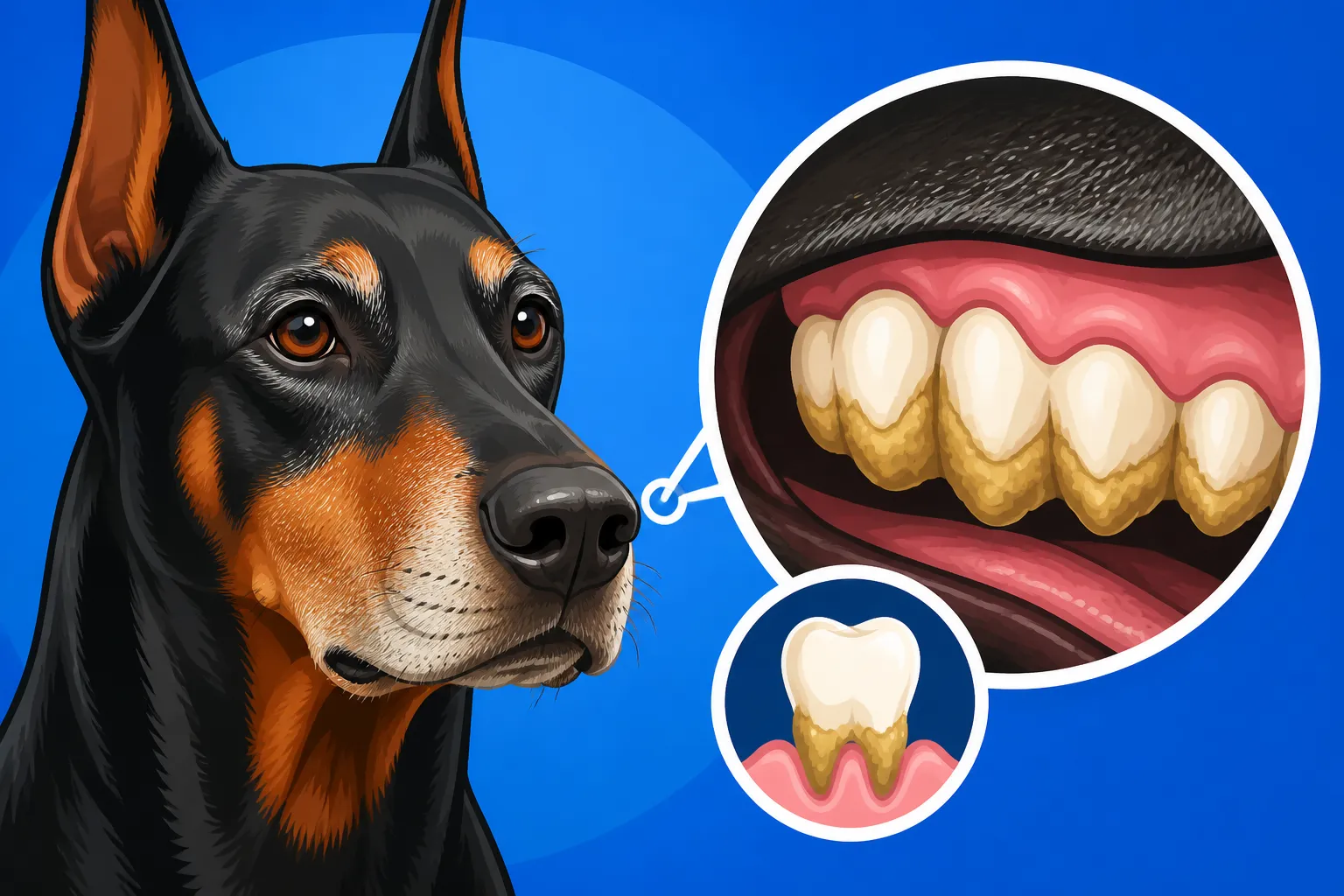
It’s a common scenario: you lean in for a loving sniff from your wise old Doberman, and instead of that familiar "Dober-breath," you're hit with a smell that could peel paint. A quick peek inside their mouth reveals something akin to barnacles on a ship's hull, especially on those back molars. This guide will walk you through why tartar accumulates so persistently on an older Doberman's molars, the serious health implications it can have, and, most importantly, how you can tackle it head-on to ensure your loyal companion enjoys their golden years in comfort and health.
Why Tartar Becomes a Bigger Problem for Our Older Dobermans
As our Dobermans gracefully transition into their senior years, many aspects of their health require a bit more attention, and their dental hygiene is certainly one of them. What might have been a minor oversight in their youth can quickly become a significant issue as plaque and tartar have more time to accumulate. It’s not just about aesthetics or even just bad breath; it’s a gateway to far more serious health concerns that often go unnoticed until they’re quite advanced.
The Cumulative Effect of Years
Think about it: your Doberman has been eating, chewing, and living for many years, and unless you've been meticulously brushing their teeth daily since puppyhood, some level of plaque buildup is inevitable. Plaque is a sticky film of bacteria, food particles, and saliva that constantly forms on teeth. If it's not brushed away regularly, it hardens into tartar (or calculus), which is much tougher and adheres firmly to the tooth surface. Once tartar forms, you can't just brush it away with a toothbrush; it requires professional intervention.
For older Dobermans, this accumulation has had years to establish itself. Their immune systems might not be as robust, making them more susceptible to gum disease. They might also chew less vigorously on dental-cleaning toys or food, especially if they already have some discomfort or tooth sensitivity. It's a slow, insidious process, and by the time you really notice that thick, brownish-yellow crust on their molars, it's often been building for a while, silently causing damage beneath the gum line.
How Doberman Anatomy Plays a Role
Dobermans, with their strong, long muzzles and powerful jaws, have molars that are perfectly designed for crushing and grinding. However, this also means those back teeth can be harder for us to reach effectively during home brushing. The deep crevices and surfaces of their molars offer plenty of nooks and crannies for plaque and tartar to latch onto, often out of sight until the problem is well-advanced. This anatomical reality means that even well-meaning owners can miss significant buildup simply because they can't get a brush into every corner.
Furthermore, the Doberman breed is predisposed to certain health conditions that can complicate dental care, particularly when it comes to anesthesia. Concerns about conditions like The Heart Disease That Reaches Most Dobermans can make owners (and even some vets) hesitant about sedation for dental cleanings. This hesitation, while understandable, can inadvertently lead to even worse dental problems if professional cleanings are deferred year after year. It creates a difficult dilemma for Doberman owners, weighing the risks of anesthesia against the known dangers of unchecked oral disease.
The Hidden Dangers of Neglected Tartar Buildup
It’s easy to dismiss tartar as just a cosmetic issue or merely the cause of unpleasant breath. But I can't stress this enough: neglected tartar on your older Doberman’s molars is a ticking time bomb for their overall health and comfort. The consequences extend far beyond their mouth, impacting their quality of life and potentially shortening their lifespan.
Beyond Bad Breath: Periodontal Disease
That awful "dog breath" is a sign of a bacterial infection, plain and simple. What starts as plaque quickly progresses to gingivitis – inflammation of the gums. You might notice your Doberman's gums look red and swollen, and they might even bleed easily. At this stage, gingivitis is reversible with proper cleaning.
However, if left untreated, it escalates to periodontal disease. This is where the bacteria start to attack the supporting structures of the teeth. The infection spreads below the gum line, destroying the bone and ligaments that hold the teeth in place. Pockets form around the teeth, filling with even more bacteria and pus. This process is incredibly painful, though dogs are masters at hiding discomfort. You might notice subtle changes: a reluctance to chew hard kibble or toys, dropping food, favoring one side of their mouth, or a general decrease in appetite. A Doberman might suddenly lose interest in their favorite Dental Chews Sized for a Doberman, not because they're bored, but because chewing hurts too much. Eventually, teeth loosen and can fall out, leading to severe pain and difficulty eating. This kind of chronic pain can make any Doberman, even the most stoic, miserable. If your Doberman is exhibiting signs like A Doberman That Suddenly Stops Eating, dental pain should definitely be on the list of potential causes to investigate.
Systemic Health Risks from Oral Bacteria
Perhaps the most alarming consequence of severe tartar and periodontal disease is the impact it can have on your Doberman’s entire body. The mouth is a highly vascular area, meaning it has a rich blood supply. When there's a chronic bacterial infection festering in the gums and around the teeth, these bacteria don't stay confined to the mouth. They constantly enter the bloodstream, circulating throughout your Doberman's body.
Once in the bloodstream, these bacteria can travel to and colonize vital organs, leading to serious secondary infections and inflammation. The heart, kidneys, and liver are particularly vulnerable. For a breed like the Doberman, already prone to certain cardiac issues, this systemic inflammation and bacterial load can be especially detrimental. It can exacerbate existing conditions or even contribute to the development of new problems. For example, a chronic oral infection could place an extra strain on a Doberman's heart, which is already under scrutiny for conditions like Dilated Cardiomyopathy. If your vet has ever discussed unusual Liver Enzyme Results in a Doberman, a thorough dental exam should definitely be part of the investigation. Essentially, a healthy mouth contributes to a healthy body, and an unhealthy mouth can undermine your Doberman's overall well-being, potentially impacting their Doberman Lifespan and Why It Is Short.
Strategies for Managing and Preventing Tartar in Senior Dobermans
Dealing with tartar in an older Doberman requires a multi-pronged approach. It’s not just about what you do at home, but also about partnering with your veterinarian. The good news is that even established tartar can be managed, and future buildup can be significantly minimized, greatly improving your Doberman's comfort and health.
The Importance of Professional Dental Cleaning
For significant tartar buildup, particularly on the molars and below the gum line, professional dental cleaning under anesthesia is usually the only truly effective solution. This isn't just a quick scrape; it's a comprehensive medical procedure. During a professional cleaning, your Doberman will be put under general anesthesia, which allows the veterinary team to perform a thorough examination, including dental X-rays. These X-rays are crucial because they reveal the extent of the damage beneath the gum line, where 60-80% of dental disease occurs.
The team will then use specialized ultrasonic scalers, much like those a human dentist uses, to remove tartar from all tooth surfaces, both above and below the gum line. Each tooth is then polished to smooth out any microscopic etches where new plaque could adhere. If there are severely diseased or painful teeth, they will be extracted. While the thought of anesthesia for an older Doberman can be scary, especially with concerns about things like Vaccination and Anesthesia in a Doberman, the benefits often far outweigh the risks when the alternative is chronic pain and systemic infection. Modern veterinary practices employ advanced monitoring equipment and pre-anesthetic bloodwork to assess your Doberman's organ function and minimize risks. Discuss these concerns thoroughly with your vet; they can help you understand the specific protocol and safety measures in place.
Daily Home Care and Preventative Measures
Once a professional cleaning has taken place and your Doberman's mouth is a clean slate, consistent home care becomes paramount. This is where you can make the biggest difference in preventing future tartar buildup and maintaining their oral health.
Brushing Their Teeth: This is the gold standard of home dental care. Aim for daily brushing, but even a few times a week can make a significant difference. You'll need a soft-bristled pet toothbrush or a finger brush, and enzymatic pet toothpaste (never use human toothpaste, as it contains ingredients toxic to dogs). Focus on the outside surfaces of the molars and canine teeth, as these tend to accumulate the most plaque. It can take some patience, but many Dobermans can be trained to accept brushing with positive reinforcement. Start slowly, let them lick the toothpaste off the brush, then gradually introduce the brush to their teeth for short periods, praising and rewarding them generously. It might be challenging to master Getting a Brush Along a Doberman's Long Jaw, but consistency will make it easier for both of you.
Dental Chews and Diets: While not a substitute for brushing or professional cleaning, certain dental chews and prescription dental diets can help reduce plaque and tartar. Look for products that have the Veterinary Oral Health Council (VOHC) seal of acceptance, indicating they meet specific standards for plaque and tartar control. Brands like Greenies are popular and widely available on platforms like Chewy or Amazon. Remember to choose chews appropriate for your Doberman's size and chewing style to prevent choking or tooth fractures. Some prescription dental diets are formulated with a unique kibble design that mechanically scrubs teeth as your dog eats, and they often contain ingredients that inhibit plaque mineralization. Discuss these options with your veterinarian to see if they are a good fit for your Doberman, especially if they are on What an Old Doberman Should Eat Differently for other health reasons.
Water Additives and Oral Gels: These can be supplemental tools but generally offer less efficacy than brushing. Water additives are poured into your Doberman's drinking water and contain ingredients designed to reduce bacteria or plaque. Oral gels or rinses can be applied directly to the teeth and gums. They might be beneficial for Dobermans who absolutely refuse brushing, but their effectiveness can vary. Always choose products specifically formulated for pets and approved by your vet.
Regular Veterinary Check-ups: Even with diligent home care, regular dental check-ups are essential. Your veterinarian can monitor the effectiveness of your home routine, spot any developing issues early, and advise on when another professional cleaning might be necessary. This should be part of their routine The Yearly Checkup a Doberman Still Needs, but for older Dobermans, some vets recommend more frequent dental assessments, possibly every six months.
Making Dental Care a Positive Experience for Your Doberman
The idea of tackling your Doberman's teeth might feel daunting, especially if they're already set in their ways as seniors. But it doesn't have to be a battle. Approach it with patience, positivity, and consistency, and you can turn dental care into another bonding opportunity.
Starting Early and Being Consistent
Ideally, dental care starts when your Doberman is a puppy. However, if you're reading this with an older Doberman, it's truly never too late to start. The key is gradual introduction and positive association. Don't try to tackle a full brushing session on day one. Start by simply touching their muzzle, then gently lifting their lips. Offer praise and a tiny, high-value treat (like a pea-sized dab of their favorite peanut butter – check the ingredients to ensure no xylitol!). Gradually introduce the finger brush, then the toothbrush. Make each session short and sweet, always ending on a positive note.
Consistency is crucial. Just like any training, the more regularly you practice, the more your Doberman will get used to it. Find a time of day that works for both of you when you're relaxed and have a few uninterrupted minutes. Building a routine, even a short one, helps your Doberman understand what's expected and reduces anxiety around the process. Remember, the goal isn't perfection, but consistent effort to reduce plaque and maintain gum health.
Knowing When to Seek Veterinary Intervention
While home care is vital, it’s equally important to recognize when your Doberman needs professional help. Your Doberman cannot tell you they’re in pain, so you need to be their advocate. Keep an eye out for these signs:
- Excessive bad breath: This is almost always a sign of infection.
- Red, swollen, or bleeding gums: These indicate gingivitis or more advanced periodontal disease.
- Visible tartar buildup: If you can see significant yellow, brown, or green crust on their teeth, it's time for a professional cleaning.
- Loose or missing teeth: Clear indicators of severe gum disease.
- Dropping food while eating or difficulty chewing: This suggests oral pain.
- Paw at their mouth or rub their face on furniture: They're trying to relieve discomfort.
- Changes in eating habits: Reluctance to eat hard food, favoring soft foods, or A Doberman That Suddenly Stops Eating altogether.
- Reduced enthusiasm for play or usual activities: Chronic pain, even from dental issues, can lower their overall energy and mood.
Don't wait until these signs become severe. Early intervention for dental issues can prevent a lot of pain, tooth loss, and expensive treatments down the road. It can also prevent a crisis situation where bacteria from a severe oral infection could contribute to an Emergency Vet Fees for a Collapsing Doberman scenario if systemic illness takes hold. Regular professional cleanings and diligent home care are truly investments in your Doberman's long-term health and happiness.
| Home Dental Care Method | Description | Pros | Cons |
|---|---|---|---|
| Tooth Brushing | Using a soft-bristled pet toothbrush and enzymatic toothpaste to physically remove plaque. | Most effective method; reaches all surfaces; promotes gum health. | Requires training and consistency; some Dobermans resist; can be time-consuming. |
| Dental Chews | Specially formulated chews designed to scrub teeth and/or contain plaque-inhibiting ingredients. | Dobermans often enjoy them; helps with mechanical abrasion; easily accessible (e.g., on Chewy or Amazon). | Not as effective as brushing, especially for sub-gingival plaque; can be high in calories; check for VOHC seal. |
| Dental Diets | Prescription kibble with a unique texture and/or chemical agents to reduce plaque/tartar. | Easy to implement (just feed); works passively with every meal. | Requires a veterinary prescription; may not suit all Dobermans' dietary needs or preferences; generally expensive. |
| Water Additives | Liquid added to drinking water to reduce bacteria or mineralized plaque. | Very easy to use; no direct handling of the Doberman's mouth needed. | Variable effectiveness; does not remove existing tartar; some Dobermans may reject altered water taste. |
| Oral Gels/Rinses | Gels or sprays applied to teeth/gums to inhibit bacteria and plaque formation. | Good for Dobermans who resist brushing; can target specific areas. | Requires some oral manipulation; effectiveness varies; best as a supplement to brushing. |
Disclaimer
This article is for general informational purposes only and does not constitute professional advice. Laws, prices and regulations vary by location and change over time. Consult a qualified professional for guidance on your specific situation.