The Yearly Checkup a Doberman Still Needs
It’s easy to get caught up in the big, breed-specific health concerns for Dobermans – especially when it comes to their hearts – and overlook the fundamental importance of a comprehensive yearly veterinary check-up. Many Doberman owners focus so much on specialized screenings that they forget the simple, regular vet visit is the backbone of their dog's long-term health. This guide will walk you through everything a Doberman's yearly check-up entails, why it's so vital, and how it contributes to their overall well-being and longevity.
Beyond the Heart: Why a General Check-up is Crucial for Dobermans
When you own a Doberman, discussions about health often revolve around serious conditions like Dilated Cardiomyopathy (DCM) or Wobbler Syndrome. And yes, these are absolutely critical concerns that require specific, often annual, screening. However, fixating solely on these can inadvertently lead us to downplay the immense value of a routine, head-to-tail physical exam and general wellness check. Think of the annual vet visit as your Doberman's human equivalent of a full physical – it’s about more than just checking for one specific disease. It's about maintaining a holistic picture of health.
The Importance of Baseline Data
A Doberman's health isn't static; it evolves year by year. Every annual check-up provides an opportunity for your veterinarian to establish and update a baseline for your dog's normal physiological parameters. This isn't just about weight and temperature, but also about things like heart rate, respiratory rate, body condition score, and even their general demeanor. When your vet sees your Doberman consistently, they get to know what "normal" looks like for your specific dog.
This baseline is invaluable. If your Doberman suddenly develops an issue – say, they start to lose weight unexpectedly, or their lymph nodes feel slightly enlarged – your vet can compare current findings to previous years' records. Without that established baseline, it's harder to gauge the significance of subtle changes. For a breed that often masks illness until it's advanced, these subtle shifts can be the earliest indicators of a problem brewing, giving you and your vet a head start on diagnosis and treatment. Early detection truly can make all the difference in conditions ranging from kidney disease to certain types of cancer.
Addressing Breed-Specific Concerns Beyond DCM
While heart health is paramount, Dobermans are susceptible to a range of other conditions that a general yearly check-up can help monitor. For instance, thyroid issues are common in the breed. A standard blood panel, which is often part of an annual check-up, can include a basic thyroid screen. If your Doberman is showing signs like unexplained weight gain, lethargy, or changes in coat quality, an annual check-up is the perfect time to investigate this further. You might want to read more about The Thyroid Numbers That Slow a Doberman Down if you suspect something is amiss.
Another concern is Von Willebrand's Disease, a bleeding disorder. While often diagnosed via specific DNA tests early in life, your vet will still be observant for any signs of easy bruising or prolonged bleeding during routine exams or minor procedures. Understanding The Von Willebrand DNA Test for Dobermans is crucial for owners, especially if planning any surgery. A comprehensive physical exam ensures that the vet is looking at the entire dog, from potential joint issues in their long frame to skin problems that might signal underlying allergies or even more serious conditions like those seen in Hair Loss on a Blue Doberman. It’s about being proactive across the board, not just reactive to the most publicized Doberman health risks.
Catching Subtle Changes Early
Dobermans are stoic creatures. They were bred to be tough and often don't show pain or discomfort until it's quite advanced. This makes their annual vet visit even more critical. During this time, your vet can feel for lumps or bumps that you might have missed during daily petting. They can examine your Doberman’s gait for any stiffness or subtle lameness that could indicate early arthritis or even a developing neurological issue like Wobbler Syndrome.
The vet will also be paying close attention to your Doberman's eyes, ears, and mouth – areas where problems can fester unnoticed. Dental disease, for example, is incredibly common and can lead to serious systemic health issues if not addressed. An annual exam allows for early intervention, potentially preventing more invasive and costly procedures down the line. It's those seemingly small observations that can lead to big health discoveries, reinforcing why this yearly appointment is non-negotiable for responsible Doberman ownership.
What to Expect at Your Doberman's Annual Vet Visit
Taking your Doberman for their yearly check-up isn't just a formality; it's a deep dive into their current health status and a proactive step to ensure their continued well-being. Knowing what to expect can help you prepare questions and concerns, making the most of your appointment. Remember, this is your chance to discuss anything that has seemed "off" with your Doberman over the past year.
The Physical Exam: Nose to Tail
The cornerstone of any annual visit is a thorough physical examination. Your vet will start by observing your Doberman's overall demeanor, weight, and body condition. Are they bright and alert? Are they carrying too much weight, or perhaps too little? Reading Ribs and Hip Points on a Doberman is something your vet does automatically. Then, it's a systematic check:
- Head and Neck: Ears will be checked for signs of infection, mites, or excessive wax. Eyes will be examined for clarity, discharge, or any signs of irritation or vision problems, which might become more prevalent as your Doberman ages. The vet will palpate lymph nodes in the neck and feel the thyroid gland.
- Mouth and Teeth: This is a crucial part. The vet will lift your Doberman's lips to check for tartar buildup, gum inflammation, cracked teeth, or any oral masses. Good dental health is often overlooked but impacts overall health significantly.
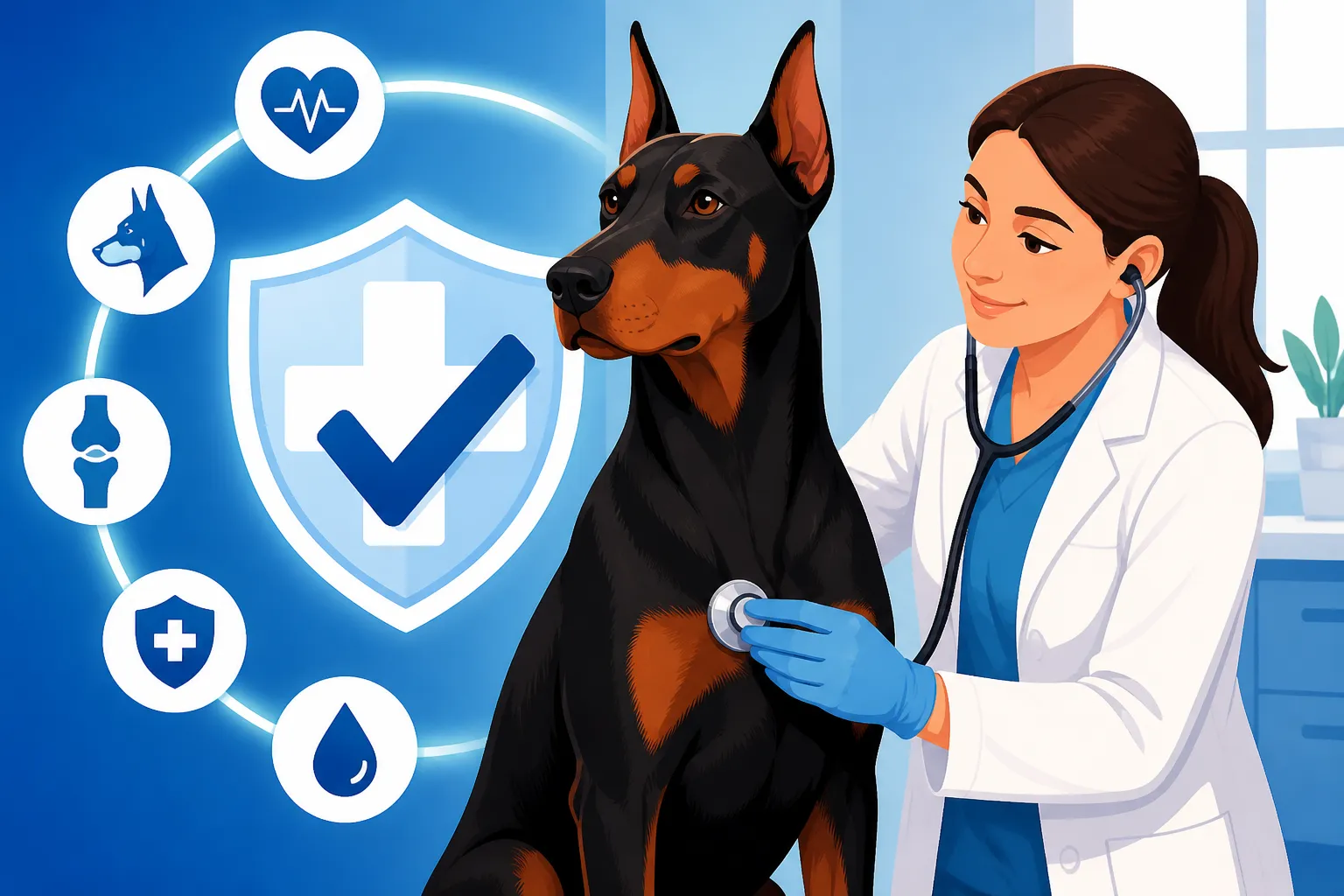
- Torso: The vet will listen to your Doberman's heart and lungs using a stethoscope. This is where murmurs might be detected, though a comprehensive cardiac workup for Dobermans typically involves more specialized tools like an echocardiogram. They'll palpate the abdomen to check for organ size, tenderness, or unusual masses.
- Legs and Paws: All four limbs will be checked for range of motion, pain, swelling, or any signs of arthritis or injuries. Paws will be examined for cracked pads, overgrown nails, or foreign objects.
- Skin and Coat: Your vet will carefully part the fur over your Doberman's entire body, looking for parasites, skin lesions, dandruff, or any lumps and bumps. This is often where things like lipomas, cysts, or even early skin cancers are first noted.
Vaccinations and Parasite Prevention
While the physical exam gives an immediate snapshot, vaccinations and parasite prevention are about maintaining long-term protection. Depending on your Doberman's age, lifestyle, and local regulations, your vet will recommend booster shots for core vaccines like rabies, distemper, parvovirus, and adenovirus. They might also suggest non-core vaccines like kennel cough or leptospirosis if your Doberman frequents dog parks, boarding facilities, or areas with wildlife.
Beyond vaccines, the annual check-up is the perfect time to discuss and renew prescriptions for year-round parasite prevention. This includes heartworm medication, which often also protects against common intestinal worms, and flea and tick preventatives. Even if your Doberman mostly stays indoors, parasites can still find a way in, and continuous protection is the best defense against these often debilitating and sometimes deadly issues.
Routine Bloodwork and Urinalysis
For adult Dobermans, especially as they enter their middle and senior years, routine bloodwork and a urinalysis become increasingly important components of the annual check-up. These diagnostics provide an internal view of your dog's health that a physical exam alone cannot reveal.
- Complete Blood Count (CBC): This test evaluates red blood cells, white blood cells, and platelets. It can indicate anemia, infection, inflammation, and even certain clotting disorders.
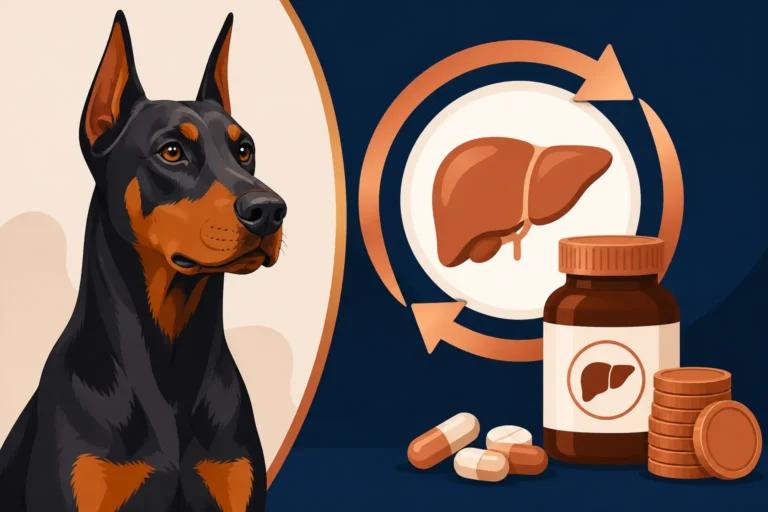
- Chemistry Panel: This panel assesses organ function, including the kidneys, liver, and pancreas, and checks electrolyte levels and blood sugar. It can reveal early signs of organ dysfunction, diabetes, or other metabolic imbalances before clinical symptoms become apparent. This is particularly relevant for Dobermans who may be predisposed to conditions like copper storage disease in the liver, for which Liver Enzyme Results in a Doberman would be a key indicator.
- Urinalysis: A urine sample provides information about kidney function, hydration status, and can detect urinary tract infections, diabetes, and other systemic diseases.
These tests, especially when tracked over several years, allow your vet to spot trends or subtle changes that warrant further investigation, often preventing serious issues from escalating. It's a proactive measure that gives you and your vet crucial insights into what's happening beneath the surface, ensuring your Doberman remains healthy as they move through The Doberman Years When Everything Shows Up.
Dental Health Assessment
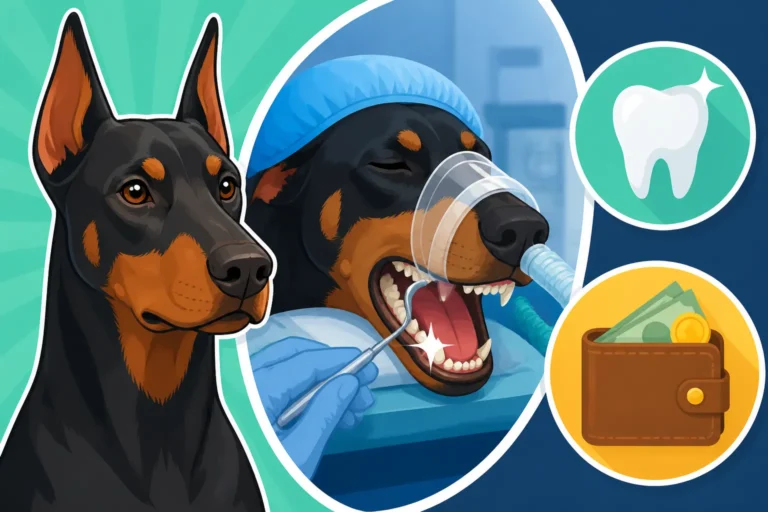
As mentioned, oral health is surprisingly critical to overall well-being. During the annual check-up, your vet will perform a basic assessment of your Doberman's teeth and gums. They'll look for signs of gingivitis, tartar accumulation, fractured teeth, and any abnormalities in the mouth.
Dental disease is progressive, and if left untreated, bacteria from the mouth can enter the bloodstream and affect vital organs like the heart, kidneys, and liver. For a Doberman already susceptible to heart issues, maintaining good oral hygiene is even more important. If significant dental disease is present, your vet will likely recommend a professional dental cleaning under anesthesia. While this is a separate procedure, the annual check-up provides the opportunity to assess the need and schedule it proactively, before pain or infection become severe. Consistent Keeping Tartar Off a Doberman's Long Teeth can save a lot of trouble down the line.
Understanding the Cost of a Doberman's Yearly Check-up
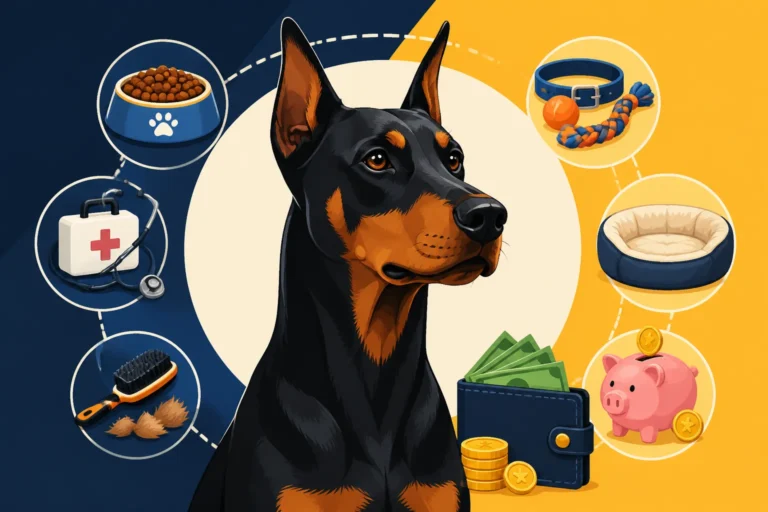
Let's be real: owning a Doberman, while incredibly rewarding, isn't cheap. And the annual vet visit is a predictable expense that many owners need to budget for. It’s not just the exam fee itself; it’s the combination of necessary services that ensures your Doberman stays healthy. Understanding these costs can help you plan better and potentially explore options like pet insurance. You can get a general idea of ongoing expenses from What a Doberman Costs Month to Month, but the annual check-up is a specific line item.
Breaking Down the Typical Expenses
A typical yearly check-up for a Doberman can include several components, each with its own associated cost. These generally fall into a few categories:
- The Examination Fee: This is the base charge for the veterinarian's time and expertise in performing the physical exam. It covers their assessment, observations, and recommendations.
- Vaccinations: Depending on which boosters your Doberman needs, you'll pay for each vaccine administered. Core vaccines are generally standard, while lifestyle vaccines (like kennel cough or leptospirosis) are added based on risk.
- Parasite Testing and Prevention: This usually includes a fecal exam to check for intestinal parasites and a heartworm test (often a blood draw). The cost of a year's supply of heartworm, flea, and tick preventatives will be an additional expense, though some vets might offer packages.
- Routine Bloodwork and Urinalysis: If your vet recommends these diagnostic tests, they will add to the bill. A CBC and chemistry panel provide a lot of information, and the cost will reflect the complexity of the lab work involved.
- Additional Services: Sometimes, during the exam, the vet might identify a minor issue that requires immediate attention – perhaps a simple ear infection, a nail trim for overgrown nails, or a small skin lesion that needs a fine needle aspirate. These would be extra charges.
It's important to remember that these are preventative costs, and investing in them annually can often help you avoid much larger, emergency vet bills down the road.
The Value of Pet Insurance
This is where pet insurance providers really shine. While a routine annual check-up is often not fully covered by standard accident/illness policies, many insurers, including ones like Healthy Paws, offer optional "wellness add-ons" or preventative care packages. These packages are specifically designed to help offset the costs of annual exams, vaccinations, heartworm tests, and even some routine bloodwork.
It's worth exploring these options, particularly for a breed like the Doberman that has known predispositions to serious health issues. While insurance may not cover everything for a routine visit, having a good policy in place early on can be a lifesaver if your Doberman develops a chronic condition or requires emergency surgery. Just be mindful of when you enroll, as pre-existing conditions are typically excluded. For Dobermans, this means getting coverage before any signs of heart disease or other issues appear. You can find out more about Getting a Doberman Covered Before the First Echo.
Budgeting for Unexpected Findings
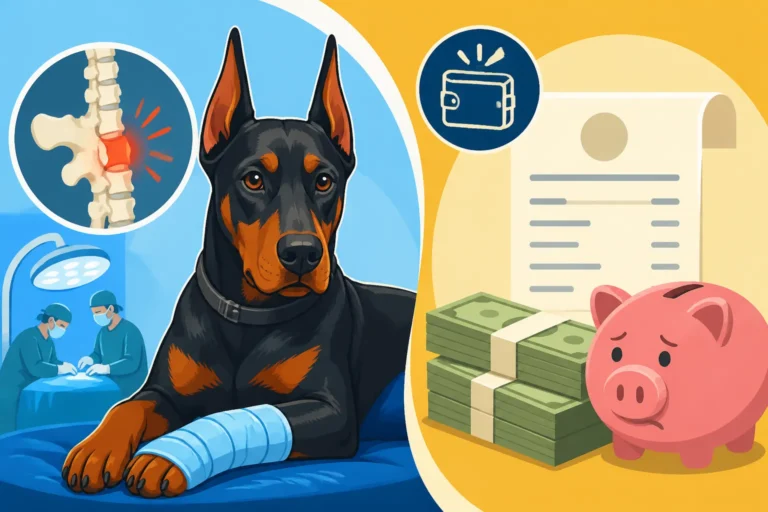
Even with the most meticulous annual check-up, sometimes the vet will find something unexpected. It could be a suspicious lump that needs a biopsy, a dental issue requiring a cleaning, or an abnormal bloodwork result that warrants further diagnostic tests. These findings, while sometimes alarming, are precisely why the annual check-up is so important – it uncovers problems early.
It’s wise to have a small emergency fund set aside specifically for your Doberman’s health. This can cover those unforeseen follow-up appointments, medications, or additional tests that might arise from an annual check-up discovery. Think of the annual check-up as a detective mission; sometimes they find clues that lead to further investigation, and it’s best to be prepared for that possibility.
Proactive Care Between Annual Visits
An annual check-up is a critical snapshot of your Doberman's health, but their well-being is a 365-day commitment. What you do at home, day in and day out, plays an enormous role in bridging the gap between those yearly vet visits and maintaining optimal health. Being proactive in your Doberman's daily care can help prevent problems and ensure that when their annual appointment rolls around, they're in the best shape possible.
At-Home Monitoring and Early Indicators
You are your Doberman's primary caregiver and their best advocate. Paying close attention to subtle changes in their behavior, appetite, energy levels, and physical condition can alert you to potential issues long before their next vet visit. Keep an eye out for:
- Changes in Appetite or Thirst: Is your Doberman eating more or less than usual? Drinking excessive amounts of water? These can be indicators of underlying medical conditions.
- Lethargy or Decreased Activity: If your Doberman, usually a bundle of energy, seems unusually tired or reluctant to play, it's a red flag. A Doberman That Tires Faster Than It Used To could be an early sign of heart disease, or simply something else entirely.
- Weight Fluctuations: Unexpected weight gain or loss, even if slight, should be noted. This could point to metabolic issues, dietary problems, or more serious illnesses.
- Changes in Urination or Defecation: Any increase in frequency, straining, changes in color or consistency, or accidents in the house can signal problems.
- Coughing or Breathing Difficulties: These are critical to watch for in Dobermans. Coughing and Breathlessness in a Doberman can be a serious sign of cardiac issues.
- Lumps, Bumps, or Skin Issues: Regularly grooming and petting your Doberman allows you to feel for anything new or unusual on their skin.
- Limping or Stiffness: Watch their gait. Is there a new reluctance to jump, climb stairs, or play?
If you notice any persistent changes, don't wait for the annual check-up. Contact your vet immediately. It's always better to be safe than sorry, especially with a breed that tends to hide illness.
Nutrition and Weight Management
Proper nutrition is foundational to your Doberman's health. Feeding them a high-quality, balanced diet appropriate for their age, activity level, and any specific health needs is crucial. Dobermans are deep-chested and prone to bloat, so feeding multiple smaller meals rather than one large one is often recommended. You can learn more about this in Why a Doberman Is Never Fed One Big Meal.
Maintaining an ideal body weight is also paramount. Obesity can exacerbate joint issues, contribute to heart strain, and lead to other health problems. Conversely, being underweight can indicate underlying illness or insufficient calorie intake for their activity level. Regularly assessing The Waist a Doberman Should Show From Above helps you keep them in prime condition. Companies like Chewy offer a wide variety of high-quality kibble and prescription diets, while services like Ollie provide fresh, human-grade food options that can be tailored to your Doberman's specific needs and help maintain a healthy weight and coat. Discussing your Doberman's diet with your vet during the annual check-up ensures you're providing the best possible nutrition.
Maintaining an Active Lifestyle
Dobermans are athletic dogs with high energy needs. Regular, appropriate exercise is vital for their physical and mental health. This means daily walks, runs, playtime, and mental stimulation. An active lifestyle helps maintain muscle mass, supports joint health, keeps their heart healthy, and prevents boredom-related behavioral issues.
However, it's also important to tailor exercise to your Doberman's age and health status. Intense exercise might not be suitable for a very young puppy whose growth plates are still open, or for an older Doberman with arthritis or a diagnosed heart condition. Always discuss your Doberman's exercise routine with your vet, especially if you notice any changes in their stamina or if they're entering their senior years. A Doberman with Stiffness in a Doberman That Used to Sprint needs a different approach than a young, healthy athlete.
By combining diligent at-home monitoring with excellent nutrition, a suitable exercise regimen, and, crucially, that indispensable annual veterinary check-up, you're giving your Doberman the very best chance at a long, healthy, and happy life.
Annual Doberman Check-up Components
Here's a quick summary of the key components you can expect during your Doberman's yearly vet visit and why each part is so important for this specific breed.
| Component | What It Involves | Why It's Crucial for Dobermans |
|---|---|---|
| Comprehensive Physical Exam | Head-to-tail assessment, palpation, auscultation. | Early detection of lumps, skin issues, joint pain, ear/eye problems. Vets observe for subtle signs of discomfort a Doberman might hide. |
| Vaccination Review | Discussion of core and lifestyle vaccines, boosters. | Ensures ongoing protection against common, preventable diseases. Important for Dobermans who are often active in public spaces. |
| Parasite Prevention | Heartworm test, fecal exam, flea/tick discussion. | Critical for heartworm prevention (vital for Dobermans), protects against internal and external parasites. |
| Routine Bloodwork (CBC & Chemistry Panel) | Blood sample analyzed for cell counts, organ function. | Detects early signs of thyroid issues, liver (e.g., copper storage), kidney disease, and other metabolic imbalances often seen in the breed. |
| Urinalysis | Urine sample analyzed for kidney function, infection. | Screens for kidney disease, urinary tract infections, and diabetes, providing a deeper look at internal health. |
| Dental Health Check | Visual inspection of teeth, gums, oral cavity. | Identifies tartar, gingivitis, or fractured teeth; addresses potential sources of systemic infection that can impact overall health, including heart. |
| Weight & Nutrition Review | Body condition score, discussion of diet and treats. | Helps maintain ideal weight, crucial for joint health and minimizing strain on the heart; ensures appropriate diet for growth/age. |
| Behavioral Assessment | Discussion of any changes in temperament or habits. | Helps identify pain, stress, or cognitive decline (especially in older Dobermans, see Cognitive Change in an Old Doberman) that might have a medical cause. |
Disclaimer
This article is for general informational purposes only and does not constitute professional advice. Laws, prices and regulations vary by location and change over time. Consult a qualified professional for guidance on your specific situation.