Why a Tax Collector Bred the First Dobermans
The Doberman Pinscher is a breed shrouded in both admiration and, let's be honest, a little bit of intimidation. It's a striking dog, known for its intelligence, loyalty, and formidable presence. Many assume such a purpose-driven breed must have been developed by seasoned canine geneticists or even military strategists. But the true story of the Doberman’s creation is far more personal and urgent, rooted in the very real, often dangerous, daily life of a man who simply needed a steadfast protector. This guide will take you back in time to the late 19th century in Apolda, Germany, to uncover the fascinating circumstances that led Karl Dobermann, a local tax collector, to craft this remarkable companion.
The Unlikely Breeder: Karl Dobermann's Many Hats
It might seem an odd juxtaposition, a tax collector being the architect of one of the world's most recognizable protection dogs. Yet, the story of Karl Friedrich Louis Dobermann is intrinsically tied to his various roles within the community of Apolda, Germany, during the late 1800s. He wasn't a professional dog breeder in the way we understand it today, with pedigrees and elaborate kennels. Instead, Dobermann was a pragmatic man responding to a very clear, personal need.
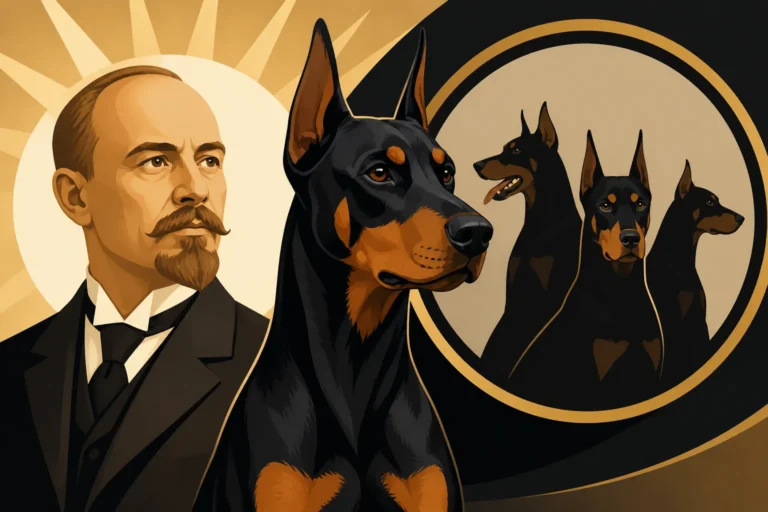
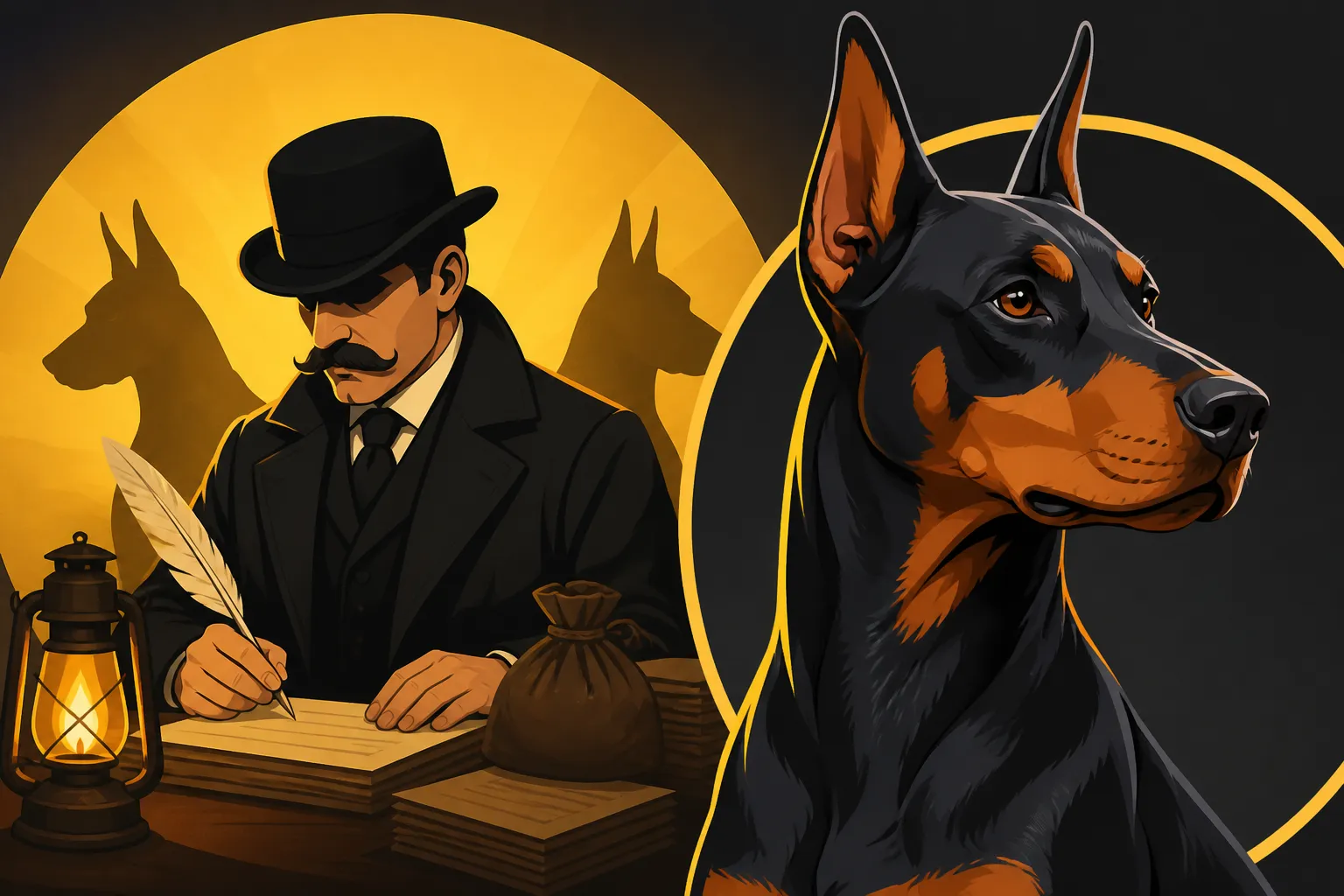
His primary role as the local tax collector was certainly not one that endeared him to everyone. Imagine the task: going door-to-door, collecting money, sometimes from people who were less than thrilled to part with their hard-earned cash. This wasn't a job for the faint of heart, especially in a time and place where social decorum wasn't always a guarantee, and personal security was largely your own responsibility. But his duties didn't stop there. He also held positions as the municipal dog catcher and, perhaps most tellingly, as a night watchman. Each of these roles placed him in situations that were, at best, uncomfortable, and at worst, downright dangerous. It’s clear that a steadfast, reliable companion was not a luxury for Dobermann; it was a necessity. The combination of these demanding and often perilous jobs cemented his desire for a specific kind of canine partner. You can learn more about Who Karl Friedrich Louis Dobermann Was and his impact on the breed.
The Dangerous World That Demanded a Protector
To truly understand why Karl Dobermann felt such an urgent need for a protective dog, we need to step into his shoes and consider the environment in which he lived and worked. Apolda, while a town, still carried many of the dangers inherent to rural and semi-urban settings of the era, without the robust public safety systems we rely on today.
The Vulnerability of a Tax Collector
Picture Dobermann on his rounds. He wasn't just collecting taxes; he was handling sums of money, often in cash, moving from house to house, sometimes through isolated areas. This made him a walking target for opportunists, robbers, or simply those resentful of his official duties. There were no armored cars or police escorts. His personal safety, and the security of the funds he was responsible for, fell squarely on his own shoulders. A large, imposing, and intelligent dog capable of deterring threats was not just a preference; it was a vital part of his personal security apparatus. This direct exposure to potential harm day in and day out was the primary catalyst for his breeding project. The psychological toll of constantly being alert and vulnerable must have been immense, and a loyal, formidable canine partner would have offered an invaluable sense of security.
Night Watchman Duties and Canine Companionship
His role as a night watchman presented an entirely different set of challenges. Patrolling the streets of Apolda after dark, Dobermann was responsible for maintaining order, deterring crime, and ensuring the safety of the town's citizens while they slept. The nights were long, dark, and often solitary. Human companions might draw attention or be unreliable. A dog, however, would offer not only a deterrent presence but also enhanced senses – superior hearing and scent – to detect intruders or trouble long before a human could. A dog that was brave, alert, and able to work silently in the shadows would be an indispensable partner. It's easy to see how Doberman Guarding Instinct and Where It Tips Over is a direct lineage from this early purpose. He needed a dog that understood when to be watchful and when to act, not just a barking alarm.
The Practicalities of a Dog Catcher
Ironically, his role as dog catcher also played a crucial, albeit perhaps less obvious, part in his breeding endeavors. As the local dog catcher, Dobermann would have had unparalleled access to a variety of local dogs, often strays or those deemed problematic. This gave him a unique "gene pool" from which to draw. He could observe various temperaments, physical traits, and innate abilities firsthand. He wasn't seeking out expensive, pedigreed animals, but rather working with what was available, focusing on desirable traits like courage, intelligence, and protective instinct. This hands-on experience with different dogs, evaluating their utility and disposition, provided him with practical insights that a typical enthusiast might not have had. He saw the raw material available in the community and understood how to combine these elements to create something new and effective.
The Traits Dobermann Sought in His Ideal Dog
Given his demanding and often dangerous occupations, Karl Dobermann wasn't looking for a lap dog or a purely aesthetic companion. He had a very clear and practical list of qualities he needed in a canine partner. These weren't abstract ideals but concrete requirements born from his lived experiences.
Fearlessness and Loyalty
Above all, Dobermann needed a dog that was absolutely fearless. Facing down potential threats, whether from resentful taxpayers or lurking criminals in the dark, required a dog that would not back down. But fearlessness alone isn't enough; it must be coupled with unwavering loyalty. A dog that would stand by its master, no matter the danger, was paramount. This combination meant a dog that was utterly devoted to its owner but possessed the nerve to act when called upon. It's this deep loyalty that still characterizes the breed today, often earning them the nickname "Velcro Doberman" because of their tendency to stick close to their chosen person. To this day, a Doberman is often described as A Doberman That Shadows One Family Member.
Intelligence and Trainability
A powerful dog without intelligence is a liability. Dobermann needed a partner that could understand complex commands, assess situations, and learn quickly. His dog would need to distinguish between a casual visitor and a genuine threat, to respond appropriately without being overly aggressive or timid. This required a high degree of intelligence and, crucially, trainability. He needed a dog that was eager to please and capable of processing instructions, making it a reliable extension of his own judgment. The Doberman's famed intelligence, often ranking high in canine intelligence studies, is a direct legacy of this initial requirement. Owners today often remark on how quickly their Dobermans pick up new cues. For anyone training a Doberman, finding the right gear, from sturdy training leashes to interactive puzzle toys to keep their clever minds engaged, is essential. Many owners turn to reputable online retailers like Chewy for a wide selection of durable and stimulating products designed for intelligent breeds.
Physicality and Presence
While intelligence and temperament were key, the physical presence of the dog was also incredibly important for deterrence. Dobermann wanted a dog that looked formidable, one whose mere appearance would make potential wrongdoers think twice. This meant a dog of substantial size, with a powerful build, and an alert, watchful demeanor. The breed's sleek, muscular physique and intense gaze are direct results of this desire for an intimidating presence. Yet, this presence also had to be paired with agility and speed, to effectively apprehend or deter if necessary. The original Dobermans were not just big; they were athletic and capable. Their gait, as described in breed standards, emphasizes a powerful, far-reaching stride, showcasing their athletic prowess. You can read more about The Doberman the AKC Standard Describes to understand how these early ideals translated into a formal breed standard.
Early Ancestors and Their Contributions
Karl Dobermann didn't create the Doberman Pinscher from scratch, nor did he have a vast array of purebred dogs to choose from in his time. Instead, he worked with what was readily available in his local area, selectively breeding dogs he encountered through his various roles. The exact lineage is not perfectly documented, as Dobermann himself was a practical man, not a meticulous record-keeper in the modern sense. However, historical accounts and breed characteristics point to several probable contributors.
The Foundation Stock
It’s widely believed that Dobermann utilized dogs that were common in the region, often crosses or types of dogs rather than distinct breeds as we know them today. These included local German Shepherds (though not the modern breed, but shepherd types), Rottweiler-like dogs, and even some types of Terriers and Greyhounds. Each of these likely contributors brought specific traits that Dobermann valued:
- German Shepherd-type dogs: These would have contributed intelligence, trainability, and a strong protective instinct, as well as a robust physical build.
- Rottweiler-like dogs: Known for their power, guarding abilities, and loyal, if sometimes aloof, temperament. They would have added to the Doberman's formidable presence.
- Various Terriers (e.g., Manchester Terrier): Terriers are renowned for their tenacity, fearlessness, and sharp alertness. These smaller, but feisty, breeds would have instilled the "pinscher" (meaning "terrier" in German, referring to its biting or nipping action) characteristic, adding speed and agility to the protective nature.
- Greyhound or similar sighthounds: To achieve the necessary speed and athleticism for pursuit or quick response, sighthound characteristics would have been invaluable. This would have refined the Doberman's sleek lines and powerful, ground-covering gait.
It was a careful, almost intuitive, blending of these diverse characteristics that eventually led to the Doberman Pinscher. He was essentially reverse-engineering a dog for a specific job, picking traits he observed in various dogs around him. For modern Doberman owners looking to understand their dog's potential, exploring The Working Sports a Doberman Was Built For can offer great insight into their innate drive and how to channel it positively.
A Look at the Early Mix
To better visualize the blend of traits Dobermann was aiming for, consider this simplified overview of potential contributions:
| Ancestral Dog Type | Key Traits Contributed | Dobermann's Need Addressed |
|---|---|---|
| Early German Shepherd-type | Intelligence, herding/guarding instinct, endurance | Reliable protection, trainability for night watch |
| Rottweiler-like | Strength, formidable presence, territorial guarding | Deterrence for tax collection, physical power |
| Terrier-type (e.g., Manchester) | Tenacity, quickness, prey drive, alertness | Sharp response, fearlessness, "pinscher" (biter) instinct |
| Greyhound-type | Speed, agility, sleek build | Swift pursuit, athletic capability |
This table illustrates the melting pot of canine genetics that formed the basis of the Doberman. It wasn't about aesthetics initially, but pure function. Every trait was selected to make Dobermann's life safer and his work more effective. Over time, further refinement by other breeders would standardize the breed, leading to the Doberman we know today. However, the core characteristics that Dobermann prioritized – the combination of courage, intelligence, loyalty, and imposing presence – remain the hallmarks of the breed. This foundational drive for a working dog means that a Doberman today benefits greatly from a structured environment, clear boundaries, and consistent engagement, whether through formal training or active play. Remember to invest in quality equipment for your Doberman's daily needs; retailers like Chewy offer everything from nutrition solutions for active dogs to comfortable, supportive beds for their well-deserved rest.
From Functional Necessity to Global Recognition
The dogs Dobermann created proved to be highly effective for his purposes. They were smart enough to learn, brave enough to protect, and imposing enough to deter. His reputation as a breeder grew within his local community, and other people facing similar security challenges began to seek out his dogs. This initial demand, born purely out of practical necessity, laid the groundwork for the breed's future.
Following Dobermann's death in 1894, other breeders, most notably Otto Goeller, took up the mantle. They began to standardize the type, focusing on consistent temperament and conformation. It was Goeller who founded the first Doberman Pinscher Club in Apolda in 1899, establishing the initial breed standard and bringing the breed into a more formal existence. This meant that the desirable traits Dobermann sought could be preserved and developed further. You can learn more about The Doberman Club Goeller Founded in 1899.
From these humble and highly practical beginnings, the Doberman Pinscher rapidly gained recognition. Their intelligence and protective instincts made them ideal candidates for police and military work, famously serving with the U.S. Marine Corps in World War II, earning them the nickname "Devil Dogs." Today, they excel in various roles, from protection sports like IGP (formerly IPO) to competitive obedience, agility, and even as therapy dogs, showcasing their versatility and adaptability. For any modern Doberman owner, understanding The Owner a Doberman Actually Needs means recognizing this deep-seated need for purpose and partnership.
It's truly a testament to Karl Dobermann's keen eye for canine psychology and physical prowess that his initial, urgent need for a personal protector evolved into a globally recognized and beloved breed. His difficult and sometimes dangerous professions didn't just shape his life; they forged a dog that continues to captivate and protect around the world.
Disclaimer
This article is for general informational purposes only and does not constitute professional advice. Laws, prices and regulations vary by location and change over time. Consult a qualified professional for guidance on your specific situation.